
Moving to Switzerland can feel like stepping into a country built with astonishing precision. Trains run on time. Streets look polished. Paperwork matters. Small details have real weight. That is exactly why a move to Switzerland should never be treated as a casual drive across Europe with a few boxes in the back.
This guide to moving to Switzerland gives you a clear, practical and complete roadmap. It explains the documents you may need, how Swiss customs work, what to pack first, how to choose the right van size, how to avoid expensive mistakes and how a professional man and van service can turn a tense relocation into a controlled journey.
Switzerland is not a member of the European Union. That single fact changes more than many people expect. Even if you are moving from France, Germany, Italy, Poland, Spain, the Netherlands or another European country, your household goods may still need customs handling. Used furniture, personal belongings, appliances, bicycles, clothes, books and even vehicles can all fall under specific import rules.
For that reason, preparation is not optional. It is your safety net.
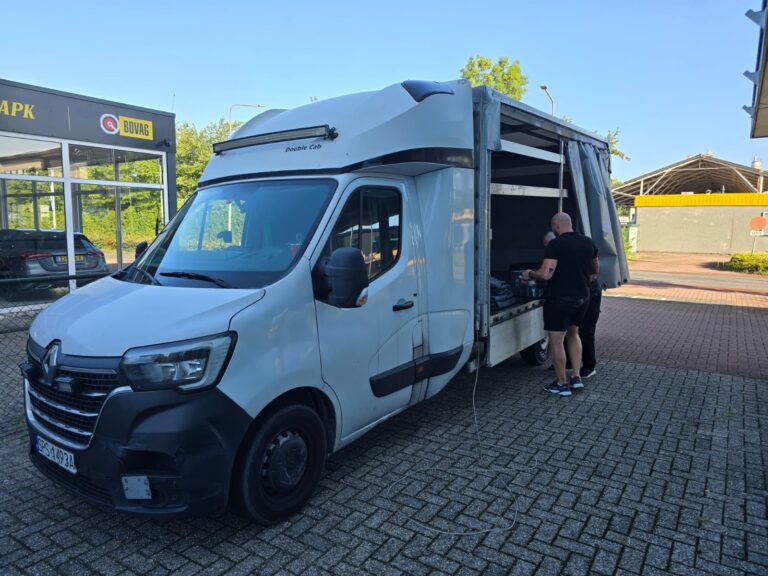
VANonsite supports European removals with GPS tracked transport, flexible van sizes and careful handling for homes, students, offices, furniture and urgent moves. For customers who want a safer and smoother relocation, VANonsite offers professional removals to Switzerland built around speed, security and trust.
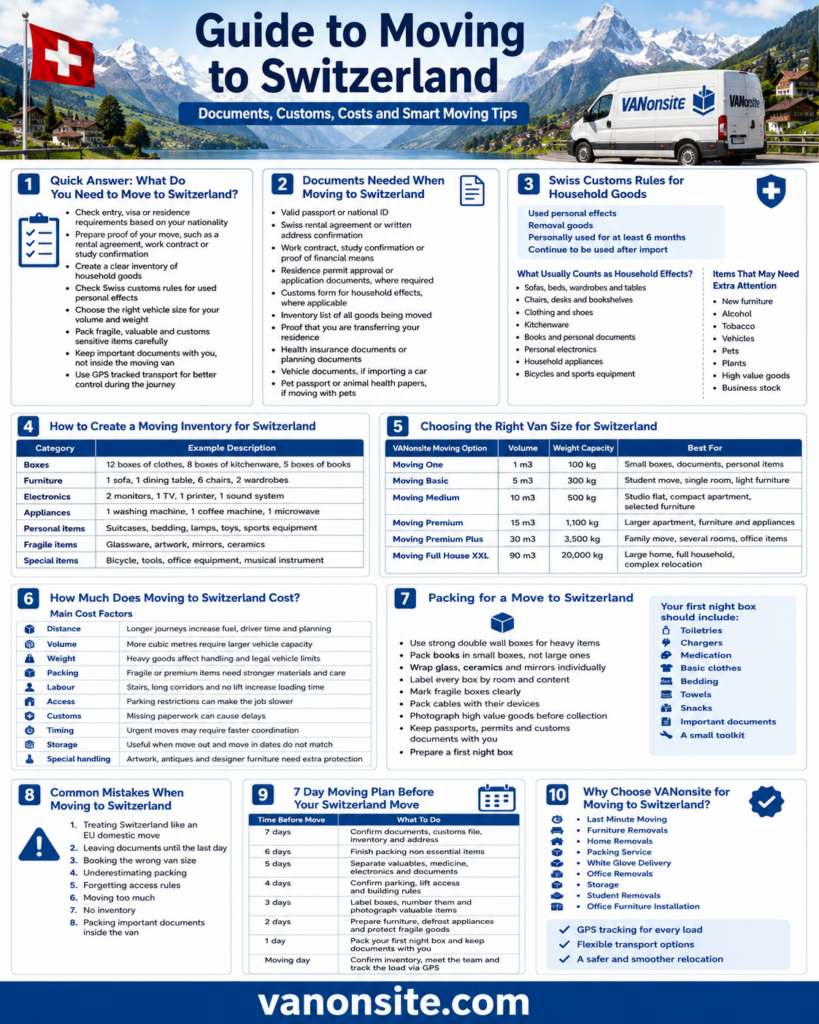
Quick Answer: What Do You Need to Move to Switzerland?
A practical guide to moving to Switzerland should start with the essentials. Before moving day, you should confirm your right to stay, prepare your Swiss address or residence documents, create a detailed inventory of your belongings, check customs rules and book transport that fits your real load.
For most long term moves, the key steps are:
- Check entry, visa or residence requirements based on your nationality.
- Prepare proof of your move, such as a rental agreement, work contract or study confirmation.
- Create a clear inventory of household goods.
- Check Swiss customs rules for used personal effects.
- Choose the right vehicle size for your volume and weight.
- Pack fragile, valuable and customs sensitive items carefully.
- Keep important documents with you, not inside the moving van.
- Use GPS tracked transport for better control during the journey.
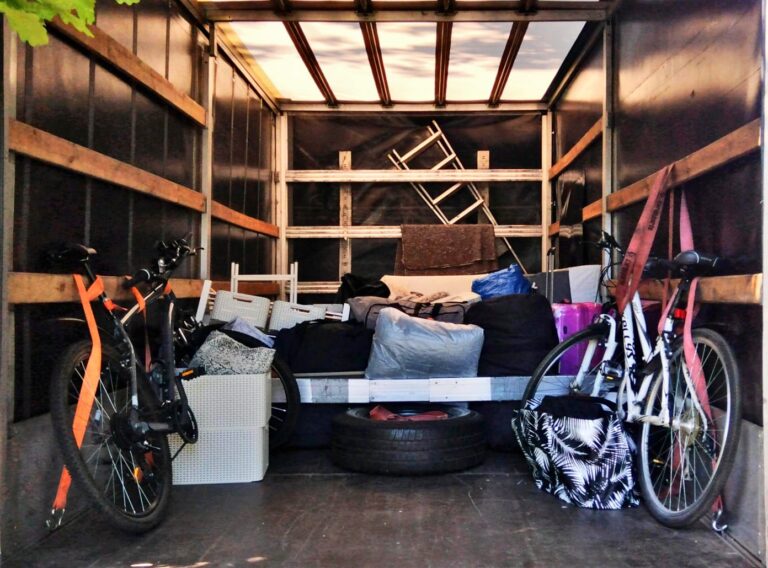
A small student move may fit into 5 m3 or 10 m3. A larger family move may need 30 m3 or more. A full house relocation can require up to 90 m3, especially when furniture, appliances, outdoor items and storage boxes are included.
This guide to moving to Switzerland is designed to help you answer one question quickly: how do you move without turning your new beginning into a logistical headache?
The answer is planning, accurate documents and the right man and van partner.




Why Moving to Switzerland Is Different From Most European Moves
Switzerland sits in the heart of Europe, but moving there is not the same as moving between two EU countries. The country is part of the Schengen Area, yet it remains outside the EU customs union. This means people and goods are treated differently.
For travellers, the border may feel simple. For household goods, it is more serious.
When you move furniture, boxes, appliances and personal effects into Switzerland, customs rules can apply. You may need to show that you are transferring your residence and that your belongings are used household goods rather than new commercial imports. This is one of the most important points in any guide to moving to Switzerland.
Several things make Swiss moves more demanding:
- Customs procedures for household effects
- Residence permits or registration for stays over 3 months
- Cantonal and local administration
- High housing demand in cities such as Zurich, Geneva and Lausanne
- Strict parking and building access rules
- Narrow city streets and apartment entrances
- Higher living costs compared with many European countries
- Greater need for punctual delivery windows
A Swiss relocation rewards accuracy. If your documents are ready, your inventory is clear and your move is planned, the process can feel impressively smooth. If you arrive without paperwork or choose the wrong transport setup, delays can become costly.
This is where a professional man and van service can make a real difference. It gives you flexibility for smaller loads, stronger coordination for medium moves and a more personal approach than oversized, slow moving relocation chains.
Documents Needed When Moving to Switzerland
Documents may not feel exciting, but they are the backbone of your move. Without them, even a perfectly packed van can be stopped by avoidable problems.
The documents you need depend on your nationality, whether you are moving for work, study, family, retirement or business and how long you plan to stay. Still, most people moving to Switzerland should prepare a relocation folder before collection day.
Keep paper copies and digital copies. Do not place these documents inside a sealed moving box. They should travel with you.
Core Documents to Prepare
Most people should prepare:
- Valid passport or national ID
- Swiss rental agreement or written address confirmation
- Work contract, study confirmation or proof of financial means
- Residence permit approval or application documents, where required
- Customs form for household effects, where applicable
- Inventory list of all goods being moved
- Proof that you are transferring your residence
- Health insurance documents or planning documents
- Vehicle documents, if importing a car
- Pet passport or animal health papers, if moving with pets
- Marriage certificate or birth certificates, where relevant
- School documents for children
- Insurance documents for valuable items
- Contact details for your landlord, employer, school or relocation contact
If you plan to stay in Switzerland for more than 3 months, check the official Swiss residence permit information here: Swiss residence permits.
For entry, residence and working rules, you can also use the Swiss State Secretariat for Migration: Entry, residence and working in Switzerland.
This guide to moving to Switzerland cannot replace official legal advice, but it can help you understand what to prepare before your move starts.
Residence and Registration After Arrival
Once you arrive in Switzerland, the administrative work does not end at the border. In general, people moving to a new commune are expected to register with the new commune of residence within 14 days. Registration rules can vary by canton and municipality, so always check the local requirements for your destination.
You can read the official Swiss guidance here: Notification of departure and registration.
Registration may affect several practical parts of life in Switzerland, including:
- Residence permits
- Local taxes
- Health insurance
- School enrolment
- Vehicle registration
- Access to municipal services
- Official correspondence
For a smooth start, prepare your Swiss address, rental agreement and identity documents before you arrive. If you are moving for work, keep your employment contract close. If you are moving for study, keep your admission or enrolment confirmation ready.
A good relocation is not only about getting your sofa into the living room. It is about becoming administratively visible in your new country.
Swiss Customs Rules for Household Goods
Customs is one of the most important sections in this guide to moving to Switzerland. Many people underestimate it because Switzerland feels familiar, safe and close. But from a customs perspective, it is a different territory.
The Swiss Federal Office for Customs and Border Security explains the process for household effects here: Moving household effects to Switzerland.
In many cases, people transferring their residence to Switzerland may import used personal effects as removal goods without paying import duties, as long as official conditions are met. One key condition is that the items should usually have been personally used for at least 6 months and continue to be used after import.
This is why your inventory matters. It tells customs what is inside the move and helps separate normal household effects from items that may need special attention.
What Usually Counts as Household Effects?
Household effects may include:
- Sofas, beds, wardrobes and tables
- Chairs, desks and bookshelves
- Clothing and shoes
- Kitchenware
- Books and personal documents
- Personal electronics
- Lamps, rugs and decoration
- Household appliances
- Bicycles and sports equipment
- Tools used for private purposes
- Children’s toys
- Personal collections
- Bedding, curtains and towels
These items should usually be used personal goods connected to your previous home. New goods, commercial items or large quantities of identical products can raise questions.
Items That May Need Extra Attention
Some items should be checked more carefully before the move:
- New furniture
- Alcohol
- Tobacco
- Vehicles
- Pets
- Plants
- High value goods
- Business stock
- Commercial equipment
- Weapons or restricted goods
- Food products
- Expensive electronics in original packaging
If something is new, valuable or unusual, describe it clearly in your inventory. Hiding items or guessing can make the process worse. Honesty and structure are much safer.
Customs Documents for Household Effects
For household goods, form 18.44 is commonly used in the customs process. You can check the official customs procedure here: Moving to Switzerland procedure.
The customs file may include:
- Completed customs form, where required
- Passport or ID
- Residence permit or proof of transfer of residence
- Rental agreement or employment contract
- Detailed goods inventory
- Vehicle documents, if relevant
- Pet documents, if relevant
- Proof of departure from the previous country, where useful
Do not leave this until moving day. Customs paperwork deserves calm attention.
How to Create a Moving Inventory for Switzerland
A moving inventory does not need to be beautiful. It needs to be clear.
Think of it as a map of your belongings. The better the map, the easier it is for movers, customs and you during unpacking.
Your inventory should include:
| Category | Example Description |
|---|---|
| Boxes | 12 boxes of clothes, 8 boxes of kitchenware, 5 boxes of books |
| Furniture | 1 sofa, 1 dining table, 6 chairs, 2 wardrobes |
| Electronics | 2 monitors, 1 TV, 1 printer, 1 sound system |
| Appliances | 1 washing machine, 1 coffee machine, 1 microwave |
| Personal items | Suitcases, bedding, lamps, toys, sports equipment |
| Fragile items | Glassware, artwork, mirrors, ceramics |
| Special items | Bicycle, tools, office equipment, musical instrument |
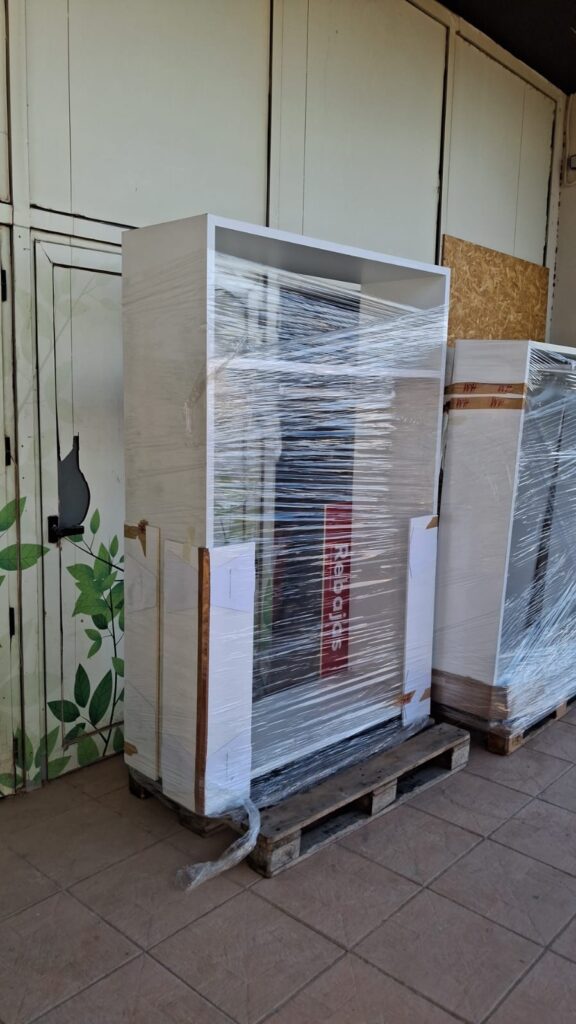
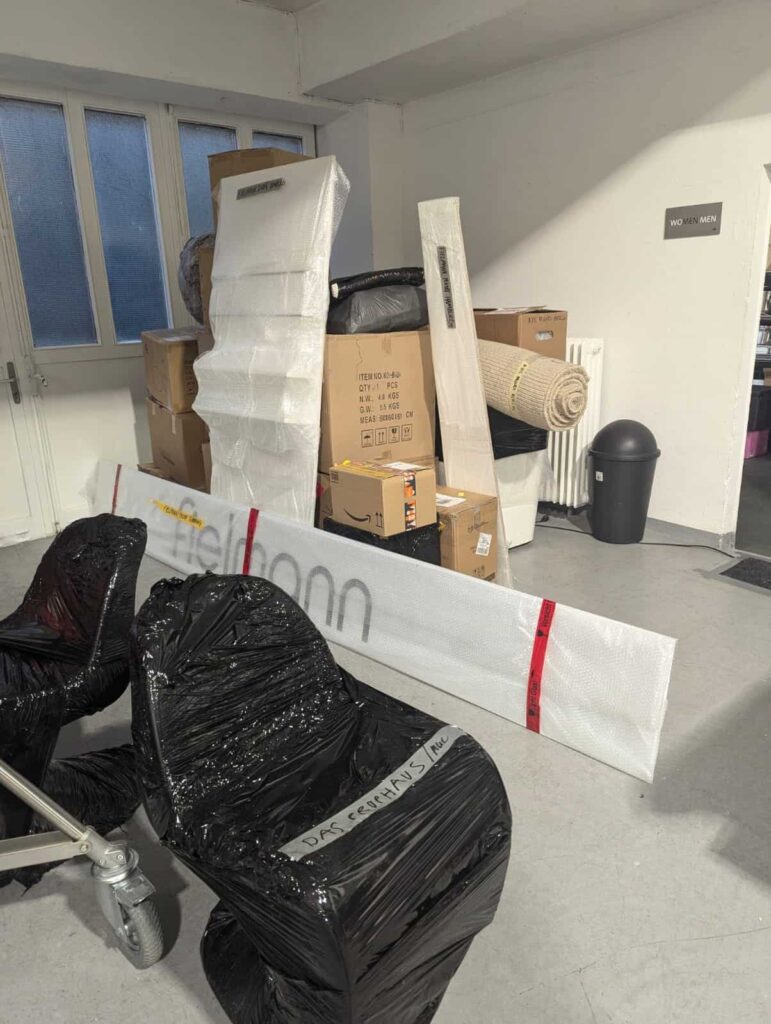
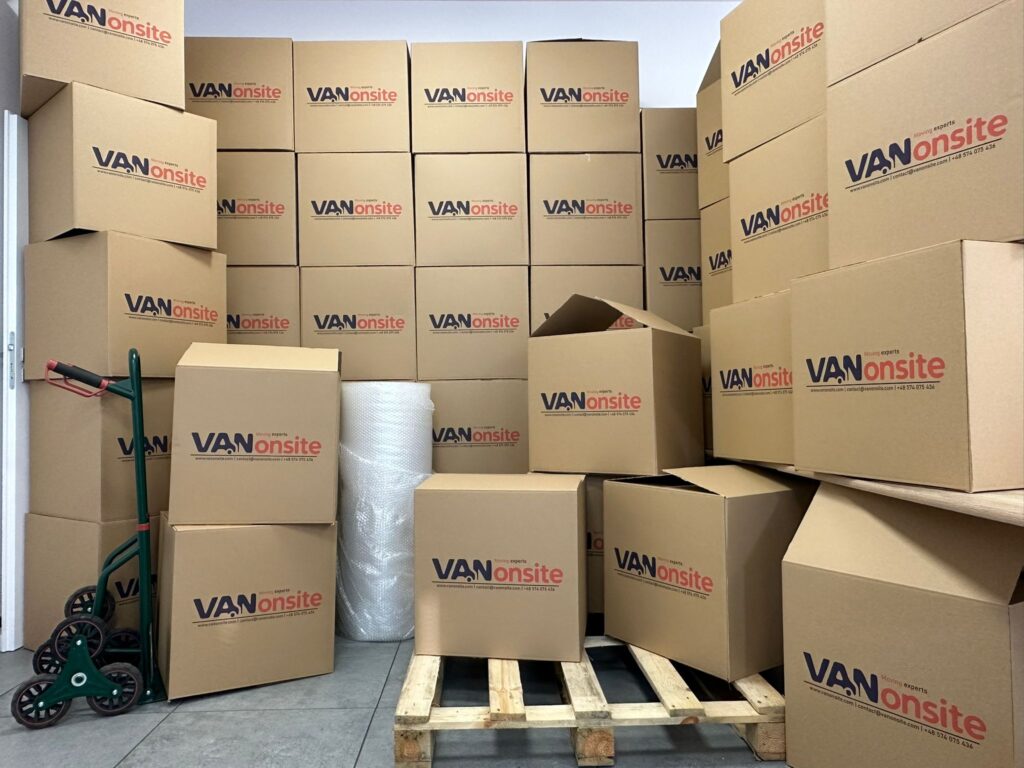
A good rule is to number your boxes. For example, write “Kitchen 1 of 6” or “Bedroom 3 of 8.” This makes unloading easier and helps you see quickly if anything is missing.
For valuable goods, take photos before collection. Photos are useful for your own records and for insurance discussions if damage ever occurs.
This guide to moving to Switzerland strongly recommends creating the inventory before packing is finished. If you wait until the last evening, everything becomes blurred. You may forget what is inside each box, and that can cause trouble later.
Choosing the Right Van Size for Switzerland
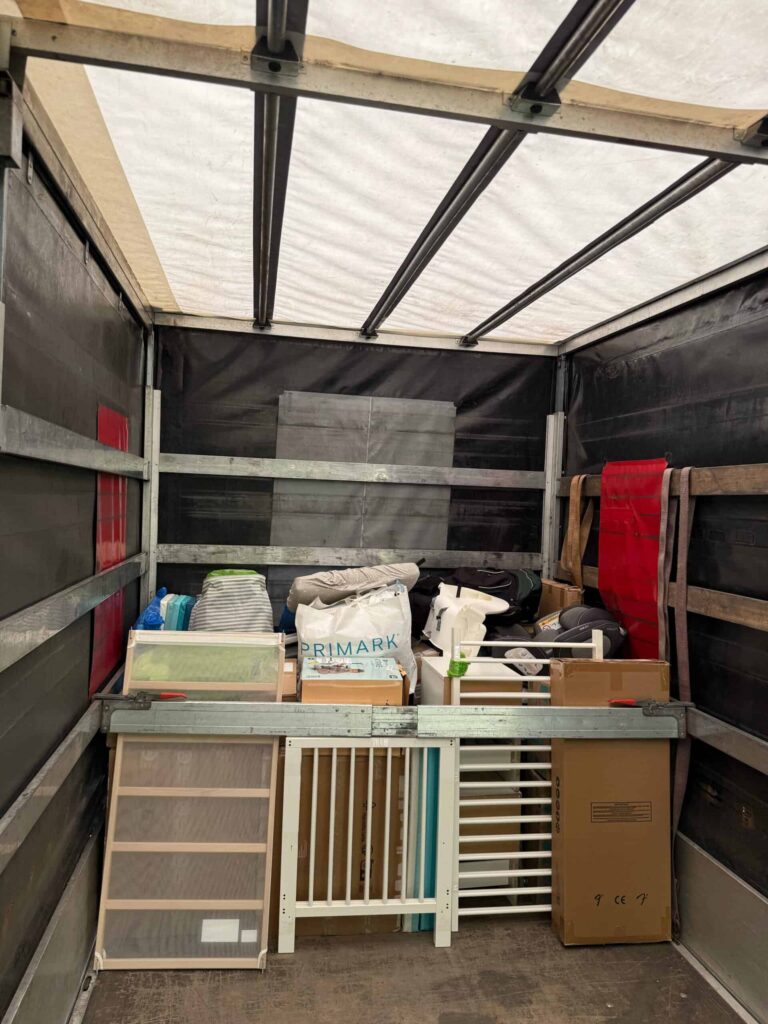
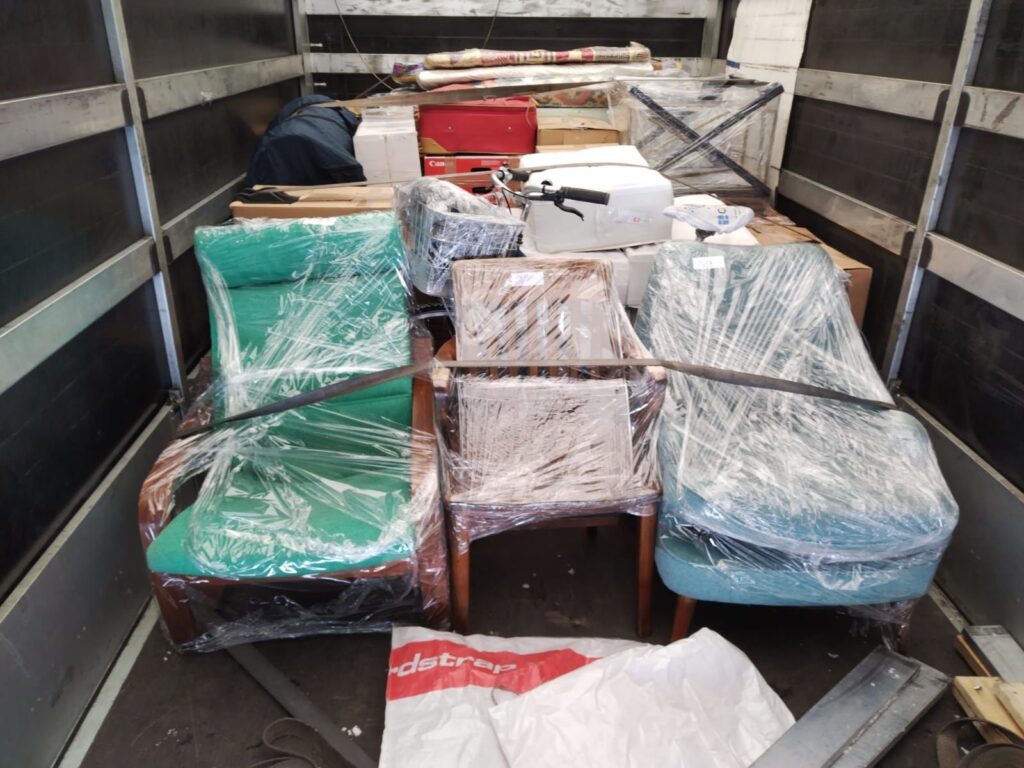
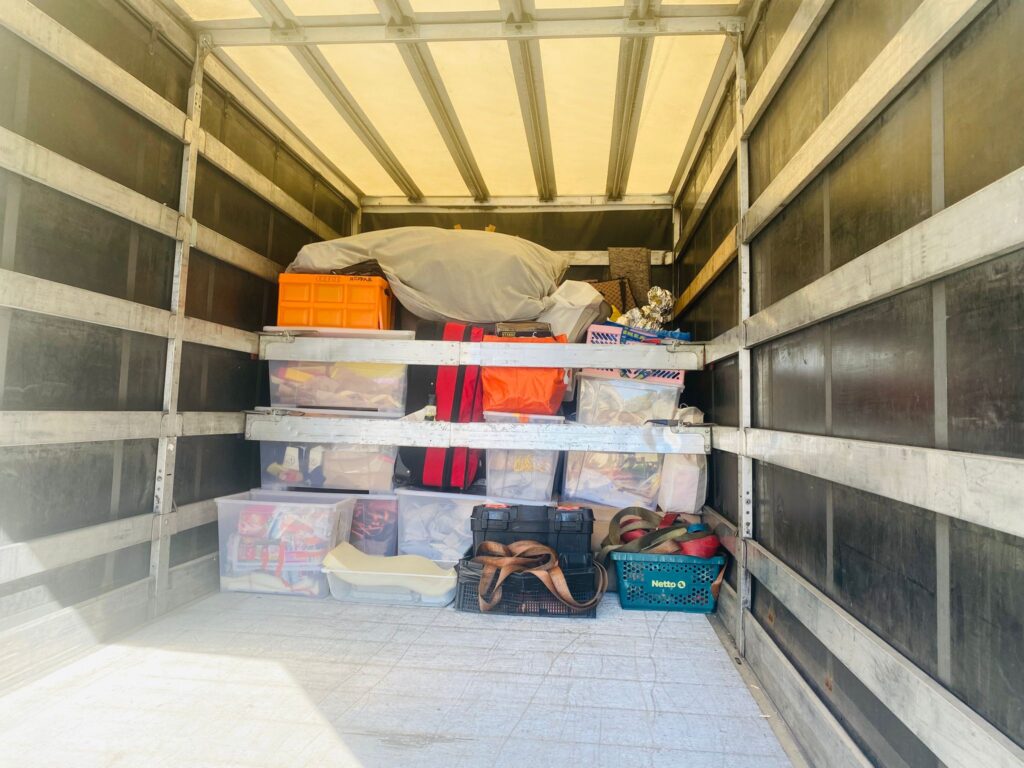
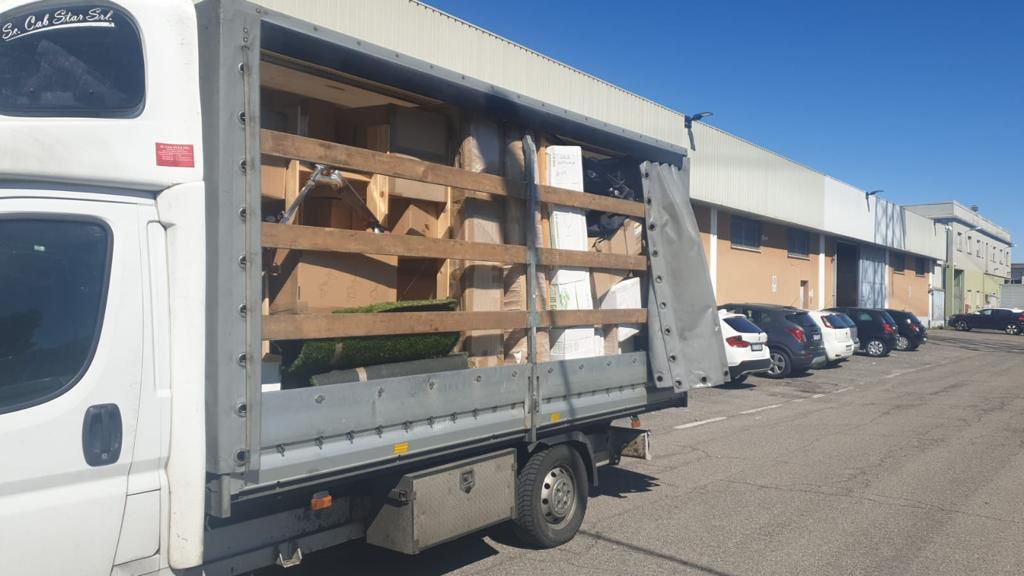
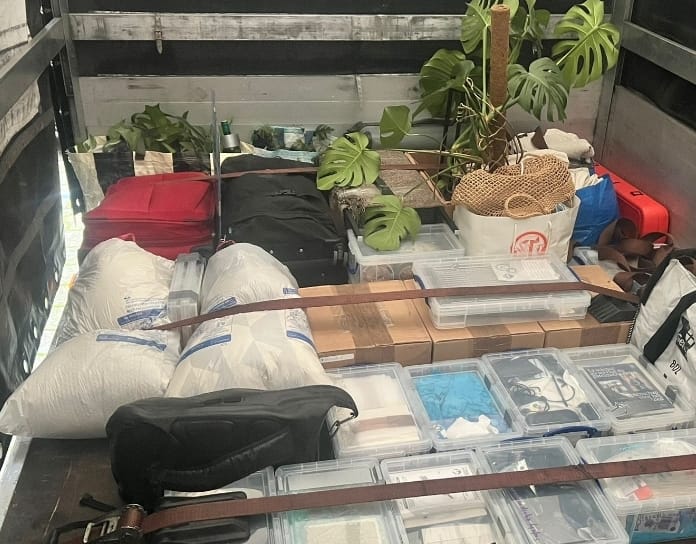
Choosing the right vehicle is one of the most practical decisions in your move. Too small, and the load may not fit. Too large, and you may pay for space you do not need.
VANonsite offers several moving options for different relocation sizes.
| VANonsite Moving Option | Volume | Weight Capacity | Best For |
|---|---|---|---|
| Moving One | 1 m3 | 100 kg | Small boxes, documents, personal items |
| Moving Basic | 5 m3 | 300 kg | Student move, single room, light furniture |
| Moving Medium | 10 m3 | 500 kg | Studio flat, compact apartment, selected furniture |
| Moving Premium | 15 m3 | 1,100 kg | Larger apartment, furniture and appliances |
| Moving Premium Plus | 30 m3 | 3,500 kg | Family move, several rooms, office items |
| Moving Full House XXL | 90 m3 | 20,000 kg | Large home, full household, complex relocation |
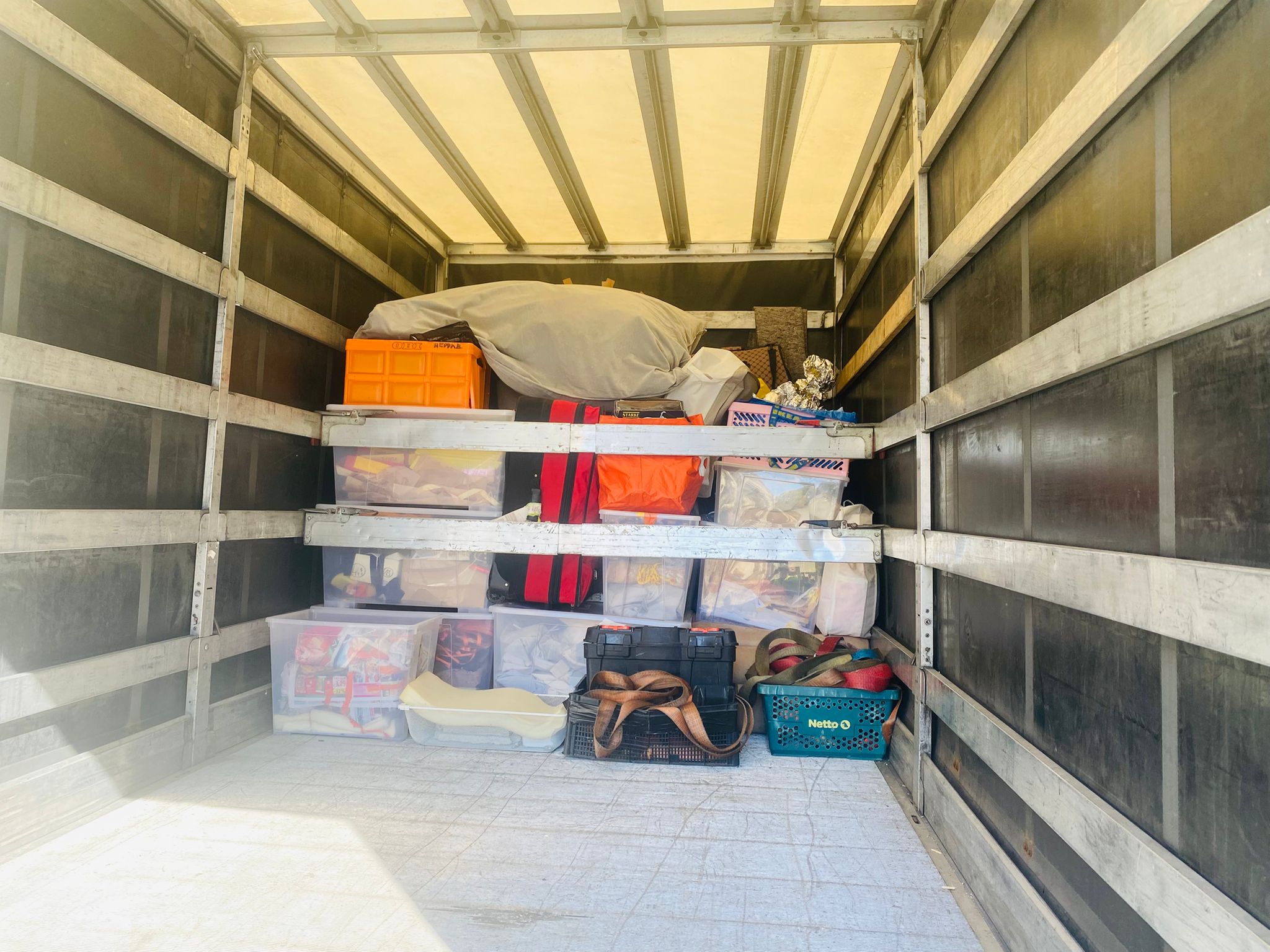
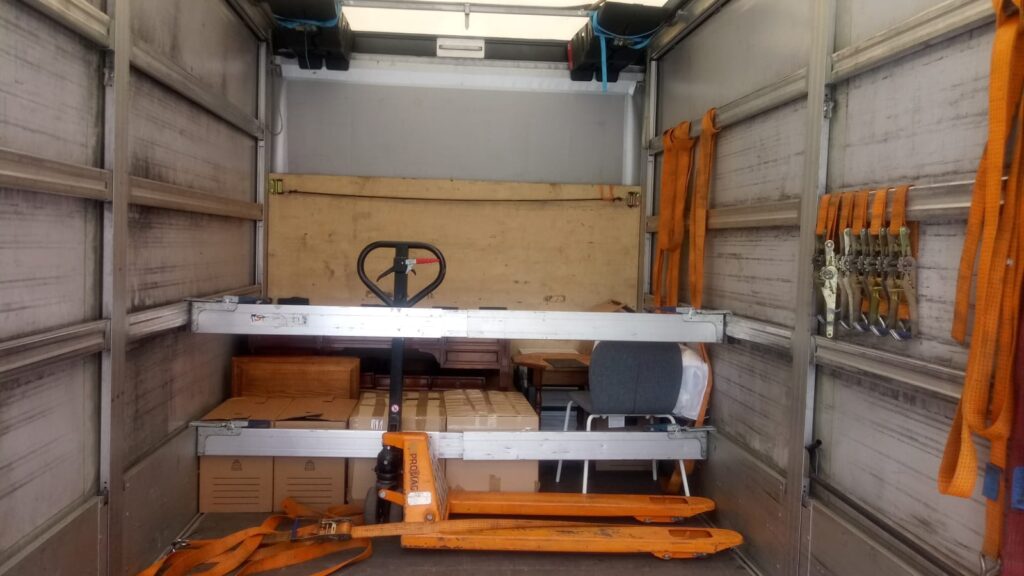
A 5 m3 van can be enough for a student or a single room. A 10 m3 option can often handle a compact flat. A 15 m3 or 30 m3 vehicle may suit a family apartment or bigger home. For a full house move, especially with bulky furniture, 90 m3 can become realistic.
Weight matters too. Books, tools, appliances and office files can be heavier than they look. A move that seems small in volume can still become heavy.
Before booking, estimate:
- Number of boxes
- Furniture dimensions
- Weight of appliances
- Number of fragile items
- Access at collection address
- Access at delivery address
- Distance from parking to entrance
- Whether items need disassembly
- Whether storage is needed
A well sized man and van service keeps the move efficient. It saves time, reduces handling and helps protect your belongings.
How Much Does Moving to Switzerland Cost?
There is no honest fixed price for every Swiss relocation. Moving costs depend on distance, load size, timing, labour, packing, access and customs complexity.
A light student move of 5 m3 is very different from a 30 m3 family move. A full house relocation of 90 m3 is different again. That is why this guide to moving to Switzerland focuses on cost factors rather than fake promises.
Main Cost Factors
| Cost Factor | Why It Matters |
|---|---|
| Distance | Longer journeys increase fuel, driver time and planning |
| Volume | More cubic metres require larger vehicle capacity |
| Weight | Heavy goods affect handling and legal vehicle limits |
| Packing | Fragile or premium items need stronger materials and care |
| Labour | Stairs, long corridors and no lift increase loading time |
| Access | Parking restrictions can make the job slower |
| Customs | Missing paperwork can cause delays |
| Timing | Urgent moves may require faster coordination |
| Storage | Useful when move out and move in dates do not match |
| Special handling | Artwork, antiques and designer furniture need extra protection |
Costs can vary by 30% to 60% depending on these factors. One of the easiest ways to control cost is to reduce your volume before moving.
Declutter before packing. If you remove 10% to 20% of items you no longer use, you may reduce van size, loading time and unpacking stress. Donate old clothes. Sell unused furniture. Recycle broken items. Do not pay to move things you already know you do not want.
A Swiss move is expensive enough without transporting regret.
Packing for a Move to Switzerland
Packing is where a smooth move is built. It is also where many problems begin.
Good packing protects your belongings from vibration, pressure, weather, lifting and long distance transport. Poor packing creates broken glass, scratched furniture, crushed boxes and panic during unpacking.
For a cross border move, packing must also support customs clarity. Items should be grouped logically and labelled well.
Essential Packing Rules
Use these rules before moving day:
- Use strong double wall boxes for heavy items.
- Keep boxes at a weight one person can safely carry.
- Pack books in small boxes, not large ones.
- Wrap glass, ceramics and mirrors individually.
- Use bubble wrap, paper or blankets for fragile items.
- Keep liquids sealed and separated.
- Label every box by room and content.
- Mark fragile boxes clearly.
- Pack cables with their devices.
- Photograph high value goods before collection.
- Keep passports, permits and customs documents with you.
- Prepare a first night box.
A first night box is not a luxury. It is survival. After a long journey, you do not want to open 17 boxes to find a toothbrush.
Your first night box should include:
- Toiletries
- Chargers
- Medication
- Basic clothes
- Bedding
- Towels
- Snacks
- Important documents
- A small toolkit
- Cleaning cloths
- Baby or pet essentials, if needed
- Kettle or basic kitchen items
VANonsite Packing Service can help when items are fragile, awkward, valuable or emotionally important. Professional packing is especially useful for long distance removals because the load spends more time on the road and may pass through more handling points.
Moving Furniture to Switzerland
Furniture carries more than function. A dining table may hold 10 years of family dinners. A sofa may have crossed three apartments already. A desk may be where a new career begins.
That is why furniture removals need more than muscle.
When moving furniture to Switzerland, consider:
- Can the item be disassembled?
- Are screws and fittings packed safely?
- Will the item fit through the doorway?
- Is the staircase wide enough?
- Is there a working lift?
- Can the van park close to the entrance?
- Does the furniture need blankets, corner protection or stretch wrap?
- Is the surface delicate, polished, glass or antique?
- Does customs need a clear description?
Large furniture can be difficult in Swiss cities. Zurich, Geneva, Bern, Basel and Lausanne all have areas where parking, access or building rules can complicate delivery. Historic streets, underground car parks, steep roads and strict apartment schedules can add pressure.
VANonsite Furniture Removals can be paired with the right man and van option. Smaller furniture deliveries can be handled efficiently, while larger loads can be matched to higher volume vehicles.
For premium pieces, White Glove Delivery may be the better choice. Some items should not be rushed through a doorway. They should be measured, protected, carried and placed with care.
Moving Home to Switzerland
A home move is not only a logistics task. It is a personal moment.
Your life leaves one country in boxes and arrives in another as a fresh start. That can feel thrilling, but also heavy. The right plan makes it lighter.
For home removals to Switzerland, start with the rooms you use least. Pack storage areas, guest rooms, seasonal clothing, books and decoration first. Leave everyday kitchen items, toiletries, work equipment and children’s essentials until later.
A strong home moving plan includes:
- Decluttering 4 to 8 weeks before the move.
- Creating a room by room inventory.
- Booking the correct van size.
- Preparing documents and customs forms.
- Packing fragile items early.
- Labelling boxes clearly.
- Confirming parking and access.
- Keeping important items with you.
- Using GPS tracking to follow the delivery.
- Unpacking essential rooms first.
When you arrive, unpack in this order:
- Beds and bedding
- Bathroom essentials
- Kitchen basics
- Children’s or pet essentials
- Work equipment
- Main clothing
- Furniture placement
- Decoration and non essential items
The first 24 hours should feel stable, not chaotic. Focus on sleep, hygiene, food and documents. Everything else can wait.
VANonsite Home Removals are useful for customers who want structured support, careful loading and flexible European transport for different home sizes.


Student Moves to Switzerland
A student move should be light, smart and cost aware. Most students do not need a huge relocation service. They need the right amount of space, a reliable delivery window and a man and van service that does not overcomplicate the process.
Switzerland is popular with international students, especially in cities such as Zurich, Lausanne, Geneva, Basel and Bern. But student accommodation can be compact. Shared flats, dorm rooms and small studios rarely have space for a full household.
Typical student items include:
- Suitcases
- Clothes
- Bedding
- Books
- Laptop and monitor
- Desk lamp
- Small kitchen items
- Personal documents
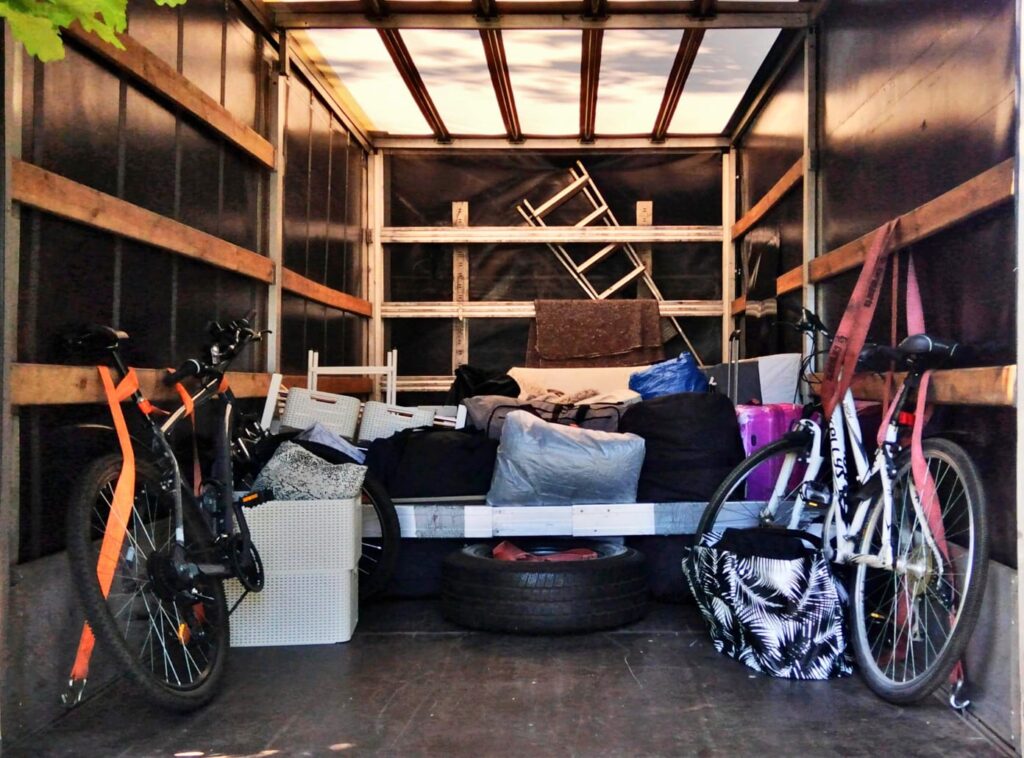
- Bike or sports gear
- Small furniture
- Boxes of personal belongings
For many students, Moving Basic at 5 m3 or Moving Medium at 10 m3 may be enough. This depends on whether furniture is included.
A simple student checklist:
- Confirm your room size before packing.
- Ask what furniture is already included.
- Pack only what you will use in the first 3 months.
- Keep university documents with you.
- Label boxes clearly.
- Avoid moving cheap items that can be bought locally.
- Choose a compact man and van option to reduce wasted space.
VANonsite Student Removals can support smaller European moves without making the service feel oversized.
Office Relocation to Switzerland
An office move is a productivity risk if it is not planned properly. Every desk, chair, monitor, printer, meeting table and archive box needs to arrive in a way that helps the business restart quickly.
Even a 24 hour delay can disturb meetings, client work and staff routines. That is why office removals need a sharper plan than ordinary household moves.
For an office move to Switzerland, prepare:
- IT equipment inventory
- Desk and chair list
- Labelled archive boxes
- Floor plan for the new office
- Staff communication plan
- Lift and loading bay access details
- Delivery schedule
- Packing rules for electronics
- Secure handling for documents
- Office furniture installation plan
VANonsite Office Removals can support businesses moving equipment, furniture and workplace essentials. Office Furniture Installation can make the new space usable faster, which matters when people need to return to work quickly.
GPS tracking is valuable for managers. It helps them prepare the destination, update staff and coordinate access when the load is close.
A guide to moving to Switzerland should always treat office relocation as a business continuity project. The goal is not simply to move objects. The goal is to reduce downtime.
White Glove Delivery for Premium Items
Some belongings deserve a different level of care.
White Glove Delivery is ideal for items that are valuable, fragile, prestigious or difficult to replace. This can include designer furniture, artwork, antiques, luxury appliances, delicate lighting, high value office equipment and premium interiors.
These items require more than basic loading. They need protection, careful handling, attention to property surfaces and precise placement inside the destination.
White Glove Delivery is useful for:
- Artwork
- Sculptures
- Antiques
- Designer sofas
- Marble tables
- Glass furniture
- Luxury appliances
- High value electronics
- Delicate office equipment
- Premium home decor
- Fragile lighting
In Switzerland, this service can be especially important because many properties have strict access rules. Apartments, chalets, villas, historic buildings and high end residences may need careful coordination.
VANonsite White Glove Delivery helps protect both the item and the property. It is a strong choice when ordinary delivery feels too risky.
Storage When Moving to Switzerland
Moving dates do not always line up neatly. Your old lease may end before the Swiss apartment is ready. Renovation work may take longer than expected. You may want to move in stages rather than bring everything at once.
Storage gives your plan breathing room.
Storage can help when:
- Your move out date and move in date do not match.
- You are waiting for a rental agreement to start.
- Your new home is being renovated.
- You are downsizing.
- You want to send belongings in phases.
- You need temporary space before choosing permanent housing.
- You are relocating an office and cannot install everything immediately.
Without storage, timing problems can become expensive. With storage, the move becomes more flexible.
For a guide to moving to Switzerland, storage is not an afterthought. It is a practical buffer. It protects your belongings and prevents one delayed key handover from ruining the entire schedule.
Moving With Pets to Switzerland
If you are moving with pets, plan early. Animals need documents, health checks and safe travel conditions. The exact rules depend on the type of animal, country of departure and current Swiss requirements.
For dogs, cats and ferrets, common requirements may include identification, vaccination records and pet travel documents. Always check official information before travelling because animal import rules can change.
Before moving day:
- Confirm pet entry requirements.
- Visit your vet early.
- Check microchip and vaccination status.
- Prepare travel documents.
- Pack food, water, medication and comfort items.
- Keep the animal away from heavy loading activity.
- Plan breaks on longer journeys.
- Check pet rules in your Swiss accommodation.
Pets feel the stress of moving too. Keep their routine as normal as possible. On delivery day, prepare one quiet room first so they have a calm space away from noise and open doors.
Moving a Car to Switzerland
If you plan to bring a vehicle to Switzerland, research the rules before moving. Vehicle import can involve customs, registration, insurance, technical checks and local requirements.
Do not assume that bringing a car is as simple as driving it across the border. Depending on your situation, you may need to declare the vehicle as part of your household effects or handle it separately.
Prepare:
- Vehicle registration certificate
- Proof of ownership
- Insurance documents
- Customs documents
- Residence documents
- Service history, where useful
- Driving licence documents
Also remember that Switzerland uses motorway vignettes for certain roads. If you plan to drive on Swiss motorways, check the current vignette rules before travel.
For many people moving to cities such as Zurich, Geneva, Basel, Bern or Lausanne, it is also worth checking whether a car is practical. Parking can be expensive or limited, while public transport is excellent.
Best Time to Move to Switzerland
The best moving season depends on your job start date, school calendar, property access and budget. Still, some periods are easier than others.
Spring and early autumn are often comfortable. Weather is usually manageable, roads are easier than in deep winter and demand may be less intense than peak summer.
Summer can be busy because families often move during school holidays and students prepare for new terms. Availability may be tighter, so booking early helps.
Winter moves can work well, but they require caution. Snow, ice, Alpine routes and shorter daylight hours can affect timing. For mountain regions or ski towns, weather planning becomes even more important.
General planning timelines:
| Move Type | Suggested Planning Time |
|---|---|
| Small student move | 2 to 4 weeks |
| Small apartment move | 4 to 6 weeks |
| Family home move | 6 to 8 weeks |
| Office relocation | 6 to 10 weeks |
| Full house or complex move | 8 weeks or more |
| Last minute move | As soon as possible |
Life does not always give you 8 quiet weeks. A lease may start suddenly. A job may require fast relocation. In those situations, VANonsite Last Minute Moving can help organise urgent transport with focus and speed.
Moving to Switzerland by City
Switzerland is compact, but each city has its own moving challenges. Your destination affects access, parking, timing and sometimes vehicle choice.
Moving to Zurich
Zurich is a major business, finance and technology hub. It attracts professionals, families and international workers. Housing demand can be high, and apartment buildings may have strict access rules.
When moving to Zurich, check:
- Parking restrictions
- Lift availability
- Building management rules
- Time windows for deliveries
- Distance from van to entrance
- Whether streets are narrow or restricted
A compact man and van option can work well for smaller city apartments. Larger home removals may need careful scheduling.
Moving to Geneva
Geneva has a strong international character, with organisations, diplomats, universities and expat communities. Cross border traffic from France can affect delivery timing, so route planning matters.
For Geneva moves, prepare documents carefully and confirm exact access at the destination. Premium items may benefit from White Glove Delivery, especially in high value apartments or professional residences.
Moving to Basel
Basel sits close to France and Germany, which makes it an important cross border location. It is also a major business and pharmaceutical centre.
Because of its border position, Basel moves should be organised with customs clarity. Office removals, furniture transport and professional relocation services are common here.
Moving to Bern
Bern is beautiful, calm and historic. That charm can create practical moving challenges. Historic streets, older buildings and limited stopping areas may affect access.
Before moving to Bern, confirm whether the van can stop near the entrance. A longer carrying distance can increase labour time and make careful packing even more important.
Moving to Lausanne
Lausanne is popular with students, professionals and families. Its hills and lakeside streets can affect moving logistics. Student moves, apartment removals and medium size home moves are common.
For Lausanne, check staircase access and parking early. A well chosen man and van service can be efficient for compact loads and city apartments.
Moving to Zug
Zug is known for business, finance and international residents. It can attract professionals moving for work or company relocation.
Moves to Zug often require punctual delivery and careful coordination with apartment access. For business customers, office furniture installation can be valuable when reopening quickly matters.
Moving to Lugano
Lugano offers a different atmosphere, warmer, Italian speaking and close to the border with Italy. Routes may involve mountain roads depending on the starting point.
For moves to Lugano, plan timing carefully and protect items against longer road travel. If you are moving furniture or delicate decor, strong wrapping is essential.
Common Mistakes When Moving to Switzerland
Even organised people make mistakes during international moves. The problem is that Swiss moves give less room for messy improvisation.
Mistake 1: Treating Switzerland Like an EU Domestic Move
This is the classic error. Switzerland is not in the EU customs union. Your goods may need customs clearance, even if the drive feels simple.
Mistake 2: Leaving Documents Until the Last Day
Documents should be ready before collection. Passports, residence documents, rental agreements, inventory and customs forms should travel with you.
Mistake 3: Booking the Wrong Van Size
A badly sized vehicle creates stress. Too small can mean a second trip or last minute changes. Too large can waste money.
Mistake 4: Underestimating Packing
Long distance transport is harder on belongings than a short local move. Fragile items need real protection.
Mistake 5: Forgetting Access Rules
Swiss apartment buildings may have strict delivery times, lift rules and parking limits. Check before moving day.
Mistake 6: Moving Too Much
Every unnecessary item costs money, time and energy. If you have not used something for 12 months, think hard before moving it.
Mistake 7: No Inventory
A weak inventory creates confusion during customs, unloading and unpacking. A clear inventory is one of the cheapest ways to reduce stress.
Mistake 8: Packing Important Documents Inside the Van
Never do this. Keep documents, medicine, valuables and chargers with you.
7 Day Moving Plan Before Your Switzerland Move
The final week should be calm and practical. Do not use it to make every major decision. Use it to confirm, protect and finish.
| Time Before Move | What To Do |
|---|---|
| 7 days | Confirm documents, customs file, inventory and address |
| 6 days | Finish packing non essential items |
| 5 days | Separate valuables, medicine, electronics and documents |
| 4 days | Confirm parking, lift access and building rules |
| 3 days | Label boxes, number them and photograph valuable items |
| 2 days | Prepare furniture, defrost appliances and protect fragile goods |
| 1 day | Pack your first night box and keep documents with you |
| Moving day | Confirm inventory, meet the team and track the load via GPS |
This schedule prevents the final day from becoming a storm. It gives every task a place.
A good guide to moving to Switzerland should not overwhelm you. It should help you act.
Why Choose VANonsite for Moving to Switzerland?
VANonsite is built for people who want their European move to feel controlled, safe and efficient. The company offers flexible transport options, GPS tracking for every load and services tailored to different relocation needs.
VANonsite can support:
- Last Minute Moving
- Furniture Removals
- Home Removals
- Packing Service
- White Glove Delivery
- Office Removals
- Storage
- Student Removals
- Office Furniture Installation
The vehicle range also gives customers more control:
| Moving Option | Volume | Weight Capacity |
|---|---|---|
| Moving One | 1 m3 | 100 kg |
| Moving Basic | 5 m3 | 300 kg |
| Moving Medium | 10 m3 | 500 kg |
| Moving Premium | 15 m3 | 1,100 kg |
| Moving Premium Plus | 30 m3 | 3,500 kg |
| Moving Full House XXL | 90 m3 | 20,000 kg |
This flexibility matters. A student does not need the same solution as a family. An office does not move like a studio flat. A designer table does not need the same handling as a box of towels.
VANonsite brings together careful loading, European route experience, GPS visibility and the practical strength of a man and van service. That combination is especially valuable for Switzerland, where timing, access and documentation can all affect the outcome.
For a safer and smoother relocation, choose trusted removals to Switzerland with VANonsite.
FAQ: Guide to Moving to Switzerland
Do I need a permit to move to Switzerland?
If you plan to stay in Switzerland for more than 3 months, you should check the official permit rules. Requirements depend on your nationality, work status, family situation and canton.
Can I bring my furniture to Switzerland?
Yes. Many people bring used furniture and household goods to Switzerland. Customs rules apply, and used personal effects may qualify as removal goods when official conditions are met.
Is Switzerland part of the EU customs union?
No. Switzerland is not part of the EU customs union. This is why customs preparation is a major part of any guide to moving to Switzerland.
What is the best moving option for a small relocation?
A man and van service is often ideal for small apartment moves, student moves, single room moves and selected furniture transport. It gives flexibility without paying for unnecessary space.
How early should I book removals to Switzerland?
For many home moves, 4 to 6 weeks is sensible. Larger family moves, office relocations and complex customs situations may need 8 weeks or more.
Can VANonsite track my shipment?
Yes. VANonsite offers GPS tracking for every load. This helps customers follow the journey and plan delivery with more confidence.
What van size do I need?
It depends on your volume and weight. Small moves may need 5 m3 or 10 m3. Medium home moves may need 15 m3 or 30 m3. A full house relocation may require 90 m3.
What should I keep with me during the move?
Keep passports, permits, rental documents, customs forms, inventory, medicine, valuables, chargers and keys with you. Do not pack these inside the moving van.
Can students use VANonsite for moving to Switzerland?
Yes. VANonsite Student Removals are designed for smaller, budget aware moves such as dorm rooms, shared flats and compact apartments.
Can VANonsite move office furniture to Switzerland?
Yes. VANonsite supports Office Removals and Office Furniture Installation, including desks, chairs, meeting room furniture, archive boxes and workplace equipment.
Final Thoughts: Make Your Move to Switzerland Feel Calm, Not Complicated
Moving country is a powerful moment. One day your life is inside familiar rooms. The next, it is packed, labelled and travelling across Europe toward a new beginning.
Switzerland rewards people who prepare well. Documents matter. Customs matter. Packing matters. Access matters. Choosing the right vehicle matters. So does choosing the right moving partner.
This guide to moving to Switzerland gives you the foundation: check your right to stay, prepare residence and customs documents, create a detailed inventory, choose the correct van size, protect your belongings and use GPS tracked transport for peace of mind.
VANonsite helps make that process safer, sharper and more controlled. With flexible vehicles from 1 m3 to 90 m3, professional man and van support, packing services, furniture removals, student removals, office relocations, storage and White Glove Delivery, the service can be shaped around your real move.
Your relocation should not feel like a gamble. It should feel like a plan.
Start your move with VANonsite and choose professional removals to Switzerland for a smoother, faster and more secure journey into your new Swiss chapter.