
Switzerland has a reputation that arrives before your suitcase does. Clean streets. Alpine views. Punctual trains. Salaries that look dazzling on paper. Then comes the first supermarket bill, and suddenly the dream has a price tag.
So, how expensive is living in Switzerland? The direct answer is: very expensive by European standards, but manageable when you arrive with a strong plan, realistic savings and a controlled relocation strategy. According to the Swiss Federal Statistical Office, Switzerland’s 2024 price level stood at 158.8 when the EU27 average equals 100. In everyday terms, the country sits far above the European average for general prices. That does not make moving there a mistake. It makes the move important. The real question is not only how expensive is living in Switzerland, but whether your income, housing choice, family needs and first 90 day budget all line up.
For anyone relocating, the first weeks can be the most financially intense. Rent deposits, insurance, registration, furniture, temporary accommodation and transport can arrive together. A structured move with GPS tracked transport and the right man and van option can protect both your budget and your nerves.
TL:DR
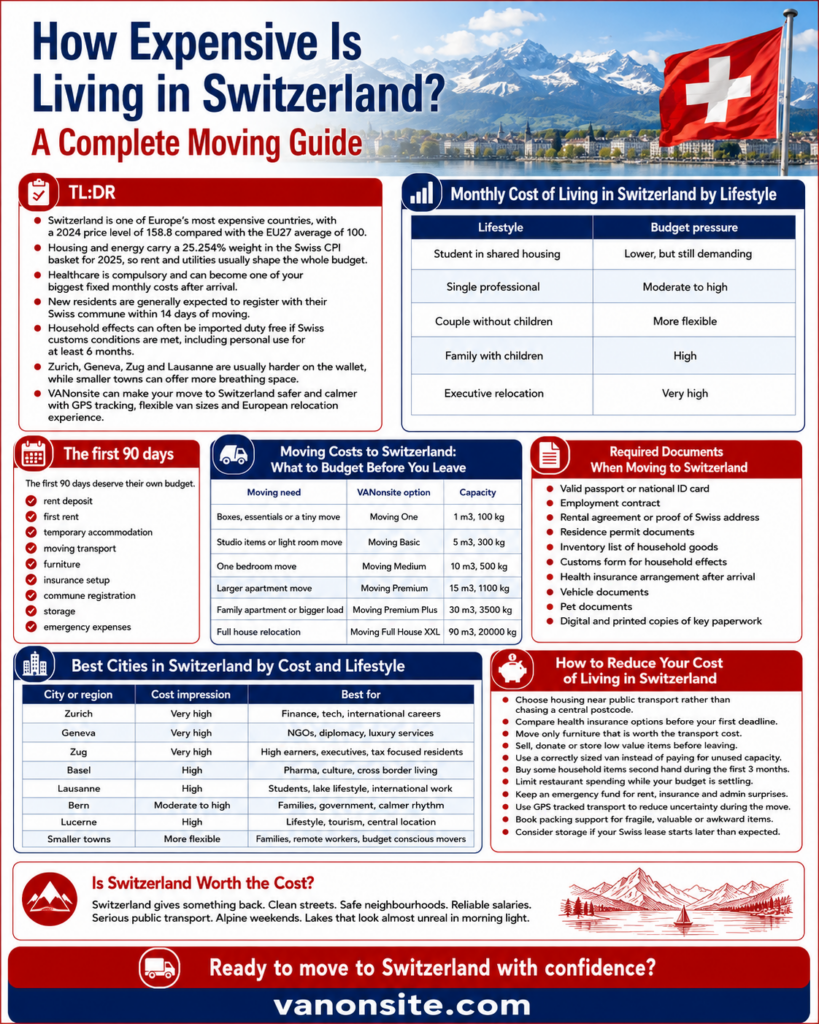
- Switzerland is one of Europe’s most expensive countries, with a 2024 price level of 158.8 compared with the EU27 average of 100.
- Housing and energy carry a 25.254% weight in the Swiss CPI basket for 2025, so rent and utilities usually shape the whole budget.
- Healthcare is compulsory and can become one of your biggest fixed monthly costs after arrival.
- New residents are generally expected to register with their Swiss commune within 14 days of moving.
- Household effects can often be imported duty free if Swiss customs conditions are met, including personal use for at least 6 months.
- Zurich, Geneva, Zug and Lausanne are usually harder on the wallet, while smaller towns can offer more breathing space.
- VANonsite can make your move to Switzerland safer and calmer with GPS tracking, flexible van sizes and European relocation experience.




Is the Cost of Living Expensive in Switzerland?
Yes, the cost of living in Switzerland is expensive. Rent is high. Eating out can feel indulgent even when the meal is ordinary. Groceries cost more than in many EU countries. Health insurance is a serious monthly commitment. Childcare, parking and personal services can also surprise newcomers.
Still, Switzerland is not expensive in a vacuum. It is expensive inside an ecosystem of high wages, excellent transport, safe streets, strong public systems and premium quality standards. You often pay more, but you also receive more predictability, order and reliability.
For someone moving from Poland, Spain, Portugal, Italy, Hungary or Romania, the first weeks can feel sharp. A casual lunch in Zurich may cost what used to be a full grocery run back home. However, many people adjust once they start earning locally. The Swiss budget puzzle has two sides: high costs and high earning potential.
So, how expensive is living in Switzerland in daily life? Expensive enough to demand discipline, but not so expensive that a prepared relocation becomes unrealistic.
The biggest cost categories usually include rent and deposits, health insurance, groceries, transport, childcare, furniture, storage and first month setup costs. The first month can feel brutal because several large payments arrive at once. You may need to pay a rent deposit, first rent, temporary accommodation, transport, insurance and basic furniture before your new rhythm settles.
Why Is Living in Switzerland So Expensive?
Why is living in Switzerland so expensive? Almost every part of Swiss life is built around high wages, limited space, strict quality standards and exceptional public infrastructure.
Services cost more because people are paid more. Restaurants, cleaning, repairs, removals, packing, office installation and delivery all reflect a high wage economy. When someone transports your belongings across a border, the price includes labour, insurance, precision and responsibility.
Housing also drives the pressure. Zurich, Geneva, Zug, Basel and Lausanne attract international companies, professionals, students and families. Demand is strong, supply can be tight and good apartments often move fast. The Swiss CPI basket gives housing and energy a 25.254% weighting for 2025, which shows how central this category is to household spending.
Healthcare is another major factor. Swiss health insurance is compulsory and private. Residents must usually arrange insurance after arrival, and premiums vary by canton, insurer, deductible and model. Healthcare has a 15.439% weight in the 2025 CPI basket, making it one of the largest spending categories for households.
Then there is the Swiss standard itself. Roads are smooth. Trains are dependable. Buildings are maintained carefully. Public spaces feel orderly. These things are paid for through a high cost, high quality economic model. This is why the question how expensive is living in Switzerland should be connected to value, not only price.
Monthly Cost of Living in Switzerland by Lifestyle
The answer changes dramatically depending on lifestyle. A student sharing a flat in Lausanne and a family renting a three bedroom apartment near Zurich live in the same country, but not in the same financial reality.
| Lifestyle | Budget pressure | Main cost drivers |
|---|---|---|
| Student in shared housing | Lower, but still demanding | Rent, food, transport, insurance |
| Single professional | Moderate to high | Rent, health insurance, commuting, eating out |
| Couple without children | More flexible | Housing, insurance, savings goals |
| Family with children | High | Larger home, childcare, transport, school needs |
| Executive relocation | Very high | Prime housing, premium delivery, office setup |
A single professional can often live comfortably with a Swiss salary, especially outside the most expensive districts. A couple with two incomes may feel more flexible. A family needs sharper planning because space, insurance and childcare multiply quickly.
The first 90 days deserve their own budget. During this stage, you may need money for rent deposit, first rent, temporary accommodation, moving transport, furniture, insurance setup, commune registration, storage and emergency expenses. If you plan this period well, Swiss life becomes less frightening.
Biggest Expenses After Moving to Switzerland
Rent and housing deposits
Rent is usually the king of Swiss expenses. Your city, canton, commute and apartment size can change your monthly cost more than almost any other decision. Zurich and Geneva tend to feel premium from the first viewing. Basel and Lausanne can also be demanding. Smaller towns, suburbs and places with strong rail links may offer better value.
Before signing a lease, check the real commute, not only the rent. A cheaper flat with awkward transport can cost you time, energy and money every week.
Health insurance
Health insurance is not optional in Switzerland. It is one of the first serious financial commitments after arrival. The premium depends on your canton, insurer, deductible, model and personal situation.
A practical approach is to compare options before the move, then act quickly after arrival. Waiting does not make the cost disappear. It simply adds pressure to an already busy first month. Official information about health insurance is available at https://www.ch.ch/en/health/health-insurance/.
Groceries and household basics
Food in Switzerland is often excellent, but rarely cheap. Groceries and non alcoholic beverages carry a 10.870% weight in the 2025 Swiss CPI basket. Newcomers feel this category immediately because it repeats every week.
You can reduce pressure by planning meals, comparing supermarket offers, buying seasonal produce and avoiding too many convenience purchases. People living near Germany, France, Italy or Austria sometimes use cross border shopping, although customs allowances and travel time still matter.
Transport
Swiss public transport is clean, punctual and beautifully connected. It is also not cheap. Transport has an 11.447% weight in the 2025 CPI basket.
A car can be useful for families or rural living, but it brings fuel, insurance, parking, maintenance and the motorway vignette. For many newcomers, a strong rail connection and a smart housing location are better than owning a car from day one.
Furniture, removals and storage
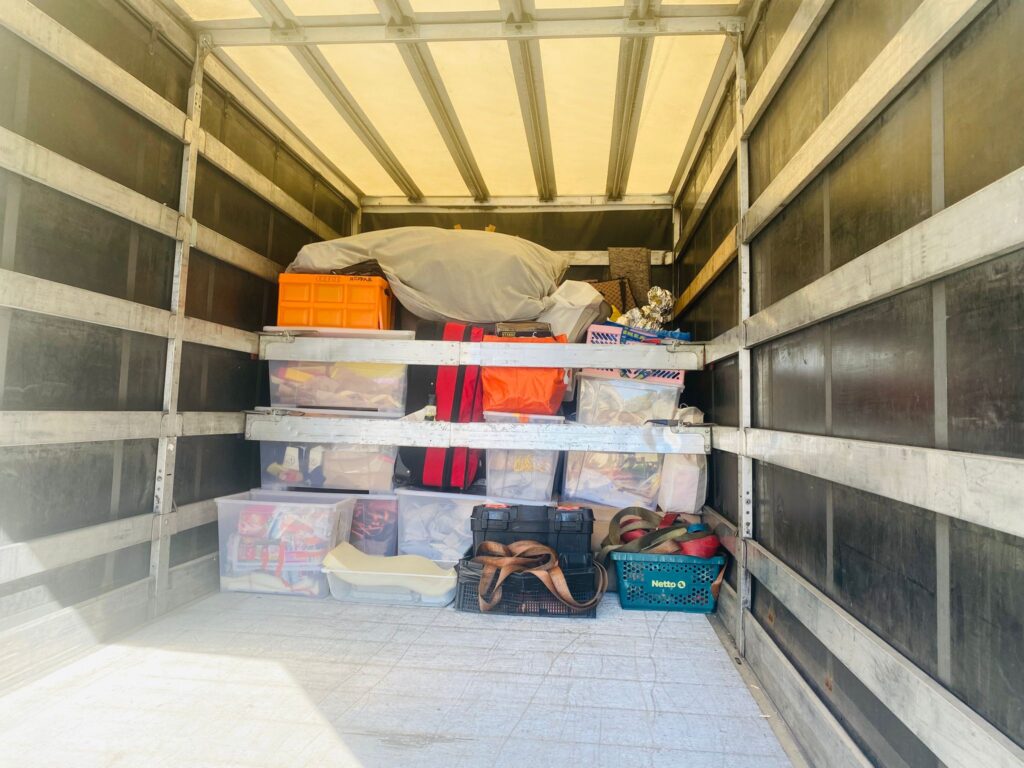
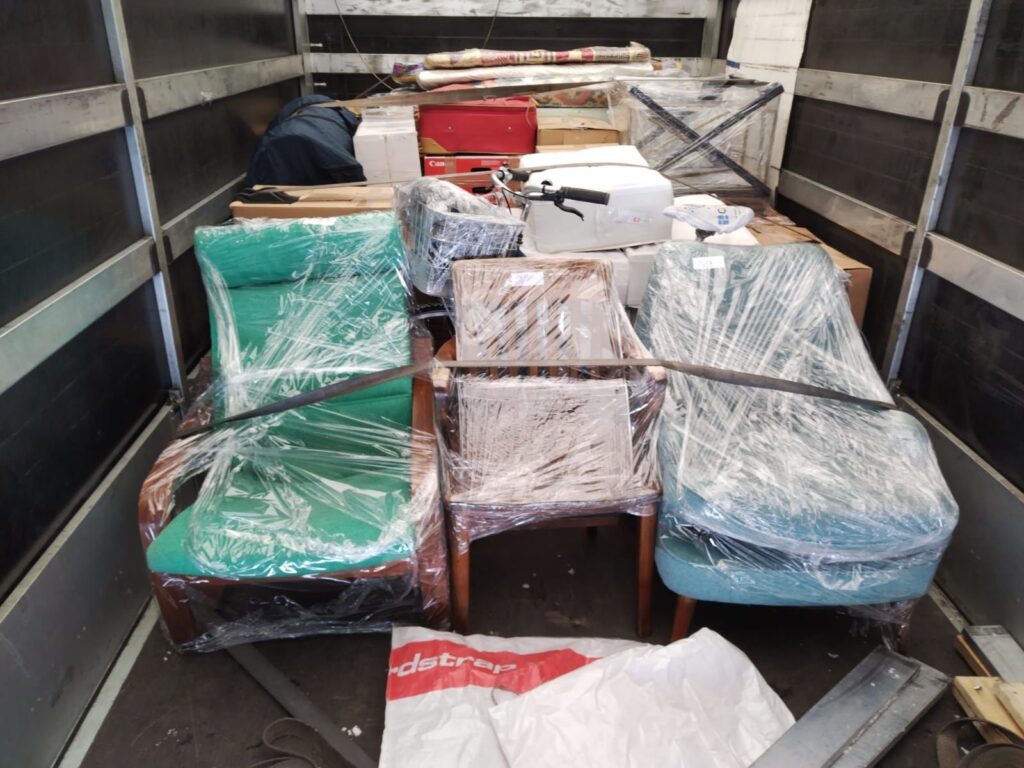
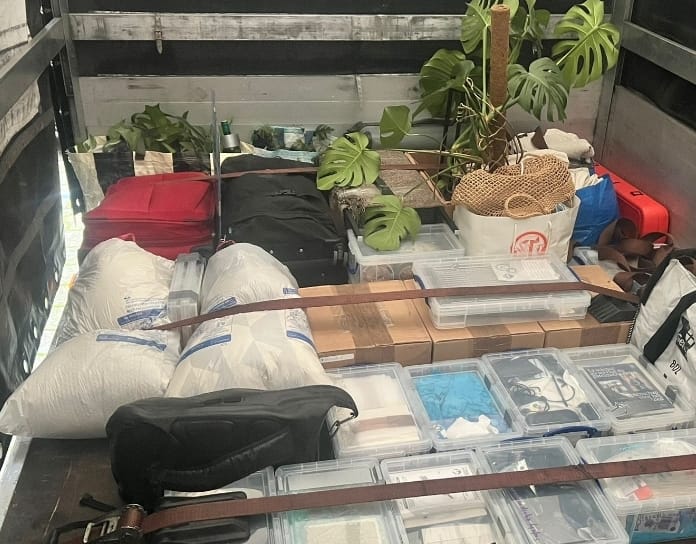
Moving costs can become painful when they are badly planned. A rushed relocation can create hidden losses: damaged furniture, duplicate purchases, temporary storage, missed access windows and last minute upgrades.
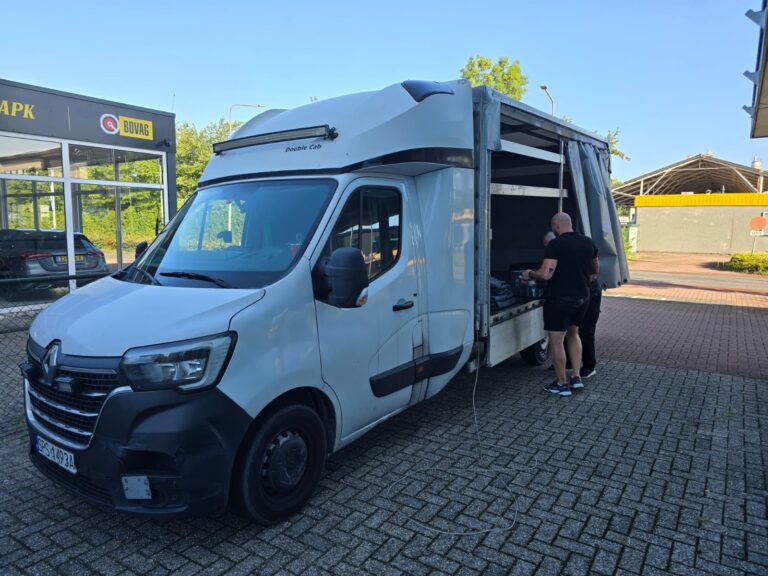
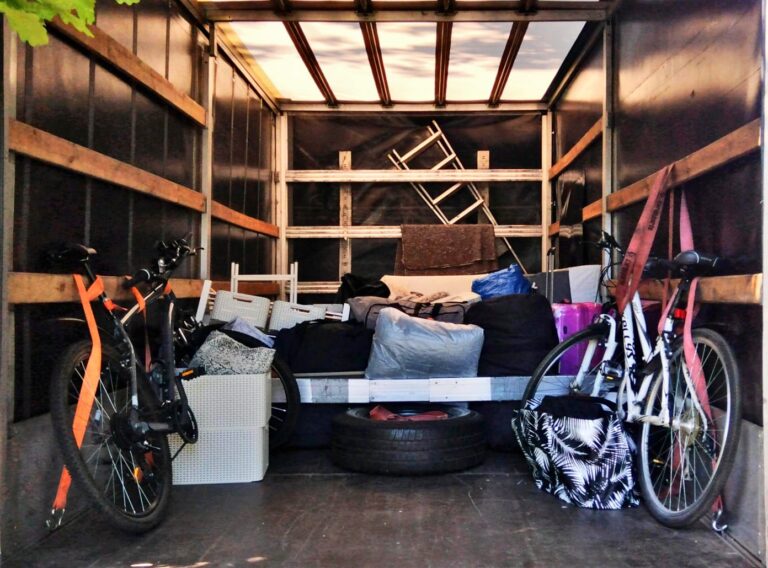
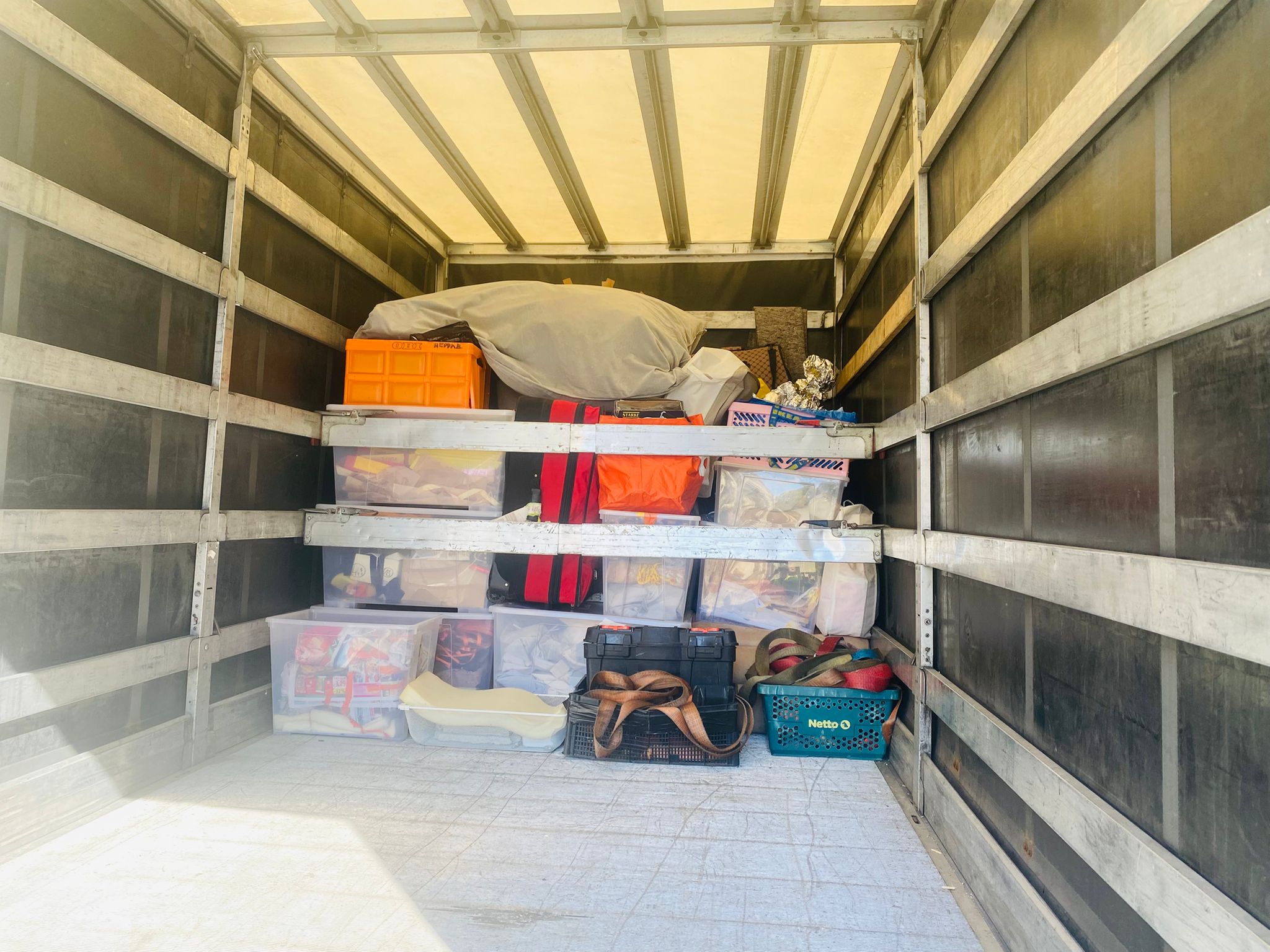
This is where a professional European mover becomes valuable. VANonsite offers flexible moving options, GPS tracking for every load and vehicle sizes that match different relocation needs. A well sized man and van move can protect your budget because you pay for the space and support you actually need.
Moving Costs to Switzerland: What to Budget Before You Leave
Before asking how expensive is living in Switzerland month after month, budget the move itself. Relocation is the first financial gate. If it is chaotic, it can drain money before your first Swiss salary even arrives.
| Moving need | VANonsite option | Capacity |
|---|---|---|
| Boxes, essentials or a tiny move | Moving One | 1 m3, 100 kg |
| Studio items or light room move | Moving Basic | 5 m3, 300 kg |
| One bedroom move | Moving Medium | 10 m3, 500 kg |
| Larger apartment move | Moving Premium | 15 m3, 1100 kg |
| Family apartment or bigger load | Moving Premium Plus | 30 m3, 3500 kg |
| Full house relocation | Moving Full House XXL | 90 m3, 20000 kg |
The right van size matters. Too small, and you risk extra trips or painful compromises. Too large, and you may pay for empty space. A precise match keeps the move controlled and cost aware.
VANonsite supports relocations across Europe with careful transport, fast operation and GPS tracking for each load. For a Swiss move, this is more than a useful feature. Border crossings, customs documents, fragile items and delivery timing leave little room for improvisation.
For dedicated planning, visit VANonsite removals to Switzerland: https://vanonsite.com/removals-to-switzerland.
Required Documents When Moving to Switzerland
Documentation is where a smooth Swiss move is won or lost. Switzerland is efficient, but it expects accuracy. Before moving, check requirements based on your nationality, employment status, residence plans and household goods.
A practical checklist may include:
- Valid passport or national ID card
- Employment contract, if moving for work
- Rental agreement or proof of Swiss address
- Residence permit documents, where required
- Written declaration of employment from your employer, where applicable
- Inventory list of household goods
- Customs form for household effects
- Proof that imported goods were personally used for at least 6 months, where applicable
- Health insurance arrangement after arrival
- Vehicle documents, if importing a car
- Pet documents, if relocating with animals
- Digital and printed copies of key paperwork
For general relocation guidance, use the Swiss official page: https://www.ch.ch/en/foreign-nationals-in-switzerland/living-in-switzerland/moving-to-switzerland/.
For residence permits, see: https://www.ch.ch/en/documents-and-register-extracts/permits-for-living-in-switzerland/.
For EU and EFTA citizens, official SEM guidance is available here: https://www.sem.admin.ch/sem/en/home/themen/fza_schweiz-eu-efta/eu-efta_buerger_schweiz.html.
For customs rules on household effects, use the Federal Office for Customs and Border Security page: https://www.bazg.admin.ch/en/moving-household-effects.
In general, residents are expected to register with their new commune within 14 days of moving. For household effects, Swiss customs guidance states that imported articles should normally have been personally used for at least 6 months and continue to be used after importation. Once paperwork is under control, the move feels less like a leap into fog and more like a clear step onto solid ground.
Best Cities in Switzerland by Cost and Lifestyle
How expensive is living in Switzerland depends heavily on where you land. Switzerland is compact, but the budget gap between cities can feel enormous.
| City or region | Cost impression | Best for |
|---|---|---|
| Zurich | Very high | Finance, tech, international careers |
| Geneva | Very high | NGOs, diplomacy, luxury services |
| Zug | Very high | High earners, executives, tax focused residents |
| Basel | High | Pharma, culture, cross border living |
| Lausanne | High | Students, lake lifestyle, international work |
| Bern | Moderate to high | Families, government, calmer rhythm |
| Lucerne | High | Lifestyle, tourism, central location |
| Smaller towns | More flexible | Families, remote workers, budget conscious movers |
Zurich can be thrilling, but merciless to a weak budget. Geneva offers international glamour, but housing can be fierce. Basel may suit professionals who want strong career opportunities with cross border flexibility. Bern often feels calmer, while smaller towns can offer more breathing room. A cheaper town with a strong rail connection can be a golden compromise.

How to Reduce Your Cost of Living in Switzerland
Switzerland rewards deliberate choices. The goal is not to live fearfully. The goal is to remove waste before it becomes routine.
Here are practical ways to reduce pressure:
- Choose housing near public transport rather than chasing a central postcode.
- Compare health insurance options before your first deadline.
- Move only furniture that is worth the transport cost.
- Sell, donate or store low value items before leaving.
- Use a correctly sized van instead of paying for unused capacity.
- Buy some household items second hand during the first 3 months.
- Limit restaurant spending while your budget is settling.
- Keep an emergency fund for rent, insurance and admin surprises.
- Use GPS tracked transport to reduce uncertainty during the move.
- Book packing support for fragile, valuable or awkward items.
- Consider storage if your Swiss lease starts later than expected.
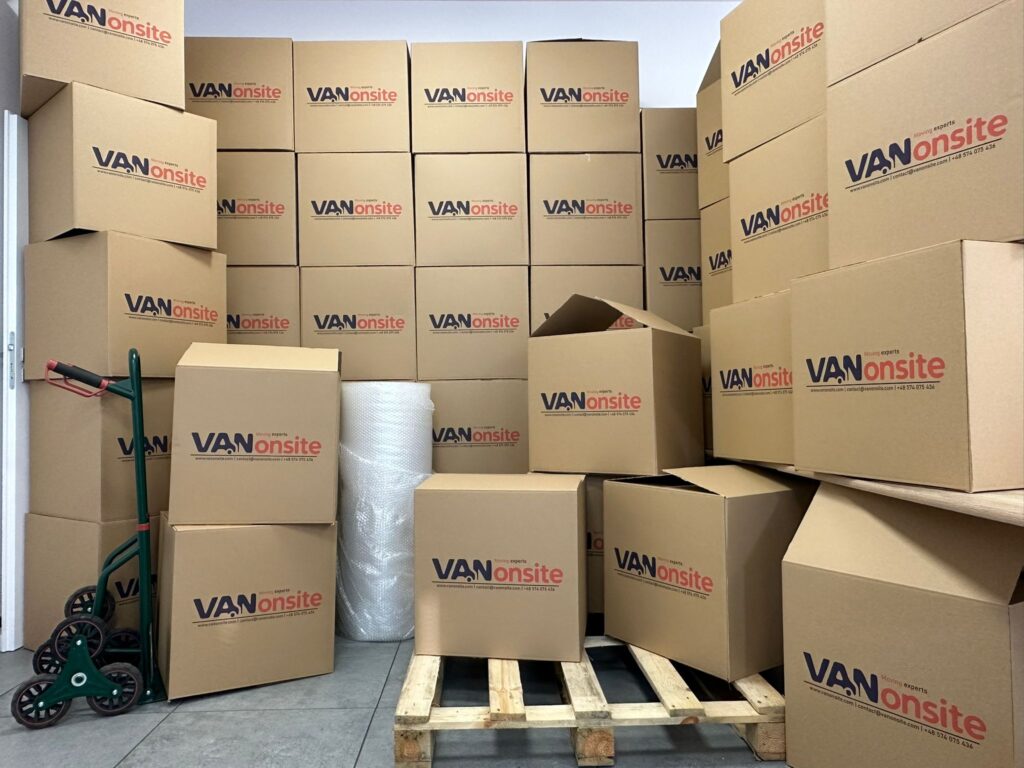
VANonsite can help reduce relocation waste by matching your load to the right vehicle, planning the route and protecting furniture during transport. If you need more than a basic man and van option, VANonsite also supports furniture removals, home removals, packing service, white glove delivery, office removals, storage, student removals and office furniture installation.
Is Switzerland Worth the Cost?
So, is the cost of living expensive in Switzerland? Yes. Absolutely. But expensive does not automatically mean poor value.
Switzerland gives something back. Clean streets. Safe neighbourhoods. Reliable salaries. Serious public transport. Alpine weekends. Lakes that look almost unreal in morning light. A sense that life, while costly, can be orderly and deeply reassuring.
For many people, the trade works because they gain stability, career opportunity, beauty and safety. For others, the pressure can feel too tight, especially without a strong salary or housing plan. The difference usually comes down to preparation.
When you ask how expensive is living in Switzerland, think beyond groceries and rent. Ask whether your salary is Swiss level, whether your town fits your budget and whether your first 90 days are properly funded.
Moving to Switzerland With VANonsite
A move to Switzerland is not only a transport job. It is a border crossing, a timing challenge, a document checklist and an emotional transition wrapped into one.
VANonsite gives that process structure. Whether you are moving a student room, a family apartment or office furniture, the goal is the same: make the journey safer, faster and easier to control.
VANonsite offers Last Minute Moving, Furniture Removals, Home Removals, Packing Service, White Glove Delivery, Office Removals, Storage, Student Removals and Office Furniture Installation. Every load can be GPS tracked, which gives you visibility during an international move. You know where your belongings are. You are not guessing.
That matters because relocation is personal. Your boxes carry your books, office equipment, kitchenware, memories and the first pieces of your new life. A careful man and van service can turn a complicated move into a clean, controlled journey.
Quick Moving Checklist for Switzerland
- Compare Swiss city costs before choosing your destination.
- Prepare at least 2 to 3 months of living costs where possible.
- Confirm residence and work permit requirements.
- Check customs rules for household effects.
- Create a detailed inventory list.
- Decide what to sell, store, donate or transport.
- Choose the right VANonsite vehicle size.
- Arrange packing for fragile or premium items.
- Keep proof of personal use for household goods where required.
- Plan your arrival date around lease access and registration.
- Register with the commune after arrival according to official rules.
- Arrange compulsory health insurance within the required deadline.
- Keep digital copies of all key documents.
- Track your shipment during transport.
- Leave a buffer for unexpected costs.
FAQ
How expensive is living in Switzerland for one person?
For one person, Switzerland can be expensive but manageable with a stable Swiss salary. Rent, health insurance and groceries are usually the biggest pressure points. Living in Zurich or Geneva will cost more than living in a smaller town with good public transport.
Why is living in Switzerland so expensive?
Switzerland is expensive because of high wages, strong housing demand, premium infrastructure, compulsory private health insurance, high service standards and a wealthy economy. You pay more, but you often receive better reliability, safety and quality in return.
Is the cost of living expensive in Switzerland compared with the UK or EU?
Yes, in most cases Switzerland is more expensive than the UK and most EU countries. The difference is especially visible in rent, restaurants, groceries, insurance and personal services. Swiss salaries can offset some of that pressure for skilled workers.
How much money should I save before moving to Switzerland?
A sensible target is at least 2 to 3 months of expected living costs, plus money for rent deposit, moving transport, insurance, furniture and emergency expenses. Families and people moving to Zurich, Geneva or Zug should consider a larger buffer.
Can I use a man and van service for moving to Switzerland?
Yes. A man and van service can be ideal for smaller moves, student relocations, partial home removals and urgent transport. For Switzerland, choose a provider with European cross border experience, GPS tracking and vehicle sizes that match your real load.
Final Thoughts
Switzerland is expensive, but it is not unknowable. Once you understand the big costs, rent, healthcare, food, transport and the move itself, the fear begins to shrink. If you are planning the journey now, start with the numbers, check the documents, compare cities and decide what is worth taking.
With VANonsite, your relocation to Switzerland can be GPS tracked, carefully handled and sized to fit your real life, not a generic moving template.
Ready to move to Switzerland with confidence? Get a tailored VANonsite quote and turn a complex relocation into a clean, controlled journey.