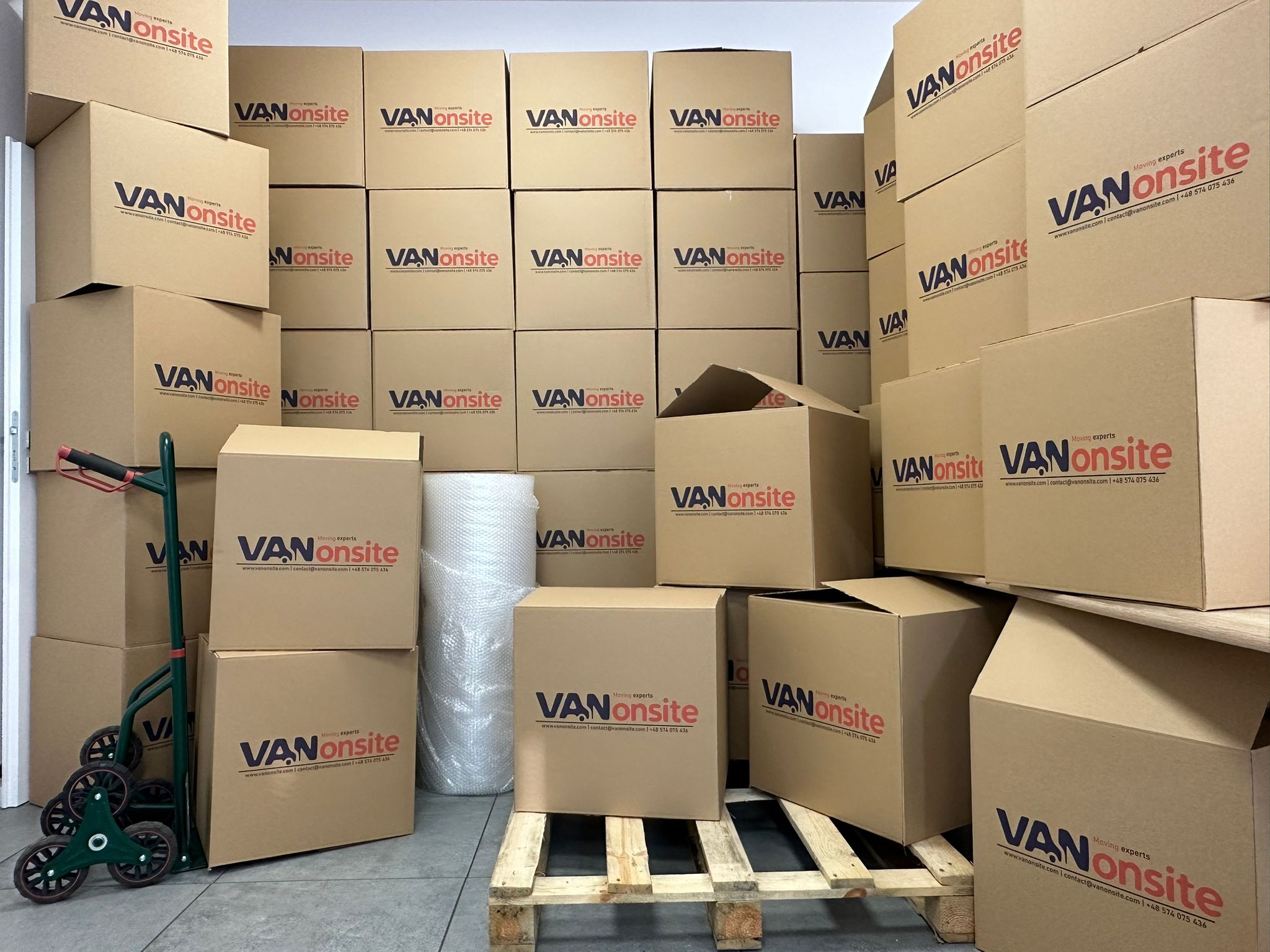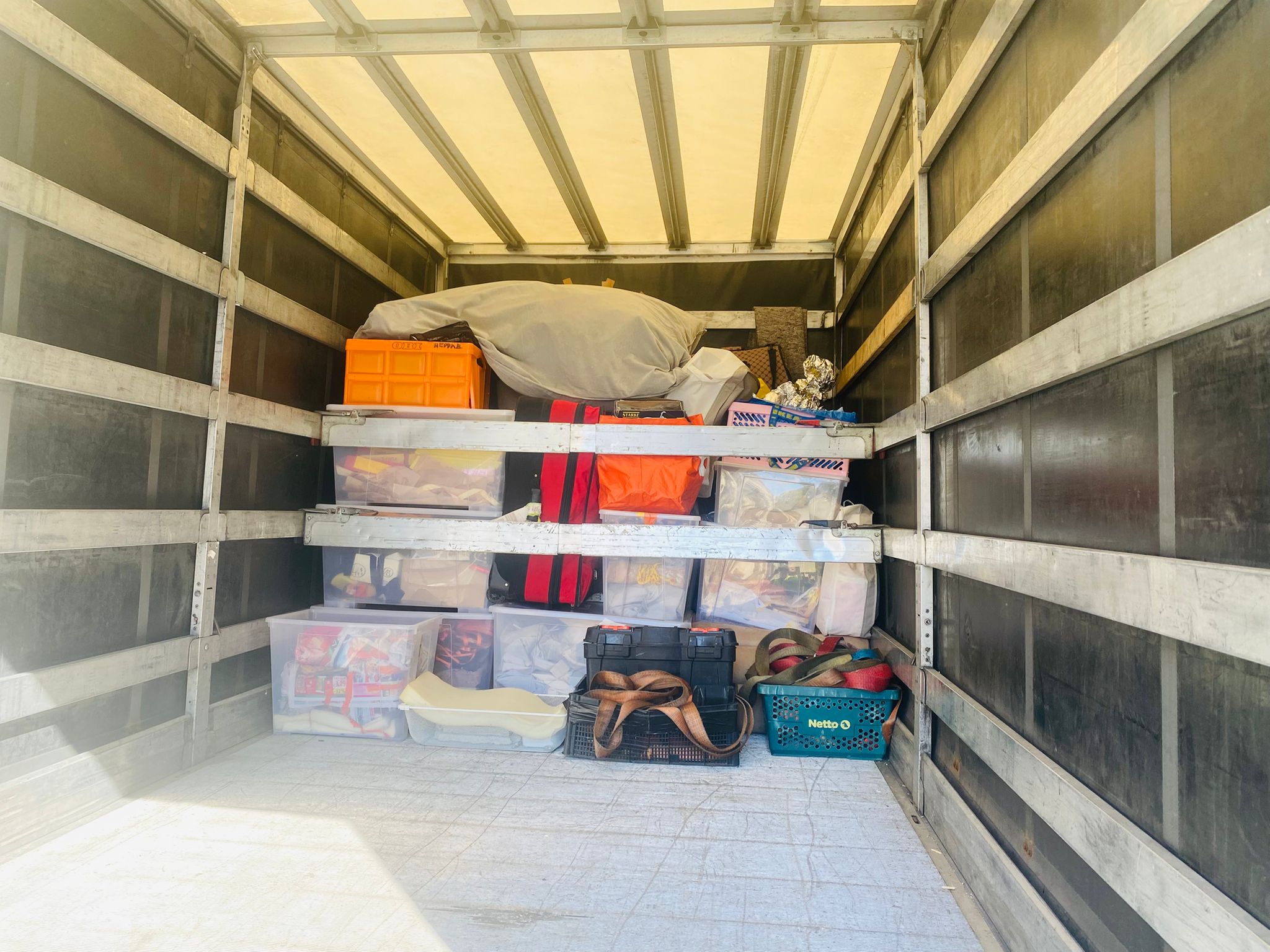
Moving to Switzerland can feel like opening the door to a cleaner, sharper, more organised chapter of life. The mountains look calm. The cities run with quiet precision. The trains arrive when they should. Yet before that new chapter begins, your home has to cross a border.
That is where the real planning starts.
The import household goods Switzerland relocation process is not impossible, but it rewards preparation. Swiss customs expects clear documents, honest inventories, and proof that your move is genuine. If your paperwork is complete and your transport is well planned, the process can feel surprisingly smooth. If not, even a simple move can become stressful at the border.
This guide explains how to import household goods to Switzerland during relocation, what documents you may need, what counts as household effects, how duty-free import works, and how to prepare your shipment for a safer journey across Europe.
VANonsite helps customers move to Switzerland with reliable European transport, GPS tracking for every load, careful handling, and flexible vehicle options from 1 m3 to 90 m3. Whether you need a compact man and van move, a student relocation, furniture removals, or a full household transfer, the goal is simple: your belongings should arrive safely, quickly, and with less stress.
For dedicated support, explore VANonsite removals to Switzerland.
TL;DR: Import Household Goods Switzerland Relocation in 7 Key Points
- You can often import household goods into Switzerland duty free when you transfer your main residence and the items are personal, used, and intended for continued use.
- Swiss customs commonly expects household effects to have been used by you for at least 6 months before import.
- You usually need Swiss customs Form 18.44, a detailed inventory, identity documents, and proof that you are moving your domicile to Switzerland.
- A precise inventory can make customs clearance faster because officers can understand your shipment without unnecessary questions.
- New, commercial, restricted, or high value items should be listed clearly and supported with invoices or additional documents where needed.
- Choosing the right man and van size matters because volume, weight, access, customs timing, and loading order all affect the move.
- VANonsite supports import household goods Switzerland relocation moves with GPS tracked transport, flexible vehicles, careful packing options, and European route planning.




Quick Answer: How Do You Import Household Goods to Switzerland?
To import household goods to Switzerland during relocation, you need to prove that you are genuinely moving your residence to Switzerland and that your goods are personal household effects. In many standard cases, household goods can be imported duty free when they have been used personally before the move and will continue to be used after arrival.
The typical import household goods Switzerland relocation process includes:
- Confirm your Swiss address or temporary accommodation.
- Prepare proof of work, study, family relocation, or residence transfer.
- Create a detailed inventory of all household goods.
- Complete Swiss customs Form 18.44.
- Prepare identity documents and supporting evidence.
- Choose the right vehicle size for your shipment.
- Cross through a customs office that can handle the declaration.
- Keep all customs records after delivery.
The process is easier when every item has a place on the inventory and every document is available before the van leaves. Swiss customs does not need a dramatic story. It needs proof, structure, and clarity.
What Counts as Household Goods When Moving to Switzerland?
Household goods are the personal items that belong to your everyday home life. They are not commercial goods. They are not stock for resale. They are not a hidden shopping haul packed into moving boxes. They are the practical, familiar objects you already use and plan to keep using in Switzerland.
Common household goods include:
- Beds, mattresses, sofas, wardrobes, tables, chairs, and shelves
- Clothing, shoes, bedding, towels, bags, and personal accessories
- Kitchenware, plates, cutlery, cookware, glasses, and small appliances
- Books, decorations, rugs, lamps, mirrors, and curtains
- Televisions, laptops, monitors, speakers, and personal electronics
- Children’s furniture, toys, prams, school supplies, and sports items
- Bicycles, hobby equipment, tools, and personal collections
For import household goods Switzerland relocation planning, the word “personal” matters. If an item has been part of your home and will continue to be part of your Swiss home, it usually fits the logic of household effects.
Still, you should describe items clearly. A vague inventory can create doubt. “Miscellaneous boxes” tells customs almost nothing. “4 boxes of used kitchenware, 2 boxes of clothing, 1 monitor, 1 used office chair” tells a clear story.
Good descriptions do not need to be poetic. They need to be useful.
Duty-Free Import: When Can You Bring Household Goods into Switzerland Without Paying Duties?
Many people moving to Switzerland can import household goods duty free, but the exemption is not automatic. It is connected to a genuine transfer of domicile. In plain terms, you are moving your main home to Switzerland, not simply sending items there.
Swiss customs generally expects the goods to be:
- Personally owned by you or your household
- Used before import, commonly for at least 6 months
- Intended for continued personal use after the move
- Imported in connection with your relocation
- Declared with the correct documents
- Not intended for resale or commercial activity
This is why the import household goods Switzerland relocation process should begin before packing. The strongest moves are prepared on paper first, then loaded into the van.
| Requirement | What It Means |
|---|---|
| Transfer of domicile | You are moving your main residence to Switzerland |
| Personal ownership | The goods belong to you or your household |
| Prior use | The goods have already been used personally |
| Continued use | You will keep using the goods in Switzerland |
| Non-commercial purpose | The goods are not for resale or business stock |
| Correct declaration | You provide the required customs documents |
| Clear inventory | The shipment is described in a readable list |
If your move includes items that are new, unusually valuable, or commercially sensitive, list them separately. Transparency is safer than silence.
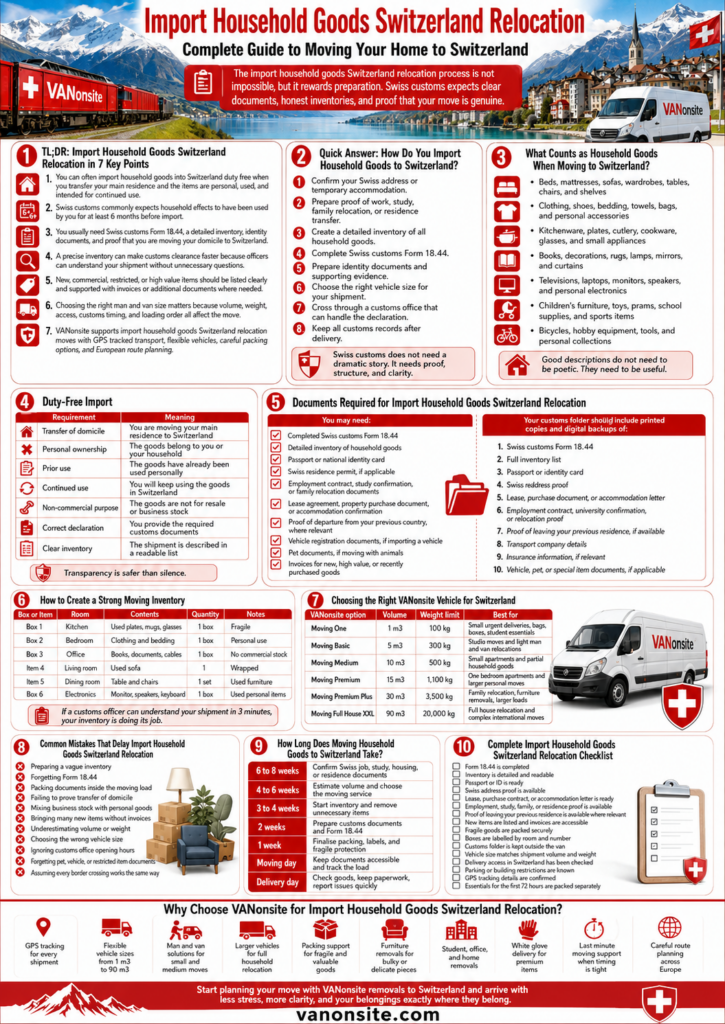
Documents Required for Import Household Goods Switzerland Relocation
Documents are the backbone of a Swiss relocation. You can choose the perfect van, pack every glass beautifully, and plan the fastest route, but weak paperwork can still slow everything down.
For official customs guidance, check the Swiss Federal Office for Customs and Border Security page on moving household effects and the Swiss customs procedure for relocation import to Switzerland. For wider residence information, the Swiss government portal also explains key steps for moving to Switzerland.
You may need:
- Completed Swiss customs Form 18.44
- Detailed inventory of household goods
- Passport or national identity card
- Swiss residence permit, if applicable
- Employment contract, study confirmation, or family relocation documents
- Lease agreement, property purchase document, or accommodation confirmation
- Proof of departure from your previous country, where relevant
- Vehicle registration documents, if importing a vehicle
- Pet documents, if moving with animals
- Invoices for new, high value, or recently purchased goods
EU and EFTA citizens may also need to show documents that prove their reason for living in Switzerland, such as employment, study, or sufficient residence grounds. Official information is available from the State Secretariat for Migration on EU/EFTA citizens in Switzerland.
Non-EU and non-EFTA citizens may need more specific residence or visa documents. If your situation is complex, check the official rules before the moving date.
Build a Customs Folder Before You Pack
A customs folder is one of the simplest ways to prevent chaos. It should stay with you or be available to the transport coordinator. Do not pack it inside a box. Do not hide it under clothes. Do not leave it in a sealed wardrobe.
Your customs folder should include printed copies and digital backups of:
- Swiss customs Form 18.44
- Full inventory list
- Passport or identity card
- Swiss address proof
- Lease, purchase document, or accommodation letter
- Employment contract, university confirmation, or relocation proof
- Proof of leaving your previous residence, if available
- Transport company details
- Insurance information, if relevant
- Vehicle, pet, or special item documents, if applicable
For import household goods Switzerland relocation by road, this folder can save serious time. If customs asks for one document and you can produce it in 10 seconds, the tone of the conversation stays calm.
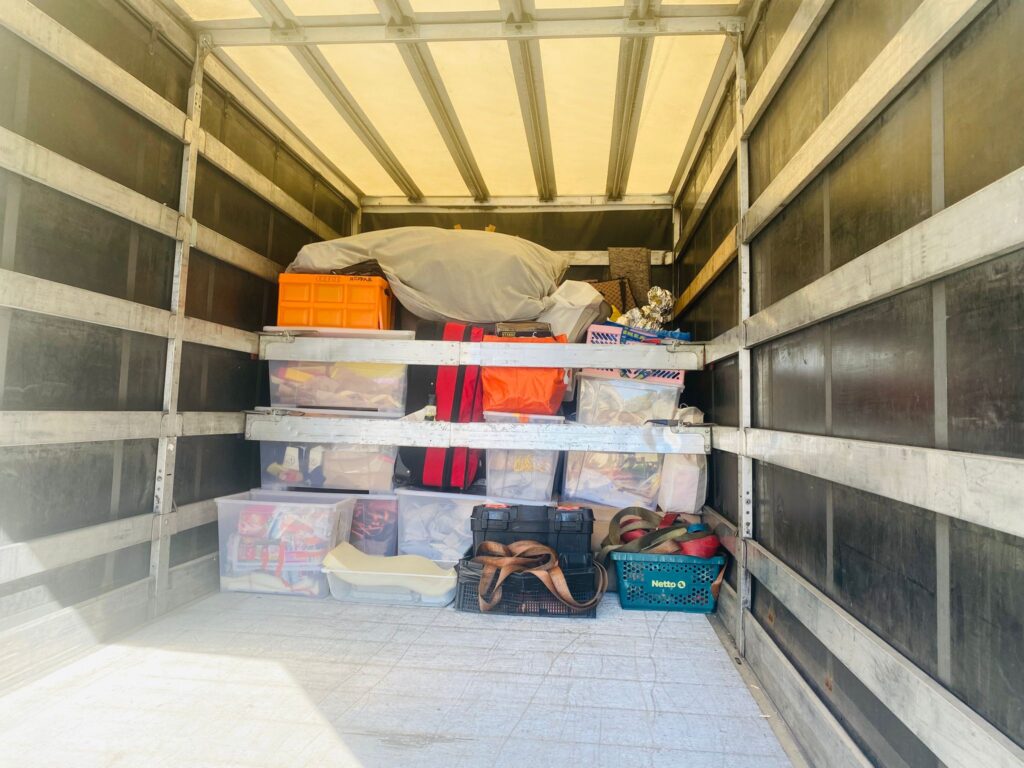
How to Create a Strong Moving Inventory
Your inventory does not need to describe every fork and sock. It should, however, be specific enough to show what is inside the shipment.
A good inventory helps three different parties at once: you, customs, and the moving team. It helps you track your belongings. It helps customs understand the load. It helps movers load, protect, and unload items correctly.
Include:
- Box number or item number
- Room
- General contents
- Quantity
- Estimated value, where useful
- Notes for fragile, heavy, or high value items
| Box or Item | Room | Contents | Quantity | Notes |
|---|---|---|---|---|
| Box 1 | Kitchen | Used plates, mugs, glasses | 1 box | Fragile |
| Box 2 | Bedroom | Clothing and bedding | 1 box | Personal use |
| Box 3 | Office | Books, documents, cables | 1 box | No commercial stock |
| Item 4 | Living room | Used sofa | 1 | Wrapped |
| Item 5 | Dining room | Table and chairs | 1 set | Used furniture |
| Box 6 | Electronics | Monitor, speakers, keyboard | 1 box | Used personal items |
A helpful rule is this: if a customs officer can understand your shipment in 3 minutes, your inventory is doing its job.
Avoid generic labels such as “stuff,” “misc,” “personal things,” or “home items.” They may be quick to write, but they are weak at the border.
Step by Step: Import Household Goods to Switzerland
Step 1: Confirm your relocation basis
Before booking transport, confirm why you are moving and what documents prove it. Are you starting a job? Joining family? Beginning university? Returning to Switzerland? Renting an apartment? Buying a home?
The clearer your relocation basis is, the easier it becomes to prove transfer of domicile.
Step 2: Estimate your shipment size
Walk through your home room by room. Count furniture, boxes, appliances, bikes, tools, and fragile goods. Take photos. Measure bulky pieces. Make note of items that need dismantling.
This early estimate helps you choose the right man and van option and prevents moving day surprises.
Step 3: Prepare your inventory
Create the inventory before final packing. Update it as boxes are sealed. Label each box with a number that matches the list.
A neat inventory can make the import household goods Switzerland relocation process feel far less stressful because the shipment becomes visible, not mysterious.
Step 4: Complete customs documents
Prepare Form 18.44 and supporting documents. Check names, addresses, dates, and signatures carefully. Inconsistencies can create questions.
If your goods will arrive in more than one shipment, make sure later consignments are declared correctly.
Step 5: Choose the right transport solution
The right vehicle depends on volume, weight, distance, access, and timing. A small shipment may only need a compact man and van service. A family relocation may need a much larger vehicle and more structured loading.
Step 6: Pack for distance, not just storage
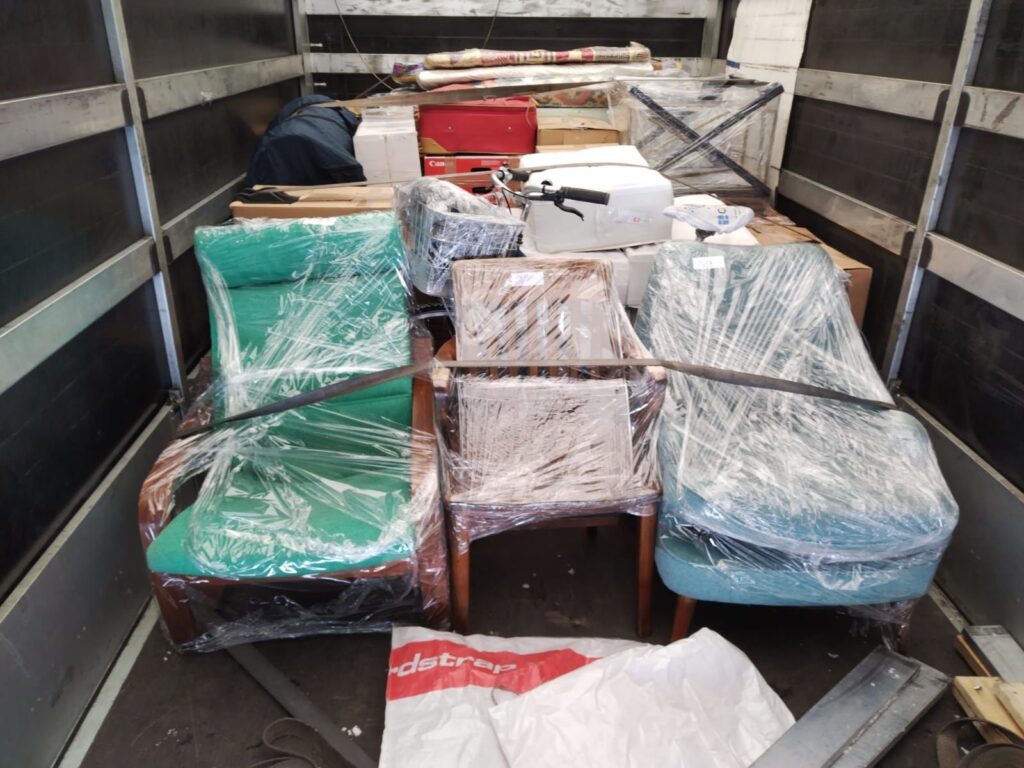
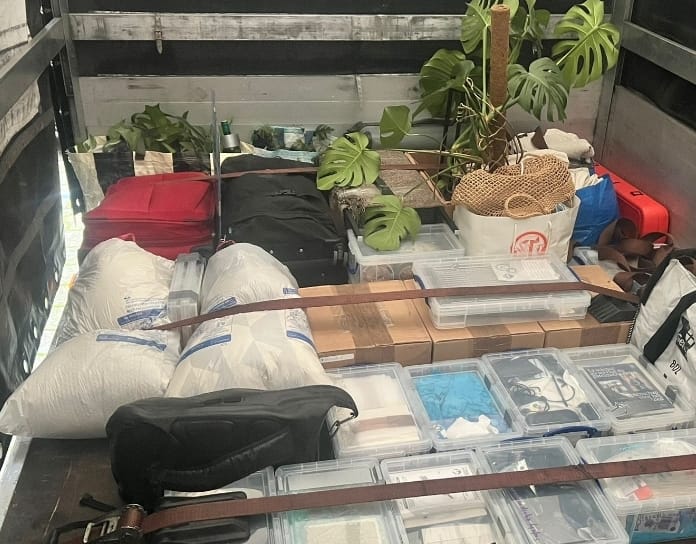
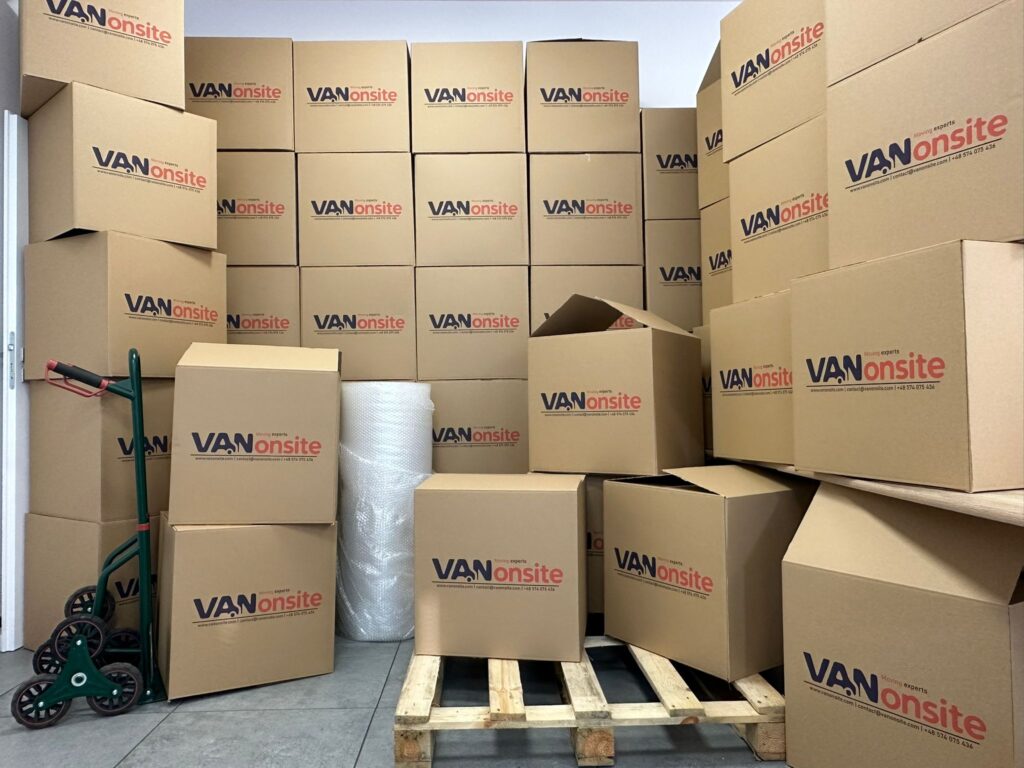
European road transport exposes goods to vibration, turns, loading pressure, and weather changes. Boxes should be strong. Furniture should be wrapped. Fragile goods should be protected with proper materials.
Step 7: Cross through an appropriate customs office
Not every border crossing is suitable for every customs process. Opening hours and competence matter. Plan the route carefully and keep the customs folder ready.
Step 8: Keep records after delivery
After unloading, keep your customs paperwork, inventory, transport documents, and invoices. You may need them later for insurance, residence procedures, vehicle registration, or proof of import.
Choosing the Right VANonsite Vehicle for Switzerland
Vehicle size is not just about space. It affects cost, loading order, route efficiency, customs handling, and delivery access. Switzerland has narrow streets, mountain roads, underground parking limits, tight apartment entrances, and strict building rules. A smart vehicle choice makes the whole move easier.
VANonsite offers several vehicle options:
| VANonsite option | Volume | Weight limit | Best for |
|---|---|---|---|
| Moving One | 1 m3 | 100 kg | Small urgent deliveries, bags, boxes, student essentials |
| Moving Basic | 5 m3 | 300 kg | Studio moves and light man and van relocations |
| Moving Medium | 10 m3 | 500 kg | Small apartments and partial household goods |
| Moving Premium | 15 m3 | 1,100 kg | One bedroom apartments and larger personal moves |
| Moving Premium Plus | 30 m3 | 3,500 kg | Family relocation, furniture removals, larger loads |
| Moving Full House XXL | 90 m3 | 20,000 kg | Full house relocation and complex international moves |
A few examples make this easier to picture.
A student moving to Geneva with clothes, books, a laptop, bedding, and kitchen basics may fit into Moving One or Moving Basic. A couple moving from Milan to Zurich with boxes, a sofa, a bed, and several furniture items may need Moving Medium or Moving Premium. A family relocating from Amsterdam, Berlin, Paris, or Warsaw may need Moving Premium Plus or Moving Full House XXL.
For import household goods Switzerland relocation, weight matters as much as volume. Books, tools, kitchenware, and appliances can become heavy fast. A van may look spacious but still reach its weight limit before it is full.
Packing Household Goods for Swiss Relocation
Packing is not a cosmetic task. It is protection. The road to Switzerland may be smooth, but every shipment still faces movement, lifting, stacking, and unloading.
Use practical packing rules:
- Pack heavy goods in smaller boxes.
- Use strong double wall boxes for fragile items.
- Wrap plates, glassware, ceramics, and lamps individually.
- Fill empty space inside boxes to prevent movement.
- Protect furniture corners, legs, and polished surfaces.
- Label every box by room and contents.
- Keep essentials, documents, jewellery, and medication with you.
- Photograph valuable or delicate items before loading.
- Separate new items and keep invoices accessible.
Professional packing can be especially useful for long distance moves. VANonsite Packing Service helps protect fragile, bulky, and high value goods with proper materials and more disciplined preparation.
If your move includes large furniture, VANonsite Furniture Removals can help with careful wrapping, loading, and protection. For premium, delicate, or designer pieces, White Glove Delivery adds a more refined level of care.
What Happens at Swiss Customs?
At the border, customs may check your declaration and supporting documents. The purpose is to confirm that your shipment qualifies as household effects connected with relocation.
Customs may review:
- Your identity
- Your relocation basis
- Your Swiss address
- Form 18.44
- Inventory list
- Proof of previous residence
- Whether goods appear personal and used
- Whether any new, restricted, or commercial goods are included
- Whether the shipment matches the declared list
This is the moment where preparation becomes powerful. A clear folder, readable inventory, and well organised shipment create trust.
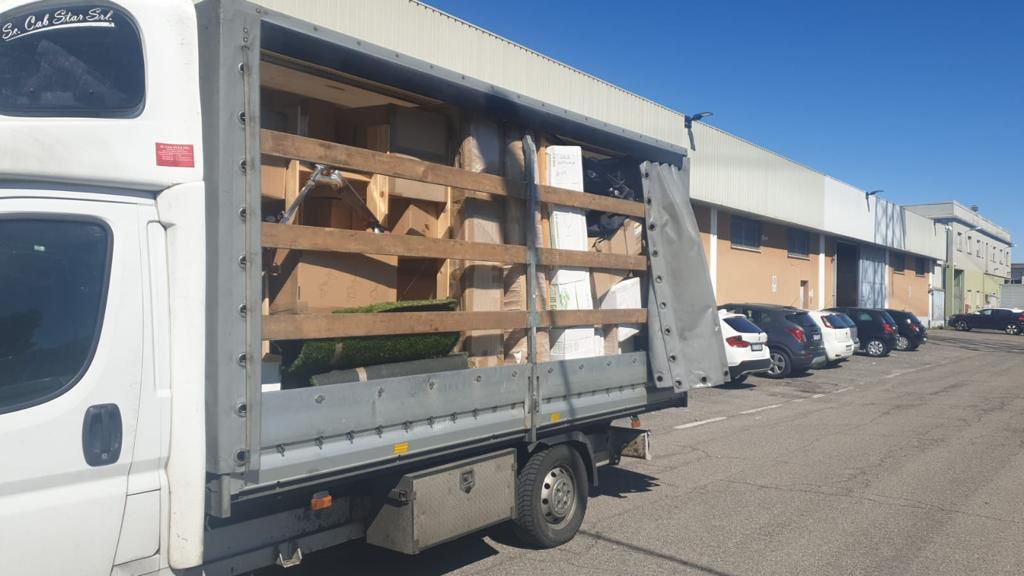
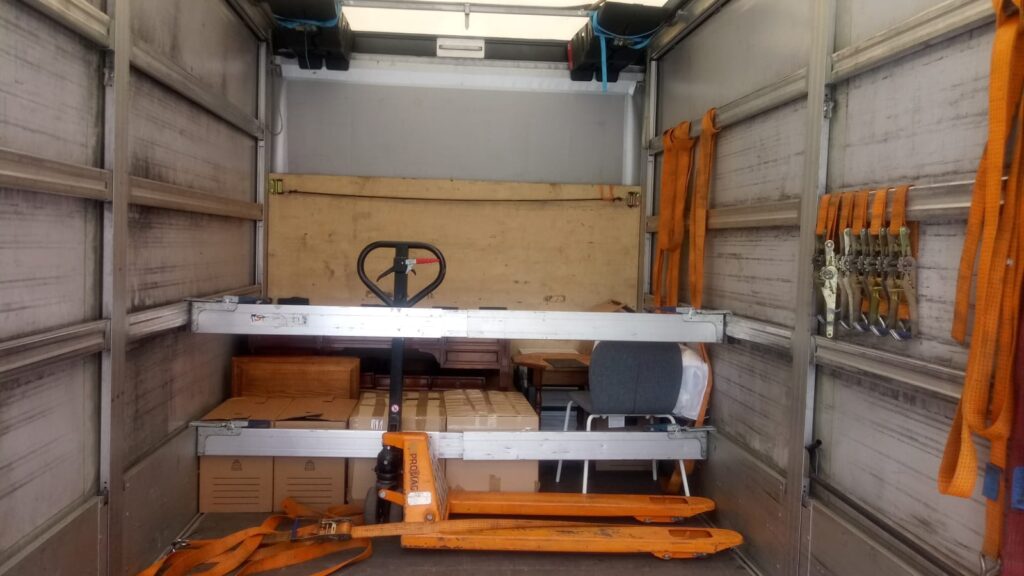
For a professional man and van move, route planning also matters. Arrival time, customs office hours, border competence, road conditions, and delivery access can all affect the journey. VANonsite plans European transport with speed and control in mind, helping customers avoid avoidable delays.
Common Mistakes That Delay Import Household Goods Switzerland Relocation
Most delays are not caused by one dramatic error. They come from small gaps that could have been fixed earlier.
Avoid these mistakes:
- Preparing a vague inventory
- Forgetting Form 18.44
- Packing documents inside the moving load
- Failing to prove transfer of domicile
- Mixing business stock with personal goods
- Bringing many new items without invoices
- Underestimating volume or weight
- Choosing the wrong vehicle size
- Ignoring customs office opening hours
- Forgetting pet, vehicle, or restricted item documents
- Assuming every border crossing works the same way
A well planned import household goods Switzerland relocation does not rely on luck. It relies on visible proof, correct timing, and a transport partner that understands cross-border moves.


Moving New, Valuable, or Restricted Items
New items can complicate the customs process. If you recently bought furniture, appliances, electronics, or luxury goods, keep invoices. List these goods clearly. Do not bury them under vague wording.
Valuable items should also be documented. Take photos, record serial numbers where useful, and consider insurance. If an item has strong emotional or financial value, treat it with extra care before loading.
Restricted goods need special attention. Food, alcohol, tobacco, weapons, plants, animals, medicines, and vehicles may be subject to separate rules. Check official Swiss guidance before moving anything unusual.
Transparency is always safer than improvisation. If customs asks a question, a prepared answer is better than a nervous search through boxes.
Moving Furniture to Switzerland
Furniture can be the hardest part of a relocation. It is bulky, heavy, scratch-prone, and often deeply personal. A dining table may be listed as one item, but it may carry years of birthdays, conversations, and ordinary breakfasts.
Before moving furniture, check:
- Door widths
- Lift size
- Staircase shape
- Parking distance from the entrance
- Building access rules
- Loading bay availability
- Low bridges, narrow roads, or height restrictions
- Whether furniture must be dismantled
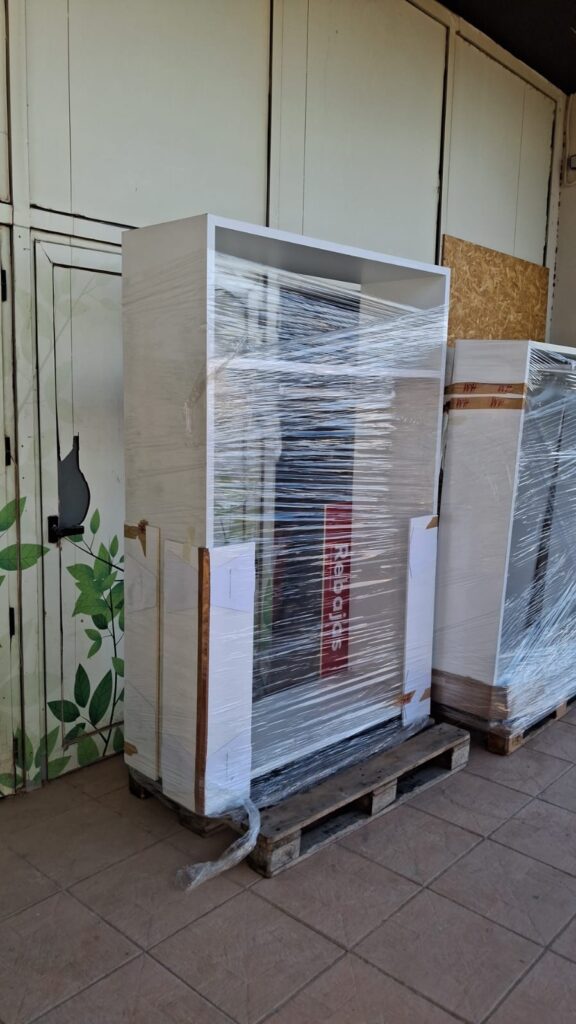
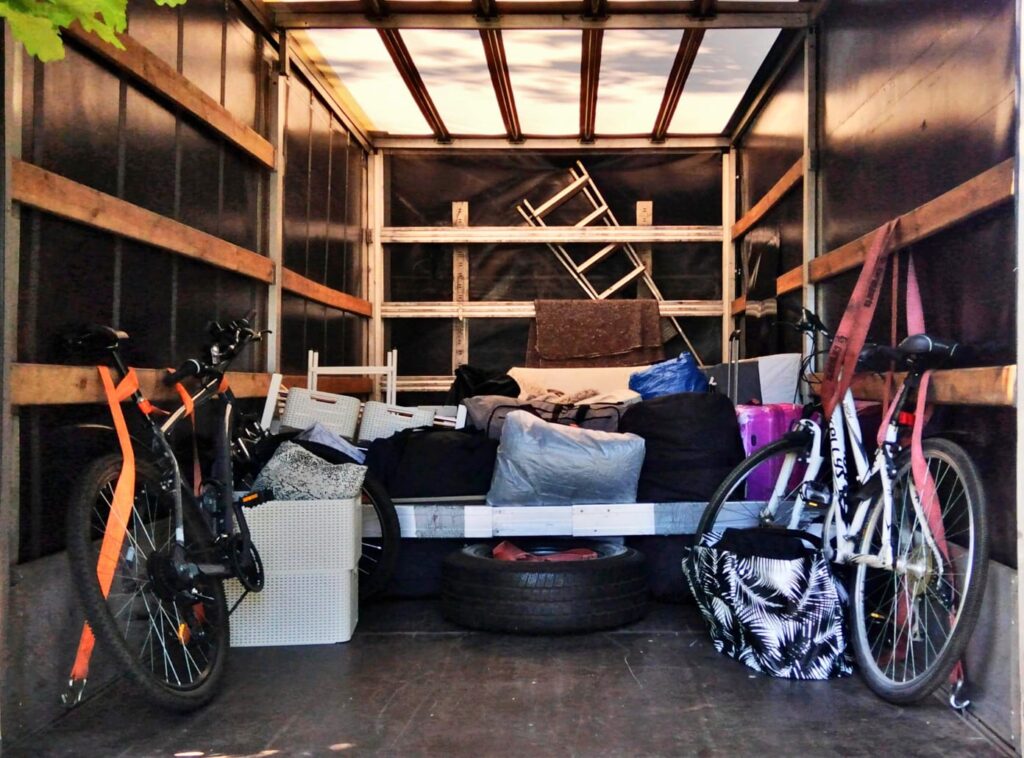
Large furniture should be wrapped and loaded carefully. Sofas, wardrobes, beds, tables, and cabinets need protection from scratches, pressure marks, and moisture. A reliable man and van service brings more than muscle. It brings judgement.
Force can damage furniture. Experience protects it.
Moving to Switzerland as a Student
Student moves are usually smaller, faster, and more budget focused. A student may bring clothes, books, bedding, kitchen basics, a laptop, a monitor, and a few personal items. In many cases, a compact man and van option is more practical than a large removal truck.
Still, the import household goods Switzerland relocation rules matter. Students should prepare proof of study, accommodation details, identity documents, and a simple inventory.
A good student inventory might include:
- 3 boxes of clothing
- 2 boxes of books
- 1 laptop and 1 monitor
- Bedding and towels
- Basic kitchenware
- Small desk chair
- Sports bag or musical instrument
VANonsite Student Removals can be a strong fit for compact cross-border moves where timing, cost, and simplicity matter.
Moving to Switzerland for Work
Work relocations can move fast. One day you accept the job. A few weeks later, your life needs to be packed, documented, transported, cleared, and delivered.
If you are moving for work, prepare:
- Employment contract
- Swiss address proof
- Identity document
- Residence permit or application documents, if applicable
- Inventory
- Form 18.44
- Proof of leaving your previous residence, where relevant
A professional relocation should feel sharp, not rushed. VANonsite can support urgent moves, but fast transport still needs disciplined paperwork. Speed works best when it has structure.
Moving a Full Household to Switzerland
A full household move is more complex than a few boxes. It may include furniture, kitchenware, appliances, children’s items, books, tools, office equipment, bikes, garden items, decorations, and fragile goods.
For full home relocation, divide your goods into three groups:
- First week essentials: clothes, toiletries, bedding, work equipment, school items, chargers, medicine, basic cookware
- Priority household goods: beds, table, chairs, kitchen boxes, children’s items, office setup
- Non-urgent goods: books, decorations, seasonal clothing, hobby items, spare linens
This helps with packing and unloading. It also helps you survive the first days in Switzerland without opening every box at midnight.
For larger moves, VANonsite Home Removals can support the process with more complete planning, loading, transport, and delivery coordination.
Office and Business Relocation to Switzerland
Business moves need speed and precision. Downtime costs money. A delayed desk, missing monitor, or unassembled meeting room can interrupt work immediately.
Office relocation may include:
- Desks and chairs
- Meeting tables
- Storage cabinets
- IT equipment
- Monitors and accessories
- Office kitchen items
- Documents and archives
- Reception furniture
VANonsite Office Removals and Office Furniture Installation can support workplace moves where transport and setup need to work together.
For business related goods, customs classification matters. Do not mix personal household goods and commercial stock without proper documentation. If a shipment is business related, describe it correctly.
How Long Does Moving Household Goods to Switzerland Take?
Timing depends on distance, volume, route, customs preparation, pickup access, delivery access, and urgency. A small shipment from a nearby European city can be handled much faster than a full house move from the other side of Europe.
A practical planning timeline looks like this:
| Time before move | What to do |
|---|---|
| 6 to 8 weeks | Confirm Swiss job, study, housing, or residence documents |
| 4 to 6 weeks | Estimate volume and choose the moving service |
| 3 to 4 weeks | Start inventory and remove unnecessary items |
| 2 weeks | Prepare customs documents and Form 18.44 |
| 1 week | Finalise packing, labels, and fragile protection |
| Moving day | Keep documents accessible and track the load |
| Delivery day | Check goods, keep paperwork, report issues quickly |
If time is short, the same steps still matter. Compress the schedule, not the standards.
Cost Factors for Moving Household Goods to Switzerland
The cost of moving to Switzerland depends on more than distance. Two shipments travelling the same route can require very different work.
Main cost factors include:
- Pickup and delivery locations
- Total volume in m3
- Total weight in kg
- Number of movers required
- Packing materials and packing service
- Furniture dismantling and reassembly
- Stairs, lift access, and walking distance
- Parking restrictions
- Delivery time window
- Customs complexity
- Urgency
- Fragile or premium item handling
- Storage requirements
Reducing volume before the move can make a visible difference. Even a 15% to 25% reduction may simplify loading, reduce packing time, and make delivery easier. Sell, donate, recycle, or store items that no longer belong in your next chapter.
Why GPS Tracking Matters During a Swiss Move
A relocation without tracking can feel uncomfortable. Your belongings leave one country and cross borders while you wait for updates. GPS tracking brings the move back into view.
VANonsite provides GPS tracking for every load, giving customers better visibility during transport. This is especially valuable for Switzerland because delivery timing can depend on border clearance, building access, parking windows, and arrival coordination.
Tracking does not only provide reassurance. It helps you plan your day. You can prepare keys, access codes, lift use, parking permits, and unloading support with more confidence.
For import household goods Switzerland relocation, visibility is a powerful comfort.
Why Choose VANonsite for Import Household Goods Switzerland Relocation?
VANonsite is built for people who want a move that feels controlled, careful, and efficient. A relocation to Switzerland is rarely just a logistics task. It is a life shift. A new job. A new apartment. A new school. A different language in the street. A different view from the window.
Your belongings carry that transition with you.
VANonsite supports European removals with:
- GPS tracking for every shipment
- Flexible vehicle sizes from 1 m3 to 90 m3
- Man and van solutions for small and medium moves
- Larger vehicles for full household relocation
- Packing support for fragile and valuable goods
- Furniture removals for bulky or delicate pieces
- Student, office, and home removals
- White glove delivery for premium items
- Last minute moving support when timing is tight
- Careful route planning across Europe
The service is practical, but the effect is emotional. You know where your goods are. You know they are handled with care. You know the move is not being left to chance.
Complete Import Household Goods Switzerland Relocation Checklist
Before pickup, confirm every point below:
- Form 18.44 is completed
- Inventory is detailed and readable
- Passport or ID is ready
- Swiss address proof is available
- Lease, purchase contract, or accommodation letter is ready
- Employment, study, family, or residence proof is available
- Proof of leaving your previous residence is available where relevant
- New items are listed and invoices are accessible
- Fragile goods are packed securely
- Boxes are labelled by room and number
- Customs folder is kept outside the van
- Vehicle size matches shipment volume and weight
- Delivery access in Switzerland has been checked
- Parking or building restrictions are known
- GPS tracking details are confirmed
- Essentials for the first 72 hours are packed separately
This checklist will not make the mountains move, but it can make your relocation feel far more manageable.
FAQ: Import Household Goods Switzerland Relocation
Can I import household goods to Switzerland duty free?
In many standard relocation cases, yes. You usually need to prove that you are transferring your residence to Switzerland and that the goods are personal household effects intended for continued use.
What is Form 18.44?
Form 18.44 is the Swiss customs form used for declaring household effects during relocation. It should be prepared with your inventory and supporting documents.
Do household goods need to be used before import?
Yes, in many cases Swiss customs expects household effects to have been used personally before import, commonly for at least 6 months, and to continue being used after arrival.
Can I bring new furniture to Switzerland?
Yes, but new furniture may be treated differently from used household goods. Keep invoices, list the items clearly, and be ready to declare them properly.
Do I need a moving company for Swiss customs?
You are responsible for correct documents, but a professional moving company can make transport, loading, route planning, and timing much easier. For many moves, a man and van service is the most flexible option.
Can VANonsite move a small shipment to Switzerland?
Yes. VANonsite offers options starting from 1 m3 and 100 kg, which can work for urgent boxes, student moves, compact apartment moves, or small personal shipments.
Can VANonsite move a full house to Switzerland?
Yes. VANonsite offers larger options up to 90 m3 and 20,000 kg for full household relocations and complex European moves.
Is GPS tracking available?
Yes. VANonsite provides GPS tracking for every load, giving you better visibility while your belongings travel across Europe.
What is the biggest mistake people make?
The biggest mistake is treating customs paperwork as an afterthought. A weak inventory, missing Form 18.44, or unclear proof of relocation can create delays that are easy to avoid with better preparation.
Final Thoughts: Move to Switzerland With More Confidence
A Swiss relocation should feel exciting, not exhausting. Yes, customs rules matter. Yes, documents must be prepared carefully. Yes, packing takes discipline. But none of this has to become chaos.
The import household goods Switzerland relocation process becomes much easier when your inventory is clear, your documents are ready, your vehicle is properly matched to the load, and your transport partner understands cross-border moving.
VANonsite brings structure, visibility, and care to European removals. With GPS tracking, flexible man and van options, professional packing support, and vehicle sizes for everything from a few boxes to a full household, your move to Switzerland can feel controlled from pickup to delivery.
Start planning your move with VANonsite removals to Switzerland and arrive with less stress, more clarity, and your belongings exactly where they belong.