
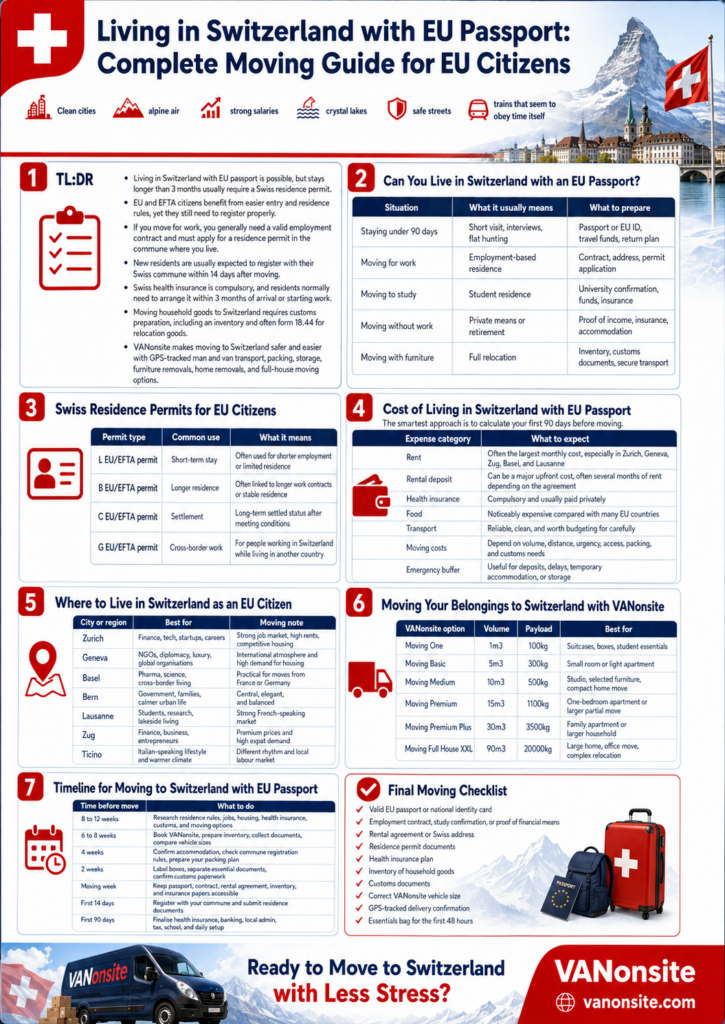
Living in Switzerland with EU passport can feel like opening a door to one of Europe’s most polished, prosperous, and breathtaking countries. Clean cities, alpine air, strong salaries, crystal lakes, safe streets, and trains that seem to obey time itself. It is easy to see why so many EU citizens dream about building a life there.
Yet there is one important truth to understand before you pack your first box: Switzerland is not a member of the European Union. That means living in Switzerland with EU passport is easier than moving from outside Europe, but it is not paperwork-free. You can enter more easily, but if you want to stay longer than a short visit, work, rent a home, study, or bring your household goods, you need to follow Swiss rules.
The good news is simple. With the right documents, a clear budget, and a reliable removals partner, moving to Switzerland can be smooth, secure, and surprisingly calm. VANonsite supports European moves to Switzerland with GPS-tracked transport, flexible vehicle sizes, careful handling, and premium services for students, families, professionals, and businesses.
If you are planning your relocation now, start with VANonsite removals to Switzerland and build your move around a transport plan you can trust.
TL:DR
- Living in Switzerland with EU passport is possible, but stays longer than 3 months usually require a Swiss residence permit.
- EU and EFTA citizens benefit from easier entry and residence rules, yet they still need to register properly.
- If you move for work, you generally need a valid employment contract and must apply for a residence permit in the commune where you live.
- New residents are usually expected to register with their Swiss commune within 14 days after moving.
- Swiss health insurance is compulsory, and residents normally need to arrange it within 3 months of arrival or starting work.
- Moving household goods to Switzerland requires customs preparation, including an inventory and often form 18.44 for relocation goods.
- VANonsite makes moving to Switzerland safer and easier with GPS-tracked man and van transport, packing, storage, furniture removals, home removals, and full-house moving options.




Can You Live in Switzerland with an EU Passport?
Yes, you can live in Switzerland with an EU passport, but you must respect Swiss residence rules. Switzerland has agreements with the EU and EFTA that make entry, residence, and work easier for EU citizens. However, easier does not mean automatic.
For a short stay, a valid EU passport or national identity card is usually enough. For a longer stay, especially more than 3 months, you generally need a residence permit. This applies whether you are moving for work, study, family, retirement, or private reasons.
That is why living in Switzerland with EU passport should be treated as a real international relocation. Before your boxes, furniture, bicycles, work equipment, and winter coats cross the border, you should know where you will live, which documents you need, and how your belongings will be transported.
| Situation | What it usually means | What to prepare |
|---|---|---|
| Staying under 90 days | Short visit, interviews, flat hunting | Passport or EU ID, travel funds, return plan |
| Moving for work | Employment-based residence | Contract, address, permit application |
| Moving to study | Student residence | University confirmation, funds, insurance |
| Moving without work | Private means or retirement | Proof of income, insurance, accommodation |
| Moving with furniture | Full relocation | Inventory, customs documents, secure transport |
Living in Switzerland with EU passport is much easier when the legal move and the physical move are planned together. Paperwork protects your status. Professional transport protects your belongings.
Documents Needed for Living in Switzerland with EU Passport
Documents are the backbone of a successful move. Swiss administration rewards order, accuracy, and preparation. A missing document can slow down registration, housing, banking, insurance, or customs clearance.
For official residence guidance, check the Swiss government page on permits for living in Switzerland and the State Secretariat for Migration page for EU and EFTA citizens living and working in Switzerland.
For most EU citizens, living in Switzerland with EU passport means preparing:
- A valid EU passport or national identity card.
- Employment contract, if you are moving for work.
- Rental agreement or proof of Swiss accommodation.
- Passport photos, if requested by your canton or commune.
- Proof of sufficient financial means, especially if you are not working.
- Health insurance documents or proof that you are arranging cover.
- Marriage certificate, birth certificates, or family documents, if moving with relatives.
- University admission or study confirmation, if moving as a student.
- A detailed inventory of household goods for customs.
- Vehicle documents, if importing a car or motorbike.
Keep these papers close during the move. Do not pack them inside a random box with cables, mugs, and old chargers. The documents you need first should travel with you, not at the back of a moving van.
Swiss Residence Permits for EU Citizens
Living in Switzerland with EU passport usually means applying for one of several residence permits. The correct permit depends on why you are staying and how long you plan to live there.
| Permit type | Common use | What it means |
|---|---|---|
| L EU/EFTA permit | Short-term stay | Often used for shorter employment or limited residence |
| B EU/EFTA permit | Longer residence | Often linked to longer work contracts or stable residence |
| C EU/EFTA permit | Settlement | Long-term settled status after meeting conditions |
| G EU/EFTA permit | Cross-border work | For people working in Switzerland while living in another country |
For work-based residence, the B EU/EFTA permit is often issued to EU/EFTA citizens with an employment contract of at least 12 months or an unlimited contract. The details can depend on your canton, employment situation, and personal circumstances.
A permit is not just a formal document. It can affect your rental application, employment records, bank account, tax status, and health insurance. If you want living in Switzerland with EU passport to feel stable from the beginning, prepare your permit documents before your moving day arrives.
Registering After Arrival in Switzerland
After arrival, one of your first administrative steps is local registration. Switzerland is highly decentralised, so the commune and canton where you live matter. In general, new residents are expected to register with their new commune within 14 days of moving.
You can check the official Swiss guidance on notifying your change of address and registering with your commune.
A practical first-week plan looks like this:
- Arrive at your Swiss address.
- Contact your local commune or residents’ registration office.
- Submit your passport or ID, rental agreement, employment contract, and other required documents.
- Apply for the correct residence permit.
- Arrange or confirm Swiss health insurance.
- Prepare your Swiss bank account and local admin.
- Confirm your VANonsite delivery window and building access.
This is where preparation becomes priceless. If your documents are tidy and your furniture delivery is organised, your first Swiss week feels less like panic and more like progress.
Working in Switzerland with an EU Passport
Many people choose living in Switzerland with EU passport because of work. Switzerland has strong sectors in finance, pharmaceuticals, technology, engineering, healthcare, luxury goods, logistics, hospitality, research, and international organisations.
EU and EFTA citizens generally have easier access to the Swiss labour market than non-EU nationals. Still, if you want to work in Switzerland, you usually need a valid employment contract and must apply for a residence permit from the commune where you live. For official information, visit the Swiss government page on working in Switzerland as a foreign national.
Before moving for work, prepare:
- Signed employment contract.
- Start date confirmation.
- Salary details.
- Swiss address or temporary accommodation.
- Permit documents.
- Health insurance plan.
- Moving date and delivery plan.
A signed contract can become the anchor of the entire relocation. Landlords like it. Banks like it. Authorities like it. If your start date is close, VANonsite Last Minute Moving can help you reach Switzerland quickly without turning the move into a frantic scramble.
Cost of Living in Switzerland with EU Passport
Living in Switzerland with EU passport can feel financially powerful and demanding at the same time. Salaries are often high, but daily costs can surprise newcomers. Rent, insurance, groceries, eating out, childcare, and services are often more expensive than in many EU countries.
The smartest approach is to calculate your first 90 days before moving. This gives you a safer financial runway and helps you avoid expensive surprises.
| Expense category | What to expect |
|---|---|
| Rent | Often the largest monthly cost, especially in Zurich, Geneva, Zug, Basel, and Lausanne |
| Rental deposit | Can be a major upfront cost, often several months of rent depending on the agreement |
| Health insurance | Compulsory and usually paid privately |
| Food | Noticeably expensive compared with many EU countries |
| Transport | Reliable, clean, and worth budgeting for carefully |
| Moving costs | Depend on volume, distance, urgency, access, packing, and customs needs |
| Emergency buffer | Useful for deposits, delays, temporary accommodation, or storage |
Your first budget should include rent, deposit, health insurance, transport, food, temporary accommodation, moving costs, customs preparation, and at least 10% to 20% extra for unexpected expenses.
This is where choosing the right vehicle size matters. Paying for too much space wastes money. Booking too little space creates stress. VANonsite offers moving options from 1m3 to 90m3, so your relocation can match your actual load.
Where to Live in Switzerland as an EU Citizen
Switzerland is compact, but every city has its own rhythm. Living in Switzerland with EU passport will feel different in Zurich than in Geneva, Basel, Bern, Lausanne, Zug, or Ticino.
| City or region | Best for | Moving note |
|---|---|---|
| Zurich | Finance, tech, startups, careers | Strong job market, high rents, competitive housing |
| Geneva | NGOs, diplomacy, luxury, global organisations | International atmosphere and high demand for housing |
| Basel | Pharma, science, cross-border living | Practical for moves from France or Germany |
| Bern | Government, families, calmer urban life | Central, elegant, and balanced |
| Lausanne | Students, research, lakeside living | Strong French-speaking market |
| Zug | Finance, business, entrepreneurs | Premium prices and high expat demand |
| Ticino | Italian-speaking lifestyle and warmer climate | Different rhythm and local labour market |
Before choosing a city, ask yourself:
- Where is my job, university, or business base?
- What local language will I need most?
- How much rent can I handle without pressure?
- Do I need storage before moving into permanent housing?
- Will my building allow easy delivery access?
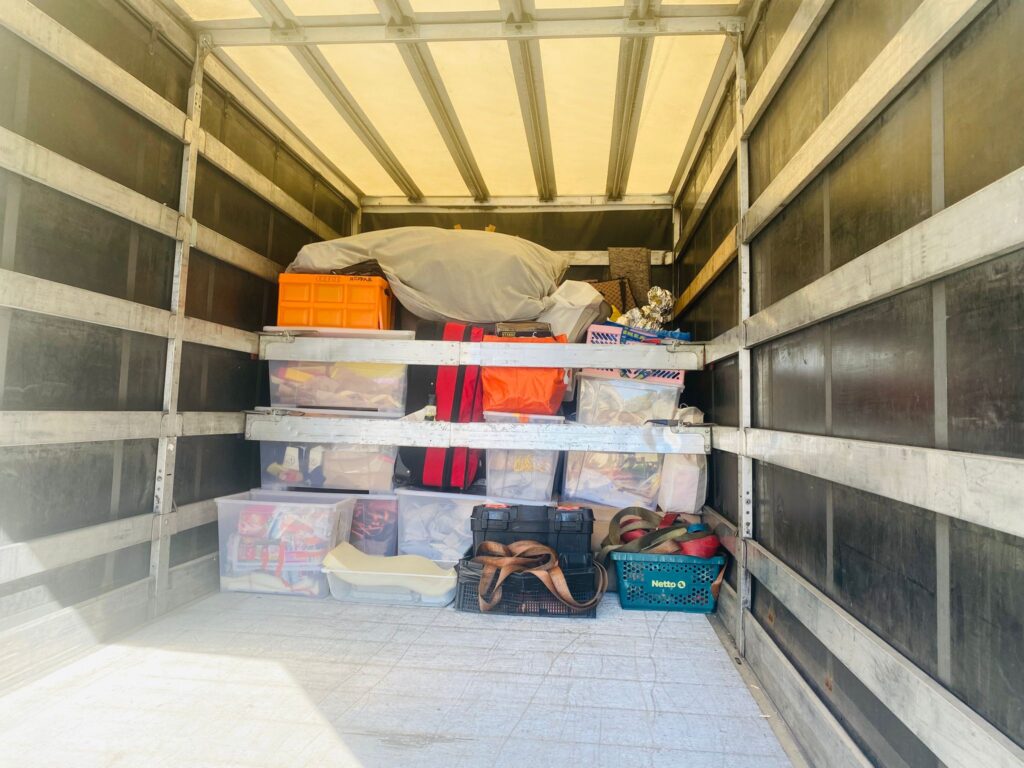
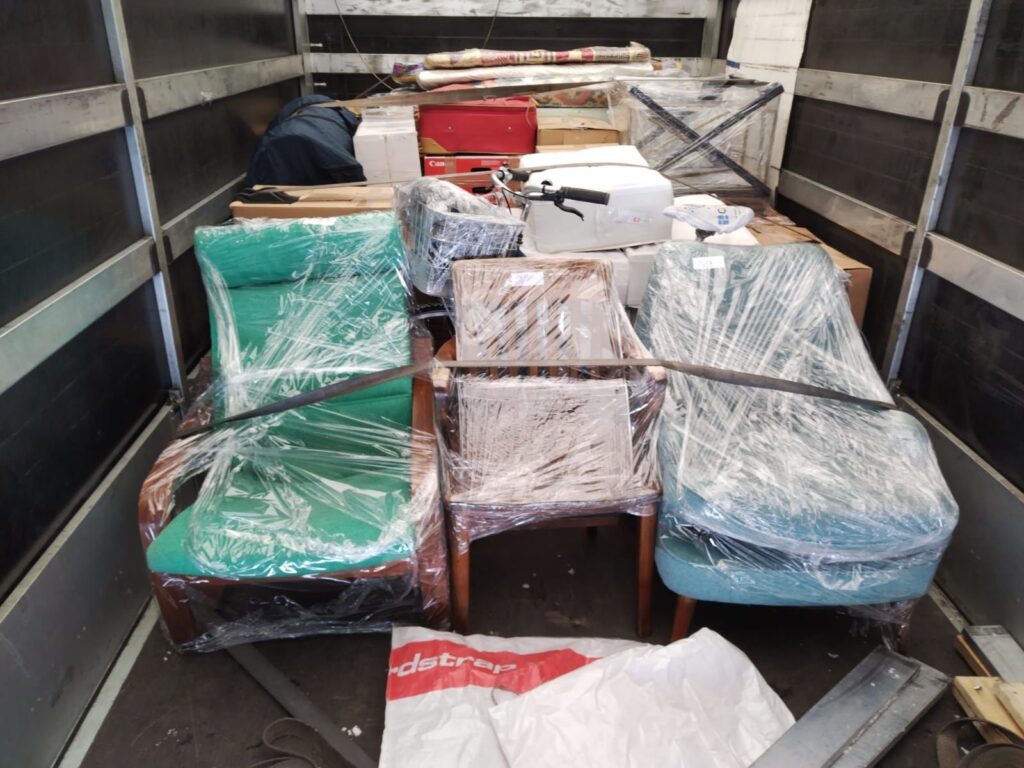
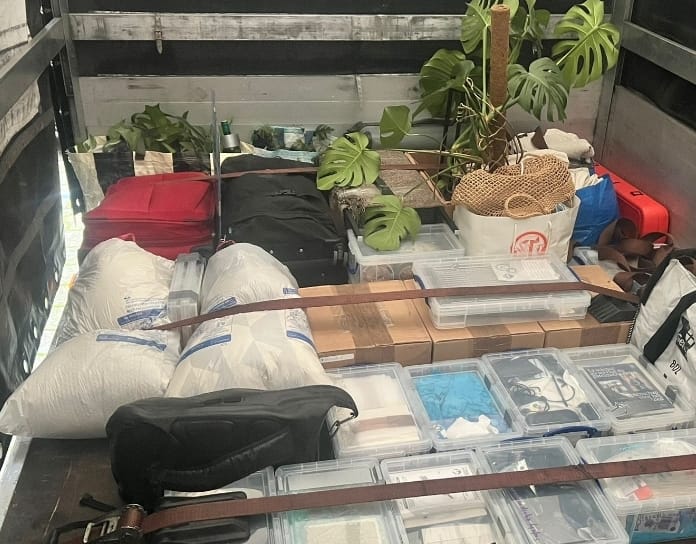
For apartment moves, access matters. A narrow stairwell, strict unloading rule, missing lift, or difficult parking area can turn a simple delivery into a long day. A professional man and van service helps you plan timing, vehicle size, and handling before problems appear.
Moving Your Belongings to Switzerland with VANonsite
Living in Switzerland with EU passport becomes real when your belongings cross the border. Your mattress, desk, books, wardrobe, kitchenware, children’s toys, artwork, and office equipment are not just objects. They are the texture of home.
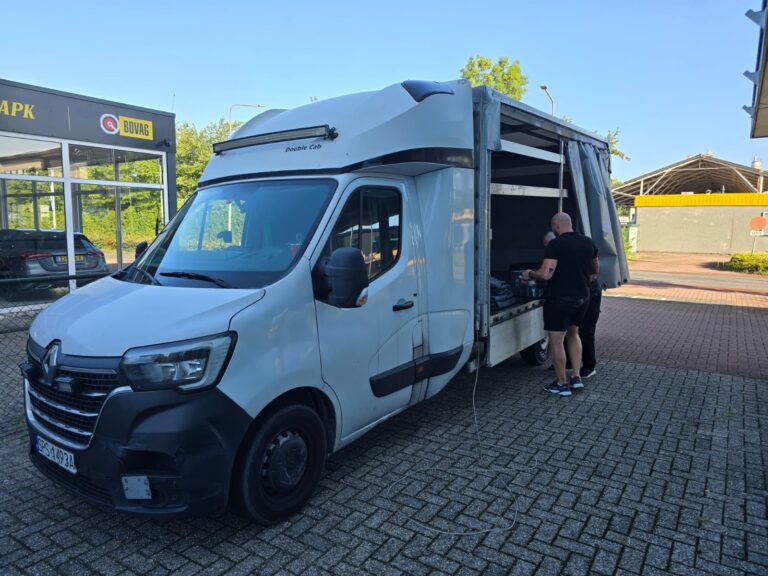
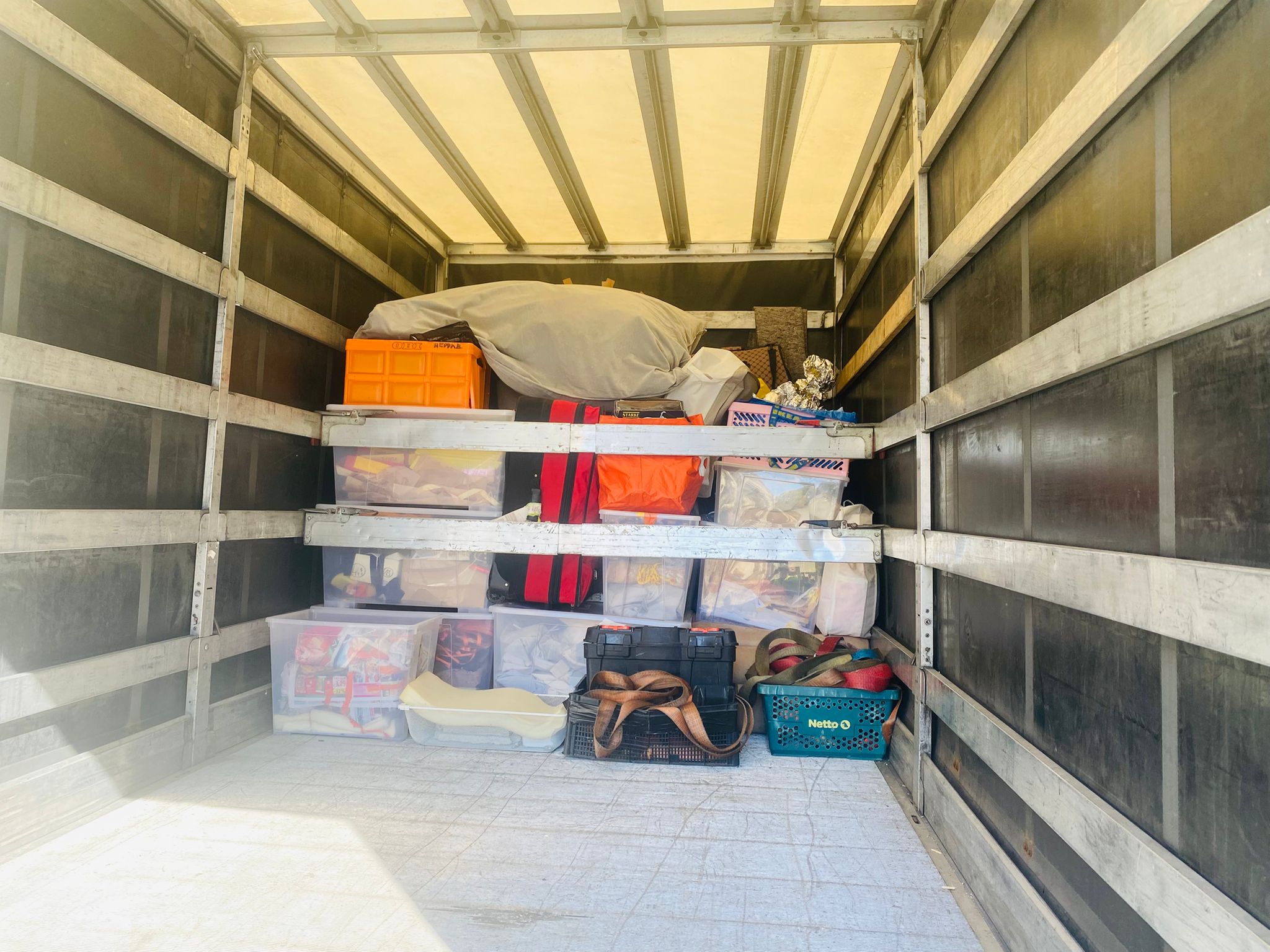
VANonsite offers high-quality European transport with GPS tracking for every load, careful handling, fast communication, and flexible moving options. Whether you need a compact man and van move or a full-house relocation, the service can be matched to your volume and weight.
| VANonsite option | Volume | Payload | Best for |
|---|---|---|---|
| Moving One | 1m3 | 100kg | Suitcases, boxes, student essentials |
| Moving Basic | 5m3 | 300kg | Small room or light apartment |
| Moving Medium | 10m3 | 500kg | Studio, selected furniture, compact home move |
| Moving Premium | 15m3 | 1100kg | One-bedroom apartment or larger partial move |
| Moving Premium Plus | 30m3 | 3500kg | Family apartment or larger household |
| Moving Full House XXL | 90m3 | 20000kg | Large home, office move, complex relocation |
The benefit is simple: you know what fits, you know where your load is, and you are not gambling with your belongings. GPS tracking adds reassurance when your life is travelling across Europe.
VANonsite Services for Moving to Switzerland
A Switzerland move can be small and nimble or large and complex. VANonsite covers both. Instead of forcing every customer into one model, the service can adapt to your timing, property type, load size, and priorities.
Popular options include:
- Last Minute Moving for sudden job starts, lease deadlines, and urgent relocations.
- Furniture Removals for beds, wardrobes, sofas, tables, chairs, and delicate pieces.
- Home Removals for apartment, family, and full-house moves.
- Packing Service for safer preparation and fewer broken items.
- White Glove Delivery for valuable, fragile, designer, or high-end goods.
- Office Removals for companies moving teams, equipment, and workspaces.
- Storage for timing gaps between leaving one property and entering another.
- Student Removals for compact university moves.
- Office Furniture Installation for desks, meeting rooms, and workspace setup.
Living in Switzerland with EU passport is easier when the move is not improvised. The right transport plan gives you more than delivery. It gives you breathing room.
Customs and Household Goods When Moving to Switzerland
Switzerland is not part of the EU customs territory, so customs preparation matters even for EU citizens. This surprises many people. They expect a simple European move, then discover that household goods still need correct paperwork.
For official rules, check the Swiss Federal Office for Customs and Border Security page on moving household effects to Switzerland and the procedure for importing relocation goods.
In many cases, personal household goods can be imported duty-free if they meet Swiss conditions. The goods normally need to have been used personally before the move and continue to be used after import. You may need form 18.44 and supporting documents.
Prepare this customs checklist:
- Clear inventory of all household goods.
- Separate list for valuable, fragile, or unusual items.
- Receipts for newer high-value purchases.
- Documents for vehicles, if relevant.
- Information about pets, plants, alcohol, tobacco, or special goods.
- Proof of relocation, such as a rental agreement or employment contract.
- Printed and digital copies of customs documents.
Good customs preparation is not glamorous, but it is powerful. It can prevent delays, stress, and border complications on a day when you already have enough to manage.
Healthcare and Insurance in Switzerland
Health insurance is compulsory in Switzerland. If you are living in Switzerland with EU passport, do not assume your home-country insurance will cover long-term residence in the way you need.
According to official Swiss guidance, residents normally need to take out health insurance no later than 3 months after arriving or beginning work in Switzerland. You can check the official page on health insurance in Switzerland.
Key points to remember:
- Basic health insurance is mandatory.
- Premiums vary by canton, age, insurer, deductible, and insurance model.
- Each family member needs cover.
- Supplementary insurance is separate from basic insurance.
- Students, posted workers, retirees, and cross-border workers may need specific checks.
Handle insurance early. It is one of those Swiss responsibilities that feels dull until it suddenly matters.
Renting a Home in Switzerland as an EU Citizen
Finding a rental can be one of the hardest parts of living in Switzerland with EU passport. Good apartments in popular cities can move fast, and landlords often expect a clean, convincing application.
Prepare a rental pack with:
- Passport or EU ID.
- Employment contract or proof of income.
- Residence permit details, if already available.
- References, if possible.
- Proof of no debt, if requested locally.
- Family information, if relevant.
- Short and polite cover message.
Before signing a lease, check the practical details of moving in. Is there a lift? Can a van park nearby? Are there loading restrictions? Is the street narrow? Are there long corridors, stairs, or courtyards? Can large furniture fit through the doors?
A professional man and van service is not only about driving. It is about judgement. Good movers think about corners, staircases, timing windows, fragile edges, and clean handovers.
Banking, Taxes, and Everyday Admin
Swiss life rewards precision. Once your registration is underway, focus on the everyday systems that make life work.
Your early admin list may include:
- Opening a Swiss bank account.
- Registering your address with local authorities.
- Setting up phone and internet.
- Confirming health insurance.
- Understanding tax obligations.
- Registering children for school.
- Checking driving licence rules.
- Learning local recycling rules.
- Noting quiet hours and building rules.
- Keeping digital copies of every important document.
The first weeks can feel like a storm of forms. Then the storm clears. Your bank card arrives. Your furniture is in place. You find your local bakery. Your new street starts to feel familiar.
That is when living in Switzerland with EU passport becomes less of a project and more of a life.
Moving to Switzerland with Family
For families, living in Switzerland with EU passport is not only about permits. It is about schools, bedrooms, childcare, doctors, bikes, toys, routines, and the emotional weight of leaving one home for another.
Family moves need more margin. More documents. More packing discipline. More patience.
Prepare:
- Birth certificates.
- Marriage certificate or family documents.
- School records.
- Medical records and prescriptions.
- Insurance plans for every family member.
- Rental agreement with enough space for the household.
- Larger vehicle size or staged transport.
- Essentials box for the first 48 hours.
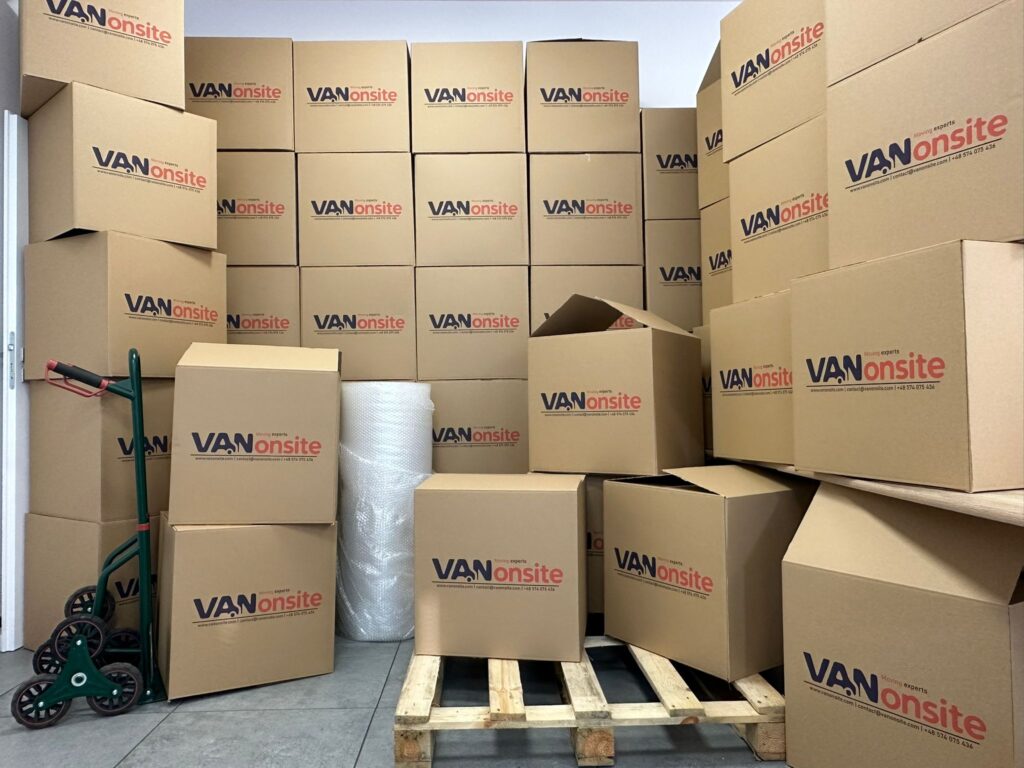
VANonsite Home Removals and Packing Service can be especially useful for family relocations. When every drawer, wardrobe, toy box, kitchen shelf, and storage corner needs attention, professional packing saves time and reduces the risk of damage. White Glove Delivery is also a strong choice for valuable furniture, artwork, antiques, designer pieces, or emotionally precious items.
A family move should not feel like a house exploding into cardboard. It should feel like a careful transfer of home.

Moving to Switzerland as a Student
Students often need a leaner, faster move. Living in Switzerland with EU passport as a student may require university confirmation, proof of funds, accommodation documents, and health insurance arrangements.
A student move might include:
- Suitcases.
- Books.
- Laptop and monitor.
- Bedding.
- Kitchen basics.
- Bicycle.
- Small desk or chair.
- Clothes for multiple seasons.
- Personal items that make a room feel familiar.
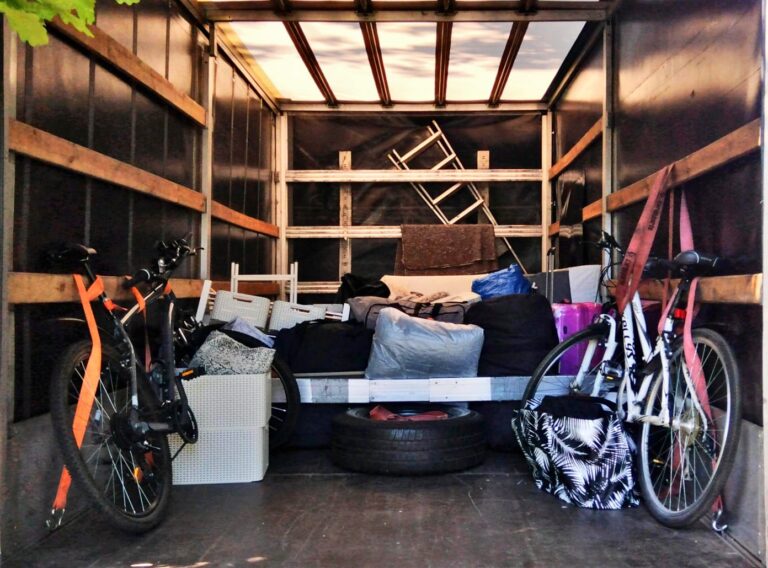
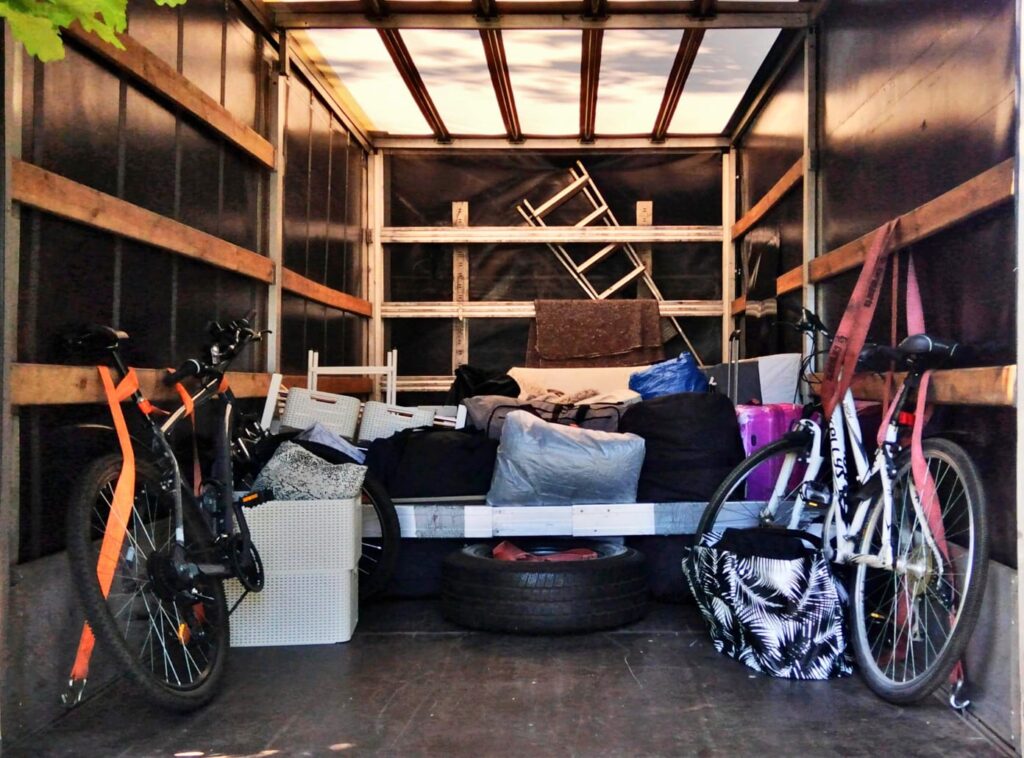
VANonsite Student Removals are built for compact relocations. Moving One or Moving Basic may be enough for many students, depending on the number of boxes and distance. This keeps the move efficient and avoids paying for space you do not need.
Students do not always move with much. But what they bring still matters. A laptop, a mattress topper, a favourite jacket, and three boxes of books can carry an entire future.
Timeline for Moving to Switzerland with EU Passport
A move works better when it has rhythm. Use this timeline as a practical guide.
| Time before move | What to do |
|---|---|
| 8 to 12 weeks | Research residence rules, jobs, housing, health insurance, customs, and moving options |
| 6 to 8 weeks | Book VANonsite, prepare inventory, collect documents, compare vehicle sizes |
| 4 weeks | Confirm accommodation, check commune registration rules, prepare your packing plan |
| 2 weeks | Label boxes, separate essential documents, confirm customs paperwork |
| Moving week | Keep passport, contract, rental agreement, inventory, and insurance papers accessible |
| First 14 days | Register with your commune and submit residence documents |
| First 90 days | Finalise health insurance, banking, local admin, tax, school, and daily setup |
Living in Switzerland with EU passport becomes much easier when every week has a job. The real enemy is not complexity. It is leaving everything until the final Friday night.
Common Mistakes to Avoid
Even careful movers make avoidable mistakes. The most common ones are simple, expensive, and stressful.
Avoid these:
- Assuming Switzerland follows the same rules as EU countries.
- Waiting too long to register with the commune.
- Forgetting that health insurance is compulsory.
- Booking the wrong vehicle size.
- Packing passports and documents inside moving boxes.
- Underestimating rent deposits and first-month costs.
- Ignoring customs requirements for household goods.
- Choosing the cheapest mover without GPS tracking or accountability.
- Moving fragile furniture without proper packing.
- Forgetting that Swiss buildings may have strict access and delivery rules.
The cheapest move can become expensive if it creates damage, delays, stress, or border problems. A professional man and van service protects more than objects. It protects time, energy, and momentum.
Why Choose VANonsite for Removals to Switzerland?
VANonsite is a strong choice for EU citizens moving to Switzerland because the service is built around the things that matter most during an international relocation: safety, speed, flexibility, and trust.
You get:
- GPS tracking for every load.
- Vehicle sizes from 1m3 to 90m3.
- Options for students, families, professionals, and offices.
- Secure transport across Europe.
- Packing support for fragile and valuable items.
- Storage options when move-in dates do not align.
- Last-minute moving when timing is tight.
- White glove handling for premium deliveries.
- Office furniture installation for business moves.
Living in Switzerland with EU passport already brings enough admin. Your transport should not add more uncertainty. VANonsite gives you a clearer plan, a safer move, and the reassurance that your belongings are not travelling unseen.
FAQ: Living in Switzerland with EU Passport
Can I live in Switzerland with an EU passport?
Yes. Living in Switzerland with EU passport is possible, but if you plan to stay longer than 3 months, you generally need to register and obtain the correct Swiss residence permit.
Do EU citizens need a visa for Switzerland?
For short stays, EU citizens usually do not need a visa. For longer residence, the key issue is usually registration and the correct permit.
Can I work in Switzerland with an EU passport?
Yes, EU and EFTA citizens generally have easier access to the Swiss labour market. You usually need a valid employment contract and must apply for a residence permit in the commune where you live.
How quickly do I need to register after moving to Switzerland?
New residents are generally expected to register with their new commune within 14 days of moving. Always check the exact rule for your canton and commune.
Is Switzerland expensive for EU citizens?
Yes, Switzerland is expensive compared with many EU countries. Rent, health insurance, food, and services can be high. Higher salaries may balance this, but careful planning is essential.
Can I bring my furniture to Switzerland duty-free?
In many cases, personal household goods can be imported duty-free if they meet Swiss customs conditions. You may need an inventory, form 18.44, and proof that the goods are part of your relocation.
What is the best way to move furniture to Switzerland?
A professional man and van or removals service is usually the safest option. VANonsite offers GPS-tracked transport, flexible vehicle sizes, packing, storage, and furniture removals for moves to Switzerland.
Can VANonsite handle a last-minute move to Switzerland?
Yes. VANonsite offers Last Minute Moving for urgent relocations, sudden job starts, tight lease dates, and fast European transport needs.
Final Moving Checklist
Before moving, make sure you have:
- Valid EU passport or national identity card.
- Employment contract, study confirmation, or proof of financial means.
- Rental agreement or Swiss address.
- Residence permit documents.
- Health insurance plan.
- Inventory of household goods.
- Customs documents.
- Vehicle documents, if importing a car.
- Digital and printed copies of important papers.
- Correct VANonsite vehicle size.
- GPS-tracked delivery confirmation.
- Essentials bag for the first 48 hours.
- Storage plan, if your dates do not align.
- Local commune registration appointment or instructions.
Ready to Move to Switzerland with Less Stress?
Living in Switzerland with EU passport starts with rules, documents, and decisions. But it becomes real when your belongings arrive safely, your bed is assembled, your kitchen boxes are open, and your new key finally feels normal in your hand.
VANonsite helps make that moment smoother. Whether you need a compact man and van move, full home removals, furniture removals, student transport, packing, storage, white glove delivery, office removals, or office furniture installation, you can move with speed, care, and confidence.
Plan your move today with VANonsite removals to Switzerland and arrive ready for the next chapter.