
Moving to Switzerland can feel like opening the door to a sharper, calmer, more deliberate way of life. The country has a magnetic pull: clean cities, mountain air, strong salaries, reliable services and lakes so clear they look almost unreal in the morning. It is easy to fall in love with the idea of living there. It is harder, however, to move there without a plan.
That is exactly why a moving to Switzerland checklist is so valuable.
Switzerland rewards order. It is a country where timing, documents and details matter. Your relocation should follow the same spirit. Whether you are moving for work, study, family, business, retirement or a fresh start, the right checklist turns a complicated international move into a calm sequence of clear actions.
This guide gives you a complete moving to Switzerland checklist, built for real life rather than theory. It covers residence documents, customs paperwork, household inventory, packing, vehicle size, moving day, first week setup and the mistakes that can quietly drain your time and money.
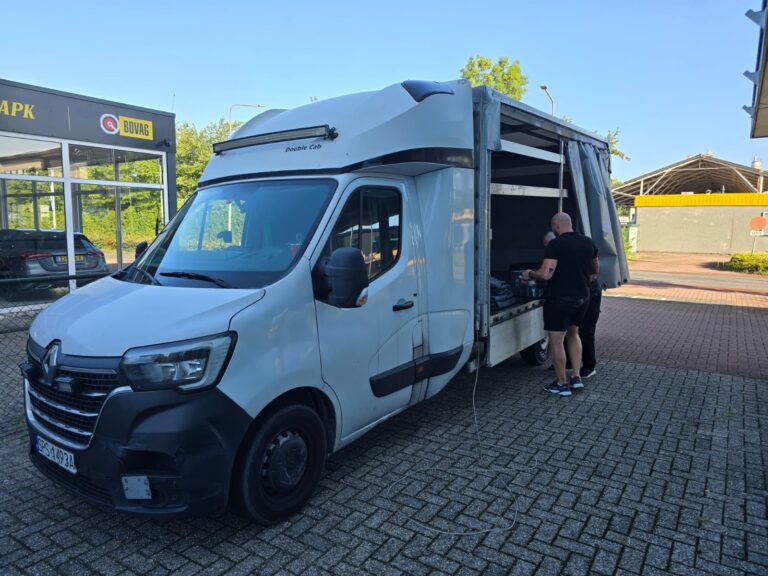
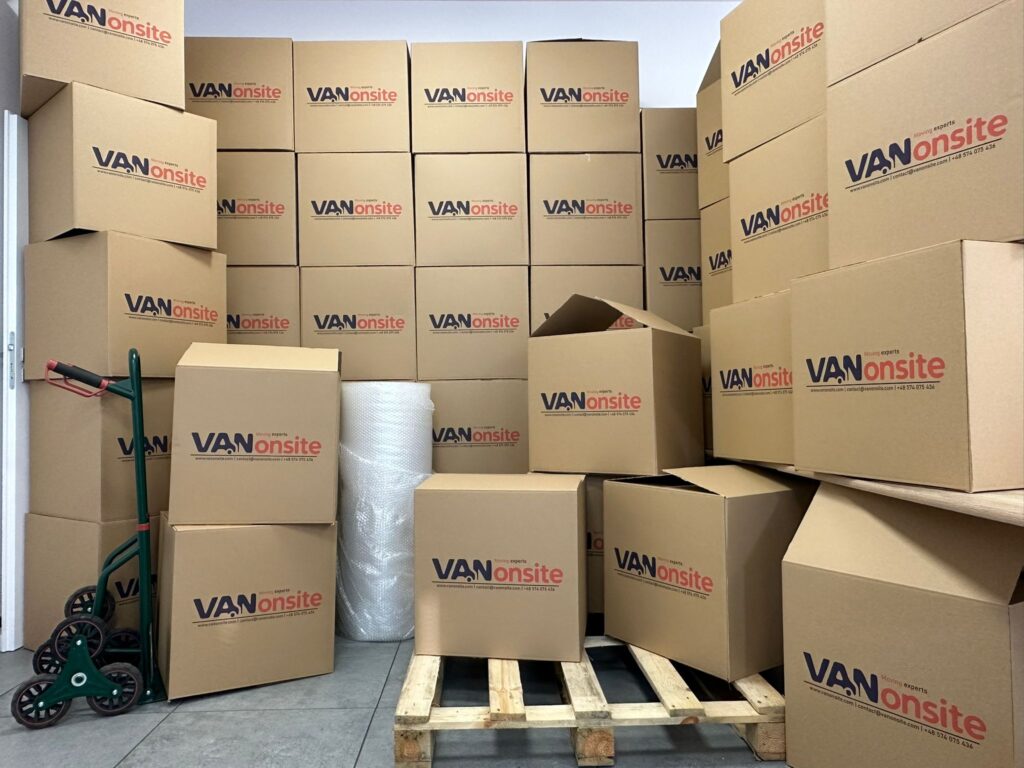
VANonsite helps customers move across Europe with secure transport, fast coordination, flexible man and van services and GPS tracking for every load. From a 1m3 personal move to a 90m3 full house relocation, VANonsite gives you practical options for moving safely, quickly and with confidence.
For route specific support, you can also visit VANonsite removals to Switzerland.
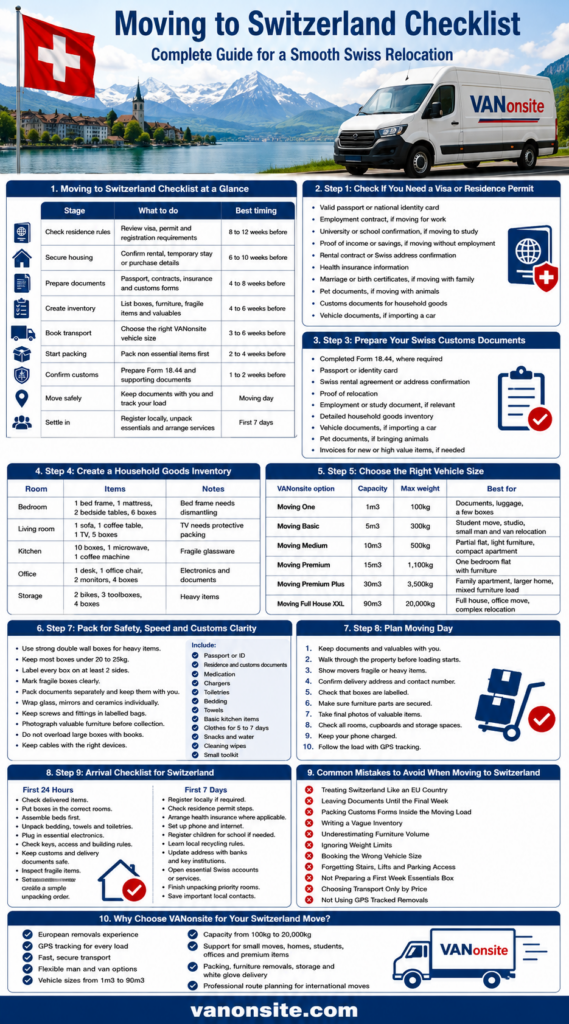
Moving to Switzerland Checklist at a Glance
A moving to Switzerland checklist should start with the foundations: legal stay, housing, customs, inventory, transport and arrival setup. Switzerland is surrounded by EU countries, but it is not an EU member state. This means that even if you are moving from Germany, France, Italy, Austria, Poland, Spain, Belgium or the Netherlands, you still need to think about Swiss customs and residence procedures.
The fastest way to understand the process is to divide it into stages.
| Stage | What to do | Best timing |
|---|---|---|
| Check residence rules | Review visa, permit and registration requirements | 8 to 12 weeks before |
| Secure housing | Confirm rental, temporary stay or purchase details | 6 to 10 weeks before |
| Prepare documents | Passport, contracts, insurance and customs forms | 4 to 8 weeks before |
| Create inventory | List boxes, furniture, fragile items and valuables | 4 to 6 weeks before |
| Book transport | Choose the right VANonsite vehicle size | 3 to 6 weeks before |
| Start packing | Pack non essential items first | 2 to 4 weeks before |
| Confirm customs | Prepare Form 18.44 and supporting documents | 1 to 2 weeks before |
| Move safely | Keep documents with you and track your load | Moving day |
| Settle in | Register locally, unpack essentials and arrange services | First 7 days |
A checklist is not only admin. It is a safety net. It stops your passport from disappearing into a box. It prevents the wrong vehicle size. It keeps customs documents close. It helps you arrive tired but calm, rather than exhausted and surrounded by confusion.
The best moving to Switzerland checklist is not the longest one. It is the one that helps you make the right decisions at the right time.




Step 1: Check If You Need a Visa or Residence Permit
The first step on any moving to Switzerland checklist is your right to live in the country. Switzerland has different rules depending on nationality, length of stay and reason for moving. A person moving for a 2 year work contract may need different documents from a student, a retiree or someone joining family.
EU and EFTA citizens usually benefit from easier mobility rules. Still, staying in Switzerland for longer than 3 months normally means dealing with residence formalities. Non EU citizens may need additional visa or permit steps, so early planning is even more important.
Use official sources before making decisions:
Your personal document folder should be ready before moving day. Keep it with you during travel, not inside the moving van. Documents are small, but they control the whole relocation.
Prepare:
- Valid passport or national identity card
- Employment contract, if moving for work
- University or school confirmation, if moving to study
- Proof of income or savings, if moving without employment
- Rental contract or Swiss address confirmation
- Health insurance information
- Marriage or birth certificates, if moving with family
- Pet documents, if moving with animals
- Customs documents for household goods
- Vehicle documents, if importing a car
A strong moving to Switzerland checklist treats documents as essential cargo. You can replace a missing saucepan easily. Replacing a missing permit file during an international move is a very different story.
Step 2: Build a Realistic Moving Timeline
A relocation becomes much easier when it has rhythm. The most stressful moves are usually not difficult because of distance. They are difficult because everything happens at once. A clear timeline gives your moving to Switzerland checklist structure and breathing room.
12 to 8 Weeks Before Moving
This is the foundation stage. You are shaping the move before boxes appear in the hallway.
Choose your destination carefully. Zurich, Geneva, Basel, Lausanne, Bern, Zug, Lucerne and smaller Swiss towns offer different rental markets, commute patterns and lifestyles. If you are moving for work, check travel time to the office. If you are moving with children, research schools and childcare. If you are moving for study, confirm accommodation dates and campus requirements.
At this stage, your moving to Switzerland checklist should include:
- Check residence and permit rules.
- Confirm work, study or family documents.
- Research cantons, communes and neighbourhoods.
- Start looking for housing.
- Review school options if moving with children.
- Check pet rules if needed.
- Start decluttering.
- Estimate your load size.
- Decide whether you need storage.
- Contact VANonsite for early transport planning.
Decluttering is not a cosmetic task. It can reduce cost, volume and emotional weight. If 15% of your belongings no longer fit your future life, moving them across a customs border is rarely wise. Sell, donate, recycle or give away what no longer deserves space in the van.
8 to 4 Weeks Before Moving
This is the organisation stage. Your plans should become visible now. The move is no longer an idea. It is a project with dates, documents, rooms and vehicle requirements.
Create your household goods inventory. Walk through each room and list furniture, boxes, equipment and fragile items. Pay special attention to books, tools, documents and kitchenware because they become heavy very quickly.
Your moving to Switzerland checklist should now include:
- Prepare customs documents.
- Create a detailed inventory.
- Book removals to Switzerland.
- Choose the correct vehicle size.
- Decide if you need packing support.
- Measure large furniture.
- Check access at pickup and delivery addresses.
- Sort items into keep, sell, donate and store groups.
- Confirm whether items need dismantling.
- Identify fragile or high value goods.
This is also the right moment to speak with VANonsite about your move. Share the pickup address, delivery address, estimated inventory, access conditions and preferred dates. A man and van service works best when the provider understands both the load and the journey.
4 to 2 Weeks Before Moving
This is when your home begins to change. Shelves become emptier. Boxes appear near walls. You start to feel the move in daily life.
Pack non essential items first. Seasonal clothing, spare bedding, books, decorations, rarely used kitchenware and storage items can go early. Keep everyday items until the final week.
Your checklist should include:
- Pack non essential items.
- Label boxes by room and priority.
- Keep documents separate.
- Confirm collection and delivery dates.
- Prepare a first week essentials box.
- Arrange utility closure in the old home.
- Confirm Swiss accommodation details.
- Update your inventory as packing progresses.
- Photograph valuable furniture and electronics.
- Prepare keys, parking instructions and access details.
Label every box on at least 2 sides. Write the room, contents and urgency. A label such as “Kitchen, plates and bowls, fragile, high priority” will save time when you arrive in Switzerland tired and hungry.
Final Week Before Moving
The final week should feel like a countdown, not a storm. By now, most decisions should already be made.
Finish packing, but keep essential items accessible. Defrost the freezer if needed. Wash and dry laundry. Clear balconies, attics, cellars, garages and storage spaces. Forgotten corners are one of the most common moving day frustrations.
Your final week moving to Switzerland checklist should include:
- Finish packing.
- Prepare keys and documents.
- Defrost fridge and freezer if applicable.
- Photograph valuable furniture.
- Confirm parking or loading access.
- Keep passport, customs forms and valuables with you.
- Charge your phone for moving day.
- Prepare snacks and water.
- Keep cleaning supplies separate.
- Keep a small toolkit available.
- Recheck delivery address and contact numbers.
The final week is when weak planning becomes expensive. If a wardrobe needs dismantling, a lift is too small or a van cannot park near the building, the schedule can tighten fast. Share these details with VANonsite early so the move can be planned with precision.
Step 3: Prepare Your Swiss Customs Documents
Customs preparation is one of the most important parts of a moving to Switzerland checklist. Switzerland has its own customs system, so household goods entering the country need proper paperwork.
Many personal household goods can be imported without duty if they meet Swiss conditions. In general, they should be part of a genuine relocation, used personally before the move and intended for continued personal use after arrival. Swiss customs guidance commonly refers to household effects that have been used personally for at least 6 months.
Use official customs resources:
A clean customs folder may include:
- Completed Form 18.44, where required
- Passport or identity card
- Swiss rental agreement or address confirmation
- Proof of relocation
- Employment or study document, if relevant
- Detailed household goods inventory
- Vehicle documents, if importing a car
- Pet documents, if bringing animals
- Invoices for new or high value items, if needed
Customs delays often come from tiny errors. A vague list. A missing signature. A valuable new item with no invoice. A form packed deep inside the moving load. At home, these details seem small. At the border, they matter.
Keep your customs documents in a personal folder. Carry it with you. If VANonsite is transporting your belongings, make sure the inventory and transport details are clear before collection. The more organised your paperwork, the smoother your move can feel.
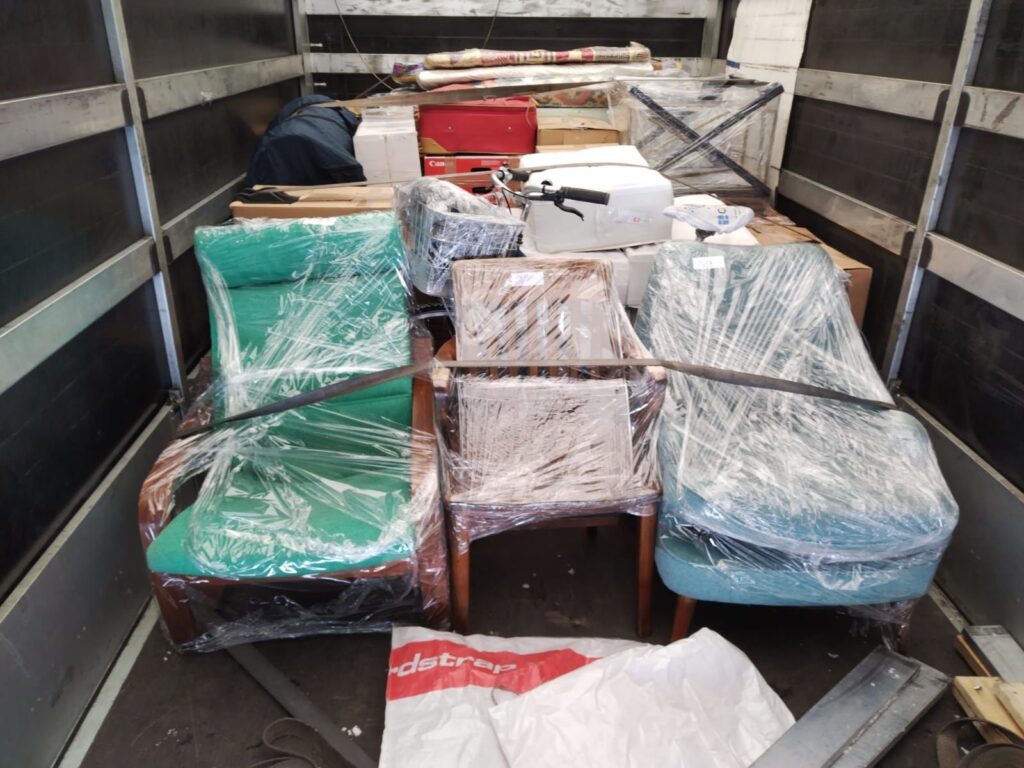
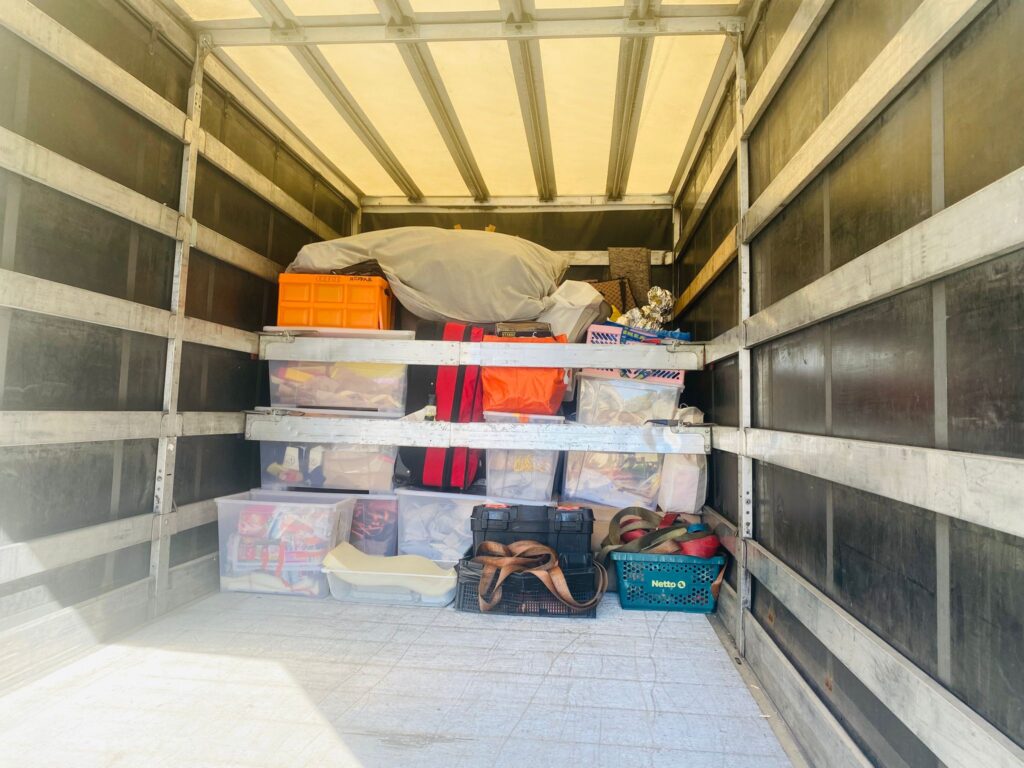
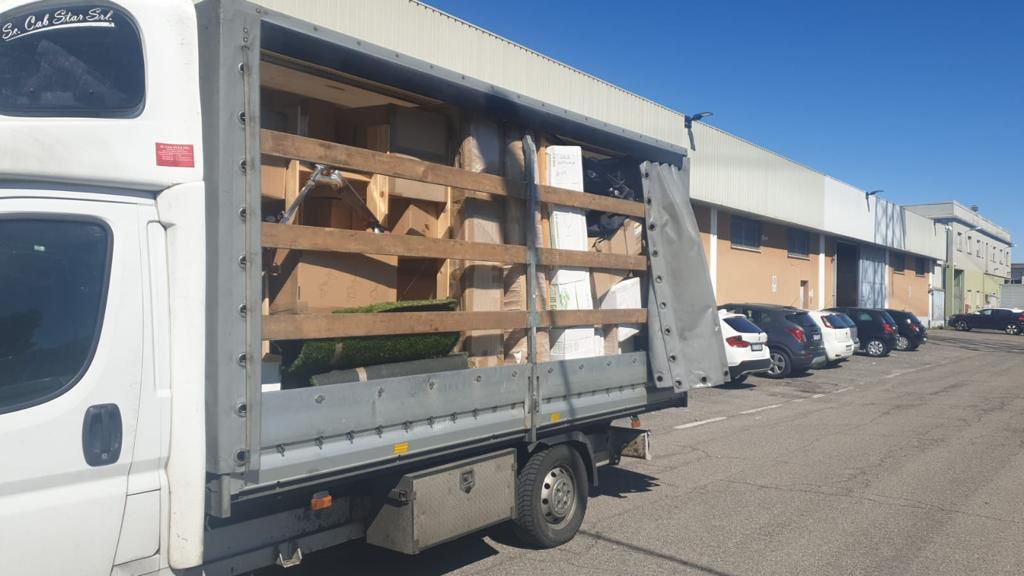
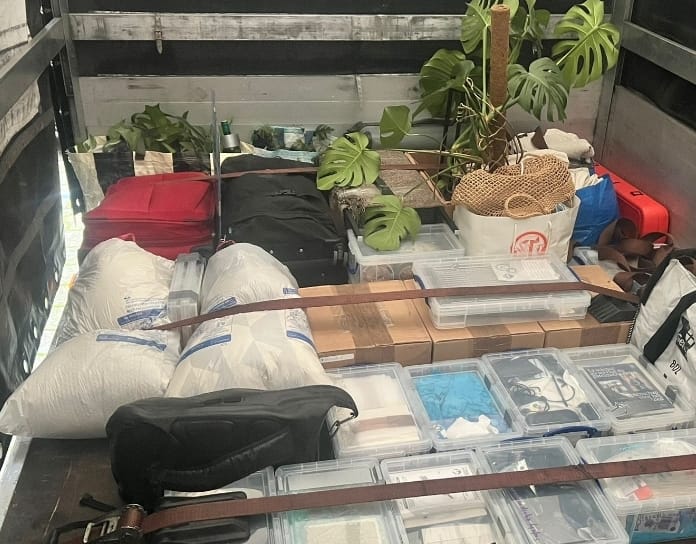
Step 4: Create a Household Goods Inventory
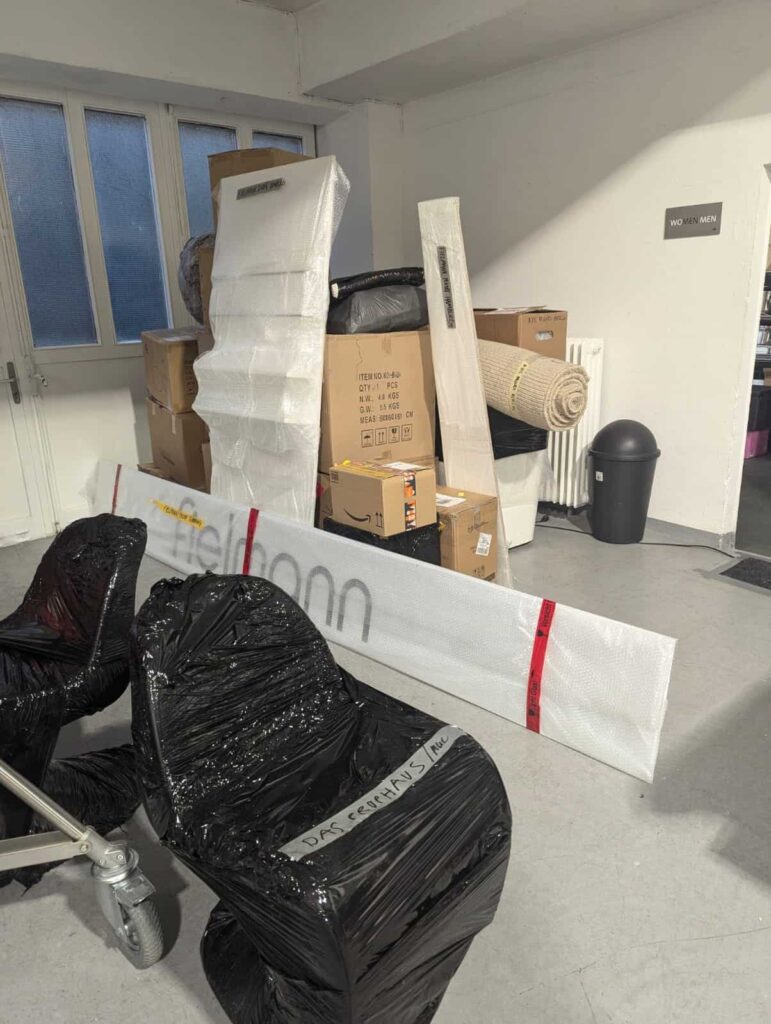
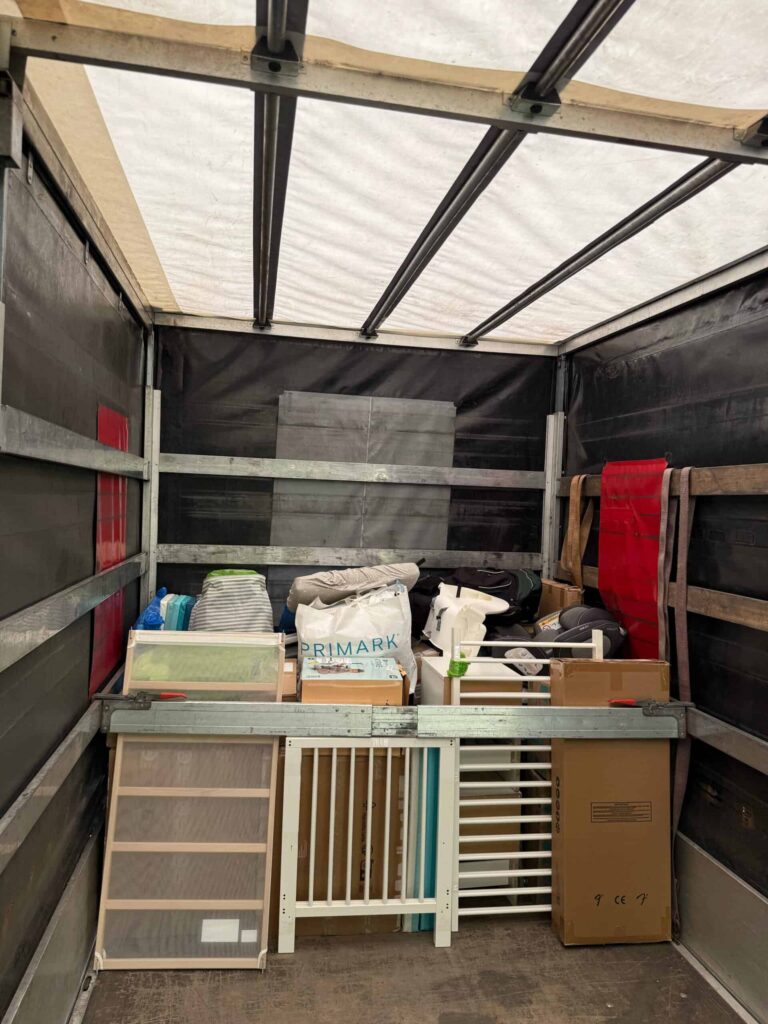
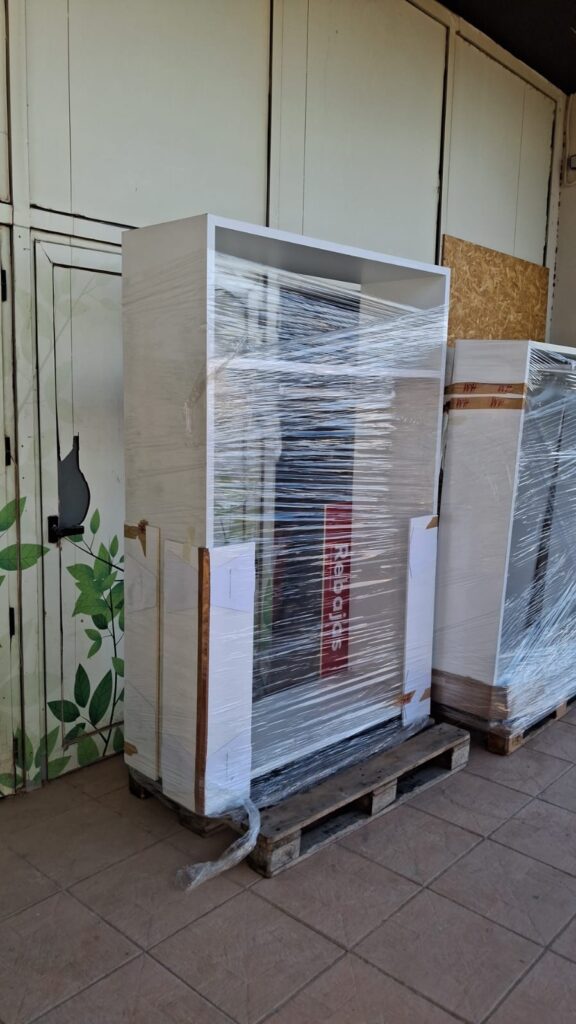
A household goods inventory is more than a customs document. It is a practical map of your move. It helps with pricing, packing, vehicle choice, loading order and unpacking.
Without an inventory, your home becomes a blur of objects. With one, every item has a place in the plan.
Your moving to Switzerland checklist should include an inventory with:
- Room name
- Item category
- Quantity
- Approximate value, where relevant
- Fragile items
- High value items
- Furniture that needs dismantling
- Number of boxes by room
- Heavy items such as books, tools or appliances
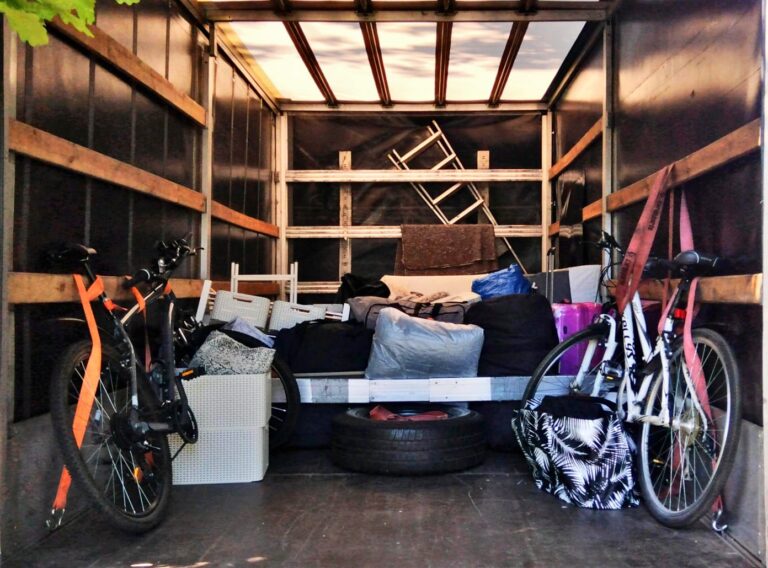
- Special items such as bikes, artwork, instruments or office equipment
A simple format works well.
| Room | Items | Notes |
|---|---|---|
| Bedroom | 1 bed frame, 1 mattress, 2 bedside tables, 6 boxes | Bed frame needs dismantling |
| Living room | 1 sofa, 1 coffee table, 1 TV, 5 boxes | TV needs protective packing |
| Kitchen | 10 boxes, 1 microwave, 1 coffee machine | Fragile glassware |
| Office | 1 desk, 1 office chair, 2 monitors, 4 boxes | Electronics and documents |
| Storage | 2 bikes, 3 toolboxes, 4 boxes | Heavy items |
Avoid writing “miscellaneous” too often. It may feel convenient while packing, but it is not helpful for customs or transport planning. Instead of “kitchen stuff,” write “4 boxes of plates, 2 boxes of pans, 1 coffee machine, 1 microwave, 1 box of glassware.”
A precise inventory can also prevent overpaying. If your load fits into 10m3, you do not need to book a much larger option. On the other hand, if your inventory shows bulky furniture and 60 boxes, you do not want to discover too late that the vehicle is too small.
VANonsite can use your inventory to recommend the right vehicle size. This is one of the most useful advantages of working with a professional man and van removals provider rather than guessing on your own.
Step 5: Choose the Right Vehicle Size
Vehicle size is one of the most important decisions on your moving to Switzerland checklist. The wrong size can cost money, time and energy. Too small, and you may need an extra trip. Too large, and you may pay for space you do not need.
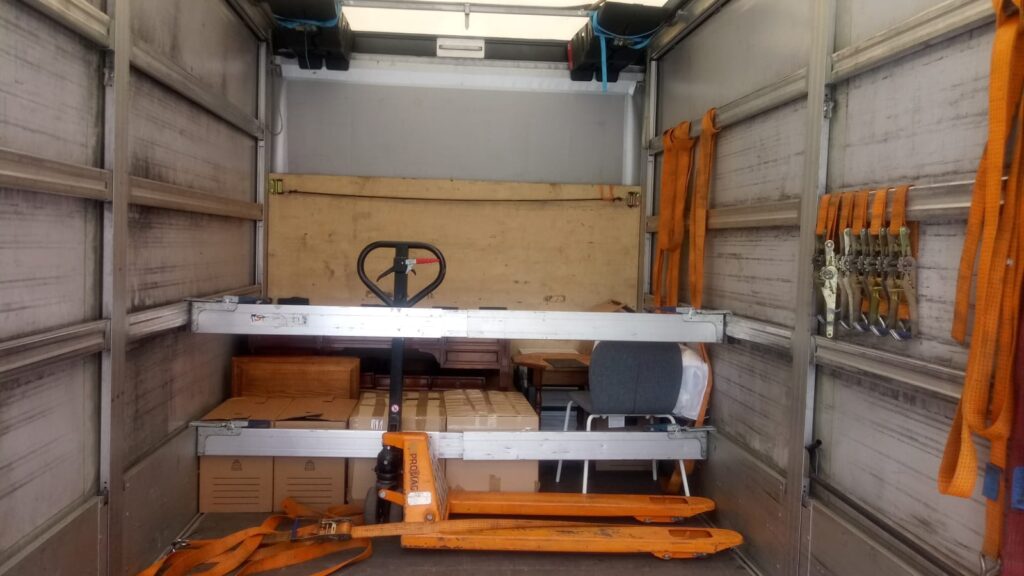
VANonsite offers flexible vehicle sizes for different relocation needs.
| VANonsite option | Capacity | Max weight | Best for |
|---|---|---|---|
| Moving One | 1m3 | 100kg | Documents, luggage, a few boxes |
| Moving Basic | 5m3 | 300kg | Student move, studio, small man and van relocation |
| Moving Medium | 10m3 | 500kg | Partial flat, light furniture, compact apartment |
| Moving Premium | 15m3 | 1,100kg | One bedroom flat with furniture |
| Moving Premium Plus | 30m3 | 3,500kg | Family apartment, larger home, mixed furniture load |
| Moving Full House XXL | 90m3 | 20,000kg | Full house, office move, complex relocation |
As a rough guide:
- For 5 to 10 boxes, Moving One may be enough.
- For a student room, Moving Basic is often practical.
- For a small apartment, Moving Medium gives more breathing room.
- For a furnished one bedroom home, Moving Premium is stronger.
- For a family relocation, Moving Premium Plus is usually safer.
- For a large house or office, Moving Full House XXL gives serious capacity.
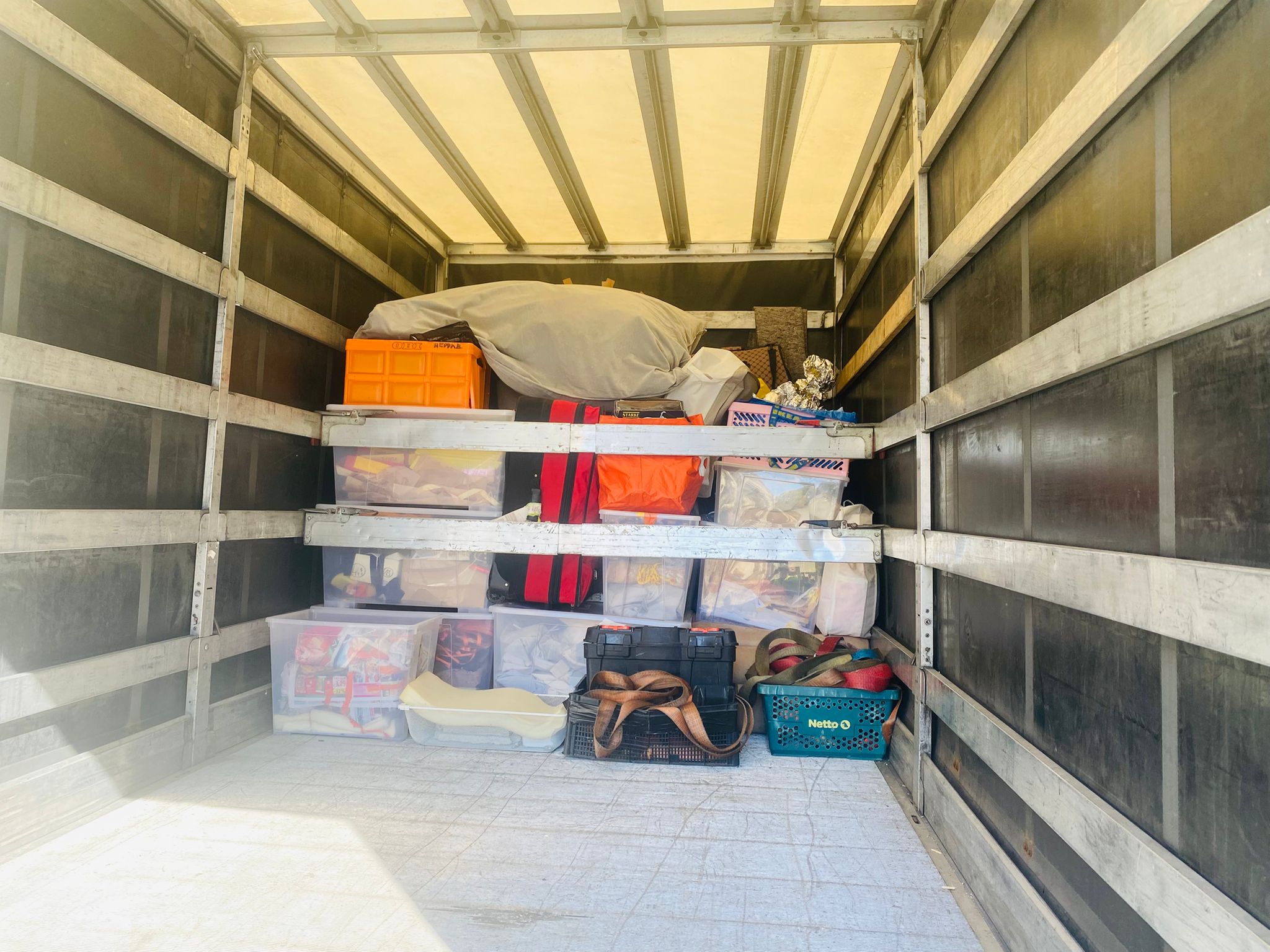
Volume and weight both matter. Books, files, tools and kitchenware can be shockingly heavy. Bedding, lamps and chairs are lighter, but they take space and are awkward to stack. A good man and van provider should help balance both.
This is where VANonsite’s range becomes useful. Switzerland moves are not all the same. One person may be taking 8 boxes to a student room in Lausanne. Another may be relocating a full family home to Zurich. Another may need office furniture delivered to Geneva. The right vehicle should match the real load, not a nervous guess.
Step 6: Decide Which Moving Services You Need
Not every move needs the same level of support. A good moving to Switzerland checklist should help you match the service to your situation. Some people need speed. Others need delicate handling. Others need packing, storage or a full home removal.
Last Minute Moving
Life does not always give 3 months of notice. A job offer, tenancy deadline or family decision can create an urgent relocation. VANonsite Last Minute Moving is useful when speed matters and the schedule is tight.
In a last minute move, focus on essentials first: documents, inventory, vehicle size and priority packing. You can still move well under pressure, but the plan must be lean and decisive.
Furniture Removals
Furniture is often the most difficult part of a move. Sofas, wardrobes, beds, desks, dining tables and cabinets can be heavy, awkward and easy to damage if handled badly.
VANonsite Furniture Removals help protect bulky and valuable pieces during European transport. This matters when moving to Switzerland because your furniture may travel through long routes, changing roads and customs procedures.
Home Removals
If you are moving an apartment or house, VANonsite Home Removals offer a structured solution for boxes, furniture, personal items and fragile goods.
Home removals are especially useful when your load includes mixed items: beds, wardrobes, appliances, kitchenware, books, clothing, electronics and sentimental objects.
Packing Service
Packing is easy to underestimate. It looks simple until glassware, books, lamps, mirrors and electronics start filling the room. VANonsite Packing Service can make the relocation safer and faster.
Professional packing is valuable for:
- Glassware
- Ceramics
- Books
- Artwork
- Mirrors
- Electronics
- Kitchenware
- Fragile decorations
- High value personal items
Good packing reduces breakage risk and makes loading more efficient. It also helps your inventory stay clearer.
White Glove Delivery
Some items deserve a more refined level of care. Designer furniture, antiques, artwork, luxury interiors and delicate equipment should not be treated like ordinary boxes.
VANonsite White Glove Delivery is built for premium handling. It is a strong choice when the item is valuable, delicate or emotionally irreplaceable.
Office Removals
Business moves require order because downtime costs money. VANonsite Office Removals support companies moving desks, chairs, files, monitors, printers and office equipment.
A business moving to Switzerland checklist should include labelling IT equipment, protecting screens, separating confidential documents and planning delivery around working hours.
Storage
Storage can be useful when your Swiss home is not ready, your lease dates do not match or you need to move in stages. It gives flexibility when life refuses to line up neatly.
Storage is especially helpful if:
- Your delivery address is temporary.
- Renovation work is not finished.
- You are downsizing.
- Your new office is not ready.
- You want to delay seasonal items.
- You need phased delivery.
Student Removals
Students often need compact, flexible and affordable relocation. VANonsite Student Removals are useful for books, clothes, laptops, bedding, small furniture and personal belongings.
For many student moves, Moving Basic at 5m3 can be a smart fit.
Office Furniture Installation
Companies setting up a Swiss workspace may need more than delivery. Desks, chairs, meeting tables and storage units often need placement and assembly.
VANonsite Office Furniture Installation helps make the new workplace usable faster.
Step 7: Pack for Safety, Speed and Customs Clarity
Packing is not just about filling boxes. It affects damage risk, loading time, customs clarity and your first week in Switzerland. A serious moving to Switzerland checklist should include packing rules that protect both your belongings and your energy.
Use strong boxes. Thin cartons may collapse under books, plates or tools. Keep most boxes under 20 to 25kg. Heavy boxes are harder to lift, more likely to split and more dangerous on stairs.
Label every box on at least 2 sides. Mark fragile items clearly. Keep cables with the correct devices. Put screws and fittings in labelled bags. Photograph high value furniture before collection.
Use this packing checklist:
- Use strong double wall boxes for heavy items.
- Keep most boxes under 20 to 25kg.
- Label every box on at least 2 sides.
- Mark fragile boxes clearly.
- Pack documents separately and keep them with you.
- Wrap glass, mirrors and ceramics individually.
- Use wardrobe boxes for delicate clothes.
- Keep screws and fittings in labelled bags.
- Photograph valuable furniture before collection.
- Do not overload large boxes with books.
- Seal liquids in separate bags.
- Keep cables with the right devices.
- Use towels and soft items to cushion safe gaps.
Create a first week essentials box. This box should not disappear into the middle of the load. Ideally, it should travel with you or be unloaded first.
Include:
- Passport or ID
- Residence and customs documents
- Medication
- Chargers
- Toiletries
- Bedding
- Towels
- Basic kitchen items
- Clothes for 5 to 7 days
- Snacks and water
- Cleaning wipes
- Small toolkit
- Pet or child essentials, if relevant
The first night in a new Swiss home should not begin with opening 30 boxes to find a toothbrush. A first week box gives you comfort when everything else is still wrapped, stacked and unfamiliar.
Step 8: Plan Moving Day
Moving day should feel like a controlled process, not a storm. By this point, your documents should be ready, your inventory should be clear and your boxes should be labelled.
Use this moving day checklist:
- Keep documents and valuables with you.
- Walk through the property before loading starts.
- Show movers fragile or heavy items.
- Confirm delivery address and contact number.
- Check that boxes are labelled.
- Make sure furniture parts are secured.
- Take final photos of valuable items.
- Check all rooms, cupboards and storage spaces.
- Keep your phone charged.
- Follow the load with GPS tracking.
VANonsite offers GPS tracking for every load, which is especially reassuring during international transport. Once your belongings leave the old address, you do not want silence. You want visibility. GPS tracking helps the move feel calmer because you can follow the journey instead of guessing where your life is on the road.
Before the van leaves, do one final sweep. Check behind doors, inside wardrobes, under beds, in the washing machine, in drawers, in the cellar, in the attic and on the balcony. Forgotten items are common when people rush.
Step 9: Arrival Checklist for Switzerland
Arrival is not the finish line. It is the beginning of setup. The first 24 hours should be about essentials, not perfection.
First 24 Hours
When your belongings arrive, focus on making the home usable.
Your first 24 hour checklist:
- Check delivered items.
- Put boxes in the correct rooms.
- Assemble beds first.
- Unpack bedding, towels and toiletries.
- Plug in essential electronics.
- Check keys, access and building rules.
- Keep customs and delivery documents safe.
- Inspect fragile items.
- Set aside empty packing materials.
- Create a simple unpacking order.
Beds first. Kitchen basics second. Bathroom essentials third. Everything else can wait.
First 7 Days
The first week in Switzerland can feel busy, even after the boxes arrive. You may need to deal with registration, insurance, phone services, banking, school, transport and address updates.
Your first week checklist:
- Register locally if required.
- Check residence permit steps.
- Arrange health insurance where applicable.
- Set up phone and internet.
- Register children for school if needed.
- Learn local recycling rules.
- Update address with banks and key institutions.
- Open essential Swiss accounts or services.
- Inspect furniture and fragile items.
- Finish unpacking priority rooms.
- Save important local contacts.
- Learn building rules for waste, laundry and quiet hours.
Switzerland rewards order, but you do not need to unpack everything in one day. Build the home in layers. First function. Then comfort. Then beauty.
Moving to Switzerland for Work Checklist
If you are relocating for a job, your moving to Switzerland checklist should focus on speed, documents and first week practicality. Work moves often have fixed start dates, which means delay can be costly.
Prepare:
- Employment contract
- Start date confirmation
- Residence or permit documents
- Swiss address
- Employer documents
- Passport or national ID
- Work clothing
- Laptop and office equipment
- Banking and salary setup
- Commuting route
- Essential home office items
- First week clothing and toiletries
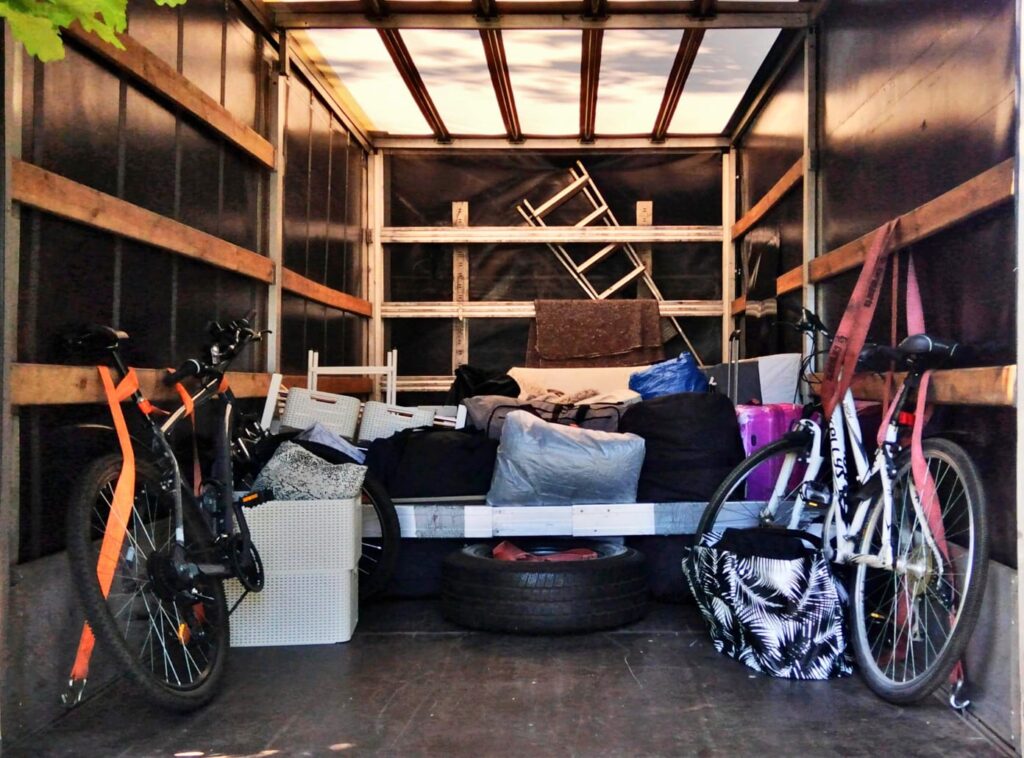
For professionals, a man and van service can be ideal when the move is compact and urgent. You may not need to move a full household immediately. Sometimes the smartest first load includes a desk, chair, clothing, laptop, bedding, documents and kitchen basics.
If your employer supports relocation, ask whether they need invoices, delivery confirmation or inventory details. Keep everything organised from the start.


Moving to Switzerland for Study Checklist
A student moving to Switzerland usually needs a smaller, sharper plan. The load may be compact, but timing matters. Student accommodation dates can be strict, and rooms may be smaller than expected.
Your student checklist should include:
- University admission letter
- Accommodation confirmation
- Student insurance documents
- Passport or national ID
- Laptop and chargers
- Study materials
- Bedding and towels
- Clothes for multiple seasons
- Basic kitchen items
- Small storage items
- Medication
- Budget plan
- Public transport research
Do not overpack. Swiss student rooms and shared flats can have limited storage. Bring what you need for the first months, not everything you own.
VANonsite Student Removals are useful for this kind of move because they fit the reality of student life: books, suitcases, bedding, electronics and a few pieces of compact furniture.
Moving to Switzerland with Family Checklist
Moving as a family is not just a logistics project. It is an emotional migration. You are moving routines, school mornings, bedtime rituals, favourite toys and the familiar rhythm of home.
A family moving to Switzerland checklist should be more detailed because more people depend on the plan.
Prepare:
- Passports or IDs for all family members
- School records
- Medical documents
- Childcare research
- Family health insurance planning
- Housing space and storage plan
- Favourite toys and comfort items
- First week family box
- Larger vehicle planning
- Delivery timing around school or work
- Pet documents, if relevant
- Copies of birth or marriage certificates, if needed
- Medicines and prescriptions
Families usually need more space. Moving Premium Plus at 30m3 can be suitable for larger apartment moves, while Moving Full House XXL at 90m3 is designed for full homes and complex relocations.
A strong tip for families: pack one comfort box per child. Include favourite pyjamas, a toy, a book, a blanket and familiar snacks. The new home will feel less strange when small rituals survive the journey.
Moving Pets to Switzerland Checklist
Pets need their own preparation. Do not treat pet travel as a final week task. Rules can depend on the animal, country of departure and current Swiss requirements, so check official guidance before moving.
Your pet checklist may include:
- Microchip
- Vaccination records
- Pet passport or official animal documents
- Approved transport carrier
- Food for travel
- Water bowl
- Medication
- Vet contact
- Swiss accommodation pet rules
- Waste bags or litter supplies
- Familiar blanket or toy
If you are renting in Switzerland, check the pet policy before signing or moving in. Some buildings may have restrictions, and it is better to know early than negotiate under pressure.
Also think about the journey itself. A pet can feel stress long before the van leaves. Keep routines stable where possible. Do not wash all familiar blankets before travel. A familiar scent can be comforting in a new space.
Moving a Car or Special Items to Switzerland
Some relocations include cars, motorcycles, bikes, musical instruments, artwork, antiques or professional tools. These items need extra care on your moving to Switzerland checklist.
For vehicles, check customs and registration requirements before moving. Keep vehicle documents accessible. If the vehicle is part of your relocation, it may need to be declared properly.
Special items may include:
- Cars or motorcycles
- Bicycles
- Pianos
- Artwork
- Antiques
- Designer furniture
- Large mirrors
- Gym equipment
- Musical instruments
- Professional tools
- Servers or IT hardware
Mention these items to your removals provider early. They may affect vehicle size, packing method, lifting requirements and insurance considerations.
For high value or delicate items, VANonsite White Glove Delivery can be a stronger option than standard handling. When something is rare, fragile or personally priceless, it deserves more care.
Storage When Moving to Switzerland
Not every relocation fits neatly into one day. Sometimes your old lease ends before the Swiss home is ready. Sometimes your new apartment is smaller than expected. Sometimes you are moving for work first and bringing the rest later.
Storage can protect your timeline.
Consider storage if:
- Your delivery address is temporary.
- Your new home is not ready.
- Renovation work is still happening.
- You are moving in stages.
- You are downsizing.
- You need time to choose furniture placement.
- Your office fit out is delayed.
- You want seasonal items delivered later.
Before storing anything, divide belongings into 3 groups:
- Needed immediately
- Needed within 1 to 3 months
- Not needed for several months
This makes your moving to Switzerland checklist more practical. It prevents you from storing essential items by mistake and keeps the first delivery clean.
Storage is not a failure of planning. Often, it is a smart way to protect the move from pressure.
Packing Fragile, Valuable and Emotional Items
Some belongings have a price. Others have a story. A chipped mug from university. A framed photo. A small table from a grandparent’s home. A lamp you searched for during a rainy weekend in another city. These objects deserve careful packing because they carry more than function.
When packing fragile items, work slowly. Wrap glass and ceramics individually. Use cushioning between items. Do not leave empty space inside boxes. Empty space allows movement, and movement causes damage.
For artwork and mirrors, protect corners first. Corners are vulnerable during handling and transport. For electronics, keep cables and accessories together. If possible, use original packaging for monitors, speakers and delicate devices.
For sentimental items, consider packing them separately and transporting them personally if they are small enough. A moving to Switzerland checklist should protect both practical value and emotional value.
VANonsite’s packing and white glove services can support delicate moves where extra care matters. This is especially useful for premium furniture, antiques, art pieces and fragile interiors.
Access, Parking and Building Rules
Access is one of the most overlooked parts of a moving to Switzerland checklist. A move can be beautifully packed and still become difficult if the van cannot park, the lift is too small or the stairwell is narrow.
Before moving day, check:
- Can a moving vehicle park near the entrance?
- Is a parking permit needed?
- Are there loading time restrictions?
- Is the street narrow?
- Is there a lift?
- What are the lift dimensions?
- Which floor is the property on?
- Are there building quiet hours?
- Are there protected floors, walls or entry areas?
- Is there a concierge or building manager to contact?
Swiss buildings can be efficient and well maintained, but some have strict rules. Ask about moving time windows, lift use and waste handling before delivery. This prevents awkward conversations on arrival.
Share access information with VANonsite early. It helps plan labour, timing and equipment. A clear access plan makes the whole man and van process faster and safer.
Common Mistakes to Avoid When Moving to Switzerland
Most relocation problems are avoidable. They usually begin as small oversights, then grow under time pressure. A good moving to Switzerland checklist helps you avoid them before they become expensive.
Treating Switzerland Like an EU Country
Switzerland is not an EU member state. Customs rules and residence procedures need attention. Do not assume that moving from a nearby EU country removes all formalities.
Leaving Documents Until the Final Week
Documents take time. Start early. If something is missing, you need enough breathing room to fix it.
Packing Customs Forms Inside the Moving Load
This is one of the easiest mistakes to make. Keep customs forms, identity documents and important contracts with you.
Writing a Vague Inventory
“Household items” is not a helpful inventory. Be specific. Customs preparation and vehicle planning both depend on clear information.
Underestimating Furniture Volume
Furniture takes more space than people expect. Sofas, lamps, chairs and wardrobes can quickly fill a van.
Ignoring Weight Limits
Books, documents, tools and kitchenware are heavy. Check both volume and maximum weight before choosing a vehicle.
Booking the Wrong Vehicle Size
The wrong van can create delays, extra cost or unsafe loading. Use your inventory to choose properly.
Forgetting Stairs, Lifts and Parking Access
Access matters. A third floor apartment with no lift is very different from a ground floor home with private parking.
Not Preparing a First Week Essentials Box
You will be tired after arrival. Keep bedding, toiletries, medication, chargers and basic kitchen items easy to reach.
Choosing Transport Only by Price
The cheapest option may become expensive if it leads to damage, delays or poor communication. Value comes from reliability, safety and proper planning.
Not Using GPS Tracked Removals
International moves feel better when you know where your load is. GPS tracking adds visibility and peace of mind.
Why Choose VANonsite for Your Switzerland Move?
VANonsite is built for European removals where safety, speed and trust matter. Moving to Switzerland is not only about distance. It is about careful timing, secure loading, the right vehicle and communication that keeps you calm.
VANonsite offers:
- European removals experience
- GPS tracking for every load
- Fast, secure transport
- Flexible man and van options
- Vehicle sizes from 1m3 to 90m3
- Capacity from 100kg to 20,000kg
- Support for small moves, homes, students, offices and premium items
- Packing, furniture removals, storage and white glove delivery
- Professional route planning for international moves
The range of vehicle sizes is a major advantage. A small personal move does not need a giant truck. A full household should not be squeezed into a van that is too small. VANonsite helps match the service to the real size of your move.
GPS tracking also changes the feeling of the journey. Your belongings are not disappearing into the unknown. You can follow the load and feel connected to the process.
For route specific support, visit VANonsite removals to Switzerland.
Printable Moving to Switzerland Checklist
Use this section as a clean summary before moving day.
Documents
- Passport or national ID
- Residence permit documents
- Work or study confirmation
- Rental contract or address proof
- Health insurance documents
- Family documents
- Pet documents
- Customs documents
- Form 18.44, where required
Customs
- Household goods inventory
- Proof of relocation
- List of high value items
- Vehicle documents, if needed
- Invoices for new goods, if relevant
- Completed and signed customs forms
- Copies of important supporting documents
Packing
- Strong boxes
- Labels
- Tape
- Bubble wrap or protective material
- Furniture blankets
- Fragile stickers
- First week essentials box
- Document folder
- Small toolkit
- Bags for screws and fittings
Transport
- Vehicle size selected
- Collection date confirmed
- Delivery address confirmed
- Access and parking checked
- GPS tracking available
- Contact numbers saved
- Fragile items identified
- Heavy items declared
- Storage needs confirmed
Arrival
- Local registration checked
- Insurance arranged
- Internet and phone planned
- Boxes placed by room
- Beds assembled first
- Address updated
- Recycling rules checked
- Schools or workplace route confirmed
- Delivery documents stored safely
FAQ About Moving to Switzerland Checklist
What should be on a moving to Switzerland checklist?
A moving to Switzerland checklist should include residence documents, customs forms, household inventory, packing supplies, transport booking, first week essentials and arrival registration tasks. It should also include vehicle size, access details and special items such as pets, cars or fragile furniture.
Do I need customs documents when moving to Switzerland?
Yes, if you bring household goods into Switzerland, customs rules apply. Many household effects can be imported duty free when conditions are met, but you should prepare the correct documents and a clear inventory.
What is Form 18.44?
Form 18.44 is the application and customs declaration commonly used for clearance of household effects when relocating to Switzerland. It should be checked on the official Swiss customs website before the move.
How early should I start planning a move to Switzerland?
Start 8 to 12 weeks before your moving date if possible. For urgent moves, focus first on documents, inventory, customs paperwork and transport booking.
What van size do I need for moving to Switzerland?
It depends on volume and weight. A few boxes may need only 1m3, while a family home may require 30m3 or more. VANonsite offers vehicle sizes from 1m3 to 90m3, with load capacities from 100kg to 20,000kg.
Is a man and van service suitable for moving to Switzerland?
Yes, a man and van service can be ideal for small and medium Switzerland moves, especially for students, professionals, compact apartments and urgent relocations. For larger households, a bigger vehicle option may be safer.
Does VANonsite offer GPS tracking?
Yes. VANonsite offers GPS tracking for every load, which gives customers better visibility and peace of mind during international transport.
Can VANonsite help with packing?
Yes. VANonsite offers packing support for customers who want safer, cleaner and faster preparation. This is especially useful for glassware, electronics, artwork, books, kitchenware and fragile items.
What should I keep with me during the move?
Keep your passport, ID, residence documents, rental contract, customs forms, medication, chargers, valuables, keys and first week essentials with you. Do not pack them into the moving load.
What is the biggest mistake people make when moving to Switzerland?
One of the biggest mistakes is treating Switzerland like a normal EU move. Switzerland has its own customs and residence procedures, so documents and inventory should be prepared carefully.
Can I move to Switzerland with only a few boxes?
Yes. A small move can be simple with the right vehicle. VANonsite Moving One at 1m3 or Moving Basic at 5m3 can suit compact relocations, student moves and small personal loads.
Is storage useful when moving to Switzerland?
Storage can be very useful if your Swiss home is not ready, your lease dates do not match or you want to move in stages. It gives you more control over timing and prevents rushed decisions.
Make Your Move to Switzerland Feel Calm, Clear and Controlled
A moving to Switzerland checklist is more than a practical tool. It is a calm route into a new life. It helps you turn a complicated relocation into a sequence of clear steps: documents first, inventory next, customs prepared, boxes labelled, vehicle chosen, delivery tracked.
Switzerland may be famous for precision, but your move does not need to feel cold or mechanical. It can feel exciting. Clean. Brave. Well orchestrated. Like opening a door to a sharper future.
VANonsite helps you move to Switzerland with secure European transport, GPS tracking, flexible man and van options and vehicle sizes for every scale of relocation. From one box to a full house, your move deserves precision, care and confidence.
Start with the checklist. Choose the right support. Then let VANonsite handle the road.
Your new Swiss chapter deserves a powerful beginning.