Moving to Switzerland from EU can feel like the start of a beautifully organised new chapter. Clean cities. Alpine air. Strong salaries. Calm neighbourhoods. Trains that glide through mountain valleys with almost cinematic precision. For many people, Switzerland is not just another destination. It is a promise of stability, opportunity and a better daily rhythm.
Yet moving to Switzerland from EU is not the same as moving from one EU country to another. Switzerland is surrounded by EU neighbours, but it is not an EU member state. That single detail changes the way your move should be planned. You may have easier entry and residence options as an EU or EFTA citizen, but you still need to think about documents, residence rules, customs clearance, household inventory, insurance, transport and delivery timing.
The good news is simple: with the right preparation, moving to Switzerland from EU can be smooth, fast and surprisingly calm. The whole process becomes easier when you know what to do first, what to pack separately, which official forms matter and how to choose the right man and van service for your load.
VANonsite supports European removals to Switzerland with secure transport, flexible vehicle sizes and GPS tracking for every load. Whether you are moving 12 boxes, a studio flat, a family home, office furniture or valuable designer pieces, the goal is the same: your belongings should arrive safely, on time and without chaos.
This guide gives you a complete, practical answer to moving to Switzerland from EU. It covers documents, customs rules, costs, vehicle sizes, packing tips, common mistakes and the smartest way to organise your move.
Can EU Citizens Move to Switzerland?
Yes, EU and EFTA citizens can move to Switzerland, but the process depends on the purpose and length of stay. Moving to Switzerland from EU is usually easier than relocating from outside Europe, yet it is not automatic. You should still check the official rules before you travel, especially if you plan to work, study, join family or stay long term.
For short stays, EU and EFTA citizens can usually enter Switzerland with a valid passport or national identity card. However, if you plan to stay for more than 3 months, you will generally need to deal with residence registration and a Swiss residence permit. The exact permit route can depend on your nationality, employment status, income, studies and the canton where you will live.
Useful official sources include:
For your belongings, moving to Switzerland from EU also means crossing a customs border. Household goods may be imported without duty when the conditions are met, but you should prepare the right documents before the van leaves your old home. This is where a professional removals team becomes valuable. VANonsite can help you organise the transport side clearly, so your move feels structured instead of frantic.
If you are planning a dedicated Switzerland route, see VANonsite removals to Switzerland.




Is Moving to Switzerland from EU Easy?
Moving to Switzerland from EU is manageable, but it rewards precision. Switzerland has excellent systems, yet those systems expect accurate information. A missing form, unclear inventory or rushed packing process can slow everything down. A well-planned relocation, on the other hand, can feel efficient and controlled.
The biggest difference is that Switzerland has its own customs procedures. Even if you are moving from Germany, France, Italy, Austria, Poland, Spain, Belgium, the Netherlands or another EU country, your household goods are still entering Switzerland. That means your move needs more care than a normal domestic relocation.
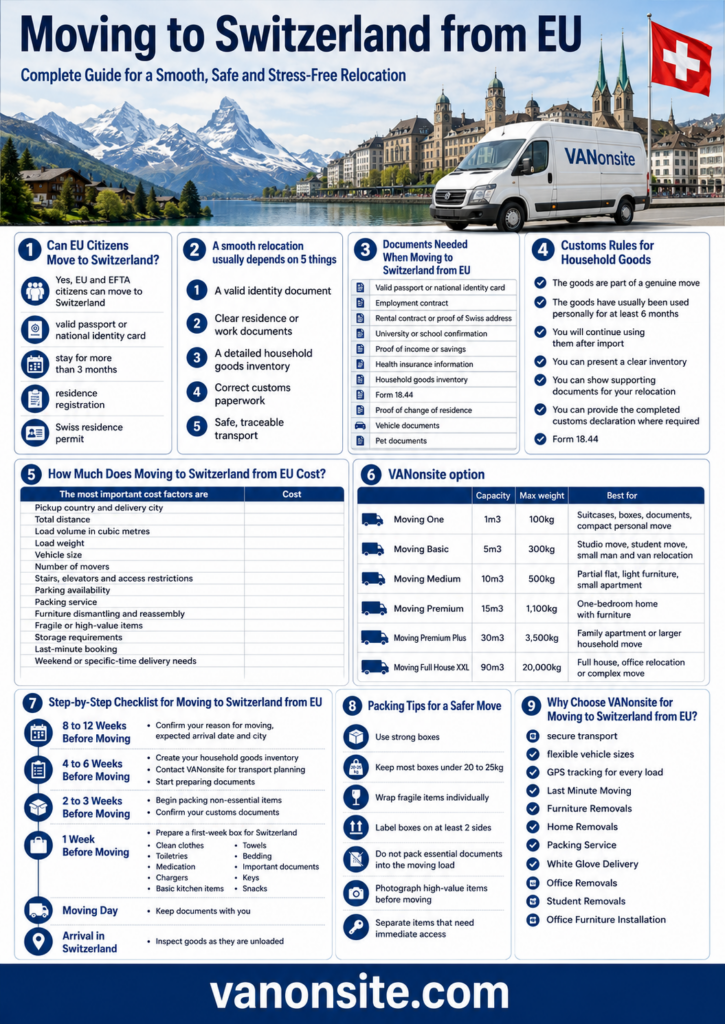
A smooth relocation usually depends on 5 things:
- A valid identity document
- Clear residence or work documents
- A detailed household goods inventory
- Correct customs paperwork
- Safe, traceable transport
When these pieces are ready, moving to Switzerland from EU becomes far easier. You know what is being moved, what documents support the relocation, which vehicle is needed and how the load will be tracked during the journey.
The most successful moves are often not the biggest or most expensive ones. They are the best organised. A person moving 20 boxes with a clear inventory may have a calmer experience than someone moving a full house with no labels, no documents and no plan. Preparation is the difference between an elegant arrival and a stressful one.
Moving to Switzerland with EU Passport
Moving to Switzerland with EU passport gives you a strong practical advantage. EU and EFTA citizens are covered by specific mobility rules, and in many cases, entry is easier than it is for third-country nationals. You can usually enter Switzerland with a valid passport or national identity card, depending on your nationality and situation.
However, moving to Switzerland with EU passport does not mean the relocation is complete the moment you cross the border. The passport helps with entry, but residence is a separate matter. If you plan to stay longer than 3 months, you will usually need to register and apply for the relevant residence permit through the local Swiss authorities.
Your next steps depend on why you are moving:
- If you are moving for work, your employment contract matters.
- If you are moving to study, your university or school confirmation matters.
- If you are moving without work, proof of financial means and health insurance may be important.
- If you are joining family, family reunification rules may apply.
- If you are retiring, your income, insurance and residence plan should be checked carefully.
Moving to Switzerland with EU passport is easiest when you treat the passport as the beginning of the process, not the end of it. You still need to think about housing, registration, health insurance, customs, transport and delivery access.
From a removals perspective, moving to Switzerland with EU passport does not remove the need for a proper inventory and customs preparation. Your belongings still need to be declared correctly if you are importing household goods. This is especially important for furniture, electronics, collections, instruments, bicycles, office equipment and high-value items.
Documents Needed When Moving to Switzerland from EU
Documents are the quiet engine of a successful relocation. Nobody dreams about paperwork when imagining a new home in Zurich, Geneva, Basel, Lausanne, Bern or Lucerne. Yet documents are what make moving to Switzerland from EU feel smooth instead of unpredictable.
Keep your most important documents with you during travel. Do not pack them into a random box. Do not place them at the back of the van. Do not assume you can find them later. A simple document folder can save hours of stress.
| Document | Who usually needs it | Why it matters |
|---|---|---|
| Valid passport or national identity card | EU and EFTA citizens | Confirms identity and supports entry |
| Employment contract | People moving for work | Supports residence and work-related procedures |
| Rental contract or proof of Swiss address | New residents | Helps with registration and local administration |
| University or school confirmation | Students | Supports study-related residence steps |
| Proof of income or savings | Non-working residents | May support residence requirements |
| Health insurance information | Long-term residents | Important for Swiss residence setup |
| Household goods inventory | Anyone moving belongings | Helps with customs clearance |
| Form 18.44 | People importing household effects | Used for Swiss customs declaration |
| Proof of change of residence | Many movers | Shows that goods are part of a real relocation |
| Vehicle documents | Anyone importing a car | Needed for customs and registration steps |
| Pet documents | Pet owners | Needed for compliant animal entry |
For household goods, your inventory should be detailed but practical. Avoid vague descriptions such as “miscellaneous items” or “home stuff.” Use clear categories and quantities. For example:
- 12 boxes of clothing
- 8 boxes of books
- 1 dining table
- 6 dining chairs
- 1 sofa
- 2 wardrobes
- 1 television
- 1 desk
- 1 office chair
- 4 boxes of kitchenware
- 2 bicycles
This kind of inventory helps customs officers understand what is being imported. It also helps your removals team plan loading, van size and protection materials.
For official customs guidance, use:
When moving to Switzerland from EU, it is wise to prepare documents at least 2 to 4 weeks before the moving date. If the relocation is urgent, gather the essentials first: identity document, address proof, employment or study document, inventory and customs form. Then organise supporting paperwork.
Customs Rules for Household Goods
Customs is one of the most important parts of moving to Switzerland from EU. Switzerland is not inside the EU customs area, so your belongings must be handled as goods entering Switzerland.
Many household effects can be imported without duty if they meet the required conditions. In practical terms, these should be personal belongings connected with your relocation. They are not commercial stock. They are not products bought for resale. They are the furniture, clothing, books, electronics, kitchen items and everyday objects that belong to your home.
Swiss customs rules commonly focus on several points:
- The goods are part of a genuine move.
- The goods have usually been used personally for at least 6 months.
- You will continue using them after import.
- You can present a clear inventory.
- You can show supporting documents for your relocation.
- You can provide the completed customs declaration where required.
The 6-month rule is especially important. If you bought a new sofa 2 weeks before moving, it may not be treated the same way as furniture you have owned and used for years. If you are transporting new goods, high-value goods or unusual items, check the official customs guidance before moving day.
Form 18.44 is commonly used for household effects. It should be completed carefully and kept accessible. If printed and signed copies are needed, prepare them before collection. Border pressure is not the right moment to start searching for forms.
A clean customs file should include:
- Passport or identity card copy
- Swiss address or rental confirmation
- Proof of relocation
- Completed Form 18.44 where applicable
- Household goods inventory
- Vehicle documents if importing a car
- Pet documents if travelling with animals
- Purchase invoices for newer or valuable goods, if relevant
Moving to Switzerland from EU becomes much easier when your paperwork tells a clear story: these are your personal belongings, you are moving your residence, and the goods will continue to be used in Switzerland.
How to Prepare a Household Goods Inventory
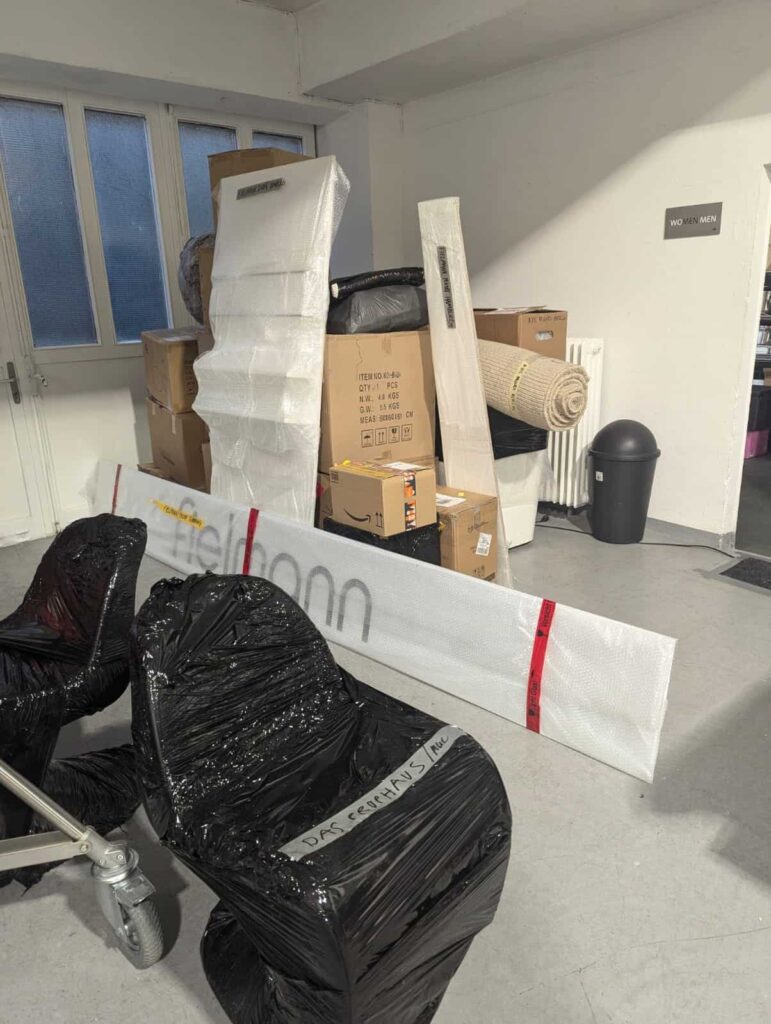
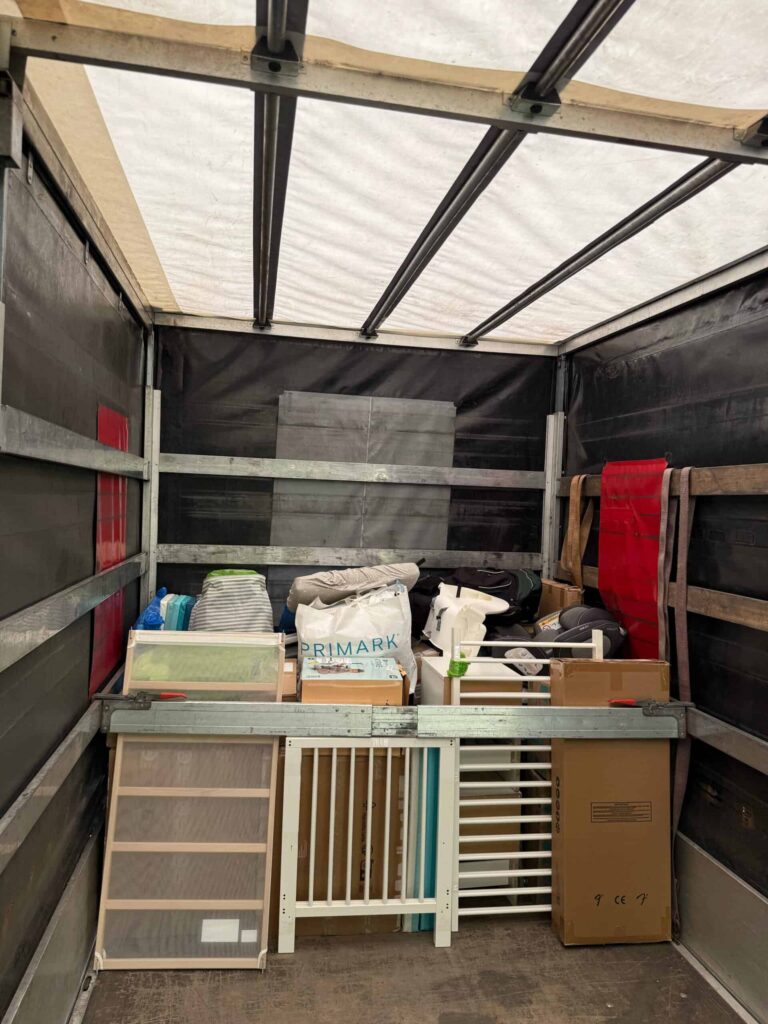
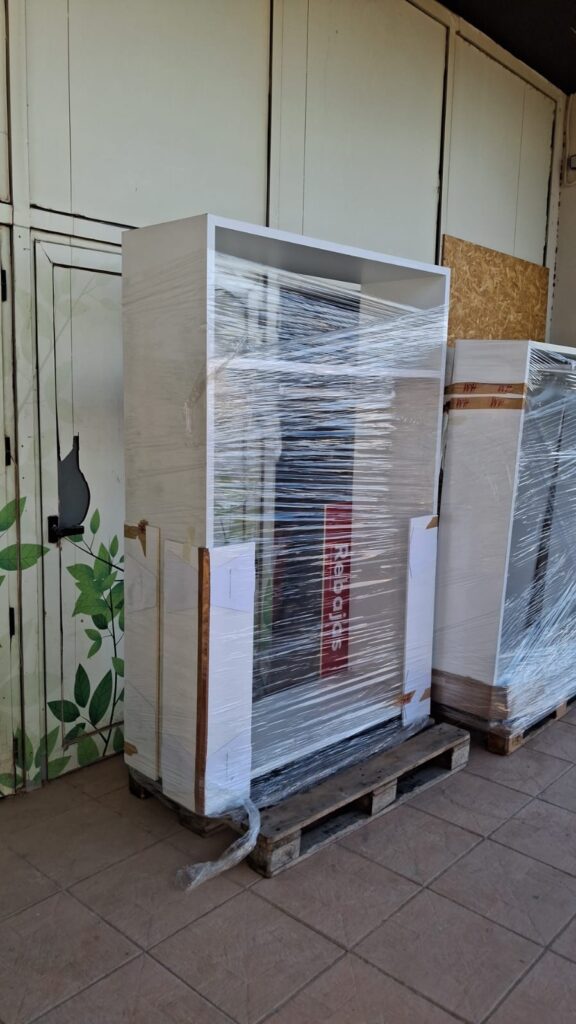
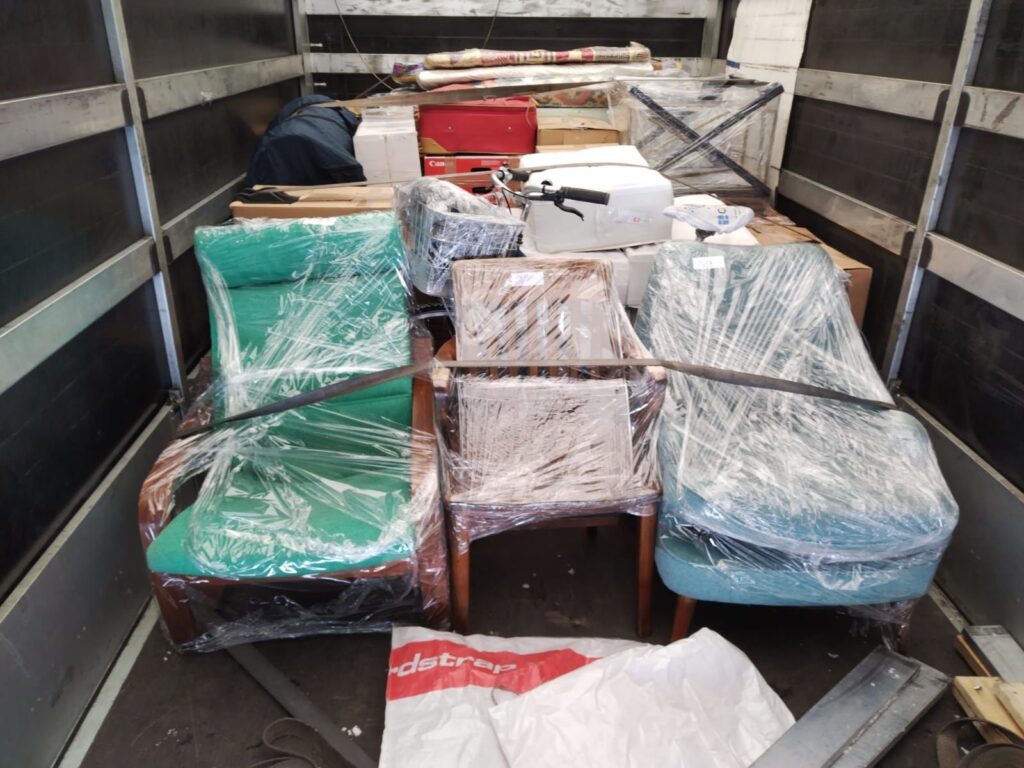
A good inventory is not only for customs. It is also a powerful moving tool. It helps you choose the right vehicle, estimate labour, protect fragile goods and unpack faster after delivery.
Start room by room. Do not try to list your whole home in one sitting. Begin with the bedroom, then the living room, kitchen, bathroom, hallway, storage and office. If you have a garage, attic or cellar, leave extra time. These spaces often contain more volume than expected.
A practical inventory should include:
- Room name
- Item type
- Quantity
- Approximate condition
- Fragile or heavy notes
- High-value items
- Items that need dismantling
- Items that need special protection
For example, instead of writing “office,” write:
- 1 office desk
- 1 ergonomic chair
- 2 monitors
- 1 printer
- 6 boxes of documents
- 4 boxes of books
- 1 floor lamp
This level of detail makes moving to Switzerland from EU more predictable. It helps VANonsite recommend a suitable vehicle and avoid last-minute surprises. If you think you need 10m3 but the inventory suggests 15m3, it is better to know that before moving day.
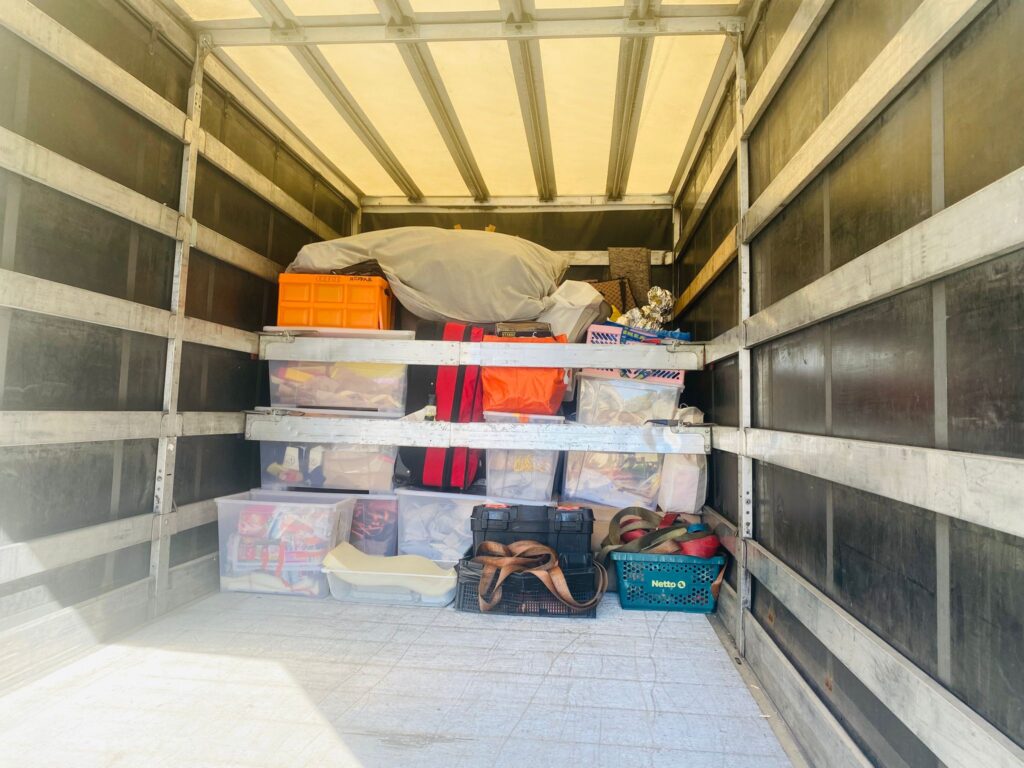
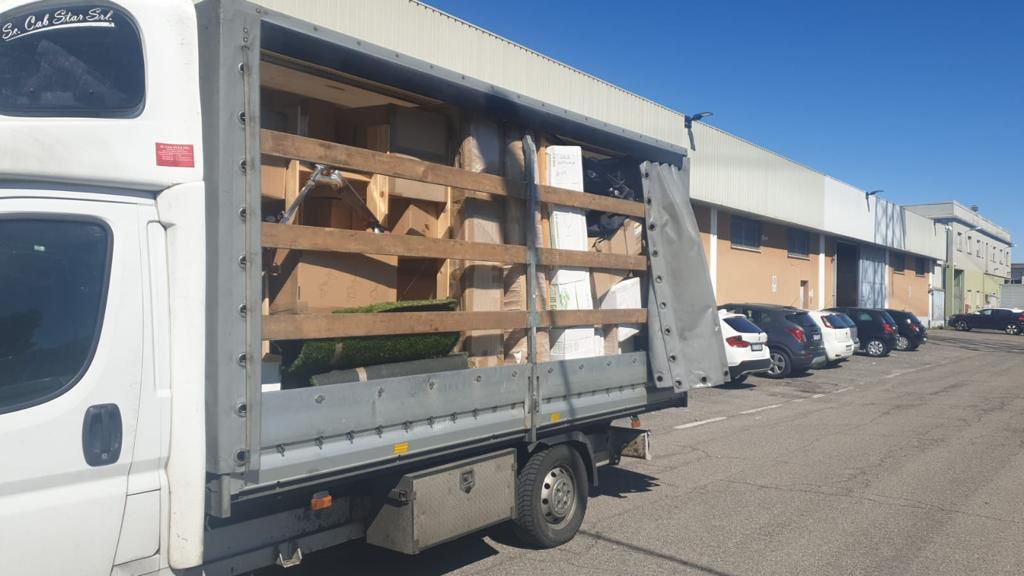
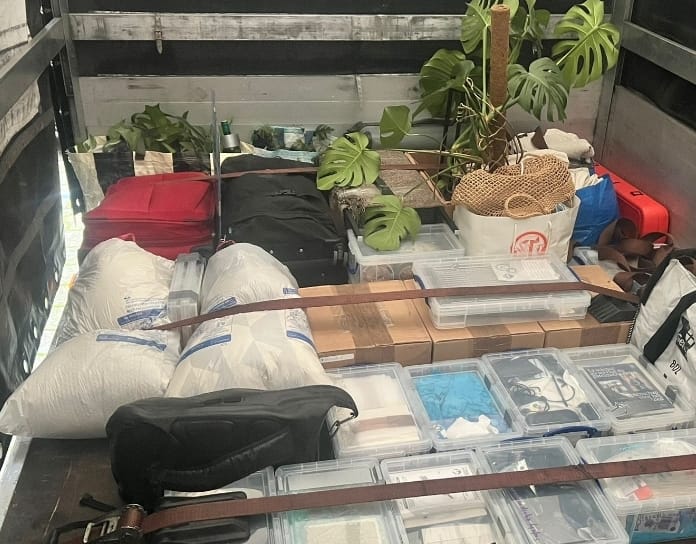
Add a 10% to 15% space buffer if your home has many soft items, irregular furniture, lamps, sports equipment or plants. These objects may not be heavy, but they often take more room than expected.
How Much Does Moving to Switzerland from EU Cost?
The cost of moving to Switzerland from EU depends on distance, volume, weight, timing and service level. A small student relocation from Milan to Lausanne will not cost the same as a family move from Warsaw to Zurich or a full apartment move from Barcelona to Geneva.
The most important cost factors are:
- Pickup country and delivery city
- Total distance
- Load volume in cubic metres
- Load weight
- Vehicle size
- Number of movers
- Stairs, elevators and access restrictions
- Parking availability
- Packing service
- Furniture dismantling and reassembly
- Fragile or high-value items
- Storage requirements
- Last-minute booking
- Weekend or specific-time delivery needs
A smart way to control cost is to match the vehicle to the real load. Booking too small can create extra work or even require another trip. Booking too large may mean paying for unused space. This is why a clear inventory is worth the effort.
VANonsite offers vehicle sizes for compact, medium and large European moves:
| VANonsite option | Capacity | Max weight | Best for |
|---|---|---|---|
| Moving One | 1m3 | 100kg | Suitcases, boxes, documents, compact personal move |
| Moving Basic | 5m3 | 300kg | Studio move, student move, small man and van relocation |
| Moving Medium | 10m3 | 500kg | Partial flat, light furniture, small apartment |
| Moving Premium | 15m3 | 1,100kg | One-bedroom home with furniture |
| Moving Premium Plus | 30m3 | 3,500kg | Family apartment or larger household move |
| Moving Full House XXL | 90m3 | 20,000kg | Full house, office relocation or complex move |
For a tiny relocation, Moving One can be enough for personal boxes, suitcases or documents. For a student moving to Switzerland from EU, Moving Basic may be the perfect balance. For a one-bedroom flat, Moving Medium or Moving Premium is usually more realistic. For a family apartment, Moving Premium Plus gives far more breathing room. For a complete household or business move, Moving Full House XXL gives the capacity needed for a serious relocation.
Volume matters as much as weight. Books, tools and kitchenware can become heavy very quickly. Bedding, lamps and chairs may be lighter but awkward to stack. A professional removals team understands how to combine these items safely inside the vehicle.
Choosing the Right Man and Van Service
A man and van service can be ideal for moving to Switzerland from EU when the move is compact, flexible or time-sensitive. It works especially well for students, young professionals, small apartments, partial furniture moves and urgent relocations.
However, not every man and van option is suitable for international removals. Switzerland moves need more than a vehicle and a driver. They need route planning, proper loading, border awareness, paperwork discipline and safe handling.
When choosing a man and van provider, look for:
- Experience with European removals
- Clear vehicle capacity options
- Load weight limits
- Furniture protection
- Packing support if needed
- GPS tracking
- Transparent communication
- Ability to handle urgent moves
- Understanding of Swiss delivery access
- Professional approach to fragile items
VANonsite is useful here because it offers flexible man and van solutions backed by larger relocation options. That means you are not forced into a one-size-fits-all move. You can choose a compact 1m3 option, a practical 5m3 service, a 15m3 household move or a full 90m3 relocation.
For many customers moving to Switzerland from EU, GPS tracking is one of the most reassuring features. International transport can feel invisible once the van leaves. GPS tracking changes that. You know the load is moving. You can follow the journey. The move feels less like a leap into the unknown.
Step-by-Step Checklist for Moving to Switzerland from EU
A great relocation is built in stages. Trying to do everything in the final 48 hours usually leads to mistakes. Use this checklist to make moving to Switzerland from EU calmer and more controlled.
8 to 12 Weeks Before Moving
Start with the big decisions. Confirm your reason for moving, expected arrival date and city. Check residence rules and begin looking for housing. If you are moving for work, confirm your contract and start date. If you are moving for study, collect university documents. If you are moving with family, review school dates, childcare needs and healthcare steps.
At this stage, begin decluttering. International moving is the perfect moment to ask a sharp question: does this item deserve space in the van? If not, sell it, donate it, recycle it or give it away.
4 to 6 Weeks Before Moving
Create your household goods inventory. Walk through every room and list major items. Count boxes roughly, even if you have not packed yet. Measure bulky furniture, especially sofas, wardrobes, beds and desks.
Contact VANonsite for transport planning. Share your inventory, pickup location, delivery location and preferred dates. Ask which vehicle size fits your move best. If access is difficult, mention stairs, narrow roads, lifts, loading bays and parking restrictions.
Start preparing documents. Put identity documents, contracts, customs paperwork, insurance papers and important certificates in one folder.
2 to 3 Weeks Before Moving
Begin packing non-essential items. Books, seasonal clothing, decorations, spare bedding and rarely used kitchenware can go first. Label every box by room and priority.
Confirm your customs documents. If Form 18.44 applies, prepare it carefully. Update your inventory as packing becomes more accurate. If you are transporting valuable items, collect proof of ownership or invoices where useful.
If you need packing support, furniture dismantling or white glove handling, confirm it before the final week.
1 Week Before Moving
Pack most of the home. Keep only daily essentials unpacked. Prepare a first-week box for Switzerland. This should include:
- Clean clothes
- Toiletries
- Medication
- Chargers
- Basic kitchen items
- Towels
- Bedding
- Important documents
- Keys
- Snacks
- Child or pet essentials if needed
Confirm collection time, delivery details and contact numbers. Make sure someone can receive the goods at the Swiss address.
Moving Day
Keep documents with you. Walk through the property before loading starts. Point out fragile items, heavy furniture and anything that needs special care.
Check that boxes are labelled clearly. Make sure furniture parts, screws and fittings are bagged and attached or packed safely. Keep your phone charged so you can communicate during the day.
Once the load is on the road, GPS tracking gives you better visibility. This is a major comfort during moving to Switzerland from EU, especially if you are travelling separately.
Arrival in Switzerland
Inspect goods as they are unloaded. Place boxes in the correct rooms. Assemble essential furniture first, usually beds, tables and storage. Unpack the first-week box before anything else.
After delivery, handle local registration, permit steps and administrative tasks according to your canton and personal situation. Then take a breath. The hardest part is done.
Packing Tips for a Safer Move
Packing is where a relocation is either protected or weakened. A good van cannot save a badly packed glass lamp. A careful mover cannot fully protect a box that is already collapsing. If you want moving to Switzerland from EU to feel professional, packing deserves respect.
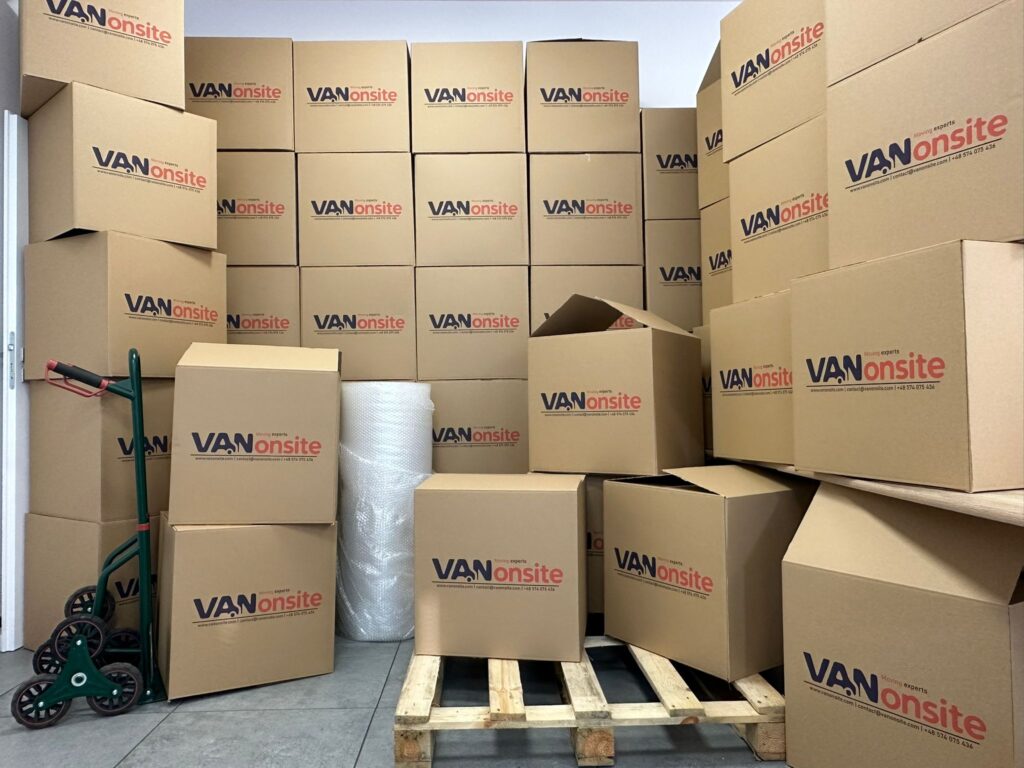
Use strong boxes. Thin supermarket cartons may work for light items, but they are risky for books, plates and electronics. Use double-wall boxes for heavy or fragile goods.
Keep box weight sensible. A useful rule is to keep most boxes under 20 to 25kg. Heavier boxes are harder to lift, more likely to break and more dangerous on stairs.
Wrap fragile items individually. Plates should be packed vertically where possible. Glassware should be cushioned. Lampshades should not be crushed under heavy objects. Mirrors and artwork need corner protection.
Label boxes on at least 2 sides. Write the room, contents and priority. For example: “Kitchen, plates and bowls, fragile, high priority.” This makes unloading faster and unpacking less exhausting.
Do not pack essential documents into the moving load. Your passport, permit documents, rental contract, inventory, Form 18.44, medication and valuables should travel with you.
Photograph high-value items before moving. This gives you a visual record of condition. It is especially useful for designer furniture, antiques, musical instruments, artwork and electronics.
Use vacuum bags carefully. They save space for clothing and bedding, but do not use them for delicate fabrics that may crease badly.
Separate items that need immediate access. Tools, screws, kettle, bedding and basic cleaning supplies can be surprisingly important on the first night.
If packing feels overwhelming, VANonsite Packing Service can make the process safer and faster. Professional packing is especially useful for fragile goods, kitchenware, artwork and time-sensitive moves.


Moving Furniture to Switzerland
Furniture is often the most emotional part of a move. A sofa is not just a sofa when it has carried years of evenings, guests, naps and family conversations. A dining table may be where your children learned to draw or where important decisions were made. Moving these items to Switzerland requires more than strength. It requires care.
Before moving furniture, check 4 things:
- Can it fit through the doors?
- Can it fit into the lift or stairwell?
- Does it need dismantling?
- Is it worth transporting compared with replacing?
Large wardrobes, beds, desks and shelving units often need dismantling. Keep screws, bolts and fittings in labelled bags. Tape the bag to the furniture or place it in a clearly marked box.
Protect corners and surfaces. Use blankets, stretch wrap and straps where appropriate. Do not let polished wood rub against metal frames. Do not stack heavy boxes on delicate furniture.
For valuable pieces, consider VANonsite Furniture Removals or White Glove Delivery. White glove handling is ideal for designer pieces, antiques, delicate furniture, artwork and items where presentation matters.
When moving to Switzerland from EU with a larger furniture load, vehicle size becomes critical. A 5m3 van may look generous until a sofa, bed frame and wardrobe enter the picture. For furnished apartments, Moving Premium or Moving Premium Plus often gives a safer fit.
Moving to Switzerland for Work
Many people start moving to Switzerland from EU because of work. Switzerland offers strong salaries, international companies, financial services, technology hubs, pharmaceutical giants, research centres, hospitality roles and cross-border business opportunities.
If you are moving for work, your employment contract is central. Keep it accessible because it may support residence and registration processes. You should also check whether your role, contract length and canton affect the permit procedure.
Work relocations are often time-sensitive. You may receive an offer and need to arrive within 2 or 3 weeks. In that situation, a fast man and van service can be more practical than a slow, oversized removals chain. You can move essentials first, then arrange a larger second shipment if needed.
For professionals, a smart first load often includes:
- Work clothing
- Laptop and office equipment
- Essential documents
- Bedding
- Kitchen basics
- Desk and chair
- Personal items
- 2 to 4 weeks of clothing
If your employer is supporting relocation, ask whether they need invoices, delivery confirmation or inventory details. Having this information ready can prevent reimbursement delays.
Moving to Switzerland for Study
Moving to Switzerland from EU as a student is usually a lighter relocation, but it still needs planning. Student moves often include books, clothing, bedding, a laptop, small furniture, kitchen basics and personal items. The challenge is not always volume. It is timing.
Student housing dates can be strict. You may need delivery close to the start of term. You may also have limited space in shared accommodation, which means overpacking becomes a problem. Before moving, check your room size and what furniture is already included.
A student moving checklist should include:
- Passport or national ID
- University confirmation
- Accommodation contract
- Insurance documents
- Laptop and chargers
- Bedding
- Clothing for multiple seasons
- Study materials
- Basic kitchen items
- Personal medication
- Small storage items
VANonsite Student Removals can be a strong option for compact moves. Moving Basic at 5m3 may be enough for many student relocations, especially if you are not taking large furniture.
A practical tip: bring less than you think. Switzerland has excellent shops, but storage space in student rooms can be limited. A lean, well-packed move is often better than arriving with 40 boxes and nowhere to put them.
Moving to Switzerland with Family
Family relocations need more structure. You are not only moving belongings. You are moving routines, school mornings, favourite toys, workspaces, kitchen habits and the emotional architecture of home.
When moving to Switzerland from EU with family, start earlier. Children may need school documents. Parents may need work and residence paperwork. Pets may need veterinary documents. The home may include more furniture, more clothing, more sentimental items and more daily essentials.
Create a family arrival kit. It should include:
- Children’s clothes for 7 days
- Favourite toys or comfort items
- School documents
- Basic medicines
- Toiletries
- Snacks
- Chargers
- Bedding
- Towels
- First-night kitchen items
- Important family documents
For families, unpacking order matters. Bedrooms should come first. Then the kitchen. Then bathrooms. Then storage and decorative items. A home feels livable faster when everyone has a bed, clean clothes and breakfast basics.
Vehicle size also matters more for family moves. Moving Premium Plus at 30m3 can suit many larger apartment moves, while Moving Full House XXL at 90m3 is designed for full homes, major relocations and complex loads.
Moving an Office to Switzerland
Business moves need accuracy because delays cost money. If your company is moving to Switzerland from EU, the relocation should protect operations, data, equipment and staff productivity.
Office moves can include:
- Desks
- Chairs
- Monitors
- Computers
- Printers
- Meeting room furniture
- Filing cabinets
- Archive boxes
- Reception furniture
- Storage units
- Specialist equipment
The key is sequencing. Pack non-essential items first. Label IT equipment carefully. Keep cables with devices. Protect monitors and screens. Create a floor plan for the new office so furniture does not land in the wrong room.
VANonsite Office Removals can support business relocations, while Office Furniture Installation helps when desks, chairs and storage units need to be placed and assembled properly.
For businesses, GPS tracking is especially valuable. It gives managers visibility and helps coordinate staff, building access and delivery windows.
Storage When Moving to Switzerland from EU
Not every move lines up perfectly. Sometimes your old lease ends before the Swiss apartment is ready. Sometimes the delivery address is temporary. Sometimes you want to bring only essentials first and store the rest until the new home is prepared.
Storage can help in several situations:
- You are waiting for a permanent Swiss address.
- Your new home is smaller than expected.
- Renovation work is not finished.
- You are moving in stages.
- You want to delay delivery of seasonal items.
- Your office needs phased installation.
Before choosing storage, separate belongings into 3 groups:
- Items needed immediately
- Items needed within 1 to 3 months
- Items that can stay stored longer
This prevents unnecessary unpacking and repacking. It also helps control cost. There is no point paying to move winter sports equipment immediately if it will sit untouched for months.
When moving to Switzerland from EU, storage can turn a difficult timeline into a manageable one. It gives you flexibility when housing, work or family plans are still shifting.
Pets, Cars and Special Items
Some moves include more than boxes and furniture. Pets, cars, musical instruments, sports equipment and collections need extra attention.
If you are moving with pets, check official Swiss rules before travelling. Pets may need identification, vaccination records and specific documents. Do not leave this until the final week because veterinary appointments and paperwork can take time.
If you are importing a car, motorcycle or other vehicle, customs and registration rules may apply. Vehicle documents should be complete and accessible. Check Swiss customs and road authority guidance before transport.
Special items may include:
- Pianos
- Artwork
- Antiques
- Designer furniture
- Wine collections
- Large mirrors
- Gym equipment
- Bicycles
- Ski equipment
- Professional tools
- Servers or IT hardware
These items should be declared clearly in your inventory. They may also need special packing, lifting equipment or additional insurance consideration. If an item is valuable, fragile or awkward, tell the removals team early.
Common Mistakes to Avoid
Moving to Switzerland from EU becomes much easier when you avoid predictable mistakes. Most problems are not dramatic. They are small errors that grow.
Mistake 1: Treating Switzerland Like an EU Move
Switzerland is not an EU member state. Customs procedures matter. Residence rules matter. Documents matter. Treating the move like a simple EU-to-EU relocation can create avoidable stress.
Mistake 2: Packing Documents in the Van
Your passport, rental contract, employment contract, inventory and customs documents should stay with you. If they are buried inside a box, they are useless when needed.
Mistake 3: Writing a Vague Inventory
“Household items” is not enough. Be specific. A clear list helps customs and helps the removals team plan correctly.
Mistake 4: Underestimating Volume
People often underestimate how much space they need. Lamps, chairs, plants, bedding and irregular furniture consume volume quickly. Add a 10% to 15% buffer if you are unsure.
Mistake 5: Ignoring Weight
Books, tools, documents and kitchenware can be shockingly heavy. A van may have enough space but not enough weight capacity. Always consider both volume and kilograms.
Mistake 6: Leaving Packing Too Late
Last-minute packing creates damage. It also creates panic. Start with non-essential items several weeks before the move.
Mistake 7: Forgetting Access Details
Swiss streets can be narrow. Apartment buildings may have strict access rules. Lifts may be small. Parking may be limited. Share these details before moving day.
Mistake 8: Choosing Only by Price
The cheapest option can become expensive if it leads to delays, damage or extra trips. Value comes from safe handling, correct capacity, reliability and communication.
Mistake 9: Not Planning the First Night
After moving to Switzerland from EU, you will be tired. Keep bedding, toiletries, chargers, medication and simple food available. Your first night should not begin with opening 22 boxes to find a towel.
Mistake 10: Forgetting Emotional Energy
Relocation is not only logistics. It is leaving one life and entering another. Build in space to breathe. A calm move gives you more energy for your new beginning.
Why Choose VANonsite for Moving to Switzerland from EU?
VANonsite is designed for European moves where safety, speed and trust matter. Moving to Switzerland from EU needs more than transport. It needs planning, correct vehicle choice, careful loading and reliable communication.
VANonsite offers:
- European removals experience
- Flexible man and van options
- Vehicle sizes from 1m3 to 90m3
- Weight capacity from 100kg to 20,000kg
- GPS tracking for every load
- Secure transport across Europe
- Packing support
- Furniture removals
- White glove delivery
- Office removals
- Student removals
- Last-minute moving options
- Storage support
The range of vehicle sizes is a major advantage. Small moves do not need oversized trucks. Large homes do not need cramped vans. VANonsite can match the transport to the reality of your load.
The GPS tracking also changes the customer experience. Instead of wondering where your belongings are, you get visibility. That matters during international relocation, especially when your life is temporarily packed into a moving vehicle.
VANonsite does not need to shout to prove its value. The value is in the details: safe loading, flexible capacity, careful planning, responsive service and professional handling from pickup to delivery.
Best VANonsite Services for Switzerland Moves
Different moves need different support. VANonsite offers several services that fit the most common relocation situations.
Last Minute Moving
Life does not always give 3 months of notice. A job offer, rental deadline or family situation can force a quick move. Last Minute Moving helps when speed is essential and the timeline is tight.
Furniture Removals
Bulky items need proper handling. Sofas, beds, wardrobes, tables and cabinets should be protected, lifted and loaded correctly. VANonsite Furniture Removals are ideal for customers moving important furniture to Switzerland.
Home Removals
For apartments and houses, Home Removals provide a structured way to move boxes, furniture, personal belongings and fragile items together.
Packing Service
Packing takes time and skill. VANonsite Packing Service helps protect fragile, valuable and awkward items while making loading more efficient.
White Glove Delivery
Premium pieces need premium handling. White Glove Delivery is suitable for designer furniture, antiques, artwork, delicate equipment and high-value deliveries.
Office Removals
Business moves need speed and order. Office Removals help companies move desks, chairs, files, monitors and office equipment while reducing disruption.
Student Removals
Students often need compact, affordable and flexible relocation. Student Removals are useful for luggage, books, bedding, small furniture and personal belongings.
Office Furniture Installation
For companies setting up a Swiss workspace, Office Furniture Installation helps with delivery, placement and setup of office furniture.
Switzerland Arrival Tips
Arriving in Switzerland is exciting, but the first week can feel busy. You may need to register locally, arrange insurance, set up utilities, open a bank account, organise transport cards and settle into work or study.
A practical first-week plan can help:
- Confirm local registration requirements.
- Check residence permit steps.
- Arrange health insurance if required.
- Set up phone and internet.
- Register children for school if applicable.
- Learn waste and recycling rules in your municipality.
- Check parking or public transport options.
- Update your address with banks and official institutions.
- Inspect delivered furniture and boxes.
- Unpack room by room.
Do not try to unpack everything in one day. Start with essentials. Then build comfort. Switzerland rewards order, but your home does not need to be perfect by the first evening.
FAQ About Moving to Switzerland from EU
Can I move to Switzerland from EU without a visa?
EU and EFTA citizens usually have easier entry conditions than many non-European nationals. However, if you plan to stay longer than 3 months, you generally need to follow Swiss residence procedures. Always check official guidance for your exact situation.
Is moving to Switzerland with EU passport enough?
Moving to Switzerland with EU passport helps with entry, but it is not the complete relocation process. You may still need registration, a residence permit, proof of address, health insurance, customs documents and a household goods inventory.
Can I bring my furniture to Switzerland?
Yes, many people bring furniture when moving to Switzerland from EU. Household goods may qualify for duty-free import if they meet Swiss customs conditions. Prepare a clear inventory and check whether Form 18.44 applies to your move.
Do I need Form 18.44?
Form 18.44 is commonly used for customs clearance of household effects when relocating to Switzerland. Check the official Swiss customs guidance and keep the completed form accessible during transport.
What is the best van size for moving to Switzerland?
For a few boxes or suitcases, Moving One or Moving Basic may be enough. For a small flat, Moving Medium can work well. For a furnished one-bedroom home, Moving Premium may be better. For a larger apartment or family home, Moving Premium Plus or Moving Full House XXL may be more realistic.
Is a man and van service good for Switzerland moves?
Yes, a man and van service can be excellent for compact and medium-sized Switzerland moves. It is especially useful for students, professionals, small apartments and urgent relocations where flexibility matters.
Does VANonsite offer GPS tracking?
Yes. VANonsite offers GPS tracking for every load. This gives customers better visibility and peace of mind while their belongings travel across Europe.
How early should I book removals to Switzerland?
For a planned move, booking 4 to 6 weeks ahead is a strong target. For larger homes, peak season or complex routes, earlier is better. If the move is urgent, VANonsite also offers last-minute moving options.
Can VANonsite help with fragile or valuable items?
Yes. VANonsite offers packing support, furniture removals and white glove delivery for valuable, delicate or high-care items.
What should I keep with me during the move?
Keep your passport or ID, residence documents, rental contract, inventory, customs forms, medication, chargers, valuables, keys and first-night essentials with you.
Make Moving to Switzerland from EU Feel Effortless
Moving to Switzerland from EU is more than a change of address. It is a serious life upgrade for many people. It can mean better work, cleaner surroundings, stronger opportunities, safer streets and a new daily rhythm shaped by mountains, lakes and precision.
But a beautiful destination does not remove the need for careful planning. You still need documents. You still need customs preparation. You still need a clear inventory, proper packing and reliable transport. The difference between stress and calm is often the team you choose.
VANonsite gives you flexible vehicle sizes, professional European removals, secure handling, GPS tracking and practical man and van options for every scale of move. From a student relocation to a full family home, from fragile furniture to office equipment, your belongings are moved with care and purpose.
If you are moving to Switzerland from EU, start with a plan. Prepare your documents. List your belongings. Choose the right vehicle. Protect what matters. Then let VANonsite handle the road.
Your Swiss chapter deserves a confident beginning.