Moving to Switzerland while pregnant can feel like standing at the edge of two new beginnings at the same time. One is practical: boxes, documents, dates, customs forms, furniture, keys and transport. The other is deeply personal: scans, tiny clothes, hospital choices, changing energy levels and the quiet pressure of preparing for a baby in a new country.
It is a beautiful move, but it is not a casual one.
The good news is clear: moving to Switzerland while pregnant is possible, and with the right plan, it can be calm, structured and safe. Switzerland has a highly organised healthcare system, strong public services and clear administrative rules. Still, pregnancy changes everything about relocation. You need fewer surprises, better timing, gentler packing, faster access to medical care and a moving company that understands why reliability matters so much.
This guide walks you through the full process, from documents and health insurance to customs, vehicle size, packing, maternity care and moving day planning. It is designed for expecting parents who want direct answers, practical steps and a clear sense of control.
If you are moving to Switzerland while pregnant, your goal is not simply to arrive. Your goal is to arrive steady, informed and ready for the next chapter.
VANonsite helps families relocate across Europe with secure transport, GPS tracking for every load and flexible moving options, from compact man and van services to full household removals. For expecting parents, that combination can make the difference between a frantic move and a confident arrival.
TL:DR
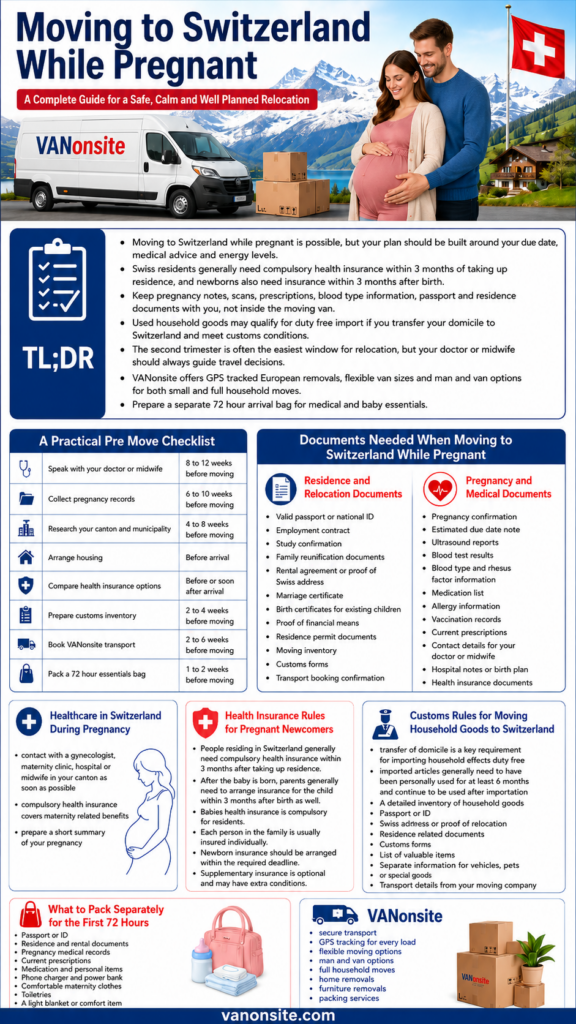
- Moving to Switzerland while pregnant is possible, but your plan should be built around your due date, medical advice and energy levels.
- Swiss residents generally need compulsory health insurance within 3 months of taking up residence, and newborns also need insurance within 3 months after birth.
- Keep pregnancy notes, scans, prescriptions, blood type information, passport and residence documents with you, not inside the moving van.
- Used household goods may qualify for duty free import if you transfer your domicile to Switzerland and meet customs conditions.
- The second trimester is often the easiest window for relocation, but your doctor or midwife should always guide travel decisions.
- VANonsite offers GPS tracked European removals, flexible van sizes and man and van options for both small and full household moves.
- To reduce stress, book removals to Switzerland early and prepare a separate 72 hour arrival bag for medical and baby essentials.




Is Moving to Switzerland While Pregnant Possible?
Yes, moving to Switzerland while pregnant is possible. Many expecting parents relocate for work, family, study, a partner’s job, a safer environment or a better long term life plan. Switzerland is attractive because it offers clean cities, efficient transport, strong healthcare, high safety levels and a stable lifestyle.
Yet pregnancy adds a layer of urgency that a normal move does not have. A missed box is annoying. A missing medical file is more serious. A delayed delivery is inconvenient. A delayed cot, medication or hospital bag can feel frightening. That is why the move should be planned with more care than a standard European relocation.
The most important rule is simple: do not build your plan around the cheapest date alone. Build it around your pregnancy.
That means asking practical questions early:
- How many weeks pregnant will you be on moving day?
- Are you cleared to travel?
- Do you have any pregnancy complications?
- Will you need care immediately after arrival?
- Do you already know your canton, city or municipality?
- Will your birth happen in Switzerland?
- Are your household goods ready for customs?
- Do you have enough support to avoid lifting, bending and overworking?
Moving to Switzerland while pregnant becomes far easier when these questions are answered before the final week. The earlier you turn uncertainty into a checklist, the calmer the relocation becomes.
A professional moving service also reduces physical and emotional pressure. With VANonsite, you can choose a vehicle size that fits your belongings, use GPS tracking for visibility and rely on experienced European transport instead of trying to manage everything yourself.
For smaller relocations, a man and van option can be ideal. For larger family moves, VANonsite can support full household transport with enough space for furniture, nursery items, boxes and personal belongings.
Why Pregnancy Changes the Way You Should Plan a Move
A move is already demanding. Pregnancy makes it more sensitive because your body, schedule and priorities are changing quickly. One week you may feel strong and focused. The next week fatigue, back pain, nausea or appointments may reshape your plans completely.
This is not a weakness. It is reality.
When moving to Switzerland while pregnant, the safest approach is to remove unnecessary strain from the beginning. That means fewer last minute decisions, less heavy packing, more breathing room in the schedule and clear responsibility for every task.
Instead of asking, “Can I manage this?” ask, “Can this be made easier?”
That shift matters. It helps you protect your energy for medical care, travel, admin and settling in. It also lowers the risk of rushed decisions, forgotten paperwork and damaged belongings.
A pregnancy friendly move should include:
- A doctor approved travel plan
- A realistic moving date
- A complete document folder
- A customs ready inventory
- Early health insurance research
- A separate medical and baby essentials bag
- Professional help for lifting and loading
- A clear delivery window
- A backup plan for delays
Pregnancy also changes how you think about comfort. A mattress, chair, maternity pillow, kettle, clean bedding and easy access to toiletries may feel ordinary on paper. But after a long international journey, these items can feel priceless.
This is why packing priorities should be based on your first 72 hours in Switzerland, not only on rooms. The boxes you need first should be loaded and labelled differently from items that can wait.
A Practical Pre Move Checklist
Before you book transport, confirm your medical situation. Your doctor or midwife should know your travel date, route, pregnancy stage and any risks. If you are in the third trimester or have complications, this step becomes even more important.
Once travel is considered suitable, you can start building the practical side of your relocation.
| Task | Best time to handle it | Why it matters |
|---|---|---|
| Speak with your doctor or midwife | 8 to 12 weeks before moving | Confirms whether your travel plan is suitable |
| Collect pregnancy records | 6 to 10 weeks before moving | Helps Swiss healthcare providers continue care |
| Research your canton and municipality | 4 to 8 weeks before moving | Registration rules and local processes can vary |
| Arrange housing | Before arrival | A Swiss address is usually central to registration |
| Compare health insurance options | Before or soon after arrival | Residents generally need insurance within the legal deadline |
| Prepare customs inventory | 2 to 4 weeks before moving | Supports smoother border clearance |
| Book VANonsite transport | 2 to 6 weeks before moving | Improves availability and reduces last minute stress |
| Pack a 72 hour essentials bag | 1 to 2 weeks before moving | Keeps vital items close if delivery is delayed |
This checklist is not meant to scare you. It is meant to give your move shape. Moving to Switzerland while pregnant is much less overwhelming when each task has a place and a purpose.
VANonsite can support the transport side with flexible options, including home removals, furniture removals, packing services and careful delivery for delicate items.
The more support you have with the physical work, the more energy you keep for decisions only you can make.
Documents Needed When Moving to Switzerland While Pregnant
Documents are the backbone of an international move. When pregnancy is involved, they become even more important because they may affect residence registration, healthcare access, customs clearance, insurance setup and birth registration later.
The exact documents you need depend on your nationality, employment status, family situation, destination canton and reason for moving. However, most expecting parents should prepare two folders: one for relocation and one for maternity care.
Keep paper copies and digital copies. Store digital versions securely in cloud storage or an encrypted folder, and make sure your partner or trusted person can access them if needed.
Residence and Relocation Documents
For the relocation side, prepare:
- Valid passport or national ID
- Employment contract, if moving for work
- Study confirmation, if moving for education
- Family reunification documents, if relevant
- Rental agreement or proof of Swiss address
- Marriage certificate, if relevant
- Birth certificates for existing children
- Proof of financial means, if requested
- Residence permit documents required by your canton or commune
- Moving inventory
- Customs forms, where required
- Transport booking confirmation
Official Swiss guidance on moving to Switzerland and residence permits is the best starting point. If you are an EU or EFTA citizen, you should also check the Swiss information for EU and EFTA citizens living and working in Switzerland.
Do not assume every canton handles every step in exactly the same way. Switzerland is highly organised, but local procedures matter. If you already know whether you are moving to Zurich, Geneva, Basel, Bern, Lausanne, Zug or another area, check local instructions as early as possible.
Pregnancy and Medical Documents
Your maternity folder should travel with you at all times. Do not place it in a box, even if the box is labelled. If a doctor needs information quickly, it should be in your bag.
Prepare:
- Pregnancy confirmation
- Estimated due date note
- Ultrasound reports
- Blood test results
- Blood type and rhesus factor information
- Medication list
- Allergy information
- Vaccination records
- Notes on pregnancy complications, if any
- Details of previous pregnancies or births, if relevant
- Current prescriptions
- Contact details for your doctor or midwife
- Hospital notes or birth plan, if you have one
- Health insurance documents from your current country
- Copies of recent medical correspondence
If your records are not in English, German, French or Italian, consider whether translations may help. Switzerland has four national languages, and the language used in daily healthcare often depends on the canton. German is common in Zurich, Basel and Bern. French is common in Geneva and Lausanne. Italian is common in Ticino.
When moving to Switzerland while pregnant, the aim is speed and clarity. A Swiss doctor should be able to understand your pregnancy history without chasing missing information across borders.
Healthcare in Switzerland During Pregnancy
Healthcare planning should begin before your move, not after you are standing in a new apartment surrounded by boxes.
Switzerland has high quality maternity care, but the system requires organisation. Once you arrive, you should connect with a gynecologist, maternity clinic, hospital or midwife in your canton as soon as possible. This is especially important if you are in the second or third trimester.
Do not wait until you feel settled. Medical continuity is part of settling.
Official Swiss information explains that compulsory health insurance covers maternity related benefits, and pregnancy and birth related costs have specific rules. You can read more on the Swiss government page about health insurance benefits during pregnancy and birth.
Before your first Swiss appointment, prepare a short summary of your pregnancy. Include your due date, current week of pregnancy, any risks, medication and the date of your last scan. This makes the appointment more efficient and helps the doctor understand your situation quickly.
Questions to Ask a Swiss Doctor, Clinic or Midwife
It is normal to feel nervous at your first appointment in a new country. Write questions down in advance so nothing important disappears in the moment.
Ask:
- Can you continue my current pregnancy care plan?
- Which scans or checks will I need next?
- Which hospital, clinic or birth centre can I choose?
- What should I do if labour starts early?
- How are urgent maternity admissions handled?
- Can I request an English speaking doctor or midwife?
- What documents should I bring to each appointment?
- How does billing work with my insurance?
- What happens if my baby is born before all admin is complete?
- What should I prepare for birth registration?
These questions are practical, but they also bring emotional relief. Moving to Switzerland while pregnant can feel uncertain until you know who to call, where to go and what happens next.
Health Insurance Rules for Pregnant Newcomers
Health insurance is one of the most important topics for expecting parents in Switzerland. It is not something to leave in a pile of admin tasks for later.
People settling in Switzerland generally need compulsory health insurance within 3 months after taking up residence. After a baby is born, parents generally need to arrange insurance for the child within 3 months after birth as well. Each family member usually needs individual coverage.
This timeline matters, but do not use it as an excuse to wait. If you are moving to Switzerland while pregnant and your due date is near, waiting can create needless stress. Research insurance options before you arrive or immediately after moving.
Use official information from the Federal Office of Public Health on health insurance for people resident in Switzerland and the requirement to obtain insurance.
A few practical points are worth remembering:
- Basic health insurance is compulsory for residents.
- Each person in the family is usually insured individually.
- Newborn insurance should be arranged within the required deadline.
- If insurance is arranged on time, coverage can apply from the start of residence or from birth, depending on the case.
- Supplementary insurance is optional and may have extra conditions.
- Premiums vary, so comparison matters.
If you want additional comfort, private hospital options or broader choice of doctors, research supplementary insurance early. Some supplementary products may involve medical questions or waiting periods. Late pregnancy is not the ideal moment to discover that extra cover is not immediately available.
For many families, the best approach is to understand basic coverage first, then decide whether supplementary cover is realistic or necessary.

Customs Rules for Moving Household Goods to Switzerland
Customs may sound like a dry topic, but it can have a real effect on your first days in Switzerland. If your household goods are delayed, you may find yourself without bedding, kitchen basics, baby items or furniture at the exact moment you need comfort most.
Swiss customs rules are clear: transfer of domicile is a key requirement for importing household effects duty free. Official guidance also explains that imported articles generally need to have been personally used for at least 6 months and continue to be used after importation.
Check the Swiss customs guidance on moving household effects and the page on the procedure for relocation import into Switzerland.
For a smoother move, prepare:
- A detailed inventory of household goods
- Passport or ID
- Swiss address or proof of relocation
- Residence related documents
- Customs form, if required
- List of valuable items
- Separate information for vehicles, pets or special goods
- Transport details from your moving company
Your inventory does not need to be poetic. It needs to be clear. “Kitchen boxes, 8” is more useful than vague notes. For valuable items, include more detail. For baby and maternity items, label priority boxes separately.
When moving to Switzerland while pregnant, customs preparation is not only about compliance. It is about comfort. The faster your goods clear the border, the faster your home starts feeling like a home.
What to Pack Separately for the First 72 Hours
The first 72 hours after arrival can be strangely intense. You may be tired from travel, unsure where the nearest pharmacy is, waiting for deliveries, navigating registration and still trying to rest. A good essentials bag can protect you from that first wave of chaos.
This bag should not travel in the main shipment. Keep it with you or make sure it is instantly accessible.
Pack:
- Passport or ID
- Residence and rental documents
- Pregnancy medical records
- Current prescriptions
- Medication and prenatal vitamins
- Phone charger and power bank
- Comfortable maternity clothes
- Sleepwear
- Toiletries
- Maternity pads
- Snacks and water bottle
- Basic baby clothes
- Nappies and wipes
- Small towel
- Hand sanitiser
- Important phone numbers
- Copies of insurance documents
- A light blanket or comfort item
Also prepare one “first night” box for the home. This can include kettle, mugs, plates, cutlery, toilet paper, bedding, towels, basic cleaning supplies and easy food.
The first night should not become a treasure hunt. You do not want to open 17 boxes looking for a toothbrush or pillowcase.
Packing Safely While Pregnant
Packing can look harmless, but it is repetitive physical work. Bending, lifting, twisting, carrying and standing for hours can quickly become exhausting. The goal is not to prove that you can do it. The goal is to move safely.
Use smaller boxes for dense items. Books, cookware and files become heavy quickly. Label boxes clearly on more than one side. Keep walkways open. Sit while sorting low shelves. Take breaks before you feel desperate for one.
Most importantly, do not lift heavy boxes.
If you are moving to Switzerland while pregnant, consider professional packing services. This is not indulgent. It is practical risk reduction. A trained team can pack faster, protect fragile items better and reduce the physical burden on you.
Packing should follow priority, not just room type.
| Priority | What belongs here | Where it should go |
|---|---|---|
| Immediate | Medical notes, medication, passport, chargers | Personal bag |
| First 72 hours | Clothes, toiletries, baby basics, snacks | Arrival bag or priority box |
| First week | Bedding, kitchen items, cot, pram, towels | Easy access boxes |
| Later | Books, decor, seasonal items | Standard boxes |
This system helps the VANonsite team load and unload more intelligently. It also helps you settle without digging through non essential items.
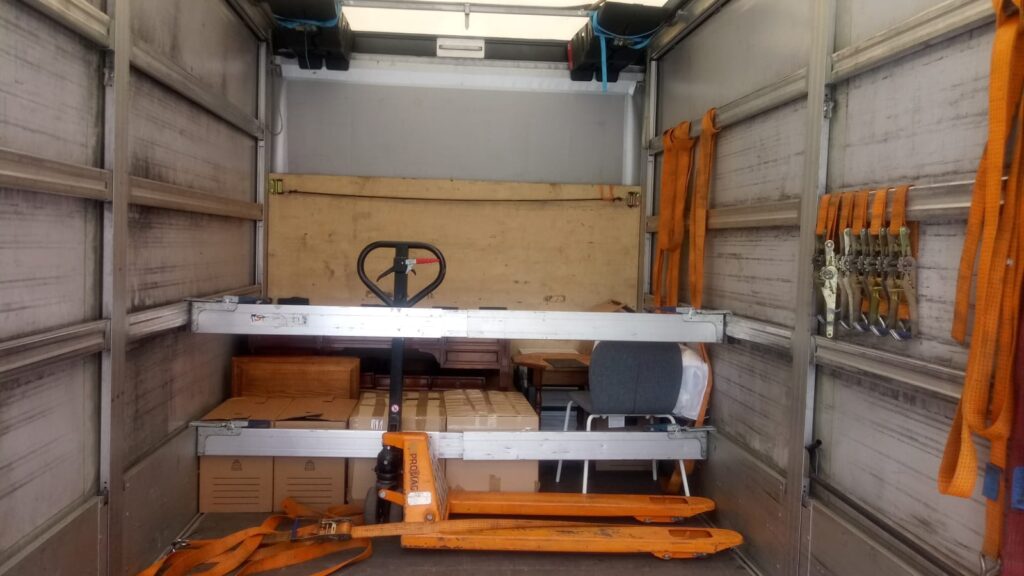
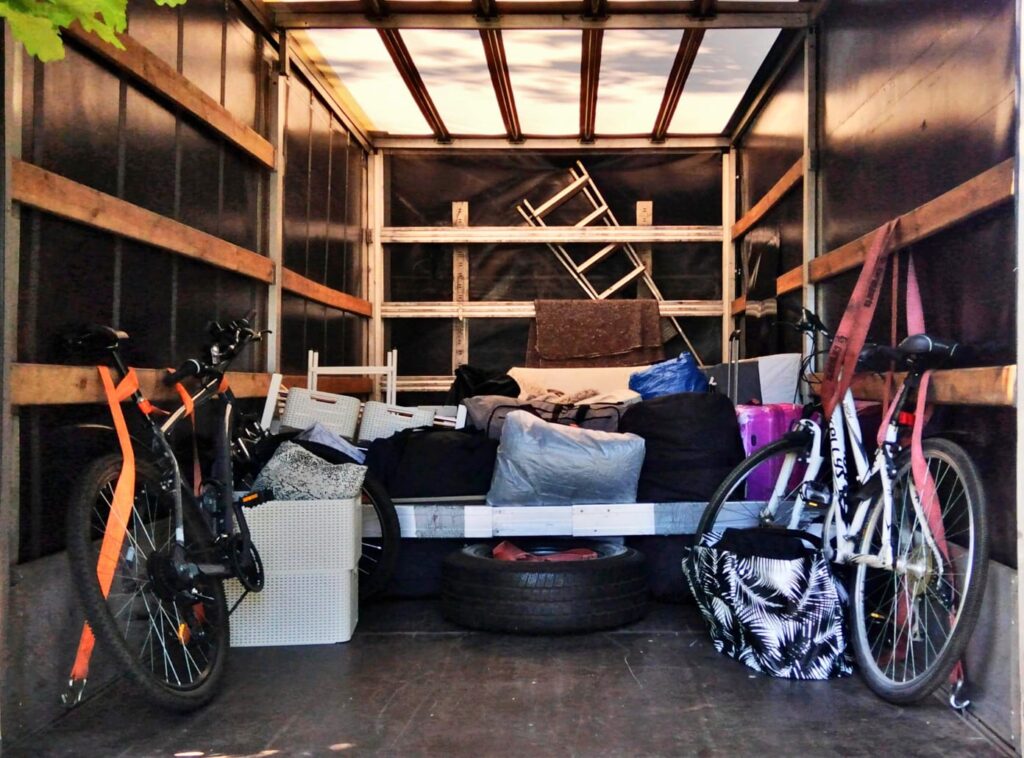
Choosing the Right Vehicle Size for Your Switzerland Move
Choosing the right van is not about guessing. It is about matching volume, weight and urgency to your real situation.
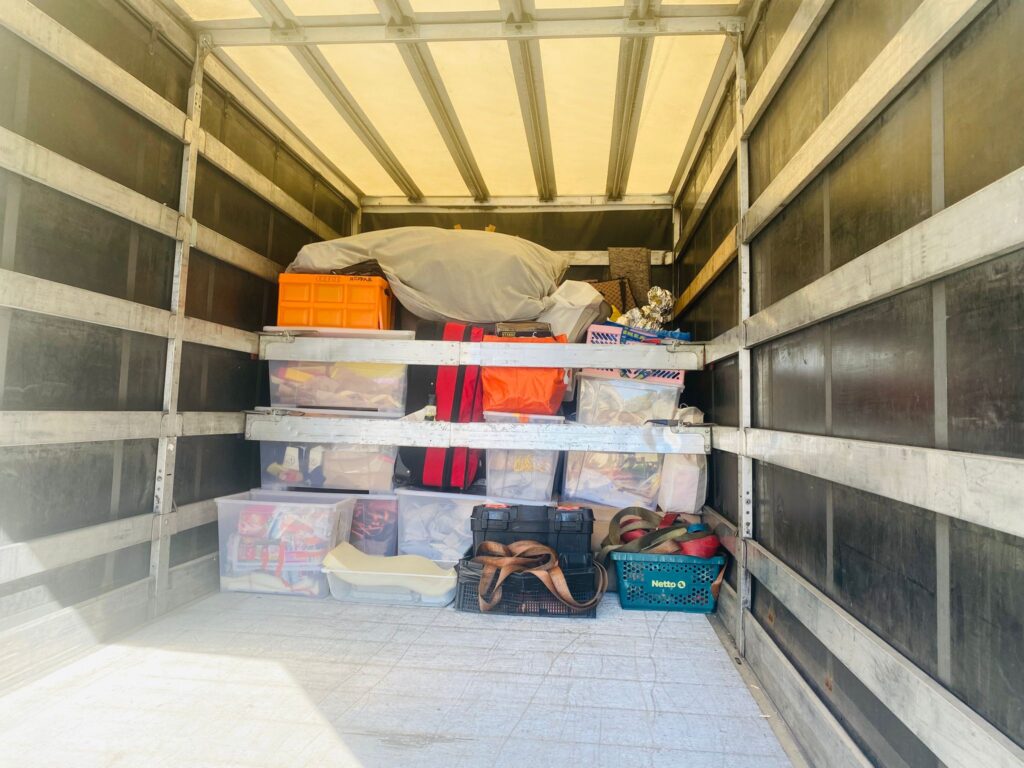
Too small, and the move becomes cramped, rushed and risky. Too large, and you may pay for unused space. The right size gives your belongings room to travel safely while keeping the move efficient.
VANonsite offers several vehicle options:
| VANonsite option | Capacity | Weight limit | Best for |
|---|---|---|---|
| Moving One | 1 m3 | 100 kg | Suitcases, documents, baby essentials or a small urgent load |
| Moving Basic | 5 m3 | 300 kg | A compact man and van move, nursery items or personal boxes |
| Moving Medium | 10 m3 | 500 kg | Studio move, small apartment or partial household |
| Moving Premium | 15 m3 | 1,100 kg | Larger apartment with furniture and baby equipment |
| Moving Premium Plus | 30 m3 | 3,500 kg | Family move with furniture, boxes and nursery setup |
| Moving Full House XXL | 90 m3 | 20,000 kg | Full house relocation across Europe |
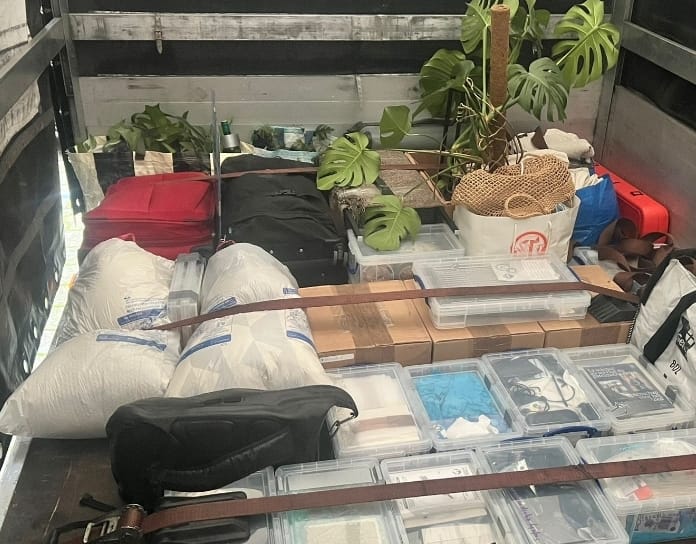
If you are moving before your partner, or sending only essential items first, a man and van solution may be ideal. It gives flexibility without forcing you into a full scale move. If you are relocating an entire home, a larger vehicle gives furniture, prams, cot parts and boxes enough space to travel securely.
GPS tracking is another major advantage. When you are pregnant, visibility is soothing. Knowing where your belongings are helps you plan meals, rest, cleaning, shopping and your first night.
Best Time for Moving to Switzerland While Pregnant
There is no perfect week for everyone. Pregnancy is personal, and medical advice should always come first. Still, from a planning perspective, some stages are usually easier than others.
| Pregnancy stage | Moving difficulty | Practical guidance |
|---|---|---|
| First trimester | Medium | Nausea and fatigue can be strong, so reduce physical effort |
| Second trimester | Often easiest | Many people have more energy and more time before birth |
| Early third trimester | Higher | Medical continuity and delivery timing become more urgent |
| Late third trimester | Highest | Move only with medical guidance and a tightly managed plan |
| After birth | Complex | Recovery, feeding, sleep and newborn paperwork add pressure |
For many expecting parents, the second trimester is the most practical window. Energy may be better, the due date is not too close and there is still time to register, arrange insurance and connect with maternity care.
However, not every move happens at the ideal time. Job offers, tenancy dates and family needs can move faster than pregnancy calendars. If you need urgent transport, VANonsite’s flexible European moving support can help bring structure to a tight timeline.
Even then, moving to Switzerland while pregnant should not mean rushing every step. It means prioritising what matters most: medical records, insurance, customs, essentials and safe transport.
Travelling to Switzerland While Pregnant
Transport planning is more than the van carrying your belongings. You also need to plan your own journey.
Discuss travel with your healthcare provider. Ask about flight, car or train suitability, depending on your route and pregnancy stage. If you are travelling by car, plan regular breaks. If you are flying, check airline pregnancy rules before booking. If you are taking the train, choose a route that allows comfort, toilets and manageable luggage.
Your personal travel bag should include:
- Pregnancy notes
- Medication
- Water
- Snacks
- Comfortable layers
- Compression socks, if advised by your doctor
- Phone charger
- Emergency contacts
- Insurance details
- Destination address
- Taxi or transport plan from station or airport
Try not to schedule your own travel and full unloading on the same exhausting day. If possible, arrive with enough time to rest while the moving team handles the heavy work.
The emotional side matters too. Moving to Switzerland while pregnant can bring sudden waves of excitement and fear. That is normal. A calm logistics plan gives your mind fewer problems to solve at once.
Setting Up Your New Home Before the Baby Arrives
Once your belongings arrive, your first instinct may be to unpack everything. Resist the urge. Unpacking while pregnant should be strategic, not frantic.
Start with comfort and safety.
First, set up:
- Bed and bedding
- Bathroom essentials
- Kitchen basics
- Maternity clothes
- Medication station
- Phone charging area
- Baby sleeping space
- Changing area
- Laundry basics
- Important documents folder
Then move to furniture, storage and decoration. The nursery does not need to look perfect on day one. Your baby needs safety, warmth, clean clothes and calm parents more than a flawless room.
If you have heavy or delicate furniture, use support instead of forcing the work. VANonsite’s furniture removals and White Glove Delivery options are useful for valuable, fragile or awkward items.
A good home setup after moving to Switzerland while pregnant should reduce walking, reaching and lifting. Put daily items at easy height. Keep night essentials near the bed. Store baby items where they can be reached one handed. These small details feel powerful later.
Moving Nursery Furniture and Baby Equipment
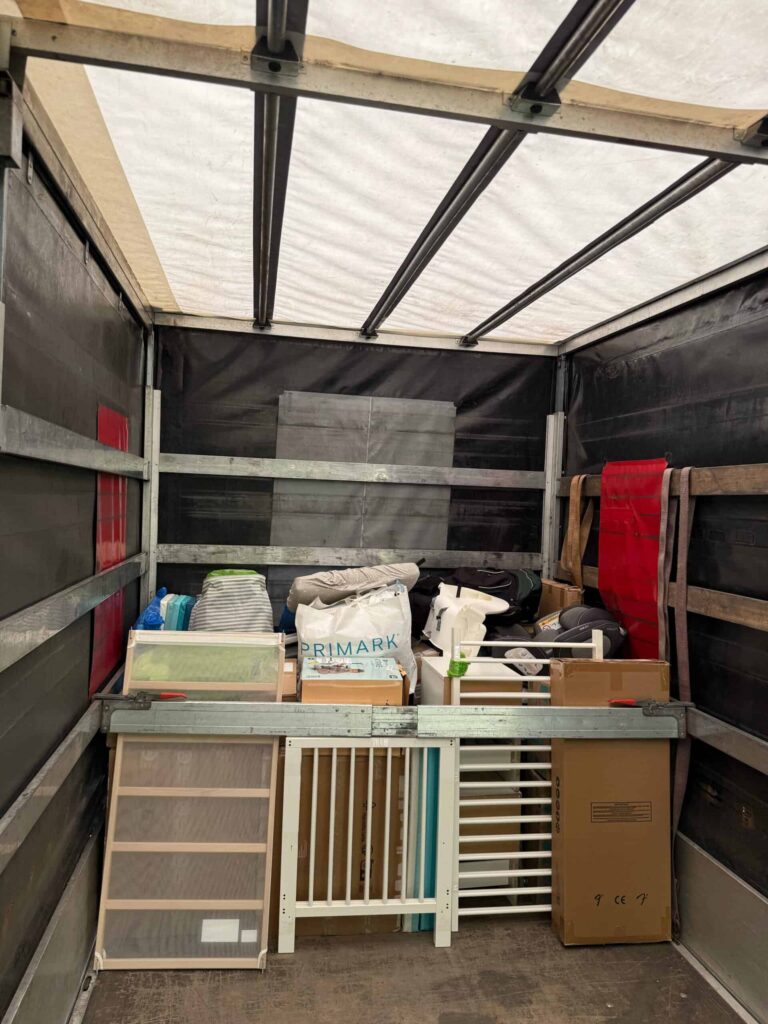
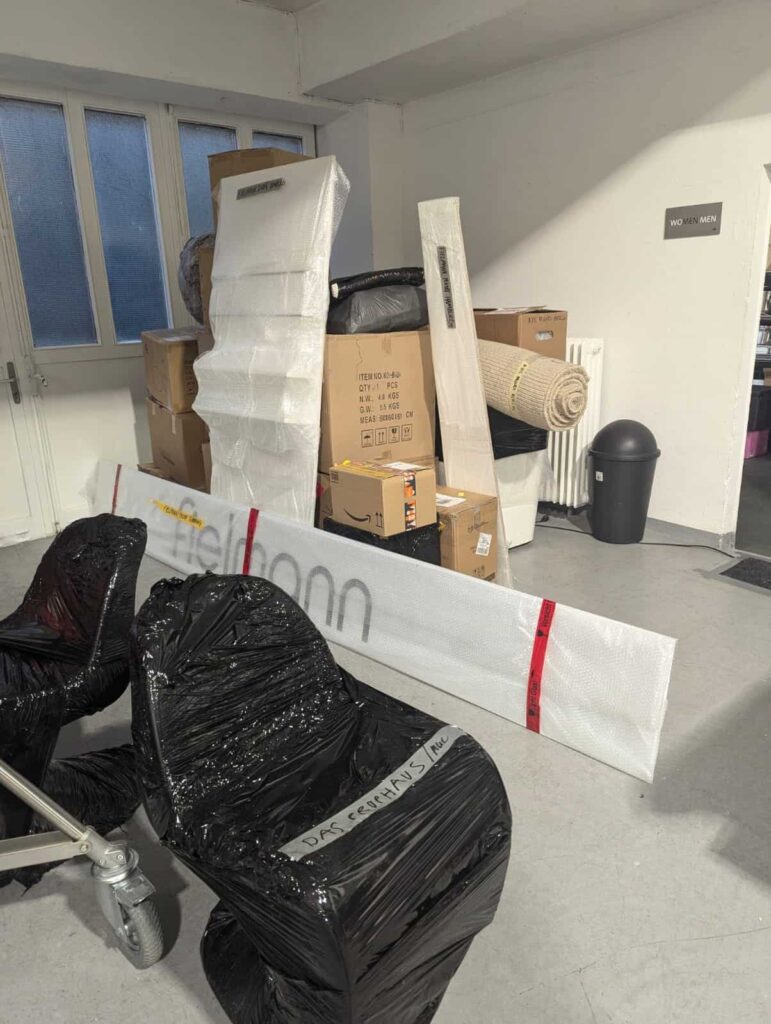
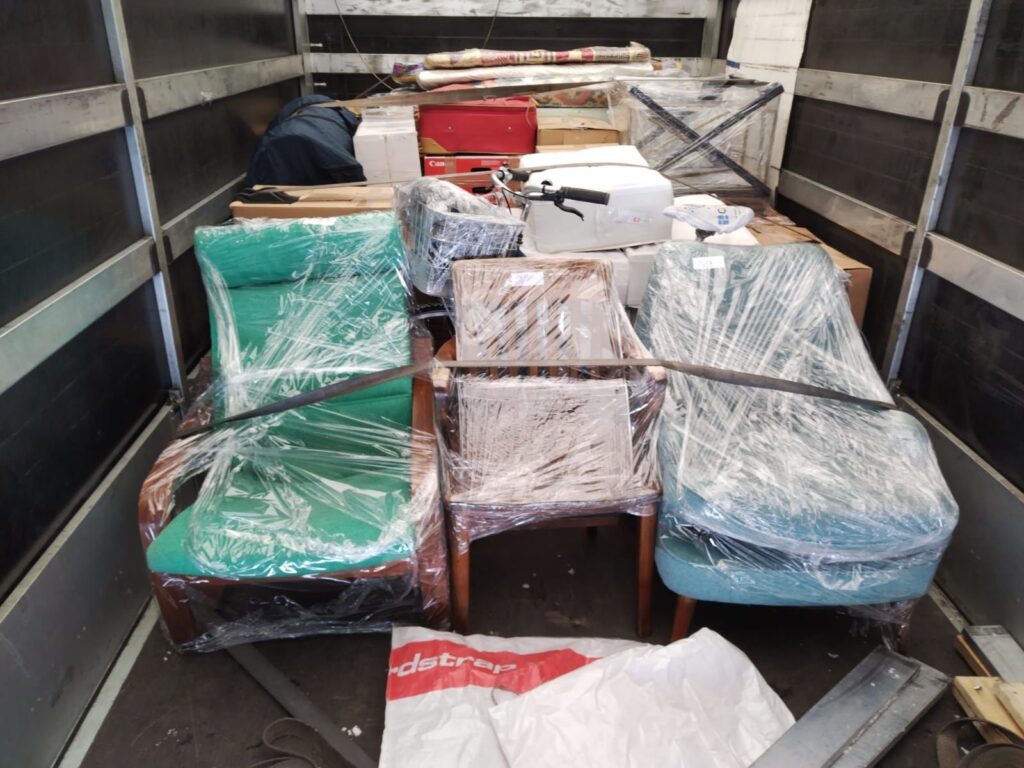
Baby equipment takes more space than many parents expect. A pram, cot, changing table, nursing chair, car seat, baby bath, clothes, nappies and bedding can quickly fill a van. Add adult furniture and household goods, and the load grows fast.
Before moving nursery furniture:
- Photograph each item before disassembly.
- Keep screws in labelled bags.
- Tape small parts to the furniture only if it is safe.
- Save instruction manuals digitally.
- Wrap delicate surfaces properly.
- Label cot and changing table parts clearly.
- Keep mattress protectors and baby bedding in sealed bags.
Do not bury the cot at the back of the load if you may need it quickly. Tell the moving team which items are high priority.
If you are relocating with a newborn soon after birth, the order changes again. Feeding items, nappies, clean clothes, sterilising equipment and sleeping space should be among the first items available.
Moving to Switzerland while pregnant is often easier than moving immediately after birth, but both can be handled with the right structure.
Cost Planning for a Pregnancy Move to Switzerland
Switzerland is a high cost country, so relocation budgeting should be realistic. Your moving budget is only one part of the full picture. Expecting parents should also think about deposits, insurance, baby items, document translations, temporary accommodation and emergency purchases.
A safer relocation budget includes:
| Cost area | What to include |
|---|---|
| Moving transport | Vehicle size, distance, load volume and delivery timing |
| Packing | Boxes, materials, fragile item protection and packing help |
| Housing | Deposit, first rent and temporary accommodation |
| Insurance | Basic health insurance and newborn insurance |
| Medical | Appointments, records, prescriptions and translations |
| Baby essentials | Cot, pram, car seat, clothes, nappies and feeding items |
| Admin | Permit fees, certified documents and local registration costs |
| Buffer | 10% to 20% extra for delays or urgent needs |
The cheapest move may not be the safest value. If a low price means poor communication, overloaded transport, unclear delivery times or no tracking, it can create more stress than it saves.
VANonsite helps reduce uncertainty with matched vehicle sizes, European route experience and GPS tracking. When moving to Switzerland while pregnant, that visibility and care can protect both your budget and your peace of mind.
Working in Switzerland While Pregnant
If your move is connected to work, check your employment situation early. Switzerland has rules around pregnancy, maternity leave and workplace protection. Official Swiss guidance explains that employers must take special measures to protect pregnant employees and their babies, and that pregnant employees have specific rights during pregnancy, maternity leave and breastfeeding.
You can read more on the Swiss government page about pregnancy, maternity leave and work.
Official Swiss information also states that maternity leave lasts 14 weeks for eligible mothers. Details can depend on your employment and insurance situation, so check your contract, your employer’s HR information and the Swiss page on maternity leave.
If your household move includes work equipment, desks, chairs, office furniture or business items, keep them clearly separated in the inventory. VANonsite also offers office removals and office furniture installation where these services genuinely fit the move.
A clear division between home goods, nursery items and work equipment helps packing, customs and unloading stay organised.
Registering the Birth in Switzerland
If your baby is born in Switzerland, the birth must be registered with the civil status authorities. Hospitals may support the process, but you should still understand what documents may be needed before your due date.
Check the official Swiss page on registering a birth once you know your canton and planned birth location.
Depending on your situation, you may need:
- Passports or identity documents
- Residence documents
- Marriage certificate, if applicable
- Birth certificates of the parents, if requested
- Paternity acknowledgement documents, if relevant
- Translations or certified copies, if required
This is one of those tasks that is easier before the baby arrives. After birth, time changes texture. Days blur. Sleep becomes precious. Simple admin can feel surprisingly heavy.
When moving to Switzerland while pregnant, preparing birth registration documents early is a quiet gift to your future self.
Common Mistakes to Avoid
Most relocation mistakes happen because people underestimate the number of moving parts. Pregnancy makes those mistakes feel sharper. The solution is not panic. It is preparation.
Avoid these common errors:
- Booking transport before checking medical travel advice
- Packing medical notes inside the moving load
- Waiting too long to research Swiss health insurance
- Forgetting newborn insurance planning
- Assuming customs paperwork will be simple without an inventory
- Choosing a vehicle that is too small
- Lifting boxes to “help just for a minute”
- Sending medication with household goods
- Arriving without first night essentials
- Leaving hospital or clinic research too late
- Assuming every canton has identical processes
- Letting nursery furniture get buried deep in the load
- Forgetting certified translations where they may be needed
The best moves feel calm because the difficult decisions were made early. Moving to Switzerland while pregnant rewards preparation more than improvisation.
Why Choose VANonsite for Moving to Switzerland While Pregnant?
When you are pregnant, reliability feels different. A late delivery is not just a scheduling issue. It can affect sleep, appointments, food, comfort and your ability to settle before birth. You need a moving service that treats time and care seriously.
VANonsite offers high quality European transport with a focus on safety, speed and visibility. Every load can be GPS tracked, so you are not left wondering where your belongings are while trying to plan your first days in Switzerland.
VANonsite can support:
- Last minute moving
- Furniture removals
- Home removals
- Packing service
- White glove delivery
- Office removals
- Storage
- Student removals
- Office furniture installation
- Small man and van moves
- Full household relocations
The vehicle range also gives you flexibility. Moving One can support a tiny 1 m3 load of 100 kg, while Moving Full House XXL can handle up to 90 m3 and 20,000 kg. Between those options, families can choose a practical match instead of forcing their belongings into the wrong vehicle.
For expecting parents, this flexibility matters. You might send baby essentials first, move in stages, relocate a full apartment or transport a complete home. VANonsite can help shape the move around your real situation.
A Final Pre Departure Checklist
Before leaving for Switzerland, use this final check.
- Doctor or midwife has reviewed your travel plan.
- Pregnancy records are in your personal bag.
- Passport or ID is easy to access.
- Residence and rental documents are ready.
- Health insurance options have been researched.
- Customs inventory is complete.
- First 72 hour bag is packed.
- Hospital bag basics are separate.
- Baby essentials are labelled clearly.
- Medication and prescriptions are with you.
- Moving vehicle size matches your load.
- VANonsite booking details are confirmed.
- GPS tracking information is available.
- Important files are saved digitally.
- Snacks, water and chargers are within reach.
If this list feels long, remember what it gives you: fewer surprises. That is the hidden luxury of a well planned move.
FAQ: Moving to Switzerland While Pregnant
Can I move to Switzerland while pregnant?
Yes. Moving to Switzerland while pregnant is possible, but it should be planned carefully. Speak with your doctor or midwife, collect maternity records, check Swiss health insurance rules, prepare residence documents and choose reliable transport.
What should I arrange first?
Start with medical advice and pregnancy records. Then research health insurance, residence requirements and customs rules. Transport should be booked early enough to avoid limited availability and rushed decisions.
Do I need Swiss health insurance while pregnant?
If you are settling in Switzerland, you generally need compulsory health insurance within 3 months of taking up residence. Pregnancy makes early planning especially important because you may need medical appointments soon after arrival.
Does my baby need health insurance in Switzerland?
Yes. Newborns generally need health insurance within 3 months after birth. It is smart to compare options before delivery, especially if your baby will be born in Switzerland.
What documents should I keep with me during the journey?
Keep your passport or ID, residence documents, pregnancy notes, scan reports, prescriptions, medication, insurance documents, rental agreement and emergency contacts with you. Do not put them in the moving van.
Is a man and van service enough for moving to Switzerland?
A man and van service can be enough for a small move, a staged relocation, urgent baby essentials or personal belongings. For a larger family home, you may need a bigger VANonsite vehicle with more volume and weight capacity.
What is the best trimester for moving?
For many people, the second trimester is the easiest window because energy may be better and the due date is not too close. However, every pregnancy is different. Always follow medical advice.
Can I import household goods into Switzerland without paying duties?
Used household goods may qualify for duty free import if you meet Swiss customs conditions, including transfer of domicile and personal use requirements. Check official Swiss customs guidance before moving.
Should I use a packing service while pregnant?
Yes, if packing feels physically demanding or time is tight. Professional packing can reduce bending, lifting and stress while protecting furniture, fragile items and nursery equipment.
How early should I book removals to Switzerland?
Ideally, book 2 to 6 weeks before your preferred moving date. If you are close to your due date or moving during a busy period, earlier booking gives you more choice and less pressure.
What should be in my 72 hour arrival bag?
Pack pregnancy records, medication, toiletries, maternity clothes, chargers, snacks, baby clothes, nappies, wipes, sleepwear, prescriptions and essential documents. This bag should stay with you or be instantly accessible.
Can VANonsite help with a full family relocation?
Yes. VANonsite offers multiple vehicle sizes, from small loads to full house moves. The service is suitable for compact man and van moves, apartment relocations and large household removals across Europe.
Final Thoughts: A Calm Move Starts With Control
Moving to Switzerland while pregnant is a major life step, but it does not need to feel chaotic. The safest moves are not built on luck. They are built on clear documents, early medical planning, realistic packing, smart transport and a calm first week plan.
You are preparing a new home and a new chapter at the same time. That deserves more than a rushed van and crossed fingers.
With VANonsite, you can plan your Switzerland relocation around security, timing and visibility. GPS tracked loads, flexible vehicle sizes and professional European moving support help protect what matters most: your belongings, your comfort and your peace of mind.
If you are moving to Switzerland while pregnant, start with a plan that feels steady from the first box to the final delivery.
Request your tailored quote for removals to Switzerland and move with confidence before your baby arrives.