
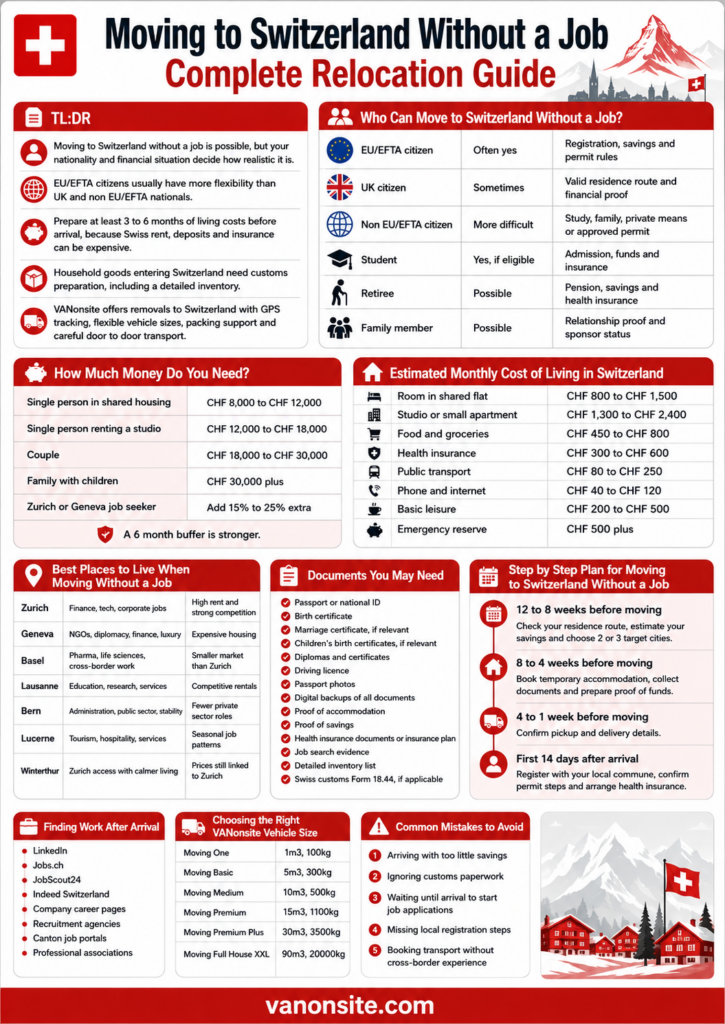
Moving to Switzerland without a job can feel like a bold leap into a cleaner, calmer and more prosperous life. Switzerland attracts people with strong salaries, safe cities, world-class public transport, fresh mountain air and an everyday sense of order that is hard to ignore. Yet it is also one of the most expensive and carefully regulated countries in Europe. A successful move needs more than courage. It needs savings, documents, timing and a practical plan.
The good news is that moving to Switzerland without a job is possible for some people, especially EU/EFTA citizens, students, retirees, financially independent people and those joining family. However, the rules are not the same for everyone. Your nationality, reason for staying, financial resources and accommodation plan all matter.
This guide explains what you need to know before relocating: who can move, how much money to prepare, what documents may be required, how to handle customs, where to live, how to search for work and how VANonsite can support your move with secure European transport, GPS tracking and flexible man and van options.
TL:DR
- Moving to Switzerland without a job is possible, but your nationality and financial situation decide how realistic it is.
- EU/EFTA citizens usually have more flexibility than UK and non EU/EFTA nationals.
- If you plan to stay longer than a short visit, you may need to register and apply for the right residence permit.
- Prepare at least 3 to 6 months of living costs before arrival, because Swiss rent, deposits and insurance can be expensive.
- Household goods entering Switzerland need customs preparation, including a detailed inventory.
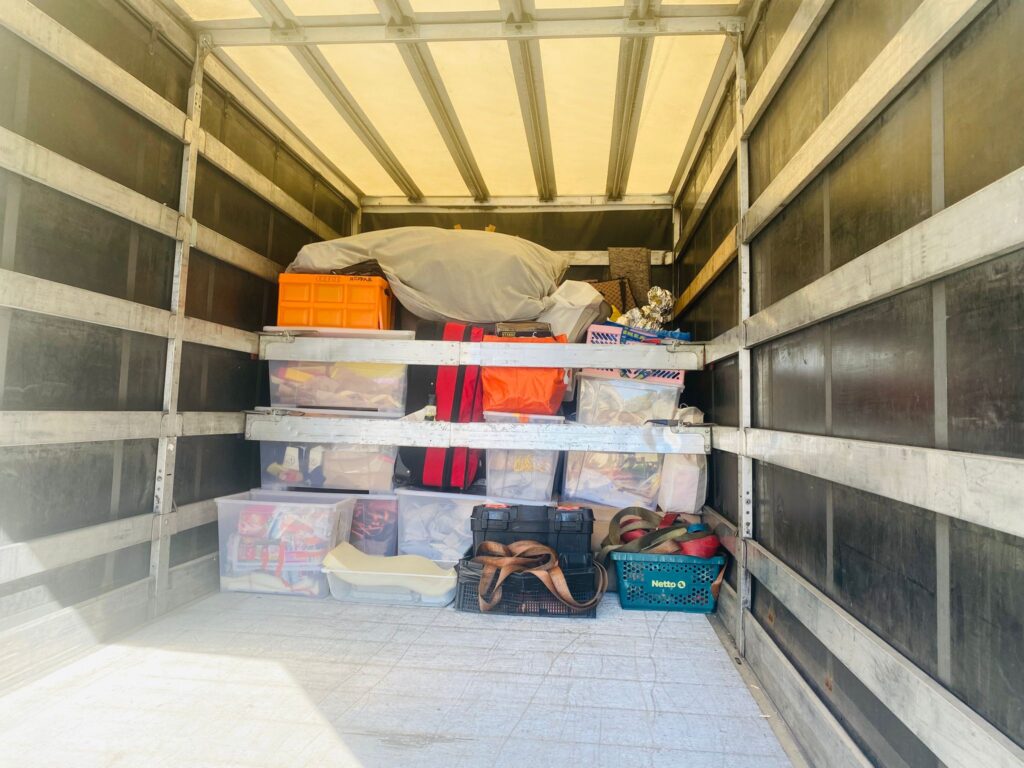
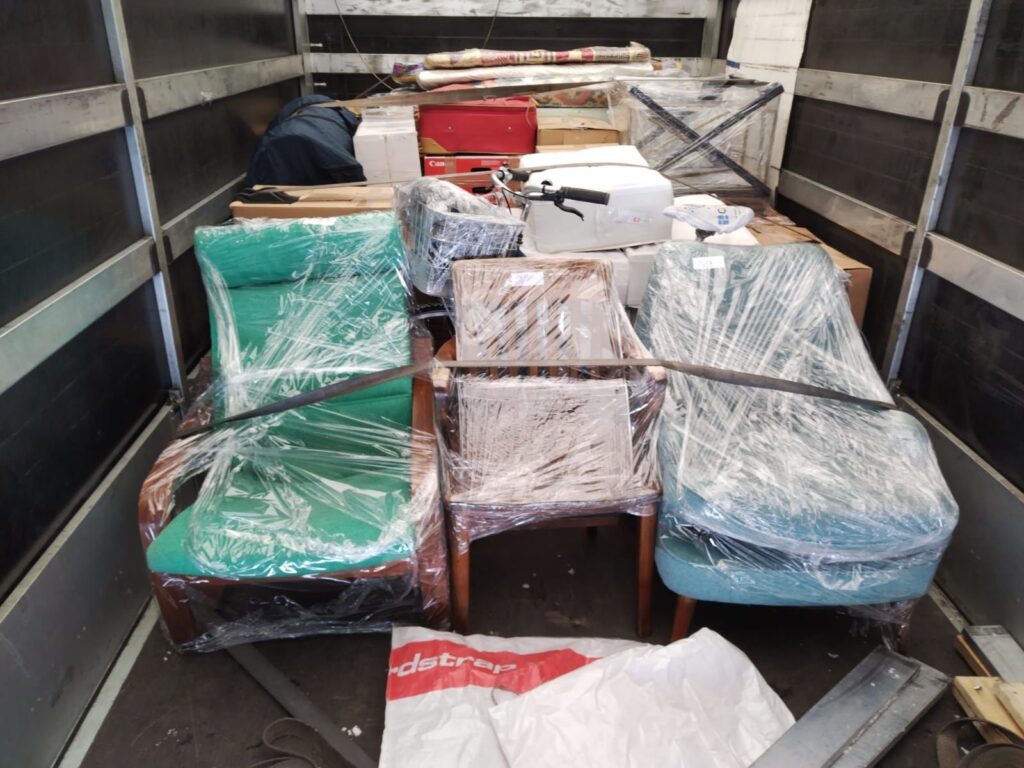
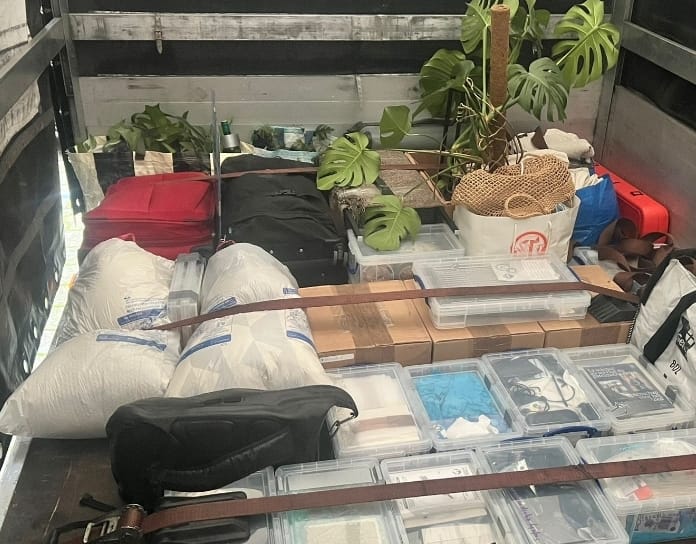
- A smaller man and van move can be smarter at first if your housing and job situation are not yet stable.
- VANonsite offers removals to Switzerland with GPS tracking, flexible vehicle sizes, packing support and careful door to door transport.




Can You Move to Switzerland Without a Job?
Yes, moving to Switzerland without a job can be possible. The real question is whether you can legally stay, support yourself and settle without relying on Swiss public assistance. Switzerland welcomes skilled, organised and financially prepared newcomers, but it does not reward careless planning.
For EU/EFTA citizens, the process is often more flexible. You may be able to enter Switzerland, look for work and apply for the correct permit if your stay continues. For UK citizens and non EU/EFTA nationals, the route is usually stricter. You may need a job offer, study place, family connection, private income or another recognised reason for residence.
Before you move, check your situation carefully. Do not assume that arrival equals residence rights. A move to Switzerland should begin with a legal route, a savings buffer and a realistic housing plan.
Moving to Switzerland without a job works best when you have:
- A valid passport or national ID
- Proof of savings
- Temporary accommodation
- A clear job search plan
- Health insurance planning
- Digital and printed copies of key documents
- A reliable moving company for cross-border transport
- A backup plan if the job search takes longer than expected
Switzerland can be generous to people who arrive ready. It can also be unforgiving to people who arrive without preparation.
Who Can Move to Switzerland Without a Job?
The rules depend on your nationality and reason for staying. That is why moving to Switzerland without a job should never be treated as one simple process.
| Person moving | Is it possible without a job? | Main condition |
|---|---|---|
| EU/EFTA citizen | Often yes | Registration, savings and permit rules |
| UK citizen | Sometimes | Valid residence route and financial proof |
| Non EU/EFTA citizen | More difficult | Study, family, private means or approved permit |
| Student | Yes, if eligible | Admission, funds and insurance |
| Retiree | Possible | Pension, savings and health insurance |
| Family member | Possible | Relationship proof and sponsor status |
EU/EFTA citizens generally have the strongest position when moving to Switzerland without a job. Still, they must respect residence rules and prove they can support themselves. UK and non EU/EFTA citizens should be especially careful before booking transport, resigning from work or signing a rental agreement.
Useful official information can be found here:
- Living in Switzerland without gainful employment
- EU/EFTA citizens in Switzerland
- Swiss residence permits
Moving to Switzerland Without a Job as an EU/EFTA Citizen
For EU/EFTA citizens, moving to Switzerland without a job is usually the most realistic scenario. Switzerland has agreements with EU/EFTA countries that make entry and residence easier than for many other foreign nationals. This can give job seekers more room to arrive, attend interviews and search locally.
However, this freedom has limits. If you plan to stay longer than a short period, you usually need to register with your local commune and apply for the relevant permit. Job seekers may qualify for an L EU/EFTA permit in certain cases, but they must still show that they can support themselves.
Before arrival, EU/EFTA citizens should prepare:
- Passport or national ID
- Proof of accommodation
- Bank statements or proof of savings
- Swiss style CV
- Copies of certificates and diplomas
- Job applications or interview confirmations
- Health insurance plan
- Customs inventory for household goods
Moving to Switzerland without a job as an EU/EFTA citizen can work particularly well if your skills match market demand. Sectors such as IT, healthcare, engineering, finance, pharma, construction, hospitality and skilled trades often offer better prospects than saturated office roles.
Moving to Switzerland Without a Job as a UK Citizen
For UK citizens, moving to Switzerland without a job is more complex than it was before Brexit. UK nationals no longer benefit from the same free movement rules as EU/EFTA citizens. This means residence and work rights are more controlled.
You may still be able to move through a valid route, such as employment, study, family reunification, retirement or private means. However, simply arriving and hoping to find a job is risky without checking the rules first.
Before moving from the UK to Switzerland, prepare:
- Passport with enough validity
- Proof of funds
- Proof of accommodation
- Health insurance planning
- Job search evidence
- Permit information from official Swiss sources
- Household goods inventory
- Customs documents for your move
This is where professional transport planning matters. If your legal and housing situation is still developing, consider moving only essential items first. A flexible man and van service from VANonsite can help you relocate in stages instead of moving a full home before your Swiss life is stable.
Moving to Switzerland Without a Job as a Non EU/EFTA Citizen
For non EU/EFTA nationals, moving to Switzerland without a job is usually harder. Switzerland protects its labour market carefully, and employment based residence often depends on an employer and permit approval.
Without a job offer, possible routes may include:
- Studying at a recognised institution
- Joining an eligible family member
- Retiring with sufficient financial resources
- Living from private income or assets
- Another approved residence category
If this applies to you, do not move your full household before confirming your eligibility. A smaller relocation can reduce risk while you wait for decisions, documents or accommodation. In many cases, moving essentials first is more practical than paying to transport furniture you may need to store later.
How Much Money Do You Need?
Switzerland is expensive, and the first month can be the hardest. You may need to pay a rental deposit, temporary accommodation, food, public transport, insurance and registration costs before any income arrives.
A practical savings estimate looks like this:
| Situation | Recommended savings before arrival |
|---|---|
| Single person in shared housing | CHF 8,000 to CHF 12,000 |
| Single person renting a studio | CHF 12,000 to CHF 18,000 |
| Couple | CHF 18,000 to CHF 30,000 |
| Family with children | CHF 30,000 plus |
| Zurich or Geneva job seeker | Add 15% to 25% extra |
These are planning figures, not official legal thresholds. Your real budget depends on city, rent, lifestyle, insurance and how quickly you find work. Still, they give a safer starting point.
If you are moving to Switzerland without a job, prepare at least 3 months of living costs. A 6 month buffer is stronger. It gives you breathing room, protects your confidence and helps you avoid desperate decisions.
Estimated Monthly Cost of Living in Switzerland
Swiss life is polished, but the bills are powerful. Even a modest lifestyle can cost more than expected.
| Expense | Single person estimate | Couple estimate |
|---|---|---|
| Room in shared flat | CHF 800 to CHF 1,500 | Not always suitable |
| Studio or small apartment | CHF 1,300 to CHF 2,400 | CHF 1,800 to CHF 3,200 |
| Food and groceries | CHF 450 to CHF 800 | CHF 800 to CHF 1,400 |
| Health insurance | CHF 300 to CHF 600 | CHF 600 to CHF 1,200 |
| Public transport | CHF 80 to CHF 250 | CHF 160 to CHF 500 |
| Phone and internet | CHF 40 to CHF 120 | CHF 60 to CHF 160 |
| Basic leisure | CHF 200 to CHF 500 | CHF 350 to CHF 900 |
| Emergency reserve | CHF 500 plus | CHF 1,000 plus |
The safest approach is to keep your first move lean. Do not bring everything just because you own it. Move the items that protect your comfort, work search and daily function. Sell, donate or store the rest until your housing and employment are secure.
Best Places to Live When Moving Without a Job
Choosing the right location can protect your savings. Zurich and Geneva offer strong job markets, but they are expensive and competitive. Smaller cities may give you more breathing space while still keeping you close to employers.
| Location | Best for | Main challenge |
|---|---|---|
| Zurich | Finance, tech, corporate jobs | High rent and strong competition |
| Geneva | NGOs, diplomacy, finance, luxury | Expensive housing |
| Basel | Pharma, life sciences, cross-border work | Smaller market than Zurich |
| Lausanne | Education, research, services | Competitive rentals |
| Bern | Administration, public sector, stability | Fewer private sector roles |
| Lucerne | Tourism, hospitality, services | Seasonal job patterns |
| Winterthur | Zurich access with calmer living | Prices still linked to Zurich |
If you are moving to Switzerland without a job, consider living near a major employment hub rather than inside the most expensive district. A 30 minute train commute can save hundreds of francs each month.
Documents You May Need
Good paperwork makes your Swiss move smoother. It helps with registration, housing, insurance, job applications and customs.
Prepare personal documents such as:
- Passport or national ID
- Birth certificate
- Marriage certificate, if relevant
- Children’s birth certificates, if relevant
- Diplomas and certificates
- Driving licence
- Passport photos
- Digital backups of all documents
For residence and registration, you may need:
- Proof of accommodation
- Rental agreement or host confirmation
- Proof of savings
- Health insurance documents or insurance plan
- Job search evidence
- University admission letter, if studying
- Pension or private income proof, if relevant
- Family relationship documents, if joining relatives
For the move itself, prepare:
- Detailed inventory list
- Passport or ID copy
- Proof of transfer of residence
- Swiss customs Form 18.44, if applicable
- Vehicle documents, if importing a car
- Pet documents, if moving with animals
- Transport details from your moving company
Official customs information is available here: Moving household effects to Switzerland
Customs Rules for Household Goods
Switzerland is not in the EU customs union, so customs preparation is essential. Even if you are moving from a nearby European country, your goods still need the correct paperwork.
Household effects may be imported under specific conditions. In general, they should be personal items connected with your relocation, not commercial stock. A clear inventory helps customs officers understand what is being transported.
Common household goods include:
- Clothing
- Books
- Kitchenware
- Furniture
- Electronics
- Bicycles
- Personal tools
- Sports equipment
- Household decorations
Be careful with new goods, alcohol, tobacco, commercial items, plants, food products, weapons, vehicles and pets. These may require extra checks, limits or documents.
VANonsite can support the transport side of your move, while you prepare the official customs and residence paperwork. This combination reduces stress and helps avoid unnecessary delays.
Step by Step Plan for Moving to Switzerland Without a Job
A move without employment should be structured like a project. The more uncertainty you remove before arrival, the safer your first months become.
12 to 8 weeks before moving
Start with the foundations. Check your residence route, estimate your savings and choose 2 or 3 target cities. Begin job applications early. Update your CV for Swiss employers and research the strongest sectors for your skills.
At the same time, create a moving inventory. Decide what is essential, what can wait and what should not be moved at all.
8 to 4 weeks before moving
Book temporary accommodation, collect documents and prepare proof of funds. Contact recruitment agencies and continue applying for jobs. Compare health insurance options and start preparing your customs inventory.
This is also the right time to request a quote from VANonsite for removals to Switzerland. Choosing the correct vehicle size early can help control your relocation budget.
4 to 1 week before moving
Confirm pickup and delivery details. Check parking access at both addresses. Pack important documents separately and label boxes clearly. Keep first week essentials easy to reach.
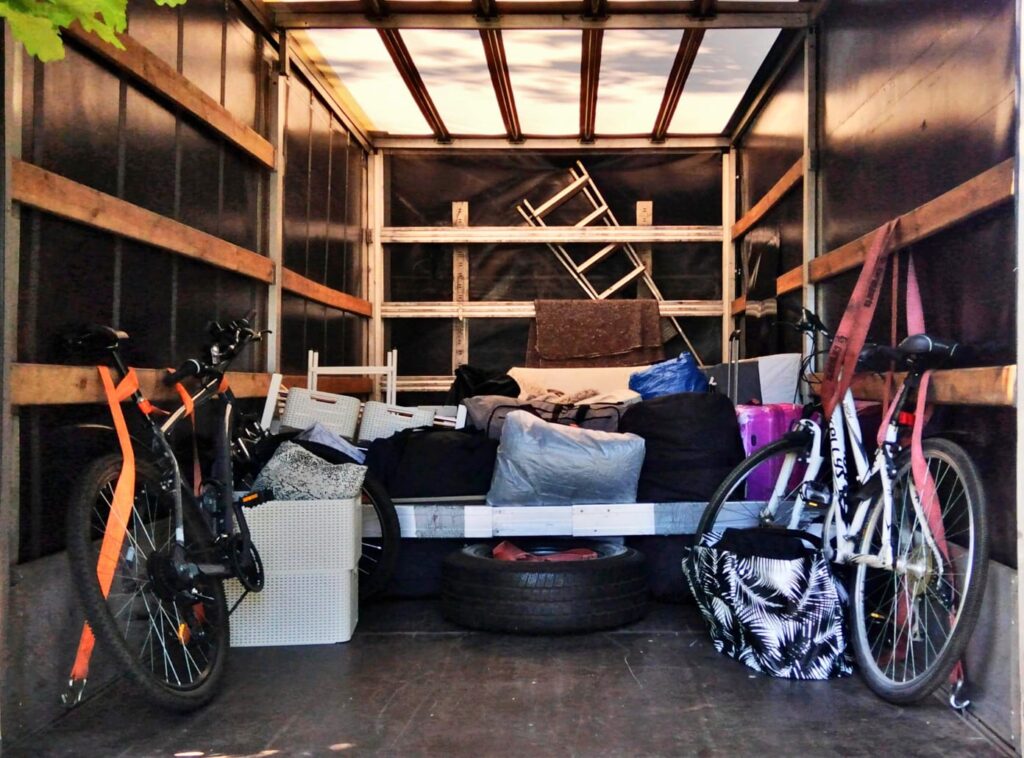
If your move is small or temporary, a man and van option can be ideal. It gives you speed and flexibility without the cost of a full household relocation.
First 14 days after arrival
After arrival, register with your local commune, confirm permit steps and arrange health insurance. Keep applying for jobs daily. Open a bank account if possible and track every major expense.
The first two weeks should be focused. Administration first, sightseeing later.

Finding Work After Arrival
Moving to Switzerland without a job works best when the job search begins before you move. Do not wait until your boxes are unpacked.
Use platforms such as:
- Jobs.ch
- JobScout24
- Indeed Switzerland
- Company career pages
- Recruitment agencies
- Canton job portals
- Professional associations
Swiss employers value precision. Your CV should be clean, direct and tailored. Avoid vague phrases. Show measurable achievements, exact skills and clear availability.
A strong job application may include:
- A focused CV
- A tailored cover letter
- Diplomas and certificates
- Work references
- Language levels
- Portfolio or project examples
- Clear relocation status
High potential sectors include healthcare, IT, cybersecurity, engineering, finance, pharma, hospitality, logistics, construction and skilled trades.
Renting Without a Job
Renting in Switzerland without employment can be difficult. Landlords often prefer stable income, references and complete documentation. This does not make housing impossible, but your first accommodation should be realistic.
Good first options include:
- Furnished room
- Shared flat
- Short term serviced apartment
- Temporary sublet
- Staying with family or friends
- Housing outside the most expensive city centre
Helpful documents include bank statements, proof of savings, previous landlord references, ID copy, job search evidence and a short explanation of your relocation plan.
Do not aim for your perfect home immediately. Aim for a safe base. Once you secure work, better rental options usually become easier.
Health Insurance After Moving
Health insurance is a major part of Swiss life and should be included in your budget from day one. Premiums depend on canton, insurer, age and deductible. A higher deductible may reduce monthly premiums, but you need enough money to cover medical costs if they arise.
Plan for:
- Monthly premium
- Deductible
- Possible accident cover
- Family member costs
- Canton differences
- Registration deadlines
You can read official information here: Health insurance costs in Switzerland
Do not treat health insurance as an afterthought. It is part of settling properly.
Choosing the Right VANonsite Vehicle Size
Moving to Switzerland without a job often means balancing comfort and cost. VANonsite offers flexible vehicle sizes, so you can match the move to your real situation.
| VANonsite option | Capacity | Best for |
|---|---|---|
| Moving One | 1m3, 100kg | Suitcases and small boxes |
| Moving Basic | 5m3, 300kg | Student move or small room |
| Moving Medium | 10m3, 500kg | Studio flat or compact apartment |
| Moving Premium | 15m3, 1100kg | One bedroom move or furniture removals |
| Moving Premium Plus | 30m3, 3500kg | Larger apartment or family essentials |
| Moving Full House XXL | 90m3, 20000kg | Full household relocation |
If your Swiss accommodation is temporary, start smaller. A compact man and van move can carry essentials now, while larger furniture can follow later when your housing and job situation are secure.
Why Choose VANonsite for Switzerland Relocation?
Moving to Switzerland without a job already comes with enough uncertainty. Your transport should not add more.
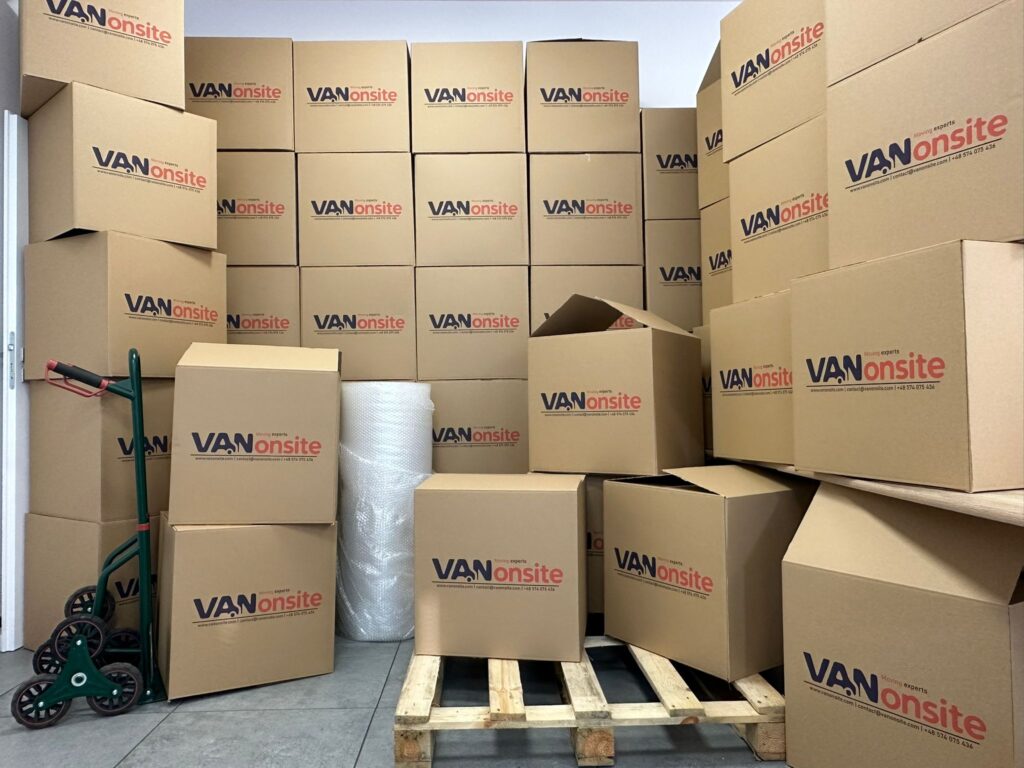
VANonsite provides safe, fast and carefully managed European removals, including removals to Switzerland. The company offers GPS tracking for every load, flexible vehicle options and services designed for different relocation needs.
VANonsite can help with:
- Last Minute Moving
- Furniture Removals
- Home Removals
- Packing Service
- White Glove Delivery
- Office Removals
- Storage
- Student Removals
- Office Furniture Installation
- Man and van moves
This is especially useful if you are arriving before your long term housing is settled. You can move essentials, protect valuable items and keep your relocation controlled.
Plan your move here: removals to Switzerland
Common Mistakes to Avoid
Moving to Switzerland without a job can succeed, but small mistakes can become expensive.
Avoid these common problems:
- Arriving with too little savings
- Assuming rules are identical for every nationality
- Moving a full home before securing accommodation
- Ignoring customs paperwork
- Forgetting health insurance costs
- Waiting until arrival to start job applications
- Choosing Zurich or Geneva without checking rent pressure
- Bringing cheap items that are easier to replace
- Missing local registration steps
- Booking transport without cross-border experience
The best moves are rarely lucky. They are planned, documented and handled with care.
FAQ
Can I move to Switzerland without a job?
Yes, moving to Switzerland without a job is possible for some people, especially EU/EFTA citizens, students, retirees, people with private means and eligible family members. Your nationality and financial situation are crucial.
Can EU citizens move to Switzerland without a job?
EU/EFTA citizens usually have more flexibility. They may be able to enter Switzerland and look for work, but longer stays require the correct registration or permit steps.
Can UK citizens move to Switzerland without a job?
It may be possible, but the rules are stricter than for EU/EFTA citizens. UK nationals should check official Swiss requirements before moving.
How much money should I save?
A single person should often prepare CHF 8,000 to CHF 18,000, depending on city and housing. Couples and families need more. A 3 to 6 month buffer is strongly recommended.
Can I rent a flat without a job?
Yes, but it can be difficult. Landlords often prefer proof of income. Temporary housing, shared flats or serviced apartments may be easier at first.
Should I move all my furniture before finding work?
Not always. A smaller man and van move can be smarter if your accommodation is temporary. You can bring essentials first and move more items later.
Does VANonsite offer removals to Switzerland?
Yes. VANonsite provides removals to Switzerland with GPS tracking, flexible van sizes, packing services, furniture removals, student removals and man and van options.
Final Thoughts
Moving to Switzerland without a job is not reckless if you prepare properly. It can be a powerful new beginning, but it needs structure. Check your residence route, protect your savings, prepare your documents, apply for jobs early and move only what truly supports your first months.
Switzerland rewards people who arrive organised. With the right plan, your relocation can feel less like a gamble and more like a confident step forward.
VANonsite can help you move with less stress and more control. Whether you need a compact man and van service, furniture removals, packing support, student removals or a full home relocation, your belongings can travel safely with GPS tracking and experienced support.
Start planning your relocation today with VANonsite: removals to Switzerland