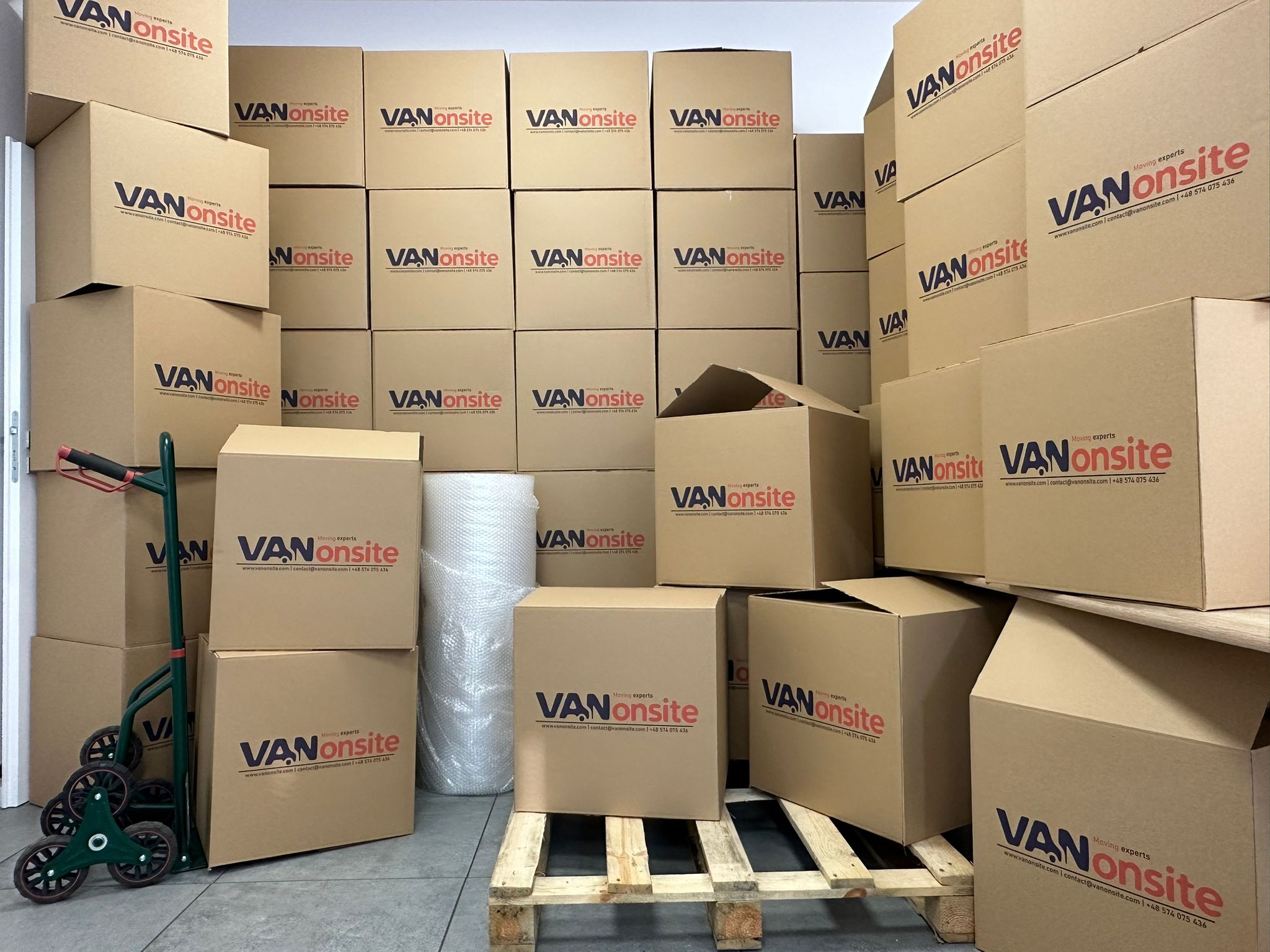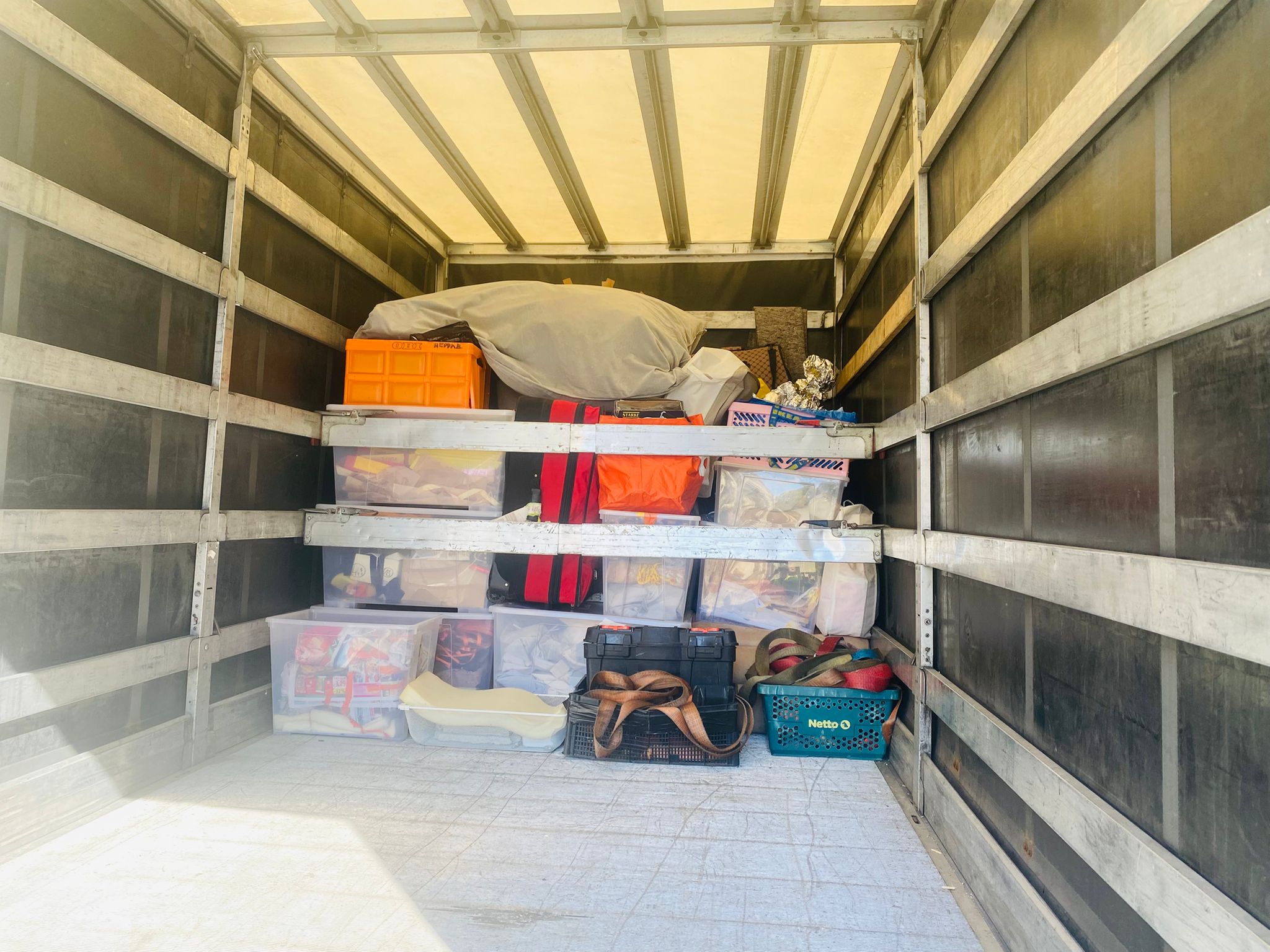
Moving to Switzerland can feel thrilling and slightly unnerving at the same time. One moment you are imagining clean Alpine air, precise trains and a sharper quality of life. The next, you are staring at permit rules, customs forms, rental contracts and a pile of boxes that suddenly looks larger than your future apartment.
Swiss residency is the foundation of that new life. It decides how long you can stay, whether you can work, what you must register and which documents you may need.
Planning the logistics already? Start with VANonsite’s dedicated removals to Switzerland service for safe transport, careful handling and GPS tracked delivery across Europe.
TL:DR
- Swiss residency depends on your nationality, reason for stay and how long you plan to live in Switzerland.
- Stays longer than 90 days usually require registration, authorisation or the correct residence permit.
- EU/EFTA citizens and non-EU/EFTA citizens follow different routes, so check your category before moving.
- In many cases, newcomers are expected to register with the local commune within 14 days of arrival.
- Switzerland is outside the EU customs union, so household goods need proper customs preparation.
- Used household effects may qualify for duty free import if conditions are met, including previous personal use.
- VANonsite helps make a swiss residency move calmer with GPS tracking, secure loading and van sizes from 1 m3 to 90 m3.




What Is Swiss Residency?
Swiss residency means the legal right to live in Switzerland for a defined purpose. That purpose may be work, study, family reunification, retirement, self employment or another recognised reason. In plain English, swiss residency is what turns Switzerland from a place you visit into a place where you can legally build a daily life.
It is not just a card in your wallet. Swiss residency affects local registration, work rights, access to services, obligations and long term plans. It can also shape your moving schedule, because permit dates, rental contracts, customs paperwork and delivery windows often need to fit together.
Switzerland residency is not identical for every person. EU/EFTA nationals generally have a different route from non-EU/EFTA nationals. Your canton also matters, because Switzerland handles many procedures locally. Zurich, Geneva, Basel, Bern, Vaud or Ticino may have different appointment systems, waiting times and practical requirements.
Who Needs Residency in Switzerland?
If you are visiting Switzerland for a short trip, swiss residency may not be relevant. If you plan to live, work, study, join family or stay beyond a short visit, residency in Switzerland becomes a central issue.
EU and EFTA Citizens
EU/EFTA citizens usually have a more direct path to switzerland residency, especially when moving for work, study or family reasons. However, direct does not mean automatic. You still need to meet the relevant conditions, register locally and follow the process linked to your purpose of stay.
For work, you may need an employment contract. For study, enrolment confirmation and proof of funds may be required. For family relocation, certificates and housing documents may be requested. Check the official Swiss guidance here: Residence permits for EU/EFTA nationals.
Non-EU/EFTA Citizens
Non-EU/EFTA citizens usually face stricter rules for swiss residency. In many cases, approval is needed before long term residence or employment can begin. Your employer, the canton and federal authorities may all be part of the process.
This does not mean residency in Switzerland is impossible. It means preparation matters more. A missing document, unclear contract or poorly timed move can create costly delays. Official information is available here: Residence permits for non-EU/EFTA nationals.
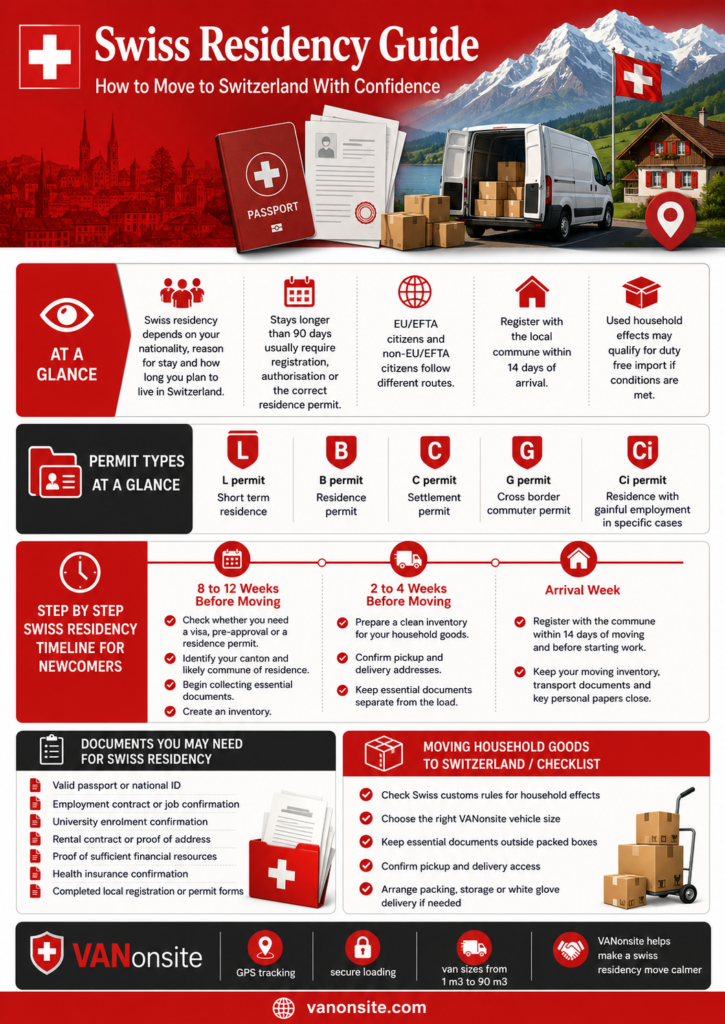
Swiss Residency Permit Types at a Glance
Switzerland uses several permit categories. Your exact swiss residency permit depends on nationality, purpose of stay, expected duration and personal circumstances.
| Permit type | Typical meaning | Who it may apply to | Why it matters for moving |
|---|---|---|---|
| L permit | Short term residence | People staying for a limited period | Useful for temporary contracts, short assignments or staged moves |
| B permit | Residence permit | People staying longer for work, study or family reasons | Often relevant for full relocation and household goods transport |
| C permit | Settlement permit | Long term residents who meet conditions | Supports deeper stability and long term planning |
| G permit | Cross border commuter permit | People working in Switzerland while living abroad | May reduce the need for a full household move |
| Ci permit | Residence with gainful employment in specific cases | Often linked to family members of diplomatic or international organisation staff | Can affect work rights and relocation planning |
Step by Step Swiss Residency Timeline for Newcomers
A successful swiss residency move rarely happens by accident. It happens because paperwork and physical relocation are planned together.
8 to 12 Weeks Before Moving
Start by checking whether you need a visa, pre-approval or a residence permit. Confirm the reason for your swiss residency, such as work, study, family or retirement. Then identify your canton and likely commune of residence.
Begin collecting essential documents. These may include your passport, national ID, employment contract, university confirmation, rental contract, family certificates and proof of financial resources. Requirements vary, so always check the official source for your situation.
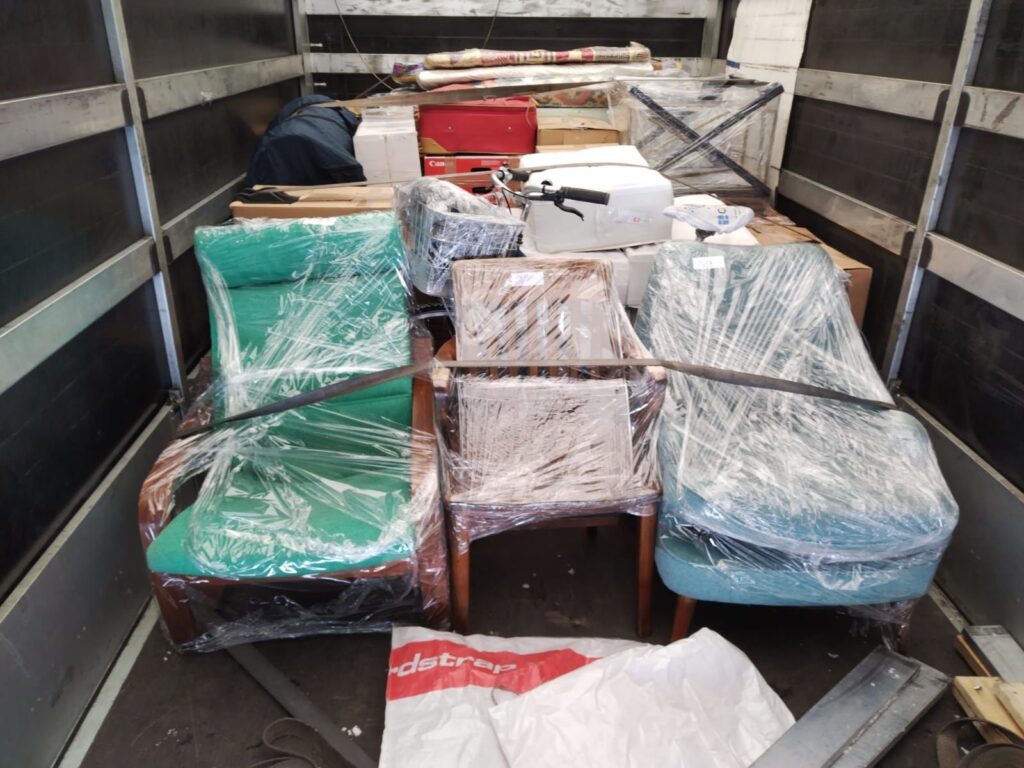
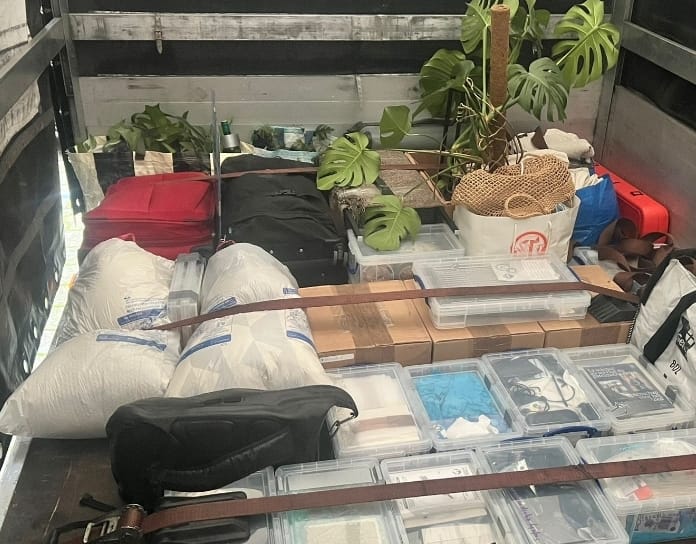
At the same time, create an inventory of furniture, boxes, electronics, bikes, office equipment and fragile items. Estimate volume and weight. Decide whether you need a compact man and van service, a full home removal, packing support or storage.
VANonsite offers vehicle sizes from 1 m3 to 90 m3, which helps you avoid two classic mistakes: paying for space you do not need or trying to squeeze a serious swiss residency relocation into a van that is too small.
2 to 4 Weeks Before Moving
This is the detail phase. Prepare a clean inventory for your household goods. Confirm pickup and delivery addresses. Check parking access, stairs, lifts, loading bays and building rules. A narrow street in Geneva or a tight apartment entrance in Zurich can change the entire moving plan.
Keep essential documents separate from the load. Your passport, contract, permit papers, rental agreement and registration documents should travel with you, not under a stack of kitchen boxes.
Arrival Week
The first week in Switzerland should be focused, not frantic. Once you arrive, local registration is often one of the first official steps. In many cases, newcomers are expected to register with the commune within 14 days of moving and before starting work.
Check the official registration guidance here: Notification of departure and registration. During this week, keep your moving inventory, transport documents and key personal papers close.
Documents You May Need for Swiss Residency
Documents are the backbone of swiss residency. The exact list depends on your nationality, canton and reason for stay, but many newcomers need a similar core set.
Common documents may include:
- Valid passport or national ID
- Employment contract or job confirmation
- University enrolment confirmation
- Rental contract or proof of address
- Passport photos, if requested
- Marriage certificate or birth certificates for family applications
- Proof of sufficient financial resources in some cases
- Health insurance confirmation or proof that insurance is being arranged
- Visa authorisation, if applicable
- Completed local registration or permit forms
For official information on permits, check Swiss residence permits: application and renewal. If you need to confirm visa rules, use the official FDFA visa information before you travel.
Moving Household Goods to Switzerland
Swiss residency is one side of the move. Customs is the other.
Switzerland is not part of the EU customs union, so moving household goods into the country requires attention. If you are transferring your domicile to Switzerland, used household effects may qualify for duty free import when official conditions are met. Swiss customs guidance states that transfer of domicile is an important requirement, and imported goods generally need to have been personally used before import and continue to be used after arrival.
Check official customs information here: Moving household effects to Switzerland.
VANonsite supports European moves with secure loading, GPS tracking and flexible transport sizes. For a swiss residency move, that visibility is valuable. You know what is being moved, how much space it needs and where the load is during the journey.
Choosing the Right VANonsite Vehicle for Your Move to Switzerland
Vehicle size affects cost, speed and safety. Too small, and your move becomes a puzzle with pieces left on the floor. Too large, and you pay for empty space.
| VANonsite option | Capacity | Best for |
|---|---|---|
| Moving One | 1 m3, 100 kg | Documents, small boxes, urgent items and compact student loads |
| Moving Basic | 5 m3, 300 kg | Small rooms, essentials and light furniture |
| Moving Medium | 10 m3, 500 kg | Studio flats, student moves and selected furniture |
| Moving Premium | 15 m3, 1,100 kg | One bedroom flats and larger household items |
| Moving Premium Plus | 30 m3, 3,500 kg | Larger flats, partial home relocations and office equipment |
| Moving Full House XXL | 90 m3, 20,000 kg | Full home removals, family relocations and business moves |
For many customers, a man and van service is the perfect middle ground. It is more flexible than a large removals lorry and more professional than improvised transport. If your switzerland residency move includes a moderate load, this can be fast, focused and cost efficient.
Best VANonsite Services for a Swiss Residency Move
| Service | Best for | Why it helps |
|---|---|---|
| Last Minute Moving | Urgent permit, rental or job start dates | Gives you a fast solution when timing changes |
| Furniture Removals | Sofas, beds, desks, wardrobes and delicate pieces | Protects heavy or awkward items during transport |
| Home Removals | Full household relocation | Keeps the move structured from pickup to delivery |
| Packing Service | Fragile items, electronics, lamps and dishes | Reduces damage risk on long European routes |
| White Glove Delivery | Designer furniture, antiques and premium pieces | Adds careful handling and precise placement |
| Office Removals | Workstations, equipment and business furniture | Helps reduce downtime during company moves |
| Storage | Gaps between leases, permits or delivery dates | Protects belongings when timelines do not match |
| Student Removals | Boxes, books, bedding and compact furniture | Keeps smaller moves affordable and efficient |
Swiss Residency for Workers, Students, Families and Retirees
Workers usually need documents linked to employment, such as a job contract or proof of professional activity. EU/EFTA and non-EU/EFTA rules differ, so confirm your pathway before you set final moving dates. If your work start date is fixed, your belongings, work clothes and equipment should arrive on time.
Students may need enrolment confirmation, accommodation details and proof of financial resources. Student moves are often smaller, but timing can be strict. Semester dates do not wait for late packing. A compact VANonsite option can work well for boxes, books, bedding and small furniture.
Family moves involve more layers. You may need marriage certificates, birth certificates, school documents and housing information. The physical move is also more emotional. Children need familiar items quickly. Beds, clothing, kitchenware and toys should be easy to find after delivery.
Retirees may need to show financial resources, health insurance and a stable plan for living in Switzerland. Their moves often include treasured furniture, books, art and household goods collected over decades. Careful packing and secure delivery are especially important when belongings carry real emotional weight.

Common Swiss Residency Mistakes That Delay a Move
Most delays begin as small oversights, then snowball.
Common mistakes include:
- Assuming swiss residency is automatic because you have EU/EFTA nationality
- Leaving local registration until the last moment
- Packing passports, contracts or certificates inside moving boxes
- Forgetting that Switzerland has customs rules for household goods
- Preparing a vague or incomplete inventory
- Booking transport before confirming access at the destination
- Choosing a van that is too small
- Ignoring canton specific procedures
- Moving new, high value or restricted goods without checking customs rules
- Treating the permit process and the physical move as separate projects
The cure is structure. A strong swiss residency plan connects legal steps with practical moving steps. It makes the relocation calmer, faster and easier to control.
Switzerland Residency Cost Factors to Consider
The cost of switzerland residency is not only about official fees. The wider cost includes housing deposits, transport, customs preparation, packing, storage and lost time. In many moves, delay is the most expensive hidden cost.
| Cost area | What affects the price | How to control it |
|---|---|---|
| Permit and registration | Canton, nationality and permit type | Check local authority information early |
| Housing | City, deposit and contract length | Secure documents and rental proof before arrival |
| Moving transport | Distance, volume, weight and access | Choose the right van size |
| Packing | Fragile items, electronics and artwork | Use professional packing for high risk goods |
| Storage | Gap between pickup and delivery | Align dates before loading |
| Customs | Goods type and inventory quality | Prepare paperwork before the border |
| Delays | Missing documents or poor coordination | Plan the move as one connected project |
A missed delivery slot, incomplete inventory or overloaded vehicle can cost more than careful planning would have. The best moving budget is not the cheapest number on paper. It is the one that protects your time, belongings and first week in Switzerland.
How VANonsite Supports a Safer Move to Switzerland
When people think about swiss residency, they often picture forms, permits and commune offices. But once your legal route is clear, your belongings still need to cross Europe safely.
VANonsite helps make the transport side controlled and transparent. The company offers GPS tracking for every load, flexible man and van options, multiple vehicle sizes, packing support, furniture removals, home removals, office removals, storage and white glove delivery.
This matters because you are not just moving objects. You are moving the texture of daily life: the chair you work from, the bed your child sleeps in, the coffee machine that saves your mornings, the boxes that make a strange apartment feel familiar.
A swiss residency move can feel intense, but it does not need to feel reckless. With the right vehicle, careful loading and GPS tracked transport, the journey becomes more predictable.
Swiss Residency Checklist Before You Move
Use this checklist before relocating to Switzerland:
- Confirm your swiss residency route
- Check whether you need a visa or prior authorisation
- Identify your canton and commune
- Gather passport, ID, contract and rental documents
- Prepare family documents if needed
- Check official residence permit guidance
- Arrange health insurance
- Create a household goods inventory
- Check Swiss customs rules for household effects
- Choose the right VANonsite vehicle size
- Keep essential documents outside packed boxes
- Confirm pickup and delivery access
- Arrange packing, storage or white glove delivery if needed
- Register locally after arrival within the required timeframe
FAQ About Swiss Residency and Moving to Switzerland
How do I get swiss residency?
You get swiss residency by following the process that matches your nationality, purpose of stay and canton. Workers, students, family members and retirees may need different documents. EU/EFTA and non-EU/EFTA citizens also follow different rules.
Is switzerland residency easy to get?
Switzerland residency can be straightforward when you meet the conditions and prepare documents correctly. It becomes harder when paperwork is incomplete, timing is poor or the wrong process is followed.
Do EU citizens need residency in Switzerland?
EU/EFTA citizens benefit from specific rules, but long term stays still require formal steps. If you plan to live, work or study in Switzerland, check the official process and register locally after arrival.
When should I register after moving to Switzerland?
In many cases, newcomers are expected to register with the local commune within 14 days of moving. You should also check whether registration must happen before starting work.
Can I bring my furniture to Switzerland?
Yes. You can bring furniture and personal belongings to Switzerland, but customs rules apply. Used household effects may qualify for duty free import if the conditions are met. A clear inventory is strongly recommended.
What is the best man and van option for moving to Switzerland?
The best man and van option depends on volume, weight and access. A student move may fit into 1 m3 to 10 m3. A one bedroom flat may need around 15 m3. A larger household may require 30 m3 or even 90 m3.
Does VANonsite track my shipment?
Yes. VANonsite offers GPS tracking for every load, giving you better visibility and more confidence during your move to Switzerland.
Ready to Start Your Swiss Residency Move?
Swiss residency is more than paperwork. It is the beginning of a new chapter, and that chapter deserves a strong first page.
When your documents are ready, your belongings need the same level of care. A secure, well planned move protects your time, your budget and your peace of mind. VANonsite helps customers move to Switzerland with GPS tracked transport, careful handling, professional packing options and flexible man and van solutions for every move size.
Whether you are taking 1 m3 of essentials or a full 90 m3 household load, the goal is the same: arrive prepared, protected and ready to begin.
Start planning your Switzerland move with VANonsite here: Removals to Switzerland.