Moving to Switzerland has a certain magic to it. Clean streets, sharp mountain air, punctual trains, calm lakes and a standard of living that attracts people from across Europe and beyond. Yet before you picture your first morning coffee in Zurich, Geneva, Basel, Bern or Lausanne, there is one practical question you need to answer first: which Switzerland residence permit do you need?
For most people, the rule is clear. If you plan to live in Switzerland for more than 3 months, you will usually need the correct Switzerland residence permit or local registration. The exact route depends on your nationality, your job status, your reason for moving and the canton where you will live.
This guide explains the Switzerland residence permit process in plain English. You will learn which permit types exist, what documents you may need, how EU, EFTA and non EU citizens are treated differently, and how to plan your move without expensive chaos.
Because paperwork is only one half of relocation, this guide also covers the physical move. VANonsite helps people relocate across Europe with premium transport, flexible man and van options, careful handling and GPS tracking for every load. While your documents move through the Swiss system, your belongings can move safely, quickly and with full visibility.
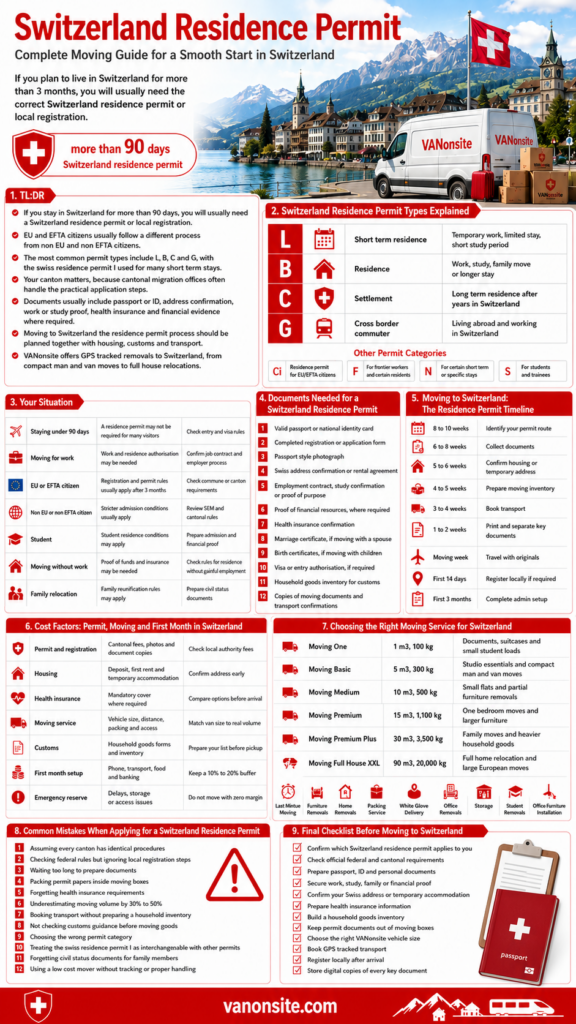
TL:DR
- If you stay in Switzerland for more than 90 days, you will usually need a Switzerland residence permit or local registration.
- EU and EFTA citizens usually follow a different process from non EU and non EFTA citizens.
- The most common permit types include L, B, C and G, with the swiss residence permit l used for many short term stays.
- Your canton matters, because cantonal migration offices often handle the practical application steps.
- Documents usually include passport or ID, address confirmation, work or study proof, health insurance and financial evidence where required.
- Moving to Switzerland the residence permit process should be planned together with housing, customs and transport.
- VANonsite offers GPS tracked removals to Switzerland, from compact man and van moves to full house relocations.




Do You Need a Switzerland Residence Permit?
In most cases, yes. If you plan to live in Switzerland for longer than 3 months, you should expect to deal with the Switzerland residence permit system. A short visitor stay is one thing. A real relocation is another.
A Switzerland residence permit is not only a document. It is the legal foundation of your new life. It can affect your ability to work, rent a home, register locally, open accounts and build long term stability. Switzerland is beautifully organised, but it is not casual about residence rules.
The authorities need to understand why you are staying, how long you plan to remain, whether you will work, whether you are studying, whether you are joining family and whether you can support yourself.
| Your Situation | Likely Requirement | First Step |
|---|---|---|
| Staying under 90 days | A residence permit may not be required for many visitors | Check entry and visa rules |
| Moving for work | Work and residence authorisation may be needed | Confirm job contract and employer process |
| EU or EFTA citizen | Registration and permit rules usually apply after 3 months | Check commune or canton requirements |
| Non EU or non EFTA citizen | Stricter admission conditions usually apply | Review SEM and cantonal rules |
| Student | Student residence conditions may apply | Prepare admission and financial proof |
| Moving without work | Proof of funds and insurance may be needed | Check rules for residence without gainful employment |
| Family relocation | Family reunification rules may apply | Prepare civil status documents |
For official information, start with the Swiss government page on permits for living in Switzerland. It gives a reliable overview before you check the exact requirements in your destination canton.
Switzerland Residence Permit Types Explained
The Switzerland residence permit system includes several categories. Each permit has a specific purpose, and choosing the wrong one can cause delays or confusion. You do not need to memorise every permit. What matters is matching your situation to the correct route.
L Permit: Short Term Residence
The swiss residence permit l is usually connected to a limited stay. For EU and EFTA citizens, it can apply to certain employment contracts lasting less than 12 months. It can also appear in other short term residence situations, depending on your nationality, purpose and canton.
Think of the swiss residence permit l as a bridge. It gives structure to a stay that is real, but not yet permanent. It may suit temporary workers, project based professionals, interns, students or people testing a new chapter in Switzerland.
A short term permit does not always mean a small move. Even a 6 month stay can involve furniture, office equipment, suitcases, sports gear, documents and delicate personal items. That is why many people use a compact man and van service instead of trying to force a serious relocation into checked luggage.
You can check official SEM information about the L EU/EFTA permit.
B Permit: Standard Residence
The B permit is one of the best known residence permits in Switzerland. For many people, it becomes the main residence permit Switzerland offers for a longer stay.
For EU and EFTA citizens, the B permit is commonly linked to an employment contract of at least 12 months or an unlimited employment contract. For non EU and non EFTA citizens, the process is usually more selective and may involve labour market checks, quotas, employer documents and cantonal approval.
If you are relocating for a serious job, family move, study period or longer stay, the B permit may become central to your plan. This is also where your moving logistics often become more substantial. A few suitcases may no longer be enough. You may need furniture removals, packing support, storage or a full home relocation.
You can find official SEM information about the B EU/EFTA permit.
C Permit: Settlement
The C permit is linked to longer term residence and stronger stability. It is usually available only after several years of legal residence in Switzerland, depending on nationality and personal circumstances.
For most people planning their first move, the C permit is not the starting point. Still, it matters because it shows the longer path. First you arrive. Then you settle into work, housing, insurance and local life. Later, if Switzerland becomes your long term home, settlement may become possible.
G Permit: Cross Border Commuter
The G permit is for cross border commuters. It may apply when someone lives outside Switzerland but works inside Switzerland. This is common in border regions near France, Germany, Italy or Austria.
If you plan to move your household fully into Switzerland, the G permit is usually not your main route. If you plan to live outside Switzerland and commute to work, it may be relevant.
Other Permit Categories
Switzerland also has other permit types and legal statuses, including Ci, F, N and S. These apply to specific situations, such as certain family members of international employees, provisional admission, asylum procedures or protection status.
| Permit | Main Meaning | Typical Use |
|---|---|---|
| L | Short term residence | Temporary work, limited stay, short study period |
| B | Residence | Work, study, family move or longer stay |
| C | Settlement | Long term residence after years in Switzerland |
| G | Cross border commuter | Living abroad and working in Switzerland |
| Ci | Residence with gainful employment | Specific family related cases |
| F | Provisionally admitted foreigners | Special admission status |
| N | Asylum seekers | Asylum procedure |
| S | People in need of protection | Protection status |
If you are unsure which Switzerland residence permit fits your case, check the official SEM overview of residence permits for EU/EFTA nationals or residence permits for non EU/EFTA nationals.
Residence Permit Switzerland Rules for EU and EFTA Citizens
For EU and EFTA citizens, the residence permit Switzerland process is often more straightforward than for third country nationals. That does not mean it is automatic or optional.
If you plan to stay longer than 3 months, you normally need to register with the competent local authority. In many cases, this means the commune where you live or the cantonal migration office. Your purpose of stay matters. Work, self employment, study, family reunification and residence without paid work can all lead to different requirements.
A typical EU or EFTA applicant may need:
- Valid passport or national identity card
- Employment contract, if moving for work
- Proof of self employment, if applicable
- Rental agreement or address confirmation
- Passport style photograph
- Health insurance evidence
- Student admission letter, if studying
- Proof of funds, if not working
- Marriage certificate or birth certificate, if moving with family
The biggest mistake is waiting until the boxes arrive. Moving to Switzerland the residence permit process should sit at the centre of your relocation calendar. Start with the legal route, then build housing, transport and customs around it.
A smart order looks like this:
- Confirm your Switzerland residence permit category.
- Check the rules in your destination canton.
- Secure housing or temporary address details.
- Prepare employment, study or financial documents.
- Book transport once your dates are realistic.
- Keep essential papers with you during the journey.
- Register locally within the required timeframe.
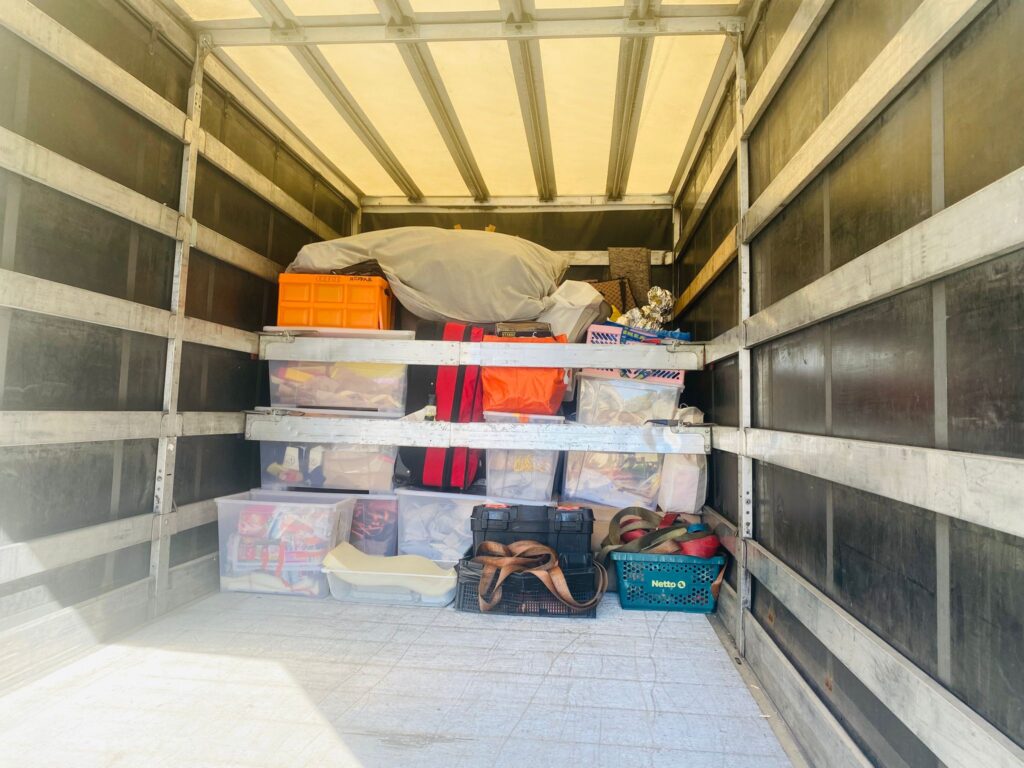
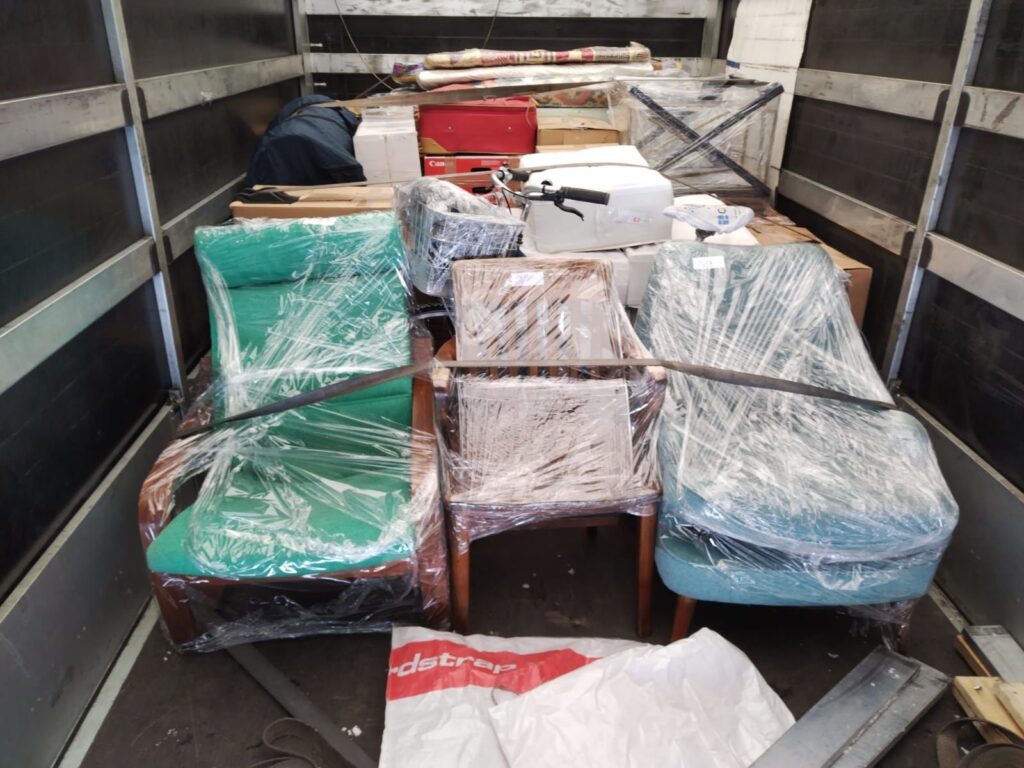
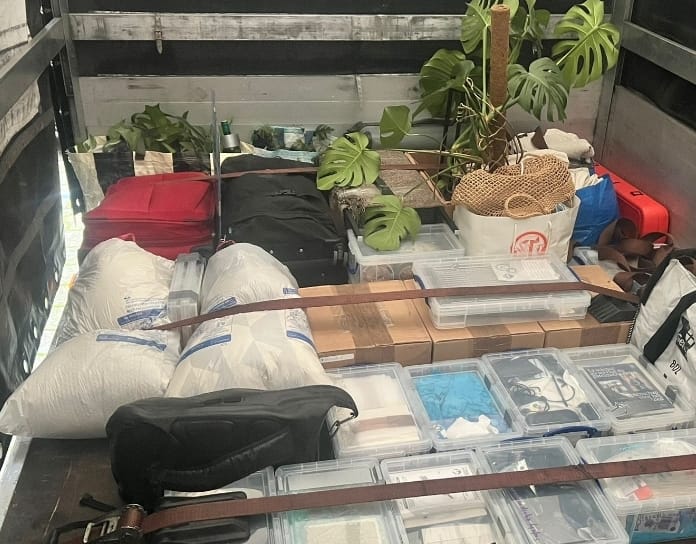
If your move is compact, VANonsite can support you with a flexible man and van option. If you are bringing a larger household, VANonsite can match your load with the right vehicle size and provide GPS tracked transport across Europe.
Switzerland Residence Permit Rules for Non EU and Non EFTA Citizens
For non EU and non EFTA citizens, the Switzerland residence permit process is usually stricter. Switzerland does not treat every application in the same way. Your qualifications, job offer, employer, financial position, family situation, canton and legal basis all matter.
If you are moving for work, your future employer often plays a key role. In many cases, the employer must start the process with the cantonal labour market or migration authorities. Non EU and non EFTA workers may be subject to quotas and additional admission criteria.
The Swiss government explains that the procedure for obtaining permission to work depends on nationality and employment type. You can check the official page on working in Switzerland as a foreign national.
For non EU and non EFTA citizens, documents may include:
- Passport valid for the required period
- Job contract or official employment offer
- Employer application documents
- Proof of qualifications
- CV and professional background evidence
- Visa approval, where required
- Housing details
- Health insurance information
- Financial evidence
- Family documents, if relocating with dependants
If you plan to live in Switzerland without work, the situation is different. Students, pensioners and people of private means may be able to reside in Switzerland if they meet the right criteria. Official information is available on living in Switzerland without gainful employment.
This is where preparation becomes priceless. A missing document can cost you weeks. A vague moving plan can create stress. A badly estimated load can turn a clean relocation into a bruising experience.
VANonsite helps with the physical side of the move, so your relocation does not collapse under pressure. From Last Minute Moving to full Home Removals, the service is designed for people who need reliability, not guesswork.
Documents Needed for a Switzerland Residence Permit
The document list for a Switzerland residence permit depends on your nationality, permit type and canton. However, most applicants should expect to prepare a clear, complete set of core documents.
Keep digital copies and printed copies. Keep originals separate from your moving boxes. If your passport, contract or permit paperwork disappears into a sealed carton, your first week in Switzerland can become needlessly tense.
A practical document checklist includes:
- Valid passport or national identity card
- Completed registration or application form
- Passport style photograph
- Swiss address confirmation or rental agreement
- Employment contract, study confirmation or proof of purpose
- Proof of financial resources, where required
- Health insurance confirmation
- Marriage certificate, if moving with a spouse
- Birth certificates, if moving with children
- Visa or entry authorisation, if required
- Household goods inventory for customs
- Copies of moving documents and transport confirmations
For official residence guidance, use the Swiss portal on permits for living in Switzerland and the SEM section on entry, residence and working.
If you are importing household goods, check the official Swiss guidance on moving to Switzerland. This is important because your personal belongings may need to pass through customs procedures.
A Switzerland residence permit application and a household move should not be planned in isolation. They touch each other. Your address, arrival date, inventory, employment start date and registration timing all form one chain.
Moving to Switzerland: The Residence Permit Timeline
A strong relocation has rhythm. It does not jump from panic to panic. It moves in controlled steps.
For most people, the best planning window is 8 to 10 weeks before the move. Some situations need more time, especially non EU employment, family reunification or complex customs cases.
| Time Before Move | What to Do | Why It Matters |
|---|---|---|
| 8 to 10 weeks | Identify your permit route | Rules differ by nationality and purpose |
| 6 to 8 weeks | Collect documents | Missing paperwork causes delays |
| 5 to 6 weeks | Confirm housing or temporary address | Registration often needs an address |
| 4 to 5 weeks | Prepare moving inventory | Customs planning becomes easier |
| 3 to 4 weeks | Book transport | Better timing and better vehicle choice |
| 1 to 2 weeks | Print and separate key documents | Vital papers should travel with you |
| Moving week | Travel with originals | You may need them quickly |
| First 14 days | Register locally if required | Many communes expect fast registration |
| First 3 months | Complete admin setup | Permit, insurance, bank and local services |
The phrase moving to Switzerland the residence permit may sound unusual, but it captures a real truth: the legal move and the physical move happen together. If one fails, the other becomes stressful.
For example, you might have the right job offer but no confirmed address. Or you might have a moving van booked but no customs inventory. Or your documents may be ready, but your furniture delivery date clashes with your registration appointment.
VANonsite helps remove pressure from the transport side. With GPS tracking for every load, flexible vehicle sizes and careful handling, your move becomes calmer and sharper.
Choosing the Right Moving Service for Switzerland
Switzerland rewards precision. Streets can be narrow. Apartment buildings can have strict access rules. Parking can be limited. Lifts may be small. Delivery slots may matter. In cities such as Zurich, Geneva, Basel and Lausanne, a poorly planned move can become expensive very quickly.
That is why choosing the right moving service matters.
VANonsite offers several relocation options, from small man and van jobs to large house moves. This gives you control over cost, space and timing.
| VANonsite Option | Capacity | Best For |
|---|---|---|
| Moving One | 1 m3, 100 kg | Documents, suitcases and small student loads |
| Moving Basic | 5 m3, 300 kg | Studio essentials and compact man and van moves |
| Moving Medium | 10 m3, 500 kg | Small flats and partial furniture removals |
| Moving Premium | 15 m3, 1,100 kg | One bedroom moves and larger furniture |
| Moving Premium Plus | 30 m3, 3,500 kg | Family moves and heavier household goods |
| Moving Full House XXL | 90 m3, 20,000 kg | Full home relocation and large European moves |
The right size is not just about volume. It is about avoiding damage, wasted journeys and last minute upgrades. Many people underestimate their load by 30% to 50%, especially when they forget awkward items such as mirrors, lamps, balcony furniture, office chairs, sports gear and kitchen equipment.
VANonsite can support different relocation needs, including:
- Last Minute Moving
- Furniture Removals
- Home Removals
- Packing Service
- White Glove Delivery
- Office Removals
- Storage
- Student Removals
- Office Furniture Installation
For Switzerland, GPS tracking is especially reassuring. When your belongings are crossing borders, silence feels heavy. Tracking gives you visibility. It turns waiting into knowing.
If you are already planning your Switzerland residence permit application, you can pair it with safe, premium removals to Switzerland.
How VANonsite Supports Your Move to Switzerland
A permit gets you permission to stay. A moving company gets your life there.
That may sound simple, but when you stand in an empty Swiss apartment with a new job starting on Monday, the difference between a professional mover and a risky cheap option becomes painfully clear.
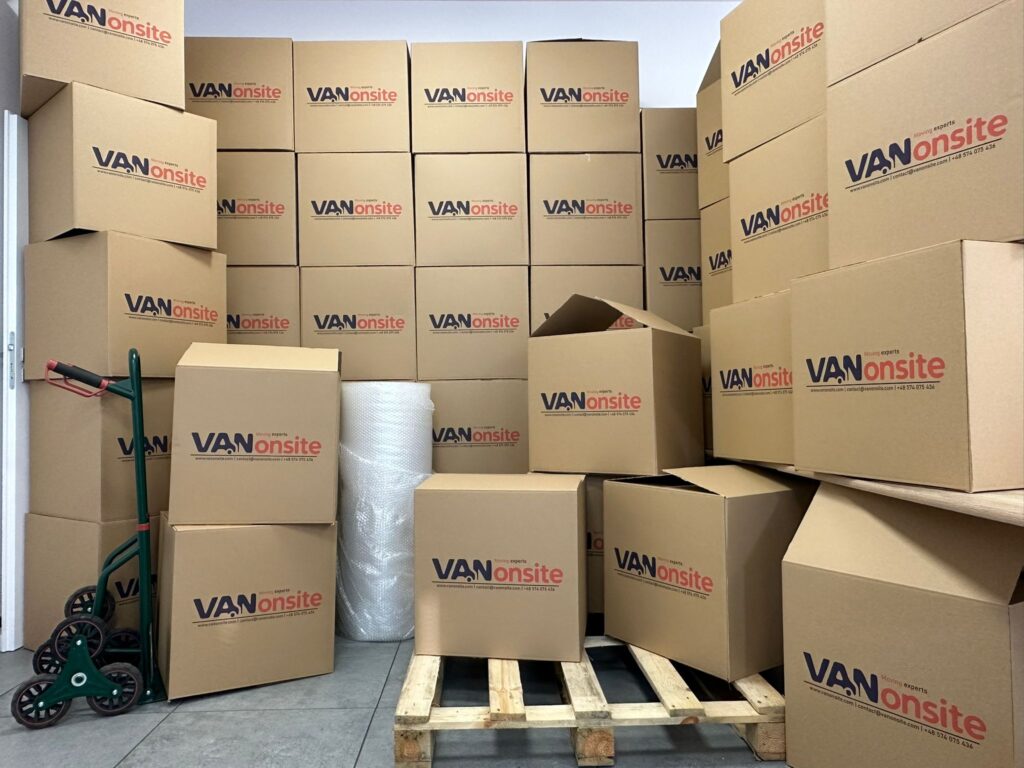
VANonsite is built for European removals where timing and trust matter. The company offers practical man and van options for smaller loads, but it also supports larger residential and office relocations.
VANonsite helps with:
- GPS tracked loads, so you know where your belongings are
- Flexible vehicle sizes from 1 m3 to 90 m3
- Student, family, professional and business moves
- Careful handling for furniture, fragile goods and premium items
- Packing support for safer transport
- White Glove Delivery for high value or delicate pieces
- Last Minute Moving when plans change suddenly
- European route experience
- Clear communication from pickup to delivery
The Switzerland residence permit process can already feel intense. Your moving service should not add more friction. It should make the experience feel safer, lighter and more controlled.
That is the quiet power of a good mover. You do not notice chaos, because someone has already removed it.

Common Mistakes When Applying for a Switzerland Residence Permit
Most relocation problems are not dramatic at first. They begin as small oversights. A missing copy. An expired passport. A wrong assumption about canton rules. A packed folder. A vague job document. A moving van that is too small.
Then suddenly, those small mistakes become delays.
Avoid these common Switzerland residence permit mistakes:
- Assuming every canton has identical procedures
- Checking federal rules but ignoring local registration steps
- Waiting too long to prepare documents
- Packing permit papers inside moving boxes
- Forgetting health insurance requirements
- Underestimating moving volume by 30% to 50%
- Booking transport without preparing a household inventory
- Not checking customs guidance before moving goods
- Choosing the wrong permit category
- Treating the swiss residence permit l as interchangeable with other permits
- Forgetting civil status documents for family members
- Using a low cost mover without tracking or proper handling
The antidote is simple: prepare early, check official sources and choose reliable transport.
After moving, local registration is also important. The Swiss portal provides guidance on notification of departure and registration, including registration with the new commune of residence.
Cost Factors: Permit, Moving and First Month in Switzerland
Switzerland is stunning, efficient and expensive. A move without a budget can quickly feel like a snowball rolling downhill.
The Switzerland residence permit itself may involve administrative fees, depending on the canton and permit type. But the permit is only one part of the cost picture. You should also budget for housing, insurance, moving, customs, deposits, furniture, transport and daily setup.
| Cost Area | What It May Include | Smart Tip |
|---|---|---|
| Permit and registration | Cantonal fees, photos and document copies | Check local authority fees |
| Housing | Deposit, first rent and temporary accommodation | Confirm address early |
| Health insurance | Mandatory cover where required | Compare options before arrival |
| Moving service | Vehicle size, distance, packing and access | Match van size to real volume |
| Customs | Household goods forms and inventory | Prepare your list before pickup |
| First month setup | Phone, transport, food and banking | Keep a 10% to 20% buffer |
| Emergency reserve | Delays, storage or access issues | Do not move with zero margin |
A cheaper transport quote may look tempting, but if it causes damage, delay or confusion, the real cost can jump fast. For a cross border move, a professional man and van service with GPS tracking can be the smarter emotional and financial choice.
VANonsite does not just move boxes. It helps protect momentum. That matters when your new job, lease, registration date and Switzerland residence permit process are all unfolding at the same time.
Moving With Family, Students or Office Equipment
Not every move to Switzerland looks the same. A student moving to Lausanne has a different reality from a family relocating to Zurich or a company moving office furniture to Geneva.
Student moves are often smaller, but timing can be tight. You may need to arrive before term starts, register your address, manage Switzerland residence permit requirements and move into accommodation during a narrow window.
A compact man and van option can be ideal for:
- Suitcases
- Bedding
- Books
- Desk equipment
- Small furniture
- Sports gear
- Kitchen basics
Students should also prepare admission documents, financial proof where required and health insurance information.
A family move is heavier, emotionally and physically. There are more documents, more furniture and more fragile routines. Children may need school records. Parents may need employment papers. Everyone needs their essentials accessible from day one.
For a family move, VANonsite Packing Service or a larger vehicle such as Moving Premium Plus or Moving Full House XXL can make the process more controlled.
An office relocation can involve desks, chairs, screens, meeting room furniture, storage units and installation needs. For business moves, downtime matters. A chaotic relocation can cost more than the transport itself.
VANonsite supports Office Removals and Office Furniture Installation, making the service useful for companies opening, expanding or relocating in Switzerland.
Switzerland Residence Permit FAQ
Do I need a Switzerland residence permit for more than 90 days?
Usually, yes. If you plan to stay in Switzerland for more than 3 months, you should expect to register or apply for the correct Switzerland residence permit. Your nationality and reason for staying decide the process.
What is the swiss residence permit l?
The swiss residence permit l is a short term residence permit. It is often linked to temporary employment, limited stay, study or another defined purpose. For EU and EFTA citizens, it may relate to employment contracts shorter than 12 months.
Is residence permit Switzerland paperwork different for EU and non EU citizens?
Yes. EU and EFTA citizens usually follow different rules from non EU and non EFTA citizens. Non EU and non EFTA citizens often face stricter admission conditions, especially for work.
Can I move my furniture before my permit is approved?
It depends on your entry status, customs situation and relocation plan. Always check official Swiss guidance before importing household goods. If your dates are clear, VANonsite can help plan safe, GPS tracked transport.
Where do I apply for a Switzerland residence permit?
In many cases, the practical process goes through the commune or cantonal migration office where you will live. Federal websites explain the general rules, but local authorities often handle the application steps.
How soon should I register after moving to Switzerland?
Registration requirements can depend on the canton and commune, so check local rules before arrival. In practice, new residents are often expected to register quickly after moving, so do not leave this step until later.
Can VANonsite help with last minute moving to Switzerland?
Yes. VANonsite offers Last Minute Moving and flexible man and van services across Europe, including Switzerland routes. Availability depends on distance, load size and timing.
Final Checklist Before Moving to Switzerland
Before you close your old front door, use this checklist. It can save time, money and nerves.
- Confirm which Switzerland residence permit applies to you
- Check official federal and cantonal requirements
- Prepare passport, ID and personal documents
- Secure work, study, family or financial proof
- Confirm your Swiss address or temporary accommodation
- Prepare health insurance information
- Build a household goods inventory
- Keep permit documents out of moving boxes
- Choose the right VANonsite vehicle size
- Book GPS tracked transport
- Register locally after arrival
- Store digital copies of every key document
Moving to Switzerland is not only an administrative step. It is a life shift. The Switzerland residence permit gives you the legal route to begin. The right moving partner helps you arrive with your belongings, your confidence and your plans intact.
If you want a safer, faster and better controlled move, explore VANonsite removals to Switzerland. From a compact man and van relocation to a full house move, VANonsite helps make the road to Switzerland feel clear, calm and powerfully possible.