Switzerland has a way of making people pause. The trains glide in on time. The streets feel polished. The mountains look almost unreal. Then comes the question that brings the dream back down to earth: what is the cost of living in Switzerland really like?
The honest answer is clear. The cost of living in Switzerland is high, but it is not mysterious. Once you know the numbers, the move becomes easier to plan, easier to control and far less stressful.
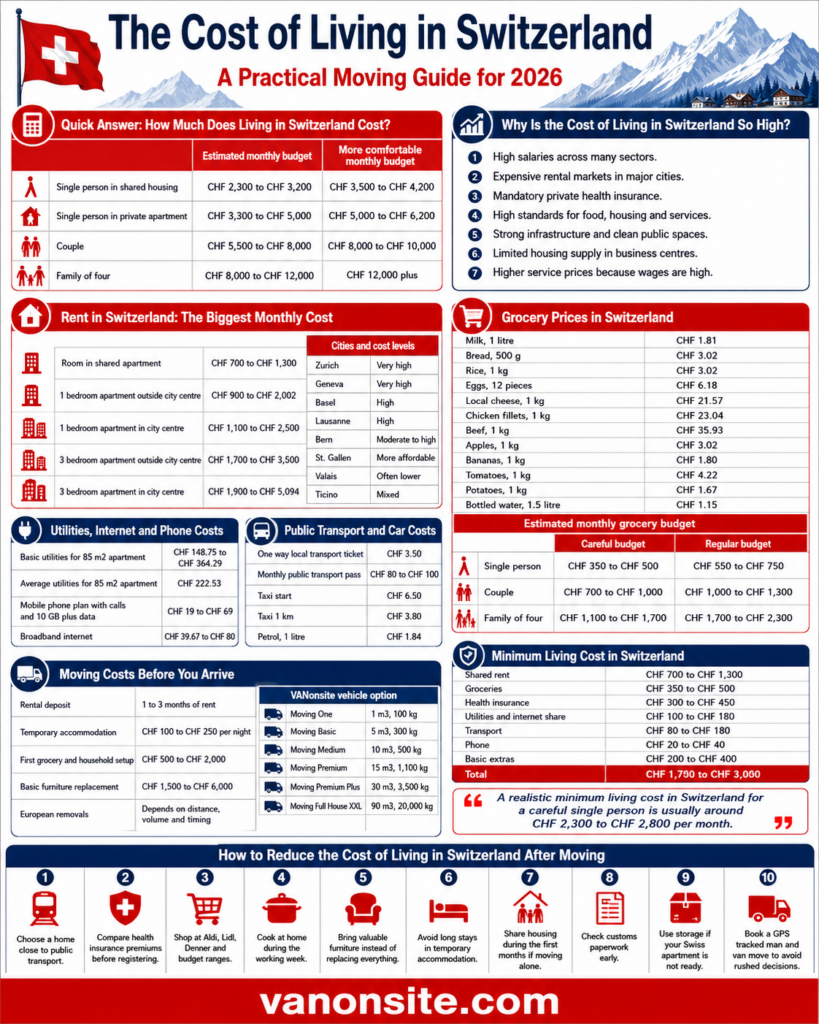
For a single person, the cost of living in Switzerland is often around CHF 3,200 to CHF 5,000 per month, depending on rent, city and lifestyle. A couple may need CHF 5,500 to CHF 8,000. A family of four can spend CHF 8,000 to CHF 12,000 per month, especially in Zurich, Geneva, Basel or Lausanne.
That may sound fierce. Still, Switzerland also offers strong salaries, safe cities, excellent infrastructure and a high standard of life. The key is not to guess. The key is to arrive prepared.
This guide explains the cost of living in Switzerland in a direct, practical way. You will find rent estimates, grocery prices, utility costs, health insurance, transport, moving expenses and smart budgeting tips. If you are planning a European relocation, VANonsite offers trusted removals to Switzerland, secure transport, GPS tracking and flexible man and van options designed for smooth international moves.
Quick Answer: How Much Does Living in Switzerland Cost?
The cost of living in Switzerland depends mainly on three things: rent, health insurance and location. Zurich and Geneva are usually the most expensive. Smaller cities and towns can be much more manageable.
| Household type | Estimated monthly budget | More comfortable monthly budget |
|---|---|---|
| Single person in shared housing | CHF 2,300 to CHF 3,200 | CHF 3,500 to CHF 4,200 |
| Single person in private apartment | CHF 3,300 to CHF 5,000 | CHF 5,000 to CHF 6,200 |
| Couple | CHF 5,500 to CHF 8,000 | CHF 8,000 to CHF 10,000 |
| Family of four | CHF 8,000 to CHF 12,000 | CHF 12,000 plus |
Many people search for minimum living cost in Switzerland before accepting a job offer. Others ask how much cost living in Switzerland or how much living cost in Switzerland because they want one clear number. The truth is that one number can mislead you. A CHF 6,000 salary can feel comfortable in one canton and tight in another.
As a simple rule, rent should ideally stay below 30% of your net income. Health insurance should be calculated before you move. Transport should be checked by exact route, not by city name. If you plan these three areas well, the cost of living in Switzerland becomes much easier to handle.




Why Is the Cost of Living in Switzerland So High?
The cost of living in Switzerland is high because the whole system is built around quality, stability and strong wages. Housing is limited in popular areas. Labour is expensive. Food quality is high. Public transport is excellent. Healthcare is private, mandatory and often costly.
The main reasons include:
- High salaries across many sectors.
- Expensive rental markets in major cities.
- Mandatory private health insurance.
- High standards for food, housing and services.
- Strong infrastructure and clean public spaces.
- Limited housing supply in business centres.
- Higher service prices because wages are high.
However, the cost of living in Switzerland should be viewed together with earning potential. A Swiss salary can be powerful, but only if your budget is realistic. The first three to six months are usually the most expensive because you may need a rental deposit, temporary accommodation, insurance setup, furniture transport and registration costs.
Rent in Switzerland: The Biggest Monthly Cost
Rent is usually the largest part of the cost of living in Switzerland. In popular cities, apartments can disappear quickly. Landlords often ask for documents, proof of income and a deposit. Competition can feel intense, especially in Zurich, Geneva and Lausanne.
| Rental type | Typical monthly price |
|---|---|
| Room in shared apartment | CHF 700 to CHF 1,300 |
| 1 bedroom apartment outside city centre | CHF 900 to CHF 2,002 |
| 1 bedroom apartment in city centre | CHF 1,100 to CHF 2,500 |
| 3 bedroom apartment outside city centre | CHF 1,700 to CHF 3,500 |
| 3 bedroom apartment in city centre | CHF 1,900 to CHF 5,094 |
The cost of living in Switzerland changes dramatically once rent is under control. A person paying CHF 1,200 for a room may live comfortably on a moderate salary. A person paying CHF 2,600 for a central one bedroom flat may feel pressure, even with a strong income.
Cities and cost levels
| City or area | Cost level | Best suited for |
|---|---|---|
| Zurich | Very high | Finance, tech, corporate careers |
| Geneva | Very high | International organisations, diplomacy |
| Basel | High | Pharma, research, cross border living |
| Lausanne | High | Students, professionals, lake lifestyle |
| Bern | Moderate to high | Government, families, calmer city life |
| St. Gallen | More affordable | Students, families, quieter living |
| Valais | Often lower | Nature lovers, remote workers |
| Ticino | Mixed | Italian speaking lifestyle, warmer climate |
A practical tip: look beyond the famous cities. Living 20 to 40 minutes away from a major business centre can reduce the cost of living in Switzerland without cutting you off from good jobs, schools and transport.
Grocery Prices in Switzerland
Groceries are another area where newcomers feel the cost of living in Switzerland quickly. A small basket can feel expensive if you are moving from Poland, Spain, Portugal, Germany or Italy. Still, careful shopping makes a real difference.
Discount chains such as Aldi, Lidl and Denner are popular for everyday staples. Migros and Coop also offer budget ranges and regular promotions. Cooking at home is one of the strongest ways to reduce the cost of living in Switzerland.
| Product | Average price |
|---|---|
| Milk, 1 litre | CHF 1.81 |
| Bread, 500 g | CHF 3.02 |
| Rice, 1 kg | CHF 3.02 |
| Eggs, 12 pieces | CHF 6.18 |
| Local cheese, 1 kg | CHF 21.57 |
| Chicken fillets, 1 kg | CHF 23.04 |
| Beef, 1 kg | CHF 35.93 |
| Apples, 1 kg | CHF 3.02 |
| Bananas, 1 kg | CHF 1.80 |
| Tomatoes, 1 kg | CHF 4.22 |
| Potatoes, 1 kg | CHF 1.67 |
| Bottled water, 1.5 litre | CHF 1.15 |
Estimated monthly grocery budget
| Household | Careful budget | Regular budget |
|---|---|---|
| Single person | CHF 350 to CHF 500 | CHF 550 to CHF 750 |
| Couple | CHF 700 to CHF 1,000 | CHF 1,000 to CHF 1,300 |
| Family of four | CHF 1,100 to CHF 1,700 | CHF 1,700 to CHF 2,300 |
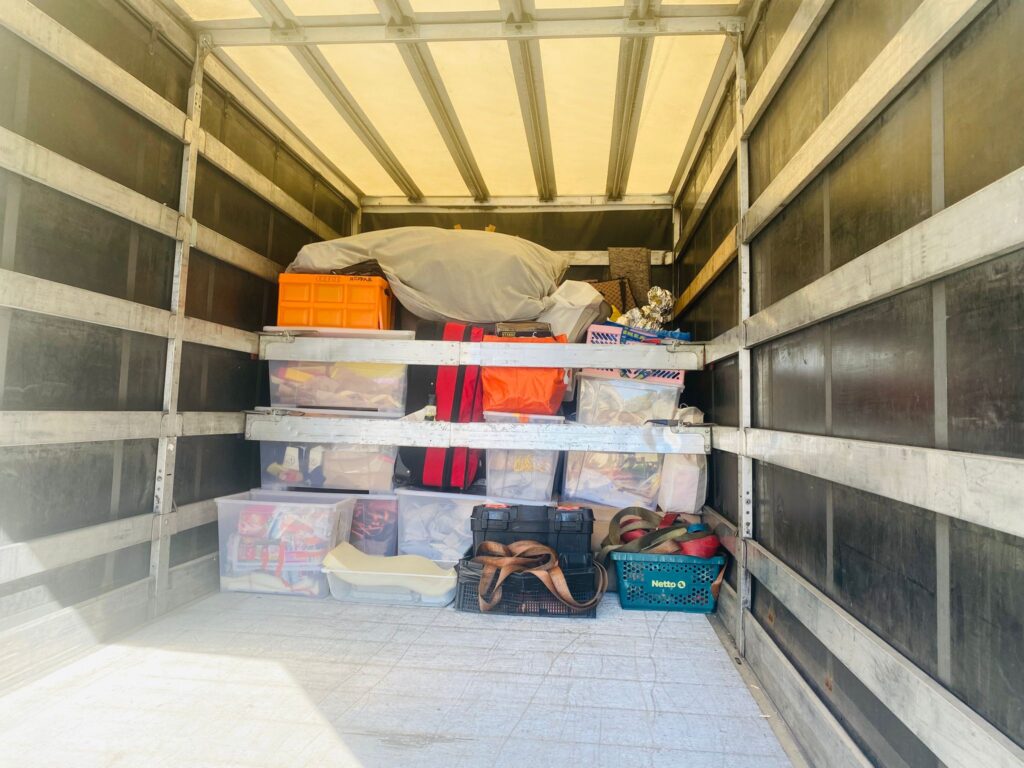
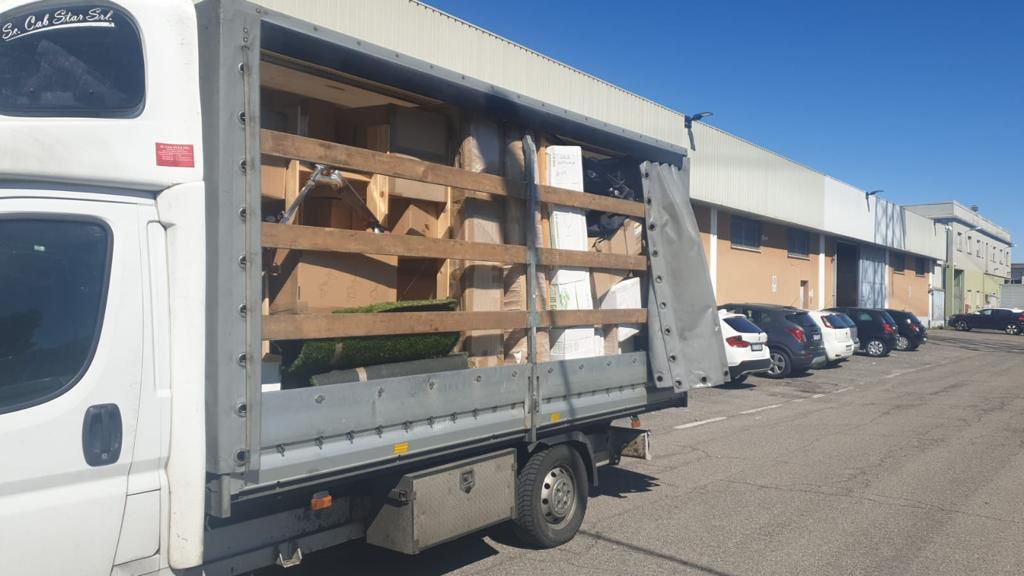
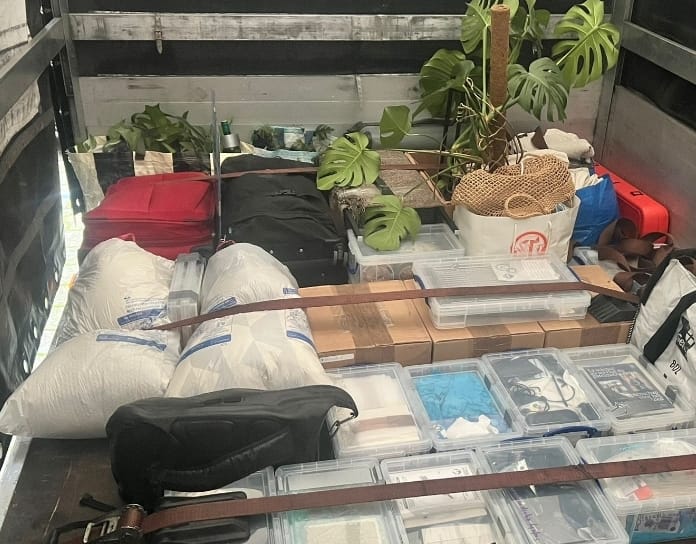
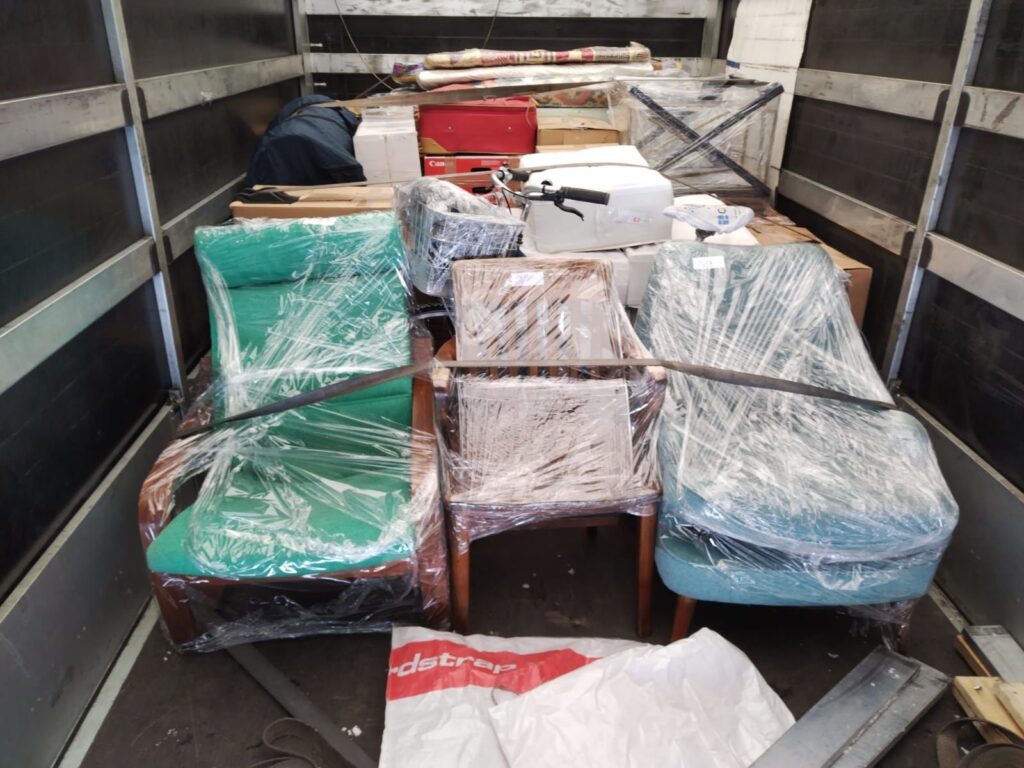
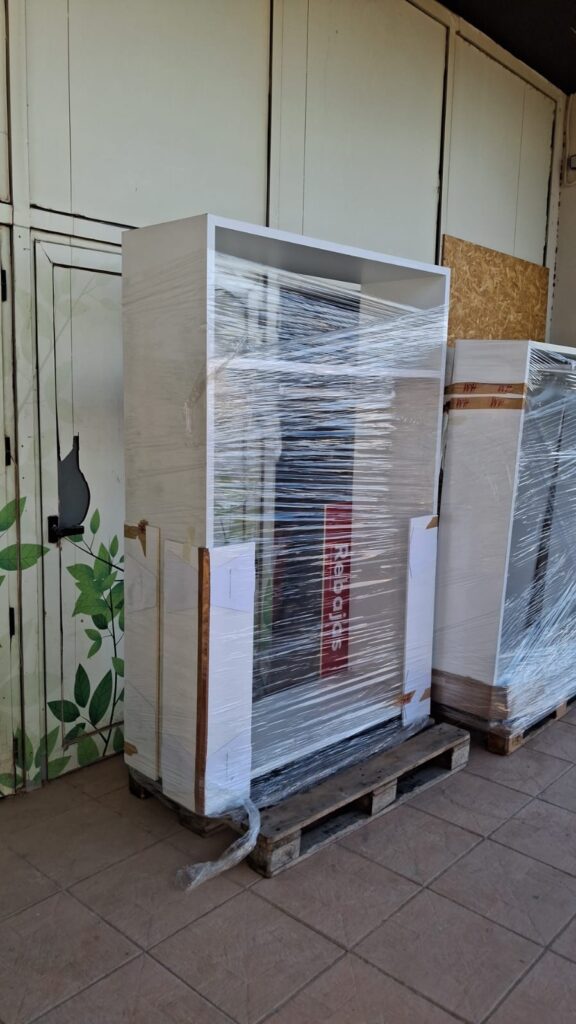
This is where moving choices matter too. If you already own quality kitchen equipment, furniture, office chairs, children’s beds or appliances, replacing them in Switzerland can be expensive. A professional man and van relocation may help you save hundreds or even thousands of francs after arrival.
Restaurants, Coffee and Everyday Spending
Restaurants can raise the cost of living in Switzerland very quickly. Eating out is enjoyable, but it is rarely casual from a budget point of view. A few unplanned lunches, coffees and weekend meals can add several hundred francs to your monthly spending.
| Item | Typical price |
|---|---|
| Meal in an inexpensive restaurant | CHF 25 |
| Meal for 2 in a mid range restaurant | CHF 100 |
| Fast food combo meal | CHF 15 |
| Cappuccino | CHF 5.07 |
| Soft drink | CHF 4.50 |
| Cinema ticket | CHF 20 |
| Fitness club monthly membership | CHF 70.87 |
A daily cappuccino can cost around CHF 150 per month. Two restaurant lunches per week may add CHF 200 to CHF 300. That does not mean you must live without pleasure. It simply means the cost of living in Switzerland rewards intention.
For anyone aiming for the minimum living cost in Switzerland, cooking at home, preparing work lunches and saving restaurants for weekends can make the budget feel far more generous.
Utilities, Internet and Phone Costs
Utilities are another important part of the cost of living in Switzerland. The exact amount depends on apartment size, heating system, canton, building efficiency and what is included in the rental contract.
| Monthly bill | Typical price |
|---|---|
| Basic utilities for 85 m2 apartment | CHF 148.75 to CHF 364.29 |
| Average utilities for 85 m2 apartment | CHF 222.53 |
| Mobile phone plan with calls and 10 GB plus data | CHF 19 to CHF 69 |
| Broadband internet | CHF 39 to CHF 70 |
A single person should usually reserve CHF 120 to CHF 220 per month for phone, internet and their share of utilities. A family should plan around CHF 300 to CHF 550. These figures are not the most shocking part of the cost of living in Switzerland, but they can still surprise newcomers when combined with rent and insurance.
Before signing a lease, check what is included. Heating, water, building charges and waste fees can be handled differently from one property to another.
Health Insurance in Switzerland
Health insurance is mandatory in Switzerland. It is also one of the most important costs to understand before moving. Unlike in some countries, basic health insurance is usually not simply handled by the employer. Residents choose and pay for their own insurance.
In 2026, the average Swiss health insurance premium is around CHF 393.30 per month, although prices vary by canton, age, provider, deductible and insurance model.
| Person | Estimated monthly health insurance cost |
|---|---|
| Child | CHF 90 to CHF 160 |
| Young adult | CHF 250 to CHF 380 |
| Adult | CHF 350 to CHF 560 plus |
| Family of four | CHF 1,000 to CHF 1,500 plus |
Health insurance can change the cost of living in Switzerland more than many people expect. A cheaper apartment may not always mean a cheaper life if insurance, taxes and commuting costs are higher in that area.
New residents should compare premiums early and understand the deductible system before choosing a policy. This is not paperwork to leave until the last week. It is a core part of your monthly Swiss budget.
Transport Costs in Switzerland
Swiss public transport is famous for a reason. It is clean, punctual and beautifully connected. Trains, trams, buses and boats make it possible to live without a car in many places. That can significantly reduce the cost of living in Switzerland.
| Transport item | Typical price |
|---|---|
| One way local transport ticket | CHF 3.50 |
| Monthly public transport pass | CHF 70 to CHF 180 |
| Taxi start tariff | CHF 6.50 |
| Taxi, 1 km | CHF 3.80 |
| Petrol, 1 litre | CHF 1.80 |
| Lifestyle | Monthly transport budget |
|---|---|
| Walk and cycle often | CHF 40 to CHF 100 |
| Local public transport user | CHF 80 to CHF 180 |
| Regular intercity traveller | CHF 250 to CHF 500 |
| Car owner | CHF 600 to CHF 1,200 plus |
If you are choosing between two apartments, do not compare rent only. Compare commute time, transport pass costs, parking and access to shops. A flat that looks CHF 300 cheaper can become more expensive if transport costs rise sharply.
Moving Costs Before You Arrive
The cost of living in Switzerland begins before your first full month in the country. Moving itself can create a sharp wave of expenses. You may need temporary accommodation, rental deposit, customs paperwork, insurance, furniture transport and first household purchases.
| Moving related cost | Typical budget |
|---|---|
| Rental deposit | 1 to 3 months of rent |
| Temporary accommodation | CHF 100 to CHF 250 per night |
| First grocery and household setup | CHF 500 to CHF 2,000 |
| Basic furniture replacement | CHF 1,500 to CHF 6,000 |
| European removals | Depends on distance, volume and timing |
This is why planning your relocation matters. Rebuying furniture in Switzerland can be painfully expensive. Bringing the right belongings with you can lower your setup costs and soften the first months.
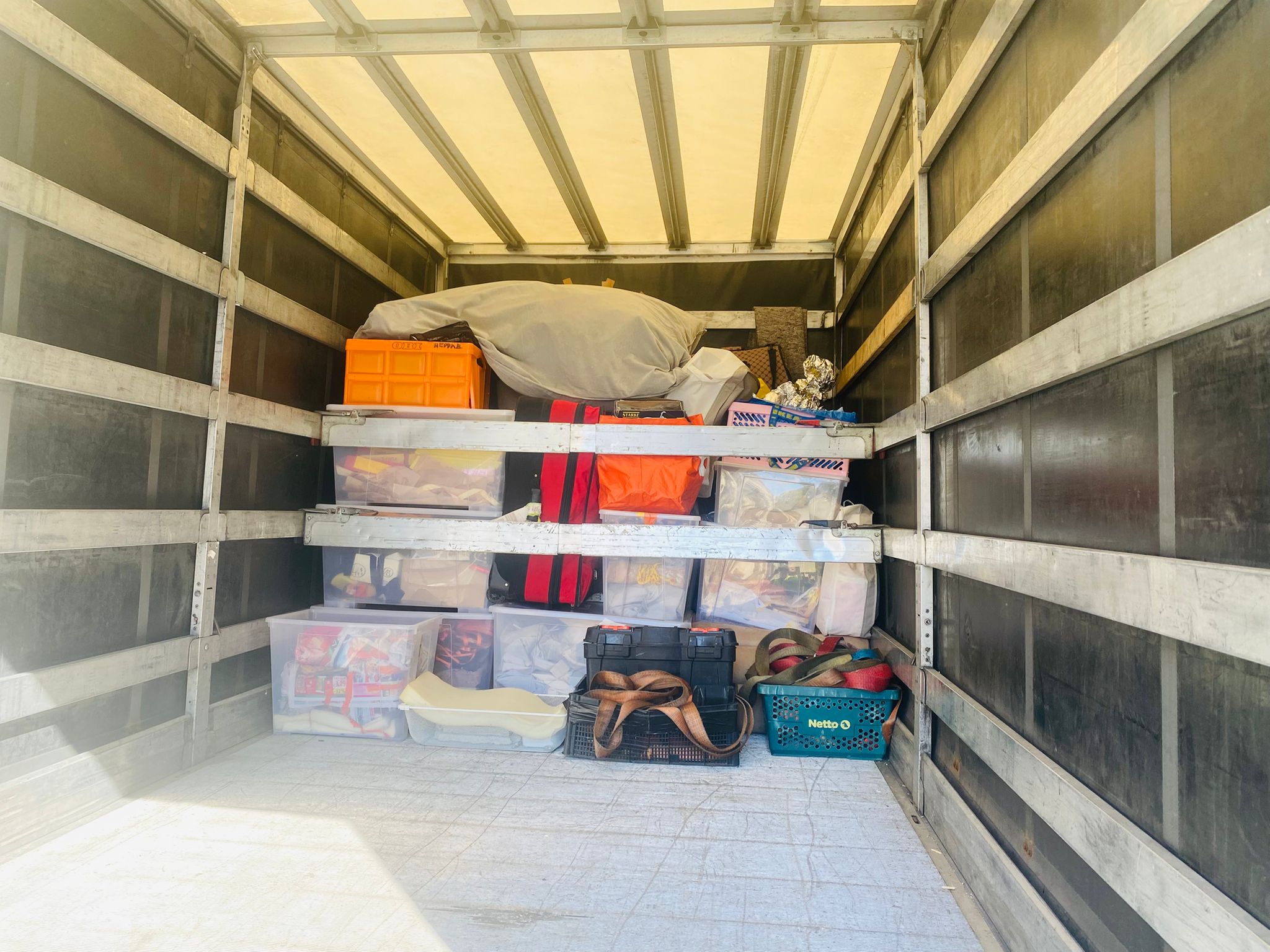
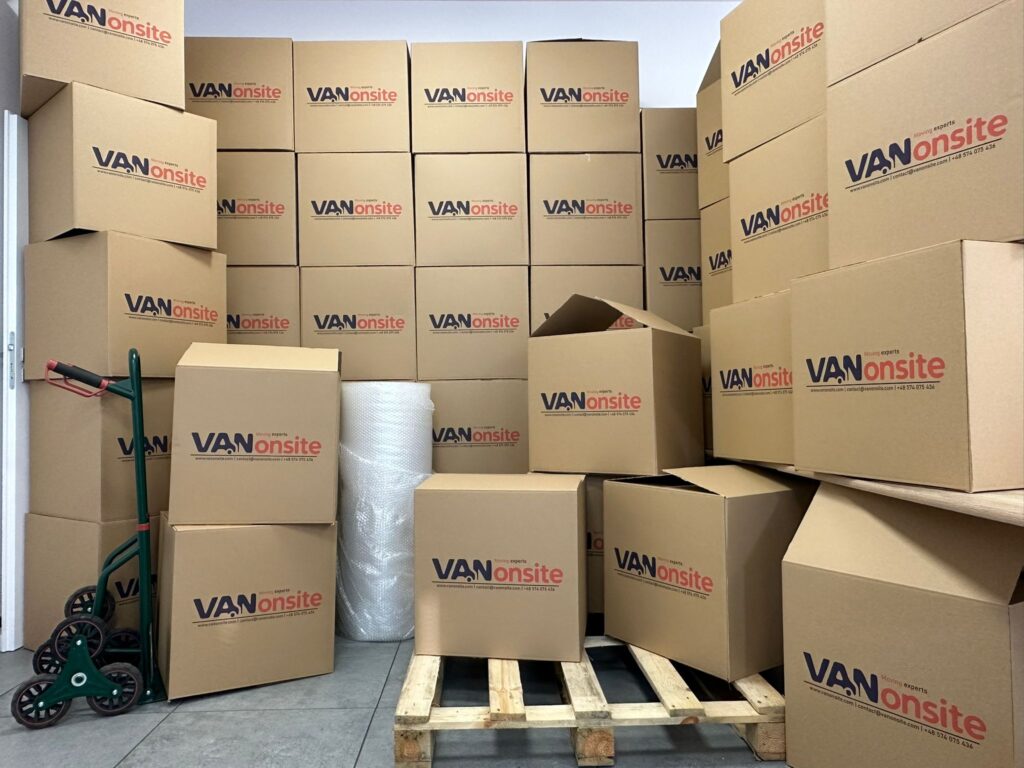
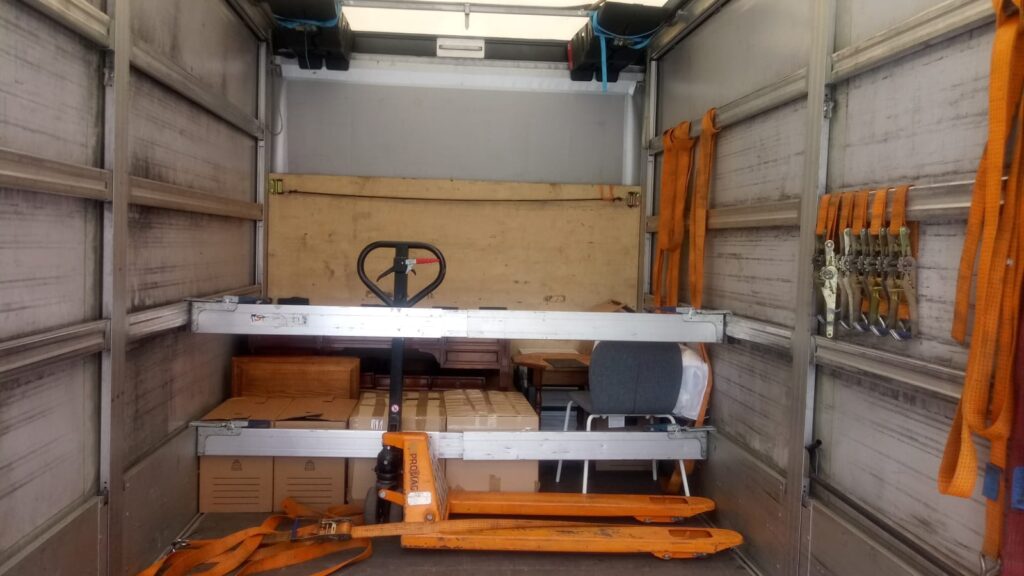
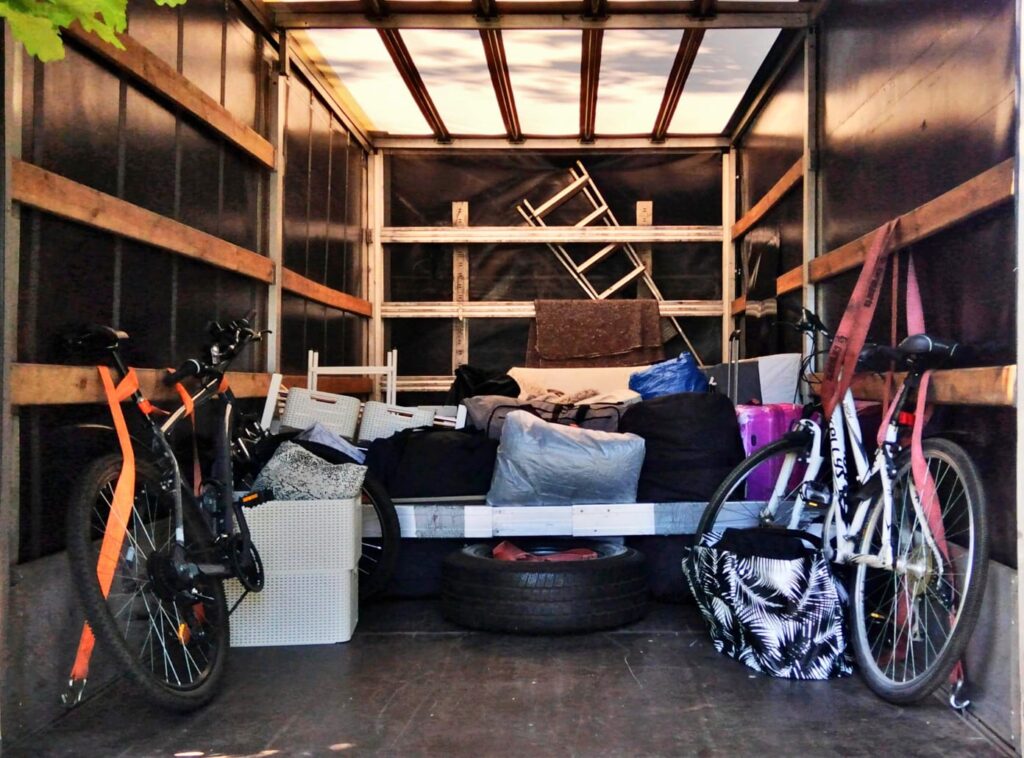
VANonsite supports moves across Europe with secure removals, fast scheduling and GPS tracking for every load. The company offers services such as Last Minute Moving, Furniture Removals, Home Removals, Packing Service, White Glove Delivery, Office Removals, Storage, Student Removals and Office Furniture Installation.
| VANonsite vehicle option | Capacity | Best for |
|---|---|---|
| Moving One | 1 m3, 100 kg | Essentials, documents, small boxes |
| Moving Basic | 5 m3, 300 kg | Student move or compact room |
| Moving Medium | 10 m3, 500 kg | Studio or partial apartment |
| Moving Premium | 15 m3, 1,100 kg | Larger apartment move |
| Moving Premium Plus | 30 m3, 3,500 kg | Family move or larger load |
| Moving Full House XXL | 90 m3, 20,000 kg | Full house relocation |
A man and van option is especially useful if you do not need a large truck but still want careful handling, reliable timing and a safer move than trying to manage everything alone.


Documents Needed When Moving to Switzerland
Before moving, check the official Swiss rules for your nationality, work status and length of stay. EU and EFTA citizens can enter Switzerland with a valid recognised identity document, but stays longer than 90 days require registration and authorisation from the relevant canton. Non EU and non EFTA citizens may need additional permits or visas depending on their situation.
Useful official sources include the Swiss FDFA entry and residence information and the State Secretariat for Migration, SEM.
Prepare the following documents before your move:
- Valid passport or national ID.
- Employment contract or proof of sufficient funds.
- Rental agreement or Swiss address.
- Health insurance confirmation.
- Birth and marriage certificates, if relevant.
- Work or residence permit documents, if required.
- Inventory list for household goods.
- Customs documents for imported personal belongings.
Good paperwork saves time, money and stress. It also helps your removal company plan the transport accurately, especially if you are moving furniture, office equipment or a full household.
Minimum Living Cost in Switzerland
The minimum living cost in Switzerland is possible to control, but it requires discipline. Shared housing, home cooking, careful shopping and public transport are essential. A private central apartment, frequent restaurants and car ownership will push the budget up fast.
| Category | Budget monthly cost for single person |
|---|---|
| Shared rent | CHF 700 to CHF 1,300 |
| Groceries | CHF 350 to CHF 500 |
| Health insurance | CHF 300 to CHF 450 |
| Utilities and internet share | CHF 100 to CHF 180 |
| Transport | CHF 80 to CHF 180 |
| Phone | CHF 20 to CHF 40 |
| Basic extras | CHF 200 to CHF 400 |
| Total | CHF 1,750 to CHF 3,050 |
A realistic minimum living cost in Switzerland for a careful single person is usually around CHF 2,300 to CHF 2,800 per month. Living below that may be possible with very cheap housing, but it can feel tight and fragile.
For couples, sharing rent can help. For families, location is the biggest lever. The cost of living in Switzerland becomes far easier when housing, childcare and transport are planned together instead of separately.
How Much Cost Living in Switzerland Compared With Other European Countries?
People often ask how much cost living in Switzerland compared with Germany, France, Italy, Poland or Spain. In most everyday categories, Switzerland is more expensive. Rent, restaurants, insurance, childcare and services usually cost more.
Yet the comparison is not complete without salary. Switzerland often offers higher wages, stronger purchasing power and excellent public services. A high salary can cover the cost of living in Switzerland comfortably, but only if rent and insurance do not swallow too much of it.
Use this quick test before accepting a job offer:
- Calculate your net monthly income, not gross salary.
- Keep rent below 30% of net income if possible.
- Add health insurance for each household member.
- Check transport costs by exact route.
- Estimate first month moving and setup costs.
- Add childcare if you have children.
- Keep an emergency buffer for at least 2 to 3 months.
A Swiss offer can look dazzling on paper. The real question is how much remains after the essentials.
How Much Living Cost in Switzerland for Families?
Families need extra caution because childcare, larger homes and insurance can push the cost of living in Switzerland sharply upward.
| Family cost | Typical monthly range |
|---|---|
| 3 bedroom apartment | CHF 1,700 to CHF 5,094 |
| Groceries | CHF 1,100 to CHF 2,300 |
| Health insurance | CHF 1,000 to CHF 1,500 plus |
| Utilities, phone and internet | CHF 350 to CHF 650 |
| Transport | CHF 250 to CHF 800 |
| Childcare per child | CHF 1,675 to CHF 3,250 |
| Leisure, clothing and extras | CHF 500 to CHF 1,500 |
For families, choosing the right town can save a remarkable amount. A home outside the city centre may offer more space, calmer streets and lower rent. If public transport is strong, the trade off can be excellent.
Families should also think carefully about what to bring. Beds, wardrobes, desks, baby furniture and dining sets can be expensive to replace. A planned VANonsite removal can help protect your setup budget and reduce the pressure of the first month.
How to Reduce the Cost of Living in Switzerland After Moving
The cost of living in Switzerland is high, but it is not fixed. Small choices create powerful savings over time.
Here are practical ways to lower monthly costs:
- Choose a home close to public transport.
- Compare health insurance premiums before registering.
- Shop at Aldi, Lidl, Denner and budget ranges.
- Cook at home during the working week.
- Bring valuable furniture instead of replacing everything.
- Avoid long stays in temporary accommodation.
- Share housing during the first months if moving alone.
- Check customs paperwork early.
- Use storage if your Swiss apartment is not ready.
- Book a GPS tracked man and van move to avoid rushed decisions.
The first months matter most. If you move with a plan, you can avoid panic purchases, expensive last minute transport and unnecessary replacement costs.
Is Switzerland Worth the Cost?
Yes, Switzerland can be worth it. The country is expensive, but it also offers safety, order, clean cities, strong salaries and extraordinary landscapes. The cost of living in Switzerland is not a reason to give up on the move. It is a reason to prepare well.
For a single person, careful planning can keep monthly costs near CHF 2,300 to CHF 3,200 with shared housing. A more comfortable private lifestyle may require CHF 3,500 to CHF 5,000 or more. Couples should often prepare CHF 5,500 to CHF 8,000. Families should plan with even more care, especially if childcare is involved.
The smartest move is to treat relocation as one connected budget. Rent, insurance, transport, groceries, furniture and moving costs all shape the same reality. When these numbers are clear, the cost of living in Switzerland becomes manageable.
VANonsite helps make that first step smoother with secure European removals, GPS tracked loads, flexible vehicle sizes and dependable man and van transport. Whether you are moving a few essential boxes, student belongings, office furniture or a full family home, the right plan can protect your budget and your peace of mind.
Your Swiss life should not begin with chaos. It should begin with confidence.
Plan your move with VANonsite and explore trusted removals to Switzerland.