
What is living in Switzerland like? It is clean, secure, expensive, precise and quietly spectacular. Switzerland offers strong salaries, reliable transport, safe cities and landscapes that can make an ordinary commute feel like a film scene. Yet the move also comes with serious planning. Housing is competitive, health insurance is mandatory, paperwork matters and everyday costs can be striking.
For many people, Switzerland begins as a dream: a better job, a world class university, a safer family life or a calmer future near lakes and mountains. Then the practical questions appear. What is it like living in Switzerland after the first exciting week? How much money do you really need? What documents should you prepare? How do you move furniture, boxes, bikes, pets or office equipment across the border without losing control?
This guide gives you a clear answer. It explains lifestyle, costs, visas, housing, documents, customs, culture and moving logistics. When you are ready to turn the plan into action, VANonsite removals to Switzerland can help with GPS tracked European transport, careful handling and flexible man and van solutions for small moves, full homes, students and businesses.
TL:DR
- Switzerland offers one of Europe’s highest quality lifestyles, with clean cities, safe streets, strong salaries and breathtaking nature.
- The cost of living is high, especially rent, health insurance, restaurants, childcare, groceries and personal services.
- If you stay longer than 90 days, you may need a residence permit, local registration or a living in Switzerland visa, depending on your nationality.
- Housing is competitive, so prepare ID, proof of income, permit details, references and deposit funds before applying.
- Household goods can often be moved to Switzerland, but customs rules apply and a detailed inventory is strongly recommended.
- A professional man and van service is useful because Swiss moves reward timing, careful paperwork, precise loading and reliable delivery.
- VANonsite supports moves to Switzerland with GPS tracked transport, packing services, furniture removals, home removals, student removals, office removals, storage and White Glove Delivery.




What Is Living in Switzerland Like in Daily Life?
What is living in Switzerland like on a normal day? It often feels smooth, calm and carefully designed. Trains run with impressive precision. Streets are clean. Public spaces are well maintained. Lakes, forests and mountains are close enough to become part of your weekly routine, not just a holiday fantasy.
Daily life is shaped by order. Recycling is taken seriously. Apartment quiet hours matter. Sundays are usually peaceful. Public transport is dependable. People often value privacy, punctuality and respect for shared spaces. At first, this can feel strict. After a few months, many newcomers start to see it as a luxury.
The country is not loud with warmth, but it is strong on trust. A stranger may not become your best friend overnight, yet appointments are kept, bills are clear and systems usually work. For people moving from more chaotic cities, that reliability can feel priceless.
Still, Switzerland is not effortless. What is living in Switzerland like if you arrive without preparation? Stressful. High rent, mandatory insurance, local registration, customs rules and housing pressure can become overwhelming. The secret is simple: plan early, budget realistically and treat the move as a serious relocation, not an extended holiday.
Quick Answer: What Is It Like Living in Switzerland?
| Area | What to Expect |
|---|---|
| Cost of living | Very high, especially rent, healthcare, restaurants and childcare |
| Salaries | Strong compared with many European countries |
| Safety | Excellent in most towns and cities |
| Transport | Reliable trains, trams, buses and regional links |
| Housing | Competitive, formal and often expensive |
| Work culture | Punctual, precise, structured and quality focused |
| Lifestyle | Clean, calm, outdoor oriented and family friendly |
| Moving difficulty | Manageable with early planning, correct documents and trusted transport |
| Best for | Professionals, families, students, outdoor lovers and people who value stability |
| Biggest shock | Prices, paperwork and strict apartment rules |
Switzerland is a premium life system. You pay more, but you often receive more: safety, stability, infrastructure, natural beauty and a powerful sense that public life is managed with care.
Pros and Cons of Living in Switzerland
Every country has a shadow behind the postcard. Switzerland’s postcard is dazzling, but the practical side deserves respect.
Pros of Living in Switzerland
- Strong salaries in finance, technology, healthcare, engineering, pharmaceuticals and international organisations.
- Excellent public transport across cities, villages and alpine regions.
- Clean streets, safe public spaces and well maintained infrastructure.
- Easy access to lakes, mountains, forests and ski areas.
- High quality healthcare.
- Strong schools and family friendly neighbourhoods.
- Stable economy and efficient administration.
- International communities in cities such as Zurich, Geneva, Basel and Lausanne.
- Professional work culture based on punctuality and competence.
Cons of Living in Switzerland
- Rent can take a large share of monthly income.
- Health insurance is mandatory and can be costly.
- Restaurants, childcare and services are expensive.
- Social integration can take time.
- Local rules can feel strict.
- Rental applications may be formal and competitive.
- Some areas are difficult without German, French or Italian.
- Moving goods across the border requires customs awareness.
So, whats it like living in Switzerland if you come from a more relaxed country? At first, it may feel like entering a polished machine. Everything works, but everything has a rule. Then, slowly, the rules start to feel less like pressure and more like protection.
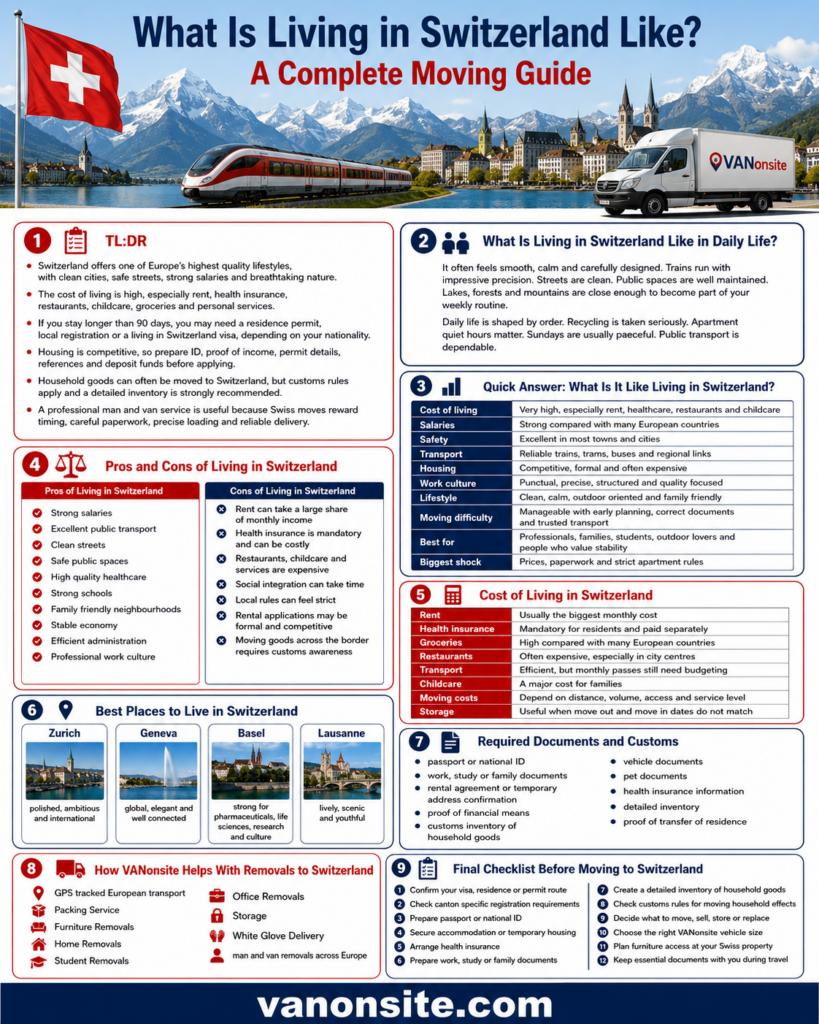
Cost of Living in Switzerland
The cost of living is one of the biggest reasons people ask what is living in Switzerland like before moving. Switzerland is expensive, and not only in the obvious ways. Rent, health insurance, groceries, restaurants, childcare, repairs and personal services can all feel sharp.
In major cities such as Zurich, Geneva, Basel and Lausanne, housing is usually the largest cost. A good salary can be balanced by high rent, especially for families needing more space. Eating out regularly can drain a budget quickly. Even simple services can cost far more than newcomers expect.
Still, the financial picture is not only negative. Switzerland also offers high earning potential. Skilled professionals may find that higher income offsets higher expenses. The danger is arriving with a budget based on another country. Switzerland needs its own numbers.
| Expense Category | What to Know |
|---|---|
| Rent | Usually the biggest monthly cost |
| Health insurance | Mandatory for residents and paid separately |
| Groceries | High compared with many European countries |
| Restaurants | Often expensive, especially in city centres |
| Transport | Efficient, but monthly passes still need budgeting |
| Childcare | A major cost for families |
| Moving costs | Depend on distance, volume, access and service level |
| Storage | Useful when move out and move in dates do not match |
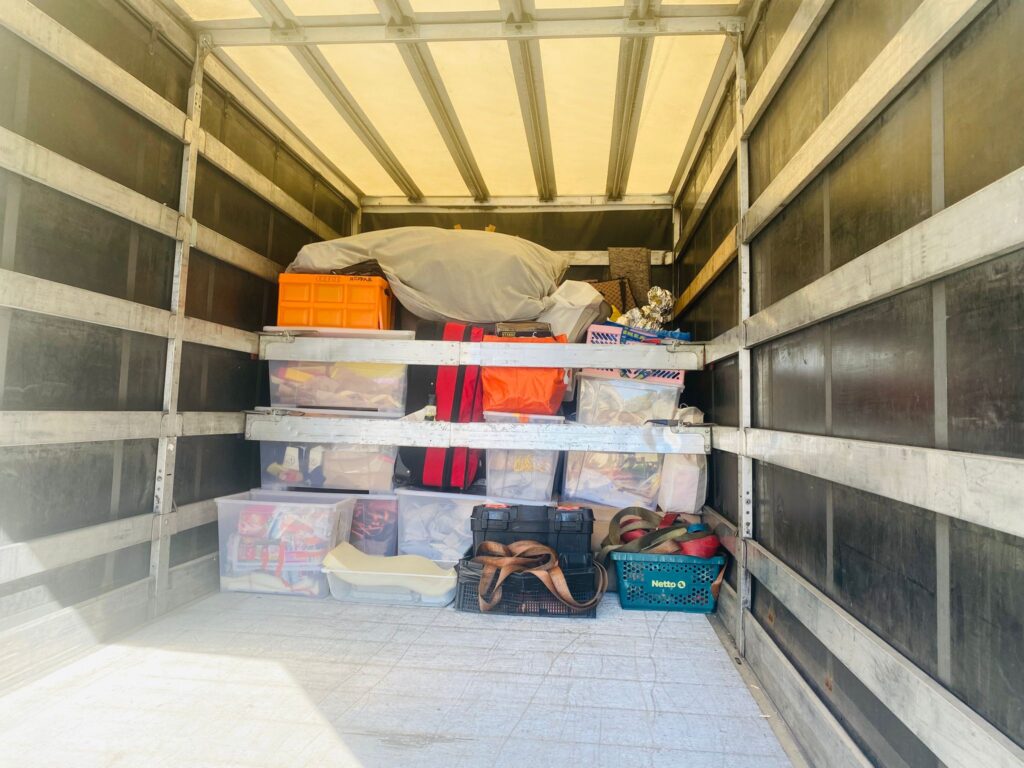
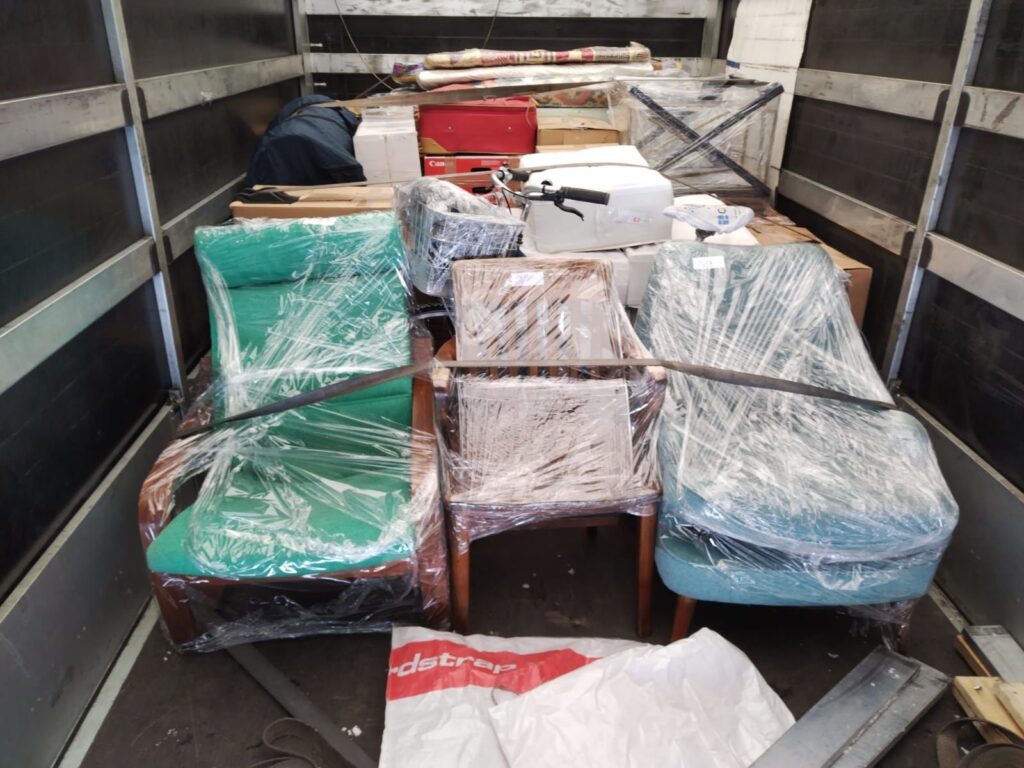
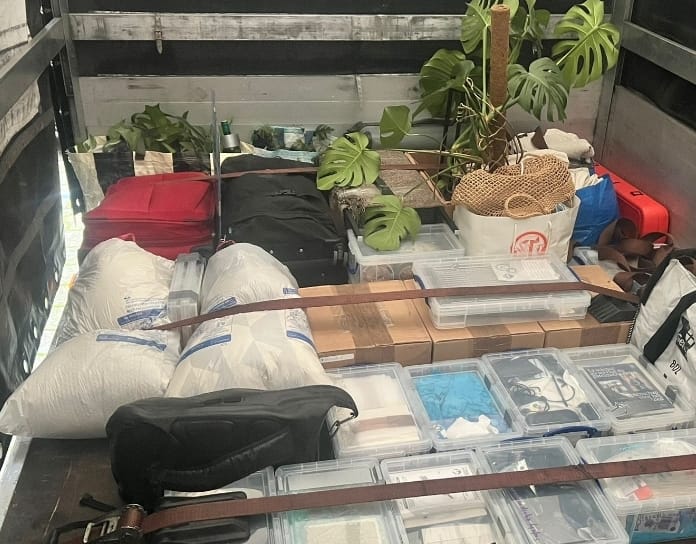
A realistic plan should include at least three layers: first month costs, monthly living costs and relocation costs. Moving safely can save money in the long run because damaged furniture, border delays and last minute storage can become expensive fast.
VANonsite helps by matching the vehicle to the real size of your move. That means you do not pay for space you do not need, and you do not risk squeezing too much into a van that is too small.
Best Places to Live in Switzerland
What is living in Switzerland like depends heavily on the canton and city you choose. Switzerland is small on a map, but daily life changes quickly between language regions, tax systems, housing markets and job centres.
Zurich
Zurich is polished, ambitious and international. It suits people working in finance, technology, consulting, startups and global companies. It has lake life, excellent transport, strong salaries and a vibrant cultural scene. The main challenge is cost, especially rent.
Geneva
Geneva is ideal for diplomacy, international organisations, finance, luxury services and French speaking life. It is global, elegant and well connected. Housing can be competitive, so early preparation is essential.
Basel
Basel is strong for pharmaceuticals, life sciences, research and culture. Its location near France and Germany gives it a cross border character. It can be practical for professionals who want Swiss employment with regional flexibility.
Lausanne
Lausanne is lively, scenic and youthful. It suits students, academics, entrepreneurs and professionals who want a French speaking environment near Lake Geneva.
Bern
Bern is calm, historic and family friendly. It offers a slower rhythm, beautiful architecture and strong public services. It is a good choice for people who want structure without the intensity of Zurich or Geneva.
Zug
Zug attracts entrepreneurs, executives and finance professionals. It is known for business, tax efficiency and lakeside living. It is also expensive and highly sought after.
Lugano
Lugano offers Italian speaking Switzerland, warmer weather and a softer Mediterranean feel. It is scenic, relaxed and still unmistakably Swiss in its organisation.
Living in Switzerland Visa and Residence Requirements
The living in Switzerland visa process depends on your nationality, purpose of stay and length of residence. If you plan to stay longer than 90 days, do not treat the move like a long tourist visit. You may need registration, a residence permit or work authorisation.
EU and EFTA citizens generally follow a different route from non EU and non EFTA citizens. Non EU citizens usually face stricter requirements, especially for work based relocation. Rules can also vary by canton, so always check the official guidance for your situation.
Useful official resources include:
- Swiss State Secretariat for Migration guidance for EU and EFTA citizens
- Swiss residence permits on ch.ch
- Entry into Switzerland and residence information
Common permit categories include short term residence, longer residence, settlement permits, student related permission and cross border commuter permits. Your route may depend on work, study, family reunification, self employment or another legal basis.
A practical rule works well: confirm your residence path before booking the final moving date. A van can reach Switzerland quickly. Missing documents can slow everything down.
Documents You May Need When Moving to Switzerland
Paperwork may not feel exciting, but it is the hinge that makes the relocation swing open. Switzerland is precise. Your documents should be too.
Depending on your circumstances, you may need:
- Valid passport or national ID.
- Work contract or employer confirmation.
- Rental contract or accommodation confirmation.
- Proof of financial means.
- Health insurance information.
- Birth certificates for children.
- Marriage certificate for family moves.
- University admission letter for students.
- Customs inventory for household goods.
- Vehicle papers if importing a car.
- Pet passport, microchip and rabies vaccination documents if moving with animals.
- Residence permit application documents.
For household goods and customs, check Swiss customs information about moving household effects. If you are moving with pets, review the official Swiss rules for travelling with pets.
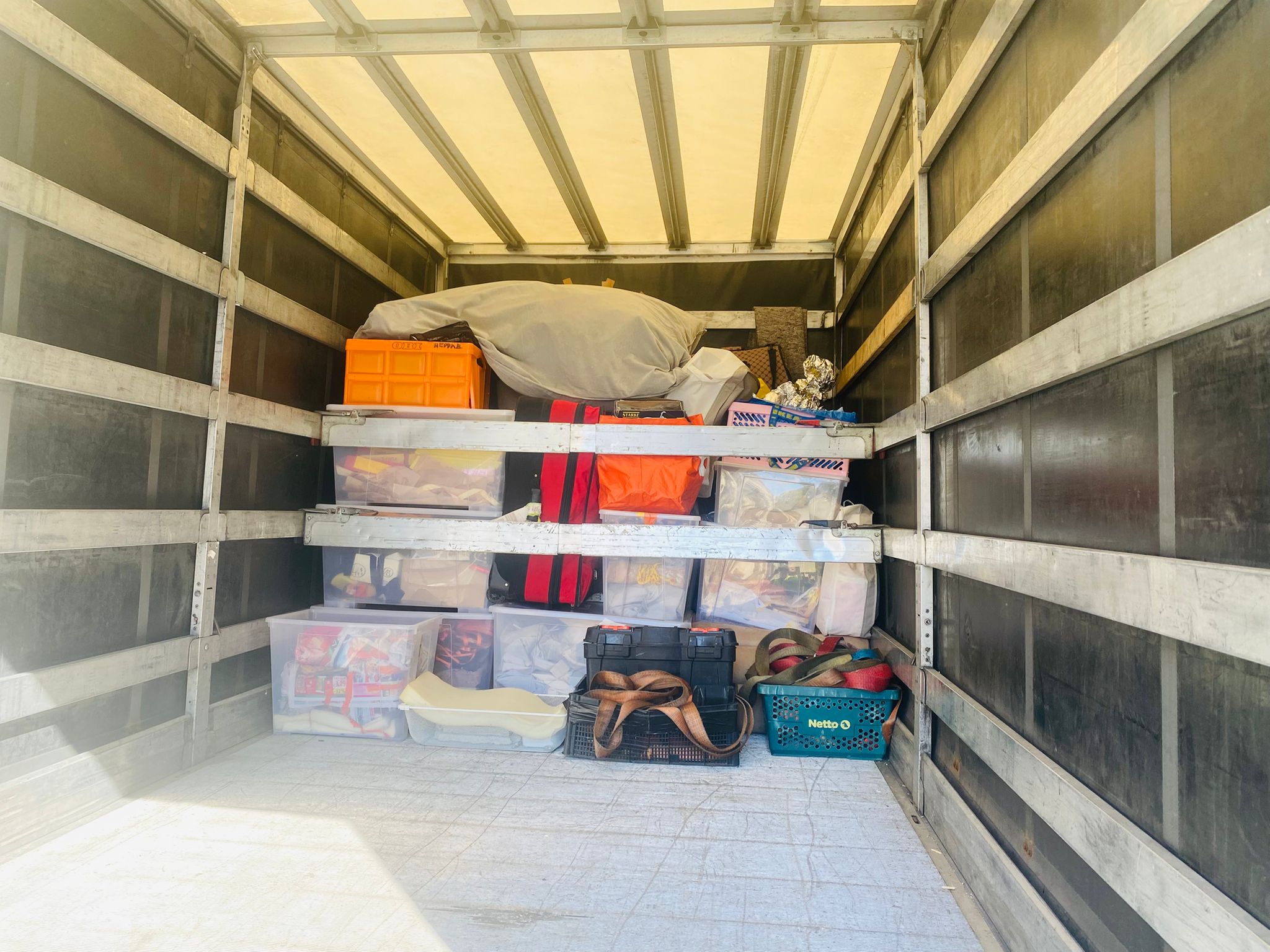
Your inventory matters. List boxes, furniture, appliances, bicycles, electronics and valuable items clearly. A clean inventory helps with customs, loading, unloading and insurance questions. It also helps you choose the correct VANonsite vehicle size.
Moving Household Goods to Switzerland
Switzerland is not in the EU customs union, so moving household goods requires planning. That does not mean the process has to be frightening. It means it has to be organised.
Personal household goods may often be imported under favourable conditions if Swiss requirements are met. In general, belongings should usually be personally used before the move and intended for continued personal use after arrival. You may need forms, proof of transfer of residence and a detailed inventory.
Before moving, prepare:
- A full inventory of belongings.
- Passport or ID.
- Proof of relocation to Switzerland.
- Rental agreement or accommodation proof.
- Work, study or family documents.
- Pet documents if relevant.
- Vehicle papers if importing a car.
The smoother your paperwork, the calmer the border process. Professional support also helps because transport timing, loading order and documentation all matter.
Choosing the Right VANonsite Vehicle Size
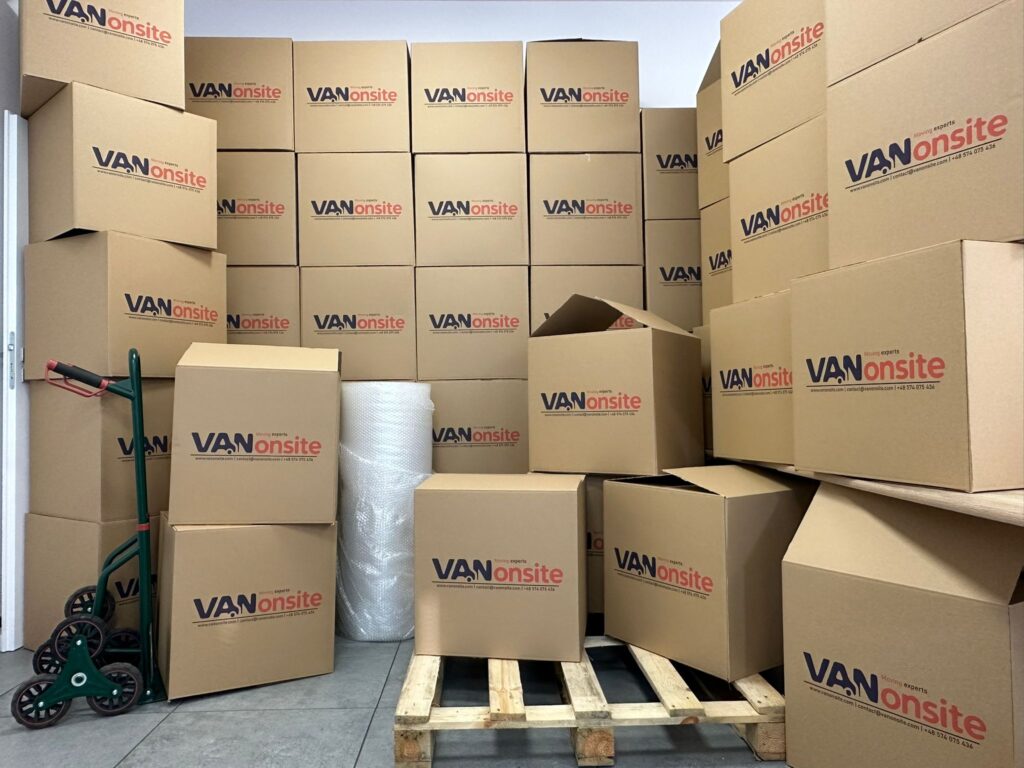
One common moving mistake is underestimating volume. A few boxes become twenty. A chair needs more space than expected. Bikes, lamps, wardrobes, plants and monitors all change the calculation.
VANonsite offers several vehicle sizes for different moves:
| VANonsite Option | Volume | Weight Capacity | Best For |
|---|---|---|---|
| Moving One | 1 m3 | 100 kg | Documents, small boxes, tiny student moves |
| Moving Basic | 5 m3 | 300 kg | Studio items and light furniture |
| Moving Medium | 10 m3 | 500 kg | One room or a compact apartment |
| Moving Premium | 15 m3 | 1,100 kg | Larger apartment moves |
| Moving Premium Plus | 30 m3 | 3,500 kg | Family moves and heavier furniture |
| Moving Full House XXL | 90 m3 | 20,000 kg | Full house, office or complex relocation |
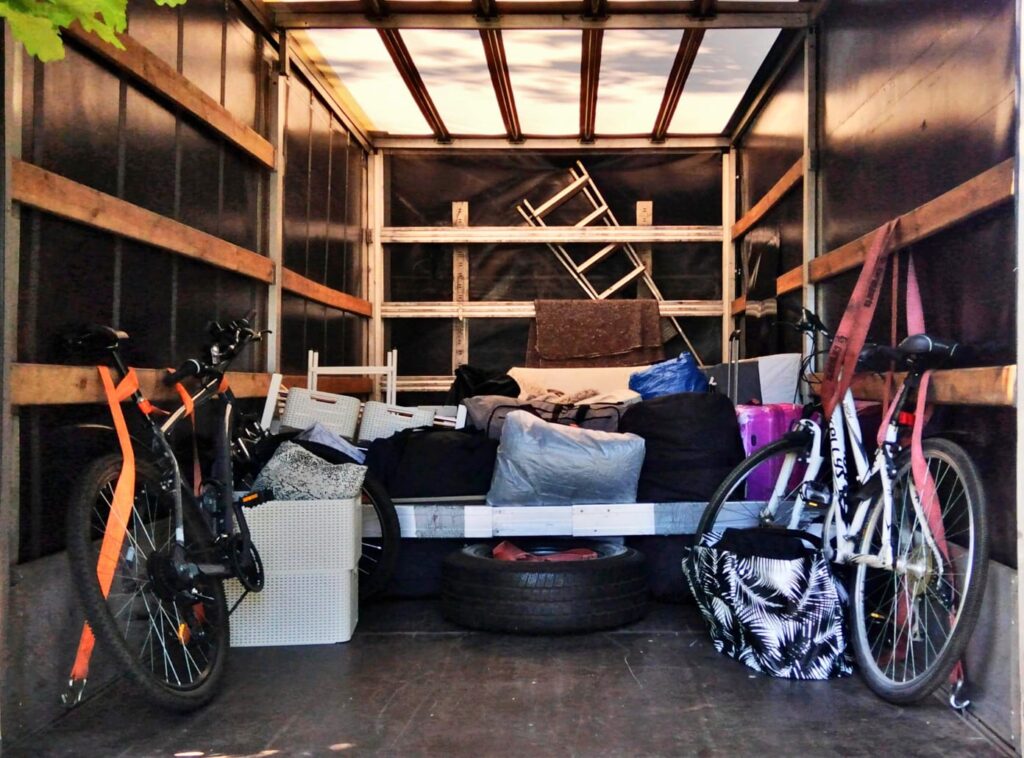
A student moving to Lausanne may only need a compact man and van option. A couple moving to Basel with furniture may need 10 m3 or 15 m3. A family heading to Zurich with beds, wardrobes, desks, bikes and kitchen equipment may need 30 m3 or more.
Every VANonsite load can be GPS tracked, giving you visibility from collection to delivery. That single detail can turn a stressful move into a controlled journey.
Renting and Housing in Switzerland
Housing is often the first major challenge after asking what is it like living in Switzerland. Rental markets in Zurich, Geneva, Lausanne and Basel can be highly competitive. Good apartments can attract many applicants quickly.
Landlords or agencies may ask for proof of identity, employment details, salary information, residence status, references and deposit funds. Some applications may also involve local documents or debt register extracts.
Swiss apartments are often well maintained, but building rules are important. Shared laundry systems, quiet hours, recycling spaces and delivery access may be carefully managed. Moving furniture into a Swiss building should be done with care, especially where floors, lifts and staircases are protected.
That is why Furniture Removals can be valuable. Careful loading, secure transport and controlled unloading protect both your belongings and your deposit. If your move out and move in dates do not match, storage can also give you breathing space.
Work Culture in Switzerland
What is living in Switzerland like for professionals? In many sectors, it is structured, punctual and focused on quality. Time is respected. Meetings usually start when planned. Details matter. Competence is valued.
Swiss work culture often rewards:
- Reliability.
- Preparation.
- Clear communication.
- Precision.
- Respect for hierarchy where relevant.
- Independence after instructions are clear.
- Professional boundaries between work and private life.
International companies may feel more flexible and English friendly, especially in Zurich, Geneva, Basel and Zug. Smaller local businesses may expect stronger local language skills and closer familiarity with Swiss norms.
If you are moving for work, plan your transport around your start date carefully. Arriving without your desk, clothes, documents or basic furniture can make the first week harder than it needs to be. A GPS tracked man and van move can give you a firmer landing.
Healthcare and Insurance in Switzerland
Healthcare in Switzerland is excellent, but it is not something to improvise. Basic health insurance is mandatory for residents and is usually arranged through private insurers. Premiums vary by canton, age, deductible and insurance model.
This surprises many newcomers. A strong salary does not remove the need to budget for insurance. Families should calculate the cost for every family member, not just one adult.
After arrival, make healthcare one of your first administrative tasks. Compare insurers, understand deductibles, check registration deadlines and keep proof of insurance with your essential documents.
Healthcare is one of the reasons Switzerland feels secure. Like many parts of Swiss life, it works best when you take responsibility early.
Transport and Driving in Switzerland
Swiss transport is one of the country’s quiet luxuries. Trains, trams, buses, boats and mountain railways make daily life easier. In many cities, you can live well without a car.
This changes your lifestyle. A commute can become predictable. Weekend trips become simple. You can leave a city in the morning and reach a lake, ski area, vineyard or mountain village before lunch.
Driving is still useful for rural areas, family logistics and some jobs. However, parking can be expensive, rules are strict and winter conditions in mountain areas require respect. If you plan to import a car, check customs and registration requirements early.
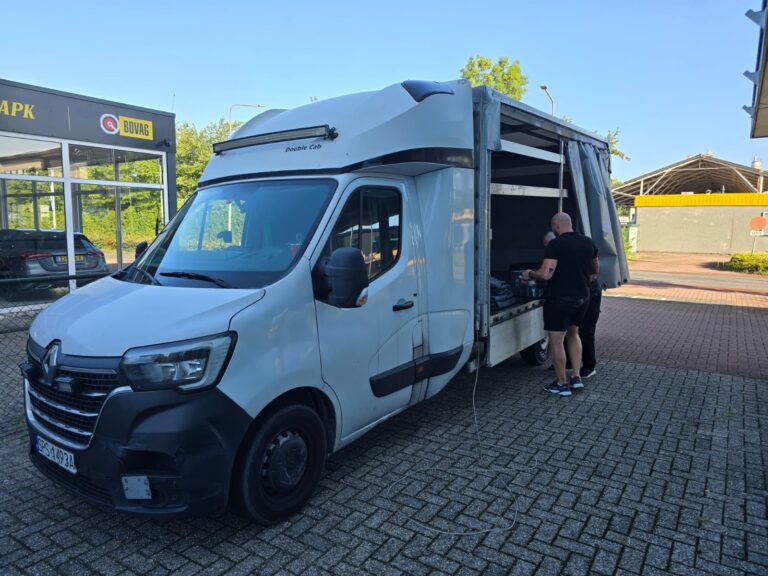
For the relocation itself, professional transport is often easier than driving a rental van across borders while handling customs, loading, timing and access alone. VANonsite already operates across Europe, making the physical move feel more controlled.

Culture, Language and Social Life
Switzerland has four national languages: German, French, Italian and Romansh. The language you need depends on your canton. Zurich and Basel are German speaking. Geneva and Lausanne are French speaking. Lugano is Italian speaking.
English is common in many international workplaces, but local language skills make daily life easier. They help with housing, schools, doctors, neighbours, local offices and social life.
Socially, Switzerland can feel reserved at first. People may not invite you into their private world immediately. That does not mean they are unfriendly. Friendships often develop slowly, but they can become sincere and long lasting.
To integrate faster, join clubs, learn the local language, respect quiet hours, attend community events and show reliability. Switzerland opens gradually. Once it does, it can feel deeply rewarding.
Moving to Switzerland With Family
For families, Switzerland can be a superb place to live. Safe streets, strong schools, clean playgrounds, efficient transport and outdoor life create a powerful environment for children. Weekends can mean lake swims, forest walks, cycling, skiing or peaceful village life.
Family relocation also adds pressure. You need to think about schools, childcare, health insurance, larger housing, permits, furniture and emotional adjustment. A family move is not just logistics. It is routines, toys, books, beds, school bags and the fragile feeling of starting again.
VANonsite can support families through Home Removals, Packing Service, furniture removals and storage. Professional packing can be especially useful when parents are balancing work, children and paperwork at the same time.
Moving to Switzerland as a Student
Switzerland attracts students with respected universities, international communities and strong career opportunities. Yet student life can be expensive. Rent, insurance, food, transport and study materials need careful budgeting.
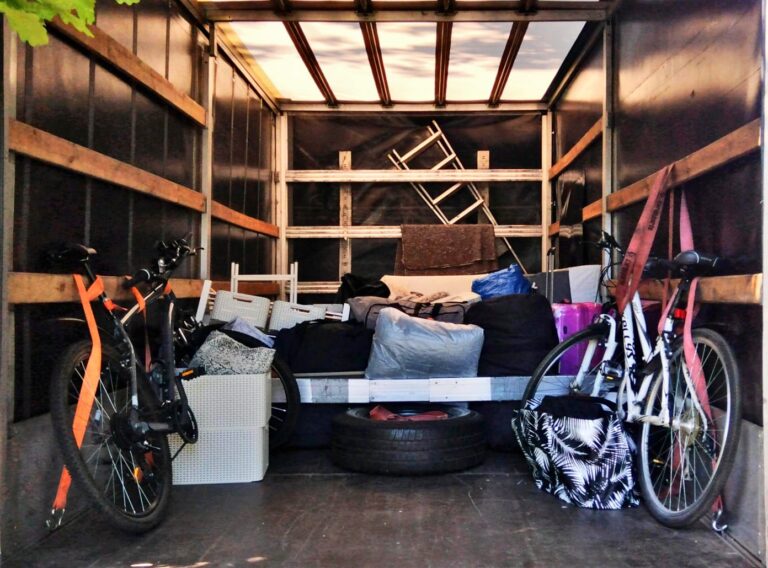
Students usually move with smaller loads: boxes, bedding, books, clothes, a monitor, a chair, a bicycle and personal essentials. A full truck is often unnecessary. A compact man and van service can be the smarter option.
VANonsite Student Removals can support smaller moves with practical vehicle sizes and GPS tracked transport. Moving One, Moving Basic or Moving Medium may be enough for many student relocations.
Moving an Office or Business to Switzerland
Switzerland is attractive for finance, technology, pharmaceuticals, luxury services, consulting and international organisations. Business moves need precision because downtime costs money.
An office relocation may include desks, chairs, monitors, IT equipment, filing systems, meeting furniture, reception items and confidential documents. Timing matters. Installation matters. Tracking matters.
VANonsite supports Office Removals and Office Furniture Installation, helping businesses move with less disruption. GPS tracking gives teams confidence about arrival times and operational planning.
For urgent cases, last minute moving support can also be useful when deadlines are tight.
White Glove Delivery for High Value Items
Some belongings need more than basic transport. Designer furniture, fragile antiques, artwork, luxury pieces and premium electronics deserve careful handling.
VANonsite White Glove Delivery is designed for delicate and high value items. This can be especially useful in Switzerland, where apartments may have strict access rules, premium finishes and high expectations.
White Glove Delivery is suitable for fragile furniture, art, decorative pieces, sensitive deliveries and premium home setups. When moving to a country known for precision, your delivery standard should match.
How VANonsite Helps With Removals to Switzerland
Moving to Switzerland should feel exciting, not chaotic. You are not just moving boxes. You are entering a new country, a new rhythm and a new life system.
VANonsite helps make the physical relocation safer and easier to control. The company provides high quality European transport with careful loading, flexible van sizes and GPS tracking for every load. Whether you need one cubic metre or a full 90 m3 house move, the service can be matched to your real needs.
VANonsite services include:
- Last Minute Moving.
- Furniture Removals.
- Home Removals.
- Packing Service.
- White Glove Delivery.
- Office Removals.
- Storage.
- Student Removals.
- Office Furniture Installation.
- Man and van removals across Europe.
This flexibility matters. A student move to Lausanne is not the same as a family move to Zurich. An office move to Basel is not the same as a White Glove furniture delivery to Geneva. VANonsite gives each move the structure, speed and care it deserves.
Final Checklist Before Moving to Switzerland
Before moving, make sure you have covered the essentials:
- Confirm your visa, residence or permit route.
- Check canton specific registration requirements.
- Prepare passport or national ID.
- Secure accommodation or temporary housing.
- Arrange health insurance.
- Prepare work, study or family documents.
- Create a detailed inventory of household goods.
- Check customs rules for moving household effects.
- Prepare pet documents if moving with animals.
- Decide what to move, sell, store or replace.
- Choose the right VANonsite vehicle size.
- Book packing service if you need support.
- Plan furniture access at your Swiss property.
- Keep essential documents with you during travel.
- Track your shipment for peace of mind.
So, What Is Living in Switzerland Like?
What is living in Switzerland like? It is beautiful, safe, costly, orderly and rewarding. It can feel formal at first, but that structure is also what makes the country so comfortable. You may miss cheaper restaurants or easier spontaneity, but you may gain mountain weekends, reliable transport, stronger income and a calmer sense of security.
Switzerland rewards people who prepare. Check your documents. Understand your budget. Choose your canton carefully. Plan your move properly. When the logistics are handled well, the whole experience becomes less stressful and far more exciting.
When you are ready to move, VANonsite removals to Switzerland can help you get there with GPS tracked transport, careful handling, flexible vehicle sizes and a trusted man and van service designed for European relocations.
FAQ
What is living in Switzerland like for foreigners?
Living in Switzerland as a foreigner is usually safe, clean and comfortable, but it can feel expensive and formal at first. Integration becomes easier when you learn the local language, understand local rules and prepare residence documents early.
Whats it like living in Switzerland compared with other European countries?
Switzerland is usually more expensive than many European countries, but it also offers strong salaries, excellent public transport, high safety and impressive public services. The lifestyle is calmer, cleaner and more structured than in many places.
What is it like living in Switzerland without speaking German or French?
It is possible in international cities and English speaking workplaces, especially in Zurich, Geneva and Basel. However, daily life becomes easier when you learn the local language of your canton.
Do I need a living in Switzerland visa?
You may need a visa, residence permit or work authorisation depending on your nationality, length of stay and reason for moving. EU and EFTA citizens generally have a different process from non EU citizens. Always check official Swiss guidance before relocating.
Can I move my furniture to Switzerland?
Yes. You can move furniture and household goods to Switzerland, but customs rules apply. Prepare a detailed inventory and check official Swiss customs requirements before transport.
Is Switzerland good for families?
Yes. Switzerland offers safety, strong schools, clean public spaces and excellent access to nature. The main challenges for families are housing costs, childcare costs, insurance and paperwork.
Is Switzerland good for students?
Yes, but students need a realistic budget. Rent, insurance, transport and food can be expensive. A compact man and van move is often ideal for student relocations because it keeps transport practical and cost controlled.
Why choose VANonsite for removals to Switzerland?
VANonsite offers GPS tracked European removals, flexible vehicle sizes, packing services, furniture removals, home removals, student removals, office removals, storage and White Glove Delivery. This helps make moving to Switzerland safer, faster and easier to control.