
Planning removals from Switzerland to Germany can look simple at first. The countries share a border, the roads are strong, and a move from Basel to Freiburg, Zurich to Munich, or St. Gallen to Stuttgart may feel like a local trip. Yet once your belongings cross from Switzerland into Germany, the move becomes an international relocation with customs, access, timing, and documentation to manage.
Switzerland is outside the EU customs territory, while Germany is an EU country. Because of that, household goods entering Germany from Switzerland may need customs preparation, a clear inventory, and the right supporting documents. Even a short border move deserves more structure than a basic local van job.
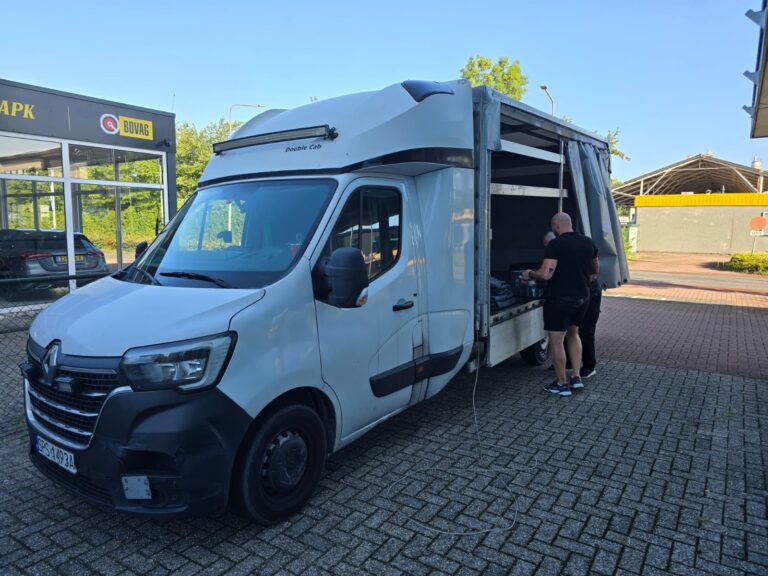
That is where a professional man and van service can make the difference. VANonsite supports European removals with fast transport, careful handling, flexible vehicle sizes, and GPS tracking for every load. Whether you are moving a few boxes, a full apartment, valuable furniture, student essentials, office equipment, or a family home, the goal stays the same: keep your belongings safe and make the move feel controlled.
A successful Switzerland to Germany move begins before collection day. Count your boxes. Measure bulky furniture. Separate important documents. Check parking, lifts, staircases, courtyards, and delivery windows. Keep passports, customs papers, keys, medicines, and chargers with you. When every detail has a place, the move stops feeling like a risk and starts feeling like a plan.
TL:DR
- Removals from Switzerland to Germany need customs preparation because Switzerland is outside the EU customs territory and Germany is an EU destination.
- Routes can be short or long, from Basel to Freiburg and Zurich to Munich to longer moves such as Zurich to Berlin, Geneva to Hamburg, or Lausanne to Hamburg.
- A detailed inventory helps with customs, vehicle choice, quote accuracy, and smooth loading, especially when furniture, heavy boxes, or fragile goods are involved.
- VANonsite offers GPS tracked transport for every load, giving customers better visibility during cross border and long distance European removals.
- Compact man and van options can work for small loads, while family homes, larger apartments, and offices may need 30m3 to 90m3 capacity.
- Packing quality matters, especially for furniture, glass, electronics, antiques, mirrors, artwork, designer pieces, and high value goods.
- The safest move starts with the right vehicle, clear documents, careful packing, and a professional removals team that understands Switzerland to Germany transport.




Why removals from Switzerland to Germany need careful planning
Removals from Switzerland to Germany may look straightforward because the countries are close, but the move is still international. A Basel to Freiburg relocation may feel local. A Zurich to Munich move may feel familiar. Yet a Zurich to Berlin or Geneva to Hamburg relocation can quickly become a long distance European transport project. In every case, the customs border matters.
The key point is simple: Switzerland is outside the EU customs territory, while Germany is an EU destination. That means household goods entering Germany may need customs procedures, even when the route is short. A mover can handle the transport, but the customer still needs to prepare clear information about what is being moved, who owns it, where it is going, and whether any goods need special attention.
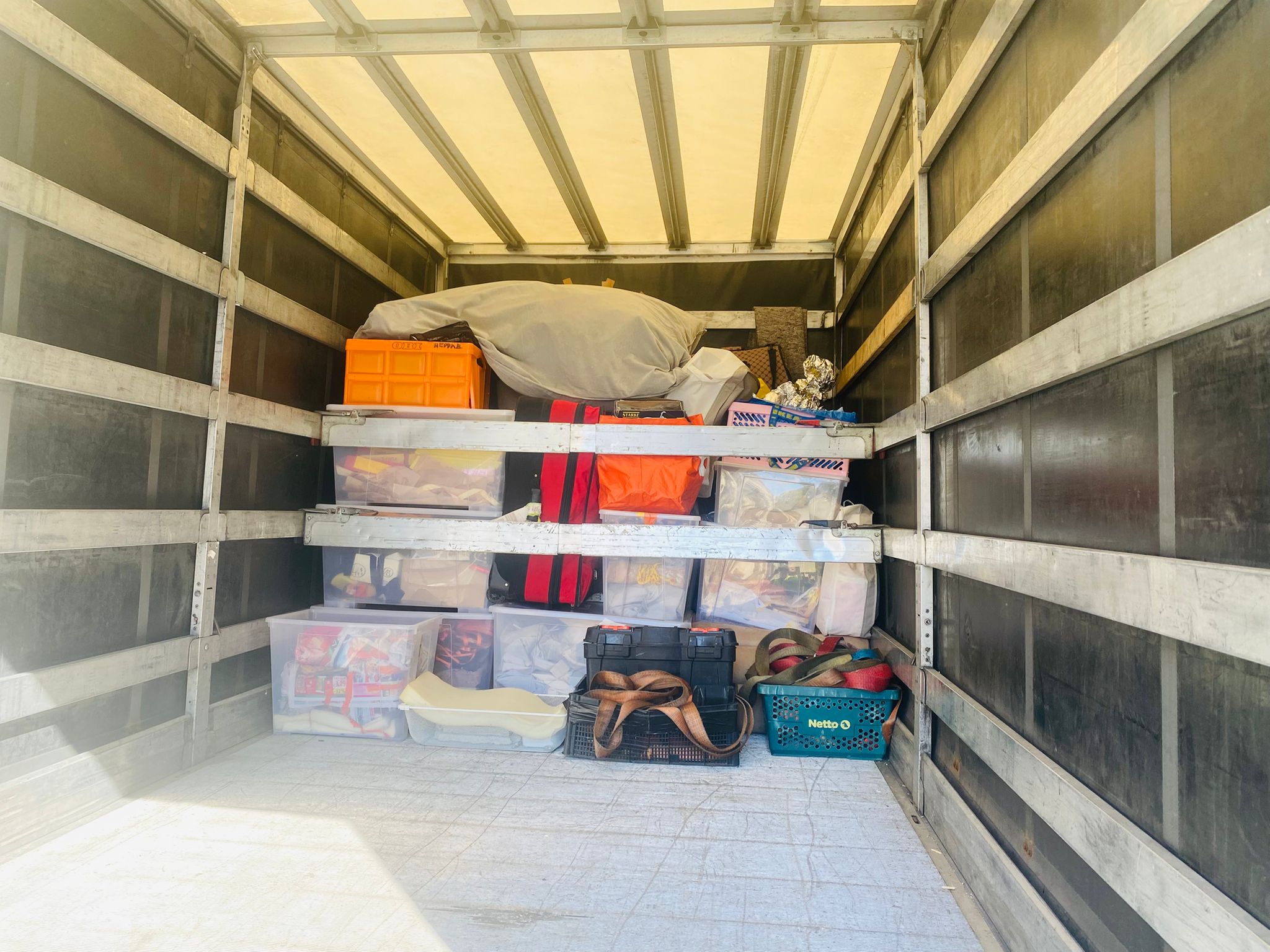
Good planning prevents wrong vehicle choices, rushed packing, missing documents, blocked loading zones, and expensive delays. A move that starts with “around 20 boxes and some furniture” is fragile. A move that starts with photos, measurements, a room by room inventory, and access notes has strength.
Before removals from Switzerland to Germany, check:
- Customs status: goods entering Germany may require customs preparation.
- Inventory accuracy: a clear room by room list helps avoid confusion and vehicle size mistakes.
- German access rules: city centres may have strict parking, loading zones, courtyards, delivery windows, or Umweltzone restrictions.
- Building layout: apartments can have small lifts, narrow staircases, inner courtyards, shared entrances, and limited unloading space.
- Furniture protection: wardrobes, beds, sofas, mirrors, tables, antiques, and polished surfaces need protection during lifting, loading, transport, and unloading.
- Personal essentials: passports, customs papers, contracts, keys, medicines, chargers, cash, and valuables should stay with you, not inside the main load.
There is also the human side of the move. Leaving Switzerland often means leaving a familiar rhythm: precise routines, mountain air, known streets, calm mornings, and a home that has learned your habits. Germany brings a new address, new registration steps, new neighbours, new rules, and a new daily rhythm. A professional man and van service helps reduce that pressure by bringing structure to vehicle size, loading order, GPS tracking, route planning, packing, and careful handling.
How VANonsite supports removals from Switzerland to Germany
A move from Switzerland to Germany may look simple on a road map, but the real experience is more layered. There is the customs border, the loading plan, the exact delivery address, the parking situation, the weight of the furniture, the safety of fragile items, and the quiet pressure of knowing your life is packed into a vehicle. VANonsite helps turn that pressure into a clear, organised moving plan.
For removals from Switzerland to Germany, VANonsite works as a practical European moving partner. The service is built around fast transport, careful handling, flexible vehicle sizes, and GPS tracking for every load. Your move is planned around the real size of your load, the route, the access at both addresses, and the items that need extra care.
VANonsite can support many different types of Switzerland to Germany moves:
- Small man and van moves for boxes, suitcases, documents, clothes, books, and compact furniture.
- Home removals for apartments, houses, studios, shared flats, and family relocations.
- Furniture removals for sofas, wardrobes, beds, tables, mirrors, antiques, cabinets, and fragile pieces.
- Student removals for university moves, internships, apprenticeships, exchange programmes, research placements, and first jobs.
- Office removals for desks, chairs, IT equipment, archive boxes, files, meeting furniture, and business assets.
- Packing support for fragile, bulky, delicate, or high value items that need stronger protection.
- Last minute moving when plans change quickly and the relocation cannot wait.
Customers can combine core transport with dedicated VANonsite services: Furniture Removals, Home Removals, Packing Service, White Glove Delivery, Office Removals, Student Removals, and Office Furniture Installation.
The result is a move that feels controlled from the first inventory list to the final delivery. A student moving to Freiburg, a family relocating to Munich, and a company opening an office in Berlin all need different plans. VANonsite adapts the service to the move.
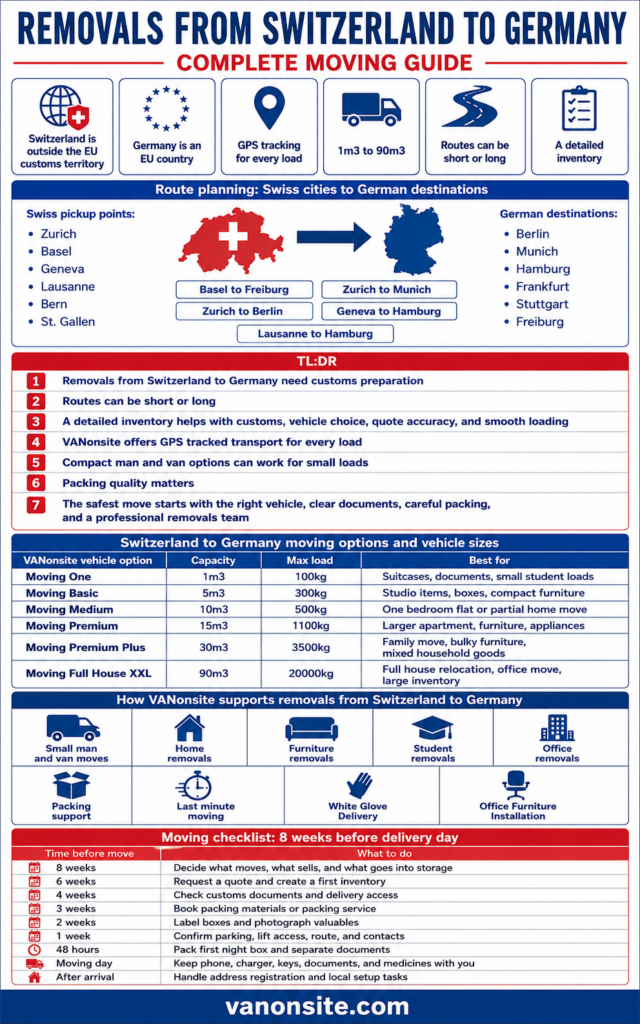
Switzerland to Germany moving options and vehicle sizes
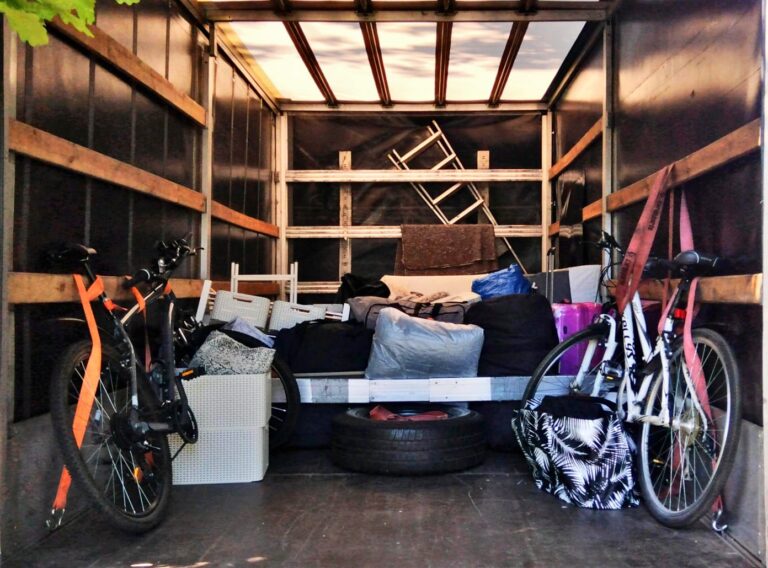
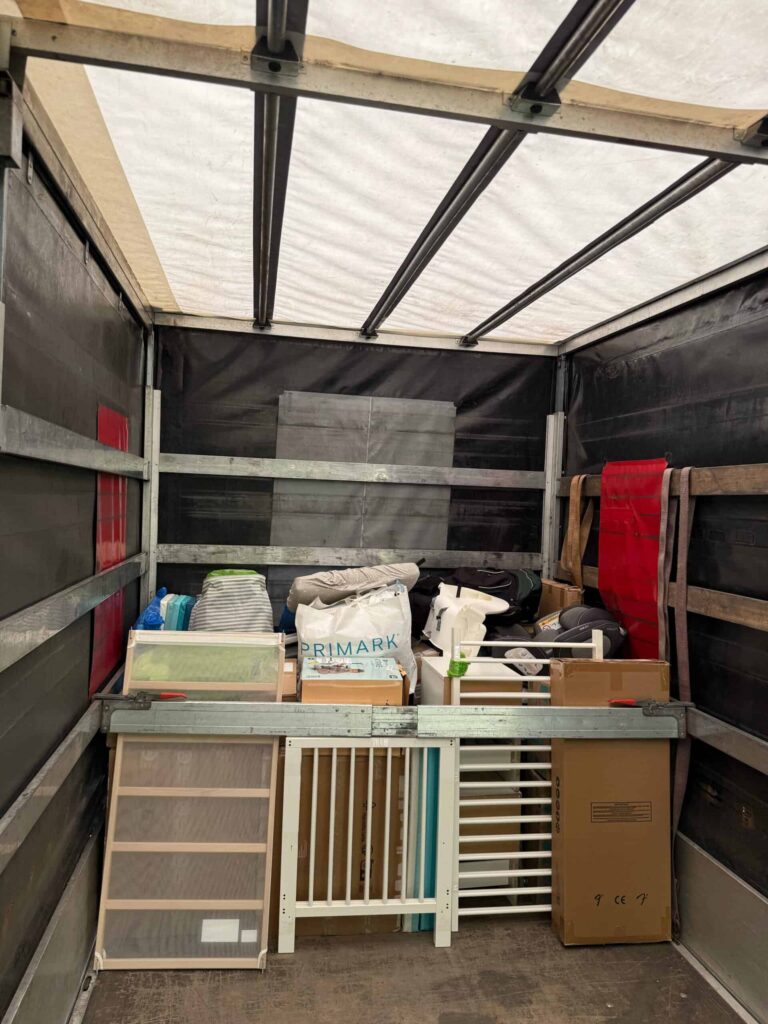
Vehicle choice shapes the budget, loading plan, delivery timing, and safety of removals from Switzerland to Germany. A student moving from Basel to Munich with 12 boxes does not need the same vehicle as a family relocating from Zurich to Hamburg with beds, wardrobes, appliances, bikes, children’s furniture, office equipment, and 70 labelled boxes.
Some moves are small but heavy, especially when they include books, tools, files, gym equipment, records, or office archives. Others are light but bulky, such as loads with mattresses, chairs, shelving, lamps, rugs, or flat packed furniture. The best vehicle is the one that fits both space and safe carrying capacity.
| VANonsite vehicle option | Capacity | Max load | Best for |
|---|---|---|---|
| Moving One | 1m3 | 100kg | Suitcases, documents, small student loads |
| Moving Basic | 5m3 | 300kg | Studio items, boxes, compact furniture |
| Moving Medium | 10m3 | 500kg | One bedroom flat or partial home move |
| Moving Premium | 15m3 | 1100kg | Larger apartment, furniture, appliances |
| Moving Premium Plus | 30m3 | 3500kg | Family move, bulky furniture, mixed household goods |
| Moving Full House XXL | 90m3 | 20000kg | Full house relocation, office move, large inventory |
Many customers underestimate moving volume by around 15% to 25% when they guess without a written inventory. Before booking removals from Switzerland to Germany, prepare box and suitcase counts, a room by room inventory, furniture dimensions, photos of difficult access points, notes about heavy items, fragile goods, floor levels, lift access, stair access, courtyard access, loading zones, and parking distance.
The more precise the information, the stronger the moving plan. VANonsite can recommend the right vehicle, avoid wasted space, reduce loading pressure, and protect the schedule.
Documents you may need when moving from Switzerland to Germany
For removals from Switzerland to Germany, documents are the backbone of a smooth border crossing, a cleaner customs process, and an easier first week after arrival. Prepare them before collection day and keep them with you. Do not pack passports, customs papers, contracts, keys, or residence documents inside the main moving load.
Use official government sources when preparing your move, especially if you are bringing vehicles, pets, professional equipment, high value goods, or special items:
- German Customs guidance on transferring residence to Germany: Zoll: Transferring residence
- German Customs guidance on household effects in German: Zoll: Übersiedlungsgut
- German Customs information about what can qualify as relocation goods: Zoll: Warenkreis Übersiedlungsgut
- German Federal Portal for registering residence: Bundesportal: Register residence
- German Federal Ministry of the Interior on entry and residence: BMI: Entry and Residence
- Swiss customs information on leaving Switzerland with personal goods: BAZG: Leaving Switzerland with personal goods
Before moving from Switzerland to Germany, prepare:
- Passport or national identity document for travel, customs questions, registration, and identity confirmation.
- Proof of residence in Switzerland, such as a rental agreement, residence certificate, utility bill, work contract, tax document, or similar proof.
- New address in Germany, including a temporary address, storage address, or confirmed delivery point if the permanent home is not ready.
- Detailed inventory list of goods, ideally room by room with approximate quantities.
- Moving company and transport documents, including VANonsite booking details, pickup and delivery addresses, contact numbers, dates, and references.
- Proof that goods are used personal belongings where relevant, especially when distinguishing private goods from new purchases or commercial stock.
- Receipts or ownership proof for high value items, such as electronics, art, watches, musical instruments, antiques, designer furniture, specialist equipment, and luxury items.
- Vehicle documents if importing a car, motorcycle, trailer, boat, or similar item.
- Pet documents if animals are moving with you.
- Residence, visa, or registration documents depending on nationality, stay length, work, study, family status, or residence rights.
- Landlord confirmation or local registration documents after arrival, depending on the local authority and your situation.
Some goods may follow special rules. Alcohol, tobacco, new goods, commercial stock, food products, plants, weapons, medicines, animals, vehicles, cultural goods, and high value items may require extra attention. If you are unsure, check German Customs before packing the item into the van.
Customs checklist for removals from Switzerland to Germany
Customs becomes easier when your load tells a clear story. What is moving? Who owns it? Is it used household property? Are there new purchases, restricted goods, commercial items, work equipment, pets, vehicles, or high value pieces? Clear answers make the process calmer.
For removals from Switzerland to Germany, the inventory is the heart of customs preparation. A vague note such as “boxes and furniture” is not enough. A room by room list helps German Customs understand the shipment, helps VANonsite match the right vehicle, and helps you stay organised during packing and unloading.
Before moving day, complete this customs preparation checklist:
- Create a room by room inventory with approximate quantities.
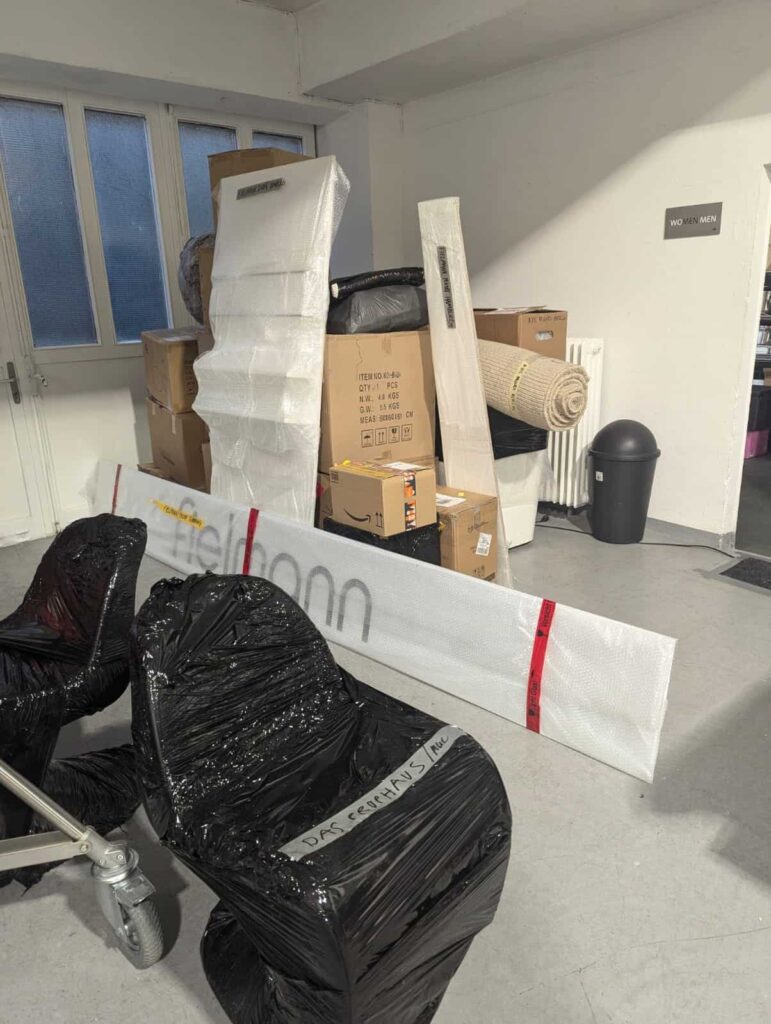
- Mark fragile items clearly, especially glass, mirrors, art, ceramics, lamps, antiques, and electronics.
- Separate used personal belongings from new purchases.
- Keep receipts, valuations, or ownership proof for high value items.
- Do not pack passports, contracts, customs papers, keys, medicines, cash, or urgent travel documents inside the main load.
- Photograph valuable items before collection, including visible condition and serial numbers where useful.
- Label boxes by room and priority, such as “Kitchen 1 of 8” or “Bedroom, open first”.
- Check official German Customs guidance before packing restricted or uncertain goods.
- Share unusual items with the moving team before moving day, including safes, pianos, artwork, professional equipment, commercial stock, heavy machinery, or oversized furniture.
| Item type | Why it matters | Practical tip |
|---|---|---|
| Used household goods | Usually central to customs clearance | List by room and approximate quantity |
| New items | May trigger tax or valuation questions | Keep invoices separate and declare them clearly |
| Alcohol and tobacco | Often limited, taxed, or restricted | Check German Customs before packing |
| Pets | Health and entry rules may apply | Check official German and EU rules early |
| Vehicles | Separate import, tax, and registration steps may apply | Prepare ownership and registration papers |
| Work equipment | Could be treated differently from private goods | Label clearly and keep proof of use |
| Food, plants, and animal products | Some goods may be restricted | Check official rules before loading |
| High value goods | Customs may ask for value or ownership evidence | Keep receipts, photos, serial numbers, and valuations |
| Medicines | Quantity and type can matter | Keep prescriptions and urgent medication with you |
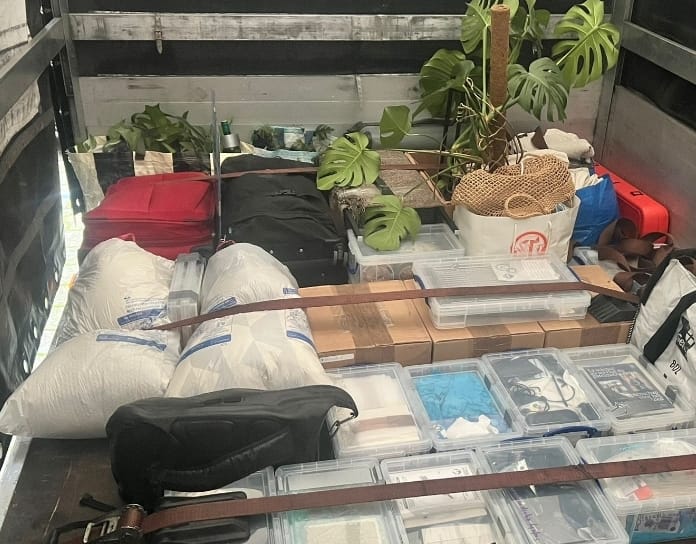
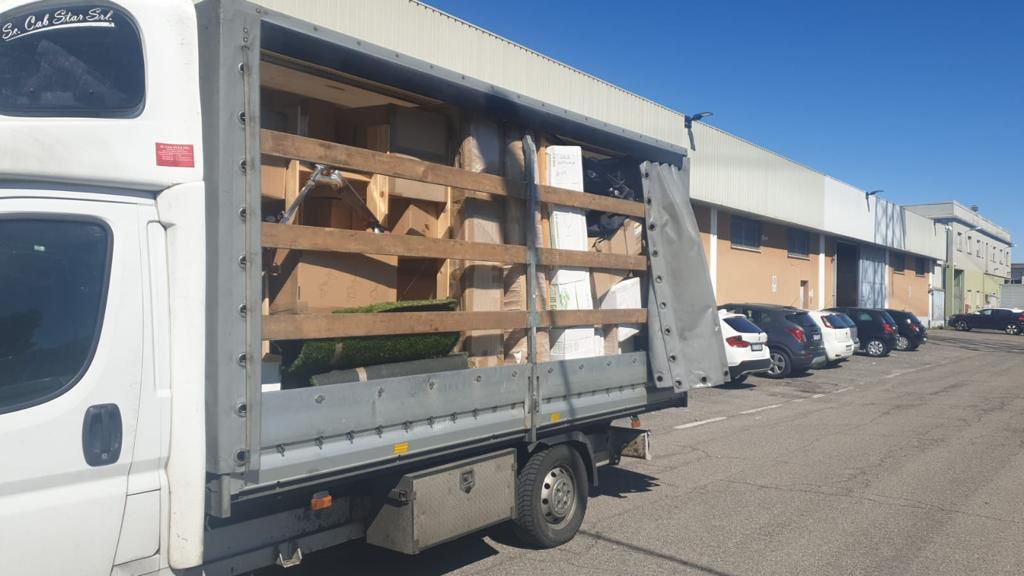
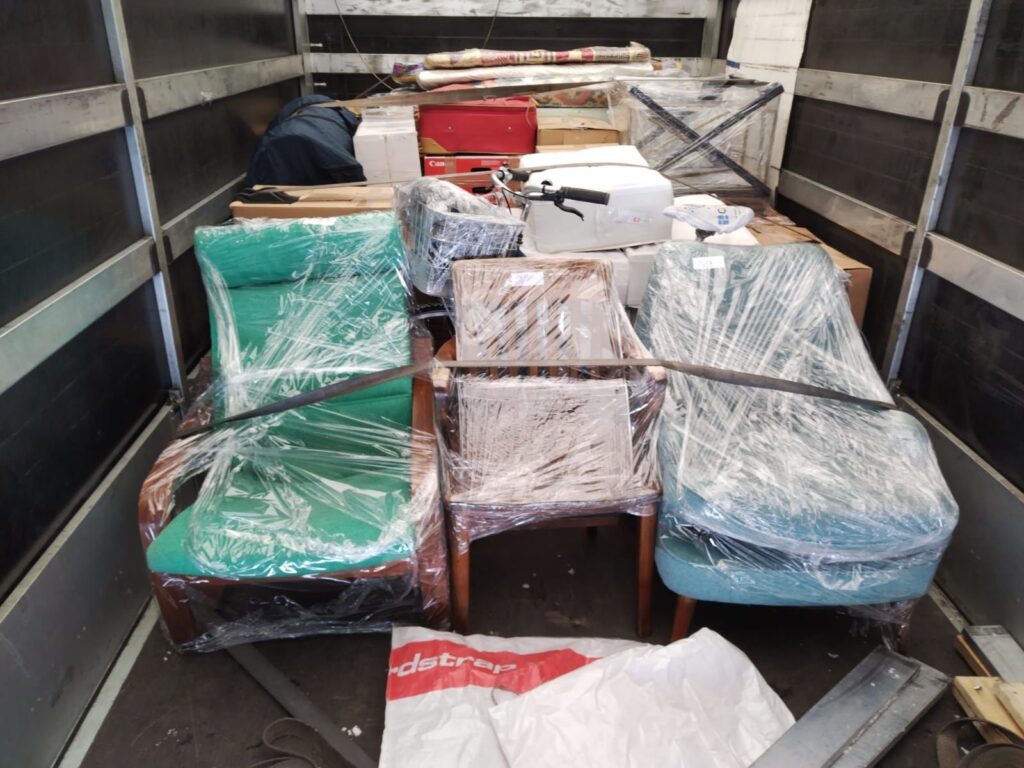
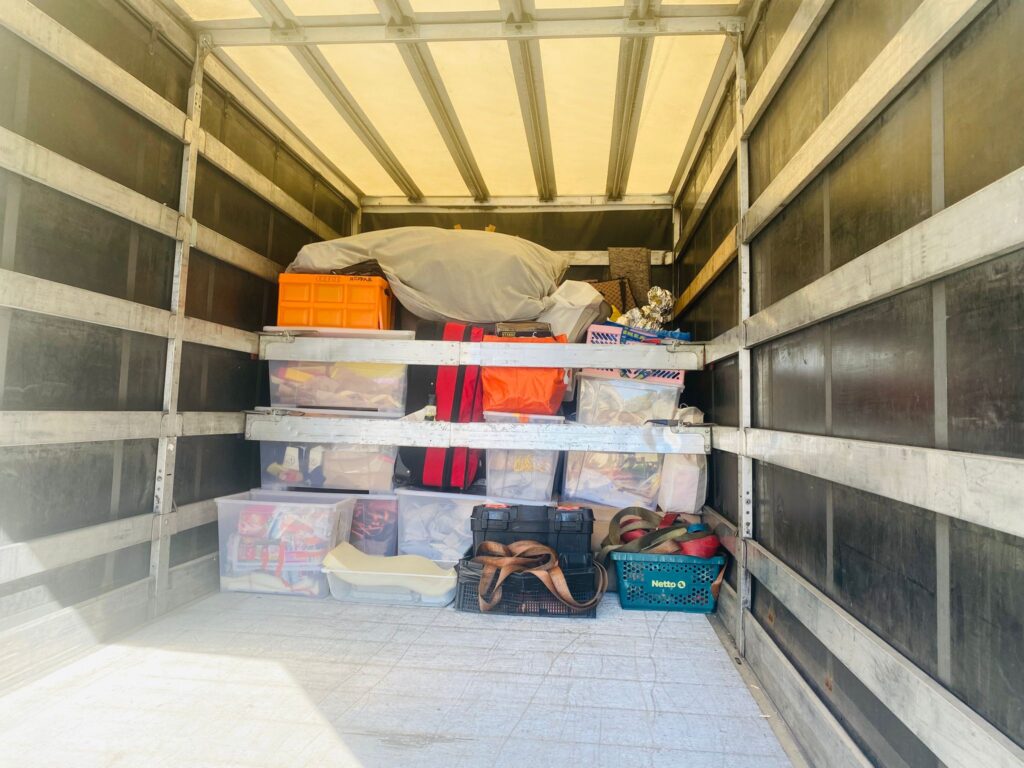
A practical way to stay organised is to create three sets of information: one for you, one for customs, and one for VANonsite. Keep identity documents, keys, medicines, wallet, contracts, travel documents, and first night essentials with you. Keep inventory, proof of Swiss residence, German address, customs forms, receipts, valuations, and ownership proof ready for customs. Share pickup and delivery access details, floor levels, lift size, parking distance, fragile item lists, dismantling notes, and delivery instructions with VANonsite.
Route planning: Swiss cities to German destinations
Route planning is one of the most important parts of removals from Switzerland to Germany because the journey can be very different from one customer to another. Some moves are short border relocations, such as Basel to Freiburg or St. Gallen to Stuttgart. Others travel deep into Germany, reaching Berlin, Hamburg, Leipzig, Düsseldorf, Cologne, or northern coastal cities.
Common Swiss pickup points include Zurich, Basel, Geneva, Lausanne, Bern, Lucerne, Lugano, St. Gallen, Zug, and Winterthur. Common German destinations include Berlin, Munich, Hamburg, Frankfurt, Stuttgart, Freiburg, Cologne, Düsseldorf, Leipzig, Nuremberg, Mannheim, and Karlsruhe.
Before confirming the route, prepare full pickup and delivery postcodes, floor levels, lift access, stair access, courtyard access, carrying distance, parking restrictions, loading zones, building delivery windows, German city access rules, customs document readiness, fragile items, and preferred delivery windows.
Basel to Freiburg removals
Basel to Freiburg removals are among the most practical Switzerland to Germany routes. The distance can be modest, but the move still crosses from Switzerland into Germany, so customs documents, inventory accuracy, parking, and access remain important. This route can work well for compact man and van moves, student relocations, small apartment removals, and furniture deliveries.
Zurich to Munich removals
Zurich to Munich removals are common for families, professionals, students, and business moves. The route is longer than a basic border hop, so furniture protection and delivery access deserve more attention. Munich can also bring city access challenges, apartment courtyards, limited parking, and strict delivery windows.
Zurich to Berlin removals
Zurich to Berlin removals are longer relocations where planning, packing quality, and GPS tracking become especially valuable. For this route, a detailed inventory helps VANonsite recommend the right vehicle size and plan loading order. Fragile items should be marked clearly, and high value pieces should be photographed before collection.
Geneva to Frankfurt removals
Geneva to Frankfurt removals are a strong route for business relocations, professional moves, family relocations, and apartment transfers. Frankfurt often means offices, corporate housing, high rise buildings, city centre restrictions, shared entrances, and strict delivery rules.
Lausanne to Hamburg removals
Lausanne to Hamburg removals are long distance moves that need realistic timing and strong packing. Use strong boxes, keep heavy cartons under control, protect mattresses and fabrics from moisture, and wrap fragile pieces properly. If the move includes antiques, designer furniture, mirrors, artwork, marble, or valuable electronics, consider professional packing or White Glove Delivery.
Alpine, rural, and city centre access
Not every Switzerland to Germany move starts or ends in an easy city street. Some customers move from mountain roads, rural homes, chalets, private lanes, old buildings, courtyards, or narrow village streets. Others deliver into German city centres where parking, Umweltzone rules, timed access, tight streets, and shared entrances can affect unloading.
Share access details before moving day. Photos of driveways, staircases, lifts, entrances, courtyards, and parking areas can save time. In winter, snow, ice, steep roads, and limited turning space may affect vehicle choice and timing.
How long do removals from Switzerland to Germany take?
Some removals from Switzerland to Germany can be completed quickly because the countries share a border. Short routes such as Basel to Freiburg, St. Gallen to Stuttgart, or Zurich to southern Germany may need less transit time than longer relocations to Berlin, Hamburg, Leipzig, Cologne, Düsseldorf, or northern Germany. Still, timing depends on route length, customs readiness, vehicle availability, load size, packing quality, building access, parking, weather, road conditions, and whether furniture needs dismantling.
| Move type | Typical planning need | What can affect timing |
|---|---|---|
| Small load or student move | 1 to 2 weeks ahead when possible | Customs papers, access, vehicle availability |
| Short border move | 1 to 3 weeks ahead | Parking, customs readiness, building rules |
| Apartment move | 2 to 4 weeks ahead | Packing volume, dismantling, stairs, lift access |
| Family house move | 4 to 8 weeks ahead | Large inventory, multiple rooms, special items |
| Office move | 3 to 8 weeks ahead | IT equipment, downtime, furniture installation |
| Last minute move | As soon as possible | Vehicle availability and document readiness |
For urgent situations, Last Minute Moving can be useful when a tenancy ends suddenly, a job starts earlier than expected, another mover cancels, or personal plans change fast. Even then, speed works best when the essentials are ready: inventory, addresses, access notes, customs documents, and photos of bulky or fragile items.
Cost factors for removals from Switzerland to Germany
The cost of removals from Switzerland to Germany depends on the full shape of the move, not just the distance between two addresses. A compact man and van move from Basel to Freiburg will not cost the same as a 90m3 full house relocation from Geneva to Berlin.
The main price factors usually include volume, weight, distance, access, packing service, urgency, customs complexity, and extra handling such as dismantling, reassembly, storage, heavy lifting, multi stop delivery, or premium handling.
| Cost factor | Why it changes the price | What to prepare |
|---|---|---|
| Load volume | Determines vehicle size and loading space | Inventory and photos |
| Load weight | Affects safe capacity and vehicle choice | Estimate heavy items |
| Pickup access | Impacts loading time | Floor, lift, parking details |
| Delivery access | Impacts unloading time | Building rules and unloading zone |
| Packing needs | Fragile goods need more care | List delicate and high value items |
| Route length | Affects driving time and scheduling | Exact postcodes |
| Customs readiness | Poor paperwork can cause delays | Inventory and residence proof |
| Urgency | Fast booking needs rapid planning | Confirm dates quickly |
A detailed inventory is the simplest way to control cost. List boxes, suitcases, furniture, appliances, bicycles, office equipment, fragile goods, and unusually heavy items. Add photos of large furniture, narrow staircases, storage rooms, cellars, courtyards, and anything that may require special care.
Packing for a move from Switzerland to Germany
Packing for removals from Switzerland to Germany is not just about closing boxes. It is the shield between your belongings and a real cross border journey. Even a short route can involve lifting, carrying, stacking, road vibration, tight staircases, old apartment buildings, German city parking, weather changes, winter conditions, and long hours inside a vehicle.
Before moving day, follow this practical packing checklist:
- Use double wall boxes for books, kitchen items, tools, and heavy household goods.
- Keep boxes under 20kg where possible, especially if stairs or long carrying distances are involved.
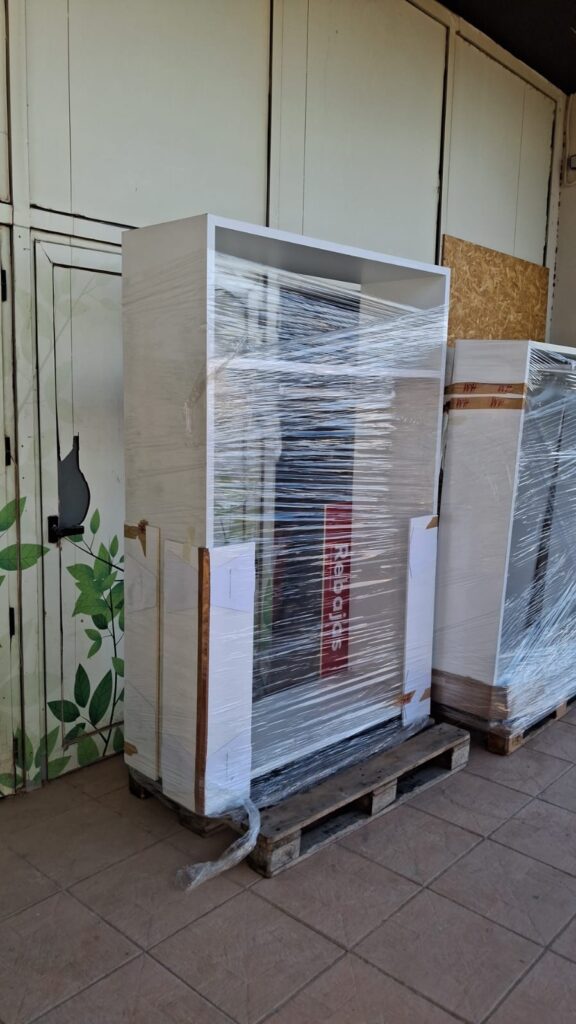
- Wrap furniture corners, legs, polished surfaces, and exposed edges.
- Protect mattresses, fabrics, rugs, and upholstery from moisture and dirt.
- Label boxes by room and priority, such as “Kitchen, open first”.
- Pack a first night box with chargers, medication, toiletries, towels, basic kitchen items, documents, snacks, and clean clothes.
- Keep customs papers, passports, keys, cash, medicines, jewellery, and valuables with you.
- Photograph electronics before unplugging cables, then pack cables in labelled bags.
- Remove loose shelves from cabinets and secure doors or drawers before loading.
- Mark fragile boxes clearly on more than one side.
| Item type | Risk | Better packing approach |
|---|---|---|
| Books and files | Heavy boxes splitting | Use smaller double wall boxes |
| Glass and ceramics | Cracks and vibration damage | Wrap individually and fill gaps |
| Electronics | Shock, moisture, cable confusion | Use padding and label cables |
| Mattresses | Dirt and moisture | Use sealed covers |
| Mirrors and art | Flexing and corner damage | Use corner protection and strong wrapping |
| Furniture | Scratches and loose parts | Wrap corners, remove shelves, secure doors |
VANonsite’s Packing Service can help when you want stronger protection before a cross border move. For luxury, delicate, designer, or high value pieces, White Glove Delivery adds a more careful handling standard.
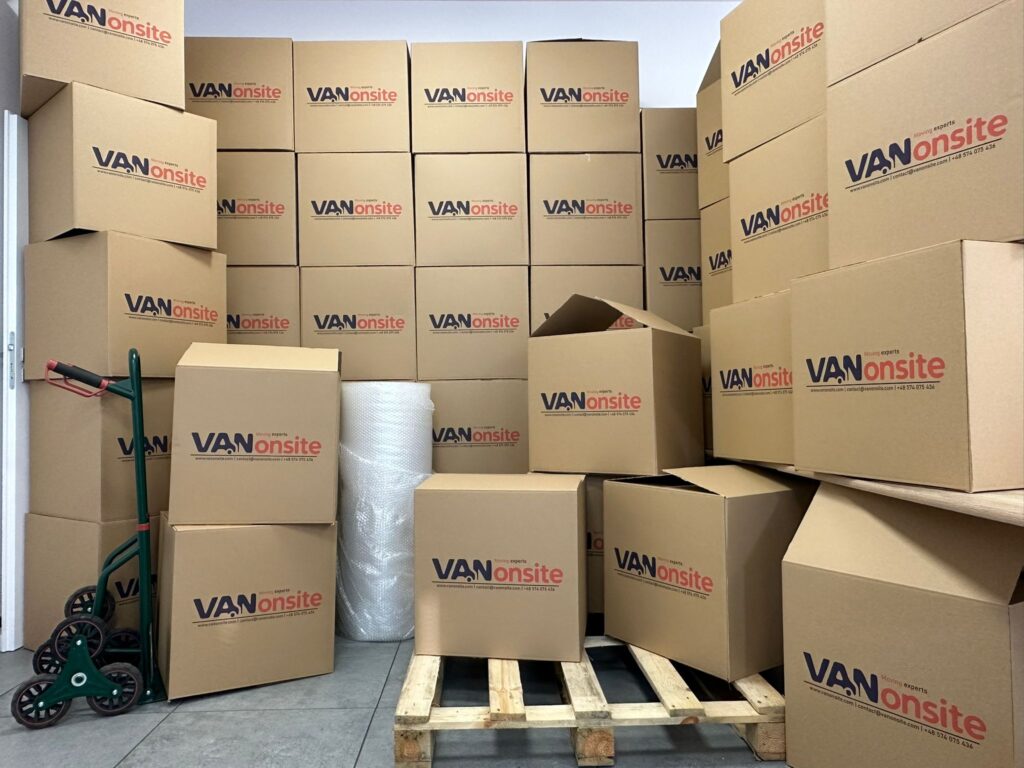
Furniture removals from Switzerland to Germany
Furniture removals from Switzerland to Germany need more planning than most people expect. Furniture carries weight, shape, value, surface, memory, and awkward access all at once. A wardrobe may look solid in a Swiss bedroom, but lifting, loading pressure, road vibration, long distance movement, and German building access can expose weak packing, poor measurements, or loose joints quickly.
VANonsite’s Furniture Removals service helps customers move bulky, delicate, and valuable pieces with stronger planning. Before collection, check what can be moved whole and what should be dismantled. Wardrobes, beds, modular shelving, large desks, and some cabinets may need to be taken apart to protect the furniture and the building.
Before booking furniture removals from Switzerland to Germany, prepare measurements for wardrobes, beds, sofas, tables, desks, cabinets, and bookcases. Add photos of fragile surfaces, notes about dismantling, details about stairs and lifts, and information about marble, glass, mirrors, antiques, designer pieces, polished wood, or high value furniture.
Office furniture needs similar discipline. Desks, meeting tables, shelving, cabinets, and workstations should be labelled by room, department, or employee before collection. After delivery, Office Furniture Installation can help businesses set up desks, workstations, storage units, and meeting spaces faster.
Student removals from Switzerland to Germany
Student removals from Switzerland to Germany are often compact, emotional, and budget aware. For students moving for university, exchange programmes, internships, research placements, apprenticeships, or first jobs, the best move is usually simple, flexible, and well sized.
Depending on the load, student removals from Switzerland to Germany may fit Moving One, Moving Basic, or Moving Medium. This can help keep the move practical and cost controlled without paying for unnecessary space. It also works well when delivery is going into student housing, shared flats, small studios, residence halls, or city centre apartments with limited parking.
Students should keep essentials separate from the main load: passport or national ID card, university documents, rental papers, acceptance letters, laptop, phone, chargers, medication, bank card, cash, insurance details, clean clothes, toiletries, bedding, keys, housing contact details, move in confirmation, and delivery instructions.
VANonsite’s Student Removals service is built for these lighter, faster, practical moves. With the right vehicle size, GPS tracked transport, and a clear inventory, students can move from Switzerland to Germany without turning the first week into a logistical headache.
Office removals from Switzerland to Germany
Office removals from Switzerland to Germany are about protecting the rhythm of a business while its physical world is being lifted, packed, transported, unloaded, and rebuilt in a new country. Every monitor, archive box, server cabinet, workstation, meeting table, confidential folder, and cable has a role in how quickly the company can start working again.
VANonsite supports business removals from Switzerland to Germany with planned transport, careful handling, GPS tracking, flexible vehicle sizes, and practical support for office furniture, documents, IT equipment, and business critical loads.
| Office moving detail | Why it matters | Practical action |
|---|---|---|
| Department inventory | Prevents mixed boxes and lost equipment | Tag items by team, room, floor, or employee |
| IT equipment | Reduces setup problems after delivery | Label cables and photograph setups before unplugging |
| Confidential files | Protects sensitive records | Pack separately and mark as priority |
| Furniture plan | Speeds up office setup in Germany | Share floor plans or room labels before delivery |
| Delivery sequence | Helps teams restart work faster | Decide what unloads first and where it goes |
| Access details | Prevents loading and unloading delays | Confirm lifts, parking, loading bays, and building rules |
| Business deadlines | Reduces operational disruption | Schedule around meetings, launches, payroll, and client work |
| GPS tracking | Gives visibility during cross border transport | Track the load and coordinate arrival with staff onsite |
For larger business relocations, Office Removals can support a more organised move from first inventory to final placement. Office Furniture Installation can help businesses avoid missing screws, unstable desks, tangled cables, and employees waiting while the office is still being rebuilt.
Common mistakes to avoid
Even a short cross border move can become stressful when small details are ignored. Avoid these common mistakes before removals from Switzerland to Germany:
- Booking transport before checking customs requirements: household goods entering Germany from Switzerland may need customs preparation.
- Guessing volume instead of making an inventory: a vague box count can lead to the wrong vehicle size.
- Packing documents inside the moving load: passports, customs papers, contracts, keys, medicines, rental papers, and urgent items should stay with you.
- Forgetting German building access rules: apartments, student residences, offices, and shared buildings may have move in hours, lift booking rules, or courtyard restrictions.
- Ignoring city parking, loading zones, or Umweltzone restrictions: poor parking planning can add time and stress.
- Mixing new goods with used household belongings: used personal goods, new purchases, commercial stock, and professional equipment may be treated differently.
- Leaving fragile items unlabelled: glass, mirrors, artwork, lamps, ceramics, monitors, antiques, marble, and designer furniture need clear labels.
- Choosing the cheapest mover without GPS tracking or European experience: a very low price can become expensive if planning and handling are weak.
- Forgetting weight limits: books, records, tools, office archives, gym equipment, machinery, and appliances add weight quickly.
- Leaving packing until the final night: rushed packing creates weak boxes, poor labels, missing documents, and damaged items.
- Forgetting registration tasks after arrival: keep rental papers, ID, and landlord confirmation where applicable easy to reach.
A good move is built on clarity, preparation, and the right support. VANonsite helps turn removals from Switzerland to Germany into a controlled move by matching the right vehicle, tracking every load by GPS, supporting packing and furniture handling, and keeping the relocation focused from first inventory to final delivery.
Moving checklist: 8 weeks before delivery day
A smooth move starts weeks earlier, with small decisions that make the final journey calmer: what to take, what to sell, which documents to prepare, how to protect fragile items, and how to organise access at both addresses.
| Time before move | What to do | Why it matters |
|---|---|---|
| 8 weeks | Decide what moves, what sells, and what goes into storage | Reduces volume, cost, and unnecessary handling |
| 6 weeks | Request a quote and create a first inventory | Helps VANonsite recommend the right vehicle |
| 4 weeks | Check customs documents and delivery access | Prevents border, parking, and building access delays |
| 3 weeks | Book packing materials or packing service | Protects fragile, heavy, and valuable items |
| 2 weeks | Label boxes and photograph valuables | Makes loading, customs questions, and unpacking easier |
| 1 week | Confirm parking, lift access, route, and contacts | Reduces moving day stress and wasted time |
| 48 hours | Pack first night box and separate documents | Keeps essentials close when you arrive in Germany |
| Moving day | Keep phone, charger, keys, documents, and medicines with you | Protects you from avoidable problems during transit |
| After arrival | Handle address registration and local setup tasks | Helps settle into Germany faster |
If the German property is not ready, renovation is unfinished, or delivery must wait for a fixed date, storage can be a useful bridge. It gives the move breathing space instead of forcing rushed decisions.
Why GPS tracking matters on Switzerland to Germany removals
When your life is packed into a van, silence feels heavy. GPS tracking gives the move a pulse.
Even though Switzerland and Germany are neighbours, visibility still matters. A move from Basel to Freiburg may be relatively short, while Zurich to Berlin, Geneva to Hamburg, or Lausanne to Hamburg can feel like a much bigger journey. In every case, customers want to know that their belongings are being monitored, not simply disappearing into the road.
For removals from Switzerland to Germany, GPS tracking creates reassurance. It helps customers feel connected to the move while furniture, boxes, documents, electronics, student belongings, office equipment, or family essentials are in transit.
GPS tracking is valuable because customers know the load is monitored, delivery planning becomes easier, businesses can coordinate staff and access, families feel calmer, and long distance trust becomes stronger. VANonsite uses GPS tracking for every load, adding transparency to a service built around careful transport, flexible vehicle sizes, and professional man and van support.
FAQ about removals from Switzerland to Germany
Do I need customs clearance when moving from Switzerland to Germany?
Yes. Customers should prepare for customs procedures because Switzerland is outside the EU customs territory and Germany is inside it. Household goods may need a clear inventory and relevant customs documentation. Check official German Customs guidance before moving day: Zoll: Transferring residence.
How much do removals from Switzerland to Germany cost?
The cost depends on volume, weight, distance, access, packing needs, urgency, customs complexity, and vehicle size. A compact man and van move from Basel to Freiburg will not cost the same as a full house relocation from Geneva to Berlin. For an accurate quote, prepare postcodes, inventory, photos, dates, floor levels, lift access, and parking details.
Can VANonsite move a small load from Switzerland to Germany?
Yes. VANonsite can move small loads from Switzerland to Germany using compact options such as Moving One, Moving Basic, or Moving Medium, depending on volume and weight. These options work well for students, single room moves, documents, boxes, suitcases, small furniture, and flexible man and van relocations.
Can I track my belongings during the move?
Yes. VANonsite offers GPS tracking for every load. This helps customers follow the progress of their move and plan delivery more confidently.
What vehicle size do I need?
The best vehicle size depends on inventory, volume, weight, furniture dimensions, and access conditions. VANonsite offers options from 1m3 and 100kg up to 90m3 and 20000kg.
Can VANonsite move furniture to Germany?
Yes. VANonsite can move furniture from Switzerland to Germany, including sofas, wardrobes, beds, tables, desks, cabinets, mirrors, antiques, and fragile pieces. For bulky or delicate items, use Furniture Removals. For luxury, designer, fragile, or high value pieces, White Glove Delivery can add extra care.
Can students book removals from Switzerland to Germany?
Yes. Students can book smaller, flexible removals from Switzerland to Germany for university, exchange programmes, internships, apprenticeships, research placements, or first jobs. VANonsite’s Student Removals service is useful for boxes, suitcases, clothes, books, bedding, laptops, monitors, kitchen basics, bicycles, and personal items.
Can VANonsite help with office relocations?
Yes. VANonsite supports office removals from Switzerland to Germany, including desks, chairs, monitors, IT equipment, archive boxes, confidential files, cabinets, meeting furniture, and business equipment. Office Removals can help reduce downtime, while Office Furniture Installation supports workspace setup after delivery.
How early should I book removals from Switzerland to Germany?
For small loads or student moves, 1 to 2 weeks may be enough when documents and access details are ready. Apartment moves often need 2 to 4 weeks. Family homes and office relocations are safer with 4 to 8 weeks of planning. VANonsite may also support last minute moves when vehicle availability allows.
What should I not pack in the van?
Do not pack passports, customs papers, medicines, keys, urgent electronics, cash, jewellery, contracts, residence documents, rental papers, or important travel documents inside the main load. Keep these with you. Also check official rules before packing alcohol, tobacco, plants, food products, medicines, weapons, commercial goods, vehicles, pets, or restricted items.
Get a trusted quote for removals from Switzerland to Germany
A move from Switzerland to Germany carries more than boxes. It carries routines, work, studies, furniture, documents, family life, memories, and the first shape of a new chapter. Whether the journey is a short border move or a long route across Germany, the right moving partner can make the difference between chaos and control.
If you are planning removals from Switzerland to Germany, VANonsite can help you move with less stress, fewer surprises, and far more confidence. From a compact man and van load to a full house or office relocation, your belongings are handled with care, tracked by GPS, and moved by a team that understands European transport.
VANonsite gives you flexible vehicle sizes, careful loading, packing support, furniture removals, student removals, office removals, white glove delivery, and last minute moving options when time is tight. For a fast and accurate quote, prepare pickup and delivery postcodes, preferred moving dates, a room by room inventory, photos of bulky furniture and fragile items, floor levels, lift access, stair access, courtyard access, parking distance, customs details, and any special handling needs.
Get Your Switzerland to Germany Moving Quote