
Moving to Switzerland from Norway is not one uninterrupted drive. It is a chain of handovers: the final household inventory, Norwegian export formalities, a route through several jurisdictions, Swiss customs clearance and delivery to an address that may have strict access. The move becomes reliable when each handover has an owner and the same inventory follows the goods.
This guide is for customers who already know why they are relocating and need to turn that decision into a workable removal. It focuses on belongings, customs coordination, vehicle planning, packing and access. Norwegian departure registration and Swiss residence permits are covered separately in our guide for Norwegians moving to Switzerland.

Norway to Switzerland moving checklist at a glance
| Stage | Decision | Evidence to prepare |
|---|---|---|
| Scope | Part-load or dedicated vehicle | Final inventory, dimensions and photographs |
| Norwegian export | Who makes the declaration | Inventory, identification and carrier agreement |
| Route | Working collection and delivery window | Address access, keys, crossings and seasonal conditions |
| Swiss import | Household-effects eligibility and clearance | Customs form, inventory and proof supporting the move |
| Delivery | Vehicle access and unloading order | Parking, lift, floor, contact and room labels |
Do not book from a box estimate alone. Ten book boxes can be heavier than ten boxes of bedding; a dismantled wardrobe may use less space but still require careful protection. The quote should describe the actual load and the work at both properties.
Freeze the inventory before the transport plan
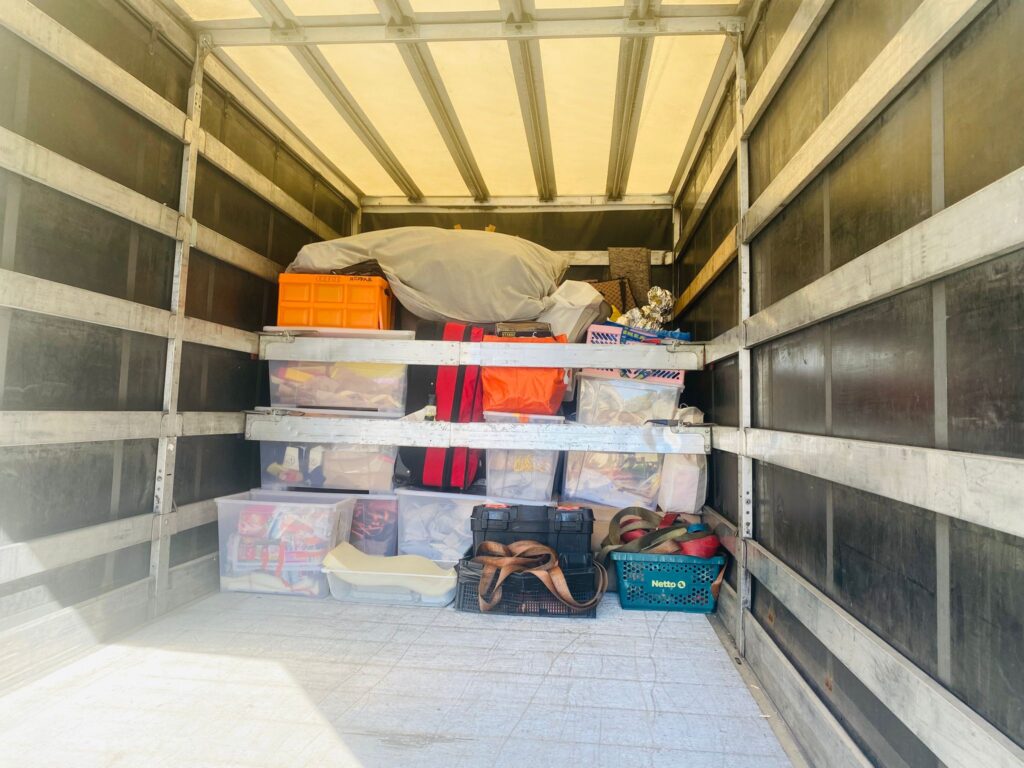
Walk through the Norwegian property room by room. Count boxes by type, measure furniture at its widest points and identify anything unusually heavy, fragile or difficult to carry. Include cellars, lofts, garages, balconies, ski storage and external units. These are common sources of late volume changes.
- Give every box a number and destination room.
- List sofas, beds, wardrobes, tables and appliances individually.
- Photograph stone, glass, artwork, electronics and polished surfaces.
- State which furniture will be dismantled and who will reassemble it.
- Separate recently purchased, commercial, restricted or high-value goods.
- Record the customer name and goods owner consistently.
- Send changes before collection, not while the vehicle is loading.
The removal inventory and customs inventory do not have to use identical formatting, but they must not contradict each other. If a second consignment is planned, disclose it while preparing the first Swiss import rather than treating it as an unrelated afterthought.
Confirm Norwegian export formalities
Norwegian Customs says people moving household goods out of Norway should prepare an inventory. Its current guidance states that household goods valued above NOK 5,000 require an export declaration. A person transporting the load by ferry must arrange the declaration in advance and present it before boarding; road self-transport has its own border procedure and opening-hour considerations.
When a professional carrier is used, Norwegian Customs notes that the company may make the declaration on the customer’s behalf, but the customer should confirm this. Do not infer responsibility from the words “international removal”. Ask who prepares, submits and presents the export file. Review the current Norwegian Customs moving-out guidance before collection.
Prepare the Swiss household-effects file
Switzerland is outside the EU customs union. The Federal Office for Customs and Border Security says transfer of domicile is central to duty-free treatment of removal goods. Household effects must generally have been used personally for at least six months and be intended for continued use in Switzerland.
The current Swiss household-effects guidance should be checked against the real move. Form 18.44, an inventory and evidence supporting the transfer and Swiss home may be required. Vehicles, pets, alcohol, weapons, plants, food, commercial stock and recently purchased goods can need separate treatment. VANonsite can coordinate transport information but cannot decide customs eligibility.
Choose part-load or dedicated transport from constraints
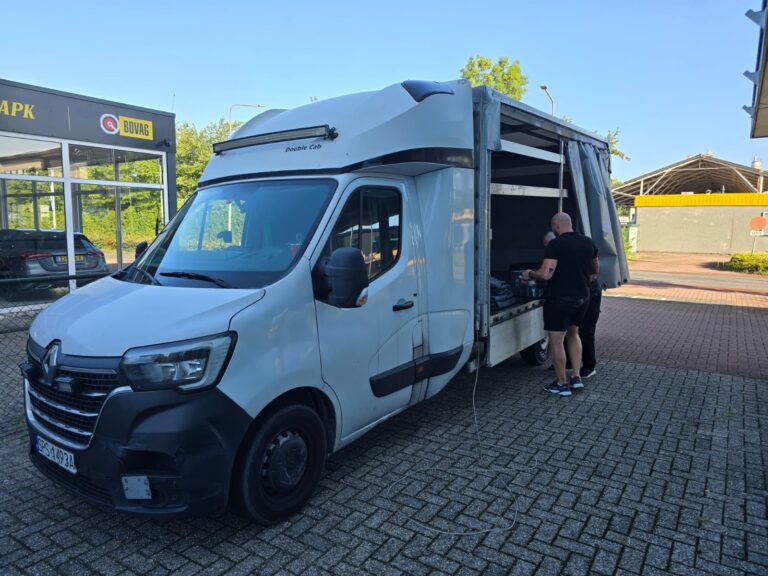
A part-load uses only the capacity required and can suit a smaller move with a workable delivery range. It is not simply a cheap dedicated vehicle: route planning combines compatible work, so timing normally needs more flexibility. A dedicated vehicle is organised around one move and can be better when a tenancy handover, employment start, full household or difficult address requires tighter control.
| Move condition | Option to price first | Reason |
|---|---|---|
| Boxes and selected furniture with flexible dates | Part-load | Capacity can be shared without reserving the full vehicle |
| Small flat with a delivery range | Compare both | Minimum route and handling requirements still matter |
| Full household and fixed key handover | Dedicated | Closer schedule control may prevent storage or waiting |
| Urgent final inventory | Dedicated or Last-Minute assessment | Feasibility depends on an available vehicle and customs readiness |
| Swiss address not ready | Price storage and later delivery | A premature direct run may create more handling |
Compare total scope, not labels. The relevant questions are who packs, which access is included, whether dates are fixed or a window, who handles each customs task and how a volume change affects the plan.
Plan the route without promising one corridor
A Norway-to-Switzerland removal can use road and ferry combinations, but the best route changes with the collection region, crossing schedules, vehicle, season and Swiss destination. Oslo to Basel and Bergen to Lugano are not the same operational job. A published route map should not be treated as a guaranteed corridor or arrival time.
Collection and delivery windows should allow for customs processing, legally compliant driving and the confirmed crossing. If the customer has a fixed property handover, state the hard deadline before accepting the quote. If dates are flexible, give a genuine range rather than saying “any time” and then rejecting every proposed slot.
Treat winter readiness as a route condition
Norwegian winter conditions can affect the first part of the journey before the international route has properly begun. The Norwegian Public Roads Administration makes the driver responsible for sufficient grip and publishes specific tyre and chain rules, including separate requirements for heavy vehicles. Check current professional transport guidance rather than using an old seasonal assumption.
For the customer, winter preparation means keeping the collection approach clear, protecting boxes from snow or standing water, confirming whether an uphill private road is accessible and avoiding a schedule that assumes summer loading speed. At the Swiss end, alpine or narrow local access should also be described with photographs.
Describe collection access in Norway precisely
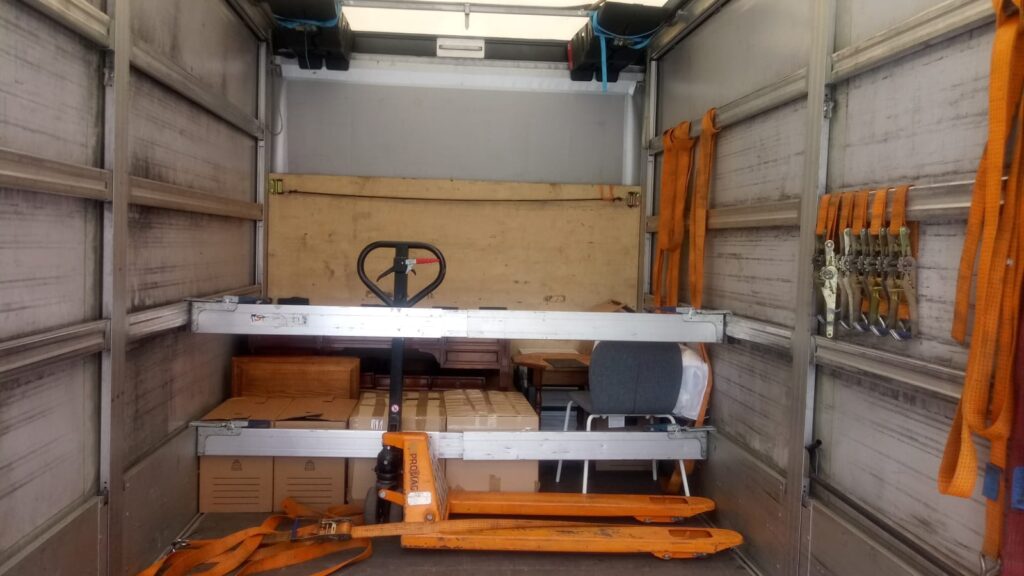
Record the legal stopping position, distance to the door, floor, lift dimensions, stair turns and any time limit for loading. A driveway on a map may be steep, snow-covered or unsuitable for the assigned vehicle. An apartment entrance may require a key, booking or caretaker approval. Share this before vehicle selection.
Prepare a clear working area and keep personal travel items separate. Passports, medicines, keys, laptops, chargers and the customs file should travel with the customer unless explicitly agreed otherwise. The crew should not have to reopen twenty sealed boxes to find one document.
Pack for handling, density and border access
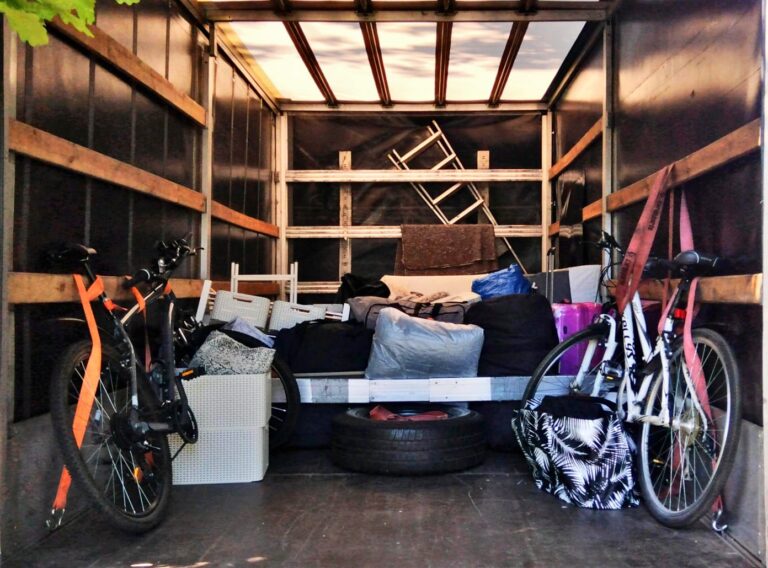
Use strong boxes sized for their contents. Books, tools and kitchenware need smaller boxes than bedding. Fill voids so items cannot move, but do not make each box too heavy to carry safely. Protect furniture corners and glass before loading. Put dismantling hardware in labelled bags and photograph cable layouts.
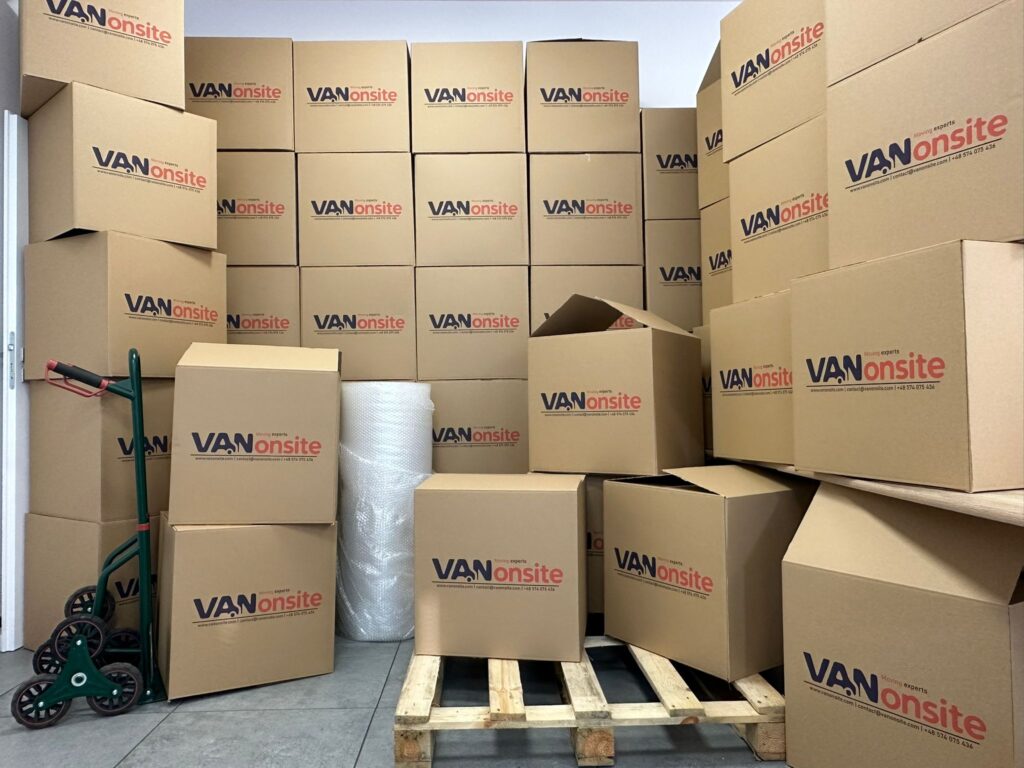
Customs descriptions should remain readable after packing. Numbered boxes linked to an inventory are easier to discuss than a wall of identical cartons marked “misc”. If an officer needs clarification, the customer and carrier should be able to identify the relevant part of the load without guesswork.
Prepare the Swiss delivery before departure
Confirm that keys are available, the address can receive goods and local parking or loading permission has been handled. In Zurich, Geneva, Basel, Bern, Lausanne, Lugano or a smaller alpine commune, the final street and building can determine labour more than the city name. Send images when access is narrow or the carrying route is long.
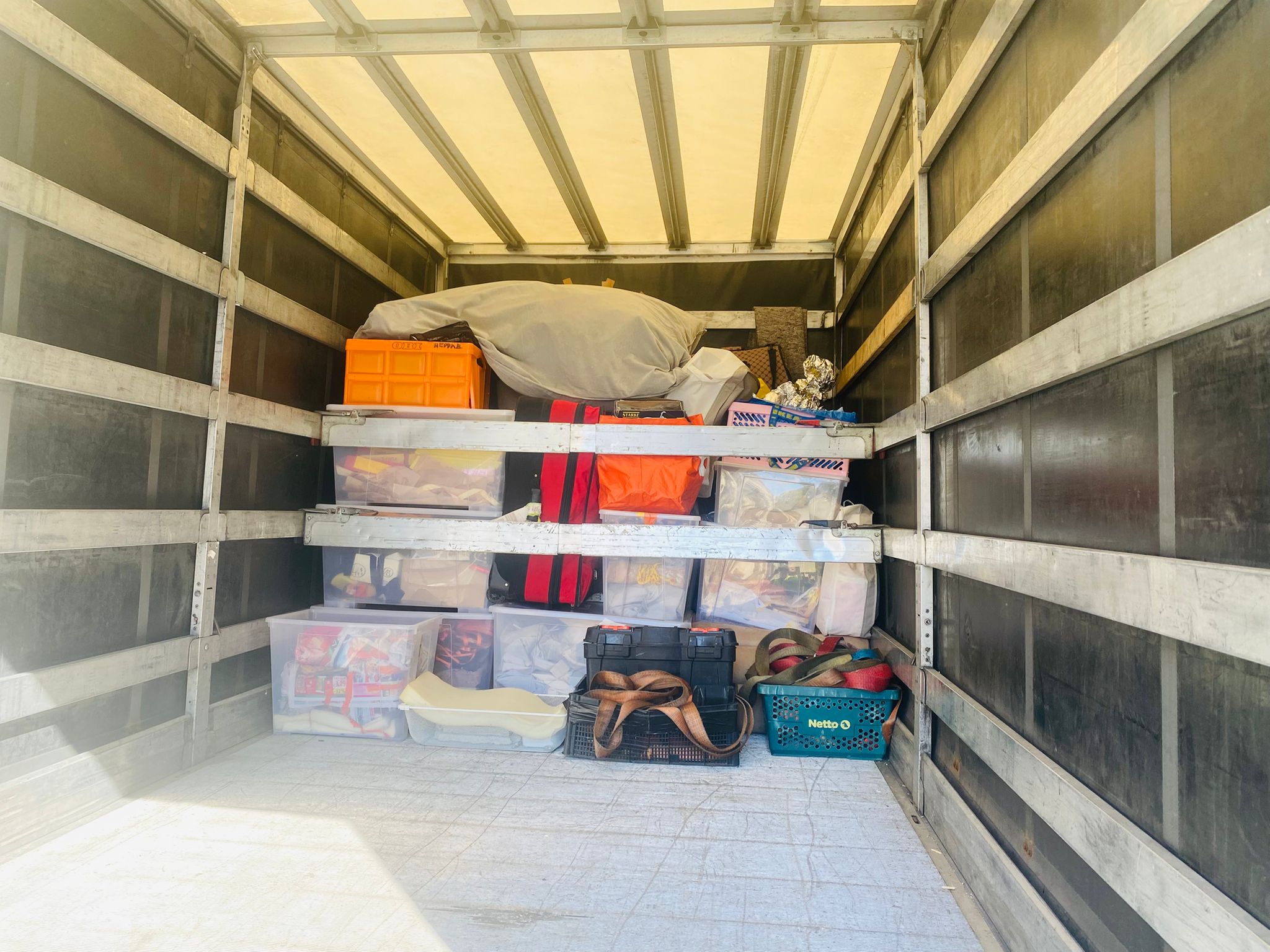
Label by destination room and decide what must come off first. A bed, basic kitchen box and work equipment may need priority; a cellar archive does not. Loading order should reflect the delivery plan rather than the order in which belongings happen to reach the Norwegian front door.
Create an exception list before moving day
A standard inventory says what is moving; an exception list says what could change the plan. Put every item that is newly purchased, unusually valuable, regulated, alive, perishable, powered by fuel or difficult to handle on one page. Include vehicles, motorcycles, e-bikes, batteries, alcohol, plants, pets, weapons, business stock, safes, pianos, stone furniture and oversized artwork where applicable.
The list does not decide whether an item can travel. It gives the carrier and customer enough warning to ask the correct authority, choose protection and confirm whether the item belongs in the quoted service. Record who is checking each exception and the date by which an answer is needed. If an item cannot be cleared or safely carried, remove it from the final inventory before the vehicle plan is locked.
This small control prevents a common failure: a carefully priced ordinary household move becoming a different job at the loading address. It also keeps sensitive or regulated goods visible without forcing every normal box into an unnecessarily complex review.
Know which tasks stay with the customer
VANonsite plans the physical service from the information supplied. The customer remains responsible for accurate goods disclosure, immigration and tax matters, availability of documents, property access and any task not included in the agreed scope. If a customs representative is involved, confirm who signs, who carries originals and who can answer questions during clearance.
Do not send sensitive identity or financial records merely because they appear on a general checklist. Share each document only with the authority, adviser or transport participant who needs it. The removal quotation normally needs the inventory and customs status, not a complete tax file.
When a 1–3 day service may be possible
VANonsite’s Last-Minute Moving service can sometimes support delivery in 1–3 days. This depends on vehicle availability, the selected route and crossings, access at both properties, customs documents and the agreed collection slot. It is not a universal transit-time guarantee.
A fast decision is useful only when it is based on a final load. Send the inventory, photographs, access and customs position together. Urgency cannot remove export or import formalities, and an incomplete quote is not converted into a reliable plan by adding the word “express”.
Use the right page at each decision point
This guide owns the logistical checklist. For permits, Norway departure registration, health insurance and tax handovers, use the Norwegian-citizen guide linked near the top. For an operational proposal and tailored scope, go to removals from Norway to Switzerland. The broader Switzerland removals hub connects other routes and service types.
Keeping these roles distinct makes the site more useful: an administrative question should not land on a sales-only page, while a customer ready for a quote should not have to read a general immigration essay before finding the transport service.
Frequently asked questions
Do I need an inventory to move goods out of Norway?
Yes. Norwegian Customs instructs people moving abroad to prepare an inventory, and Swiss customs also needs a usable goods list. A numbered, room-based inventory can support both the removal plan and the formalities.
Can VANonsite make the Norwegian export declaration?
A professional carrier may handle declarations, but responsibility must be agreed for the specific booking. Ask who prepares, submits and presents the export documents instead of assuming this from the service name.
Is part-load always cheaper than a dedicated vehicle?
No. Part-load can be efficient for smaller flexible moves. A dedicated vehicle may be better value when dates are fixed, the household is large or extra storage and handling would otherwise be required.
How should I prepare a winter collection in Norway?
Keep the access route usable, protect packed goods from moisture, describe slopes and private roads and provide current photographs. The carrier is responsible for compliant vehicle equipment; the customer should disclose property conditions that affect safe collection.
Get a route-based removal estimate
Use the automatic calculator near the top for an initial estimate, then provide the information that changes the real service: final box count, furniture dimensions, special items, access, collection flexibility, Swiss delivery readiness and customs status. VANonsite can then assess part-load, dedicated or Last-Minute options against the actual Norway-to-Switzerland move.