Moving to Switzerland can feel like stepping into a sharper version of life. The air seems cleaner. The trains run with almost theatrical precision. Lakes shine like polished glass, cities feel composed, and the mountains stand in the distance like silent guardians.
Yet behind that elegant postcard image sits a relocation process that rewards preparation. If you want to know how to move to Switzerland, you need more than enthusiasm and a few packed boxes. You need to check your legal route, prepare the right documents, understand customs rules, arrange secure transport, register after arrival and handle health insurance on time.
This guide gives you a clear, practical path. It explains how to move to Switzerland from Europe or beyond, what documents you may need, how customs works, how to move furniture and household goods, and how to plan the transport side with less stress.
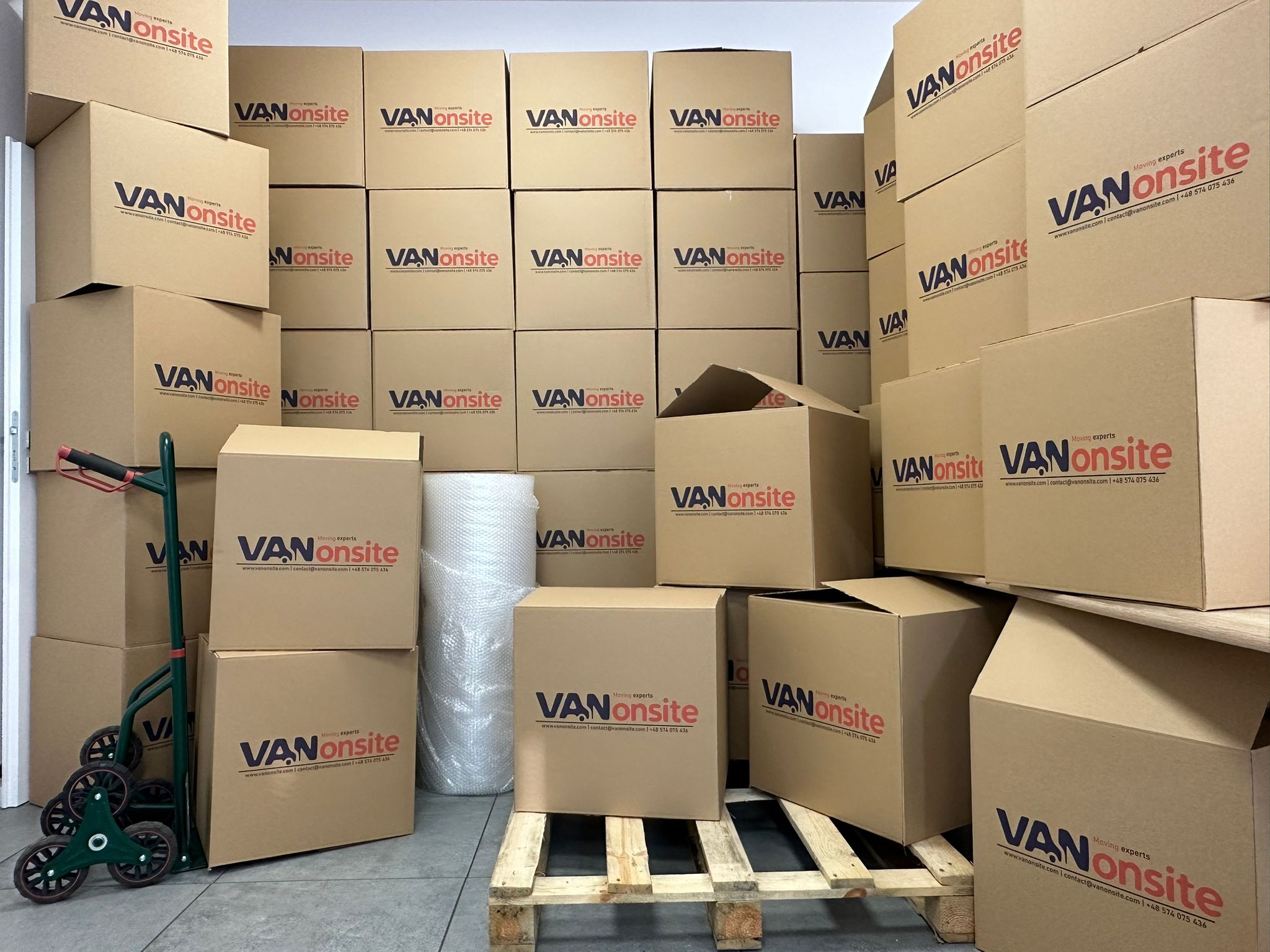
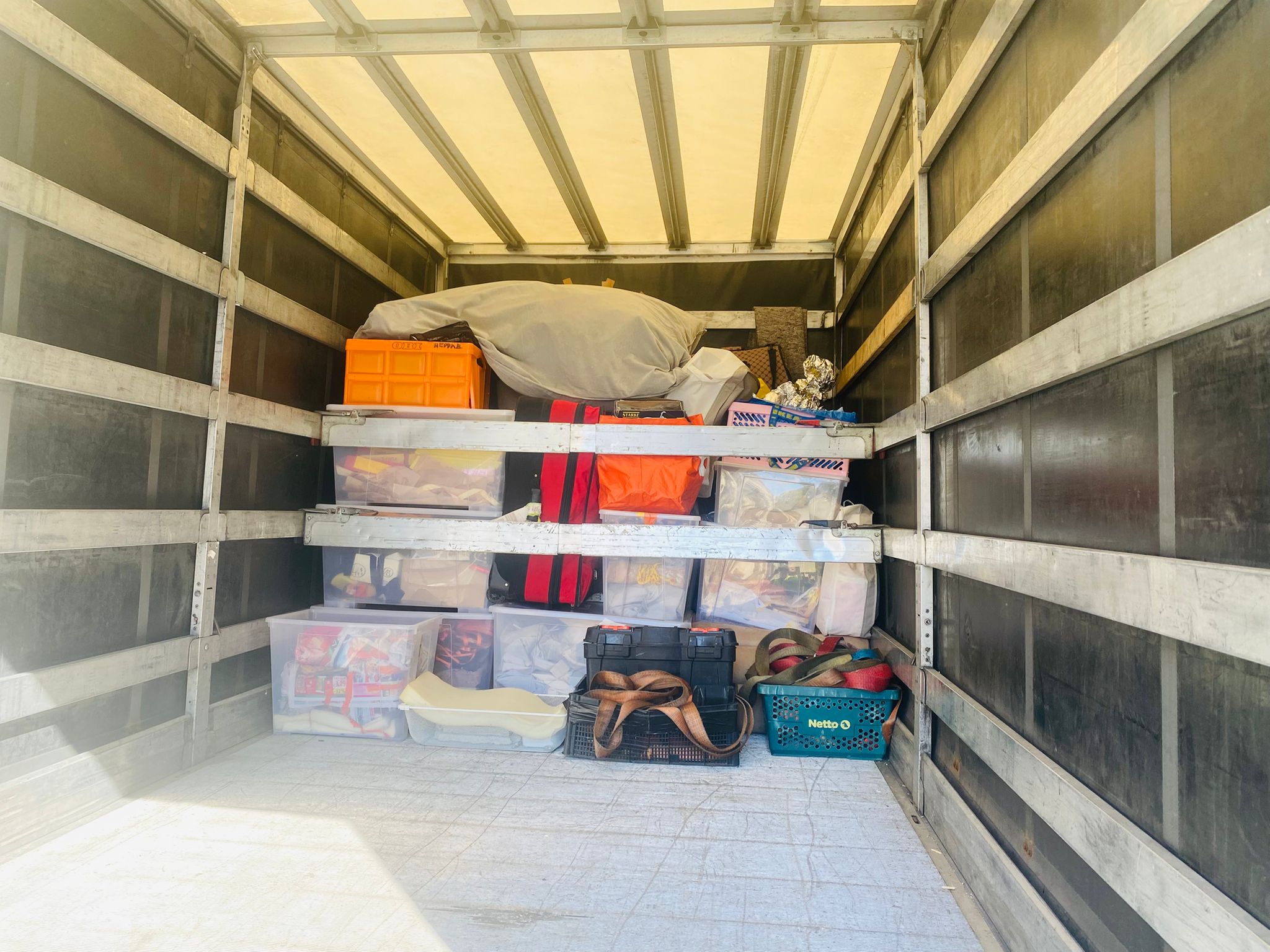
VANonsite supports European moves with secure transport, GPS tracking for every load and flexible vehicle sizes for anything from a small man and van relocation to a full household move. Whether you are moving 1 m3 of essentials, a student room, a family home or a full office setup, the goal is the same: safe collection, controlled transport and a calmer arrival in Switzerland.
TL:DR
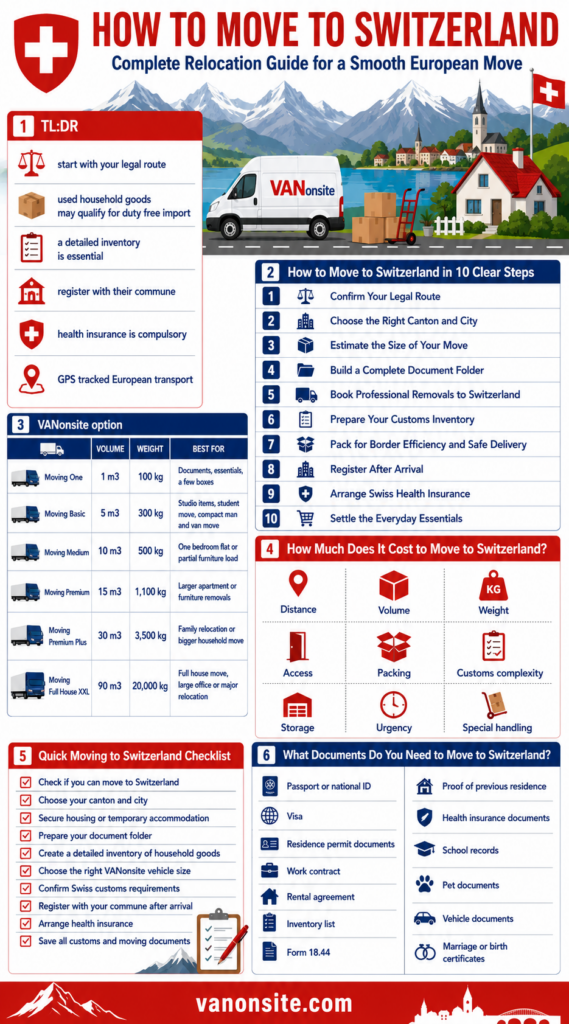
- To understand how to move to Switzerland, start with your legal route: work, study, family, retirement, private means or another valid reason for residence.
- EU/EFTA citizens usually have easier access than non EU/EFTA citizens, but longer stays still require the correct residence steps.
- If you move to Switzerland permanently, your used household goods may qualify for duty free import when Swiss customs conditions are met.
- A detailed inventory is essential for a smooth border process, especially when moving furniture, boxes, office equipment or larger household loads.
- New residents usually need to register with their commune soon after arrival, commonly within 14 days.
- Swiss health insurance is compulsory for residents and must normally be arranged within 3 months of taking up residence.
- VANonsite helps with removals to Switzerland, man and van moves, packing, furniture removals, storage, office removals and GPS tracked European transport.




Can I Move to Switzerland?
The first question is often direct: can I move to Switzerland?
For many people, the answer is yes. But Switzerland is not a destination where long term relocation should be left to guesswork. Your route depends on your nationality, purpose of stay, work status, income, family situation and the canton where you plan to live.
If you are an EU/EFTA citizen, your process is usually simpler because Switzerland has agreements that make residence and employment easier for many EU/EFTA nationals. However, that does not mean there are no formalities. If you want to stay longer than a short visit, you still need to follow the correct residence, registration and employment rules. You can check official information about EU/EFTA residence permits.
If you are not an EU/EFTA citizen, the process is usually stricter. You may need a visa, a work permit, employer sponsorship, proof of study, family reunification approval or another valid residence basis. Switzerland applies a more selective system for people from outside the EU/EFTA area, so it is important to check official guidance on Swiss residence permits before booking a permanent move.
The best way to approach how to move to Switzerland is to treat eligibility as step one. Before packing furniture, booking transport or signing a rental agreement, make sure your legal route is realistic.
| Your situation | Is moving to Switzerland possible? | First thing to check |
|---|---|---|
| EU/EFTA citizen with a job | Usually possible | Residence permit and local registration |
| EU/EFTA citizen without a job | Possible in some cases | Financial means, insurance and canton rules |
| Non EU/EFTA worker | Possible, but stricter | Employer support and work authorisation |
| Student | Possible with admission | Study documents and proof of financial means |
| Family member joining a resident | Often possible | Family reunification rules |
| Retiree or person of private means | Possible in some cases | Income, insurance and residence conditions |
| Business owner or company mover | Possible, but case specific | Business structure, tax and permit requirements |
The practical answer to “can I move to Switzerland?” is this: yes, if your nationality, documents, financial situation and reason for moving match Swiss requirements. Once that is clear, the logistics become much easier to organise.
How to Move to Switzerland in 10 Clear Steps
If you are asking how can I move to Switzerland without being swallowed by paperwork, use this step by step plan. It follows the natural order of a successful relocation: eligibility first, logistics second, arrival tasks third.
1. Confirm Your Legal Route
Every serious plan for how to move to Switzerland begins with permission to live there. The right route may be employment, study, family reunification, retirement, private means or another approved basis.
For workers, the rules depend heavily on nationality. EU/EFTA nationals usually have broader access to the Swiss labour market, while non EU/EFTA nationals face more restrictive admission rules. If your move is linked to a job, check official guidance on working in Switzerland as a foreign national.
Before setting a final moving date, prepare answers to these questions:
- Are you moving for work, study, family or another reason?
- Do you need a visa before entry?
- Will you need a residence permit after arrival?
- Does your employer need to support your application?
- Do you already have housing or temporary accommodation?
- Which canton will handle your residence process?
- Do you have enough financial proof if you are not working?
This stage may feel administrative, but it protects the entire move. A beautiful moving plan can collapse if the legal route is uncertain.
2. Choose the Right Canton and City
Switzerland is compact, but it is not uniform. It has 26 cantons, several official languages and real differences in cost, tax, culture, schools and housing. A move to Zurich does not feel the same as a move to Geneva, Basel, Lausanne, Bern, Lucerne or Lugano.
Zurich is strong for finance, technology and global business. Geneva attracts international organisations, NGOs, diplomacy and private banking. Basel is known for pharmaceuticals, research and cross border life near France and Germany. Lausanne has a youthful academic energy. Bern feels calmer, polished and central. Lugano offers Italian speaking Switzerland with a softer southern atmosphere.
When researching how to move to Switzerland, do not choose a city only because it looks beautiful online. Think like someone who has to live there on a Tuesday morning in February.
Ask yourself:
- Which language is spoken in daily life?
- Can you afford the rent and deposit?
- Is your workplace easy to reach?
- Does the canton suit your tax and permit situation?
- Are schools, childcare and healthcare accessible?
- Is parking available for moving day?
- Can a moving vehicle reach the building?
- Is storage needed before your property is ready?
Many Swiss homes are well organised but not always easy for removals. Narrow streets, timed delivery zones, apartment rules, underground parking height limits and small lifts can all affect the move. Good planning prevents a stressful arrival.
3. Estimate the Size of Your Move
One of the biggest moving mistakes is guessing the load size. A move that looks small in your living room can grow quickly once boxes, chairs, bedding, kitchenware, books, bikes and office equipment are counted.
VANonsite offers several vehicle sizes, which makes it easier to match the move to the real volume and weight of your belongings.
| VANonsite option | Volume | Weight limit | Best for |
|---|---|---|---|
| Moving One | 1 m3 | 100 kg | Documents, essentials, a few boxes |
| Moving Basic | 5 m3 | 300 kg | Studio items, student move, compact man and van move |
| Moving Medium | 10 m3 | 500 kg | One bedroom flat or partial furniture load |
| Moving Premium | 15 m3 | 1,100 kg | Larger apartment or furniture removals |
| Moving Premium Plus | 30 m3 | 3,500 kg | Family relocation or bigger household move |
| Moving Full House XXL | 90 m3 | 20,000 kg | Full house move, large office or major relocation |
A 1 m3 move may be enough for documents, clothes, a laptop and a few boxes. A 5 m3 man and van move may suit a student or someone moving light. A 30 m3 option is far more appropriate for a family with beds, wardrobes, appliances, children’s items and work equipment.
Choosing the right vehicle matters for cost, timing and safety. Too small creates pressure. Too large can waste money. The sweet spot is a vehicle that fits your load cleanly, legally and securely.
4. Build a Complete Document Folder
People often focus on furniture first. In reality, documents can be just as important as sofas and boxes.
Create two folders before you move to Switzerland: one digital and one physical. Keep the physical folder with you during travel. Do not pack it inside the moving van.
Your document folder may include:
- passport or national ID
- visa documents, if required
- work contract or employer confirmation
- residence permit documents
- rental agreement or address confirmation
- marriage certificate, if relevant
- birth certificates for children
- school records
- medical records
- insurance documents
- moving inventory
- customs form, if applicable
- vehicle documents, if importing a car
- pet passport and vaccination records, if bringing pets
- contact details for your commune, landlord, employer and moving company
For entry and stay rules, use official Swiss guidance on travelling to Switzerland.
A strong document folder gives you control. It helps at the border, at the commune office, with insurers, with landlords and with schools. When everything is printed, scanned and easy to find, your move feels less fragile.
5. Book Professional Removals to Switzerland
A relocation to Switzerland is not the same as moving across town. It can involve long distance driving, border rules, customs paperwork, delivery access, careful loading and tight timing.
That is why professional removals matter. VANonsite provides removals to Switzerland for people moving from across Europe, with flexible solutions for small, medium and large loads.
Depending on your situation, you may need:
- Last Minute Moving for urgent relocation
- Furniture Removals for bulky or fragile pieces
- Home Removals for a complete household move
- Packing Service for safer preparation
- White Glove Delivery for delicate or premium items
- Office Removals for business relocation
- Storage if dates do not match
- Student Removals for smaller, budget conscious moves
- Office Furniture Installation after delivery
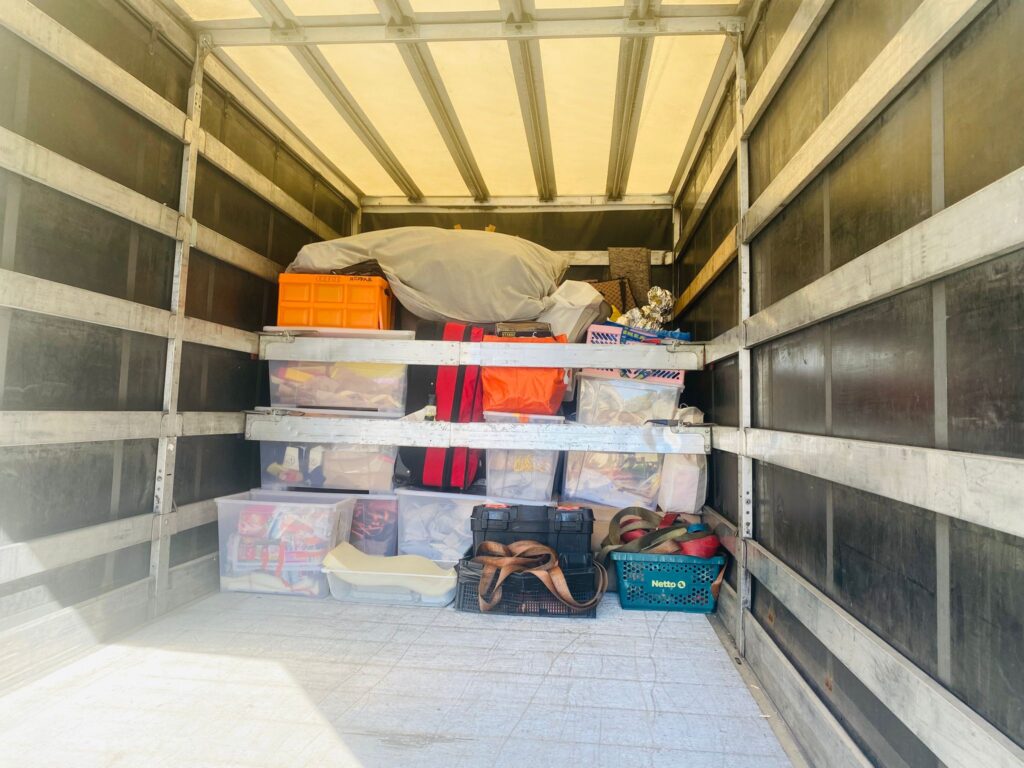
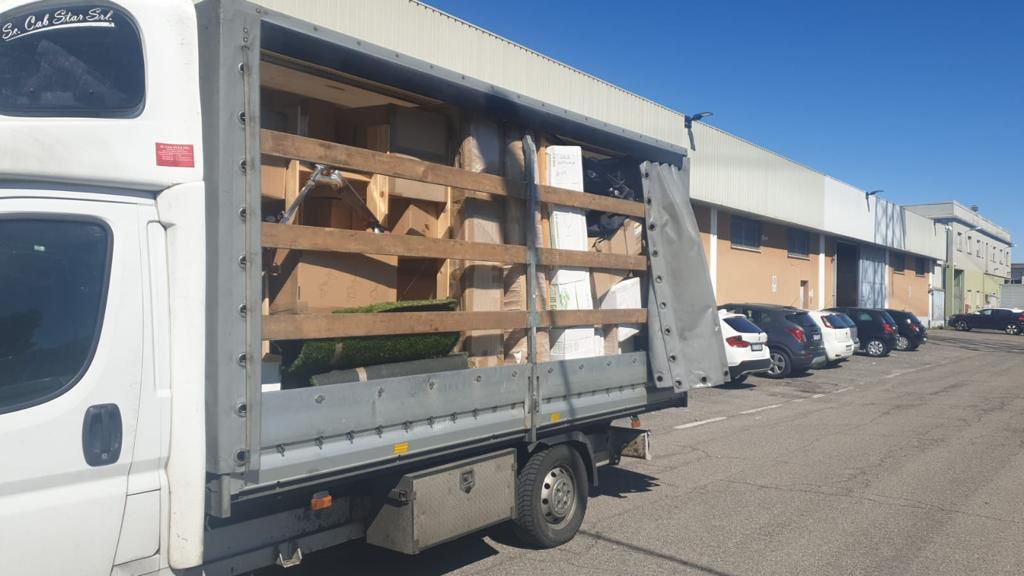
For a small move, a man and van setup can be the most efficient choice. For a larger family move, you may need more capacity, careful loading and a structured delivery plan.
VANonsite also offers GPS tracking for every load. That is not a small detail. When your belongings are crossing borders, visibility brings peace of mind. Instead of wondering where your furniture is, you can feel that the journey is traceable and controlled.
6. Prepare Your Customs Inventory
Switzerland is not part of the EU customs union, so customs matters. Even if you are moving from a nearby European country, your household goods need to be treated correctly.
Used household effects may qualify for duty free import when you transfer your domicile to Switzerland and meet the official conditions. Swiss customs information on moving household effects and importing goods into Switzerland when relocating explains that transfer of domicile is the key requirement and that imported articles must generally have been used personally for at least 6 months and continue to be used after import.
In many cases, you may need form 18.44 and supporting documents. The official Swiss relocation import procedure gives details about presenting the completed form and proof of transfer of domicile.
Your inventory should be clear enough for customs, the driver and you. Avoid vague labels such as “miscellaneous” or “stuff”.
| Weak inventory | Better inventory |
|---|---|
| Box of things | Box 1: winter clothes and shoes |
| Kitchen stuff | Box 2: plates, mugs, pans and cutlery |
| Bedroom | Box 3: bedding, towels and cushions |
| Furniture | Item 4: used oak dining table |
| Office | Box 5: monitor, keyboard, files and office lamp |
| Personal | Box 6: books, photo frames and documents |
A good inventory does not need dramatic language. It needs order. That order can prevent delays, reduce questions and make your move to Switzerland feel far more professional.
7. Pack for Border Efficiency and Safe Delivery
Packing is not only about preventing broken glass. It is about creating a clear system from collection to customs to delivery.
If you want to know how to move to Switzerland with less friction, pack in a way that supports the journey. The driver should understand the load. Customs should understand the inventory. You should understand where your essentials are when you arrive tired, hungry and surrounded by boxes.
Use this packing system:
- number every box
- label each box by room and content
- match box numbers to your inventory
- mark fragile items on at least two sides
- protect furniture corners
- wrap glass, mirrors and lamps carefully
- keep cables with their devices
- put screws and fittings in labelled bags
- keep passports, contracts and permits with you
- prepare a first night bag
- separate medicines, chargers, toiletries and basic clothes
- photograph valuable furniture before loading
Packing can be emotional. You are not just wrapping objects. You are dismantling a life in one place so it can be rebuilt somewhere new. A careful system protects both your belongings and your nerves.
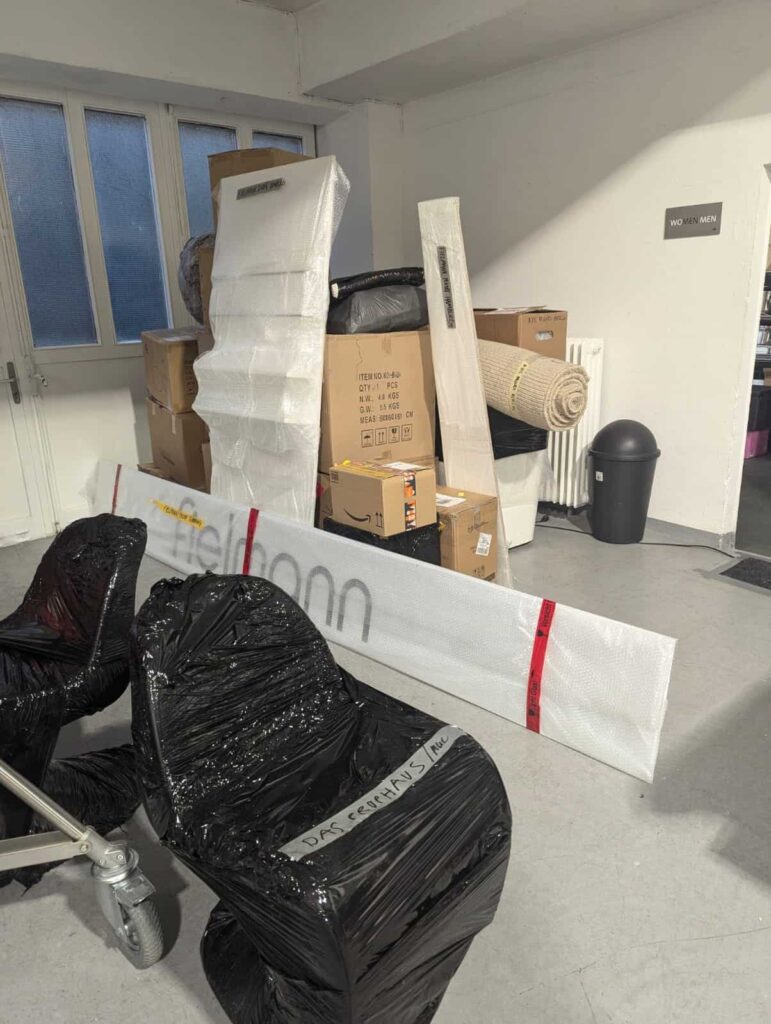
VANonsite Packing Service can be especially useful for fragile goods, furniture, electronics, office equipment and high value items. If you are short on time, professional packing can turn a chaotic week into a controlled process.
8. Register After Arrival
Once you arrive in Switzerland, the move is not fully finished. New residents usually need to register with their commune of residence. In general, this is expected within 14 days of moving.
You can check official Swiss guidance on notification of departure and registration.
This step is important because your commune registration may connect with residence permits, local administration, health insurance, schools and other services.
You may need to bring:
- passport or national ID
- rental agreement
- employment contract
- civil status documents
- residence permit documents
- health insurance information
- passport photos, if requested
- proof of arrival or previous address, if required
Rules and processes can vary by canton and commune. Some steps may be available online, while others may require an in person appointment. Do not wait until every picture frame is hung. Register early and keep your documents organised.
9. Arrange Swiss Health Insurance
Swiss health insurance is compulsory for residents. Anyone settling in Switzerland must normally take out health insurance within 3 months after taking up residence. Each member of a family, adult or child, must be individually insured.
Official information is available from the Federal Office of Public Health on the health insurance requirement for people resident in Switzerland.
This is one of the most important post arrival steps. Switzerland has excellent healthcare, but it is not something to leave until you need a doctor. If you are moving with a spouse and 2 children, you are not arranging one family policy in a casual sense. You need to make sure each person is properly covered.
Add health insurance to your arrival checklist before moving day. That way, it becomes part of the plan instead of an expensive surprise.
10. Settle the Everyday Essentials
The final stage is about making Switzerland functional. Your furniture may be delivered, but life still needs to be connected.
After arrival, focus on the essentials:
- register with your commune
- complete your permit steps
- arrange health insurance
- open a Swiss bank account
- set up phone and internet
- register children for school
- update your address with banks and employers
- arrange utilities if needed
- check driving licence requirements
- register pets where required
- keep customs and moving documents safe
- learn local recycling and waste rules
- introduce yourself to building management or neighbours
Switzerland runs on systems. Once you understand them, daily life becomes smoother. The first few weeks may feel intense, but good preparation helps you settle faster.
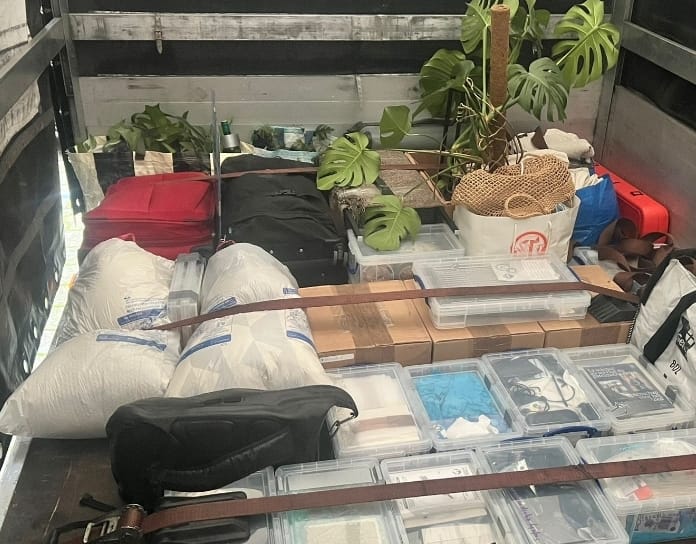
How Much Does It Cost to Move to Switzerland?
The cost of moving to Switzerland depends on distance, volume, weight, access, timing and services. A small 1 m3 move is naturally very different from a full 90 m3 household relocation.
The most useful way to think about cost is not “what is the cheapest move?” but “what is the right setup for my situation?” A badly planned cheap move can become expensive if it causes delays, damage or repeated trips.
| Cost factor | Why it affects price |
|---|---|
| Distance | Longer routes require more fuel, time and planning |
| Volume | Larger loads need more vehicle capacity |
| Weight | Heavy furniture and appliances affect vehicle choice |
| Access | Stairs, lifts, parking limits and narrow streets can add labour |
| Packing | Professional packing adds cost but reduces damage risk |
| Customs complexity | Special goods or incomplete documents may slow the process |
| Storage | Temporary storage helps when collection and delivery dates do not match |
| Urgency | Last minute moving requires faster coordination |
| Special handling | Fragile, high value or designer items may need extra protection |
To control costs, start by reducing volume. Switzerland is not the place to drag old clutter across borders. Every unnecessary object takes space, time and money.
Cost saving tips:
- declutter before requesting a quote
- sell or donate furniture you no longer need
- measure large items before deciding to move them
- pack simple non fragile items yourself if you have time
- use professional packing only where it adds real value
- choose the right vehicle size
- prepare the customs inventory early
- avoid last minute changes where possible
- use storage only for the exact time needed
- consider man and van transport for smaller moves
A move to Switzerland should feel efficient, not inflated. The right vehicle and service level can protect your budget while still protecting your belongings.
Moving Household Goods to Switzerland
Most people moving to Switzerland bring a familiar blend of practical and personal items: furniture, clothes, books, kitchenware, computers, bicycles, bedding, home office equipment, children’s toys and objects that quietly hold years of memory.
Common household goods include:
- sofas and armchairs
- beds and mattresses
- wardrobes and drawers
- dining tables and chairs
- kitchen equipment
- books and documents
- electronics
- clothes and shoes
- lamps and mirrors
- bicycles and sports equipment
- children’s items
- student belongings
- home office furniture
- decorative pieces
Some items need more care than others. A box of towels is simple. A glass table, antique cabinet, designer chair or expensive monitor deserves a different level of protection.
Items that may require extra attention include:
- antiques
- artwork
- glass furniture
- mirrors
- musical instruments
- designer pieces
- fragile lamps
- large wardrobes
- IT equipment
- office furniture
- sentimental family items
- high value electronics
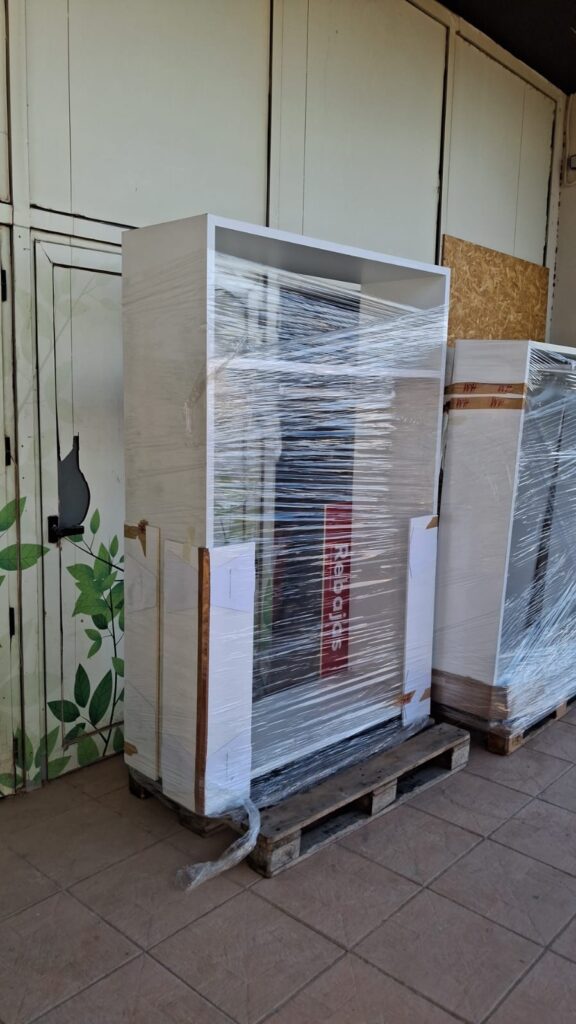
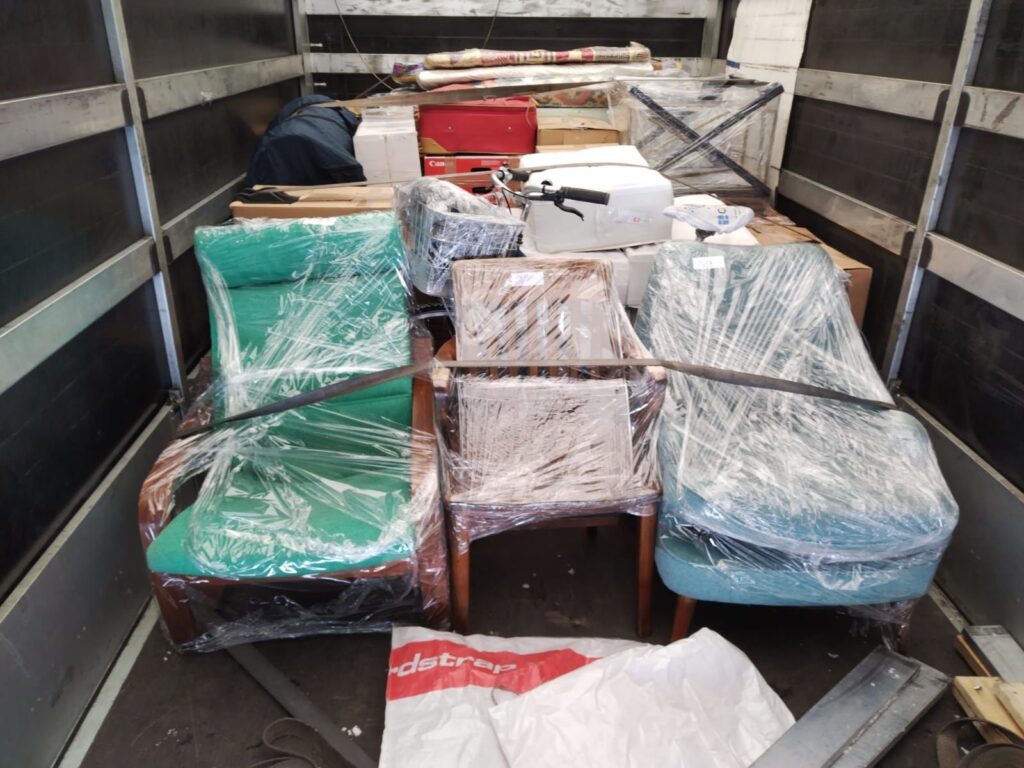
VANonsite can support these needs with furniture removals, packing help, white glove delivery and GPS tracked transport. That combination matters because moving is not only about getting items from one address to another. It is about preserving value, avoiding damage and arriving with confidence.
If you are researching how to move to Switzerland with a full household, start with a detailed list of what you actually want to keep. Then divide it into categories: essential, valuable, fragile, replaceable and unnecessary. That one exercise can reduce costs and make the entire move easier.
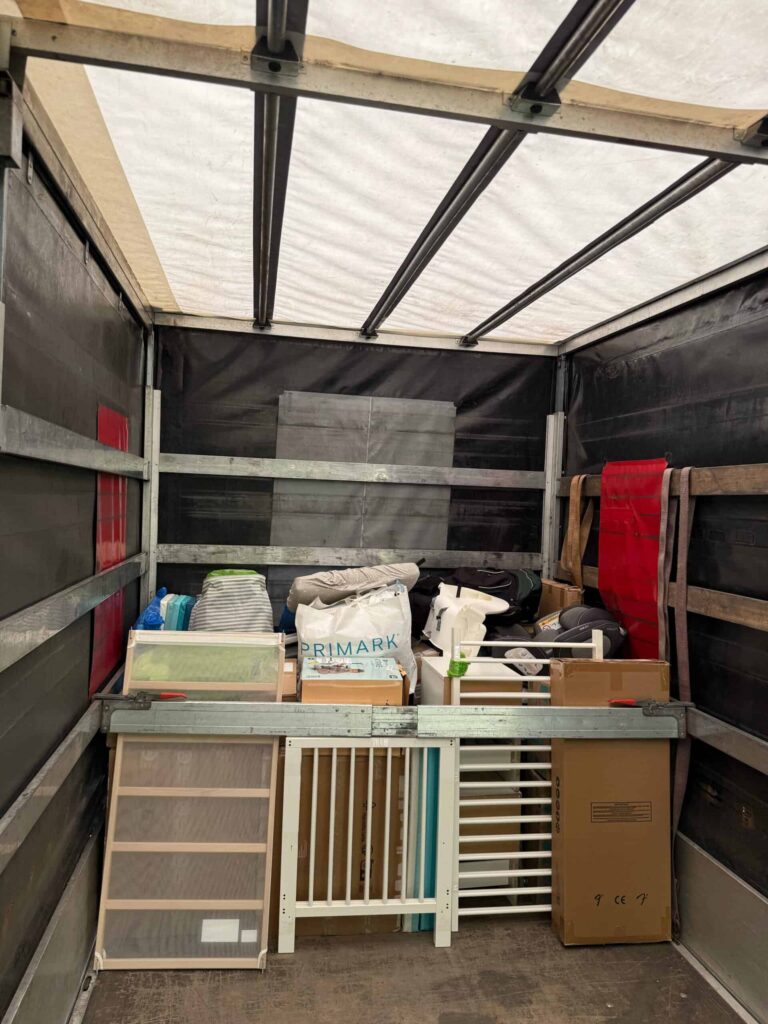
Moving Furniture to Switzerland
Furniture removals require more planning than box only transport. Furniture is bulky, awkward and often vulnerable at the edges. Swiss apartments can also be challenging because of stairs, lifts, access rules and limited parking.
Before moving furniture to Switzerland, take measurements seriously.
Measure:
- sofas
- wardrobes
- bed frames
- mattresses
- dining tables
- desks
- shelving units
- large appliances
- doorways
- staircases
- lift interiors
- hallway turns
A wardrobe that fits your current bedroom may not fit the stairwell in Geneva. A sofa that looks modest in a large living room may become a monster in a narrow Zurich entrance hall.
Prepare furniture properly:
- Disassemble beds, wardrobes and desks where possible.
- Keep screws, bolts and fittings in labelled bags.
- Tape each fittings bag to the related furniture part or keep all bags in one marked box.
- Protect polished surfaces.
- Wrap corners and legs.
- Remove loose shelves and drawers.
- Photograph expensive items before loading.
- Tell your moving team about fragile or sentimental pieces.
For delicate or premium furniture, White Glove Delivery can be the wiser choice. It is especially useful for designer pieces, antiques, glass, artwork, fragile lighting and high value interiors.
If you want to know how to move to Switzerland without damaging furniture, the answer is simple: measure early, protect properly and use a transport setup that respects the item.
Moving to Switzerland for Work
Many people move to Switzerland for work, and it is easy to understand why. The country offers strong salaries, world class companies, a stable economy and excellent infrastructure. But the employment route still requires careful planning.
If your relocation is work based, your employer may play an important role, especially if you are not an EU/EFTA citizen. You may need employment documents, qualifications, permit approval or canton specific steps.
Prepare these items early:
- signed employment contract
- job title and start date
- employer address
- permit documents
- professional qualifications, if required
- salary confirmation, if needed
- rental agreement or temporary address
- relocation timeline
- identity documents
- family documents, if moving with dependants
It is wise to avoid booking a rigid moving date until your employment and residence path is clear. That does not mean you should wait until the final moment to plan transport. Instead, gather quotes early and keep your moving company informed about likely dates.
For companies relocating staff, offices or equipment, planning becomes even more important. Office moves may include desks, chairs, cabinets, screens, IT equipment, meeting room furniture and installation after delivery.
VANonsite supports Office Removals and Office Furniture Installation, which can reduce downtime and help teams restart quickly after relocation.
Moving to Switzerland as a Student
A student move is usually smaller, faster and more budget sensitive. But it can still be stressful because dates are often tight. University admission, accommodation, travel and the start of term may all land close together.
A typical student move to Switzerland may include:
- clothes
- shoes
- books
- laptop
- monitor
- bedding
- kitchen basics
- small furniture
- bicycle
- documents
- musical instrument
- personal keepsakes
For many students, a man and van solution is ideal. It offers enough space for essentials without forcing the student to pay for a much larger vehicle. Moving One, Moving Basic or Moving Medium may be suitable, depending on the number of boxes and whether furniture is included.
If you are a student asking how to move to Switzerland on a sensible budget, be ruthless with your packing list. Do not pay to transport items you can buy cheaply after arrival. Focus on essentials, documents, electronics, clothes and items that genuinely matter.
Student moves also benefit from clear labelling. Dorms, shared flats and student housing can be busy on move in days. A tidy inventory and compact load make delivery faster.
Moving to Switzerland With Family
A family move is not just a logistics project. It is emotional architecture. You are moving routines, school mornings, bedtime habits, favourite mugs, toys, bikes, documents and the fragile feeling of home.
Families need more planning because there are more people, more belongings and more consequences if something is missing.
Family documents may include:
- passports or IDs for every family member
- birth certificates
- marriage certificate, if relevant
- custody documents, if relevant
- school records
- vaccination records
- medical records
- rental agreement
- employment documents
- permit papers
- insurance documents
- pet documents, if relevant
School planning should begin before arrival. In Switzerland, compulsory education lasts 11 years, and most children start kindergarten at around age 4. You can check official guidance on kindergarten and compulsory education in Switzerland.
For a smoother family move:
- pack one first night box per person
- keep children’s favourite items accessible
- label boxes by room and family member
- keep school and health documents separate
- use colour labels if helpful
- pack snacks, chargers and basic medicines for travel
- consider storage if your Swiss home is not ready
- choose a larger vehicle if furniture and children’s items are moving together
- book packing support for fragile or bulky goods
Children often experience moving through objects: a blanket, a toy, a poster, a familiar lamp. Make sure those comfort items are not buried at the back of a van.
Moving to Switzerland With Pets
If you are bringing pets, start early. Switzerland has specific rules for animal movement, especially for dogs, cats and ferrets.
Dogs, cats and ferrets generally need key documents and health requirements, such as identification and valid rabies vaccination. The exact requirements depend on where the animal is travelling from. Official Swiss guidance on dogs, cats and ferrets is the safest source to check before travel.
Your pet checklist should include:
- microchip check
- rabies vaccination
- pet passport or official documents
- travel crate or safe carrier
- food for the journey
- medication, if needed
- vet records
- address of a local vet near your new home
- comfort blanket or familiar toy
VANonsite can move household goods, furniture and personal belongings. Pet owners should confirm animal entry rules directly with official Swiss sources and their vet.
Pets feel disruption too. Keep their journey predictable, calm and well prepared.
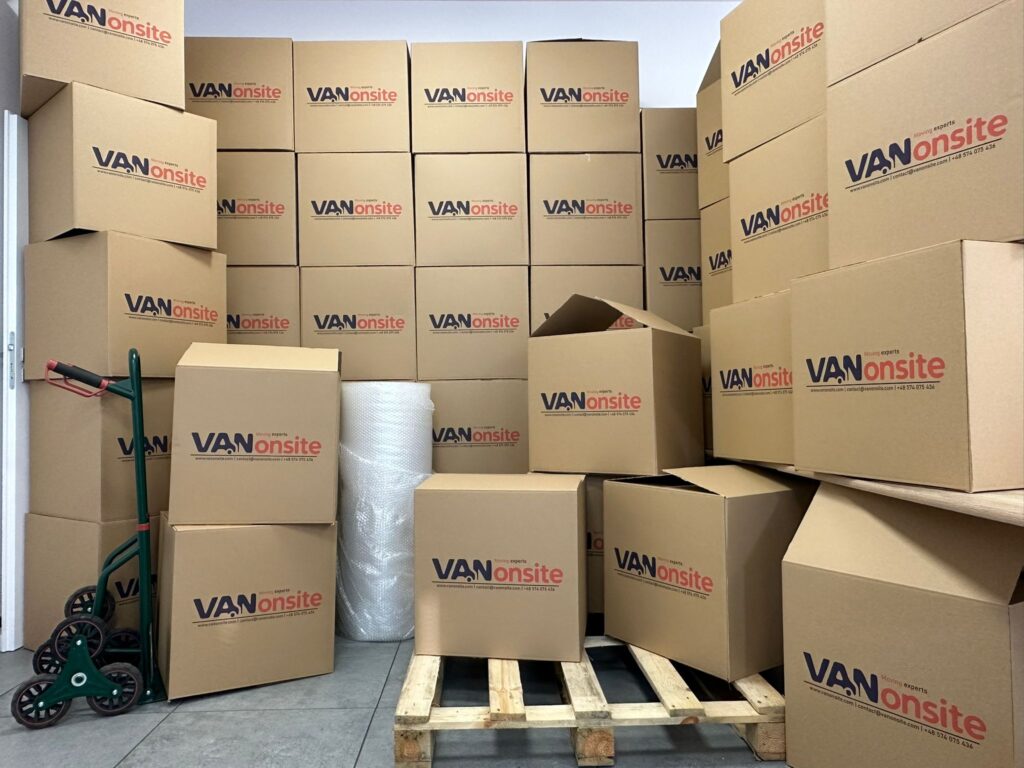
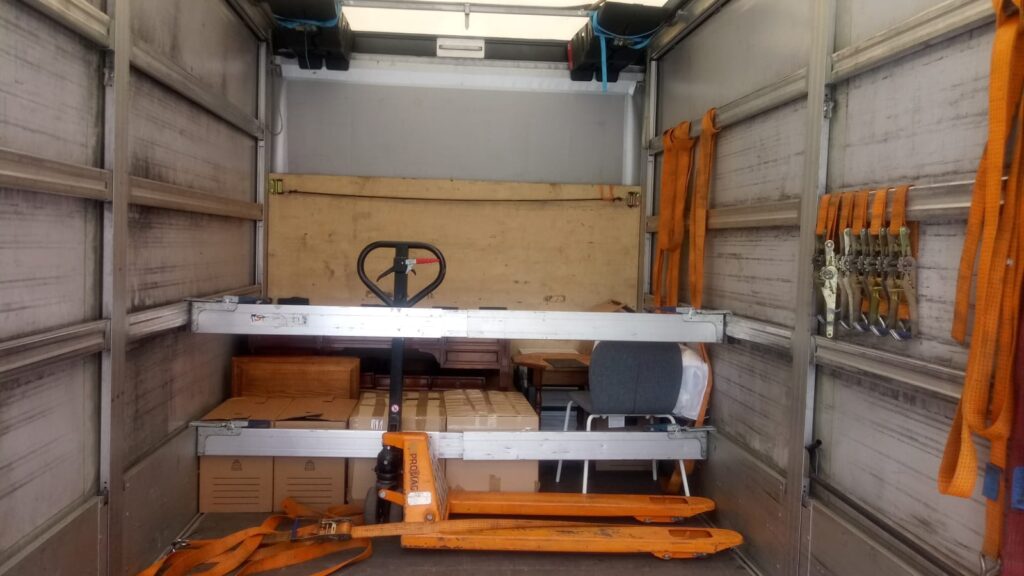


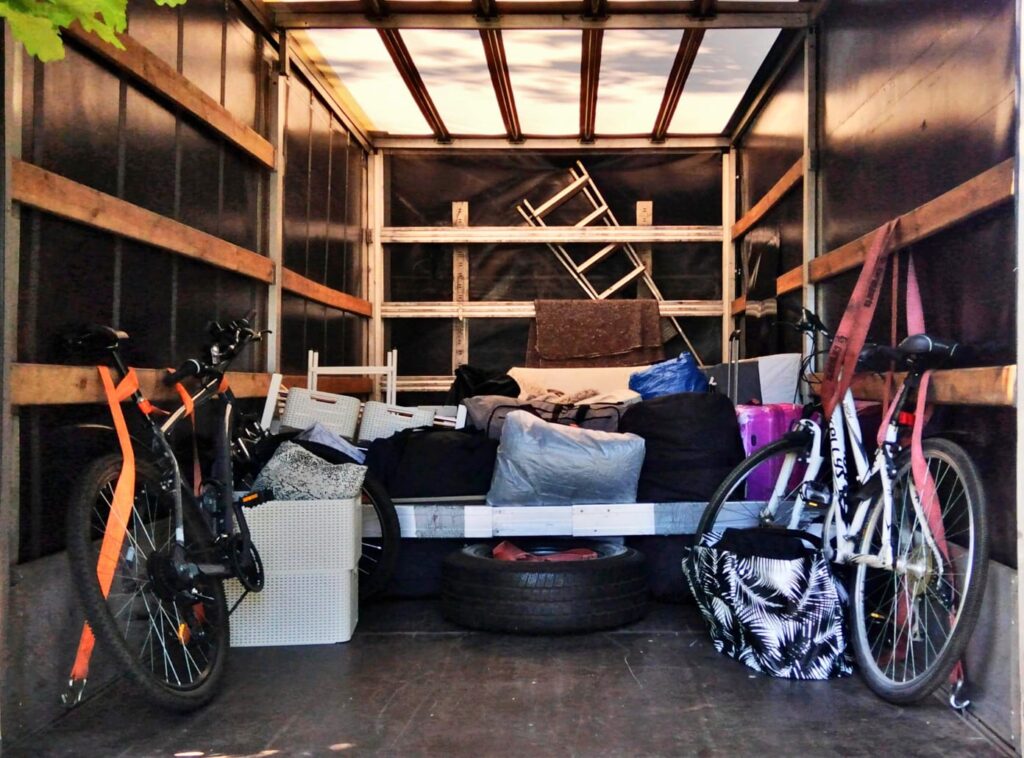
What Documents Do You Need to Move to Switzerland?
The exact documents depend on nationality and reason for relocation, but the following table is a strong practical starting point.
| Document | Who may need it | Why it matters |
|---|---|---|
| Passport or national ID | Everyone | Identity and entry |
| Visa | Some non EU/EFTA nationals | Legal entry |
| Residence permit documents | Long term residents | Legal stay |
| Work contract | Workers | Employment and permit process |
| Rental agreement | Most new residents | Commune registration |
| Inventory list | People moving goods | Customs clearance |
| Form 18.44 | Many people importing household effects | Duty free import request |
| Proof of previous residence | People transferring domicile | Customs and residence evidence |
| Health insurance documents | Residents | Compulsory insurance |
| School records | Families with children | School placement |
| Pet documents | Pet owners | Animal entry compliance |
| Vehicle documents | People importing cars | Customs and registration |
| Marriage or birth certificates | Families | Permit, school and commune matters |
Do not rely only on digital copies. Batteries die, phones break and apps fail at the worst moment. Keep printed copies in a folder that travels with you.
For customs, your inventory should be especially clear. It should show what is being moved, not vague categories that create confusion. If your load contains 42 boxes, number them from 1 to 42 and use the same numbers in your inventory.
This simple discipline can save time at the border and during unloading.
Customs Rules When You Move to Switzerland
Customs is one of the most important parts of how to move to Switzerland. It is also one of the easiest to underestimate.
Switzerland has specific rules for relocation goods. If you are transferring your domicile to Switzerland, your used household effects may be eligible for duty free import if they meet the conditions. However, the goods must be declared correctly.
Key customs principles include:
- household goods should be part of a genuine relocation
- goods should generally be used personal belongings
- a transfer of domicile is central to duty free import
- a clear inventory is essential
- form 18.44 may be required
- some goods may need special treatment
- vehicles, animals, alcohol and commercial goods require extra attention
A clean customs file may include:
- completed form 18.44, if applicable
- passport or ID copy
- rental agreement or proof of Swiss address
- employment contract or proof of relocation
- inventory of goods
- vehicle documents, if relevant
- pet documents, if relevant
The goal is to make the story of the move obvious. These are your personal goods. You used them before. You are transferring your home to Switzerland. You will continue using them after arrival.
When that story is clear, the process becomes easier for everyone involved.
Should You Import Your Car to Switzerland?
Some people moving to Switzerland want to bring a car. This can be practical, especially for families or people moving to rural areas. But it adds paperwork.
If you import a vehicle as part of your relocation, Swiss customs rules may apply. The vehicle may need to be declared and cleared correctly. The official customs page on vehicles during relocation explains that the vehicle must be present during customs clearance and that form 18.44 and supporting documents may be required.
Before moving a car, check:
- whether the car qualifies as relocation goods
- how long you have owned and used it
- customs requirements
- insurance
- registration
- technical standards
- driving licence rules
- parking availability at your Swiss address
For people moving into Zurich, Geneva, Basel or Lausanne, a car may be less useful than expected. Public transport is excellent, parking can be costly and city life may not require daily driving. For mountain villages, families or work routes outside major cities, a car can be more valuable.
Do the maths before importing. Sometimes bringing the car is sensible. Sometimes selling it before the move is cleaner.
Best Time to Move to Switzerland
There is no perfect month for everyone, but timing matters.
Summer is popular because the weather is friendlier, school changes are easier and daylight lasts longer. The downside is demand. Moving companies can be busier, and rental changes may create pressure.
Winter can be beautiful, but it may bring snow, icy roads and harder access, especially near mountain areas. If you are moving in winter, check loading access, road conditions and parking more carefully.
End of month dates can be busy because rental contracts often change around that time. If you can choose a quieter date, your move may feel smoother.
A strong timeline looks like this:
| Time before move | What to do |
|---|---|
| 3 to 6 months | Confirm legal route, city, work or study plans |
| 2 to 3 months | Start documents, housing search and removals quotes |
| 4 to 8 weeks | Confirm transport, inventory and packing plan |
| 2 to 4 weeks | Finalise customs documents and labels |
| Moving week | Keep documents and essentials with you |
| First 14 days | Register locally where required |
| First 3 months | Arrange compulsory health insurance |
If your situation changes suddenly because of a job offer, housing date or urgent family need, Last Minute Moving can help. But whenever possible, plan early. A calm move is usually a prepared move.
Where Should You Move in Switzerland?
Choosing where to live is one of the most personal parts of moving to Switzerland. The right place depends on work, language, budget, family needs and lifestyle.
| City or region | Best for | Moving note |
|---|---|---|
| Zurich | Finance, tech, careers and urban life | Parking and apartment access need planning |
| Geneva | Diplomacy, NGOs, global companies and lake life | Cross border traffic can affect timing |
| Basel | Pharma, research and access to France and Germany | Strong choice for international routes |
| Lausanne | Students, sport and lakeside living | Hills and access can matter |
| Bern | Families, government and calmer city life | Central location helps onward moves |
| Lucerne | Scenic lifestyle and smaller city charm | Old town access may be restricted |
| Lugano | Italian speaking Switzerland and warmer climate | Longer route from northern Europe |
Language is a practical issue. German, French, Italian and Romansh are all part of Switzerland’s identity, but local language expectations vary. An English speaking job in Zurich does not mean every part of daily life will happen in English.
Think beyond the first month. Where will you shop? Where will your children go to school? How long is the commute? Can guests visit easily? Is the rent sustainable? Will you need storage?
A successful move to Switzerland is not just about crossing the border. It is about landing in the right daily life.
Moving to Switzerland for a Better Lifestyle
Many people are drawn to Switzerland for quality of life. Clean cities, high safety, strong salaries, beautiful nature and reliable public services are powerful reasons to move.
But lifestyle should be planned realistically. Switzerland can be expensive. Housing can be competitive. Administrative rules can feel strict at first. Sundays are quiet. Recycling is taken seriously. Noise rules may matter in apartment buildings. Local habits can be more reserved than in some other countries.
This is not a problem. It is simply part of the adjustment.
A good lifestyle move means asking:
- Can I afford the area long term?
- Do I understand local language expectations?
- Is the commute realistic?
- Will my family feel supported?
- Do I prefer city life, lake life or mountain access?
- Am I ready for Swiss administrative precision?
- Do I have enough savings for the first months?
How to move to Switzerland is not only a logistics question. It is also about building a life that fits the country.
Common Mistakes When Moving to Switzerland
A Swiss move can be smooth, but several mistakes appear again and again.
Booking Transport Before Checking Permit Rules
Transport is exciting because it feels real. But legal eligibility comes first. Your moving date should match your work, housing, permit and registration situation.
Underestimating Customs
Customs is not a detail to solve at the border. Missing forms, unclear inventories and special goods can cause delays. Prepare early.
Choosing the Wrong Vehicle Size
Trying to squeeze a 15 m3 load into a 5 m3 van is false economy. It risks stress, damage and extra trips.
Packing Without a System
Boxes labelled “random” are trouble. Good labels help customs, unloading and your first week in Switzerland.
Leaving Health Insurance Too Late
Health insurance is compulsory. Build it into your arrival plan from the beginning.
Forgetting Access Rules
Swiss buildings can have strict delivery rules. Check parking, lift size, stair access and permitted unloading times.
Moving Too Much
Every unnecessary item costs money and energy. Declutter before you pack. Switzerland rewards precision.
Ignoring Storage Gaps
Sometimes your old home and new home dates do not match. Storage can prevent panic and protect your belongings during the gap.
Packing Documents in the Van
This is a classic mistake. Keep passports, permits, contracts, insurance papers and customs documents with you.
Avoiding these errors makes the difference between a chaotic relocation and a clean arrival.
How VANonsite Makes Moving to Switzerland Easier
VANonsite is built for European removals where speed, safety and coordination matter. A move to Switzerland deserves that level of care because the journey can involve distance, customs, valuable belongings and strict timing.
Secure European Transport
VANonsite understands European routes and international moving pressure. Your belongings are not treated as an afterthought. They are collected, transported and delivered with a focus on safety and timing.
GPS Tracking for Every Load
Every load can be tracked by GPS. That visibility is powerful. When your belongings are travelling across borders, you do not want silence. You want clarity.
GPS tracking gives you a stronger sense of control. It reduces uncertainty and helps the move feel less like a leap into the unknown.
Flexible Vehicle Sizes
Not every relocation needs a giant truck. Not every move fits into a small van. VANonsite offers options from 1 m3 to 90 m3, which makes the service useful for many types of customers.
You can choose:
- Moving One for essentials
- Moving Basic for a small man and van relocation
- Moving Medium for a one bedroom setup
- Moving Premium for a larger apartment
- Moving Premium Plus for a family move
- Moving Full House XXL for a full household or large office move
Services for Real Moving Needs
A relocation is rarely just transport. Sometimes you need urgent collection. Sometimes you need careful packing. Sometimes you need storage because the Swiss property is not ready. Sometimes your office furniture needs to be installed after delivery.
VANonsite can support:
- man and van style small moves
- full home removals
- furniture removals
- packing service
- white glove delivery
- storage
- office removals
- student removals
- last minute moving
- office furniture installation
This flexibility helps because real moves are messy. The best moving service is not the one that forces every customer into the same box. It is the one that adapts to the load, the deadline and the person.
Planning your move? Get a clear quote for removals to Switzerland and choose transport that fits your belongings, timing and budget.
Quick Moving to Switzerland Checklist
Use this checklist before you book, pack or travel.
- Check if you can move to Switzerland under your nationality and purpose of stay.
- Confirm whether you need a visa, work permit or residence permit.
- Choose your canton and city.
- Secure housing or temporary accommodation.
- Prepare your document folder.
- Create a detailed inventory of household goods.
- Choose the right VANonsite vehicle size.
- Book packing, storage or white glove support if needed.
- Confirm Swiss customs requirements.
- Keep passports, documents and essentials with you.
- Move your goods with GPS tracked transport.
- Register with your commune after arrival.
- Arrange health insurance within the required period.
- Set up banking, utilities, school and daily essentials.
- Save all customs and moving documents.
FAQ: How to Move to Switzerland
How to move to Switzerland from Europe?
To move to Switzerland from Europe, first check whether you are an EU/EFTA citizen or a non EU/EFTA citizen. Your nationality affects permit rules, work rights and documents. Then arrange housing, prepare your customs inventory, book secure removals and plan registration after arrival. For small loads, a man and van move may be enough. For larger homes, choose a bigger vehicle with professional packing support.
Can I move to Switzerland without a job?
Yes, it can be possible in some situations, but it depends on nationality and personal circumstances. Students, family members, retirees and people with sufficient financial means may have possible routes. However, Switzerland has clear requirements, so you should check official residence rules before booking a permanent move.
How can I move to Switzerland with furniture?
To move furniture to Switzerland, measure large items, check building access, prepare a customs inventory and choose a vehicle with enough volume and weight capacity. Use protective packing for fragile, polished or high value pieces. VANonsite can support furniture removals, packing and careful delivery for delicate items.
Is a man and van enough to move to Switzerland?
A man and van service can be enough for small moves, student relocations, boxes, light furniture or urgent last minute moves. If you are moving a full apartment, family household or office, you may need a larger VANonsite vehicle such as Moving Premium Plus or Moving Full House XXL.
How long does it take to move to Switzerland?
The timing depends on collection address, delivery address, distance, vehicle size, customs preparation, access and route conditions. A well prepared move with clear documents and a realistic inventory is usually smoother. GPS tracking also helps you follow the journey with more confidence.
Do I need health insurance in Switzerland?
Yes, residents generally need Swiss health insurance. Anyone settling in Switzerland must normally arrange it within 3 months of taking up residence. Each family member, adult or child, must be individually insured.
Can I bring my pets to Switzerland?
Yes, many people can bring pets to Switzerland, but dogs, cats and ferrets have specific rules. You may need a pet passport or relevant documents, a microchip and a valid rabies vaccination. Always check official Swiss veterinary guidance before travel.
Do I need customs documents when moving to Switzerland?
In many cases, yes. If you are importing household goods as part of your relocation, you should prepare a detailed inventory and check whether form 18.44 is required. Customs rules depend on your situation and the goods you bring.
What is the easiest way to move to Switzerland?
The easiest way to move to Switzerland is to follow a clear order: confirm eligibility, prepare documents, choose housing, build a customs inventory, book professional removals, pack properly, register after arrival and arrange health insurance. With VANonsite, you also get flexible vehicle sizes and GPS tracked transport, which makes the logistics calmer and more predictable.
Final Thoughts
So, how to move to Switzerland without feeling buried under paperwork, boxes and decisions?
Start with the essentials. Confirm your legal route. Prepare your documents. Choose your canton carefully. Build a customs ready inventory. Match your belongings to the right vehicle. Book transport that understands European removals. Then handle registration and health insurance quickly after arrival.
Switzerland rewards people who plan well. It is a country of clean systems, careful timing and quiet precision. Your relocation should follow the same spirit.
Whether you are moving 1 m3 of essentials, a student room, a treasured furniture collection, a family home or a full office, VANonsite can help make your move safer, faster and easier to control.
Request a quote for removals to Switzerland and move with GPS tracked confidence.