Moving to Switzerland can feel like stepping into a cleaner, calmer version of the future. The trains run with almost surgical precision. The lakes look polished by hand. Cities such as Zurich, Basel, Geneva, Lausanne and Bern offer strong careers, excellent schools and a rare quality of life.
Still, every beautiful move has a practical side. Before your sofa, suitcases, office equipment or family heirlooms cross the Swiss border, you need to understand the moving to Switzerland requirements. Switzerland is organized, efficient and serious about rules. That is good news when you prepare properly. It is less pleasant when paperwork is missing, customs forms are incomplete or residence rules have been misunderstood.
This guide gives you a clear breakdown of the moving to Switzerland requirements for people relocating from Europe, the UK and other countries. You will find the main documents, registration duties, customs rules, insurance steps, pet requirements, vehicle guidance and a practical moving timeline.
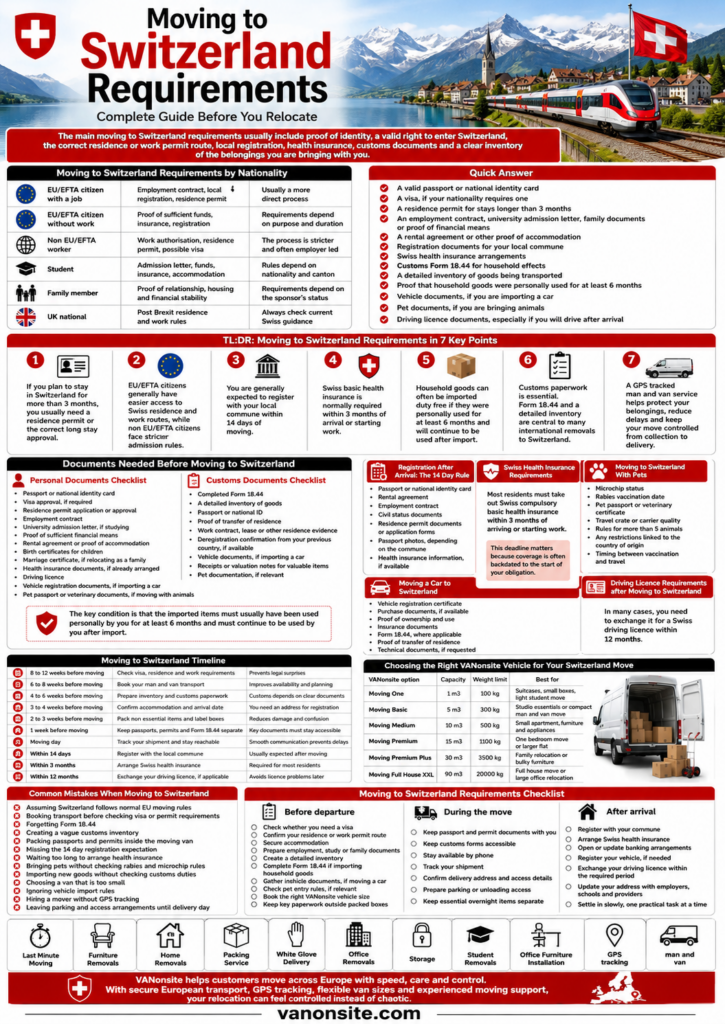
TL:DR: Moving to Switzerland Requirements in 7 Key Points
- If you plan to stay in Switzerland for more than 3 months, you usually need a residence permit or the correct long stay approval.
- EU/EFTA citizens generally have easier access to Swiss residence and work routes, while non EU/EFTA citizens face stricter admission rules.
- You are generally expected to register with your local commune within 14 days of moving.
- Swiss basic health insurance is normally required within 3 months of arrival or starting work.
- Household goods can often be imported duty free if they were personally used for at least 6 months and will continue to be used after import.
- Customs paperwork is essential. Form 18.44 and a detailed inventory are central to many international removals to Switzerland.
- A GPS tracked man and van service helps protect your belongings, reduce delays and keep your move controlled from collection to delivery.




Quick Answer: What Are the Main Moving to Switzerland Requirements?
The main moving to Switzerland requirements usually include proof of identity, a valid right to enter Switzerland, the correct residence or work permit route, local registration, health insurance, customs documents and a clear inventory of the belongings you are bringing with you.
In most relocation cases, you should prepare:
- A valid passport or national identity card
- A visa, if your nationality requires one
- A residence permit for stays longer than 3 months
- An employment contract, university admission letter, family documents or proof of financial means
- A rental agreement or other proof of accommodation
- Registration documents for your local commune
- Swiss health insurance arrangements
- Customs Form 18.44 for household effects
- A detailed inventory of goods being transported
- Proof that household goods were personally used for at least 6 months
- Vehicle documents, if you are importing a car
- Pet documents, if you are bringing animals
- Driving licence documents, especially if you will drive after arrival
For the physical move, VANonsite offers dedicated Removals to Switzerland for customers who want safe European transport, GPS tracking and the right vehicle size for their shipment.
Moving to Switzerland Requirements by Nationality
Your nationality is one of the biggest factors in the moving to Switzerland requirements. Switzerland is not a member of the European Union, but it has agreements with EU and EFTA countries that make residence and work easier for many European citizens. The route is usually clearer, but it is still not automatic.
For non EU/EFTA citizens, the requirements can be much more selective. Switzerland normally admits third country workers when they are highly qualified, such as managers, specialists and skilled professionals. Employers often need to be involved before a work permit is granted.
| Person moving to Switzerland | Main requirements | Practical note |
|---|---|---|
| EU/EFTA citizen with a job | Employment contract, local registration, residence permit | Usually a more direct process |
| EU/EFTA citizen without work | Proof of sufficient funds, insurance, registration | Requirements depend on purpose and duration |
| Non EU/EFTA worker | Work authorisation, residence permit, possible visa | The process is stricter and often employer led |
| Student | Admission letter, funds, insurance, accommodation | Rules depend on nationality and canton |
| Family member | Proof of relationship, housing and financial stability | Requirements depend on the sponsor’s status |
| UK national | Post Brexit residence and work rules | Always check current Swiss guidance |
Check your route before you book transport. A move can be arranged quickly, especially with a flexible man and van provider, but immigration documents need accuracy and time.
Residence and Work Permit Requirements in Switzerland
For most people staying longer than 3 months, residence permission is one of the central moving to Switzerland requirements. The exact permit depends on nationality, job status, income, family situation and expected length of stay.
EU/EFTA Citizens
EU/EFTA citizens benefit from easier access under free movement rules. If you are moving for work, you normally need a valid employment contract and you must apply for a residence permit from the commune where you will live.
Permit categories can depend on the length and type of employment. A short contract may lead to a short term permit. A longer contract can support a longer residence arrangement. Self employed people must usually prove that their business activity is genuine and financially viable. Keep contracts, identification, proof of address and insurance documents ready.
Non EU/EFTA Citizens
For non EU/EFTA citizens, moving to Switzerland requires more preparation. In many work cases, the employer must apply for authorisation before the employee can start work. The Swiss system gives priority to highly qualified workers and limited numbers can be admitted.
A non EU/EFTA national may also need an entry visa after the residence or work authorisation has been approved. This means the process can involve both cantonal and federal steps.
If this is your situation, do not make assumptions based on residence rights in another European country. Having a residence permit for an EU or EFTA country does not automatically give you the right to work in Switzerland.
Documents Needed Before Moving to Switzerland
Documents are the quiet engine of a successful relocation. A moving van can cover hundreds of kilometres in a day, but a missing document can delay your move at the border or after arrival.
Prepare paper copies and digital copies. Keep essential documents with you, not inside a sealed box. During an international move, your passport, permit papers and customs documents are priceless.
Personal Documents Checklist
You may need:
- Passport or national identity card
- Visa approval, if required
- Residence permit application or approval
- Employment contract
- University admission letter, if studying
- Proof of sufficient financial means
- Rental agreement or proof of accommodation
- Birth certificates for children
- Marriage certificate, if relocating as a family
- Health insurance documents, if already arranged
- Driving licence
- Vehicle registration documents, if importing a car
- Pet passport or veterinary documents, if moving with animals
Official Swiss guidance on residence permits is available at ch.ch. For visa information, use the Swiss FDFA page on visa requirements for entry into Switzerland.
Customs Documents Checklist
For household goods, the customs file is just as important as your personal file. In many cases, you should prepare:
- Completed Form 18.44
- A detailed inventory of goods
- Passport or national ID
- Proof of transfer of residence
- Work contract, lease or other residence evidence
- Deregistration confirmation from your previous country, if available
- Vehicle documents, if importing a car
- Receipts or valuation notes for valuable items
- Pet documentation, if relevant
The official Swiss customs guidance for household effects is available from BAZG on moving household effects, and the import procedure is described on the page for moving to Switzerland.
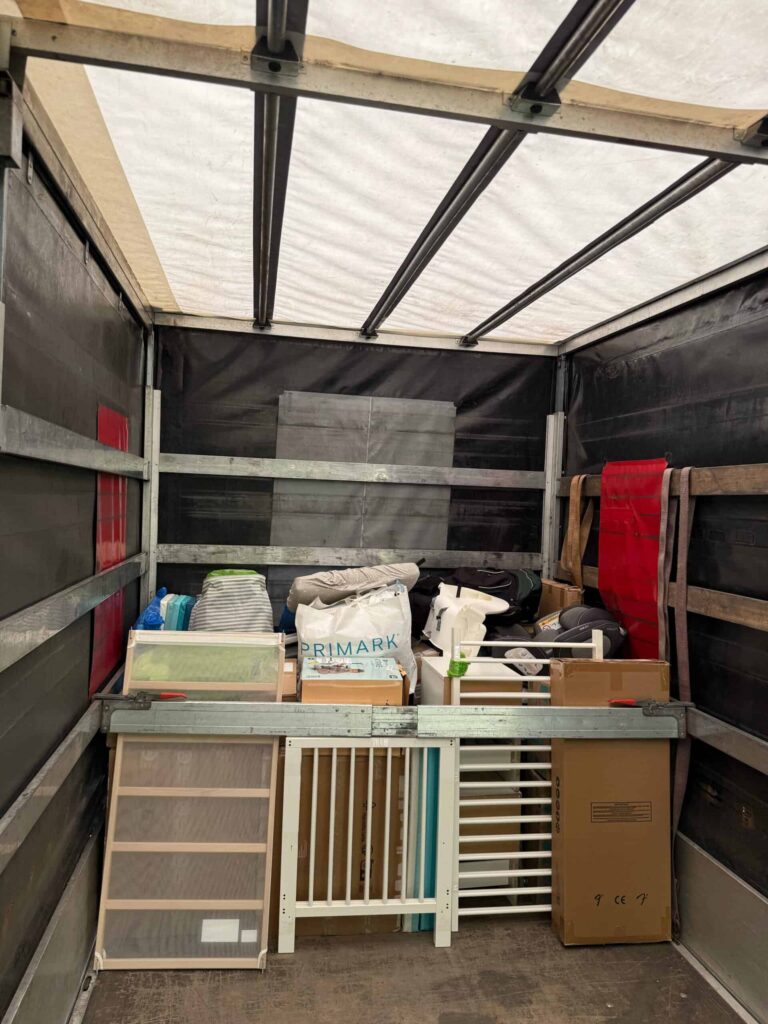
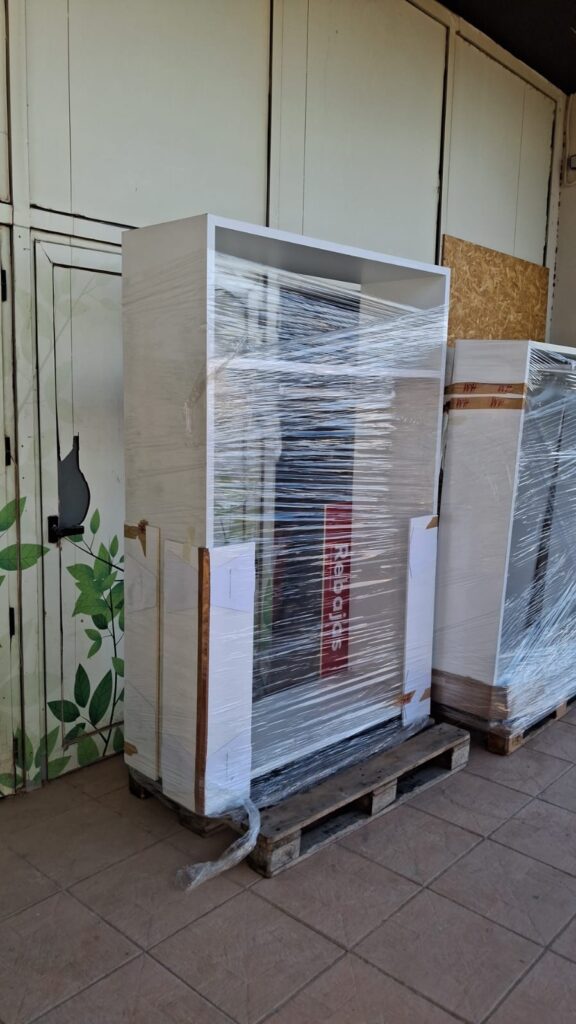
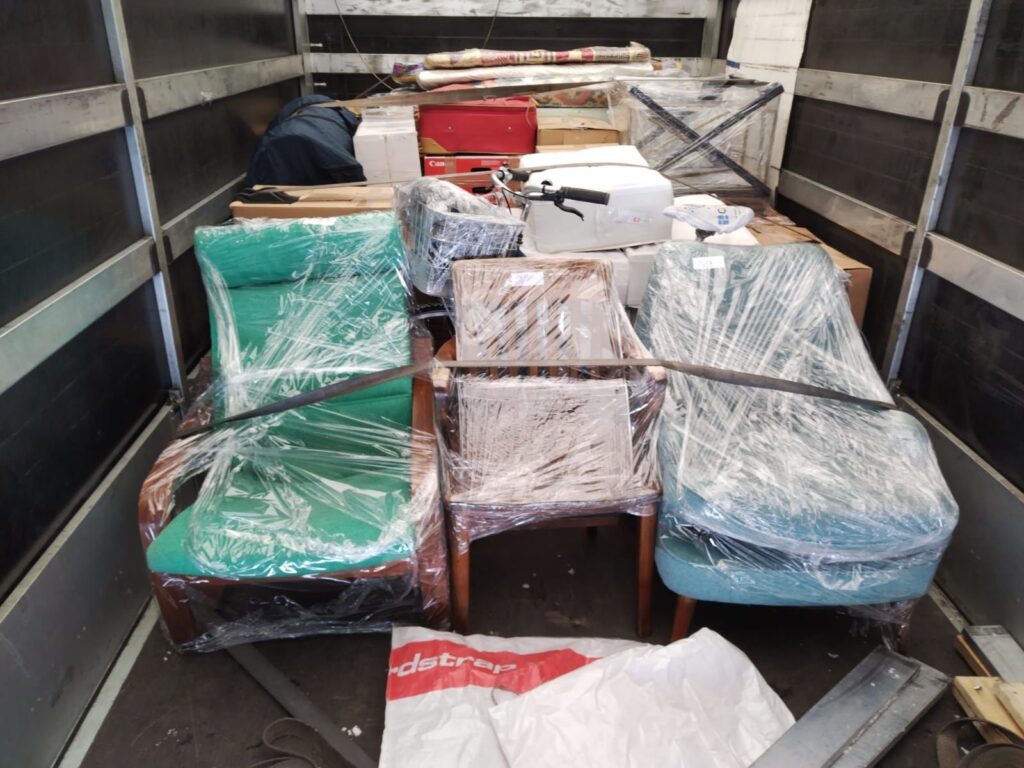
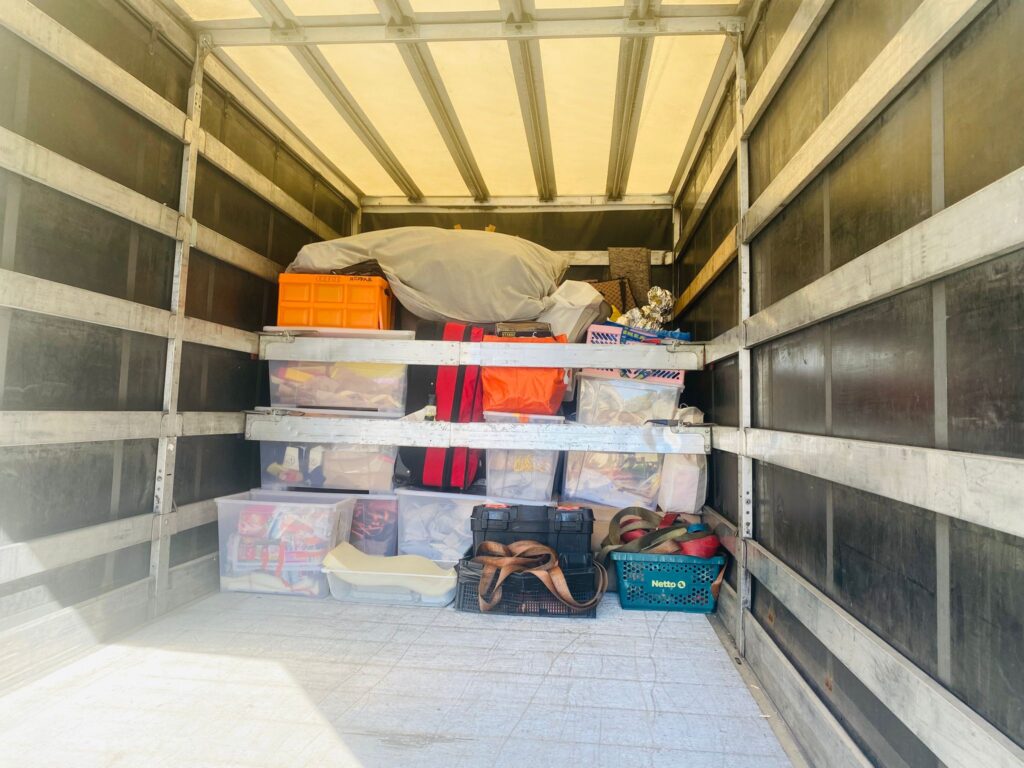
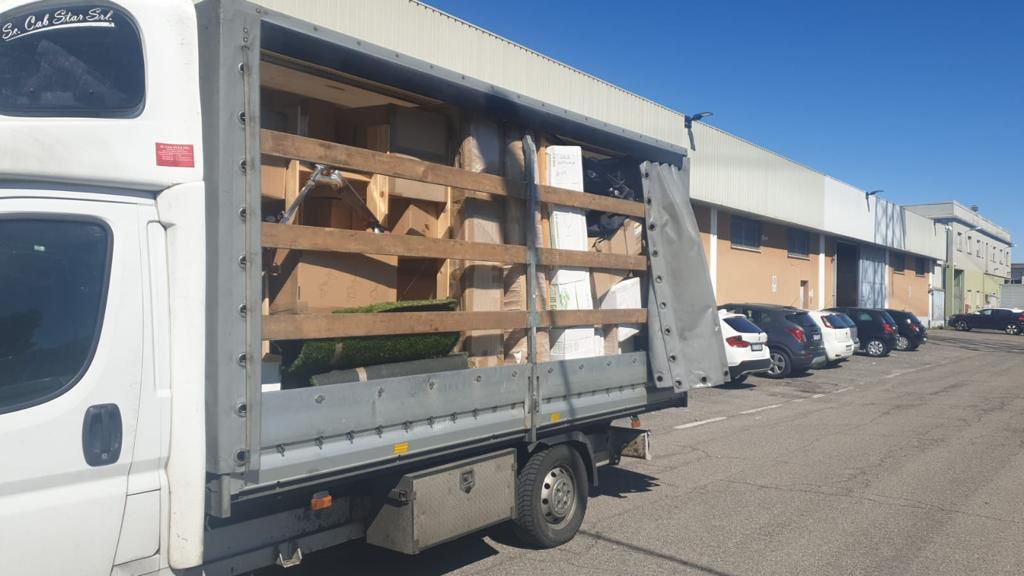
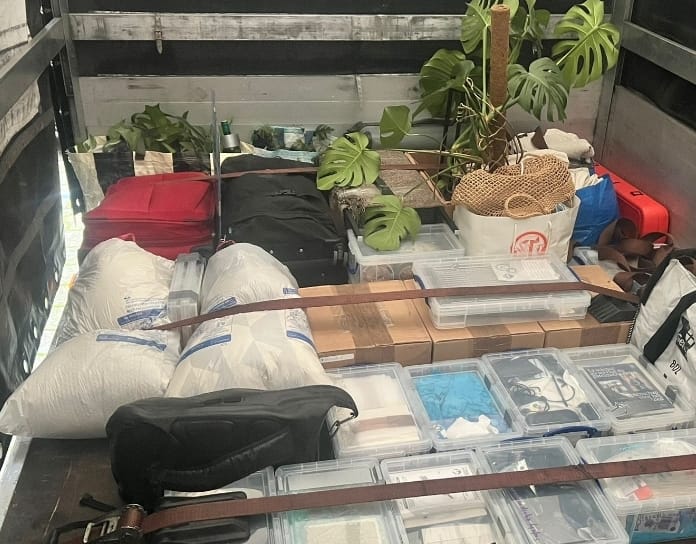
Customs Requirements for Moving Household Goods to Switzerland
Customs is one of the most important moving to Switzerland requirements because it directly affects your furniture, boxes, clothing, electronics, personal belongings and sometimes vehicles. The good news is that household goods can often be imported duty free when you genuinely transfer your residence to Switzerland.
The key condition is that the imported items must usually have been used personally by you for at least 6 months and must continue to be used by you after import. This rule separates real household effects from new purchases or commercial goods.
What Counts as Household Effects?
Common household effects include sofas, beds, tables, wardrobes, clothing, books, kitchen equipment, computers, bicycles, tools, student belongings, personal collections and office furniture linked to a relocation. If items are new, high value, commercial or unusual, prepare extra proof.
Form 18.44 and Inventory
Form 18.44 is the key customs form for importing relocation goods into Switzerland. It should be completed carefully and presented with supporting documents. Your inventory should be clear enough for customs officers to understand what is in the shipment.
A strong inventory does not need to describe every spoon, but it should not be vague. “Kitchen items, 6 boxes” is better than “miscellaneous.” “Bedroom furniture, 1 bed, 2 bedside tables, 1 wardrobe” is better than “furniture.”
For a man and van relocation, this matters because a compact shipment may still contain items from several categories. The more structured your list is, the smoother the border conversation becomes.
Items That Need Extra Attention
Certain items may create additional checks, duties or restrictions. These can include new furniture, newly purchased electronics, alcohol, tobacco, plants, soil, commercial stock, weapons, food products, high value jewellery, large quantities of identical goods, vehicles, trailers or boats.
If in doubt, check before moving day. The cost of asking early is small. The cost of discovering a problem at the border can be painful.
Registration After Arrival: The 14 Day Rule
After you arrive, registration with your local commune is one of the moving to Switzerland requirements you should handle quickly. In general, you are expected to register with your new commune of residence within 14 days of moving.
This registration links you to your local administration and supports the residence permit process. Depending on the canton and commune, you may be able to complete part of the process online, but many people still register in person.
You may need:
- Passport or national identity card
- Rental agreement
- Employment contract
- Civil status documents
- Residence permit documents or application forms
- Passport photos, depending on the commune
- Health insurance information, if available
Put registration near the top of your first week checklist. Switzerland works best when you move in step with its systems. Reliable delivery also matters because your essentials, documents and first week items arrive together.
Swiss Health Insurance Requirements
Health insurance is another core part of the moving to Switzerland requirements. Most residents must take out Swiss compulsory basic health insurance within 3 months of arriving or starting work.
This deadline matters because coverage is often backdated to the start of your obligation. Waiting does not necessarily save money. It can simply create a larger bill later.
Swiss basic health insurance is offered by private insurers, but the compulsory basic benefits are defined by law. Premiums vary by canton, age, insurer, deductible and insurance model. Some people may qualify for exemptions, but this should never be guessed.
Students, cross border workers, diplomats or people with equivalent foreign coverage may have special situations. If you believe an exemption applies, check with the relevant cantonal authority.
Moving to Switzerland With Pets
Pets make a move more emotional. Beyond comfort and planning, pets have their own moving to Switzerland requirements.
For dogs, cats and ferrets, Switzerland generally requires a microchip, a valid rabies vaccination and appropriate documentation such as a pet passport or veterinary certificate. The exact requirements depend on the country of departure and travel route.
Before moving, check:
- Microchip status
- Rabies vaccination date
- Pet passport or veterinary certificate
- Travel crate or carrier quality
- Rules for more than 5 animals
- Any restrictions linked to the country of origin
- Timing between vaccination and travel
Official information is available from the Swiss FSVO pages for dogs, cats and ferrets. The FSVO also provides an online entry check for dogs and cats.
For the moving day itself, do not place pets in the moving van. Keep them with you or use a proper pet travel solution.
Moving a Car to Switzerland
If you plan to bring a car, add vehicle import to your moving to Switzerland requirements. Vehicles can sometimes be imported as part of household effects, but they still require customs clearance.
Swiss customs states that private vehicle customs clearance after a change of domicile must be completed at an occupied customs office when the vehicle first crosses the Swiss border. The vehicle should be treated as part of the customs process, not as an afterthought.
Prepare:
- Vehicle registration certificate
- Purchase documents, if available
- Proof of ownership and use
- Insurance documents
- Form 18.44, where applicable
- Proof of transfer of residence
- Technical documents, if requested
After import, the vehicle may need Swiss registration and a technical inspection. You may also need a motorway vignette if you use Swiss motorways. Because vehicle rules can affect timing and cost, check customs and cantonal requirements early.
Official guidance is available from BAZG on customs clearance for vehicles during relocation.
Driving Licence Requirements After Moving to Switzerland
If you become resident in Switzerland, you can usually drive with a foreign driving licence for a limited period. In many cases, you need to exchange it for a Swiss driving licence within 12 months.
This is especially important if you rely on driving for work, childcare, commuting or business. Professional drivers may face additional rules, so they should check requirements before arrival rather than waiting until the final weeks.
Keep your licence, proof of residence and any required medical or administrative documents ready. You can review official guidance on exchanging your driving licence in Switzerland.


Moving to Switzerland Timeline
A calm Swiss move rarely happens by accident. It is built step by step. Use this timeline to keep the moving to Switzerland requirements under control.
| Timeframe | What to do | Why it matters |
|---|---|---|
| 8 to 12 weeks before moving | Check visa, residence and work requirements | Prevents legal surprises |
| 6 to 8 weeks before moving | Book your man and van transport | Improves availability and planning |
| 4 to 6 weeks before moving | Prepare inventory and customs paperwork | Customs depends on clear documents |
| 3 to 4 weeks before moving | Confirm accommodation and arrival date | You need an address for registration |
| 2 to 3 weeks before moving | Pack non essential items and label boxes | Reduces damage and confusion |
| 1 week before moving | Keep passports, permits and Form 18.44 separate | Key documents must stay accessible |
| Moving day | Track your shipment and stay reachable | Smooth communication prevents delays |
| Within 14 days | Register with the local commune | Usually expected after moving |
| Within 3 months | Arrange Swiss health insurance | Required for most residents |
| Within 12 months | Exchange your driving licence, if applicable | Avoids licence problems later |
Choosing the Right VANonsite Vehicle for Your Switzerland Move
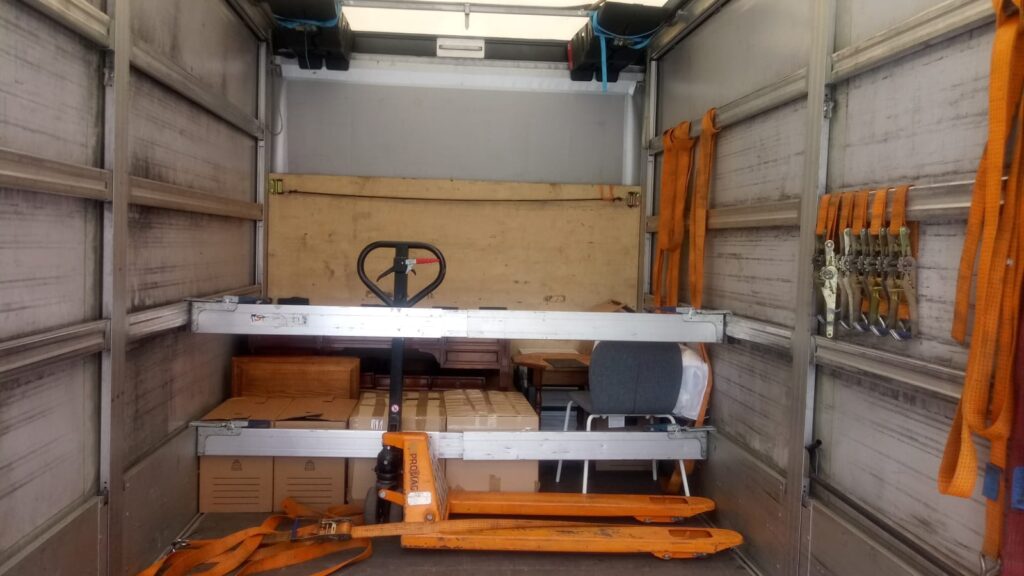
Choosing the right vehicle is one of the most practical parts of your move. Too small and the day becomes frantic. Too large and you may spend more than necessary. VANonsite offers different vehicle sizes so your relocation can match your real volume and weight.
| VANonsite option | Capacity | Weight limit | Best for |
|---|---|---|---|
| Moving One | 1 m3 | 100 kg | Suitcases, small boxes, light student move |
| Moving Basic | 5 m3 | 300 kg | Studio essentials or compact man and van move |
| Moving Medium | 10 m3 | 500 kg | Small apartment, furniture and appliances |
| Moving Premium | 15 m3 | 1100 kg | One bedroom move or larger flat |
| Moving Premium Plus | 30 m3 | 3500 kg | Family relocation or bulky furniture |
| Moving Full House XXL | 90 m3 | 20000 kg | Full house move or large office relocation |
A student moving from Milan to Lausanne may only need a small van. A family relocating from Amsterdam to Zurich may need a much larger load plan. You can choose a sharp man and van service or a bigger relocation solution.
The advantage of VANonsite is flexibility. Every load is GPS tracked, which gives you visibility while your belongings travel across Europe.
Packing and Preparing Your Goods
Packing is not just about boxes. It is about protecting time, money and memory. For a Switzerland relocation, pack in a way that supports customs, unloading and your first week of life after arrival.
Label each box by room and content, keep documents outside the main shipment, photograph valuable items before loading, use strong boxes for heavy goods and separate items that may need customs attention. Your inventory should match the real shipment, not an ideal version of it.
VANonsite also offers packing support for customers who want extra protection, speed and order. This can be especially useful for white glove delivery, delicate furniture, office equipment or last minute moving.
Common Mistakes When Moving to Switzerland
The most expensive relocation mistakes are usually not dramatic. They are quiet, ordinary and easy to avoid.
Watch out for these errors:
- Assuming Switzerland follows normal EU moving rules
- Booking transport before checking visa or permit requirements
- Forgetting Form 18.44
- Creating a vague customs inventory
- Packing passports and permits inside the moving van
- Missing the 14 day registration expectation
- Waiting too long to arrange health insurance
- Bringing pets without checking rabies and microchip rules
- Importing new goods without checking customs duties
- Choosing a van that is too small
- Ignoring vehicle import rules
- Hiring a mover without GPS tracking
- Leaving parking and access arrangements until delivery day
The best moves feel almost boring because the drama has been removed in advance. That is what preparation does. It turns a complicated relocation into a sequence of manageable steps.
Why Use VANonsite for a Move to Switzerland?
The moving to Switzerland requirements are serious, but the physical move should not feel chaotic. VANonsite helps customers move across Europe with speed, care and control. The company focuses on quality transport, safety and reliable communication.
VANonsite services include Last Minute Moving, Furniture Removals, Home Removals, Packing Service, White Glove Delivery, Office Removals, Storage, Student Removals and Office Furniture Installation.
The GPS tracking is a major advantage. When your belongings are crossing borders, visibility matters.
For a small apartment, VANonsite can provide a lean man and van solution. For a larger home, the company can match the move with higher capacity options. For office relocations, the service can support furniture and equipment moves with a more structured plan.
Your belongings move with care while you focus on permits, registration, insurance, keys and the first days of Swiss life.
Moving to Switzerland Requirements Checklist
Before you book, pack or cross the border, use this checklist to keep everything clear.
Before departure
- Check whether you need a visa
- Confirm your residence or work permit route
- Secure accommodation
- Prepare employment, study or family documents
- Create a detailed inventory
- Complete Form 18.44 if importing household goods
- Gather vehicle documents, if moving a car
- Check pet entry rules, if relevant
- Book the right VANonsite vehicle size
- Keep key paperwork outside packed boxes
During the move
- Keep passport and permit documents with you
- Keep customs forms accessible
- Stay available by phone
- Track your shipment
- Confirm delivery address and access details
- Prepare parking or unloading access
- Keep essential overnight items separate
After arrival
- Register with your commune
- Arrange Swiss health insurance
- Open or update banking arrangements
- Register your vehicle, if needed
- Exchange your driving licence within the required period
- Update your address with employers, schools and providers
- Settle in slowly, one practical task at a time
FAQ About Moving to Switzerland Requirements
What documents do I need when moving to Switzerland?
You usually need a passport or national ID, residence documents, proof of employment, study or funds, proof of accommodation, health insurance arrangements and customs documents for household goods. If you move with a car or pet, you need additional documents.
Do I need a permit to move to Switzerland?
If you stay longer than 3 months, you usually need a residence permit. The exact moving to Switzerland requirements depend on your nationality, purpose of stay, employment status and canton.
Can I bring furniture to Switzerland duty free?
In many cases, yes. Household goods can often be imported duty free if you transfer residence to Switzerland, the goods were personally used for at least 6 months and you continue using them after import.
What is Form 18.44?
Form 18.44 is the Swiss customs form used for the duty free import of household effects when relocating to Switzerland. It is normally submitted with an inventory and supporting documents.
How soon must I register after moving to Switzerland?
In general, you are expected to register with your new commune within 14 days of moving. Local details can vary, so check with your commune.
Do I need Swiss health insurance?
Most residents need Swiss compulsory basic health insurance. New arrivals usually have 3 months to arrange it after arriving or starting work.
Can I move to Switzerland with a pet?
Yes, but dogs, cats and ferrets usually need a microchip, valid rabies vaccination and correct documentation. Requirements depend on the country of departure.
Can VANonsite help with last minute moving to Switzerland?
Yes. VANonsite offers flexible European transport, including last minute moving, man and van solutions, GPS tracked loads and different vehicle sizes for small, medium and large moves.
What is the best van size for moving to Switzerland?
It depends on your volume and weight. A student may only need Moving One or Moving Basic, while a family may need Moving Premium Plus or Moving Full House XXL. VANonsite’s vehicle range makes it easier to match the move to your real load.
Ready to Move to Switzerland Without the Chaos?
Moving to Switzerland is a bold step. It can bring better work, cleaner streets, safer routines, stronger schools and weekends that feel carved out of fresh mountain air. Yet the move also comes with rules. Once you understand the moving to Switzerland requirements, the process becomes far less intimidating.
Start with paperwork. Prepare your documents. Build a clear inventory. Check your permit route. Arrange insurance. Plan registration. Then choose transport that treats your belongings with the same care you put into the decision to move.
VANonsite helps make that final part easier. With secure European transport, GPS tracking, flexible van sizes and experienced moving support, your relocation can feel controlled instead of chaotic.
Book your Removals to Switzerland with VANonsite and move into your new Swiss life with precision, confidence and calm.