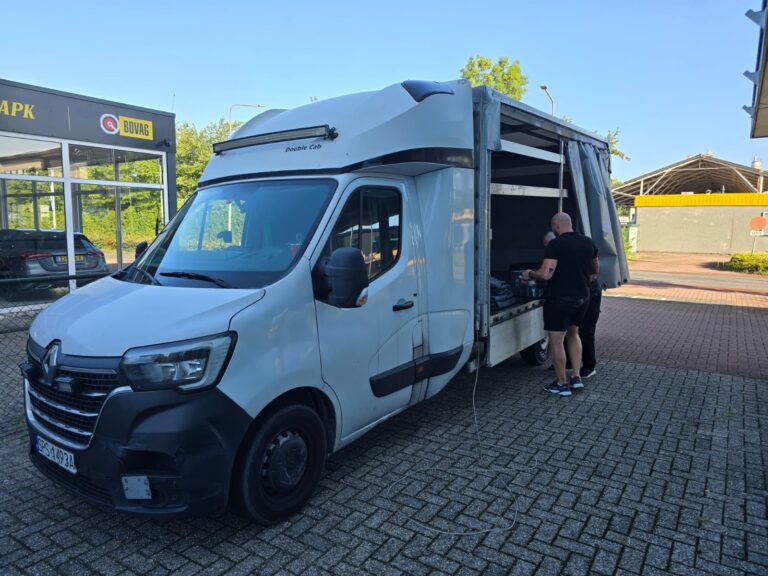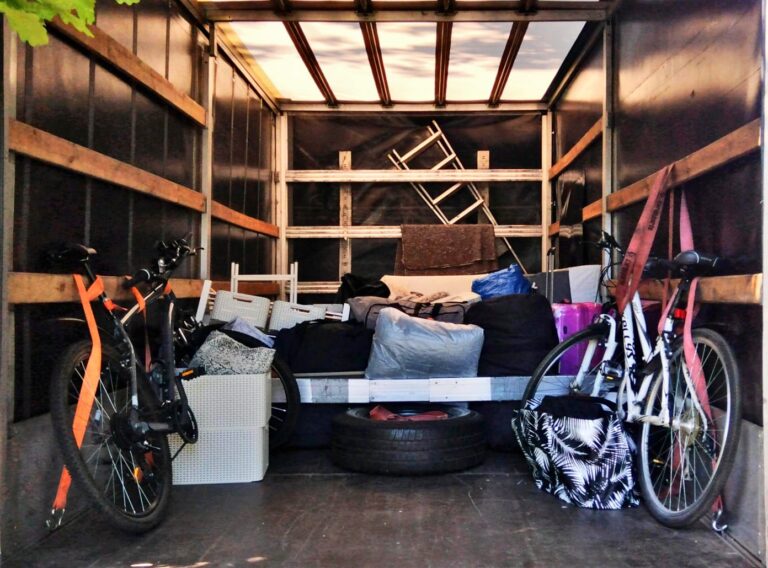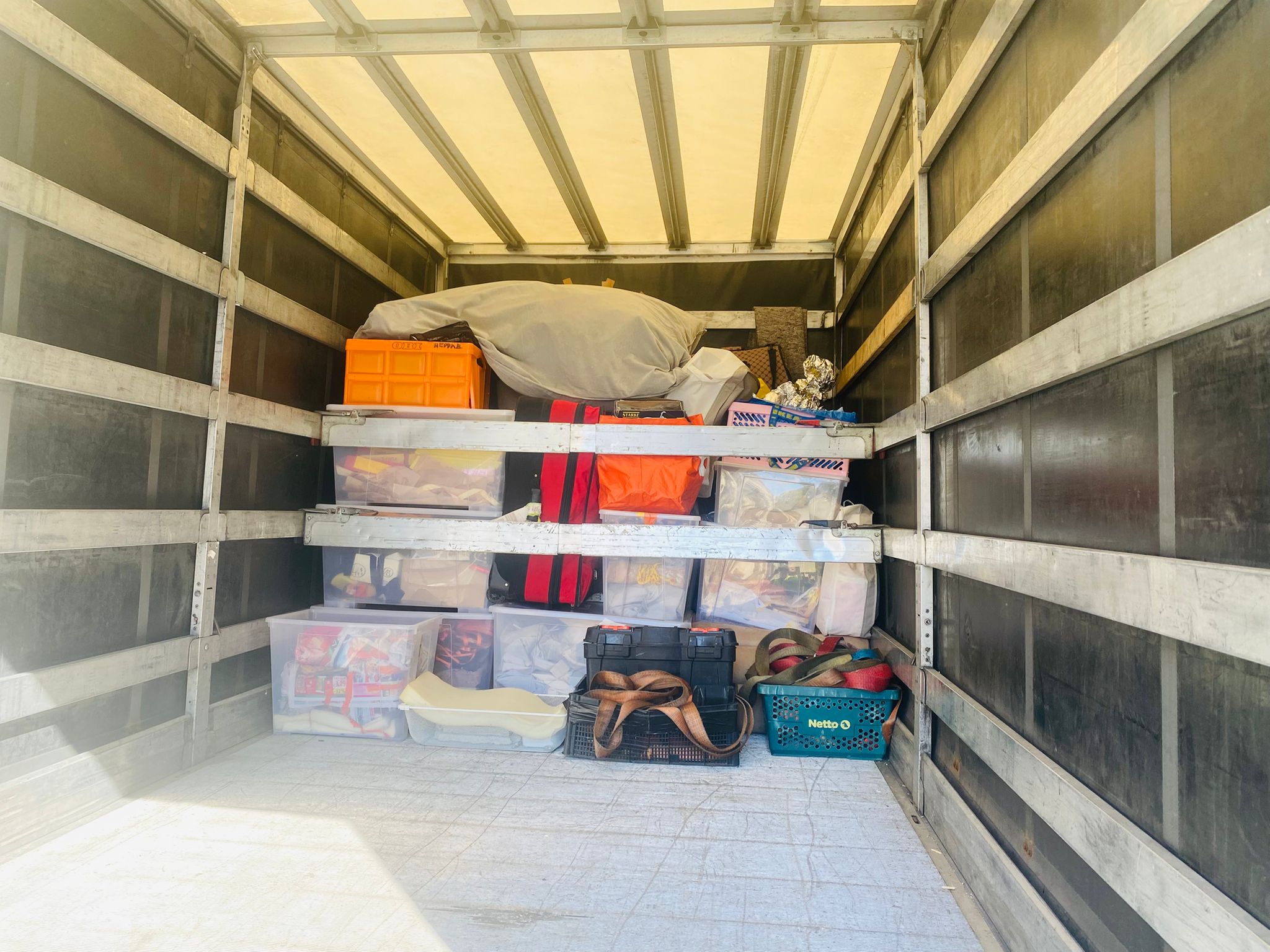

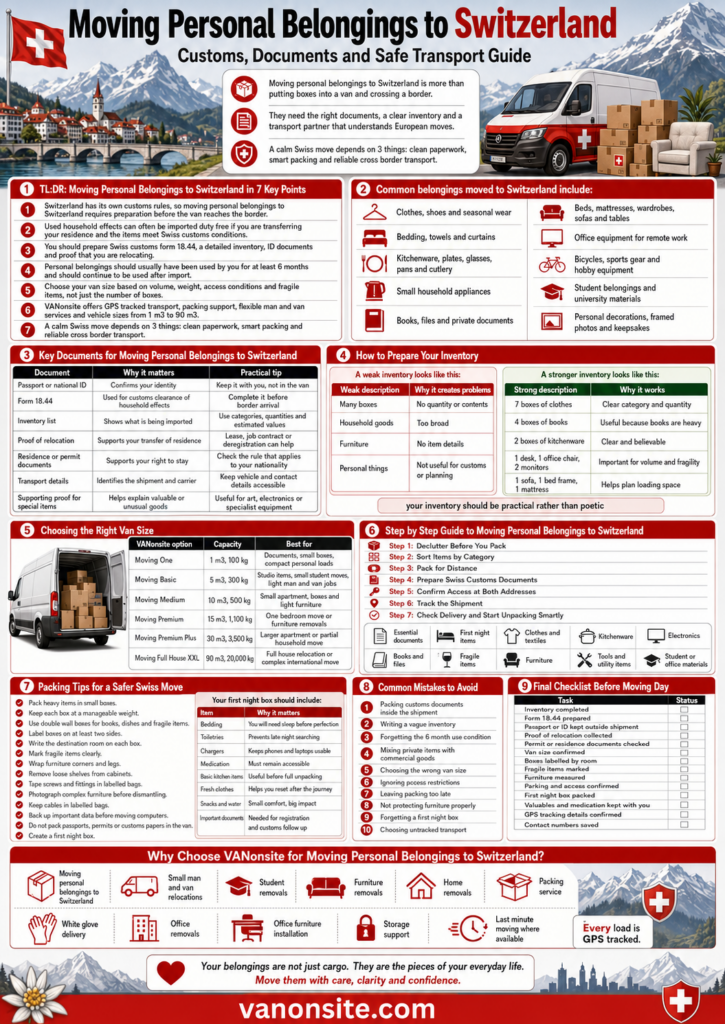
Moving personal belongings to Switzerland is more than putting boxes into a van and crossing a border. It is the start of a new chapter, and like every important chapter, it deserves a calm plan. Switzerland is clean, efficient and beautifully organised, but it also has its own customs rules. That means your furniture, clothes, kitchenware, books, electronics and private keepsakes need more than strong tape. They need the right documents, a clear inventory and a transport partner that understands European moves.
The good news is reassuring. If you are relocating your residence to Switzerland, many personal and household effects can often be imported duty free when they meet Swiss customs conditions. In general, the goods should have been used personally by you for at least 6 months before import and should continue to be used by you after arrival. You should also prepare the correct Swiss customs documents, including form 18.44 and a detailed inventory.
Still, a smooth move does not happen by accident. Moving personal belongings to Switzerland can involve timing pressure, border checks, apartment access, fragile furniture, heavy boxes and the emotional weight of seeing your home disappear into a vehicle. When the process is managed well, the whole journey feels lighter. When it is improvised, even a small mistake can become expensive.
VANonsite helps make moving personal belongings to Switzerland safer, faster and easier to control. With GPS tracking for every load, flexible man and van options and vehicle sizes from 1 m3 to 90 m3, the service can support anything from a few boxes to a full household relocation. Whether you are moving to Zurich, Geneva, Basel, Lausanne, Bern or a quiet mountain town, preparation is your best protection.
For a dedicated Swiss relocation service, visit VANonsite removals to Switzerland.
TL:DR: Moving Personal Belongings to Switzerland in 7 Key Points
- Switzerland has its own customs rules, so moving personal belongings to Switzerland requires preparation before the van reaches the border.
- Used household effects can often be imported duty free if you are transferring your residence and the items meet Swiss customs conditions.
- You should prepare Swiss customs form 18.44, a detailed inventory, ID documents and proof that you are relocating.
- Personal belongings should usually have been used by you for at least 6 months and should continue to be used after import.
- Choose your van size based on volume, weight, access conditions and fragile items, not just the number of boxes.
- VANonsite offers GPS tracked transport, packing support, flexible man and van services and vehicle sizes from 1 m3 to 90 m3.
- A calm Swiss move depends on 3 things: clean paperwork, smart packing and reliable cross border transport.




What Does Moving Personal Belongings to Switzerland Actually Mean?
Moving personal belongings to Switzerland usually means transporting the items that form part of your private life and daily household. These are not commercial goods or products bought for resale. They are the things you already own and use: clothes, furniture, cookware, books, bedding, lamps, bicycles, computers, family photos and personal decorations.
In customs terms, this distinction matters. A used dining table from your apartment is different from 10 boxed dining tables bought last week. A personal laptop is different from a shipment of identical laptops intended for sale. Swiss customs may ask whether the load is genuinely part of your household and whether it fits the purpose of relocation.
That is why your move should begin with clarity. Before transport is booked, create a clean list of what you plan to move. The list does not need to read like a museum catalogue, but it should be specific enough to explain the shipment. “Household goods” is too vague. “8 boxes of clothes, 5 boxes of kitchenware, 2 bookshelves, 1 desk, 1 office chair and 1 bicycle” is far stronger.
Common belongings moved to Switzerland include:
- Clothes, shoes and seasonal wear
- Bedding, towels and curtains
- Kitchenware, plates, glasses, pans and cutlery
- Small household appliances
- Books, files and private documents
- Beds, mattresses, wardrobes, sofas and tables
- Office equipment for remote work
- Bicycles, sports gear and hobby equipment
- Student belongings and university materials
- Personal decorations, framed photos and keepsakes
Some items deserve extra attention. Art, antiques, musical instruments, high value electronics, plants, vehicles, wine, pets and recently purchased goods may require separate checks or stronger documentation. If an item is expensive, delicate or unusual, list it clearly and ask for packing advice before loading day.
Why Switzerland Requires Extra Preparation
Switzerland sits in the centre of Europe, but it is not part of the EU customs union. This is one of the most important points to understand before moving personal belongings to Switzerland. A van moving between two EU countries may pass through borders with fewer formalities. A van entering Switzerland needs customs readiness.
This does not mean the process is frightening. It means the move should be organised. If your paperwork is complete, your inventory is clear and your belongings genuinely qualify as household effects, customs clearance can be much more predictable. If documents are missing or the load is poorly described, delays become more likely.
Official Swiss customs guidance explains the procedure for importing household effects during relocation. You can review the main information here: Swiss customs guidance on moving household effects. For a broader overview of relocation formalities, see moving to Switzerland on ch.ch.
Moving personal belongings to Switzerland is therefore a practical project with legal, logistical and emotional parts. You need to know what is in the van. You need to know which documents travel with you. You need to choose the right vehicle. You need enough time to pack properly. And, most of all, you need a team that treats the move as more than a delivery.
Can You Import Personal Belongings to Switzerland Duty Free?
In many relocation cases, yes. Used household effects can often be imported into Switzerland duty free if the move meets the necessary conditions. The goods should generally have been used personally for at least 6 months before import and should continue to be used by the person moving to Switzerland.
This rule is simple in theory, but it has practical consequences. If you bought a new sofa 2 weeks before the move, it may not be treated in the same way as a sofa you have owned and used for years. If you pack multiple new items in original packaging, customs may ask questions. If you mix private belongings with business stock, the shipment becomes less clear.
The safest approach is to separate private household goods from anything commercial, new or unusual. Keep receipts for high value items if they may help explain ownership. Prepare a clear inventory. If you are unsure about specific goods, check official Swiss customs guidance before collection day.
For moving personal belongings to Switzerland, the best paperwork is paperwork that answers questions before anyone asks them.
Key Documents for Moving Personal Belongings to Switzerland
Documents are the quiet engine of a smooth Swiss relocation. You may have perfect packing, a skilled driver and a spotless van, but missing paperwork can still create border stress. Prepare your document folder early and keep it with you during the journey. Do not pack it inside the shipment.
The most important customs document is form 18.44, which is used for household effects. Swiss customs guidance states that the completed application form should be presented to the customs office of importation. You can access the official document here: Swiss customs form 18.44.
You should usually prepare the following:
| Document | Why it matters | Practical tip |
|---|---|---|
| Passport or national ID | Confirms your identity | Keep it with you, not in the van |
| Form 18.44 | Used for customs clearance of household effects | Complete it before border arrival |
| Inventory list | Shows what is being imported | Use categories, quantities and estimated values |
| Proof of relocation | Supports your transfer of residence | Lease, job contract or deregistration can help |
| Residence or permit documents | Supports your right to stay | Check the rule that applies to your nationality |
| Transport details | Identifies the shipment and carrier | Keep vehicle and contact details accessible |
| Supporting proof for special items | Helps explain valuable or unusual goods | Useful for art, electronics or specialist equipment |
EU and EFTA citizens may have different requirements than third country nationals. The State Secretariat for Migration provides information for EU and EFTA citizens here: EU and EFTA citizens living and working in Switzerland. For residence permits in general, check Swiss residence permits on ch.ch.
If you are staying in Switzerland for a short period, studying, working or joining family, the requirements may differ. Always check your own case before the move. Switzerland is precise, and your move should be precise too.
How to Prepare Your Inventory
A strong inventory can save time, reduce questions and help your mover plan the right vehicle. It also gives you more control. When you know what is being moved, you can estimate volume, identify fragile items and avoid last minute surprises.
For moving personal belongings to Switzerland, your inventory should be practical rather than poetic. Write it in a way that a customs officer, driver or move coordinator can understand quickly.
A weak inventory looks like this:
| Weak description | Why it creates problems |
|---|---|
| Many boxes | No quantity or contents |
| Household goods | Too broad |
| Furniture | No item details |
| Personal things | Not useful for customs or planning |
A stronger inventory looks like this:
| Strong description | Why it works |
|---|---|
| 7 boxes of clothes | Clear category and quantity |
| 4 boxes of books | Useful because books are heavy |
| 2 boxes of kitchenware | Clear and believable |
| 1 desk, 1 office chair, 2 monitors | Important for volume and fragility |
| 1 sofa, 1 bed frame, 1 mattress | Helps plan loading space |
Add estimated values where appropriate. You do not need to overcomplicate every spoon and mug, but you should be clear about expensive electronics, artwork, specialist tools, antiques or designer furniture. If something is fragile, mark it as fragile on the inventory and on the box.
A digital inventory is also useful. Keep one version on your phone and one in cloud storage. If a printed copy disappears in the chaos of moving day, you will still have access.
Choosing the Right Van Size
Choosing the right vehicle is one of the biggest decisions when moving personal belongings to Switzerland. A van that is too small creates panic. A vehicle that is too large can waste money. The right size sits in the sweet spot between efficiency and breathing room.
VANonsite offers several options for different move sizes:
| VANonsite option | Capacity | Best for |
|---|---|---|
| Moving One | 1 m3, 100 kg | Documents, small boxes, compact personal loads |
| Moving Basic | 5 m3, 300 kg | Studio items, small student moves, light man and van jobs |
| Moving Medium | 10 m3, 500 kg | Small apartment, boxes and light furniture |
| Moving Premium | 15 m3, 1,100 kg | One bedroom move or furniture removals |
| Moving Premium Plus | 30 m3, 3,500 kg | Larger apartment or partial household move |
| Moving Full House XXL | 90 m3, 20,000 kg | Full house relocation or complex international move |
A common mistake is counting boxes but ignoring shape. Furniture does not stack neatly. Chairs take awkward space. Lamps are fragile. Mattresses bend only so much. A bicycle may look slim until it meets a packed van.
As a safe planning rule, allow 10% to 15% extra capacity for awkward shapes and last minute additions. People almost always discover extra items in the final 24 hours: a vacuum cleaner, a laundry basket, a mirror, a plant, winter coats or the mysterious box from the back of the cupboard.
A professional man and van service can be ideal for smaller moves to Switzerland, especially when you are moving from a shared flat, student room, studio or compact apartment. Larger family moves usually need a more structured removals plan with careful loading, stronger packing and more capacity.
Step by Step Guide to Moving Personal Belongings to Switzerland
A successful Swiss relocation is built before the engine starts. Each step reduces uncertainty. Each choice makes the next one easier.
Step 1: Declutter Before You Pack
Before moving personal belongings to Switzerland, decide what really deserves space in the van. This is not only about saving money. It is about arriving lighter. Many households can reduce moving volume by 10% to 25% by removing duplicate items, broken appliances, unused furniture and old storage boxes.
Ask yourself:
- Have I used this item in the last 12 months?
- Would I buy it again today?
- Is it worth transporting across a border?
- Will it fit the new home?
- Is it sentimental or simply familiar?
Sell, donate, recycle or discard what no longer belongs in your next chapter. The fewer unnecessary items you move, the easier customs, packing, loading and unpacking become.
Step 2: Sort Items by Category
Do not pack randomly. Sort by room, category and priority. Keep clothes with clothes, books with books, kitchenware with kitchenware and office equipment with office equipment. This makes your inventory easier and your delivery cleaner.
Create categories such as:
- Essential documents
- First night items
- Clothes and textiles
- Kitchenware
- Electronics
- Books and files
- Fragile items
- Furniture
- Tools and utility items
- Student or office materials
Sorting also helps protect fragile goods. Glassware should not share a box with tools. Documents should not be buried under bedding. Chargers should not disappear into 12 different boxes.
Step 3: Pack for Distance
A local move across town is not the same as moving personal belongings to Switzerland. Cross border transport can involve long drives, traffic, road vibration, weather changes and unloading at unfamiliar access points.
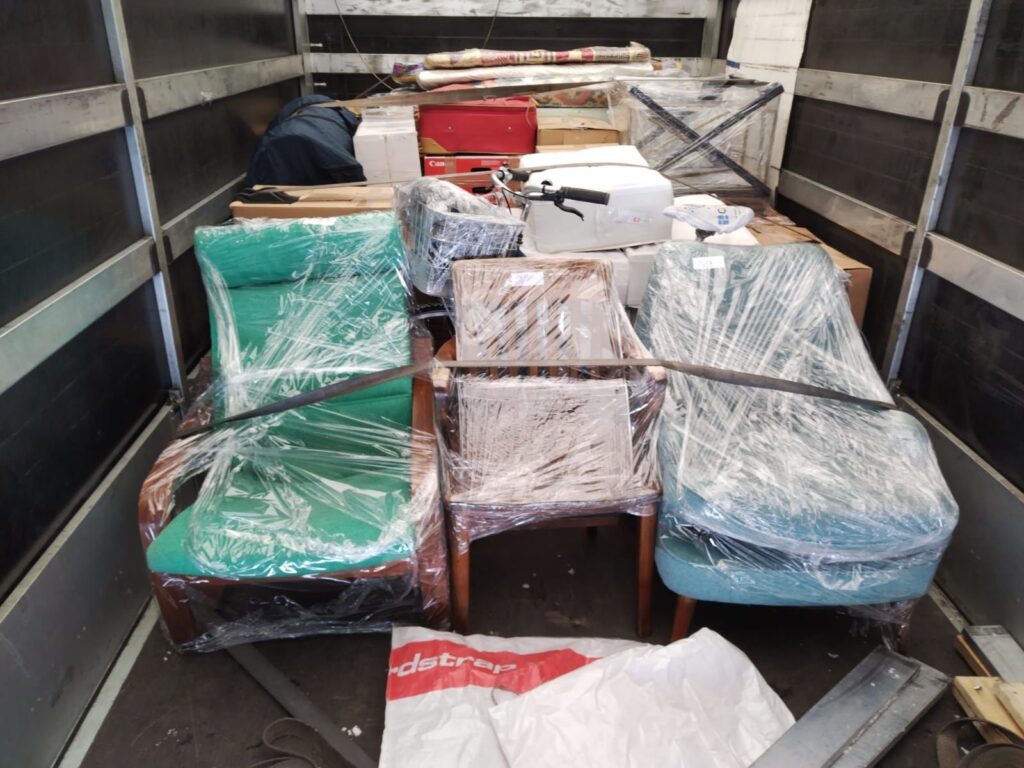
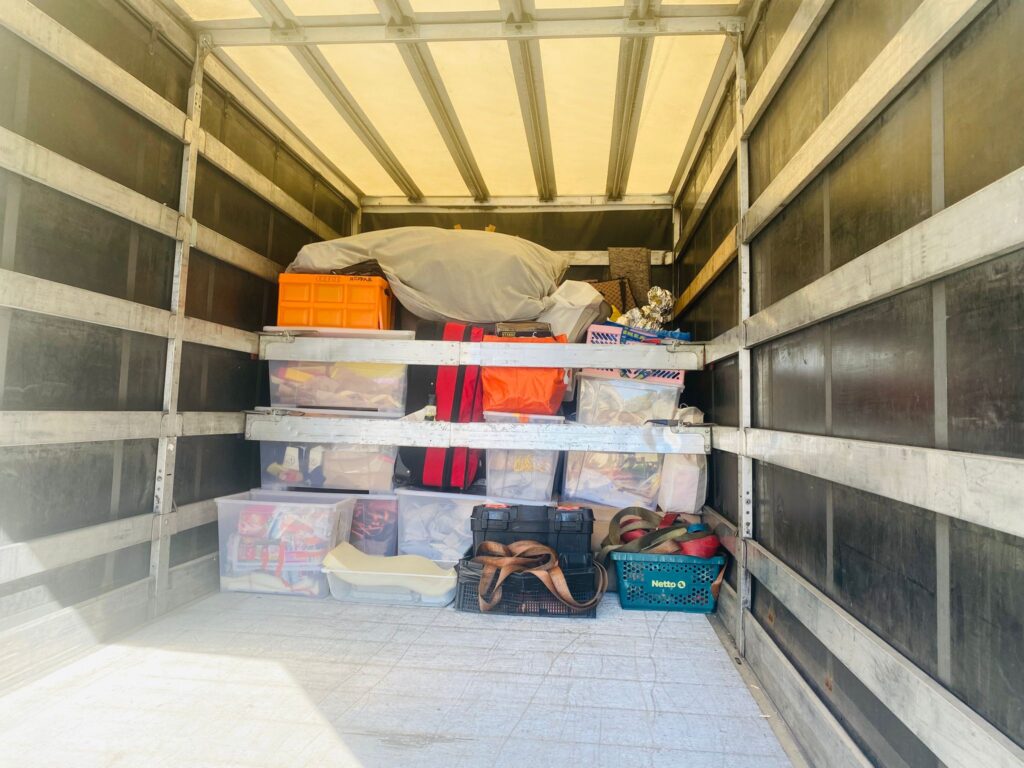
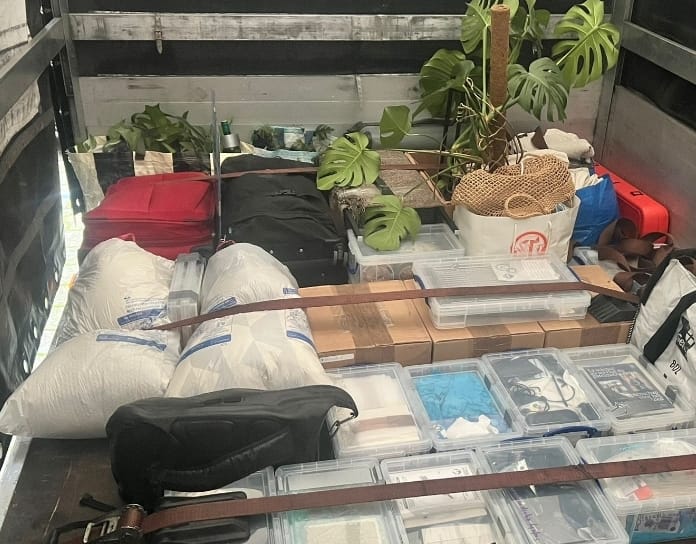
Use strong boxes. Do not overload them. Pack heavy items in small boxes and light items in larger ones. Wrap fragile goods individually. Protect furniture corners. Seal liquids in bags and keep them upright.
A good packing system saves time at both ends. It also helps the driver load the van safely, with heavier items lower and fragile items protected from pressure.
If you want professional support, consider VANonsite Packing Service. It can be especially useful for fragile goods, awkward furniture, expensive electronics and customers who simply do not have time to pack a whole home alone.
Step 4: Prepare Swiss Customs Documents
Customs paperwork should be ready before loading day. Leaving it until the driver arrives creates unnecessary pressure. Keep your documents in a folder and carry them with you.
Your customs preparation should include:
- Completed form 18.44
- Detailed inventory
- Passport or ID
- Proof of relocation
- Residence or permit documents if relevant
- Transport details
- Supporting documents for special goods
When moving personal belongings to Switzerland, your goal is to make the shipment easy to understand. Clear goods, clear purpose, clear owner, clear destination.
Step 5: Confirm Access at Both Addresses
Access can make or break moving day. Switzerland has many apartment buildings, narrow streets, parking restrictions and controlled residential areas. A perfect transport plan can still suffer if the van cannot park close enough to the entrance.
Check:
- Is there legal parking for the van?
- Is a parking permit needed?
- Are there stairs?
- Is there a lift?
- What is the lift size?
- Are there narrow hallways?
- Can large furniture pass through doors?
- Are there building time restrictions?
Send photos if access is complicated. A few images of the entrance, staircase and parking area can help the transport team prepare properly.
Step 6: Track the Shipment
Moving personal belongings to Switzerland can feel emotional because the load is not just cargo. It is your private world. Seeing the van leave with your belongings inside can create a strange silence.
VANonsite offers GPS tracking for every load. This gives you visibility during transport and helps reduce anxiety. Instead of wondering where your shipment is, you can follow its movement and feel more in control.
GPS tracking is especially valuable for international moves, urgent relocations, student moves and high value shipments. It turns waiting into information.
Step 7: Check Delivery and Start Unpacking Smartly
When your belongings arrive, do not rush blindly. Check the most important items first: documents, electronics, fragile boxes, furniture corners, mattresses and essentials for the first night.
Start with the rooms that matter most:
- Bedroom
- Bathroom
- Kitchen basics
- Workstation
- Storage areas
- Decorative items
Do not try to unpack everything in one evening. A calm unpacking process is better than a frantic one. Your new Swiss home does not need to become perfect in 24 hours.
Packing Tips for a Safer Swiss Move
Packing is where the move becomes real. The shelves empty. The wardrobe shrinks into boxes. The kitchen turns into paper, tape and bubble wrap. It can feel like your home is being folded away.
For moving personal belongings to Switzerland, good packing protects more than objects. It protects your mood when you arrive.
Use these practical packing rules:
- Pack heavy items in small boxes.
- Keep each box at a manageable weight.
- Use double wall boxes for books, dishes and fragile items.
- Label boxes on at least two sides.
- Write the destination room on each box.
- Mark fragile items clearly.
- Wrap furniture corners and legs.
- Remove loose shelves from cabinets.
- Tape screws and fittings in labelled bags.
- Photograph complex furniture before dismantling.
- Keep cables in labelled bags.
- Back up important data before moving computers.
- Do not pack passports, permits or customs papers in the van.
- Create a first night box.
Your first night box should include:
| Item | Why it matters |
|---|---|
| Bedding | You will need sleep before perfection |
| Toiletries | Prevents late night searching |
| Chargers | Keeps phones and laptops usable |
| Medication | Must remain accessible |
| Basic kitchen items | Useful before full unpacking |
| Fresh clothes | Helps you reset after the journey |
| Snacks and water | Small comfort, big impact |
| Important documents | Needed for registration and customs follow up |
For premium goods, delicate items or furniture that needs careful placement, White Glove Delivery may be the stronger choice. It adds a more careful layer of service when ordinary handling is not enough.
Moving Furniture to Switzerland
Furniture often creates the hardest part of a relocation. Boxes are predictable. Furniture is not. Sofas resist corners. Wardrobes dislike staircases. Tables need protection. Mattresses need space. A single bulky item can change the whole loading plan.
Before moving furniture to Switzerland, measure everything that could cause a problem:
- Sofa width, depth and height
- Wardrobe height and depth
- Dining table length
- Bed frame dimensions
- Mattress size
- Door widths
- Staircase turns
- Lift dimensions
- Parking distance to entrance
If furniture can be dismantled, decide whether it should be dismantled before collection. Keep screws, bolts and fittings in labelled bags. Tape each bag to the relevant item or keep all fittings in one clearly marked box.
For larger items, VANonsite Furniture Removals can help reduce risk. This is especially valuable when moving personal belongings to Switzerland with sofas, wardrobes, beds, desks or fragile wooden pieces.
Good furniture handling is not only about strength. It is about angles, protection, patience and knowing when not to force an item through a doorway.
Moving to Switzerland as a Student
Student relocations are often smaller, but they can still feel intense. A student may only move 8 boxes, a monitor, clothes, books, bedding and a desk chair, yet those items may contain everything needed for the first months in a new country.
For students, a man and van solution can be an excellent fit. Moving One, Moving Basic or Moving Medium may be enough depending on volume. This can be especially useful for university moves to Zurich, Geneva, Lausanne, Basel, Bern, St. Gallen or Fribourg.
VANonsite Student Removals can support smaller loads, tight arrival windows and shared accommodation moves. Since student housing often has strict access times, confirm move in rules before booking transport.
Students should also check official residence requirements. Rules can vary depending on nationality, length of stay and whether the student will work during studies. If you are moving personal belongings to Switzerland for university, do the paperwork early. September pressure is real, and late planning can turn a simple move into a sprint.
Moving Office Equipment or Remote Work Items
Many modern moves are not purely domestic. A home now often includes a workstation, monitors, files, ergonomic chairs, printers, routers, hard drives and specialist equipment. If you work remotely, your office setup may be one of the most important parts of the shipment.
When moving personal belongings to Switzerland with work equipment, separate office items in your inventory. This helps with packing and customs clarity.
Pack office equipment carefully:
- Back up important data before the move.
- Remove cables and label them.
- Wrap monitors with strong protection.
- Keep laptops with you if possible.
- Pack hard drives separately.
- Protect office chairs from scratches.
- List expensive equipment clearly.
- Keep confidential files secure.
For company related moves, VANonsite Office Removals and Office Furniture Installation can support a more structured setup. This is useful if you are relocating a small office, a founder workstation or a remote team base.


What Affects the Cost of Moving Personal Belongings to Switzerland?
The cost of moving personal belongings to Switzerland depends on several factors. Distance matters, but it is not the whole story. A small move with difficult access can sometimes be more complex than a larger move with easy loading. Fragile goods, urgent timing and poor parking can all affect the final quote.
Main cost factors include:
| Cost factor | How it affects the move | How to control it |
|---|---|---|
| Volume | More cubic metres require more vehicle space | Declutter before booking |
| Weight | Heavy goods can affect vehicle choice | List books, tools and appliances separately |
| Distance | Longer routes increase driving time | Provide full pickup and delivery addresses |
| Packing needs | Fragile items require more time and materials | Use packing support for valuable goods |
| Urgency | Last minute moves may need rapid allocation | Book early where possible |
| Access | Stairs, lifts and parking affect labour | Share photos and building details |
| Customs readiness | Missing documents can cause delays | Prepare paperwork before collection |
| Delivery requirements | Placement, assembly or careful handling add work | Explain expectations before booking |
To get a more accurate quote, provide:
- Pickup and delivery postcodes
- Floor level at both addresses
- Lift information
- Parking distance
- Inventory list
- Photos of bulky furniture
- Number of boxes
- Fragile or high value items
- Preferred dates
- Customs status
A transparent quote starts with transparent information. The more detail you provide, the better the transport plan can be.
How Long Does Moving Personal Belongings to Switzerland Take?
The timeline depends on the pickup country, distance, customs preparation, vehicle size, route and delivery location. A small man and van move from a nearby European city may be quicker than a full house relocation from far away. However, paperwork can delay even a short route if it is incomplete.
The most common timing risks are:
- Documents not ready
- Inventory too vague
- Parking problems at pickup
- Access restrictions at delivery
- Weather or road delays
- Border queues
- Last minute changes to the load
- Large furniture needing dismantling
If your move is urgent, VANonsite can support Last Minute Moving when availability allows. This can be valuable when a lease ends suddenly, a job starts earlier than expected, student accommodation becomes available or family circumstances change.
Even with fast transport, do not rush customs preparation. Speed without paperwork is fragile. A move that is prepared well can feel faster because fewer problems interrupt it.
Storage and Timing Gaps
Sometimes the dates do not line up. Your old lease ends on Friday, but your Swiss apartment is available the following Wednesday. Your furniture needs to leave now, but you cannot receive it yet. These gaps can create pressure.
Storage can help when:
- Your Swiss home is not ready.
- You are waiting for keys.
- Renovation work is still happening.
- You are moving in stages.
- You need time to sort furniture.
- Delivery access is delayed.
- You are arriving later than your belongings.
If timing is uncertain, discuss storage options early. Do not wait until moving day. A planned storage solution is calm. A last minute storage scramble is expensive and stressful.
Common Mistakes to Avoid
Most moving problems begin as small details. A document packed in the wrong box. A sofa not measured. A vague inventory. A van size guessed too optimistically. These mistakes are common, but they are also avoidable.
Avoid these errors when moving personal belongings to Switzerland:
- Packing customs documents inside the shipment
Keep passports, form 18.44, residence papers and inventory with you. - Writing a vague inventory
“20 boxes” is weak. “8 boxes of clothes, 5 boxes of books and 7 boxes of kitchenware” is better. - Forgetting the 6 month use condition
Recently purchased items may be treated differently from used household effects. - Mixing private items with commercial goods
Keep business stock or resale items separate from personal belongings. - Choosing the wrong van size
Underestimating volume can create chaos on loading day. - Ignoring access restrictions
Swiss buildings, narrow streets and parking rules can be unforgiving. - Leaving packing too late
Rushed packing increases breakage, stress and missing items. - Not protecting furniture properly
Corners, legs and polished surfaces need protection. - Forgetting a first night box
You do not want to search through 30 boxes for a toothbrush. - Choosing untracked transport
GPS tracking gives visibility when your life is on the road.
Why Choose VANonsite for Moving Personal Belongings to Switzerland?
VANonsite is built for people who want their move handled with care, speed and visibility. A relocation is not just transport. It is trust in motion. Every box has value, even when the object inside is ordinary. A mug can be cheap and still be irreplaceable because it came from someone you love. A desk can be simple and still matter because it is where you built your career.
VANonsite combines practical European transport with a customer focused approach. The service is flexible enough for small man and van moves and strong enough for full household relocations. Every load is GPS tracked, which gives customers a clearer view of the journey.
VANonsite can support:
- Moving personal belongings to Switzerland
- Small man and van relocations
- Student removals
- Furniture removals
- Home removals
- Packing service
- White glove delivery
- Office removals
- Office furniture installation
- Storage support
- Last minute moving where available
The range of vehicle sizes also helps match the service to the real move. A few boxes should not require a full size household solution. A full home should not be squeezed into a van that is too small. The right fit protects both your belongings and your budget.
Final Checklist Before Moving Day
Use this checklist 24 to 48 hours before collection:
| Task | Status |
|---|---|
| Inventory completed | |
| Form 18.44 prepared | |
| Passport or ID kept outside shipment | |
| Proof of relocation collected | |
| Permit or residence documents checked | |
| Van size confirmed | |
| Boxes labelled by room | |
| Fragile items marked | |
| Furniture measured | |
| Parking and access confirmed | |
| First night box packed | |
| Valuables and medication kept with you | |
| GPS tracking details confirmed | |
| Contact numbers saved |
A checklist may look ordinary, but on moving day it becomes priceless. When your mind is full of keys, boxes, neighbours, deadlines and goodbyes, a simple list keeps the whole move steady.
FAQ About Moving Personal Belongings to Switzerland
Do I need customs documents when moving personal belongings to Switzerland?
Yes. You should prepare Swiss form 18.44, a detailed inventory, passport or ID and proof of relocation. Depending on your situation, residence or work related documents may also be needed.
Can I move personal belongings to Switzerland duty free?
In many relocation cases, used household effects can be imported duty free if they meet Swiss customs conditions. The goods should generally have been used personally for at least 6 months and should continue to be used after import.
Is Switzerland in the EU customs union?
No. Switzerland has its own customs procedures. This is why moving personal belongings to Switzerland requires customs preparation, even if you are moving from an EU country.
What is Swiss customs form 18.44?
Form 18.44 is the Swiss customs form used for household effects during relocation. It helps customs assess whether your belongings qualify as removal goods.
What should my inventory include?
Your inventory should include categories, quantities and estimated values. List boxes by content, such as clothes, books, kitchenware, electronics or bedding. List furniture separately.
Can I use a man and van service for Switzerland?
Yes. A man and van service can be ideal for smaller Swiss moves, student relocations, shared apartments, urgent moves and compact furniture shipments. VANonsite offers several van sizes for different needs.
What van size do I need for Switzerland?
It depends on volume and weight. A few boxes may fit into Moving One or Moving Basic. A small apartment may need Moving Medium or Moving Premium. Larger homes may need Moving Premium Plus or Moving Full House XXL.
Does VANonsite offer GPS tracking?
Yes. VANonsite provides GPS tracking for every load, which gives you better visibility during international transport.
Can VANonsite help with packing?
Yes. VANonsite offers packing support for customers who want safer preparation, especially for fragile, valuable or bulky items.
What should I keep with me during the move?
Keep passports, customs documents, permits, medication, payment cards, keys, chargers, laptops and valuables with you. Do not pack these items deep inside the moving van.
Should I keep receipts for my belongings?
For ordinary used household items, a simple inventory is often enough. For expensive, new or unusual goods, receipts or proof of ownership may help answer questions.
Can I move furniture to Switzerland?
Yes. Furniture can be moved to Switzerland, but it should be measured, protected and listed clearly in your inventory. Large or fragile pieces may need professional furniture removals.
Can students move belongings to Switzerland with VANonsite?
Yes. VANonsite offers Student Removals and smaller vehicle options suitable for boxes, clothes, books, bedding, monitors and compact furniture.
Start Your Swiss Move With More Certainty
Moving personal belongings to Switzerland is a major step, but it does not have to feel heavy. With the right documents, a clear inventory, secure packing and reliable GPS tracked transport, the journey becomes calmer and far more predictable.
VANonsite gives you flexible European removals support, from compact man and van services to larger household moves. With vehicle sizes from 1 m3 to 90 m3, packing options, furniture removals, student removals, office removals and White Glove Delivery, your move can be shaped around your real needs.
Your belongings are not just cargo. They are the pieces of your everyday life. Move them with care, clarity and confidence.
Plan your next step with VANonsite removals to Switzerland.