Netherlands or UK: which is better to live in? There is no honest one-country answer. The Netherlands often suits people who value compact cities, cycling and a highly international working environment. The UK may suit people who want an English-first move, a wider choice of large regional job markets or an existing personal network. The better choice is the one that still works after you compare the actual city, net salary, housing, immigration position and family needs.
This guide helps you make that comparison without relying on generic national averages. If the decision is already made, use the automatic VANonsite form below to estimate the physical move in either direction. The calculator prices transport; it does not assess visas, tax or residence eligibility.

UK vs Netherlands at a glance
| Decision factor | Netherlands | United Kingdom | What to verify |
|---|---|---|---|
| Daily environment | Compact urban living, cycling and strong public transport in many cities | Much wider variation between London, regional cities, towns and rural areas | Your real commute and neighbourhood |
| Language | English is common in international workplaces, but Dutch matters for long-term integration | English-first public services and working life | Language expected by your employer and profession |
| Housing | Competition can be intense in Amsterdam, Utrecht and other popular centres | Large differences between London, the South East and regional markets | Available property, deposit, local taxes and commute |
| Healthcare | Residents generally arrange mandatory basic health insurance | NHS access depends on residence and immigration circumstances | Eligibility, premiums or charges for your household |
| Immigration | Rules depend on EU/EEA status, nationality and reason for residence | Rules depend on nationality, status and purpose of the move | Official decision before committing to the move |
| International removal | Goods cross the EU–Great Britain customs border in either direction | Inventory, customs route and document readiness | |
Use this as a shortlist, not a verdict. Comparing Amsterdam only with London can distort the answer just as much as comparing a rural Dutch town with central Manchester. City and household circumstances often matter more than the flag.
Who is likely to prefer each country?
The Netherlands may be the stronger shortlist option for someone with a confirmed role in an international company, a workable residence route and a preference for cycling or dense, connected cities. It may also appeal to a household that wants mainland European access and is prepared to learn Dutch for long-term integration. The difficult part is often securing suitable housing in the right place, so an attractive job offer should be tested against current availability before the decision is made.
The UK may be the stronger option for an English-speaking household with established work rights, family support or a job tied to one of its regional clusters. Its wider range of cities and towns can create more combinations of housing, career and lifestyle, but London should not be used as a stand-in for the whole country. A lower-cost regional location is only an advantage if the commute and local opportunities still work.
Neither description is a rule. A Dutch family moving to Britain and a British graduate moving to Eindhoven have different constraints. Build the decision around the person, address and contract rather than an abstract national ranking.
Start with the city, not the country
People searching which country is better, UK or Netherlands usually need a place-level decision. Ask where the job is, how often you must commute and what kind of home you need. Amsterdam offers a different housing and travel pattern from Eindhoven or Groningen. London bears little resemblance to Leeds, Bristol, Glasgow or a commuter town.
- Check current rental listings for the exact neighbourhood and minimum contract terms.
- Map the door-to-door commute at the hours you would actually travel.
- Check whether a car is optional, useful or essential.
- List the services your household uses every week: childcare, school, healthcare, sport and family support.
- Price the first three months, not only a normal month: deposit, temporary accommodation, travel and setup can dominate the starting budget.

Work, salary and purchasing power
The search phrase UK vs Netherlands salary sounds simple, but gross salary alone is a poor comparison. Currency, tax residence, pension deductions, health insurance, commuting and housing all affect what remains. A higher offer in London can leave less disposable income than a lower salary in a well-connected Dutch city; the reverse can be true for a strong regional UK offer.
Compare two written scenarios using the same assumptions:
- Convert both salaries using one exchange-rate date.
- Estimate net pay from official tax guidance or a qualified adviser.
- Subtract housing, local taxes, healthcare, transport and childcare.
- Add employer pension, holiday and remote-work terms.
- Stress-test the budget for a rent increase or a period between jobs.
Do not assume a tax benefit applies because an online article mentions it. Eligibility can be narrow and rules change. Use the Dutch Tax Administration’s information for individuals and the current UK Income Tax guidance, then take professional advice where the decision is material.
Housing: availability can decide the winner
Housing is often the decisive factor in living in the Netherlands vs UK. National averages hide the questions that affect daily life: can you secure a suitable property, is registration possible at the address, what is included, how long is the commute and what happens when the initial contract ends?
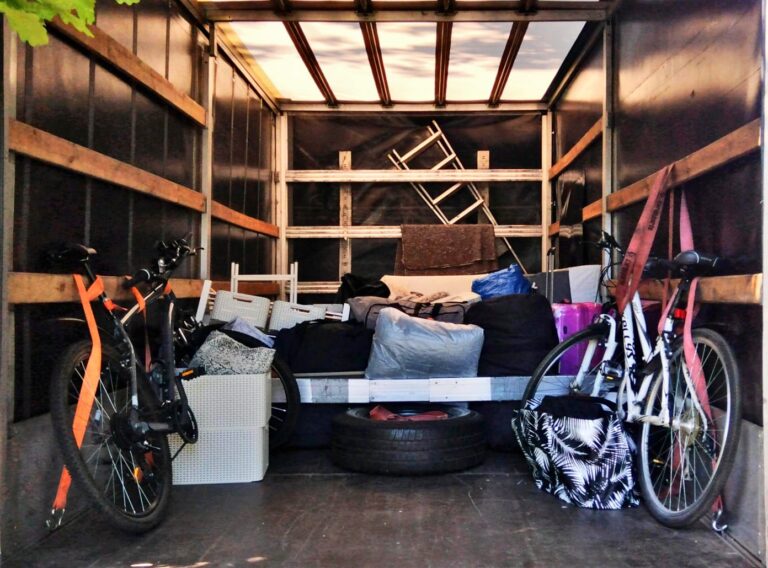
In the Netherlands, a listing described as unfurnished may require more setup than a UK tenant expects. In the UK, council tax and sharp regional price differences can materially change the budget. In both countries, clarify deposit protection, notice terms, utility responsibility, parking and whether large furniture will fit through the entrance or stairwell.
For current price research, use live local listings and build a city-specific budget. The separate VANonsite analysis of the cost of living in the Netherlands vs UK owns the detailed cost intent. This page intentionally focuses on the broader quality-of-life decision, preventing the two guides from competing for the same search purpose.
Healthcare: different funding models, different preparation
The Dutch system generally requires residents to take out standard health insurance, with the exact obligation linked to personal circumstances. Read the Dutch government’s current explanation of standard health insurance before arrival. Budget for the premium and check how dependants are covered.
In the UK, NHS access is connected to residence and immigration status, and some visa routes involve an Immigration Health Surcharge. Do not treat “NHS is free” as a complete relocation plan. Confirm your status, registration steps, prescriptions and continuity of treatment through the official moving to the UK guidance.
If anyone in the household needs regular medication or specialist care, compare waiting, referral and prescription arrangements before choosing a city. Carry essential medication and medical documents with you rather than placing them in the removals vehicle.
Transport and everyday rhythm
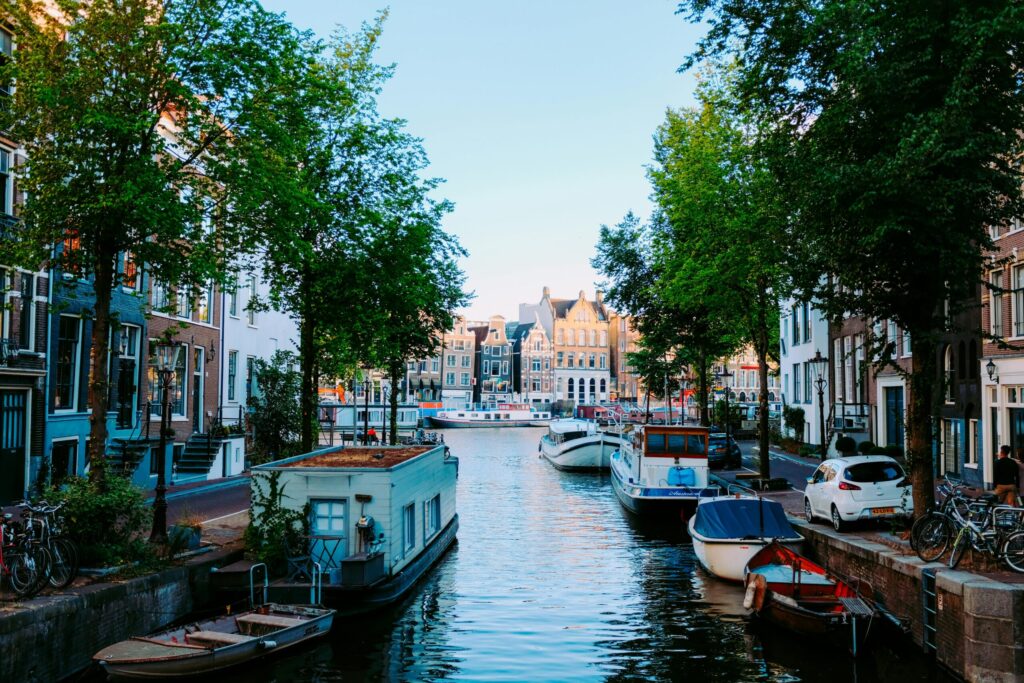
The Netherlands is attractive to people who want cycling to be part of ordinary life. In many Dutch cities, the combination of bike, train, tram and bus can reduce dependence on a car. That advantage is strongest when home, work and school sit within the network you will actually use.
The UK offers a broader range of living patterns. Central London can support a car-free life, while another city or rural destination may make a car valuable. Rail access can widen job options, but the fare and station-to-door journey belong in the budget. Test the real weekly routine, including evening and weekend travel, rather than choosing from a tourist impression.

Family life, schools and language
For families, “better” is usually school- and support-network specific. Check the admissions process, teaching language, distance, special educational support and after-school care for the actual address. The Dutch government explains the national structure in its secondary education guidance; UK arrangements differ across the nations, with England’s starting point at school admissions.
English can make the UK easier at the beginning for an English-speaking household. In the Netherlands, many people and international employers use English, but Dutch improves access to local networks and can matter for regulated or public-facing work. A short stay conducted entirely in English is not the same as long-term integration.
Residence rights after Brexit
Do not book a home or resign from a job on the basis of a general comparison article. A British citizen moving to the Netherlands and a Dutch or other EU citizen moving to the UK may face different residence and work requirements. Existing status, family relationships and the purpose of the move can change the route.
For the Netherlands, begin with the official Immigration and Naturalisation Service residence-permit guidance. For the UK, use GOV.UK. VANonsite plans transport and customs documents for belongings; it does not make immigration decisions.
Moving between the UK and the Netherlands
Whichever country wins, the physical move crosses the EU–Great Britain customs border. The direction matters. A UK-to-Netherlands move follows EU import and Dutch entry procedures; a Netherlands-to-UK move follows Great Britain import rules and may involve Transfer of Residence relief if the applicant qualifies.
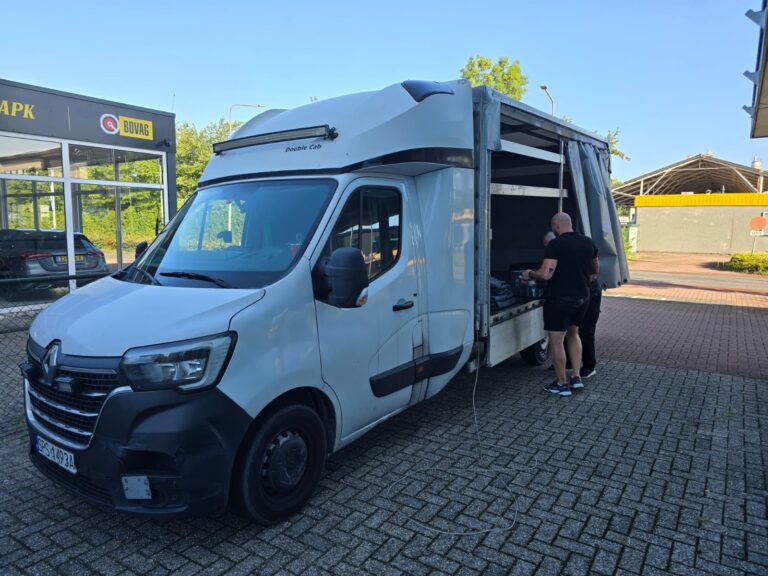
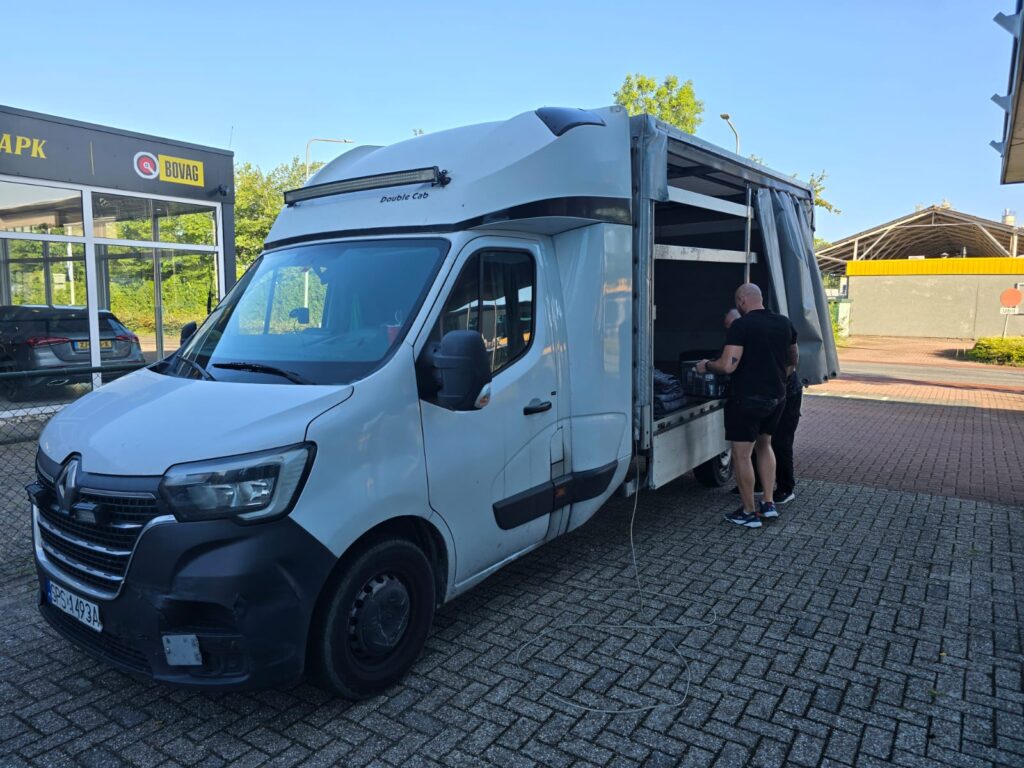
VANonsite treats the job as a chain: inventory, access, packing, vehicle choice, customs readiness, crossing and delivery slot. Clients can choose a part-load for smaller, flexible consignments or a dedicated vehicle for a larger or date-sensitive move. Where availability, route and crossing, access, documents and the agreed collection slot all permit it, the Last-Minute Moving service can be assessed for approximately 1–3 days. This is a conditional option, not a universal transit guarantee.
- For Britain to the Netherlands, see international removals from the UK to the Netherlands.
- For the Netherlands and other origins, use the removals to the Netherlands hub.
- For delivery in Britain, see removals to the UK.
- For fragile or complex inventories, add professional packing.
A practical decision scorecard
Score each item from one to five for both locations, using evidence from a job offer, listings and official rules:
- legal right to live and work;
- net income after unavoidable monthly costs;
- housing available within the required commute;
- healthcare and medication continuity;
- school or childcare fit;
- language and professional recognition;
- support network and travel to family;
- daily transport and leisure;
- cost and complexity of the first six months;
- long-term career and residence plan.
Then repeat the exercise with one adverse assumption: a delayed tenancy, higher commute cost or one income temporarily missing. The stronger destination is the one that remains workable, not simply the one with the most attractive headline.
Frequently asked questions
Is the Netherlands better than the UK?
It can be better for a person who values compact cities, cycling and has a suitable job and residence route. The UK can be better for someone prioritising English-first integration, a particular regional career market or an established network. Compare cities and household circumstances, not stereotypes.
Is the Netherlands cheaper than the UK?
Not consistently across every city and household. Housing, childcare, transport, healthcare and exchange rates can reverse the result. Use the linked cost guide for that specific question and verify current local prices before deciding.
Can I use English when living in the Netherlands?
English is widely used in many international workplaces and urban settings, but Dutch can be important for local integration and some jobs. Check the language requirement for the actual role and municipality.
How should I compare two job offers?
Compare net income after housing, local taxes, healthcare, commuting and childcare. Include pension, leave, job security and the cost of establishing the household. Avoid comparing gross euro and sterling figures directly.
How do I price a move between the Netherlands and UK?
Provide both postcodes, preferred and flexible dates, a complete inventory or photographs, floor and lift details, parking distance and any fragile or heavy items. The automatic form gives the initial estimate; VANonsite then checks the operational details.
Choose the life first, then plan the move properly
The best answer to Netherlands or UK — which is better? comes from your two real scenarios. Verify residence rights, compare city-level budgets, test the commute and include the needs of the whole household. When the destination is clear, VANonsite can turn the decision into a controlled international removal with a route-specific plan and an automatic starting estimate.