
Moving to Switzerland can feel like stepping into a country built with a ruler, a compass and a quiet obsession with order. Trains glide in on time. Streets feel calm after dark. Lakes shine like polished glass. Yet behind that beautiful precision sits one unavoidable truth: the living expense in Switzerland is high.
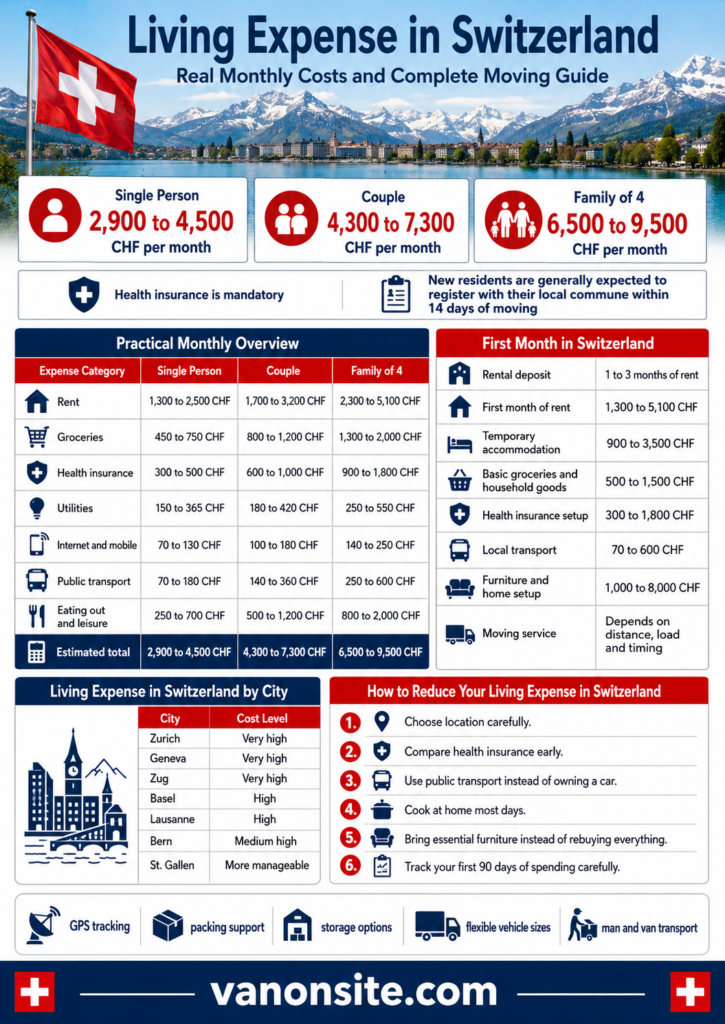
For most newcomers, the living expense in Switzerland ranges from around 2,900 to 4,500 CHF per month for one person, including rent, groceries, health insurance, transport, utilities and basic leisure. A couple may need around 4,300 to 7,300 CHF per month. A family of four should often prepare 6,500 to 9,500 CHF per month, especially in Zurich, Geneva, Lausanne, Basel or other high-demand areas.
The good news is simple: Switzerland is expensive, but it is also predictable. If you understand the main costs before arrival, you can plan calmly instead of reacting under pressure. Rent, health insurance, groceries and moving costs deserve the most attention. Once those are under control, the living expense in Switzerland becomes far easier to manage.
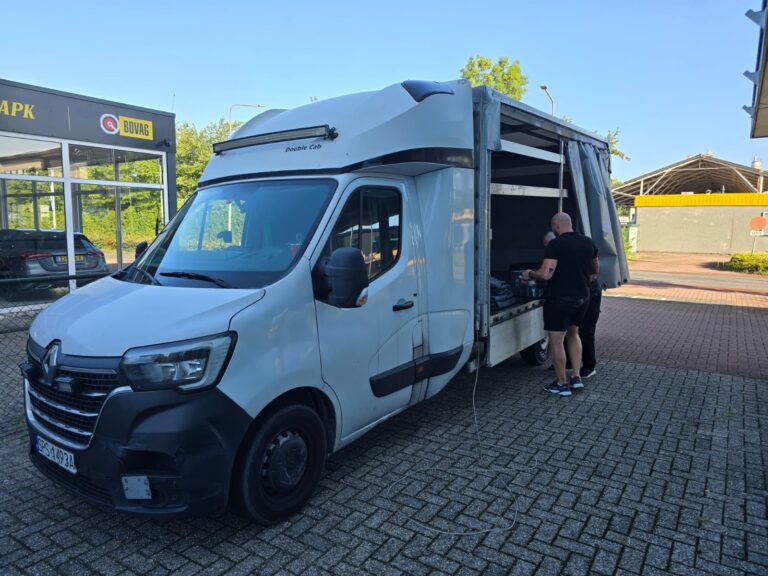
If you are planning a relocation, VANonsite offers secure removals to Switzerland with GPS tracking, flexible vehicle sizes, packing support, storage options and carefully managed man and van transport across Europe. That can make your first weeks in Switzerland smoother, safer and much less stressful.
TL:DR
- The living expense in Switzerland is usually around 2,900 to 4,500 CHF per month for one person, depending mainly on rent, city and lifestyle.
- A family of four may need 6,500 to 9,500 CHF per month, with childcare, larger housing and insurance creating the biggest pressure.
- Rent is often the largest monthly cost, with one-bedroom apartments commonly ranging from about 1,300 to 2,500 CHF per month.
- Health insurance is mandatory and newcomers usually need to arrange it within 3 months of taking up residence.
- New residents are generally expected to register with their local commune within 14 days of moving.
- Bringing your own furniture can reduce expensive setup costs, especially because Swiss furniture, delivery and assembly can add up fast.
- VANonsite supports removals to Switzerland with GPS tracking, packing services, storage, flexible vehicle sizes and man and van options.




How Expensive Is Switzerland Really?
Switzerland is not simply expensive. It is premium. That difference matters.
You are not only paying for rent, groceries and transport. You are paying for public safety, reliable systems, clean streets, strong salaries, excellent infrastructure and a high standard of everyday life. Still, the living expense in Switzerland can be a shock during the first 90 days, especially if you arrive without a realistic arrival budget.
The biggest costs are usually rent, health insurance, groceries and the initial home setup. Many newcomers budget for the first rent payment but forget the deposit, temporary accommodation, furniture, transport passes, registration expenses and insurance back payments.
Here is a practical monthly overview.
| Expense Category | Single Person | Couple | Family of 4 |
|---|---|---|---|
| Rent | 1,300 to 2,500 CHF | 1,700 to 3,200 CHF | 2,300 to 5,100 CHF |
| Groceries | 450 to 750 CHF | 800 to 1,200 CHF | 1,300 to 2,000 CHF |
| Health insurance | 300 to 500 CHF | 600 to 1,000 CHF | 900 to 1,800 CHF |
| Utilities | 150 to 365 CHF | 180 to 420 CHF | 250 to 550 CHF |
| Internet and mobile | 70 to 130 CHF | 100 to 180 CHF | 140 to 250 CHF |
| Public transport | 70 to 180 CHF | 140 to 360 CHF | 250 to 600 CHF |
| Eating out and leisure | 250 to 700 CHF | 500 to 1,200 CHF | 800 to 2,000 CHF |
| Estimated total | 2,900 to 4,500 CHF | 4,300 to 7,300 CHF | 6,500 to 9,500 CHF |
The living expense in Switzerland becomes easier to control when you divide your budget into fixed and flexible costs. Rent and health insurance are harder to reduce. Eating out, car ownership, premium phone contracts, central apartments and impulse furniture shopping are more flexible.
This is where preparation gives you power.
Living Expense in Switzerland by City
Your city choice can change your budget by hundreds or even thousands of francs per month. Zurich and Geneva are powerful, international and full of opportunity, but they are also among the most expensive places to live in Europe. Basel, Lausanne and Zug can also feel costly, especially for housing. Bern often feels calmer, while smaller cities such as St. Gallen, Fribourg, Biel or Winterthur may offer more breathing room.
| City | Cost Level | Best For | Budget Warning |
|---|---|---|---|
| Zurich | Very high | Finance, tech, international careers | Fierce rental competition |
| Geneva | Very high | NGOs, diplomacy, luxury services | High rent and family housing costs |
| Zug | Very high | Finance, tax planning, senior roles | Premium property market |
| Basel | High | Pharma, life sciences, cross-border workers | Strong demand in good districts |
| Lausanne | High | Students, professionals, lake lifestyle | Popular areas move quickly |
| Bern | Medium high | Families, public sector, quieter living | Fewer prime rentals |
| St. Gallen | More manageable | Students, remote workers, smaller budgets | Lower salary potential in some fields |
A simple rule helps: living 20 to 40 minutes outside a major city can sometimes reduce rent by 10% to 25%. However, calculate the full picture before signing a lease. A cheaper flat may lose its charm if it adds 250 CHF in monthly transport costs and steals 10 hours of your week.
The living expense in Switzerland is not only about a single number. It is about the full rhythm of your life: where you sleep, where you work, how you commute and how often you need paid services.
Rent in Switzerland: The Biggest Monthly Cost
Rent is usually the largest part of the living expense in Switzerland. In major cities, it can swallow 35% to 50% of a newcomer’s monthly budget. A central one-bedroom apartment in Zurich or Geneva can easily cost 1,800 to 2,500 CHF per month. Outside the centre, the same type of apartment may sit closer to 1,300 to 1,800 CHF, although desirable places disappear quickly.
Families face an even steeper climb. A three-bedroom apartment in a strong location can move beyond 3,500 CHF per month. In premium areas, it can be significantly higher.
Before signing a lease, prepare for several upfront costs:
- Rental deposit, often up to 3 months of rent.
- First month of rent paid upfront.
- Temporary accommodation before moving into a permanent home.
- Possible relocation or agency support.
- Furniture, lighting, curtains, kitchen items and storage.
- Moving and delivery costs.
- Heating or building charges, depending on the rental contract.
A rental deposit alone can feel brutal. If your rent is 2,200 CHF and the deposit is 3 months, you may need 6,600 CHF locked away before normal life even starts.
This is why home setup planning matters. Buying every essential item in Switzerland can be expensive. A bed, mattress, sofa, table, chairs, wardrobe, desk, lamps and kitchen equipment may cost several thousand francs. For many people, bringing essential furniture is smarter than replacing everything after arrival.
A professional man and van service can help reduce this pressure. VANonsite offers flexible vehicle sizes, secure loading and GPS tracking, so you can move a few essential boxes, a student room, a compact flat or a full household without paying for space you do not need.
Food and Grocery Costs in Switzerland
Groceries are another major part of the living expense in Switzerland. The first supermarket visit can feel dramatic. Ordinary products suddenly look like premium goods.
A litre of milk may cost around 1.80 CHF. A loaf of bread can cost around 3 CHF. Twelve eggs may cost around 6 CHF. Chicken can cost around 23 CHF per kilogram, while beef may reach around 36 CHF per kilogram. Prices vary by shop, city and product quality, but the overall pattern is clear: food is expensive.
| Grocery Item | Typical Price |
|---|---|
| Milk, 1 litre | 1.80 CHF |
| Bread, 500 g | 3.00 CHF |
| Eggs, 12 | 6.00 CHF |
| Chicken fillets, 1 kg | 23.00 CHF |
| Beef, 1 kg | 36.00 CHF |
| Apples, 1 kg | 3.00 CHF |
| Potatoes, 1 kg | 2.50 CHF |
| Local cheese, 1 kg | 23.00 CHF |
| Water, 1.5 litres | 1.20 CHF |
Eating out adds another layer. A simple restaurant meal can cost around 25 CHF. A mid-range dinner for two can reach 100 CHF or more. A cappuccino often costs about 5 CHF.
You do not need to live on instant noodles. Smart routines can cut food spending by 10% to 25%:
- Shop at Aldi, Lidl and budget lines from major Swiss supermarkets.
- Cook at home 5 or 6 days per week.
- Bring lunch to work.
- Buy seasonal produce.
- Reduce meat-heavy meals.
- Use weekly offers and loyalty apps.
- Avoid convenience stores for regular grocery shopping.
A single person who cooks often may keep groceries near 450 to 550 CHF per month. Someone who eats out frequently and buys premium products may spend 800 CHF or more. For a family, the difference between careful shopping and casual shopping can be 500 CHF per month, which becomes 6,000 CHF per year.
The living expense in Switzerland is high, but everyday habits still matter.
Health Insurance in Switzerland
Health insurance is one of the most important parts of the living expense in Switzerland. It is mandatory for residents, and every person needs their own policy. Newcomers usually need to arrange basic health insurance within 3 months of taking up residence.
For official guidance, check the Swiss Federal Office of Public Health page on health insurance for residents in Switzerland.
The average monthly premium in 2026 is 393.30 CHF. Your actual premium depends on your canton, age, insurer, deductible and insurance model. Families need to budget per person, not as one household package.
| Person Type | Monthly Health Insurance Estimate |
|---|---|
| Young adult | 250 to 420 CHF |
| Adult | 300 to 550 CHF |
| Child | 100 to 180 CHF |
| Family of 4 | 900 to 1,800 CHF |
One detail often surprises newcomers: insurance may apply retroactively from your arrival or residence date if arranged within the required deadline. That means you may still need to pay premiums from the beginning, even if you choose the insurer later.
Do not leave health insurance until the last moment. It is not a small admin task. It is a serious budget item that can reshape your first Swiss months.
Transport Costs: Public Transport, Cars and Commuting
Swiss public transport is famous for a reason. Trains, trams, buses and boats connect the country with impressive precision. For many residents, public transport is cheaper and more practical than owning a car.
A local monthly transport pass may cost around 70 to 180 CHF depending on city and zones. A Swiss GA Travelcard for adults in 2nd class costs around 3,995 CHF per year, which works out at about 333 CHF per month if spread across the year. It can be excellent value for people who travel across Switzerland often.
| Transport Item | Typical Price |
|---|---|
| One-way local ticket | 3.50 CHF |
| Monthly local pass | 70 to 180 CHF |
| Adult GA Travelcard, 2nd class, annual | 3,995 CHF |
| Gasoline, 1 litre | 1.80 CHF |
| Taxi start | 6.50 CHF |
| Taxi, 1 km | 3.80 CHF |
| Swiss motorway vignette | 40 CHF per year |
A car can be useful in rural areas or for families, but it adds weight to the living expense in Switzerland. You may need to budget for fuel, insurance, maintenance, parking, tyre changes, motorway access and possible import steps if bringing a vehicle from abroad.
For official road toll information, check the Swiss government page on the motorway vignette.
Before choosing a flat, test your commute. A cheaper apartment outside the city may look clever, but if it requires several transport zones or a car, the saving may shrink fast.
Utilities, Internet and Mobile Plans
Utilities are not always the loudest cost, but they still shape the living expense in Switzerland. For an 85 m2 apartment, basic utilities such as electricity, heating, cooling, water and waste services may average around 150 to 365 CHF per month. Smaller flats may cost less, while older or poorly insulated homes may cost more.
Internet often costs around 40 to 70 CHF per month. A mobile plan with enough data for everyday use may cost around 25 to 60 CHF per month.
| Utility or Service | Monthly Estimate |
|---|---|
| Basic utilities for a small flat | 120 to 220 CHF |
| Basic utilities for an 85 m2 flat | 150 to 365 CHF |
| Internet | 40 to 70 CHF |
| Mobile plan | 25 to 60 CHF |
| Household waste fees | Varies by commune |
Always check what is included in the rent. Swiss rental listings may separate net rent from additional charges. Heating and building costs can be listed as monthly advance payments, then adjusted later based on real usage.
Ask before signing. A small detail in the rental contract can change your monthly budget.
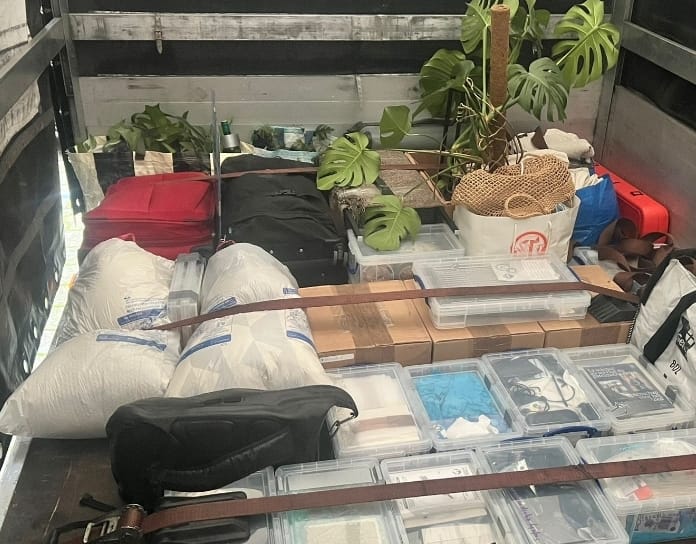
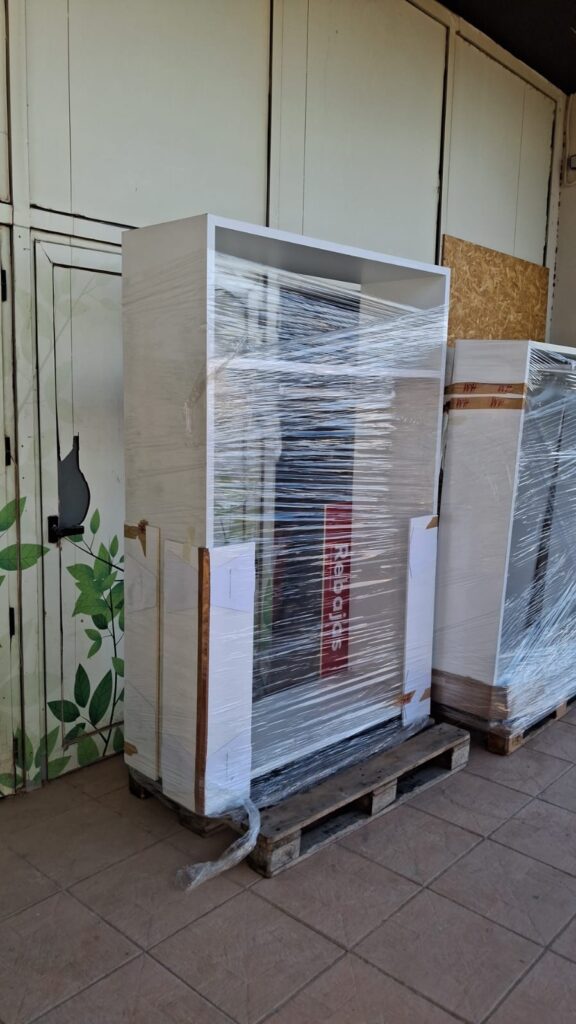
Moving Costs to Switzerland
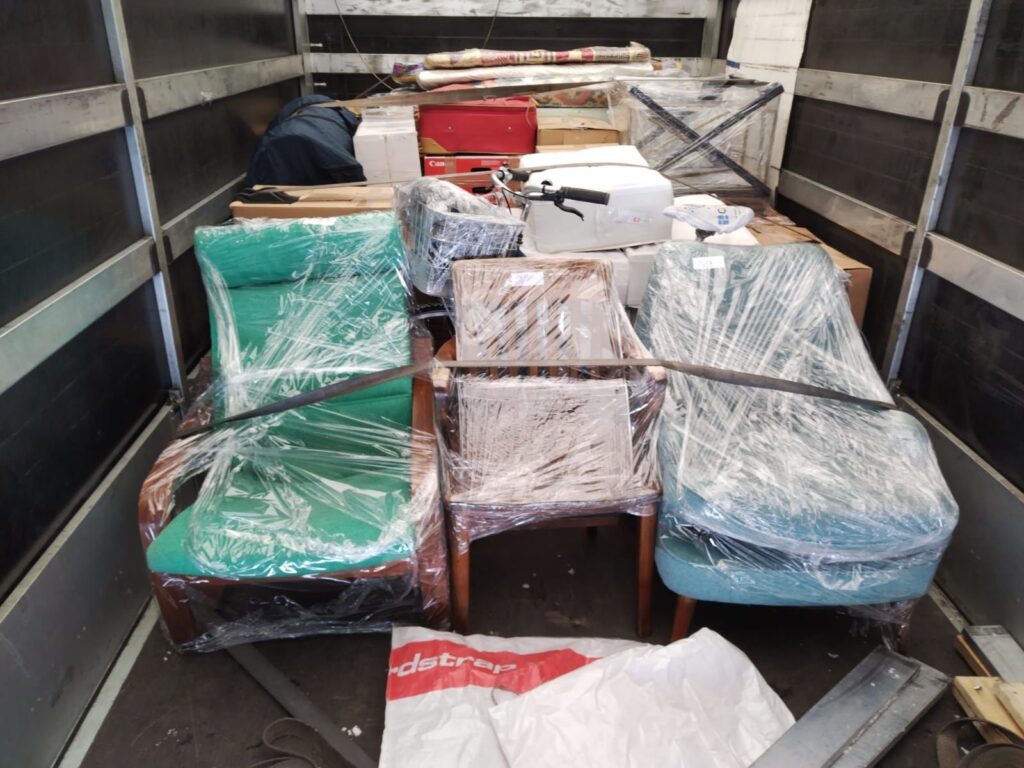
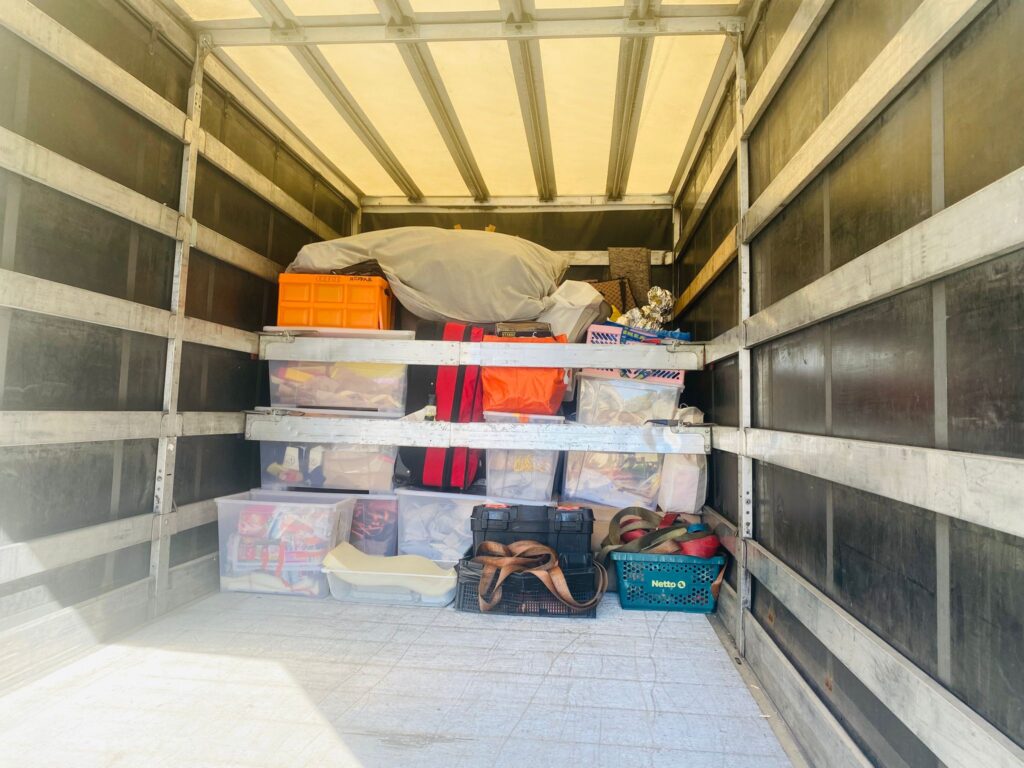
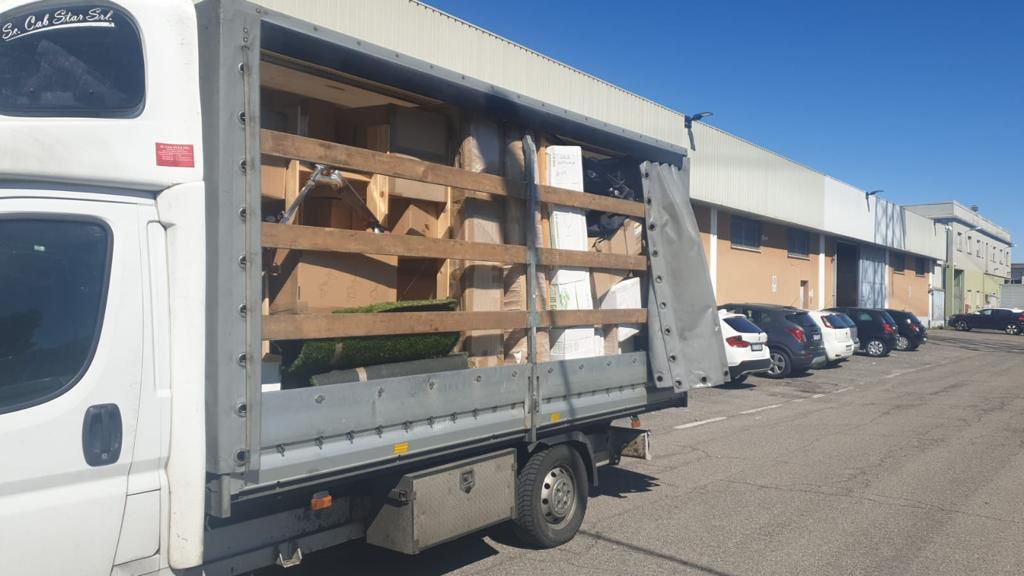
The living expense in Switzerland begins before your first night in the new home. Moving costs depend on distance, volume, weight, access conditions, urgency, customs documents, packing needs and whether storage is required.
A student moving from Germany to Zurich with boxes, a desk and a bicycle has a very different cost profile from a family moving a full house from Poland, Spain, France or the Netherlands. A last minute move may also need faster coordination, which can affect availability and price.
VANonsite offers flexible vehicle sizes, which helps match the move to the real load.
| VANonsite Option | Volume | Max Weight | Best For |
|---|---|---|---|
| Moving One | 1 m3 | 100 kg | Suitcases, boxes, small personal items |
| Moving Basic | 5 m3 | 300 kg | Student move or compact room |
| Moving Medium | 10 m3 | 500 kg | Studio or essential apartment items |
| Moving Premium | 15 m3 | 1,100 kg | One-bedroom flat or couple move |
| Moving Premium Plus | 30 m3 | 3,500 kg | Larger apartment or family move |
| Moving Full House XXL | 90 m3 | 20,000 kg | Full house, large relocation or business move |
The value is not only in the van. It is in the calmer process. VANonsite provides GPS tracking for every shipment, which gives you visibility while your belongings move across Europe. The company also offers packing services, white glove delivery, storage, student removals, office removals, furniture removals and office furniture installation.
For someone moving to Switzerland, that flexibility is powerful. You can choose a compact man and van move for essentials, arrange careful furniture removals for valuable items or select a larger relocation service for a full household.
The better your move is planned, the easier your first month becomes.
Required Documents When Moving to Switzerland
Documents are not glamorous, but they protect you from chaos. With Switzerland, preparation matters. Customs, residence registration and insurance deadlines can affect your move, your budget and your peace of mind.
For importing household goods, check the official Swiss Customs information on moving household effects. Household goods may usually be imported as removal goods if they meet the required conditions. Swiss customs states that imported articles generally must have been used personally for at least 6 months and must continue to be used after import.
| Situation | Documents to Prepare | Official Source |
|---|---|---|
| Importing household goods | Form 18.44, inventory list, proof of relocation, lease or employment documents | Swiss Customs household effects |
| Local registration | Passport or ID, rental contract, civil status documents where required | ch.ch registration after moving |
| Health insurance | Residence details, personal data, selected insurer and policy | Swiss health insurance requirement |
| Working in Switzerland | Employment contract, permit documents, nationality-specific forms | SEM working in Switzerland |
New residents are generally expected to register with their new commune within 14 days of moving. You should also check canton-specific rules because local requirements can vary.
If you are moving from an EU or EFTA country, your process may differ from someone moving from outside the EU or EFTA. Work permits, residence rights and visa rules depend on nationality, employment status and length of stay. For official guidance, use the State Secretariat for Migration page on working in Switzerland.
A professional removals team can also reduce friction. A clear inventory list, labelled boxes and organised loading make customs conversations easier and less stressful.
First Month in Switzerland: What You May Need to Pay
The first month is rarely normal. It is expensive because everything arrives at once.
You may pay rent, deposit, temporary accommodation, health insurance, moving costs, local transport, groceries, furniture setup and registration-related expenses almost at the same time.
| First-Month Cost | Typical Range |
|---|---|
| Rental deposit | 1 to 3 months of rent |
| First month of rent | 1,300 to 5,100 CHF |
| Temporary accommodation | 900 to 3,500 CHF |
| Basic groceries and household goods | 500 to 1,500 CHF |
| Health insurance setup | 300 to 1,800 CHF |
| Local transport | 70 to 600 CHF |
| Furniture and home setup | 1,000 to 8,000 CHF |
| Moving service | Depends on distance, load and timing |
This is why the living expense in Switzerland should not be calculated only as a monthly average. You need an arrival budget. A single person should ideally prepare at least 8,000 to 15,000 CHF for the first phase. A family should prepare more, especially if housing is not already secured.
Arriving with a realistic cushion is far better than beginning your Swiss life with financial stress.
Sample Monthly Budgets
These examples are practical planning models. Your real living expense in Switzerland will depend on canton, salary, family size, housing, health insurance and lifestyle.
Single Person in a Smaller City
| Category | Monthly Cost |
|---|---|
| Rent | 1,300 CHF |
| Groceries | 500 CHF |
| Health insurance | 350 CHF |
| Transport | 90 CHF |
| Utilities, phone and internet | 220 CHF |
| Leisure | 300 CHF |
| Total | 2,760 CHF |
This budget is lean but realistic for someone who cooks at home, uses public transport and avoids premium housing.
Single Person in Zurich or Geneva
| Category | Monthly Cost |
|---|---|
| Rent | 1,900 CHF |
| Groceries | 650 CHF |
| Health insurance | 420 CHF |
| Transport | 120 CHF |
| Utilities, phone and internet | 250 CHF |
| Leisure | 550 CHF |
| Total | 3,890 CHF |
This version gives more room for city living, social life and higher rent. It still assumes some control over spending.
Couple in Basel, Bern or Lausanne
| Category | Monthly Cost |
|---|---|
| Rent | 2,300 CHF |
| Groceries | 1,000 CHF |
| Health insurance | 800 CHF |
| Transport | 220 CHF |
| Utilities, phone and internet | 320 CHF |
| Leisure | 800 CHF |
| Total | 5,440 CHF |
A couple can often share housing and utility costs, which makes the living expense in Switzerland easier to manage than two separate single budgets.
Family of 4
| Category | Monthly Cost |
|---|---|
| Rent | 3,200 CHF |
| Groceries | 1,600 CHF |
| Health insurance | 1,300 CHF |
| Transport | 400 CHF |
| Utilities, phone and internet | 450 CHF |
| Childcare or school-related costs | 1,000 to 2,500 CHF |
| Leisure and extras | 800 CHF |
| Total | 8,750 to 10,250 CHF |
For families, childcare can become the decisive cost. Even when public schools are strong, early childcare, after-school care and holiday care may add serious pressure.
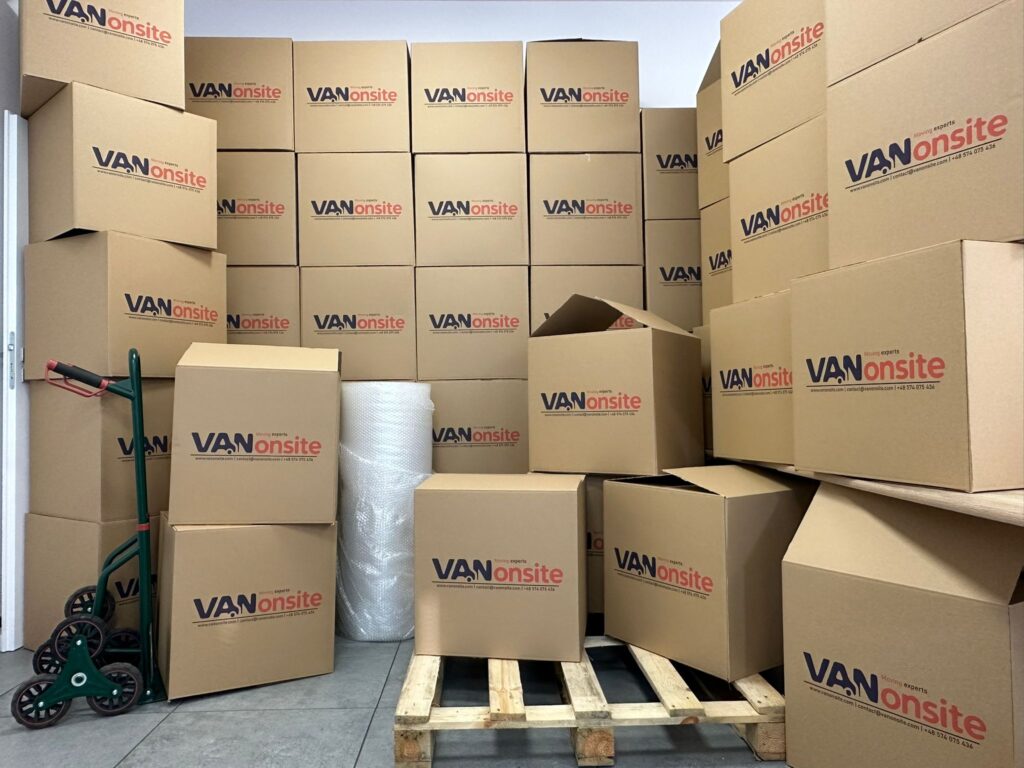
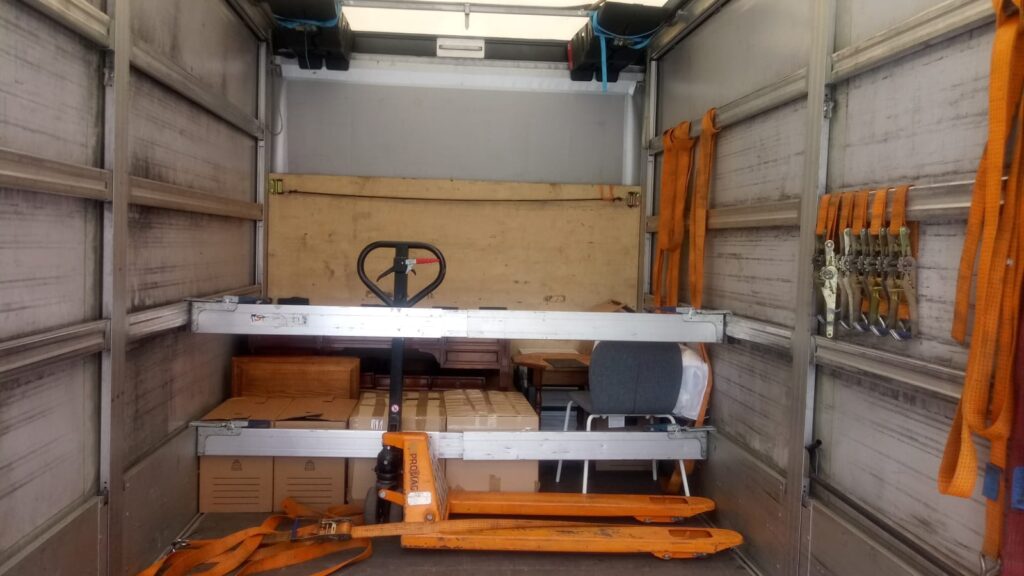


Hidden Costs Newcomers Often Miss
The living expense in Switzerland is not always loud. Some costs arrive quietly, then take a sharp bite.
Common hidden costs include:
- Rental deposit.
- Temporary accommodation.
- Health insurance back payments.
- Furniture delivery and assembly.
- Waste disposal bags or local waste fees.
- Parking permits.
- Winter clothing.
- Public transport zone upgrades.
- Bank account fees.
- TV and radio household fees where applicable.
- School supplies.
- Childcare.
- Pet registration or pet-related costs.
- Customs timing and document preparation.
- Cleaning costs when leaving a rental property.
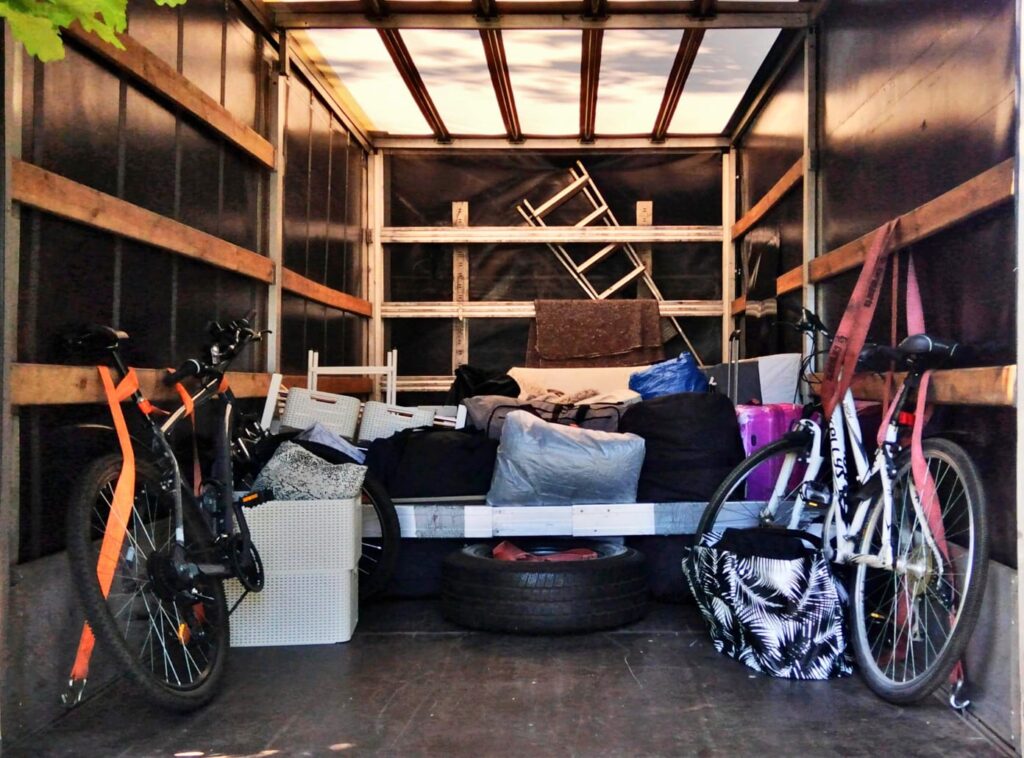
Furniture is one of the most underestimated expenses. Many Swiss apartments are practical and clean, but not fully furnished. If you bring your own essentials, you can reduce the number of urgent purchases after arrival.
That is where a planned man and van relocation can be more than transport. It can be a smart budgeting decision.
Should You Bring Furniture to Switzerland?
In many cases, yes.
Bringing furniture makes sense if your items are good quality, expensive to replace or emotionally valuable. It also makes sense if you are moving from another European country and already own the basics: bed, desk, chairs, kitchenware, storage units, baby furniture or office equipment.
It may not make sense to move damaged, cheap or oversized furniture that does not fit Swiss apartments. The best approach is honest filtering before the move.
Ask yourself:
- Would replacing this item in Switzerland cost more than moving it?
- Will it fit the new home?
- Is it fragile, valuable or sentimental?
- Has it been used for at least 6 months if declared as household effects?
- Can it be packed safely?
- Do I need it during the first week?
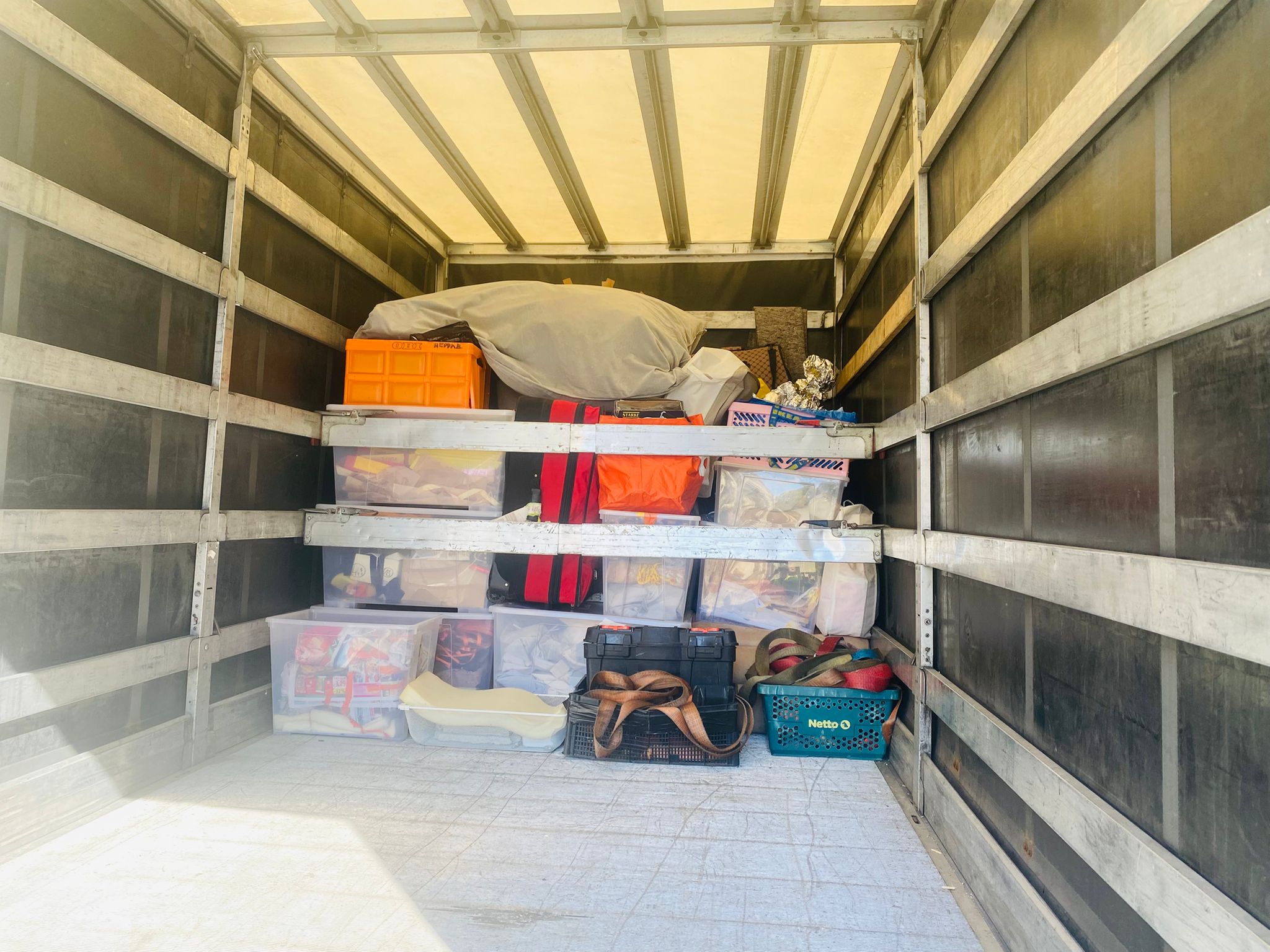
A smaller, smarter move is often better than moving everything blindly. VANonsite can help with practical sizing, packing and secure transport, so you do not pay for empty space or risk damage through rushed loading.
How to Reduce Your Living Expense in Switzerland
Switzerland is expensive, but it is not unbeatable. You can reduce costs without making life feel miserable.
Start with the largest categories first:
- Choose location carefully.
- Avoid signing the first expensive rental out of fear.
- Compare health insurance early.
- Use public transport instead of owning a car.
- Cook at home most days.
- Bring essential furniture instead of rebuying everything.
- Choose a move size that matches your actual load.
- Buy second-hand furniture for non-essential items.
- Check whether your employer covers relocation costs.
- Prepare documents before customs and registration steps.
- Live outside the most expensive districts.
- Track your first 90 days of spending carefully.
The living expense in Switzerland drops when you stop treating every cost as fixed. Rent is partly flexible. Food habits are flexible. Transport choices are flexible. Furniture strategy is flexible. Moving method is flexible.
VANonsite supports that flexibility with different vehicle sizes and services. A student may only need Moving Basic. A couple may need Moving Medium or Moving Premium. A family may need Moving Premium Plus or Moving Full House XXL. Matching the load correctly can prevent waste and protect the relocation budget.
Moving to Switzerland as a Student
Students often experience the living expense in Switzerland differently. Rent and food are still high, but shared housing, student transport options and smaller moves can reduce pressure.
A student budget may look like this:
| Category | Monthly Cost |
|---|---|
| Shared room or student housing | 700 to 1,300 CHF |
| Groceries | 350 to 550 CHF |
| Health insurance | 250 to 450 CHF |
| Transport | 60 to 120 CHF |
| Phone and internet share | 40 to 90 CHF |
| Study and leisure costs | 250 to 500 CHF |
| Total | 1,650 to 3,010 CHF |
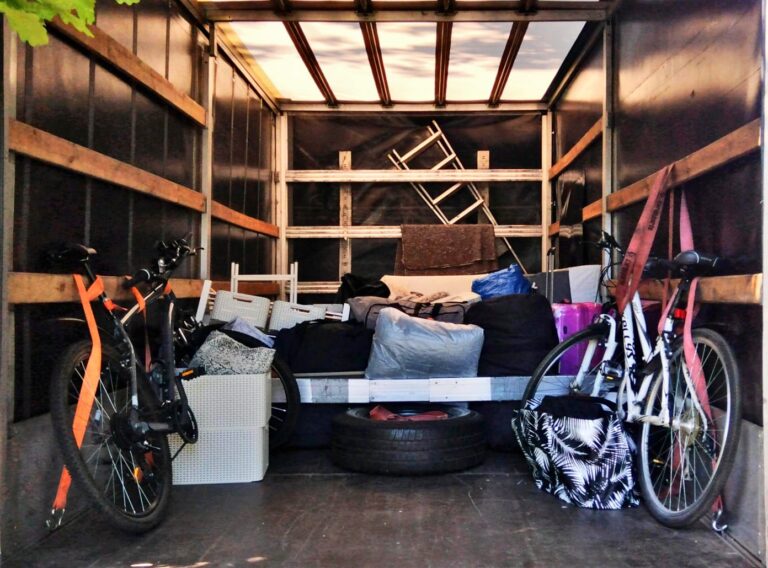
Student removals are usually smaller and more time-sensitive. A compact man and van solution can be ideal for boxes, clothes, books, a desk, a chair, a bicycle and essential electronics. VANonsite offers Student Removals, which can help reduce the chaos of moving into a dorm, shared flat or first studio.
Moving to Switzerland With a Family
A family move is not just bigger. It is more delicate. There are school documents, toys, furniture, routines, work schedules and the emotional weight of uprooting children.
The living expense in Switzerland for a family is shaped by three large forces: housing, health insurance and childcare. These can vary sharply by canton and personal situation.
Families should prepare for:
- Larger rental deposits.
- More expensive health insurance totals.
- School registration.
- Childcare or after-school care.
- Larger grocery bills.
- More furniture and storage needs.
- Higher moving volume.
- Possible car-related costs.
- Temporary accommodation with enough space.
A full family relocation benefits from structure. Labelled boxes, room-by-room packing, a clear inventory and reliable tracking are not luxuries. They are sanity tools.
VANonsite offers larger moving options, including Moving Premium Plus and Moving Full House XXL, for bigger households. With GPS tracking and secure handling, families can see where their belongings are instead of waiting in the dark.
Office and Business Relocation to Switzerland
The living expense in Switzerland can also affect companies relocating employees or office equipment. Office rent, furniture, installation, storage and downtime are all part of the wider cost picture.
For businesses, the risk is not only paying for transport. The risk is disruption. A delayed desk setup, missing office chair, damaged meeting table or untracked shipment can cost time, focus and credibility.
VANonsite offers office removals, office furniture installation, storage and white glove delivery. For companies moving teams or equipment to Switzerland, this can create a smoother transition with less operational noise.
A good move is almost invisible. Work continues. People arrive. Desks are ready. Equipment is where it should be.
Is Switzerland Worth the Cost?
The living expense in Switzerland is undeniably high. Rent is expensive. Groceries are expensive. Insurance is expensive. Eating out can feel extravagant.
Yet Switzerland also gives a lot back.
It offers clean cities, reliable infrastructure, strong public transport, outdoor beauty, high salaries in many sectors, safe streets and a powerful sense of order. For professionals, families, students and business owners, the value can be extraordinary if income and planning are aligned.
Switzerland is worth it if:
- Your salary matches the local market.
- You prepare enough savings before arrival.
- You understand rent and insurance costs.
- You avoid rushed housing decisions.
- You plan your move carefully.
- You bring the right belongings.
- You treat the first 90 days as a setup phase.
It may feel difficult if you arrive without savings, without documents, without housing research or without a realistic budget. The living expense in Switzerland is not a reason to panic. It is a reason to plan with precision.
Moving to Switzerland With VANonsite
A move to Switzerland is more than a transport route. It is the moment your old life is packed into boxes and sent across borders toward a new beginning. That deserves care.
VANonsite helps people move across Europe with secure removals, flexible vehicle sizes, packing support, storage options, white glove delivery and GPS tracking for every shipment. Whether you need a small man and van move, furniture removals, student removals, home removals or a full house relocation, the service can be matched to your volume and budget.
The advantage is simple: fewer unknowns.
You know your load is tracked. You know the vehicle size fits the job. You know your belongings are handled with care. You know the move has structure.
When the living expense in Switzerland is already high, avoid turning relocation into another expensive surprise. Plan early, pack wisely and choose a moving partner that respects both your belongings and your budget.
Start your move with VANonsite removals to Switzerland and arrive with more calm, more control and fewer costly mistakes.
FAQ About Living Expense in Switzerland
What is the average living expense in Switzerland for one person?
The average living expense in Switzerland for one person is usually around 2,900 to 4,500 CHF per month, including rent, groceries, health insurance, utilities, transport and basic leisure. Zurich and Geneva are usually more expensive than smaller cities.
Is 5,000 CHF per month enough to live in Switzerland?
For one person, 5,000 CHF per month can be comfortable in many places if rent is controlled. In Zurich or Geneva, it can still work, but housing choices matter. For a family, 5,000 CHF per month is usually tight.
What is the biggest cost when living in Switzerland?
Rent is usually the biggest cost, followed by health insurance, groceries and childcare for families. These four categories shape most of the living expense in Switzerland.
How much rent should I expect in Switzerland?
A one-bedroom apartment may cost around 1,300 to 2,500 CHF per month depending on city and location. Larger family apartments can range from around 2,300 to over 5,100 CHF per month in expensive areas.
Is health insurance mandatory in Switzerland?
Yes. Residents normally need basic health insurance, and newcomers usually have to arrange it within 3 months of taking up residence.
How much should I save before moving to Switzerland?
A single person should ideally prepare at least 8,000 to 15,000 CHF for the first phase, including deposit, first rent, insurance, groceries, temporary accommodation, transport and moving costs. Families should prepare more.
Can moving my furniture reduce costs?
Yes. Moving essential furniture can reduce the cost of setting up a home in Switzerland. This is especially useful if your furniture is good quality, already owned and expensive to replace locally.
Does VANonsite offer man and van removals to Switzerland?
Yes. VANonsite offers flexible man and van removals to Switzerland, along with packing services, storage, furniture removals, student removals, home removals, office removals and GPS tracking for every shipment.
What documents do I need when moving household goods to Switzerland?
You may need Form 18.44, an inventory list, proof of relocation, rental or employment documents and personal identification. Always check the official Swiss Customs guidance before moving.
How can I reduce the living expense in Switzerland?
Choose housing carefully, compare health insurance, cook at home, use public transport, avoid rushed rental decisions, bring essential furniture and plan the move with the right vehicle size.
Final Thought
The living expense in Switzerland is high, but it does not have to be mysterious. Once you understand the real numbers, the move becomes less frightening and far more manageable.
Plan your rent. Compare insurance. Prepare your documents. Bring what is worth bringing. Avoid expensive panic decisions. When it is time to move, choose a partner that can carry more than boxes.
Choose a team that helps carry the pressure too.