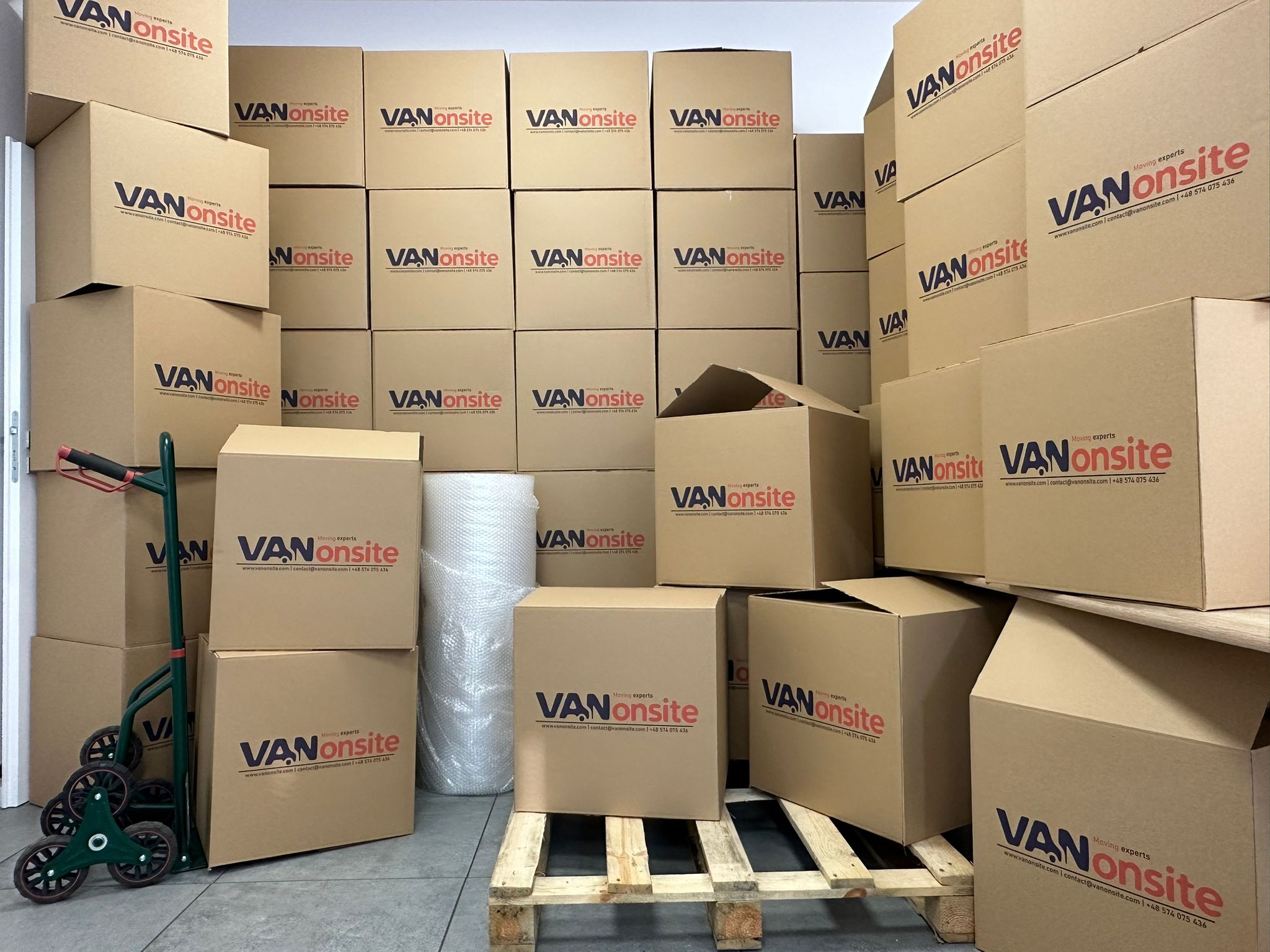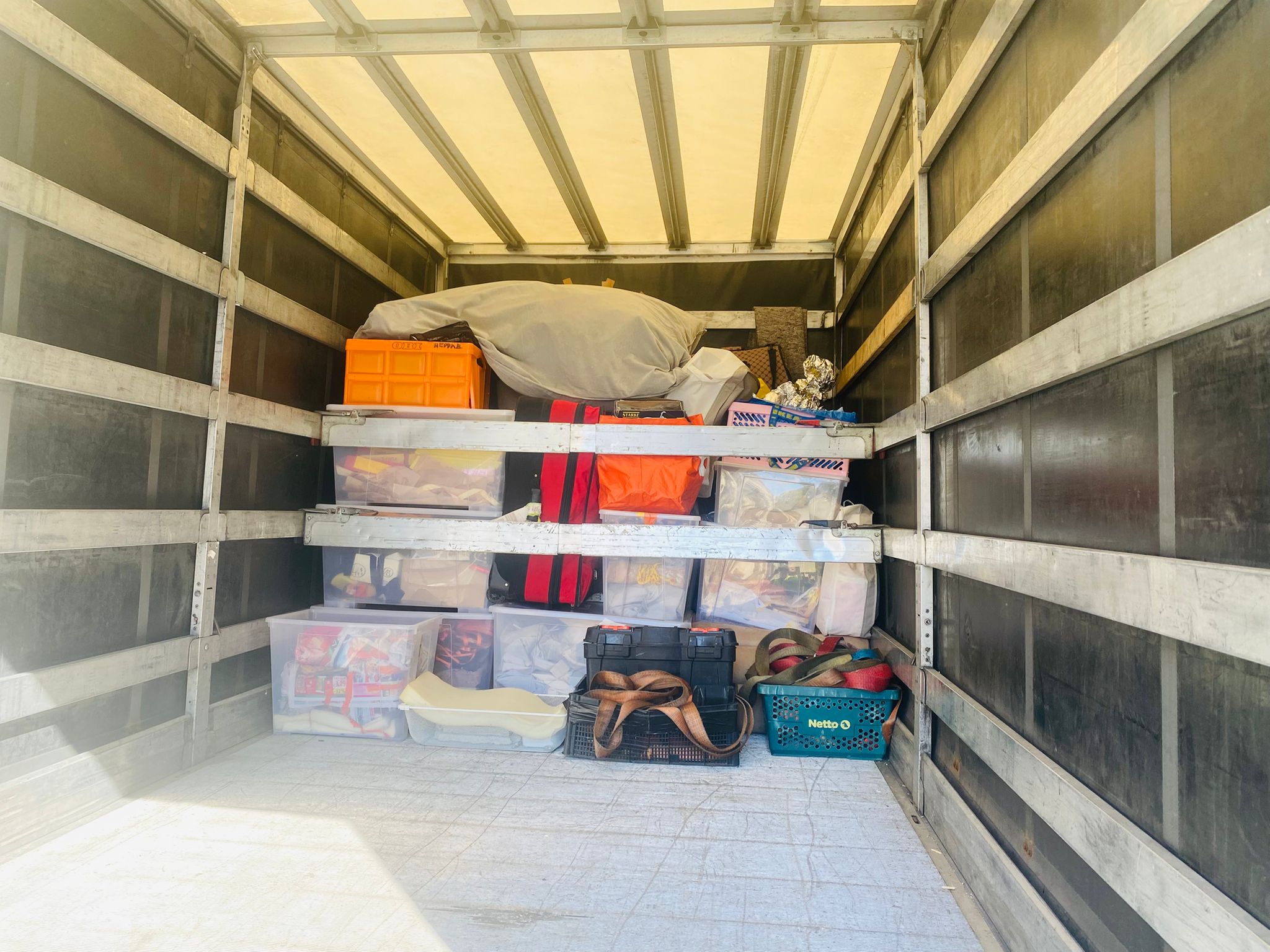
UK to Italy removals need more than a van and a mileage calculation. A reliable plan joins the confirmed inventory, collection access, the route through Europe, customs responsibilities and the delivery conditions at the Italian address. VANonsite uses those facts to match the move with part-load or dedicated transport and to define what is included before collection.
Use the automatic calculator below for an immediate starting estimate. Add the UK and Italian addresses, intended date, main furniture, approximate box count, floors, lifts and parking restrictions. Photographs and dimensions for bulky pieces allow the team to qualify the estimate and prepare a tailored written scope.

What VANonsite checks before quoting a UK to Italy move
| Planning input | Information required | Operational effect |
|---|---|---|
| Route | Full collection and delivery addresses | Distance, crossings and final access |
| Inventory | Boxes, furniture, dimensions and photographs | Capacity, protection and handling |
| Property access | Parking, floors, lift, stairs and carry distance | Crew time and equipment |
| Dates | Fixed day or workable range | Part-load or dedicated feasibility |
| Customs file | Goods list, ownership and residence evidence | Declaration readiness |
| Service scope | Packing, dismantling, storage and room delivery | Responsibilities and final quote |
A quote is useful only when these assumptions are visible. “Door to door” should identify the two doors, the carrying distance and what the crew does inside each property. “Packing included” should say which items, materials and labour are covered. VANonsite turns broad labels into a move plan that the customer can check.
Part-load or dedicated transport?
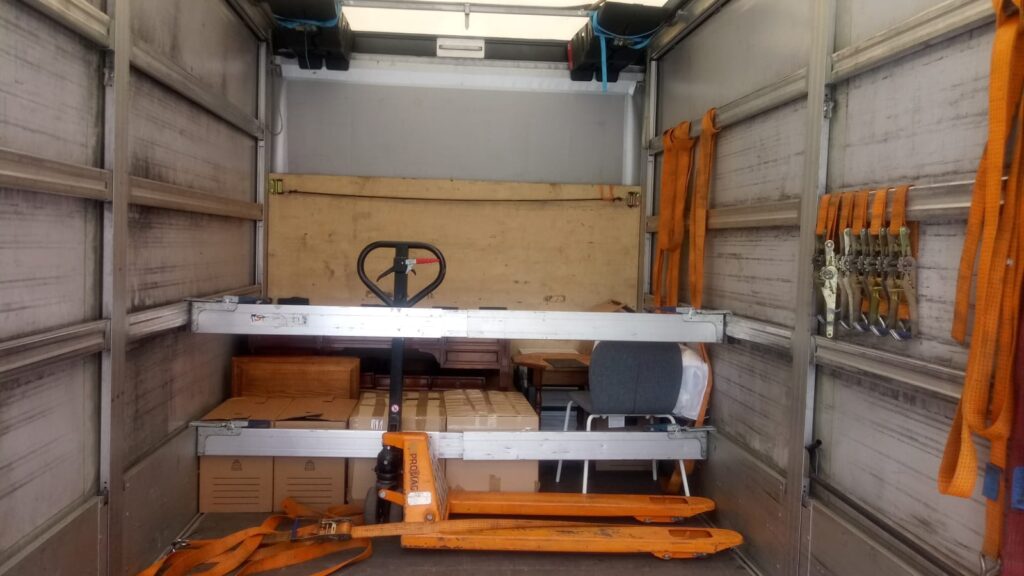
Part-load transport to Italy uses compatible route capacity. It can suit boxes, selected furniture and households with flexible collection and delivery windows. The load still needs a confirmed volume, clear labelling and agreed handling responsibilities. Flexibility helps routing, but it must be genuine rather than assumed.
Dedicated transport is organised around one move. It is often the clearer choice when a tenancy ends, keys change hands, a school or job date is fixed, or the load requires direct handling. Compare the whole relocation impact: storage, temporary accommodation and a missed handover can matter more than the transport line alone.
Customs after Brexit: assign each responsibility
Goods moving from Great Britain into Italy cross an external EU customs border. A household move should therefore identify the owner of the goods, the person responsible for each declaration, the supporting evidence and the contact who can answer a customs query. Transport planning cannot replace a decision by the competent authority on tax or relief eligibility.
The Italian Customs and Monopolies Agency explains that personal property connected with a transfer of normal residence can qualify for duty and VAT relief when the legal conditions are met. Its current guidance refers, subject to exceptions, to prior residence outside the EU and prior use of the goods. Check the live Italian customs guidance for citizens for the applicable procedure and competent office.
On the UK side, declaration treatment depends on the goods and how they travel. HMRC advises movers to check additional requirements for household items and the rules of the destination country. Use the current GOV.UK personal-goods guidance. VANonsite confirms the transport information included in the agreed service; the customer remains responsible for accurate personal and ownership evidence.
Build an inventory that works at collection and customs
- Number every box and connect the number to a clear description.
- List major furniture and appliances individually.
- Record approximate value and ownership information where required.
- Separate newly purchased goods, business stock and controlled items.
- Mark fragile, heavy, dismantled and high-value pieces.
- Keep the final signed version consistent across the moving team and customs file.
A final inventory is also a loading tool. It helps allocate space, prepare protection and decide delivery order. Generic descriptions such as “miscellaneous household items” hide the very information needed for handling and declarations. Photographs do not replace the list, but they make dimensions, condition and access easier to verify.
Italian access: ZTL zones, narrow streets and building rules
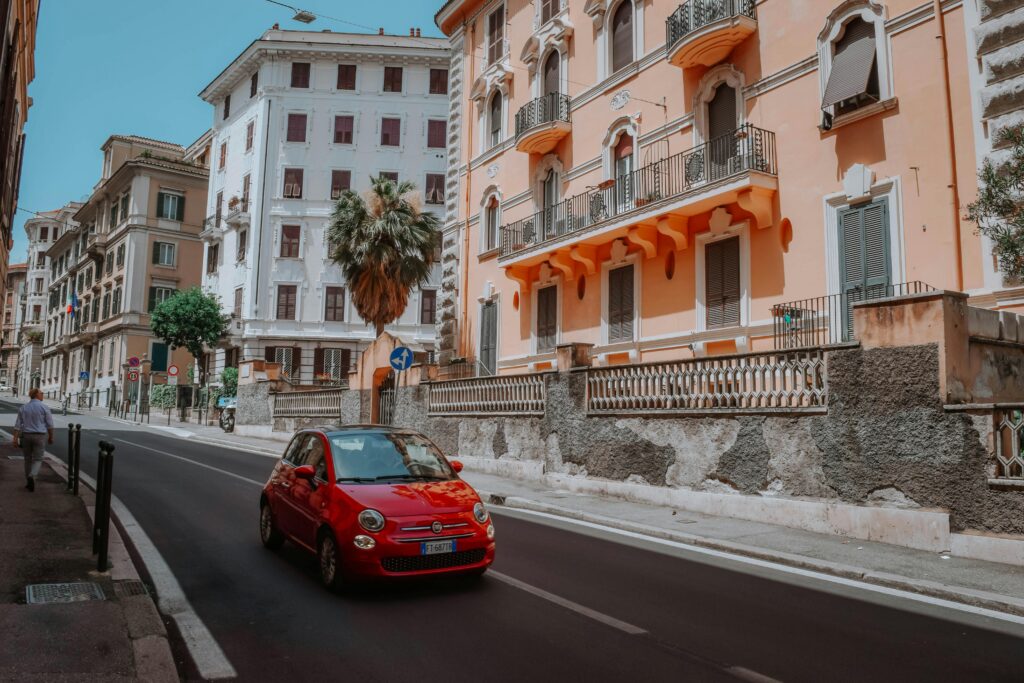
Many Italian centres operate limited-traffic zones, known as ZTLs. Access can depend on vehicle, time, permit and the exact street. Historic centres may also have arches, pedestrian areas, steep approaches or no legal stopping point near the entrance. The postcode alone is not enough to plan the final metres.
Before booking, confirm the building entrance, legal loading position, walking distance, floor, lift dimensions, stair turns, concierge or condominium rules and any reserved time slot. Send photographs or a short video of uncertain access. If a smaller final-access vehicle, external lift or local permit may be necessary, that decision belongs in the quote rather than on delivery day.
Route planning depends on the Italian destination
Northern destinations such as Turin and Milan have different route and access considerations from Tuscany, Rome or the south. Alpine weather and crossing conditions can affect one plan; a long mainland delivery affects another. Sicily, Sardinia and smaller islands introduce ferry capacity, port schedules and additional final-access questions.
Provide the complete destination at the start, including island and historic-centre access. VANonsite evaluates the route, crossing and delivery constraints together. A “removal to Italy” cannot be scheduled accurately from a country name alone.
Packing and furniture handling
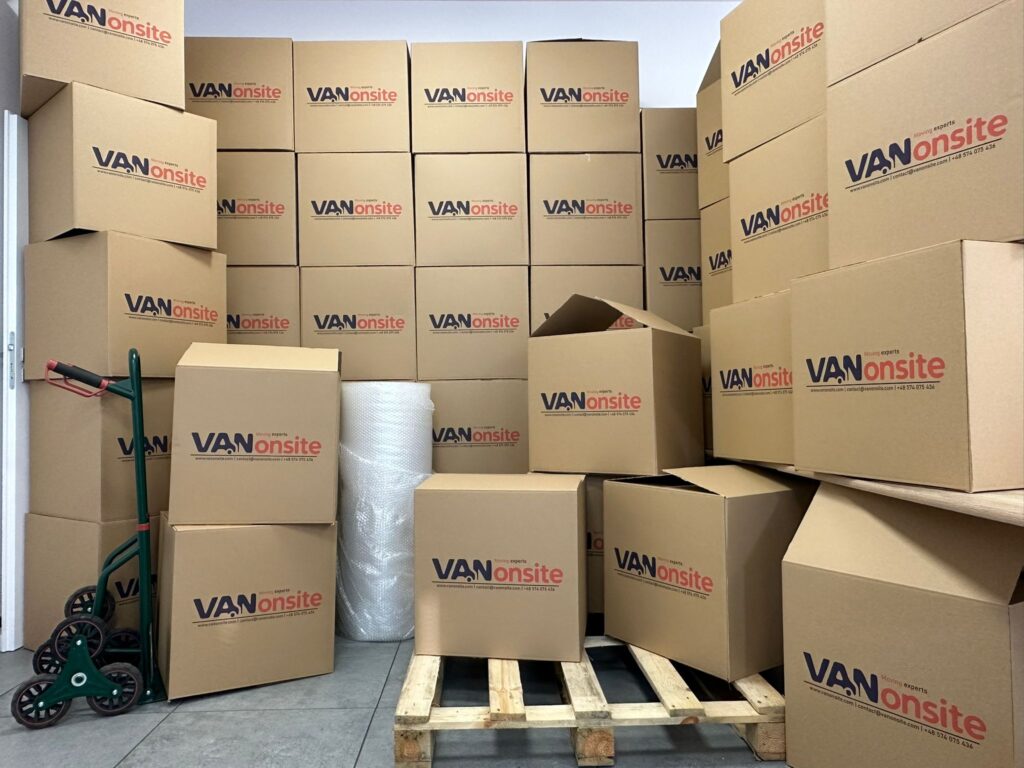
Self-packing can suit robust household goods when appropriate cartons, protection and enough preparation time are available. Partial packing can focus professional labour on glass, artwork, electronics or polished furniture. A full packing scope should identify materials, dismantling, labelling and what will be reassembled at destination.
For a move centred on bulky or valuable pieces, use the separate furniture removals UK to Italy guide. It covers measured inventories, dismantling decisions, surface protection and address-specific handling instead of treating a sofa, fragile cabinet and complete household as the same preparation task.
Special items and exclusions need early review
Declare pianos, safes, stone or glass tables, oversized artwork, motorcycles, e-bikes, batteries, plants, alcohol, tobacco, food, weapons, business stock and recently purchased high-value goods before the service is agreed. These items do not all follow the same rules: some affect lifting and vehicle payload, some need stronger protection, some change the customs information and others may require a specialist or may not be accepted within the planned service.
For every unusual piece, provide dimensions, approximate weight, photographs and a description of both access routes. A piano on a ground floor is a different operation from the same instrument above a turning staircase. A motorcycle with fuel or a fitted battery raises different preparation questions from boxed household goods. VANonsite reviews the handling requirement and explains whether extra crew, equipment, packaging or a separate procedure is needed.
Also identify belongings that will not travel with the removal: passports, medicines, keys, irreplaceable documents and immediate-arrival essentials should remain under the customer’s control. Keep chargers, basic clothing and the first night’s essentials together so the household can function before every carton is opened. At delivery, use the numbered inventory to check the count and direct priority boxes to the correct rooms. Photograph visible damage before unpacking and record any discrepancy through the agreed contact route. A defined handover avoids relying on memory after a long journey.
Smaller loads need a different decision
A few boxes and selected pieces may not need the same service as a full household. The important questions are still volume, weight, flexibility, collection access and delivery conditions. Consolidation can be efficient, but only when the load is measured and the time window is acceptable.
Use the dedicated small removals to Italy page for this intent. It can support the decision without turning the main UK route page into a catalogue of every possible load type.
How to compare UK to Italy removal quotes
- Inventory: which dated version and declared volume are priced?
- Transport: part-load or dedicated, and what timing is agreed?
- Access: are stairs, lifts, carries, permits and restricted streets included?
- Packing: who provides materials, protection, dismantling and reassembly?
- Customs: who prepares, signs, carries and presents each document?
- Delivery: kerbside, entrance, room placement or another defined level?
- Changes: what happens if the load, access or date changes?
Compare scope before comparing totals. A lower figure can exclude the work that is most likely to affect the day: a long carry, furniture protection, customs administration or a restricted delivery. For cost methodology rather than a route-service decision, use the separate cost of moving to Italy guide.
The VANonsite process from estimate to delivery
- Estimate: enter the route, date and contact details in the calculator.
- Qualify: provide the inventory, photographs, dimensions and access.
- Plan: select part-load or dedicated transport and define the timing.
- Document: allocate customs responsibilities and check the final goods list.
- Protect: agree packing, furniture handling and any special equipment.
- Confirm: review the written scope, addresses, dates and named contacts.
The broader removals to Italy hub covers the country-level service. Customers planning the wider relocation rather than choosing transport can use the separate moving to Italy from the UK guide.
The conditional 1-3 day Last-Minute option
VANonsite’s Last-Minute Moving service can sometimes support delivery in 1-3 days. This depends on vehicle availability, the route and crossing, both properties’ access, customs-document readiness and the agreed collection slot. It is not a universal transit-time guarantee.
An urgent assessment needs the final inventory and complete addresses immediately. Omitting items or access problems does not make the move faster; it delays the operational decision. Where the constraints cannot support the requested timing, VANonsite can explain the workable alternatives.
Frequently asked questions
How are UK to Italy removals priced?
The quote depends on the two addresses, confirmed load, access, dates, transport format, packing, customs scope and special handling. The calculator provides an immediate estimate; inventory and access checks define the tailored proposal.
Is part-load suitable for a move to Italy?
It can suit measured loads with genuinely flexible collection and delivery windows. A dedicated vehicle may be more appropriate when dates, direct handling or the property schedule are fixed.
What information is needed for Italian customs?
The exact requirements depend on the goods, residence circumstances and procedure. Start with an accurate inventory, ownership and residence evidence, then confirm the current requirements with the competent customs authority and the agreed declaration representative.
Can VANonsite deliver into an Italian ZTL?
Feasibility depends on the exact street, local restrictions, vehicle, permit and time window. Provide the full address before booking so access and any alternative transfer plan can be assessed.
Calculate your UK to Italy removal
Use the calculator near the top, then send the final inventory, photographs and access details. State whether your dates are fixed, whether the Italian address is inside a restricted zone and whether the customs file is ready. VANonsite can then recommend a service built around the real move rather than a generic route label.