
Switzerland has a rare kind of pull. Clean cities, sharp mountain air, safe streets, punctual trains and salaries that make people stop mid-scroll. It looks polished from the outside. Then the first real questions arrive: rent, health insurance, deposits, food prices, transport, customs paperwork and moving costs.
So, is cost of living high in Switzerland? Yes. Switzerland is one of the most expensive countries in Europe, and newcomers usually feel it quickly.
But the answer is not as frightening as it sounds. Switzerland is expensive because it is also highly organised, efficient and built around a strong economy. Wages are often higher, public services are reliable, infrastructure is excellent and quality standards are serious. The real challenge is not only affording Switzerland. It is arriving prepared.
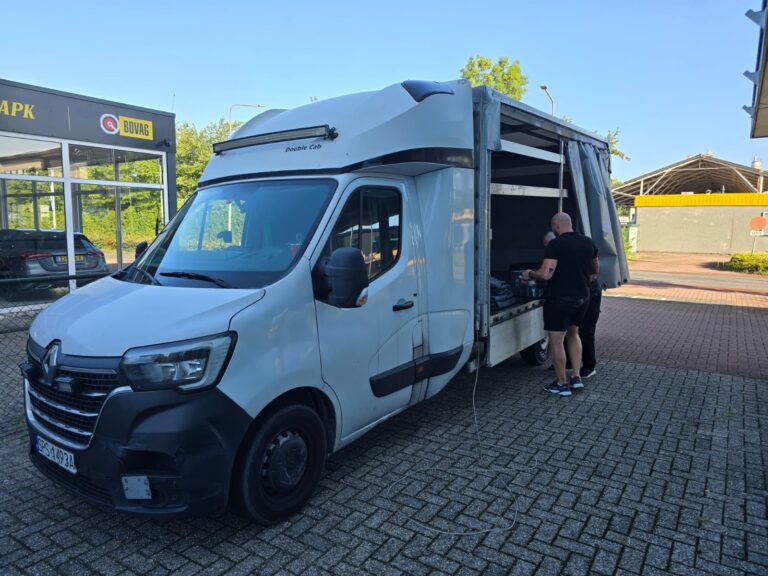
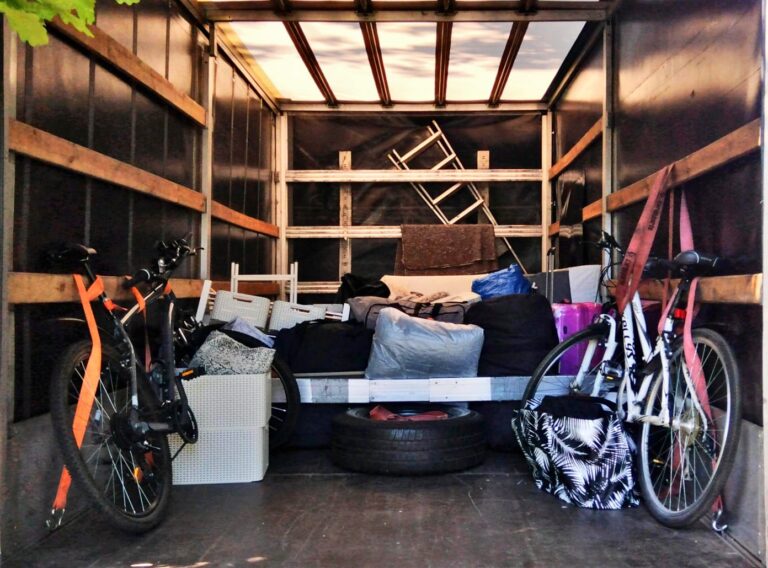
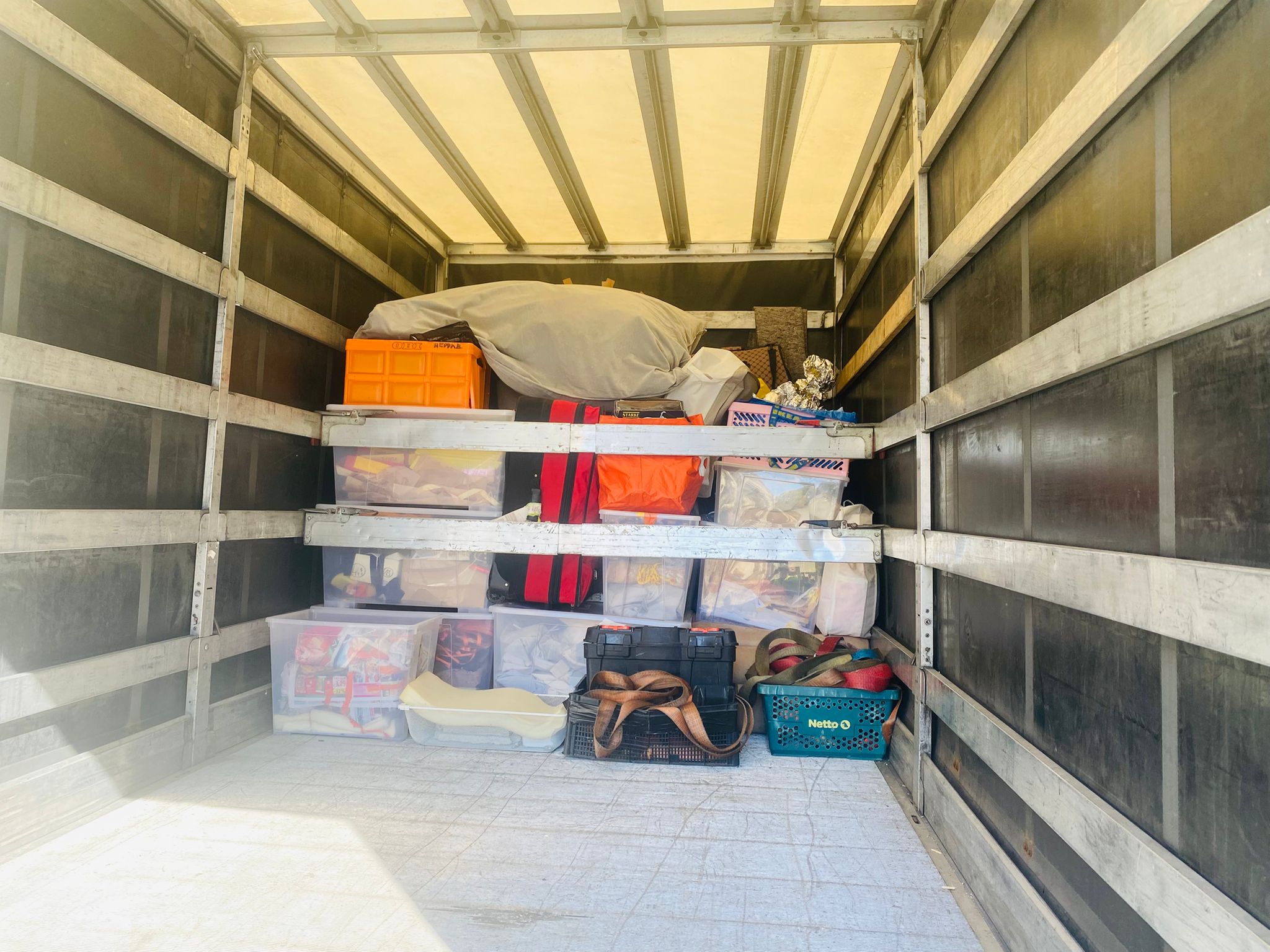
A smart relocation plan can protect your budget from the first wave of costs. That means choosing the right canton, understanding documents, bringing the right belongings and avoiding rushed purchases after arrival. For European moves, VANonsite supports relocations with safe transport, flexible vehicle sizes, careful handling and GPS tracking for every load. Whether you need a compact man and van move, full home removals, furniture removals, packing support or last minute moving, planning well can make your Swiss arrival feel calmer and more controlled.
Start your relocation with VANonsite removals to Switzerland and build your move around a realistic budget from day one.
TL:DR
- Yes, is cost of living high in Switzerland has a clear answer: Switzerland is one of Europe’s most expensive countries.
- The biggest regular costs are rent, compulsory health insurance, groceries, transport, restaurants and household setup.
- Swiss prices are high, but they are partly balanced by strong salaries, safety, infrastructure and quality of life.
- The first 90 days are often the most expensive because deposits, insurance, furniture, registration and moving costs arrive together.
- Bringing your own furniture can be cheaper than buying everything new in Switzerland, especially if you already own quality items.
- A man and van service is often ideal for students, singles, small apartments, work equipment and partial relocations.
- VANonsite helps with GPS-tracked transport, multiple vehicle sizes, home removals, furniture removals, packing service, storage and last minute moving.




Is Cost of Living High in Switzerland? The Fast Answer
Yes, is cost of living high in Switzerland is one of the most important questions to ask before relocating. Switzerland is not slightly expensive. It is significantly more expensive than many European countries.
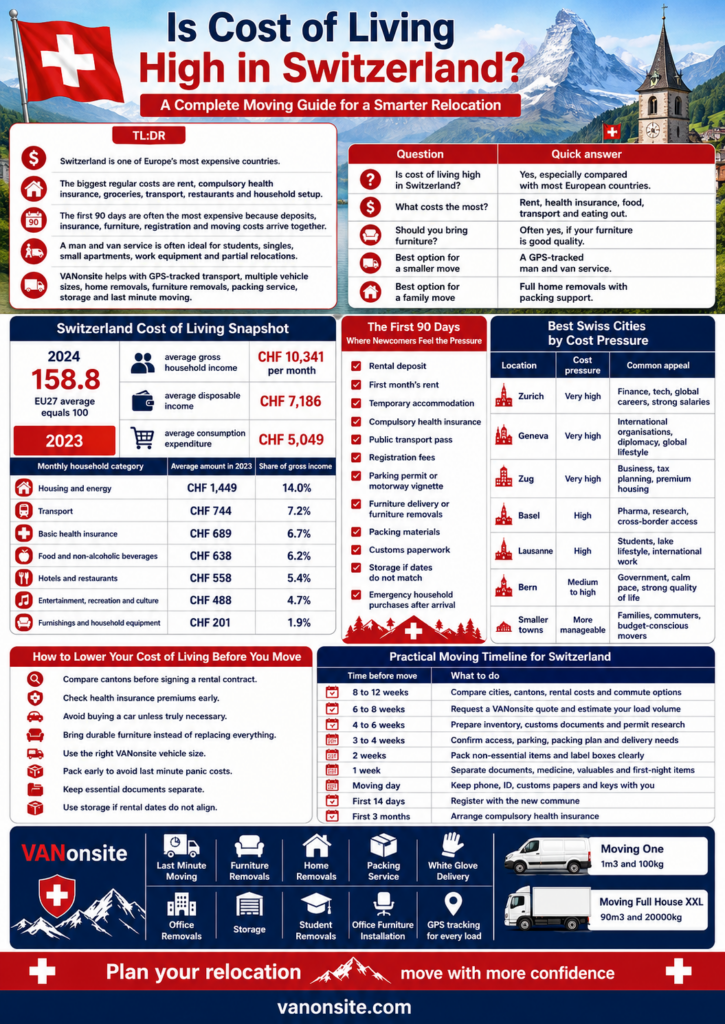
Swiss federal price data shows that in 2024 Switzerland’s price level stood at 158.8 when the EU27 average equals 100. In simple terms, many everyday goods and services cost far more than people from other European countries may expect.
Still, this does not mean moving to Switzerland is a bad financial decision. The cost of living in Switzerland high reality is often balanced by higher income, stronger purchasing power for Swiss earners and excellent public systems. The problem appears when someone arrives without enough savings, without a clear first-month budget or with income that does not match Swiss prices.
| Question | Quick answer |
|---|---|
| Is cost of living high in Switzerland? | Yes, especially compared with most European countries. |
| What costs the most? | Rent, health insurance, food, transport and eating out. |
| Is Switzerland still worth moving to? | Often yes, if your income and planning match local prices. |
| Should you bring furniture? | Often yes, if your furniture is good quality. |
| Best option for a smaller move | A GPS-tracked man and van service. |
| Best option for a family move | Full home removals with packing support. |
If you are asking, “is the cost of living high in switzerland enough to change my plans?”, the honest answer is simple. It should shape your plan, not destroy it. The smartest movers arrive with a budget, a document checklist and a transport option matched to their real load.
Why Is the Cost of Living in Switzerland High?
There is no single reason why prices are so high. Switzerland runs on a premium economy where salaries, services, housing and quality expectations all sit above the European average.
High wages push service prices upward. A restaurant meal, haircut, repair visit or cleaning service usually costs more because labour costs are higher. Housing demand also plays a major role, especially in Zurich, Geneva, Basel, Zug and Lausanne. These cities attract international companies, banks, universities, organisations and highly paid professionals, which keeps pressure on the rental market.
Imports also influence prices. Switzerland is not an EU member, and many goods pass through expensive supply chains. Add strict quality standards, strong infrastructure and a highly regulated environment, and daily life becomes costly but polished.
This is why the question is living cost in Switzerland high matters before you move. Rent alone does not tell the full story. You need to consider insurance, food, transport, deposits, furniture, registrations and the cost of setting up your life from scratch.
Switzerland Cost of Living Snapshot
Swiss household budget data for 2023 showed average gross household income at CHF 10,341 per month, average disposable income at CHF 7,186 and average consumption expenditure at CHF 5,049. These figures show that Switzerland is expensive, but they also show why Swiss salaries matter so much.
| Monthly household category | Average amount in 2023 | Share of gross income |
|---|---|---|
| Housing and energy | CHF 1,449 | 14.0% |
| Transport | CHF 744 | 7.2% |
| Basic health insurance | CHF 689 | 6.7% |
| Food and non-alcoholic beverages | CHF 638 | 6.2% |
| Hotels and restaurants | CHF 558 | 5.4% |
| Entertainment, recreation and culture | CHF 488 | 4.7% |
| Furnishings and household equipment | CHF 201 | 1.9% |
Your personal budget may look very different. A student in shared accommodation will not spend like a family in Geneva. A single professional in Basel will not spend like a remote worker living outside Zurich. Still, the pattern is clear: Switzerland becomes expensive because several essential categories are high at the same time.
That is why the phrase cost of living in Switzerland high is more than a search query. It is a warning to plan carefully.
The First 90 Days: Where Newcomers Feel the Pressure
Many people can handle monthly expenses once their salary starts. The harder part is the beginning. The first 90 days in Switzerland often bring several large costs at once.
You may need to pay for:
- Rental deposit
- First month’s rent
- Temporary accommodation
- Compulsory health insurance
- Public transport pass
- Registration fees
- Parking permit or motorway vignette
- Furniture delivery or furniture removals
- Packing materials
- Customs paperwork
- Storage if dates do not match
- Pet documentation, if relevant
- Cleaning costs in your previous home
- Emergency household purchases after arrival
This is where planning becomes powerful. If you already own a good bed, desk, sofa, wardrobe or kitchen equipment, moving those items may be cheaper than replacing them locally. Buying everything new in Switzerland can become expensive fast, especially when you add delivery, assembly and waiting time.
A professional man and van service can help you move essential belongings without paying for more vehicle space than you need. For larger homes, a full removals service may protect your furniture, reduce stress and save precious time during a demanding transition.
Should You Bring Furniture to Switzerland or Buy New?
Furniture is one of the biggest relocation decisions. Arriving light sounds elegant, but it can become costly when you realise how much it takes to make an empty Swiss apartment feel liveable.
Bringing furniture often makes sense if:
- You own quality items.
- Your new home is unfurnished.
- You want to settle quickly.
- You work from home and need your setup ready.
- You are moving with children.
- You have valuable or sentimental belongings.
- You want to avoid rushed local purchases.
Buying new may be better if:
- You are staying only for a short period.
- Your current furniture is low value.
- Your new apartment is much smaller.
- Your accommodation is already furnished.
- Large items will not fit through access points.
- Storage would cost more than replacement.
Many movers choose a blended approach. They bring the valuable, useful and familiar items, then buy smaller pieces later. This keeps the move practical and avoids unnecessary spending.
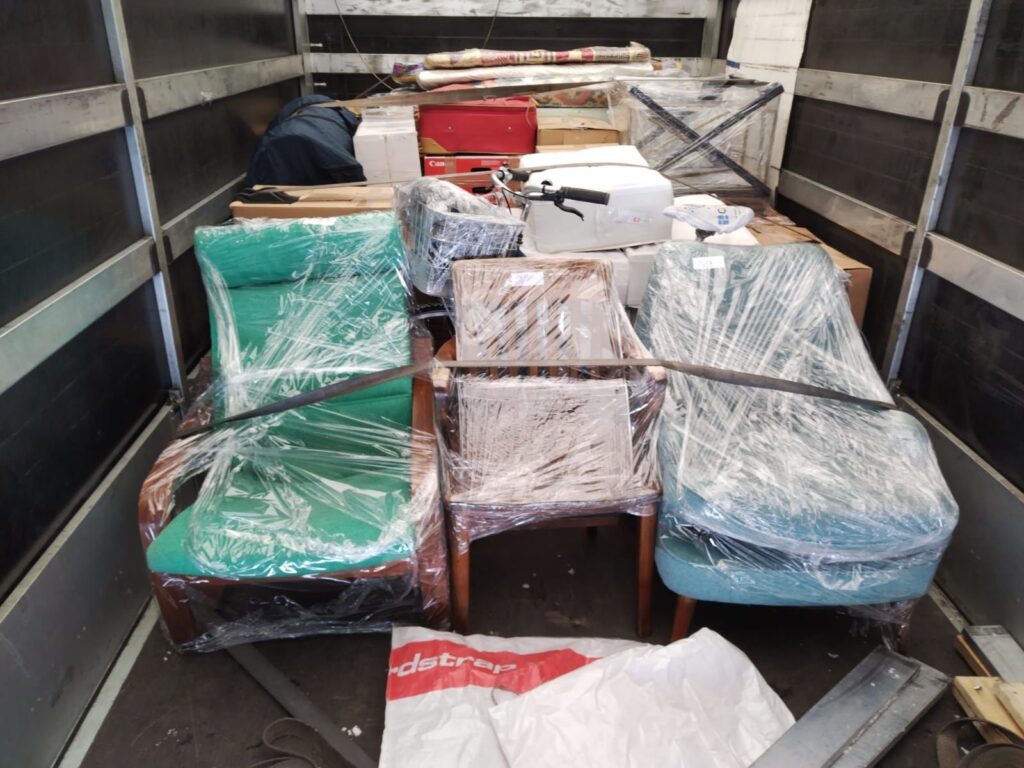
VANonsite can support different levels of relocation, from compact man and van transport to Furniture Removals, Home Removals, Packing Service, White Glove Delivery and Storage. With GPS tracking for every load, you know where your belongings are during the journey.
VANonsite Vehicle Size Guide for Moving to Switzerland
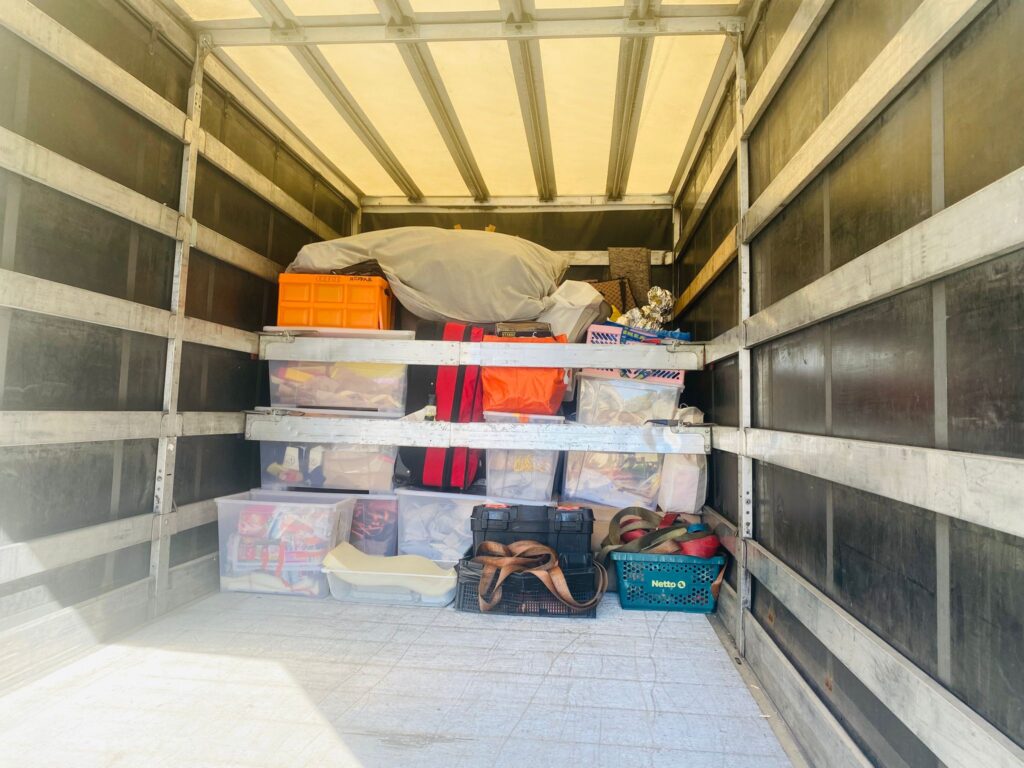
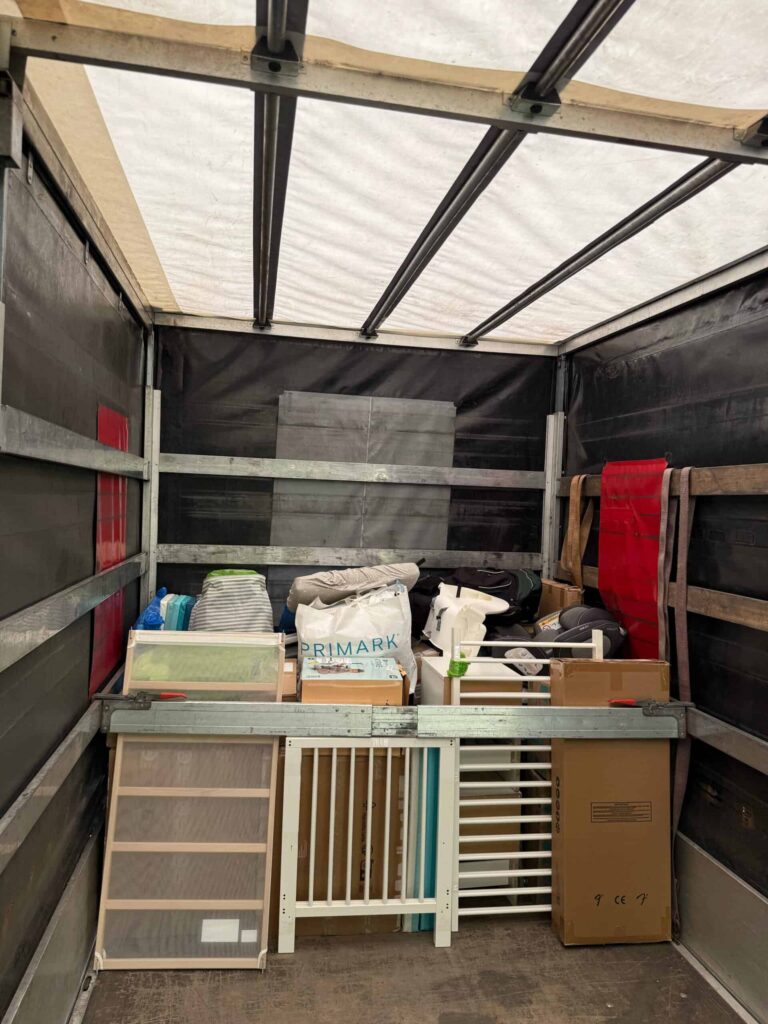
Choosing the right vehicle matters. Too small, and you risk extra trips or last-minute chaos. Too large, and you may pay for space you do not need.
| VANonsite option | Capacity | Best for |
|---|---|---|
| Moving One | 1m3, 100kg | Suitcases, boxes, small student move |
| Moving Basic | 5m3, 300kg | Light furniture, compact studio, personal items |
| Moving Medium | 10m3, 500kg | Studio or small one-bedroom move |
| Moving Premium | 15m3, 1100kg | One-bedroom flat or furniture-focused move |
| Moving Premium Plus | 30m3, 3500kg | Larger apartment or shared household |
| Moving Full House XXL | 90m3, 20000kg | Full family home, large relocation or complex move |
For students, singles and compact apartment moves, a man and van option can be the most efficient choice. For families, larger apartments or complete household moves, Moving Premium Plus or Moving Full House XXL may offer better comfort and capacity.
The goal is precision. Move what matters, protect what is valuable and avoid paying for avoidable mistakes.
Documents Needed When Moving to Switzerland
Moving to Switzerland is not only a transport project. It is also an administrative process. The country is organised, but it expects you to be organised too.
Residence and work permits
If you plan to stay in Switzerland for more than three months, you usually need the correct residence or work permit. The rules depend on nationality, employment status and canton. EU and EFTA citizens follow different procedures from third-country nationals.
Useful official sources:
Check your situation before booking the final move. A job offer, rental agreement and moving date should all fit the legal requirements.
Registration with the commune
After arrival, you generally need to register with your new commune within 14 days. This step connects your address with local administration and often supports your residence process.
Official source:
Keep your ID, rental contract, employment documents and permit papers separate from the main load. Do not pack them deep inside a box.
Customs documents for household goods
If you transfer your residence to Switzerland, used household goods may qualify for duty-free import if conditions are met. You usually need an inventory and customs declaration.
Official sources:
Prepare a clear list of goods, mark valuable items and keep paperwork accessible during transport.
Health insurance
People settling in Switzerland generally must take out compulsory health insurance within three months after taking up residence. Each family member needs individual insurance.
Official source:
Health insurance can be a major monthly cost, so compare premiums early and include them in your first Swiss budget.
Customs Checklist for Household Goods
Customs can feel dry, but it can protect you from delays and extra costs. Before moving day, prepare:
- A detailed inventory of household goods.
- A list of items that may arrive later.
- Proof of relocation, such as a rental contract or employment document.
- Passport or identity documents.
- Residence or permit documents, if available.
- Information about restricted goods, if relevant.
- Clear box labels.
- A separate folder for customs and arrival documents.
If you are moving art, antiques, electronics, designer furniture or fragile items, document them clearly. White Glove Delivery may be the better choice for delicate or high-value belongings.
When is cost of living high in Switzerland becomes part of your planning, customs matters because delays can cost money. Extra storage days, missed delivery windows or incomplete forms can turn into unnecessary stress.
Is Living Cost in Switzerland High for Students?
Yes, is living cost in Switzerland high for students? Usually, yes. Even when tuition is manageable, daily life can be demanding.
Students should plan for shared accommodation, food, transport, health insurance, study materials and basic furniture. The good news is that student moves are often compact. You may not need full home removals. A man and van service can be enough for clothes, books, bedding, kitchen basics, a desk chair, a monitor and personal items.
VANonsite Student Removals can fit this middle space well. It is useful when your move is too large for luggage but too small for a full household relocation.
The trick is to bring items that save money in the first weeks. A proper duvet, basic cooking tools, work setup and storage boxes can stop expensive emergency shopping after arrival.
Is the Cost of Living High in Switzerland for Families?
Yes, is the cost of living high in Switzerland for families? Very often. Families usually need larger homes, more furniture, school planning, childcare arrangements and a stronger financial buffer.
Family moves are not just about boxes. They are about routines, favourite toys, beds, kitchen habits, work schedules and the small familiar things that help children feel safe in a new place.
Families should think carefully about moving:
- Beds and mattresses
- Children’s furniture
- Kitchen equipment
- Wardrobes and storage
- Work-from-home desks
- Bikes and sports equipment
- Seasonal clothing
- School materials
- Sentimental items
For families, a full home removals service is often better than a small man and van move. Packing support can also be valuable, especially when adults are managing jobs, documents, rental contracts and school transitions at the same time.
Best Swiss Cities by Cost Pressure
Where you live in Switzerland changes your budget. The country is small, but price differences are real.
| Location | Cost pressure | Common appeal |
|---|---|---|
| Zurich | Very high | Finance, tech, global careers, strong salaries |
| Geneva | Very high | International organisations, diplomacy, global lifestyle |
| Zug | Very high | Business, tax planning, premium housing |
| Basel | High | Pharma, research, cross-border access |
| Lausanne | High | Students, lake lifestyle, international work |
| Bern | Medium to high | Government, calm pace, strong quality of life |
| Smaller towns | More manageable | Families, commuters, budget-conscious movers |
Cheaper rent does not always mean cheaper life. If you live far from work and need long commutes, a car, parking or extra transport costs, savings may disappear. Compare rent, commute time, insurance premiums, schools, public transport and moving access before choosing a location.
How to Lower Your Cost of Living Before You Move
You cannot make Switzerland cheap, but you can make your move sharper and less wasteful.
Practical ways to reduce pressure include:
- Compare cantons before signing a rental contract.
- Check health insurance premiums early.
- Avoid buying a car unless truly necessary.
- Bring durable furniture instead of replacing everything.
- Declutter before requesting a moving quote.
- Use the right VANonsite vehicle size.
- Choose man and van support for smaller moves.
- Pack early to avoid last minute panic costs.
- Label boxes clearly to reduce unloading time.
- Keep essential documents separate.
- Use storage if rental dates do not align.
- Avoid emergency furniture shopping in week one.
The cheapest move is not always the best move. Poor planning can become expensive through delays, damage, extra trips and missing items. The better goal is controlled value: pay for what protects your time, belongings and peace of mind.
When to Use a Man and Van for Switzerland
A man and van service is ideal when your load is compact but still too important for parcel shipping or a rented car.
It works well for:
- Student belongings
- Studio apartments
- Boxes and several furniture pieces
- Work equipment
- Small home offices
- Partial household loads
- Furniture bought abroad
- Last minute relocation items
The man and van model is focused, flexible and direct. You avoid paying for a large truck when your life fits into a smaller load, while still getting professional transport support.
For a country where the cost of living in Switzerland high reality already puts pressure on your budget, right-sizing your move matters. VANonsite can match the vehicle to your load and keep the journey GPS-tracked.
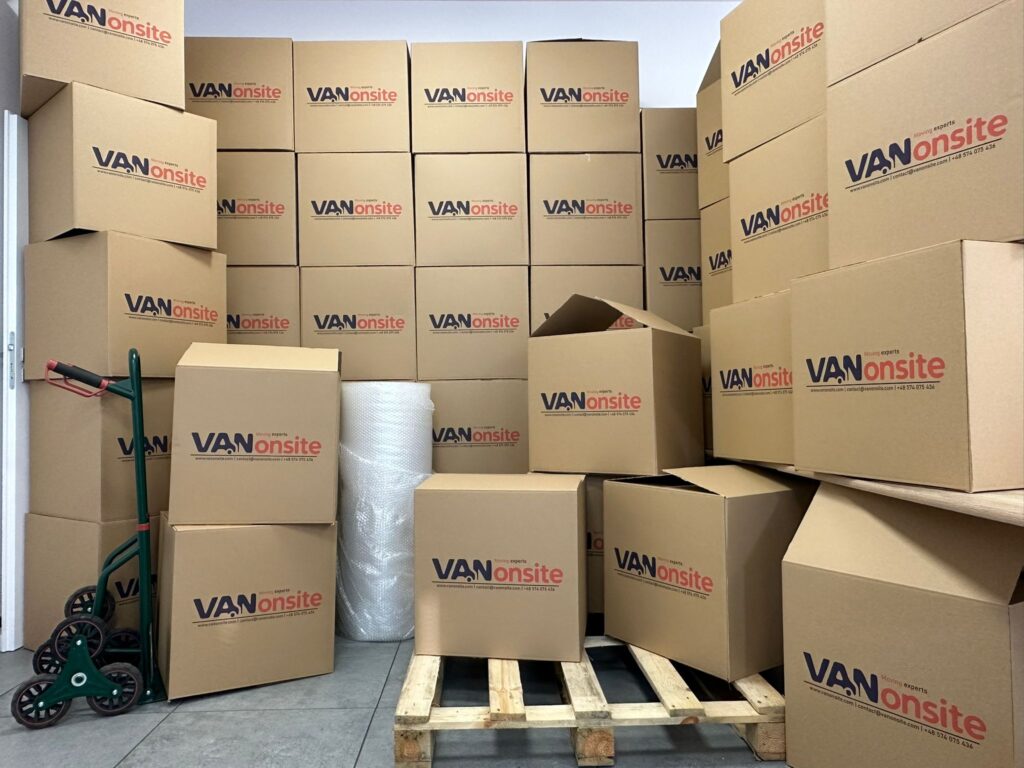

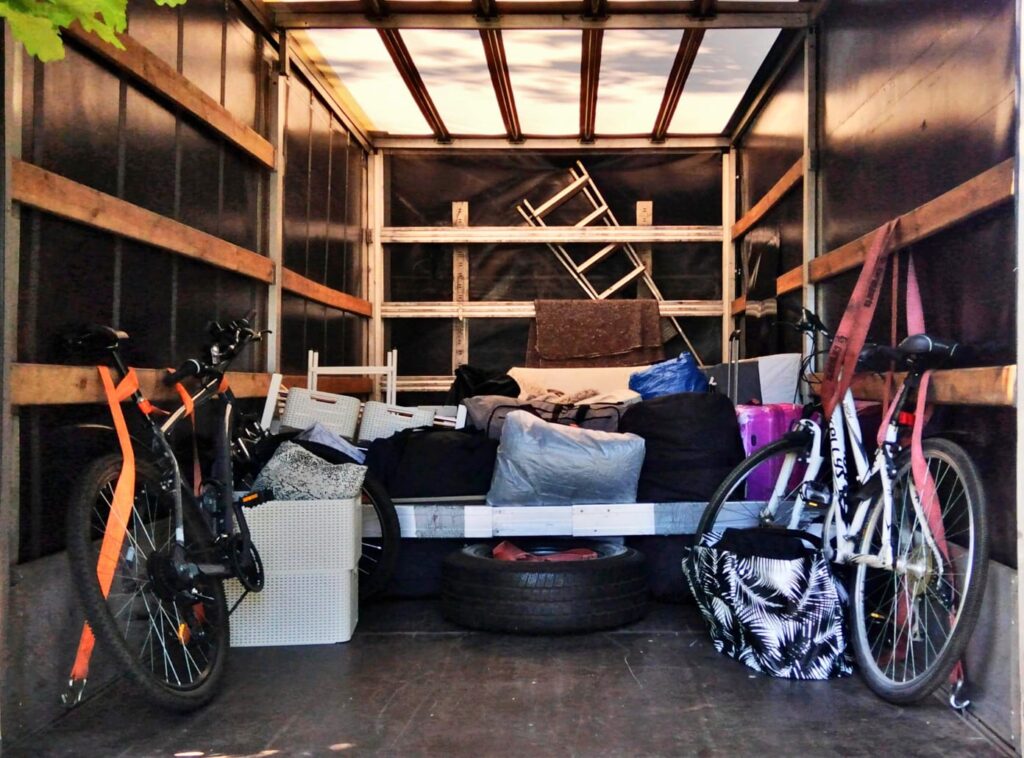
When to Choose Full Home Removals
Full home removals are better when the move has more rooms, more weight or more emotional complexity.
Choose full home removals if you are moving a complete household, have heavy furniture, relocate with children, need packing support, own fragile items or require storage between properties.
VANonsite Home Removals, Furniture Removals, Packing Service and White Glove Delivery can support different levels of care. If you are moving designer furniture, fragile items or high-value goods, careful professional handling is often the wiser choice.
Office Moves to Switzerland
For businesses, the question is not only is cost of living high in Switzerland. The bigger question is how expensive downtime will be.
An office move can affect staff productivity, client delivery, IT setup, furniture installation and daily operations. A missing desk, damaged meeting table or delayed delivery can disrupt more than one working day.
VANonsite supports Office Removals and Office Furniture Installation for European business relocations. Services may include office furniture transport, workstation movement, meeting room furniture, storage, staged delivery, installation support and GPS-tracked transport.
A good office move should feel controlled. The team leaves one workspace and enters another with minimal friction.
Practical Moving Timeline for Switzerland
A Switzerland move is not one event. It is a sequence.
| Time before move | What to do |
|---|---|
| 8 to 12 weeks | Compare cities, cantons, rental costs and commute options |
| 6 to 8 weeks | Request a VANonsite quote and estimate your load volume |
| 4 to 6 weeks | Prepare inventory, customs documents and permit research |
| 3 to 4 weeks | Confirm access, parking, packing plan and delivery needs |
| 2 weeks | Pack non-essential items and label boxes clearly |
| 1 week | Separate documents, medicine, valuables and first-night items |
| Moving day | Keep phone, ID, customs papers and keys with you |
| First 14 days | Register with the new commune |
| First 3 months | Arrange compulsory health insurance |
If you are moving urgently, VANonsite Last Minute Moving may help depending on route, availability and load size. In urgent moves, clarity matters even more. Know what must go, what can stay and which items must arrive first.
How VANonsite Helps Make a Switzerland Move Easier
Moving to Switzerland already asks a lot from your budget and energy. VANonsite helps reduce the chaos with practical European moving support and transport designed around different load sizes.
VANonsite offers Last Minute Moving, Furniture Removals, Home Removals, Packing Service, White Glove Delivery, Office Removals, Storage, Student Removals, Office Furniture Installation and GPS tracking for every load.
This matters because international moving is not just transport. It is trust in motion. You want your furniture protected, your boxes handled carefully, your delivery monitored and your schedule respected.
For smaller loads, VANonsite can provide a practical man and van solution. For larger households, full removals support gives more structure. For delicate items, White Glove Delivery adds care. For urgent situations, Last Minute Moving can help when the timeline gets tight.
Final Answer: Is Cost of Living High in Switzerland?
Yes, is cost of living high in Switzerland has a simple answer: yes. Switzerland is expensive, and newcomers should prepare for strong pressure from rent, health insurance, food, transport and first-month setup costs.
But expensive does not mean impossible.
Switzerland can offer excellent salaries, clean cities, reliable transport, safety and a remarkable quality of life. The people who settle best are usually the people who plan before they arrive. They compare cantons, understand deposits, prepare documents, bring the right belongings and choose the right moving service.
So, is the cost of living high in switzerland? Yes. Is it manageable with smart planning? Also yes.
If you are moving from Europe to Switzerland, VANonsite can help you build the practical side of that plan. From man and van support to full home removals, from furniture transport to packing and GPS tracking, the right move can make your Swiss arrival safer, calmer and better organised.
Plan your relocation with VANonsite removals to Switzerland and move with more confidence.
FAQ
Is cost of living high in Switzerland compared with Europe?
Yes. Switzerland is one of the most expensive countries in Europe, especially for housing, health insurance, groceries, transport and restaurants.
Is the cost of living high in Switzerland for newcomers?
Yes. Newcomers often feel the highest pressure during the first 90 days because rent deposits, insurance, moving costs, furniture needs and registration tasks arrive together.
Why is the cost of living in Switzerland high?
The cost of living in Switzerland high pattern comes from high salaries, strong housing demand, premium services, expensive labour, imports and strict quality standards.
Is living cost in Switzerland high for students?
Yes, but students can reduce pressure with shared housing, public transport, essential packing and a compact man and van move.
Should I move furniture to Switzerland?
Often yes. If your furniture is good quality, moving it can be cheaper than buying new items in Switzerland, especially for beds, desks, sofas, wardrobes and family furniture.
What is the best moving option for a small Switzerland move?
A man and van service is often ideal for students, singles, small apartments, work equipment and partial household loads.
What documents do I need when moving to Switzerland?
You may need residence or work permit documents, commune registration documents, customs inventory, proof of relocation and health insurance arrangements. Always check official Swiss government sources before moving.
How soon must I register after moving to Switzerland?
In general, you are expected to register with your new commune within 14 days after moving.
How soon must I get health insurance in Switzerland?
Anyone settling in Switzerland generally must take out compulsory health insurance within three months after taking up residence.
Does VANonsite offer GPS tracking?
Yes. VANonsite offers GPS tracking for every load, giving customers better visibility and peace of mind during international transport.
What vehicle size do I need for a Switzerland relocation?
It depends on your volume and weight. VANonsite options range from Moving One at 1m3 and 100kg to Moving Full House XXL at 90m3 and 20000kg.