
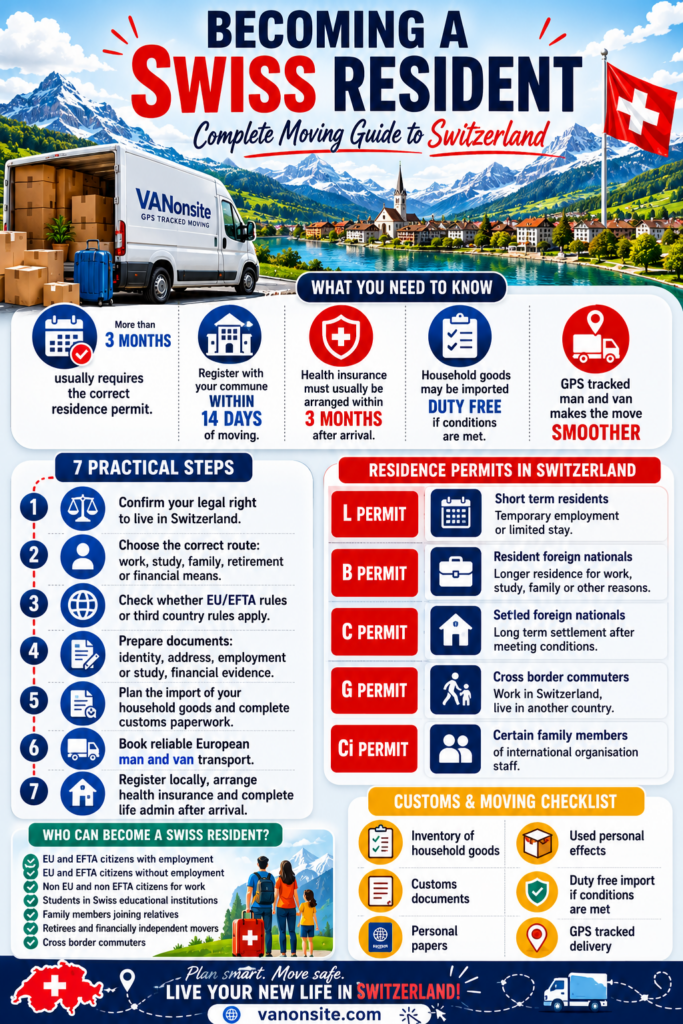
Becoming a Swiss resident is a serious life upgrade, but it is not a move to improvise. Switzerland is precise, highly organised and efficient, yet it expects newcomers to arrive prepared. Your permit route, commune registration, customs paperwork, health insurance and transport plan all need to work together.
This guide explains becoming a Swiss resident from the moving perspective. It gives you the legal and practical steps in one place, then shows how to move your belongings safely across Europe without turning arrival into a panic sprint.
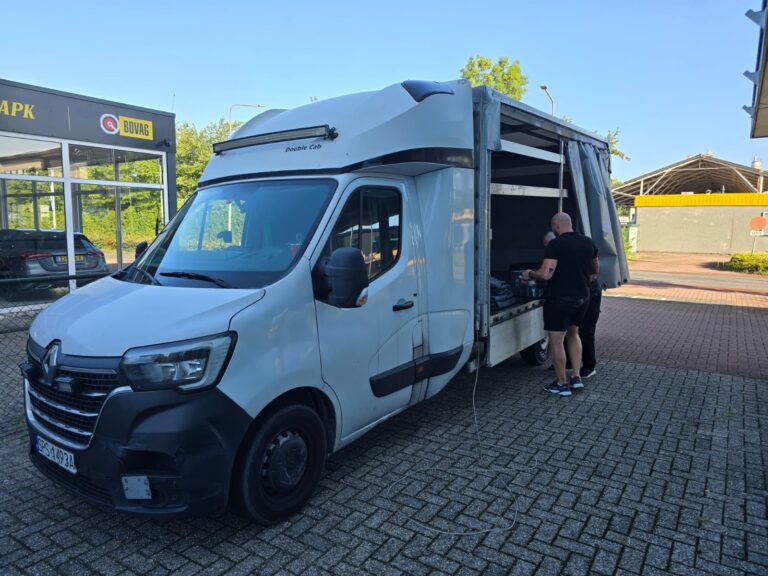
VANonsite helps individuals, families, students and companies relocate to Switzerland with secure man and van transport and GPS tracking. If you are planning the move, start with VANonsite removals to Switzerland.
TL:DR
- Becoming a Swiss resident usually starts with your reason for staying, such as work, study, family, retirement or financial independence.
- If you plan to stay in Switzerland for more than 3 months, you will usually need the correct residence permit.
- New residents are generally expected to register with their Swiss commune within 14 days of moving.
- Health insurance must usually be arranged within 3 months after taking up residence in Switzerland.
- Household goods can often be imported duty free if they qualify as personal effects and meet Swiss customs conditions.
- You should prepare an inventory, customs documents and key personal papers before the moving van reaches the Swiss border.
- A GPS tracked man and van service can make becoming a Swiss resident smoother by reducing uncertainty, delays and damage risk.




Becoming a Swiss Resident in 7 Practical Steps
Becoming a Swiss resident becomes much easier when the process is broken into clear actions. The details vary by nationality, canton and purpose of stay, but the structure is usually similar.
- Confirm your legal right to live in Switzerland.
- Choose the correct route based on work, study, family, retirement or financial means.
- Check whether EU and EFTA rules or third country rules apply to you.
- Prepare identity documents, proof of address, employment or study documents and financial evidence.
- Plan the import of your household goods and complete customs paperwork.
- Book reliable European man and van transport for your belongings.
- Register locally, arrange health insurance and complete essential life admin after arrival.
This is not only paperwork. Becoming a Swiss resident means moving your daily life, your furniture, your work setup, your kitchen, your books and often your family memories. A strong relocation plan protects all of that.
Who Can Become a Swiss Resident?
People move to Switzerland for different reasons. Some arrive with a job offer. Others come to study, join family, retire or work remotely while meeting strict residence conditions. The first question is always simple: why are you moving?
Common routes include:
- EU and EFTA citizens moving for employment
- EU and EFTA citizens moving without employment
- Non EU and non EFTA citizens moving for work
- Students accepted by a Swiss educational institution
- Family members joining relatives in Switzerland
- Retirees and financially independent movers
- Cross border commuters who work in Switzerland but live abroad
EU and EFTA citizens often have a more direct route, especially when they have work, but they still need to follow Swiss residence rules. The Swiss State Secretariat for Migration explains the official framework for EU and EFTA citizens living and working in Switzerland.
For citizens from outside the EU and EFTA, becoming a Swiss resident can involve stricter approval. Employment may depend on qualifications, employer sponsorship, quotas and cantonal decisions. Because of this, it is risky to book a full household move before your route is clear.
The key is to make your documents tell one clean story. A permanent employment contract, a university admission letter, family reunification papers and proof of private funds all support different paths. Swiss authorities will want the right evidence, presented clearly.
Swiss Residence Permits Explained Clearly
If you plan to stay in Switzerland for more than 3 months, you will usually need a residence permit. The type depends on your nationality, planned stay and reason for living in the country.
| Permit Type | Usually For | What It Means |
|---|---|---|
| L permit | Short term residents | Temporary employment or limited stay |
| B permit | Resident foreign nationals | Longer residence for work, study, family or other approved reasons |
| C permit | Settled foreign nationals | Long term settlement after meeting residence conditions |
| G permit | Cross border commuters | People working in Switzerland while living in another country |
| Ci permit | Certain family members of international organisation staff | Residence with access to work in specific cases |
You can check the official overview at Swiss residence permits on ch.ch.
For many people, becoming a Swiss resident is not about chasing the most attractive permit name. It is about applying for the permit that matches real life. A 9 month contract, a permanent job, a degree course and family reunification can all point to different outcomes.
Before you move, define your purpose of stay, expected length of residence, canton, commune, work status, study status and financial position. Those answers shape both your permit path and your moving timeline.
Documents Needed for Becoming a Swiss Resident
Documents are the quiet engine of becoming a Swiss resident. They are not glamorous, but they decide whether your first weeks feel organised or chaotic.
Exact requirements vary by canton, nationality and residence route, but many movers should prepare a core file before departure.
Typical documents may include:
- Valid passport or national identity card
- Employment contract, study confirmation, family documents or proof of financial means
- Rental agreement or proof of Swiss address
- Passport photos, if requested by the canton
- Birth certificate or marriage certificate, if relevant
- Health insurance confirmation or evidence that insurance will be arranged
- Household goods inventory
- Swiss customs Form 18.44 for household effects
- Vehicle documents, if importing a car
- Pet documents, if moving with animals
For work related residence, use official guidance from ch.ch on working in Switzerland as a foreign national. For permit rules, use ch.ch residence permit information.
Keep two document folders: one digital, one physical. The physical folder should travel with you, not inside the van. Your passport, rental contract, permit papers, employment documents and customs forms should stay within reach until the registration and customs stages are finished.
Registering After Arrival: The 14 Day Rule
After arrival, registration becomes one of the first formal steps. In general, new residents are expected to register with their Swiss commune within 14 days of moving. This is a crucial moment in becoming a Swiss resident, so do not leave it until every box is unpacked.
Official guidance is available at ch.ch notification of departure and registration.
Before contacting or visiting your commune, prepare:
- Passport or ID card
- Rental contract or proof of address
- Employment contract, study confirmation or other residence evidence
- Civil status documents, if needed
- Passport photo, if requested
- Permit application documents
- Health insurance details, if already available
Some cantons and communes offer online processes. Others require an appointment. Switzerland is local in how it operates, so check the commune website before you arrive.
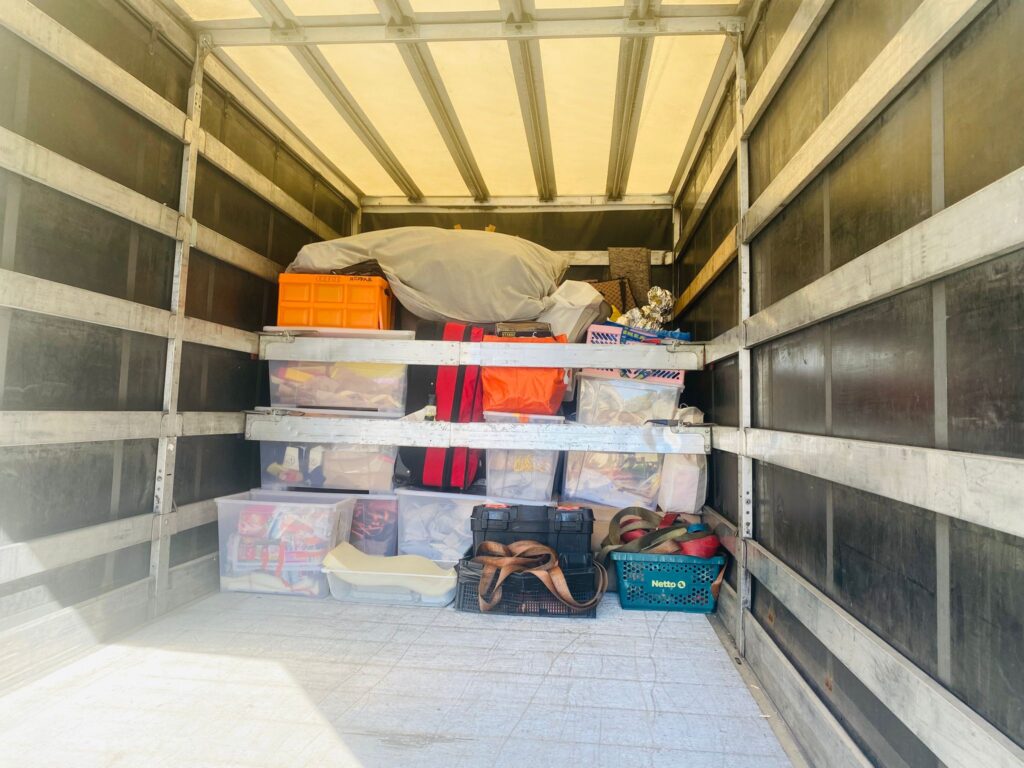
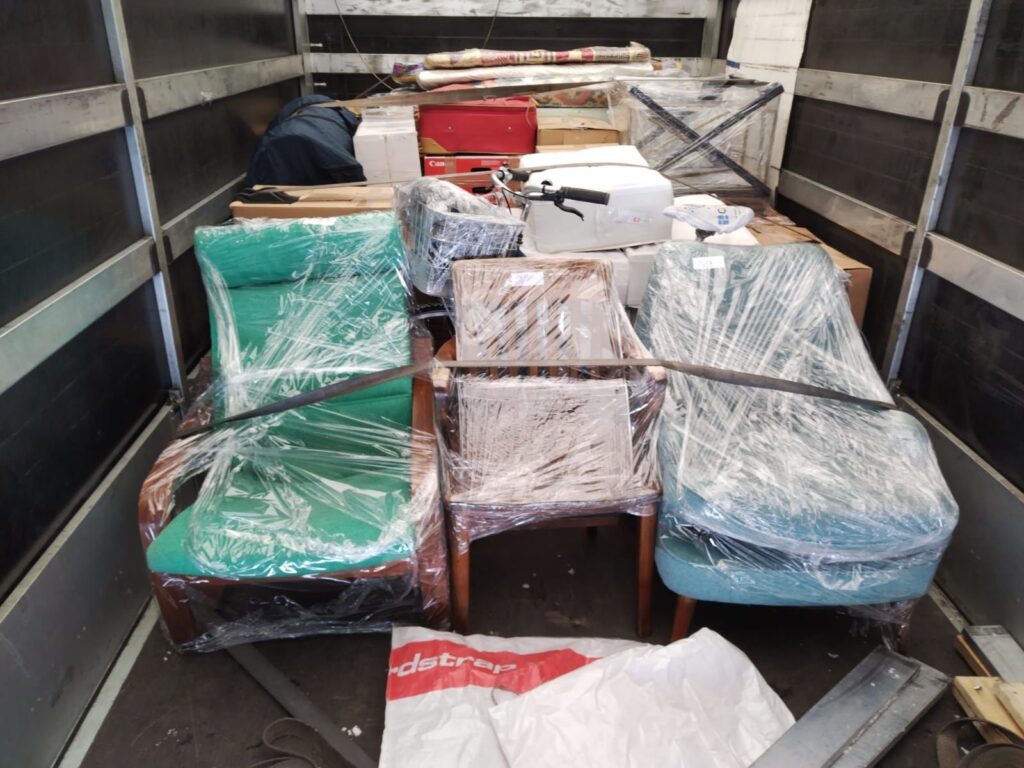
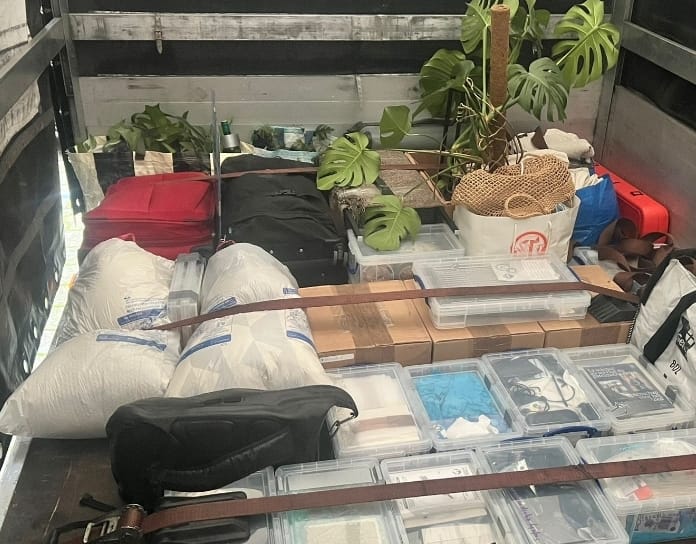
This is where smart packing pays off. Keep official papers separate from household goods.
Swiss Customs for Household Goods
Customs planning is an important part of becoming a Swiss resident. Household goods can often be imported duty free when they qualify as personal effects and meet Swiss customs conditions.
The Swiss Federal Office for Customs and Border Security explains the rules for moving household effects. For the import process, use the official page on moving to Switzerland procedure.
The key document is Form 18.44, used for the customs declaration of household effects. Prepare it before moving day. Border crossings are not the place to improvise paperwork.
Your customs file should include:
- A clear inventory of household goods
- Completed Form 18.44
- Copy of your passport or ID
- Proof of transfer of residence to Switzerland
- Rental agreement or proof of address
- Permit or application confirmation, if available
- Purchase invoices for newer or valuable items, if needed
- Separate notes for vehicles, alcohol, tobacco, business goods or high value items
Swiss customs generally expects household effects to have been used personally for at least 6 months and to continue being used after import. This means a used family sofa is treated differently from new furniture still in its packaging.
A precise inventory makes the move cleaner and helps your man and van team protect fragile or valuable items.
Moving Your Belongings to Switzerland With VANonsite
Becoming a Swiss resident also means moving your personal world across a border. Your desk, mattress, children’s toys, framed photos, screens, kitchenware and favourite chair are not just objects. They help your new home feel real.
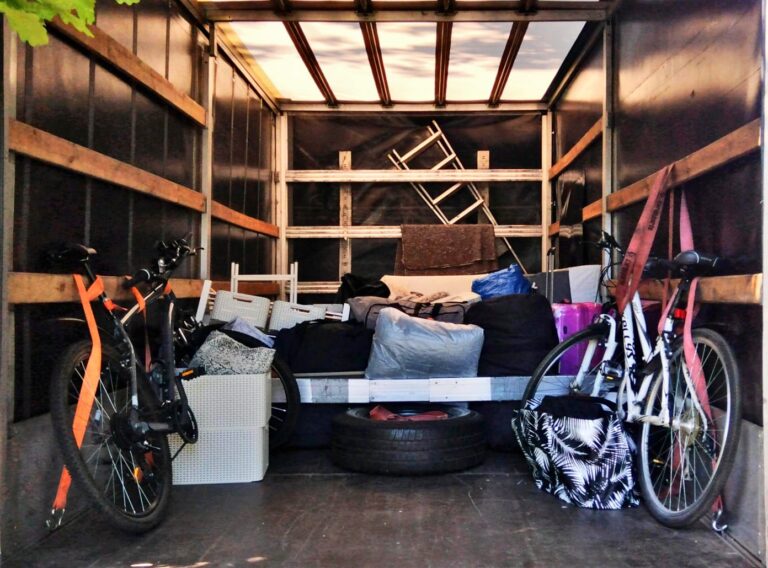
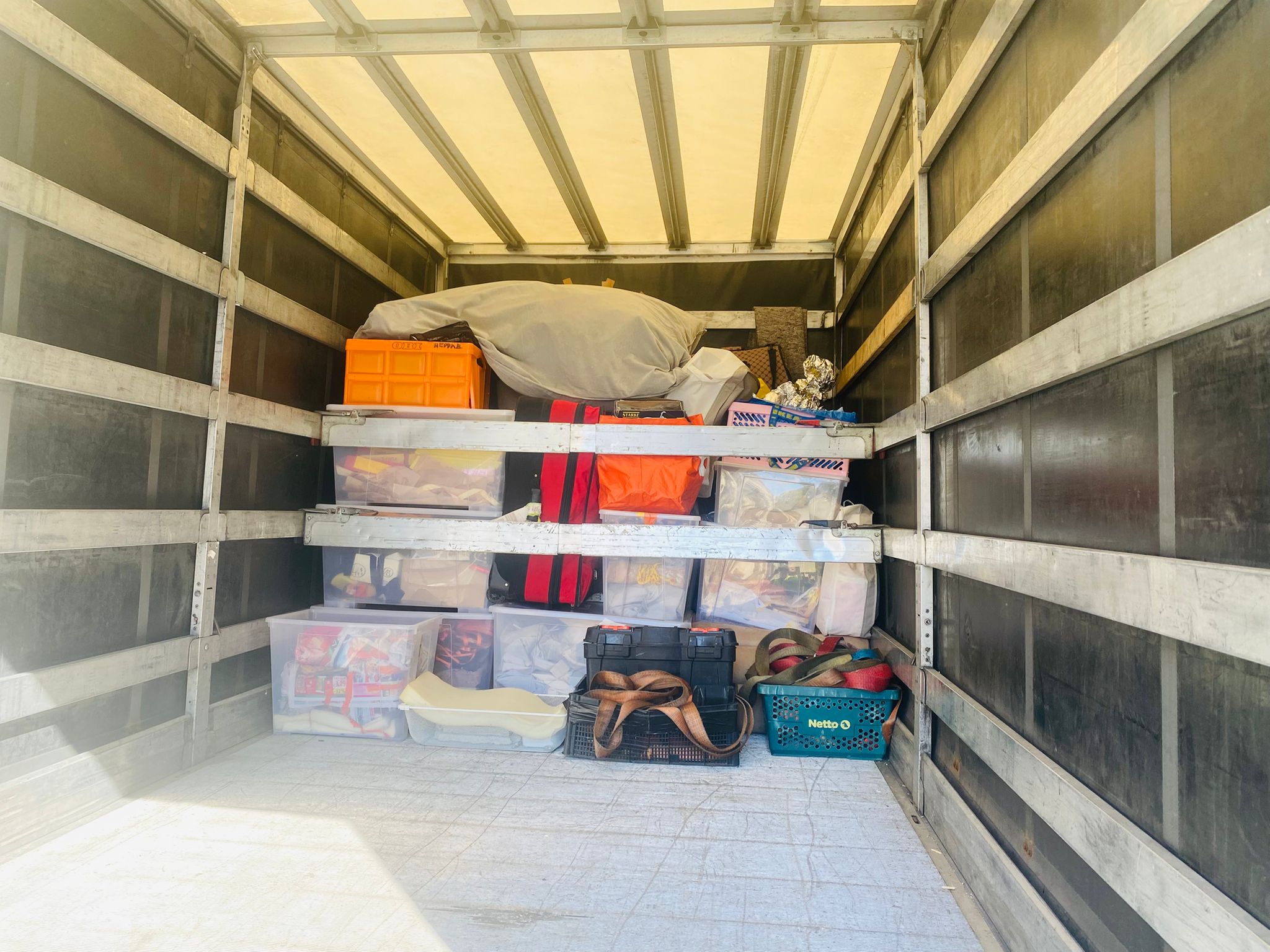
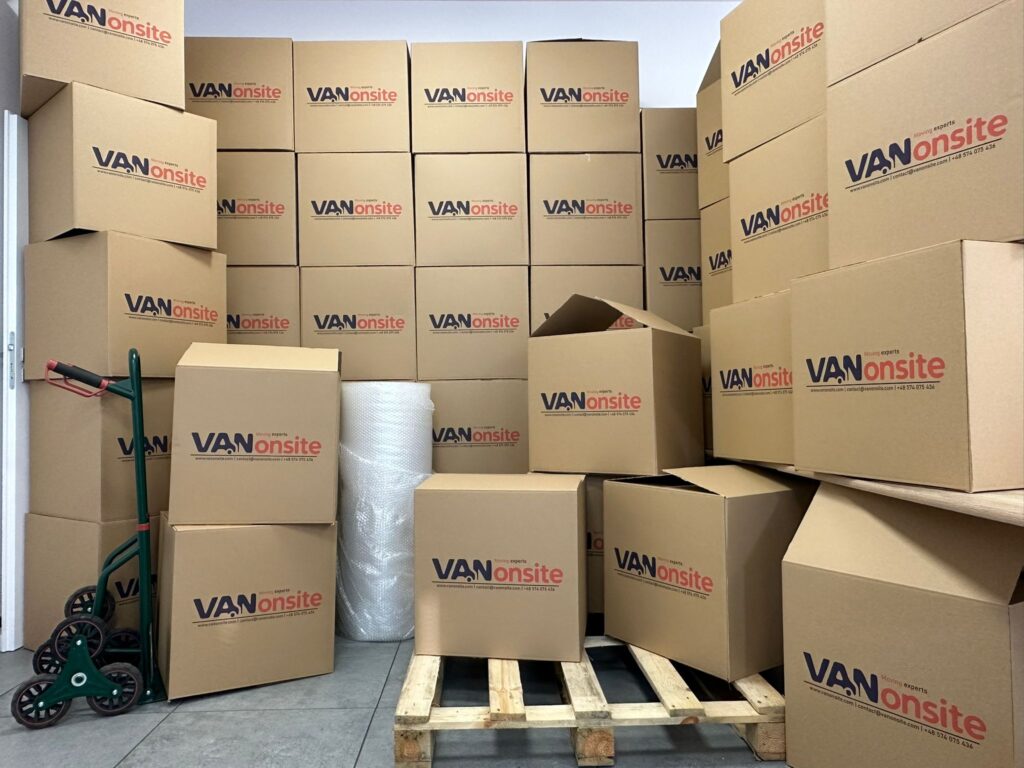
VANonsite supports European removals to Switzerland with safe handling, flexible van sizes and GPS tracking on every load. This is especially valuable when timing matters. Switzerland can be expensive, and delays may lead to extra hotel nights, storage fees or emergency replacement purchases.
| VANonsite Option | Volume | Weight Capacity | Best For |
|---|---|---|---|
| Moving One | 1m3 | 100kg | Suitcases, documents, compact student items |
| Moving Basic | 5m3 | 300kg | A small room, light furniture or partial load |
| Moving Medium | 10m3 | 500kg | Studio move or selected household items |
| Moving Premium | 15m3 | 1100kg | One bedroom apartment or larger furniture |
| Moving Premium Plus | 30m3 | 3500kg | Family apartment or substantial home move |
| Moving Full House XXL | 90m3 | 20000kg | Full household relocation or large property move |
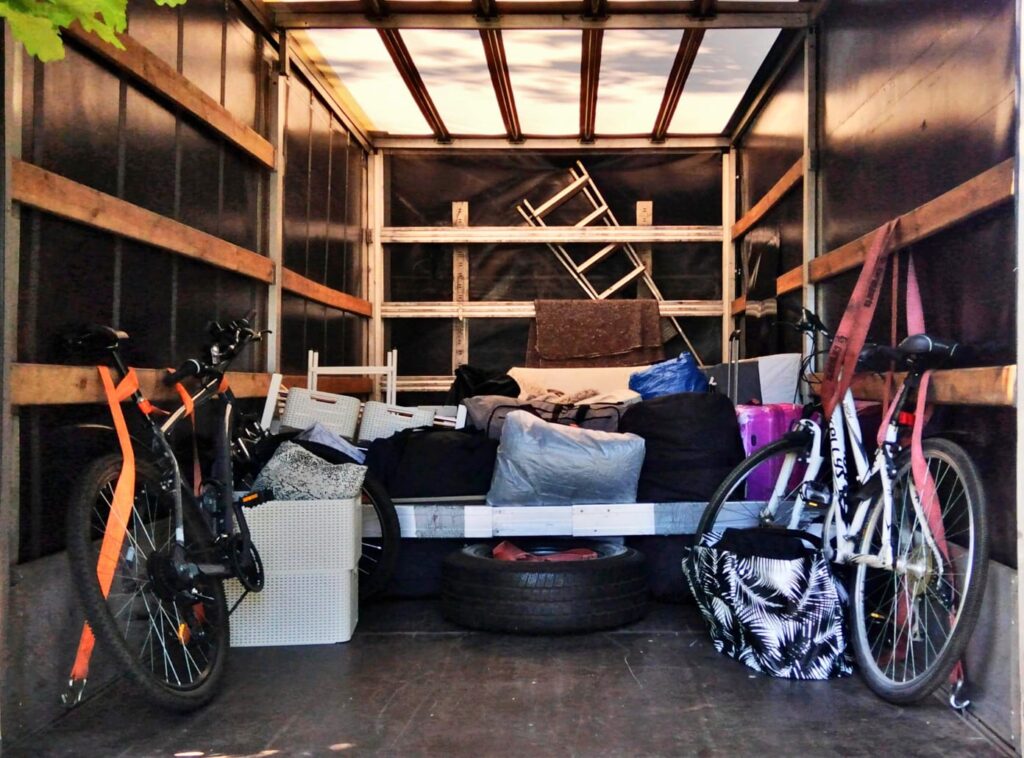
A man and van service works well because it scales to the real size of the move. Students may only need 1m3 or 5m3. A family may need 30m3 or more. A full house move can require a much larger solution.
VANonsite also offers helpful services for different relocation needs:
- Furniture Removals
- Home Removals
- Packing Service
- White Glove Delivery
- Office Removals
- Student Removals
- Office Furniture Installation
The biggest benefit is confidence. GPS tracking turns silence into visibility, so the move feels sharper and safer.
How to Pack for a Move to Switzerland
Packing should support your legal and practical needs. For becoming a Swiss resident, pack with two goals: border clarity and fast settling after arrival.
Use a simple system:
- Essentials box: chargers, medication, toiletries, basic kitchen items, bedding, work accessories and clothes for 5 to 7 days.
- Documents folder: passports, rental papers, permit documents, customs forms and insurance papers.
- Room by room boxes: label every box by room, contents and priority.
- Fragile inventory: mark glassware, art, electronics, lamps and delicate furniture clearly.
- First week box: adapter plugs, basic tools, cleaning items, scissors, tape, snacks and warm layers.
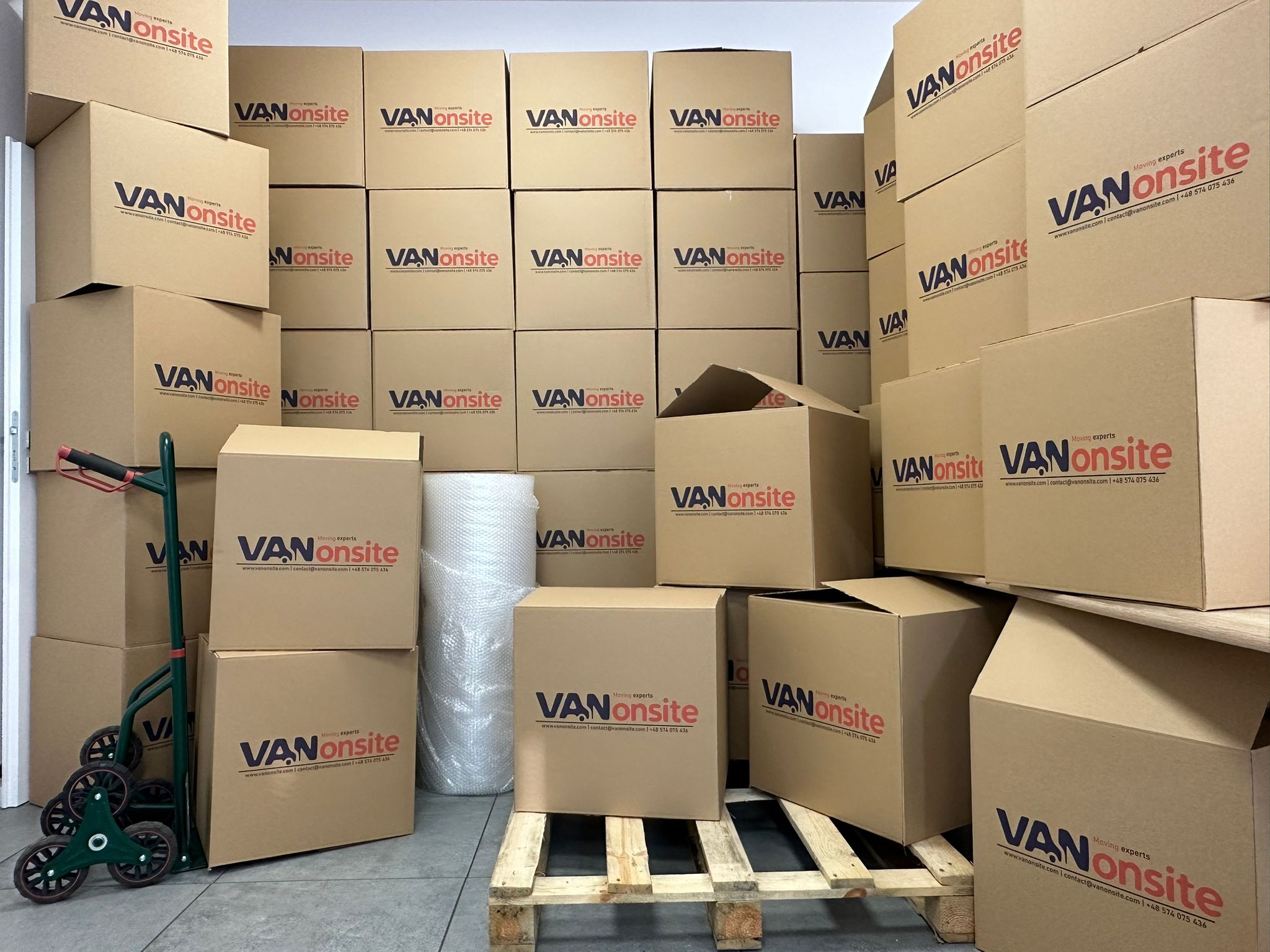
Professional packing can save time and reduce damage risk. VANonsite Packing Service is useful for fragile items, tight deadlines and long distance moves. For designer furniture, antiques, artwork or delicate equipment, White Glove Delivery adds a more protective level of care.
Health Insurance, Banking and Everyday Setup
Once becoming a Swiss resident moves from plan to reality, everyday admin arrives quickly. Switzerland is organised, but it expects you to join the system properly.
Health insurance is one of the most urgent tasks. People taking up residence in Switzerland generally need to arrange health insurance within 3 months. You can check the official information from the Swiss Federal Office of Public Health on health insurance for people resident in Switzerland.
Your first month should also include:
- Opening a Swiss bank account
- Setting up mobile phone and internet
- Updating your address with banks, employers and authorities
- Understanding local recycling and waste rules
- Buying public transport passes
- Registering children for school, if relevant
- Setting up utilities where needed
- Learning commune specific processes
Prioritise residence, insurance, housing, money access, work and school. A reliable man and van move helps because it makes your home functional faster. When the bed, desk and kitchen items are in place, the rest of the admin feels less heavy.

Moving With Children, Pets or a Car
Some relocations need extra planning. Children, pets and vehicles create additional paperwork and timing questions.
Moving with children
If you are moving with children, prepare school records, birth certificates, vaccination records and any relevant medical or custody documents. School systems vary by canton, so check local rules early.
A child is not only changing address. They are changing sounds, classmates and routines, so pack a few familiar items for the first week.
Moving with pets
Pets may need border documents and local registration. Check the official guidance on bringing sensitive goods and animals into Switzerland.
Dog owners should also check local dog registration and tax rules. The official page on dog tax and dog registration explains that dog owners must register their dog with the commune and pay the relevant fee or tax.
Moving with a car
A car is not just another household item. It has its own customs, insurance and registration path. Use official information on registering and deregistering a car or motorbike and the customs page for vehicles as part of relocation.
Common Mistakes When Becoming a Swiss Resident
Most relocation problems are preventable. They come from small gaps that become expensive at the worst moment.
Avoid these mistakes:
- Booking transport before checking residence timing
- Forgetting the 14 day commune registration rule
- Leaving health insurance until the last moment
- Packing official documents inside the moving load
- Moving new goods without checking customs treatment
- Creating a vague household inventory
- Choosing a van that is too small
- Ignoring canton or commune differences
- Mixing business goods with personal household effects
- Assuming a cross border move works like a local move
Becoming a Swiss resident works best when you separate the move into three layers: legal residence, physical relocation and everyday setup. Each layer needs attention. Together, they create a smooth landing.
Becoming a Swiss Resident Checklist
Use this checklist to keep the move controlled.
Before moving:
- Confirm your residence route.
- Check whether a visa or permit is needed before arrival.
- Secure housing or proof of address.
- Collect identity, work, study, family or financial documents.
- Book your man and van transport.
- Choose the correct VANonsite vehicle size.
- Prepare a household inventory.
- Complete customs paperwork where required.
- Keep essential documents outside the moving load.
During the move:
- Keep passports, rental agreement and customs forms with you.
- Make sure boxes are labelled clearly.
- Separate fragile and high value items.
- Confirm delivery address and access details.
- Track your load where GPS tracking is available.
After arrival:
- Register with your commune within the expected timeframe.
- Complete residence permit steps.
- Arrange health insurance.
- Open a bank account.
- Register children, pets or vehicles if relevant.
- Update addresses.
- Settle into your new Swiss routine.
FAQ About Becoming a Swiss Resident
How long does becoming a Swiss resident take?
It depends on your nationality, purpose of stay, canton and document quality. EU and EFTA citizens often have a more direct process, especially with employment or study, while third country nationals may need more approval steps.
Do I need a job before moving to Switzerland?
Not always. Some people move for study, family reunification, retirement or private means. However, employment is one of the most common residence routes, so a clear contract can make the process stronger.
Do I need to register after arriving in Switzerland?
Yes. In general, new residents should register with their commune within 14 days of moving. Check your commune before arrival because local procedures can differ.
Can I move furniture to Switzerland duty free?
Often yes, if your goods qualify as household effects and meet customs conditions. Prepare an inventory and Form 18.44 before the move.
What is Form 18.44?
Form 18.44 is the Swiss customs form used to declare household effects when relocating to Switzerland. It should be prepared with your inventory and residence evidence.
Is a man and van service good for moving to Switzerland?
Yes. A man and van service is flexible, practical and efficient for student moves, apartment removals, furniture transport, urgent moves and partial household loads. GPS tracking adds valuable peace of mind.
Does VANonsite handle small and large moves?
Yes. VANonsite offers vehicle sizes from 1m3 to 90m3, so the service can support a few boxes, a student room, an apartment, a family home or a full property relocation.
Final Thoughts
Becoming a Swiss resident can bring stronger routines, fresh work opportunities, safer surroundings and a clean sense of momentum. But it needs careful handling.
Prepare your documents. Respect the deadlines. Build a clear customs file. Choose the right vehicle size. Keep your most important papers close. Then let experienced movers handle the heavy, fragile and stressful parts of the journey.
VANonsite helps make the move to Switzerland feel lighter with secure European removals, GPS tracked loads, flexible man and van options and professional services for homes, students, furniture and offices. When your life is crossing a border, every box matters.