
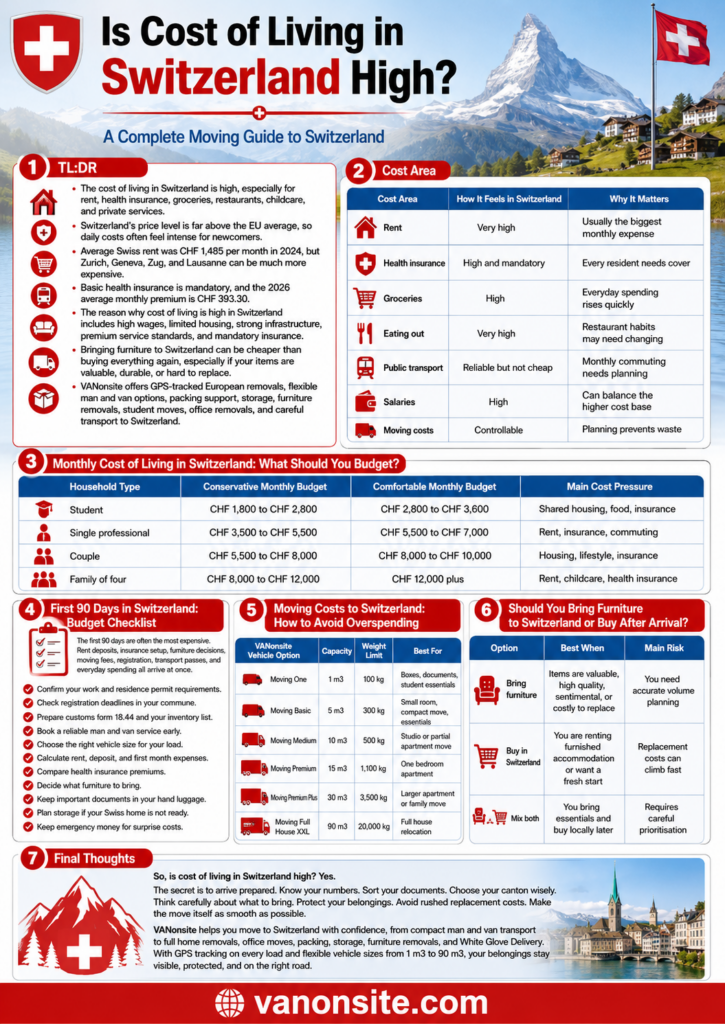
Yes, the cost of living in Switzerland is high. For many newcomers, it feels sharp from the first week. A quick grocery shop costs more than expected. Rent can take a serious bite out of a monthly salary. Health insurance is mandatory, and it arrives as a fixed cost before life has even found its rhythm.
Still, Switzerland is not expensive by accident. It is expensive because it is orderly, safe, efficient, well paid, and built around exceptional standards. In 2024, Switzerland’s price level stood at 158.8, compared with the EU average of 100. That means prices were around 58.8% above the EU average on that index. Average rent in Switzerland reached CHF 1,485 per month in 2024, while the average basic health insurance premium for 2026 is CHF 393.30 per month.
So, is cost of living in Switzerland high? Yes. But the answer needs balance. Swiss salaries are also high, infrastructure is excellent, public services are reliable, and quality of life can be outstanding. The real challenge is not only earning enough. It is planning well before you move.
A smart relocation plan can protect your budget from avoidable stress. Choosing the right man and van service, preparing documents early, moving only what makes sense, and using GPS-tracked transport can make the first chapter in Switzerland calmer and more controlled.
TL:DR
- The cost of living in Switzerland is high, especially for rent, health insurance, groceries, restaurants, childcare, and private services.
- Switzerland’s price level is far above the EU average, so daily costs often feel intense for newcomers.
- Average Swiss rent was CHF 1,485 per month in 2024, but Zurich, Geneva, Zug, and Lausanne can be much more expensive.
- Basic health insurance is mandatory, and the 2026 average monthly premium is CHF 393.30.
- The reason why cost of living is high in Switzerland includes high wages, limited housing, strong infrastructure, premium service standards, and mandatory insurance.
- Bringing furniture to Switzerland can be cheaper than buying everything again, especially if your items are valuable, durable, or hard to replace.
- VANonsite offers GPS-tracked European removals, flexible man and van options, packing support, storage, furniture removals, student moves, office removals, and careful transport to Switzerland.




Is the Cost of Living in Switzerland High Compared with the Rest of Europe?
Yes, is the cost of living in Switzerland high compared with the rest of Europe? Absolutely. Switzerland is one of the most expensive countries in Europe, and the difference is easy to feel in everyday life.
The shock often starts with simple purchases. Coffee, bread, lunch, toothpaste, train tickets, cleaning products, and supermarket basics can cost more than expected. Then the larger expenses arrive: rent, rental deposit, health insurance, furniture, moving costs, local registration, and transport passes.
However, Switzerland is not only a country of high prices. It is also a country of high salaries, stable employment, clean cities, efficient services, and remarkable public transport. That is why the cost question is more complex than it first appears.
| Cost Area | How It Feels in Switzerland | Why It Matters |
|---|---|---|
| Rent | Very high | Usually the biggest monthly expense |
| Health insurance | High and mandatory | Every resident needs cover |
| Groceries | High | Everyday spending rises quickly |
| Eating out | Very high | Restaurant habits may need changing |
| Public transport | Reliable but not cheap | Monthly commuting needs planning |
| Salaries | High | Can balance the higher cost base |
| Moving costs | Controllable | Planning prevents waste |
For someone arriving with a Swiss job offer, the cost of living in Switzerland can be manageable. For someone earning money from a lower wage country while living in Switzerland, it can feel brutal. That is why relocation planning matters. You should not only ask how much the van costs. You should calculate your first 90 days.
Why Is Cost of Living High in Switzerland?
Why is cost of living high in Switzerland? The answer is a mix of wages, housing, geography, infrastructure, and national expectations.
Switzerland runs on precision. Roads are maintained. Trains are punctual. Public spaces are clean. Healthcare is high quality. Workers are paid well. Services are reliable. That kind of system creates comfort, but it also creates higher prices.
The main reasons include:
- High wages: Workers in Switzerland usually earn more than in many other European countries. This affects removals, repairs, hospitality, cleaning, childcare, trades, and logistics.
- Limited housing supply: Demand is intense in Zurich, Geneva, Basel, Lausanne, Zug, and other strong employment areas.
- Strong Swiss franc: Currency strength can make prices feel even higher for people converting from euros, pounds, or lower value currencies.
- Excellent infrastructure: Roads, tunnels, trains, waste systems, healthcare, and public services require serious investment.
- Mandatory health insurance: Health cover is not optional, and monthly premiums must be included in every budget.
- High quality expectations: Switzerland values punctuality, safety, reliability, and order. Those standards come at a price.
This is why people often search for phrases like cost of living in Switzerland expensive before relocating. The concern is real. But expensive does not automatically mean impossible. With a Swiss income, careful housing choices, and disciplined planning, life in Switzerland can be financially realistic.
Monthly Cost of Living in Switzerland: What Should You Budget?
The cost of living in Switzerland depends on location, lifestyle, household size, and income. Zurich and Geneva can feel fierce. Smaller towns can be more forgiving. Shared housing can make a major difference. Eating out often can destroy a budget fast.
Use these ranges as practical planning figures.
| Household Type | Conservative Monthly Budget | Comfortable Monthly Budget | Main Cost Pressure |
|---|---|---|---|
| Student | CHF 1,800 to CHF 2,800 | CHF 2,800 to CHF 3,600 | Shared housing, food, insurance |
| Single professional | CHF 3,500 to CHF 5,500 | CHF 5,500 to CHF 7,000 | Rent, insurance, commuting |
| Couple | CHF 5,500 to CHF 8,000 | CHF 8,000 to CHF 10,000 | Housing, lifestyle, insurance |
| Family of four | CHF 8,000 to CHF 12,000 | CHF 12,000 plus | Rent, childcare, health insurance |
These numbers are not meant to scare you. They are meant to protect you. Switzerland becomes easier to enjoy when fewer costs arrive as surprises.
A realistic monthly budget should include rent, utilities, health insurance, groceries, transport, phone, internet, social life, savings, and emergency funds. Families should also add childcare, school costs, children’s clothing, and larger housing expenses.
The mistake many newcomers make is focusing only on rent. Yet the cost of living in Switzerland is expensive across several categories at once. A manageable rent can still feel tight when health insurance, food, commuting, and furniture costs land together.
Rent in Switzerland: The Biggest Monthly Shock
Rent is usually the largest regular cost in Switzerland. The national average rent was CHF 1,485 per month in 2024, but this figure can hide major local differences. In popular cities and cantons, especially Zurich, Geneva, Zug, Lausanne, and Basel, rents can be much higher.
The rental market is competitive because many people want the same thing: a clean, well located apartment near work, schools, shops, and public transport. If you are moving to a major Swiss city, prepare early.
Common rental documents may include:
- Passport or national ID
- Employment contract
- Proof of income
- Residence permit or permit application confirmation
- Rental application form
- References, if requested
- Deposit or rental guarantee
- Debt collection register extract, if you already live in Switzerland
Before signing a lease, check commute times carefully. A cheaper apartment 25 minutes outside the city may save hundreds of francs per month. In Switzerland, this can be a smart compromise because public transport is usually dependable.
Also think about access. Swiss apartments may have narrow staircases, strict delivery rules, underground parking limits, or timed building access. If you are bringing furniture, a professional man and van team can help prevent delays, damage, and unnecessary stress.
For official guidance, check the Swiss government page on moving to Switzerland.
Health Insurance in Switzerland: Mandatory and Easy to Underestimate
Health insurance is one of the most important costs to understand before moving. Switzerland has excellent healthcare, but basic health insurance is mandatory for residents.
New residents generally need to take out Swiss health insurance within 3 months of taking up residence. In 2026, the average monthly premium is CHF 393.30. Your actual premium may be higher or lower depending on canton, age, insurer, deductible, insurance model, and personal situation.
For a single person, this is already a serious cost. For a family, it becomes a major monthly expense because each person needs cover. That is one reason why the cost of living in Switzerland is high for families.
Do not leave insurance comparison until the final week. If you delay, your insurance may still be backdated, which can create a painful bill during an already expensive relocation period.
For official information, use the Federal Office of Public Health page on health insurance for people resident in Switzerland.
Groceries, Eating Out, and Daily Spending
Groceries in Switzerland can feel surprisingly expensive, especially if you are moving from Poland, Spain, Portugal, Italy, or parts of Eastern Europe. Even people arriving from the UK, France, or Germany may notice that supermarket totals climb quickly.
The good news is that daily spending can be controlled. The bad news is that it takes discipline at the beginning.
Smart ways to reduce daily costs include:
- Cook at home most evenings.
- Choose supermarket own brands.
- Buy seasonal products.
- Compare prices between stores.
- Use lunch menus instead of dinner restaurants.
- Keep takeaway coffee and snacks under control.
- Avoid buying all furniture in one rushed weekend.
Eating out should be treated as a pleasure, not a default habit. A few restaurant meals per week can add hundreds of francs to your monthly spending.
This is also where moving strategy matters. If you already own strong furniture, kitchen equipment, office chairs, mattresses, or storage units, moving them may cost less than replacing them in Switzerland. VANonsite can help you transport selected items instead of forcing you into an all or nothing move.
Transport Costs: Public Transport, Cars, and Moving Vans
Switzerland has one of the most admired transport systems in Europe. Trains are clean, frequent, and deeply connected to daily life. Buses, trams, local rail, and mountain routes make many areas easy to reach without a car.
Still, reliable does not mean cheap. Public transport passes should be included in your monthly budget from the start. If you will commute daily, compare local passes, regional options, and discount cards.
Cars can be useful, especially for families or people living outside major cities. Yet they bring additional costs:
- Insurance
- Parking
- Fuel
- Maintenance
- Tyres
- Cantonal registration
- Motorway vignette
- Possible vehicle import formalities
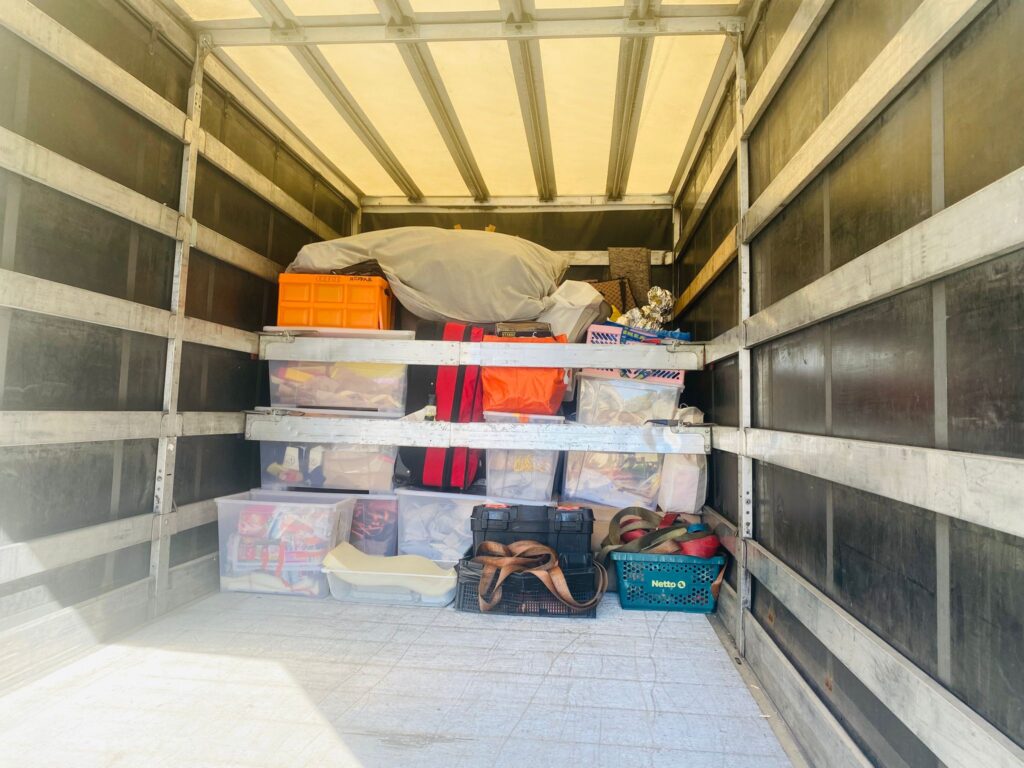
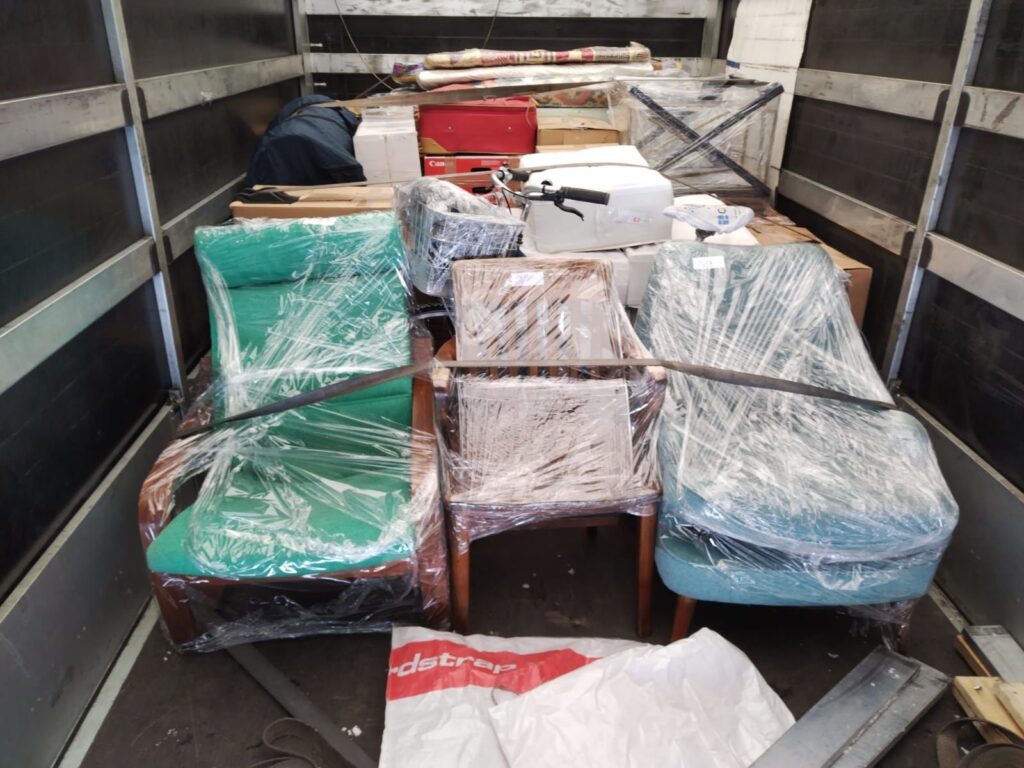
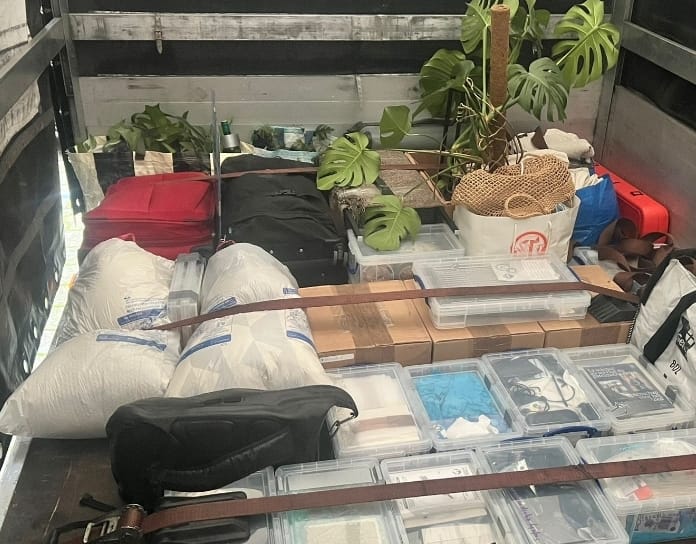
If you are moving household goods by road, professional transport is often more practical than trying to manage rented vehicles, multiple trips, border timing, customs documents, and heavy lifting yourself.
For international relocations, GPS tracking is not a luxury. It is peace of mind. Your belongings are not anonymous cargo. They are your mattress, desk, children’s books, winter coats, business equipment, glassware, and the familiar pieces that make a new country feel less strange.
Moving to Switzerland: Documents and Official Formalities
A move to Switzerland rewards preparation. Paperwork matters. Timing matters. Missing one document can delay delivery, increase stress, or create customs problems.
The exact requirements depend on your nationality, work status, canton, household goods, and personal situation. Still, most people should prepare key documents before the move.
Residence and Work Permits
If you are moving to Switzerland to work, check the permit rules before arrival. EU and EFTA citizens usually follow different rules from non EU and non EFTA nationals.
For EU and EFTA nationals taking up employment, Swiss official guidance states that registration with the appropriate commune is generally required within 14 days of arrival and before starting work. A written declaration of employment from the employer is usually needed.
Useful official pages include:
Prepare copies of your passport, employment contract, rental agreement, family documents if relevant, and permit related paperwork.
Customs Documents for Household Goods
If you are moving household effects to Switzerland, you may be able to import them duty free when transferring residence. Swiss customs rules generally require that imported goods have been used personally for at least 6 months and will continue to be used after import.
You may need:
- Completed customs form 18.44
- Inventory list of goods
- Passport or ID
- Proof of transfer of residence
- Rental contract or employment contract
- Vehicle documents, if importing a vehicle
- Details of later shipments, if not everything arrives together
Use the official Swiss customs guidance on moving household effects and the Swiss government page on moving to Switzerland.
A reliable removals company can make this process smoother because the right paperwork needs to be ready before the van reaches the border.
Moving Costs to Switzerland: How to Avoid Overspending
The cost of living in Switzerland is high enough. Your move should not become another financial bruise.
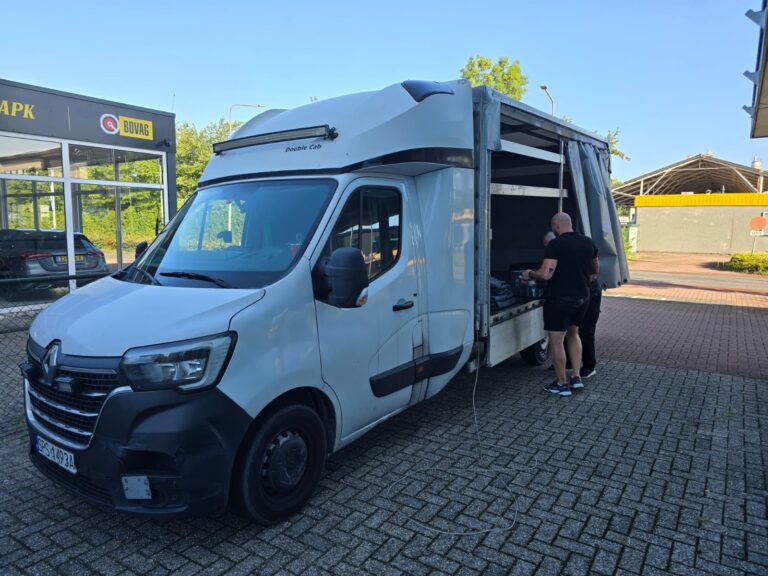
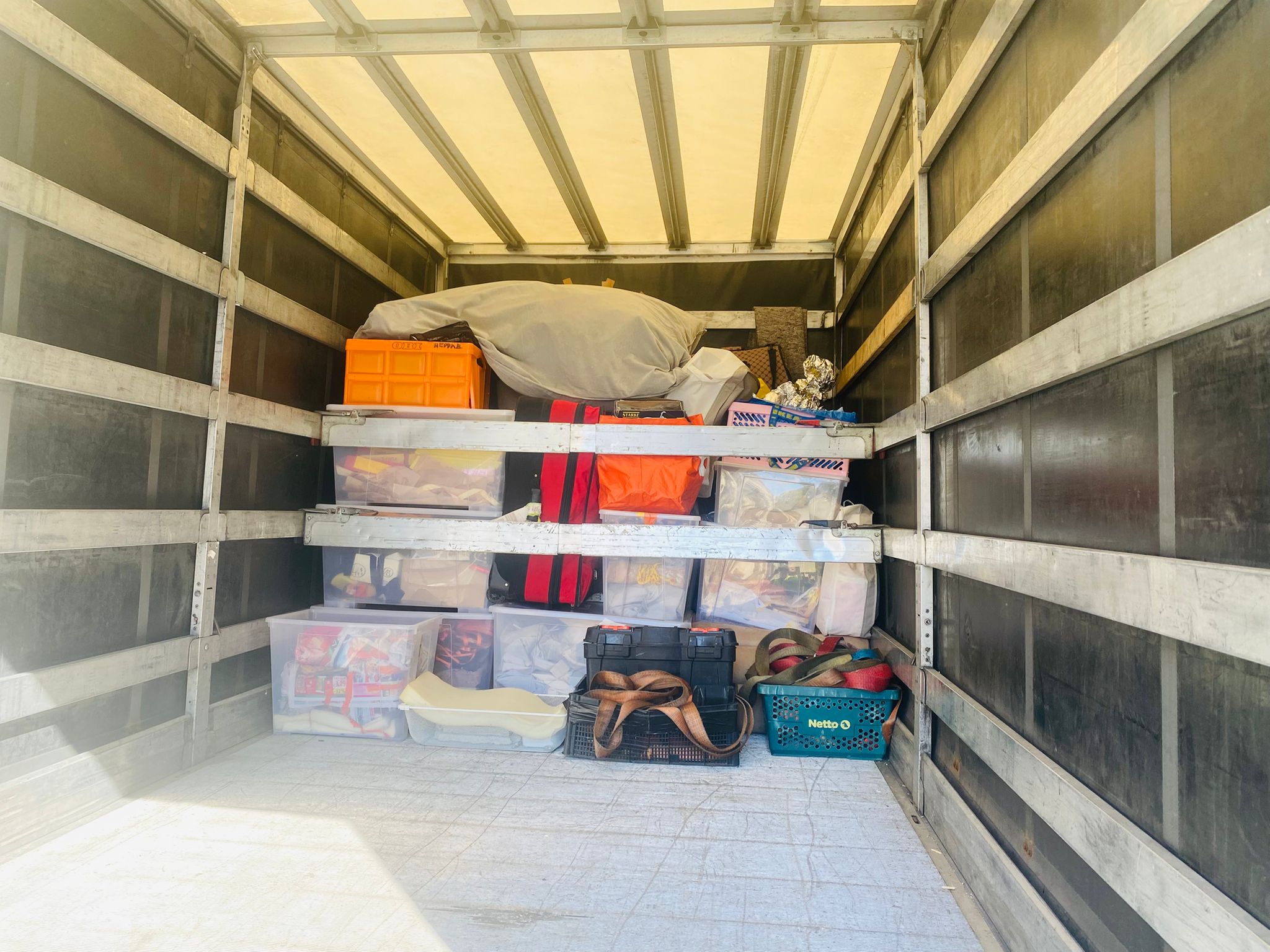
One of the smartest ways to control relocation cost is choosing the right vehicle size. Too small, and you may face delays or extra transport. Too large, and you pay for empty space. A tailored man and van solution can be ideal for European moves because it is flexible, direct, and personal.
VANonsite offers several vehicle options for different relocation sizes:
| VANonsite Vehicle Option | Capacity | Weight Limit | Best For |
|---|---|---|---|
| Moving One | 1 m3 | 100 kg | Boxes, documents, student essentials |
| Moving Basic | 5 m3 | 300 kg | Small room, compact move, essentials |
| Moving Medium | 10 m3 | 500 kg | Studio or partial apartment move |
| Moving Premium | 15 m3 | 1,100 kg | One bedroom apartment |
| Moving Premium Plus | 30 m3 | 3,500 kg | Larger apartment or family move |
| Moving Full House XXL | 90 m3 | 20,000 kg | Full house relocation |
The best option depends on volume, weight, access, distance, timing, and whether you need packing help. VANonsite supports last minute moving, furniture removals, home removals, packing service, White Glove Delivery, office removals, storage, student removals, and office furniture installation.
For a dedicated relocation route, see VANonsite removals to Switzerland.
Should You Bring Furniture to Switzerland or Buy After Arrival?
Many people wonder whether it is better to bring furniture or buy everything after arrival. The right answer depends on quality, size, replacement cost, and the type of home you are moving into.
Furniture, mattresses, office chairs, dining tables, wardrobes, and baby equipment can cost more than expected in Switzerland. Delivery fees and assembly time add even more pressure. If you already own durable, comfortable, or valuable pieces, moving them can be financially smart.
| Option | Best When | Main Risk |
|---|---|---|
| Bring furniture | Items are valuable, high quality, sentimental, or costly to replace | You need accurate volume planning |
| Buy in Switzerland | You are renting furnished accommodation or want a fresh start | Replacement costs can climb fast |
| Mix both | You bring essentials and buy locally later | Requires careful prioritisation |
Bring the items that save money or make your first weeks easier. Leave behind anything broken, oversized, cheap to replace, or unsuitable for Swiss housing.
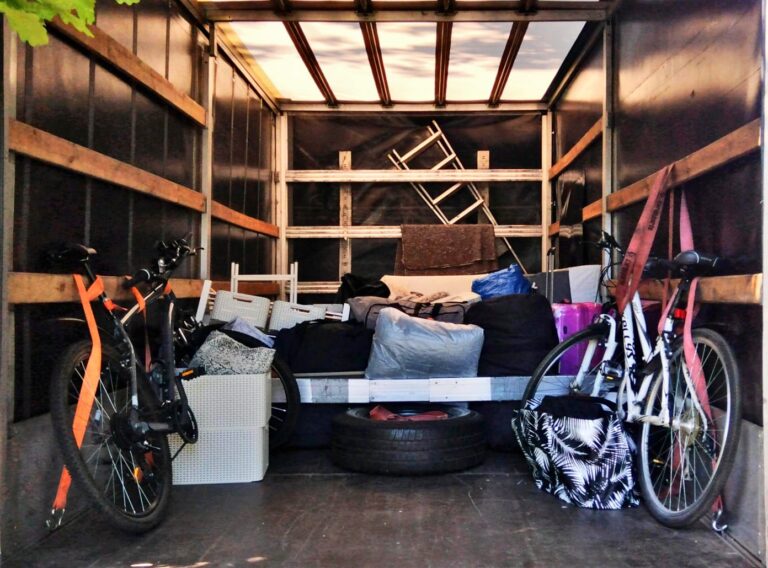
Useful items to consider moving include mattresses, work desks, ergonomic chairs, children’s furniture, kitchen equipment, storage units, specialist tools, fragile items, and sentimental belongings.
If you own delicate, designer, antique, or high value pieces, White Glove Delivery can provide a more careful and polished service.
Cost of Living in Switzerland for Students
Is cost of living in Switzerland high for students? Yes, and students often feel it sharply because income is limited while fixed costs arrive quickly.
Shared housing is usually the biggest saving. A private studio in Zurich, Geneva, Lausanne, or Basel can be expensive. A shared apartment outside the city centre can make student life far more realistic.
Students should budget for rent, health insurance, food, public transport, study materials, phone, internet, residence formalities, deposit, bedding, basic furniture, and moving costs.
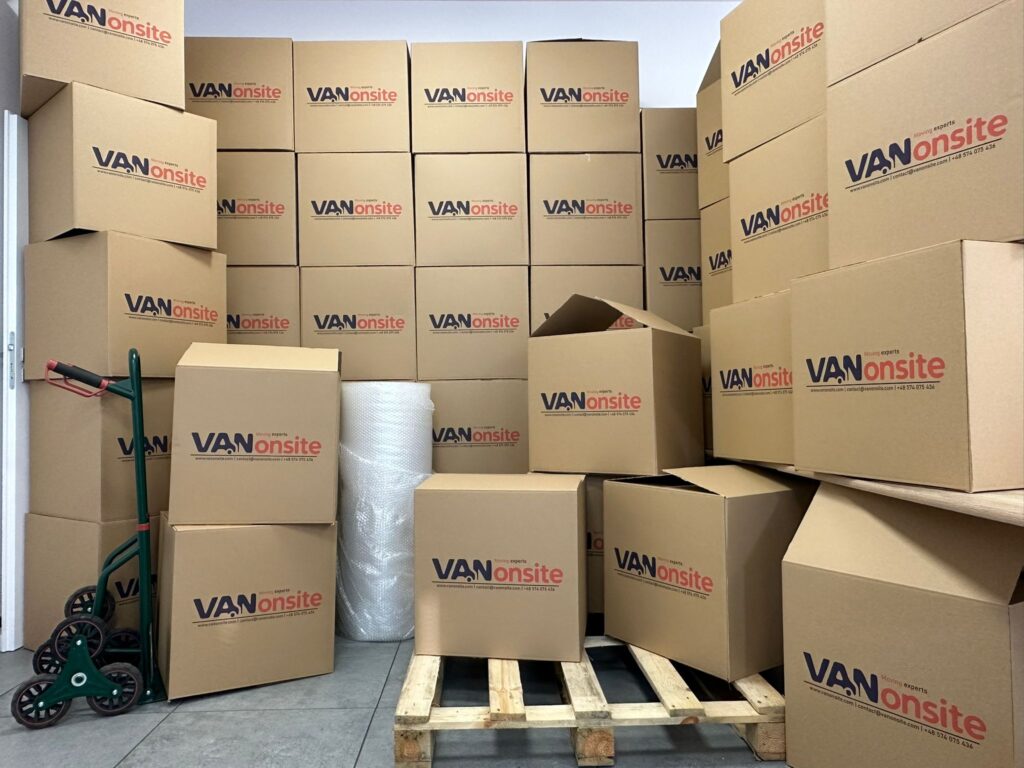
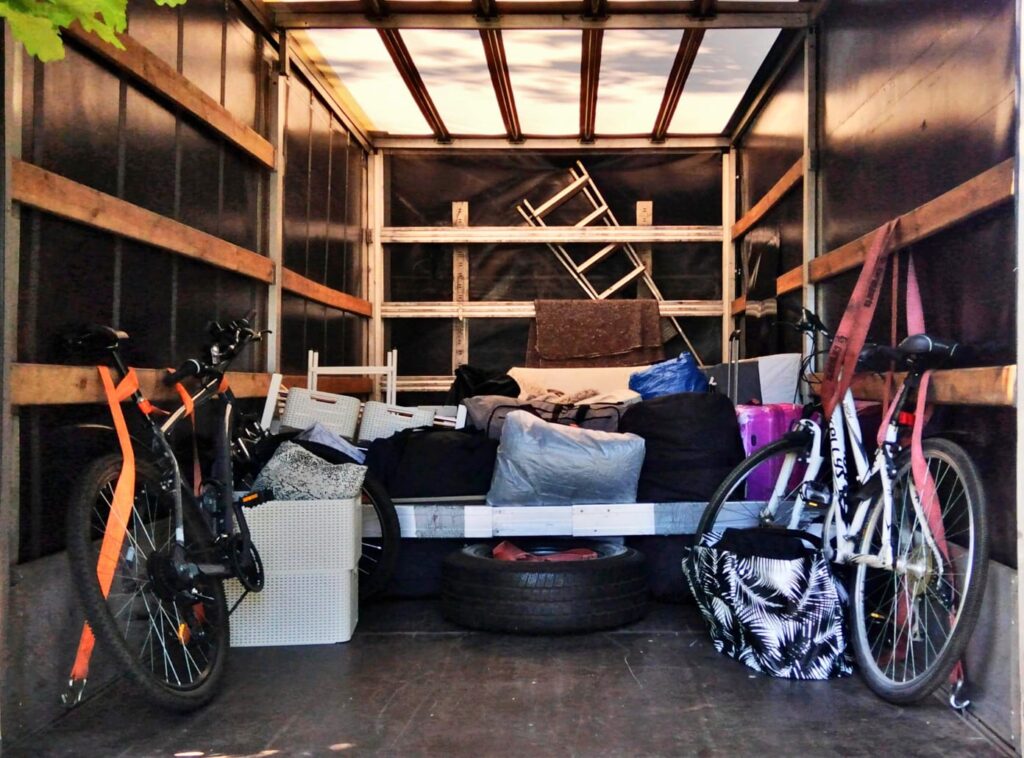
A student move rarely needs a large truck. A small man and van option may be enough for boxes, clothes, books, desk equipment, a chair, a mattress, and personal items. VANonsite’s smaller vehicle options, such as Moving One, Moving Basic, and Moving Medium, can be practical for student removals to Switzerland from elsewhere in Europe.
The goal is simple. Bring what helps, skip what burdens you, and avoid paying Swiss prices for items you already own.

Cost of Living in Switzerland for Families
For families, the cost of living in Switzerland can feel intense because several major expenses multiply. Rent is higher because you need more space. Health insurance applies to every family member. Childcare can become one of the biggest budget lines. Furniture replacement is more expensive because children need beds, desks, storage, clothes, school items, and comfort.
A family move is never just boxes. It is bedtime routines, favourite toys, school bags, winter coats, kitchen habits, family photos, and the small things that help children feel safe in a new country.
Families should consider moving children’s beds, mattresses, desks, chairs, kitchen equipment, wardrobes, baby equipment, prams, car seats, seasonal clothing, sports gear, and favourite toys.
VANonsite can support families with home removals, packing service, storage, furniture removals, and larger vehicle options. If your Swiss home is not ready immediately, storage can give you breathing space instead of forcing rushed decisions.
Cost of Living in Switzerland for Office Relocation
For businesses, the cost of living in Switzerland is only part of the picture. Office space, operating costs, staff expectations, and downtime matter too. If you are relocating an office, every lost day can be expensive.
An office move to Switzerland needs careful planning and fast execution. Desks, chairs, monitors, filing cabinets, meeting room furniture, and specialist equipment must arrive safely and be installed efficiently.
A strong office relocation plan should include:
- Inventory of furniture and equipment
- Labelling by room or department
- Packing of electronics and fragile items
- Delivery schedule
- Installation plan
- Storage plan, if the new office is not ready
- Communication with building management
VANonsite supports office removals and office furniture installation, helping companies reduce disruption. GPS tracking is especially useful for business equipment because managers can see where the load is and plan around delivery.
First 90 Days in Switzerland: Budget Checklist
The first 90 days are often the most expensive. Rent deposits, insurance setup, furniture decisions, moving fees, registration, transport passes, and everyday spending all arrive at once.
Before you move, make sure you:
- Confirm your work and residence permit requirements.
- Check registration deadlines in your commune.
- Prepare customs form 18.44 and your inventory list.
- Book a reliable man and van service early.
- Choose the right vehicle size for your load.
- Calculate rent, deposit, and first month expenses.
- Compare health insurance premiums.
- Decide what furniture to bring.
- Keep important documents in your hand luggage.
- Plan storage if your Swiss home is not ready.
- Keep emergency money for surprise costs.
This is where VANonsite gives practical value. GPS-tracked transport, careful handling, flexible van sizes, packing support, and clear planning can turn a stressful relocation into a controlled process.
Is Moving to Switzerland Worth It Despite the High Cost of Living?
For many people, yes. Moving to Switzerland can be worth it despite the high cost of living. But it depends on income, housing, family size, city choice, and expectations.
Switzerland can offer an exceptional life: clean cities, mountain air, safe streets, stable jobs, efficient services, beautiful trains, and a deep sense that things work. For many newcomers, that reliability is worth the price.
But Switzerland is not a place to move blindly. If you arrive without a job, without savings, without housing research, and without a transport plan, the cost pressure can feel severe. If you arrive prepared, the same country feels very different.
The best approach is simple. Know your monthly budget. Price your first 90 days. Compare cantons and cities. Secure health insurance on time. Prepare official documents. Move only what makes sense. Use reliable removals support.
The cost of living in Switzerland is high, but poor planning makes it feel even higher. A smooth relocation cannot reduce Swiss rent or insurance premiums, but it can protect you from avoidable delays, damage, replacement costs, and panic spending.
FAQ
Is cost of living in Switzerland high?
Yes, the cost of living in Switzerland is high. Rent, health insurance, groceries, restaurants, childcare, and private services are expensive compared with most European countries.
Is the cost of living in Switzerland high if I earn a Swiss salary?
It can still feel high, but a Swiss salary often makes the situation more manageable. The real pressure depends on rent, canton, household size, insurance premium, and lifestyle.
Why is cost of living high in Switzerland?
The main reasons include high wages, limited housing supply, strong infrastructure, mandatory health insurance, strong demand in major cities, and high service standards.
Is cost of living in Switzerland expensive for students?
Yes. Students often need shared accommodation, careful food budgeting, public transport planning, and a smaller move. A compact man and van service can be more practical than shipping too much.
Should I bring furniture to Switzerland?
Often, yes. If your furniture is high quality, comfortable, valuable, or expensive to replace, bringing it can make financial sense. VANonsite can help with furniture removals, packing, storage, and White Glove Delivery.
What is the cheapest way to move to Switzerland?
For many small and medium moves, a man and van service is one of the most flexible options. It can be faster and more personal than large freight solutions, especially when the vehicle size matches your load.
Can I import household goods to Switzerland duty free?
In many relocation cases, household goods can be imported duty free if Swiss customs conditions are met. Goods generally need to have been used personally for at least 6 months and continue to be used after import.
How can VANonsite help with a move to Switzerland?
VANonsite supports European removals to Switzerland with flexible vehicle sizes, man and van options, furniture removals, home removals, student removals, office removals, packing service, storage, White Glove Delivery, office furniture installation, and GPS tracking for every load.
Final Thoughts
So, is cost of living in Switzerland high? Yes. It is high in a way that demands respect. But it is not impossible, and it is not senseless. Switzerland charges for quality, and for many people, that quality becomes part of the reason they stay.
The secret is to arrive prepared. Know your numbers. Sort your documents. Choose your canton wisely. Think carefully about what to bring. Protect your belongings. Avoid rushed replacement costs. Make the move itself as smooth as possible.
VANonsite helps you move to Switzerland with confidence, from compact man and van transport to full home removals, office moves, packing, storage, furniture removals, and White Glove Delivery. With GPS tracking on every load and flexible vehicle sizes from 1 m3 to 90 m3, your belongings stay visible, protected, and on the right road.
Plan your move with care and start your Swiss chapter without unnecessary chaos: VANonsite removals to Switzerland.