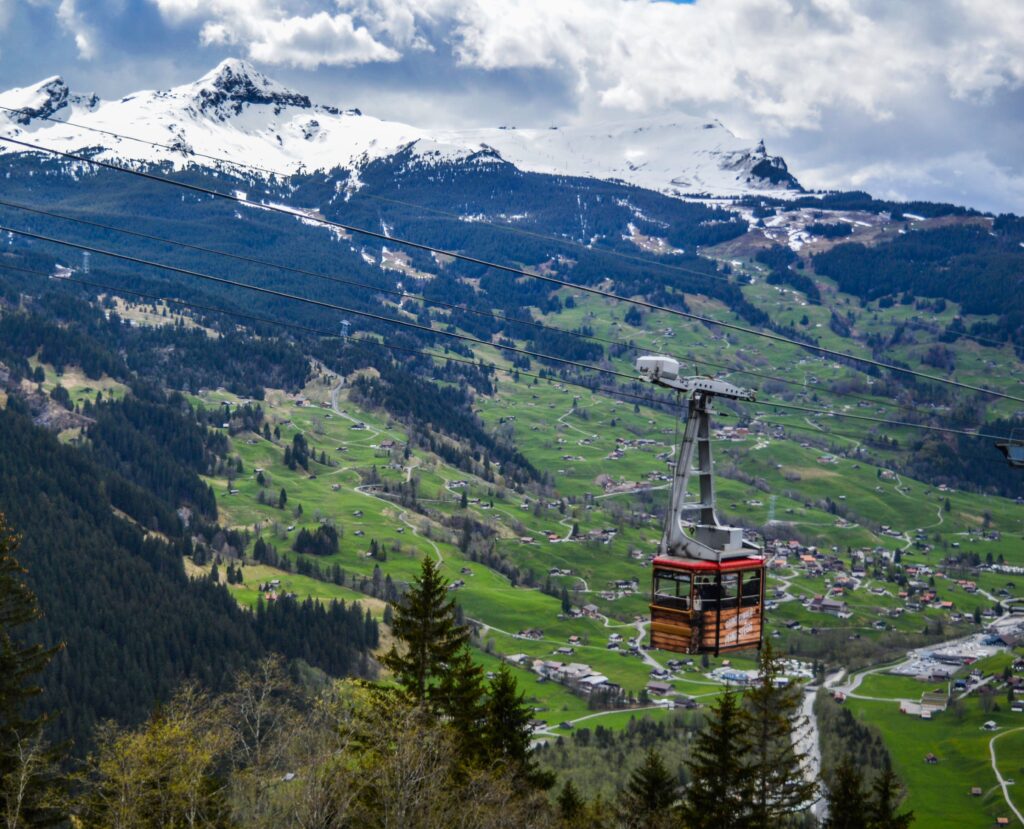
Switzerland has a rare kind of charm. It is calm, polished and almost impossibly scenic, yet it is also practical, strict and expensive. If you are asking how is living in Switzerland, you probably want more than a romantic answer about mountains and chocolate. You want to know what daily life really costs, how people behave, which documents matter and whether moving there is worth the effort.
The honest answer is simple: living in Switzerland can be outstanding if you prepare well. The country offers safety, strong salaries, reliable transport and quick access to Alpine views. At the same time, rent can bite hard, paperwork needs attention and social life may take time.
That is why a move to Switzerland should be planned with care. Your first weeks can involve housing, registration, health insurance, customs documents and new routines. With secure European transport, flexible vehicle sizes and GPS tracking for every load, VANonsite helps make that first step feel safer, clearer and less overwhelming. For a dedicated relocation option, explore VANonsite removals to Switzerland.
TL:DR
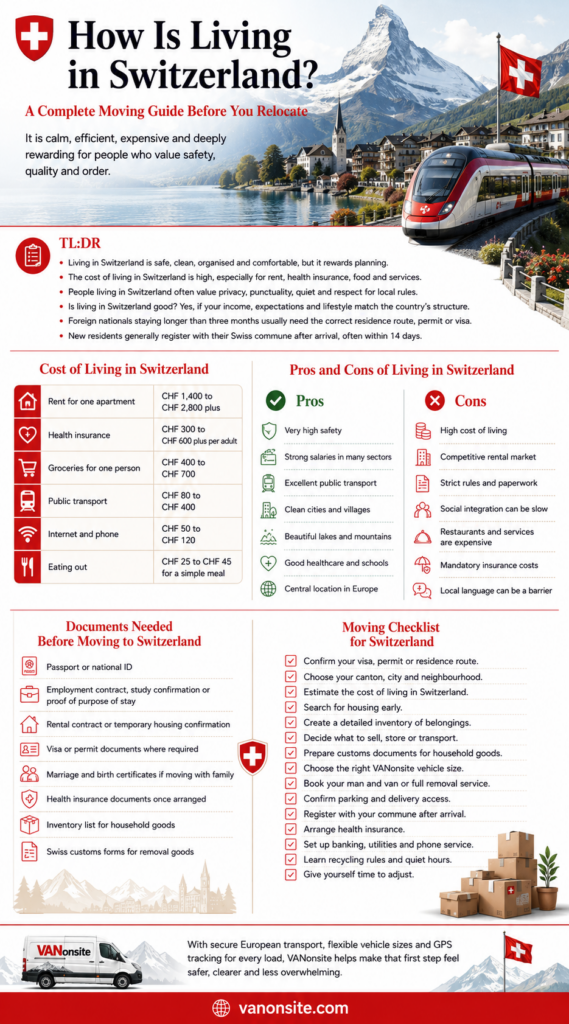
- Living in Switzerland is safe, clean, organised and comfortable, but it rewards planning.
- The cost of living in Switzerland is high, especially for rent, health insurance, food and services.
- People living in Switzerland often value privacy, punctuality, quiet and respect for local rules.
- Is living in Switzerland good? Yes, if your income, expectations and lifestyle match the country’s structure.
- Foreign nationals staying longer than three months usually need the correct residence route, permit or visa.
- New residents generally register with their Swiss commune after arrival, often within 14 days.
- A professional man and van service with GPS tracked transport can make the move smoother and less stressful.




How Is Living in Switzerland in One Sentence?
How is living in Switzerland? It is calm, efficient, expensive and deeply rewarding for people who value safety, quality and order.
Switzerland is not built on improvisation. It runs on precision, clean systems and trust. Trains usually arrive when they should. Streets are tidy. Neighbours care about peace. For many newcomers, this can feel strict at first. After a while, it often becomes comforting.
Still, Switzerland is not a perfect match for everyone. If you want low prices and casual bureaucracy, it may feel too controlled. If you want stability and a high standard of living, it can feel like a powerful upgrade.
Is Living in Switzerland Good?
Is living in Switzerland good? For many expats, students, families and professionals, yes. The country offers an impressive mix of safety, salaries, healthcare, education and natural beauty. It is the kind of place where a normal weekday can include an efficient commute, a serious workday and an evening walk beside a lake that looks painted.
The challenge is that quality comes with cost. Rent in popular cities can be intense. Health insurance is mandatory. Eating out is expensive. Services that feel ordinary elsewhere can feel premium in Switzerland.
Still, the overall value is strong when your income supports the lifestyle. You are paying for a country where things tend to work, where public spaces are respected and where nature is part of everyday life rather than a distant weekend dream.
| Factor | What to Expect | Why It Matters |
|---|---|---|
| Safety | Very high everyday safety standards | Strong for families and solo movers |
| Salaries | High in many sectors | Helps balance living costs |
| Housing | Competitive in major cities | Start early and prepare documents |
| Transport | Reliable trains, trams and buses | A car may not be necessary |
| Culture | Polite, private and rule focused | Respect local habits |
| Nature | Lakes, mountains and forests nearby | Excellent for wellbeing |
People Living in Switzerland: Daily Life and Culture
People living in Switzerland often describe daily life as peaceful, predictable and quietly demanding. The country expects you to take responsibility for details. Recycling is taken seriously. Noise rules matter. Appointments are kept. Written agreements are respected.
This can be a shock if you come from a more relaxed environment. Yet these habits create the clean, safe lifestyle Switzerland is famous for.
Social life may take patience. Swiss culture can be reserved, especially at the beginning. People are often friendly and helpful, but close friendships can develop slowly. Learning even basic words in the local language helps. German, French, Italian and Romansh regions all have different rhythms, so the canton you choose will shape your experience.
A good rule is to arrive with respect. Be punctual. Read notices in your building. Learn recycling rules. Keep noise low during quiet hours. Once you understand the unwritten code, life starts to feel easier.
Cost of Living in Switzerland
The cost of living in Switzerland is one of the biggest concerns for newcomers. Rent, groceries, health insurance and services are high, especially in Zurich, Geneva, Zug, Lausanne and Basel. Anyone searching for cost if living in Switzerland is usually looking for a direct answer: yes, Switzerland is expensive, but high salaries and strong infrastructure can balance part of the pressure.
Your budget depends heavily on location. A central apartment in Zurich or Geneva can cost far more than a flat in a smaller town. Public transport may reduce the need for a car. Cooking at home can save hundreds of francs each month.
| Monthly Cost Category | Typical Planning Range | Notes |
|---|---|---|
| Rent for one apartment | CHF 1,400 to CHF 2,800 plus | Major cities can be higher |
| Health insurance | CHF 300 to CHF 600 plus per adult | Mandatory for residents |
| Groceries for one person | CHF 400 to CHF 700 | Habits matter a lot |
| Public transport | CHF 80 to CHF 400 | Local pass or wider travel card |
| Internet and phone | CHF 50 to CHF 120 | Depends on provider and bundle |
| Eating out | CHF 25 to CHF 45 for a simple meal | Restaurants are costly |
| Moving costs | Depends on route and volume | A man and van move can suit smaller loads |
A smart approach is to build a three month landing budget. Include rent, deposit, insurance, transport, food, documents, emergency savings and moving costs. If you bring key furniture and essentials with you, you may avoid buying expensive replacements in your first weeks.
Best Places to Live in Switzerland
Where you live in Switzerland changes everything. The country is compact, but each region has its own language, job market, rent level and atmosphere.
| Place | Best For | Lifestyle Feel | Moving Note |
|---|---|---|---|
| Zurich | Finance, tech, careers | Fast, polished and expensive | Book delivery access early |
| Geneva | NGOs, diplomacy, global work | International and elegant | Housing demand is strong |
| Basel | Pharma, culture, border links | Practical and creative | Good for European routes |
| Bern | Families and calmer city life | Historic and steady | Softer pace than Zurich |
| Lausanne | Students and lake life | Young, scenic and lively | Check steep street access |
| Zug | Business and high earners | Premium and quiet | Housing is highly competitive |
| Ticino | Italian language and warmer weather | Relaxed and sunny | Plan mountain routes carefully |
If your job is fixed, choose housing around commute, rent and schools. If you can choose freely, compare canton taxes, language, healthcare premiums, public transport and lifestyle. Switzerland rewards careful location research.
Documents Needed Before Moving to Switzerland
Paperwork is one of the most important parts of moving to Switzerland. Rules depend on nationality, purpose of stay, work status and canton. Before you move, check official government information, not random forum advice.
For residence information, use the Swiss government page on permits for living in Switzerland. EU and EFTA citizens should also check the SEM page for living and working in Switzerland. For entry and long stay visa rules, visit the FDFA page on visa requirements for Switzerland.
In general, foreign nationals staying longer than three months need the correct residence route. Non EU and non EFTA nationals usually face stricter requirements. A long stay of more than 90 days may require a national visa type D depending on your situation.
After arrival, you should register with the local commune. The official page about notification of departure and registration explains the registration process and timing. In many cases, registration is expected within 14 days.
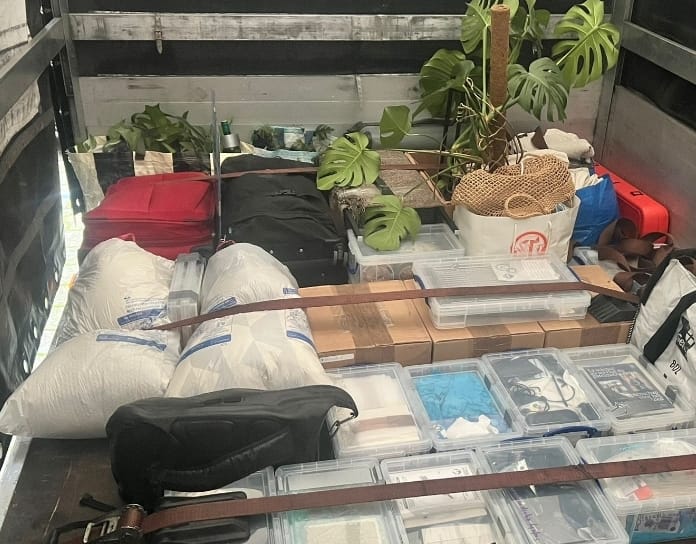
Household goods also need attention. If you are bringing used personal belongings, check Swiss Customs information about moving household effects and the relocation import procedure. You may need Form 18.44 and a clear inventory.
Prepare a document folder with:
- Passport or national ID
- Employment contract, study confirmation or proof of purpose of stay
- Rental contract or temporary housing confirmation
- Visa or permit documents where required
- Marriage and birth certificates if moving with family
- Health insurance documents once arranged
- Inventory list for household goods
- Swiss customs forms for removal goods
Moving Your Belongings to Switzerland
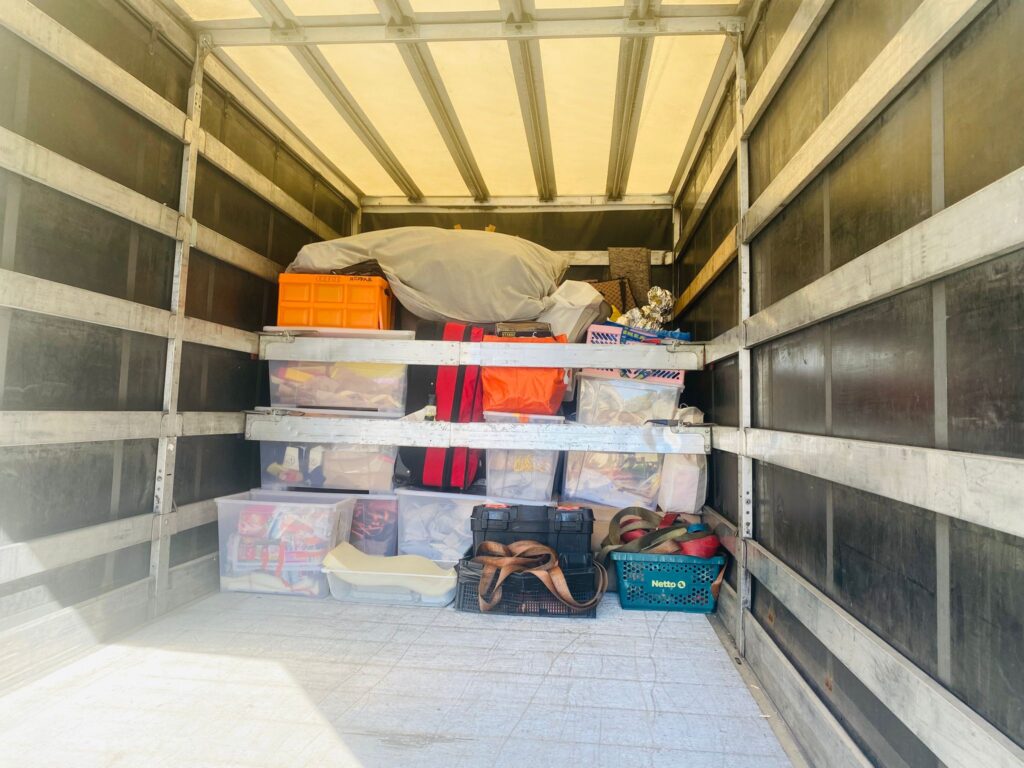
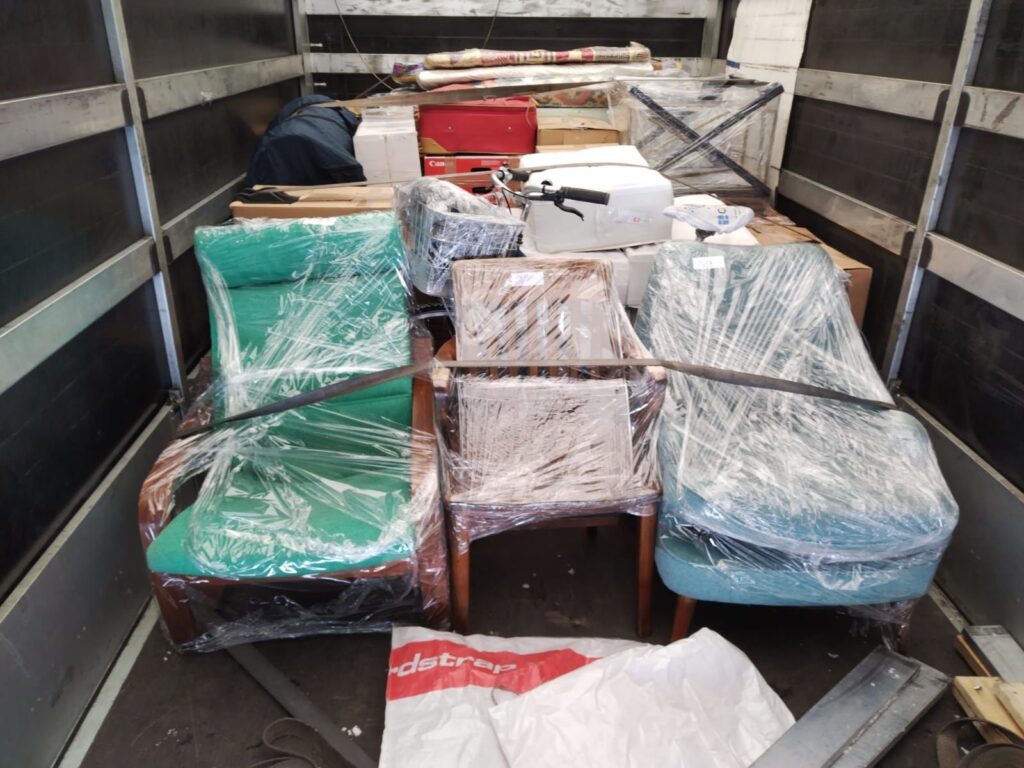
Moving to Switzerland is more than loading boxes into a van. You need to think about customs, parking, timing, volume, fragile items and delivery access. A small mistake can create a long delay.
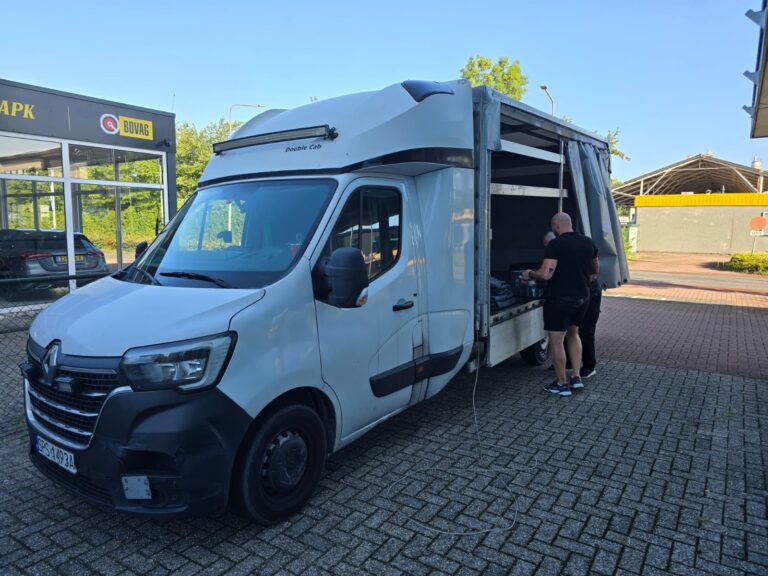
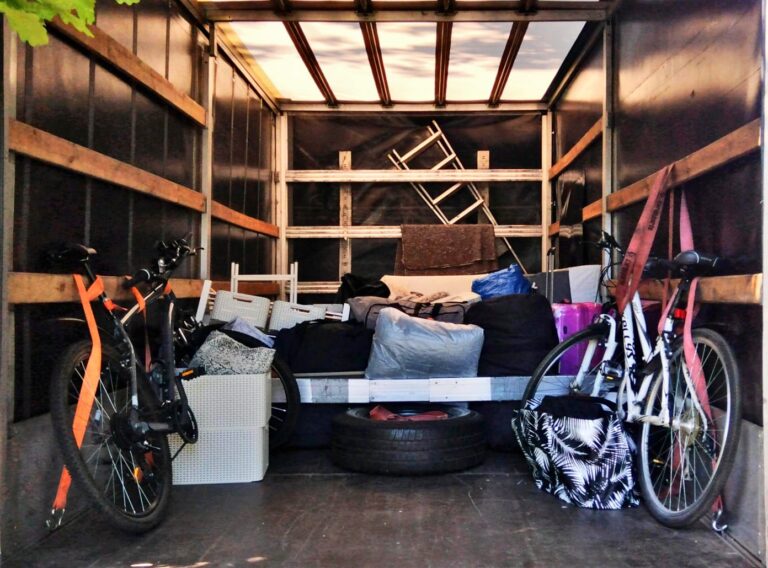
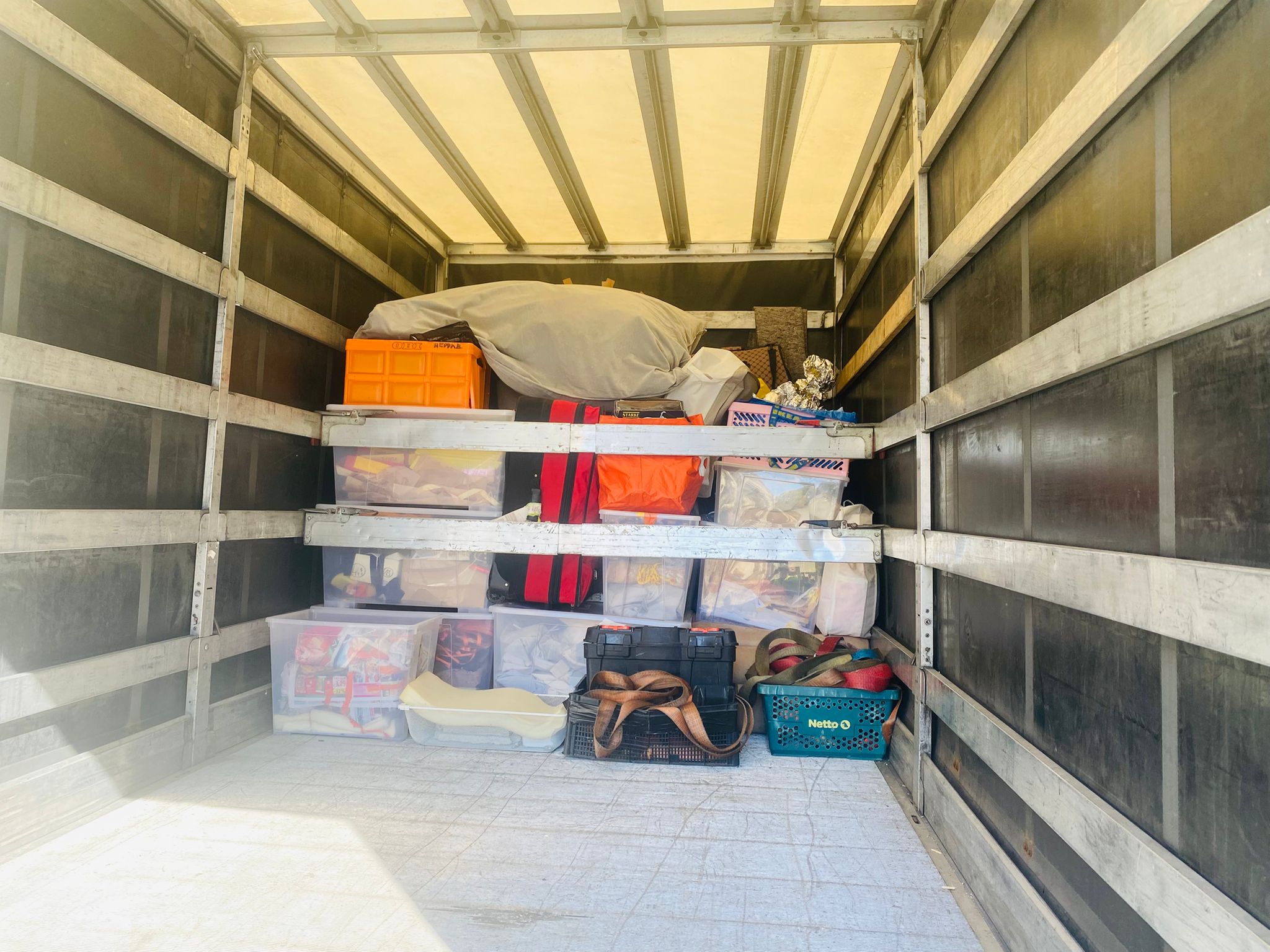
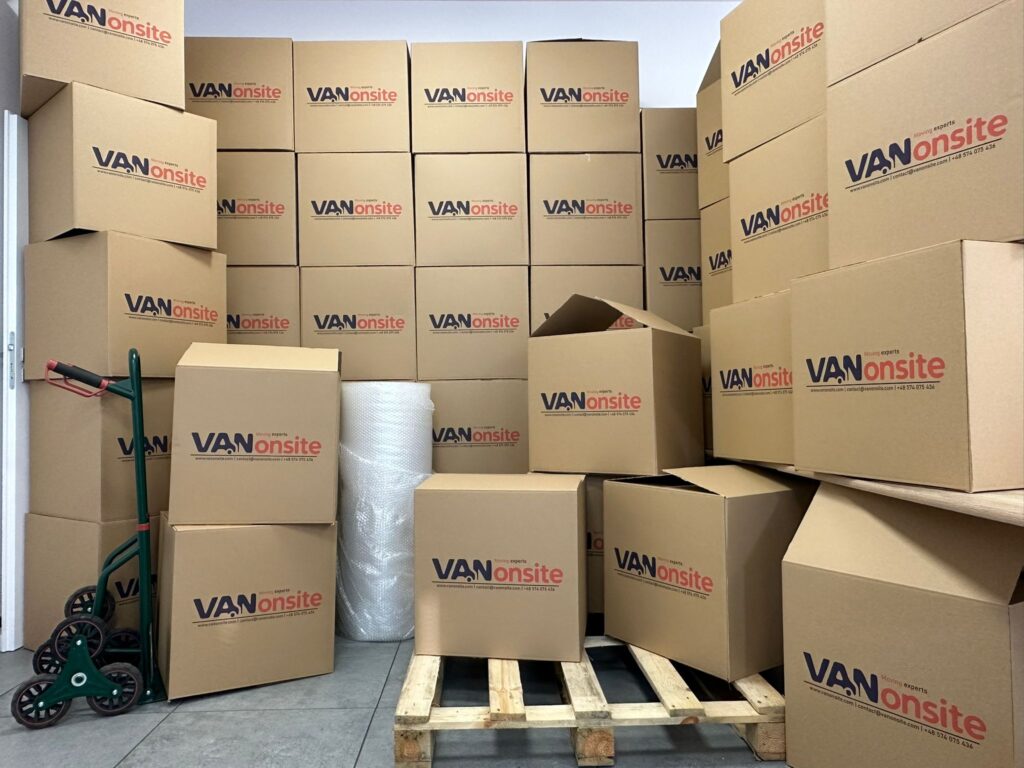
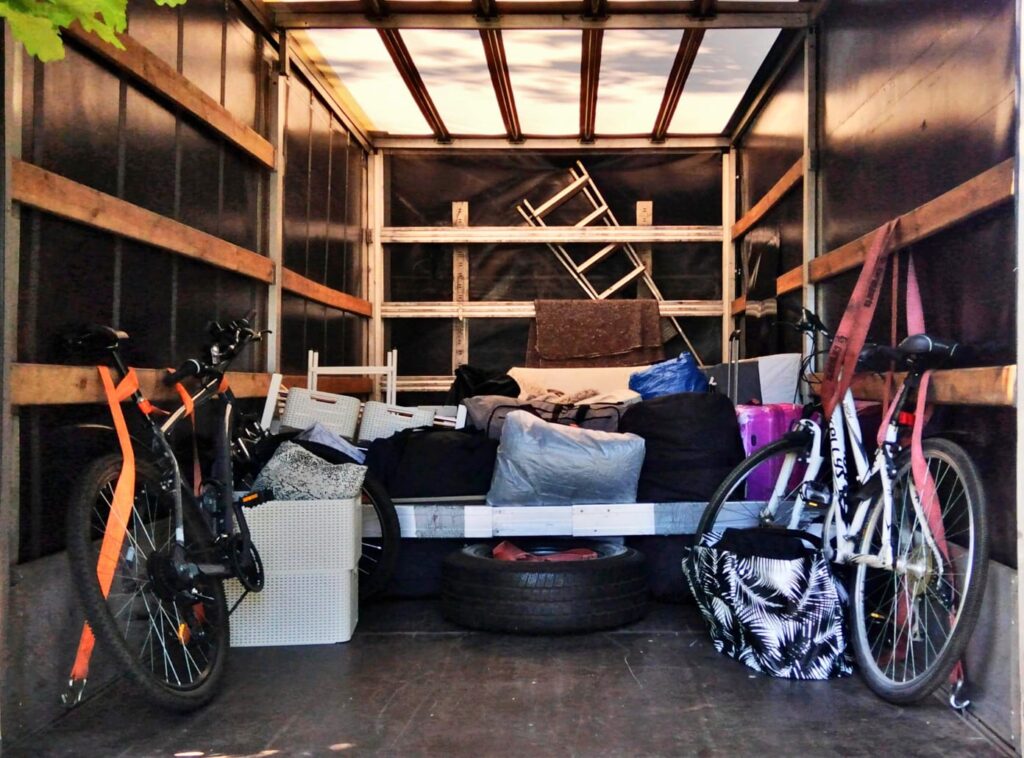
This is where VANonsite becomes valuable. The company provides secure European transport, GPS tracking for every load and a range of vehicle sizes for different move types. Whether you are taking a few essential boxes or relocating a full home, your belongings stay easier to monitor and manage.
A man and van option is especially useful for:
- Student moves
- Small apartment relocations
- Partial home moves
- Urgent job related moves
- Furniture delivery
- Home office equipment
- Fragile personal belongings
For larger moves, a full removal option can protect time, energy and peace of mind. When you are also handling registration, insurance and housing, professional transport removes one heavy burden from the list.
Which VANonsite Vehicle Size Fits Your Move?
The right vehicle size can save money and prevent stress. Too small, and your move becomes a puzzle. Too large, and you may pay for space you do not use.
| VANonsite Option | Capacity | Weight Limit | Best For |
|---|---|---|---|
| Moving One | 1 m3 | 100 kg | Suitcases, boxes and documents |
| Moving Basic | 5 m3 | 300 kg | Light man and van move or studio items |
| Moving Medium | 10 m3 | 500 kg | Small flat or selected furniture |
| Moving Premium | 15 m3 | 1,100 kg | Larger apartment belongings |
| Moving Premium Plus | 30 m3 | 3,500 kg | Family apartment or bigger move |
| Moving Full House XXL | 90 m3 | 20,000 kg | Full house or major office relocation |
Before booking, write a simple inventory. Count boxes, measure large furniture and mark fragile items. If your Swiss address has narrow access, stairs or limited parking, share that information early.
VANonsite Services for a Swiss Relocation
Different moves need different support. VANonsite offers services that fit both personal and business relocation needs.
Last Minute Moving helps when a job start, lease change or urgent situation leaves little time.
Furniture Removals protect beds, sofas, tables, wardrobes and other valuable pieces that are expensive to replace in Switzerland.
Home Removals support larger household relocations, from packing plans to safe European transport.
Packing Service is useful for glassware, electronics, artwork, mirrors and delicate personal belongings.
White Glove Delivery suits premium items that need extra care and careful placement.
Office Removals help companies move desks, files, IT equipment and workplace furniture with less disruption.
Storage can bridge the gap if your Swiss apartment is not ready when your belongings arrive.
Student Removals are ideal for smaller, budget conscious moves to Swiss universities.
Office Furniture Installation helps businesses set up workspaces faster after relocation.

Renting a Home in Switzerland
Renting is often the hardest practical step. Good apartments in popular cities move quickly. Agencies and landlords may receive many applications, so preparation matters.
A strong rental application can include ID, proof of income, employment contract, residence information, references and a polite introduction. If you already live in Switzerland, you may also need a debt collection register extract.
Pay attention to building rules. Some apartments have strict move in windows, elevator rules, stairwell restrictions and parking limits. For smooth delivery, confirm access before your transport date. This is especially important in cities where streets are narrow and stopping space is limited.
Working in Switzerland
Switzerland has strong career opportunities in finance, pharmaceuticals, engineering, healthcare, hospitality, technology, research and international organisations. Salaries can be attractive, but competition is serious and local language skills can make a big difference.
A practical work relocation sequence looks like this:
- Confirm your job offer or legal work route.
- Check visa or permit requirements.
- Choose your canton and commute area.
- Search for housing.
- Estimate your first three months of costs.
- Prepare documents and customs paperwork.
- Book your VANonsite transport.
- Register locally after arrival.
- Arrange health insurance, banking and utilities.
Switzerland respects organised people. A complete file and clear moving plan can save hours of stress.
Healthcare, Schools and Family Life
Healthcare in Switzerland is high quality, but basic health insurance is mandatory for residents. Premiums vary by canton, age and insurance model. Add this cost to your budget before you move, not after.
For families, Switzerland can be an excellent place to live. Many neighbourhoods feel safe, public transport is reliable and nature is close. Public schools have a strong reputation, though local language can be a challenge at first. International schools are available in larger cities, but fees can be high.
Students also find Switzerland attractive, especially in Zurich, Lausanne, Geneva, Basel, Bern and St. Gallen. The lifestyle is inspiring, but budgets need discipline. Student removals can help keep the move simple, especially when transporting boxes, books, a desk, clothes and personal essentials.
Transport, Driving and Everyday Mobility
Public transport is one of Switzerland’s greatest strengths. Trains, trams, buses and boats connect cities and towns with impressive reliability. In major cities, many people live comfortably without a car.
Driving can be useful in rural or mountain areas, but parking rules, road access and winter conditions require planning. For removals, those details matter even more. A delivery vehicle needs safe access, legal stopping space and realistic timing.
VANonsite’s experience with European transport helps reduce this pressure. Moving is not only about distance. It is about getting the right load to the right address safely and on time.
Pros and Cons of Living in Switzerland
| Pros | Cons |
|---|---|
| Very high safety | High cost of living |
| Strong salaries in many sectors | Competitive rental market |
| Excellent public transport | Strict rules and paperwork |
| Clean cities and villages | Social integration can be slow |
| Beautiful lakes and mountains | Restaurants and services are expensive |
| Good healthcare and schools | Mandatory insurance costs |
| Central location in Europe | Local language can be a barrier |
Switzerland’s strengths are powerful, but they come with responsibility. The more prepared you are, the more rewarding the country becomes.
Moving Checklist for Switzerland
Use this checklist before relocating:
- Confirm your visa, permit or residence route.
- Choose your canton, city and neighbourhood.
- Estimate the cost of living in Switzerland.
- Search for housing early.
- Create a detailed inventory of belongings.
- Decide what to sell, store or transport.
- Prepare customs documents for household goods.
- Choose the right VANonsite vehicle size.
- Book your man and van or full removal service.
- Confirm parking and delivery access.
- Register with your commune after arrival.
- Arrange health insurance.
- Set up banking, utilities and phone service.
- Learn recycling rules and quiet hours.
- Give yourself time to adjust.
Common Mistakes When Moving to Switzerland
The most common mistakes are easy to avoid if you prepare early. Do not underestimate rent, deposits or health insurance. Do not leave customs paperwork until the last day. Do not assume every canton has the same process. Do not book a vehicle before checking how much you actually need to move.
Also, do not ignore delivery access. Swiss streets, apartment buildings and parking rules can be unforgiving. A professional moving partner can help you plan around these details before they become problems.
Final Answer: How Is Living in Switzerland?
So, how is living in Switzerland? It is safe, clean, expensive, structured and often spectacular. It is not the easiest country to enter casually, but it can be one of the most rewarding places to live when you arrive prepared.
The country suits people who value quality over chaos and long term stability over quick convenience. If you plan your budget, documents, housing and transport, Switzerland can offer a chapter that feels secure and full of possibility.
VANonsite helps make that chapter easier to begin. With GPS tracked loads, secure transport, flexible vehicle sizes and trusted European moving services, your relocation to Switzerland can feel less like a stressful leap and more like a confident arrival.
FAQ
How is living in Switzerland for expats?
Living in Switzerland for expats is usually safe, comfortable and well organised. It is expensive, but strong salaries, excellent transport and high quality services make it attractive for many newcomers.
Is living in Switzerland good?
Yes, living in Switzerland is good if you have realistic expectations and a stable budget. It is especially strong for safety, nature, public transport, healthcare, education and career opportunities.
What is the cost of living in Switzerland?
The cost of living in Switzerland is high. Rent, health insurance, groceries and restaurants are the biggest expenses. Smaller towns may be more affordable than Zurich, Geneva or Zug.
Are people living in Switzerland friendly to foreigners?
People living in Switzerland are usually polite and respectful, but social integration can take time. Learning the local language and respecting local customs helps build trust.
Can VANonsite help with a man and van move to Switzerland?
Yes. VANonsite offers man and van transport, home removals, furniture removals, packing service, storage, office removals and larger vehicle options for moves to Switzerland.