
Moving to Switzerland can feel like entering a country where everything runs with rare precision. The trains are punctual, cities are clean, salaries are attractive and daily life feels calm, safe and well organised. But before you start imagining weekends by Lake Geneva or a new job in Zurich, one serious question appears: how does tax in Switzerland for foreigners actually work?
The simple answer is this: Switzerland does not have one universal tax rate. Your final tax depends on your canton, commune, income, residence permit, family situation and type of employment. Many foreign employees pay tax at source, which means it is deducted directly from salary. Others need to file an annual tax return, especially if they hold a C permit, earn above certain thresholds or have more complex finances.
Tax is only one part of a successful relocation. You also need to think about permits, health insurance, housing, customs, moving costs and the practical side of transporting your life across the border. This is where planning becomes powerful.
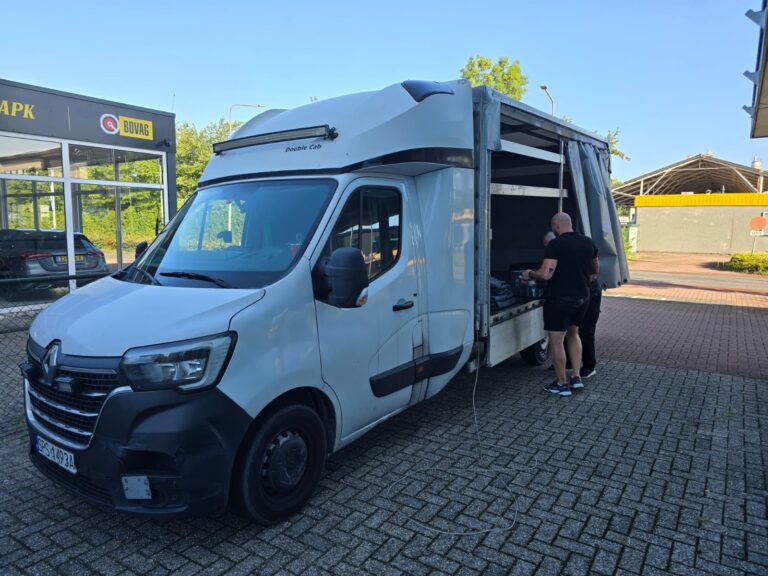
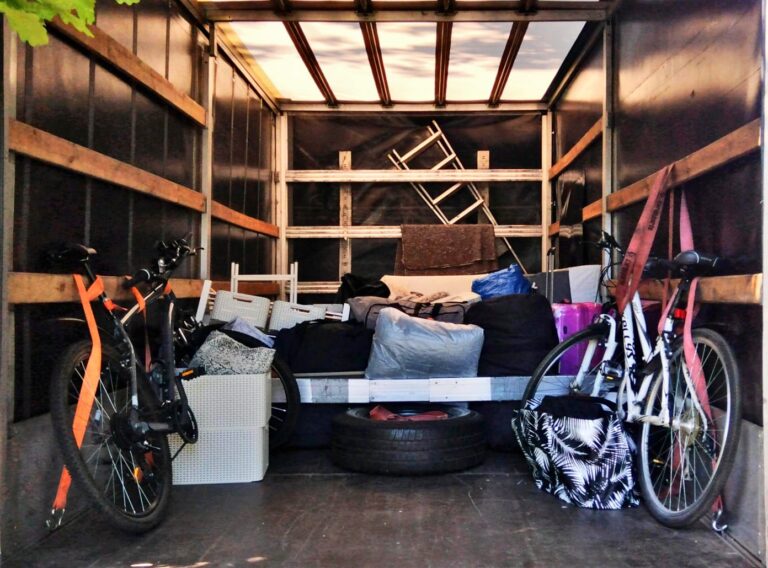
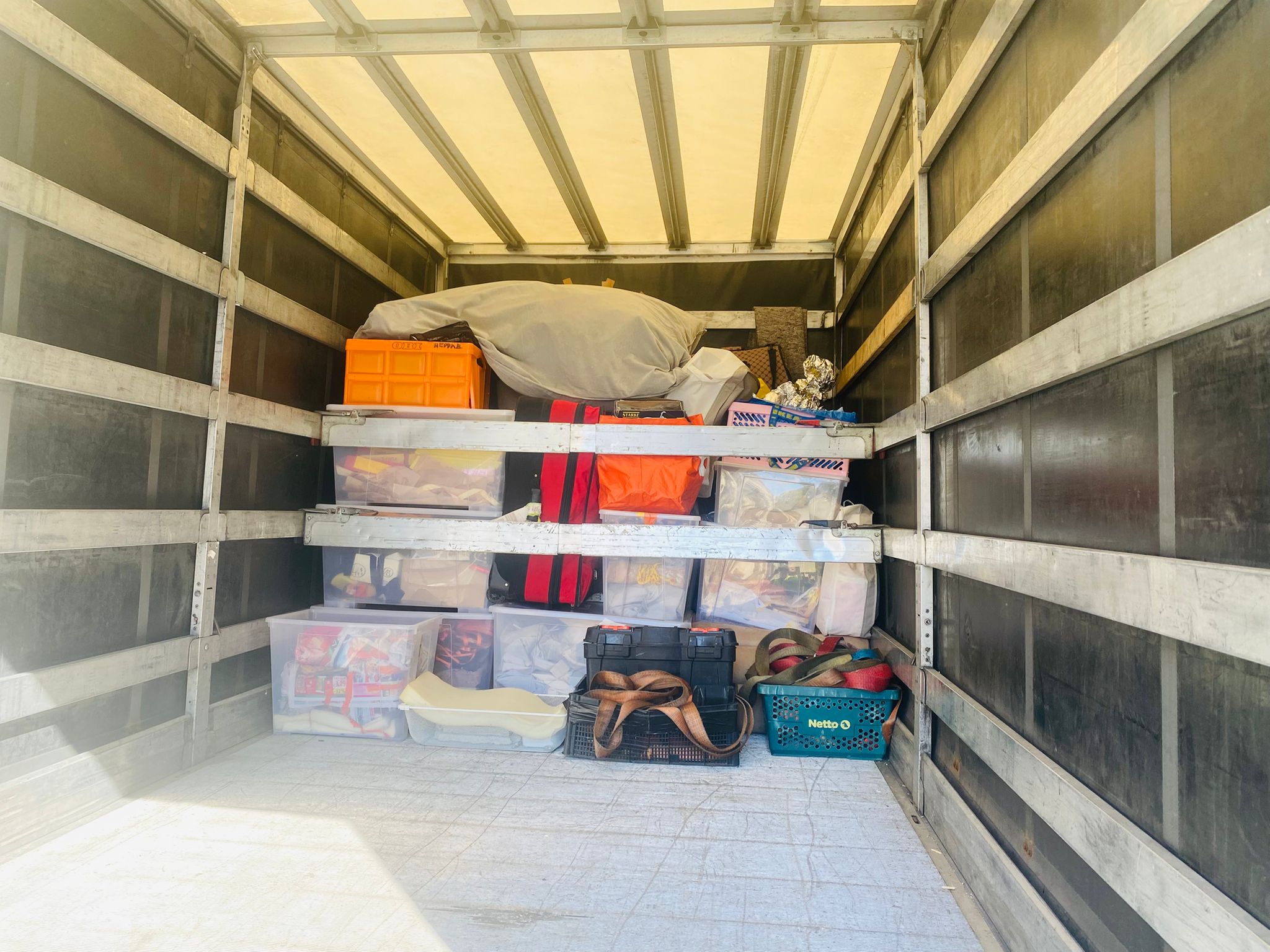
VANonsite helps people move to Switzerland from across Europe with secure, GPS tracked removals, man and van options, professional packing, storage, furniture removals and dedicated transport. Whether you are moving a few boxes or a full family home, a reliable move gives you space to focus on your new start, not on stress.
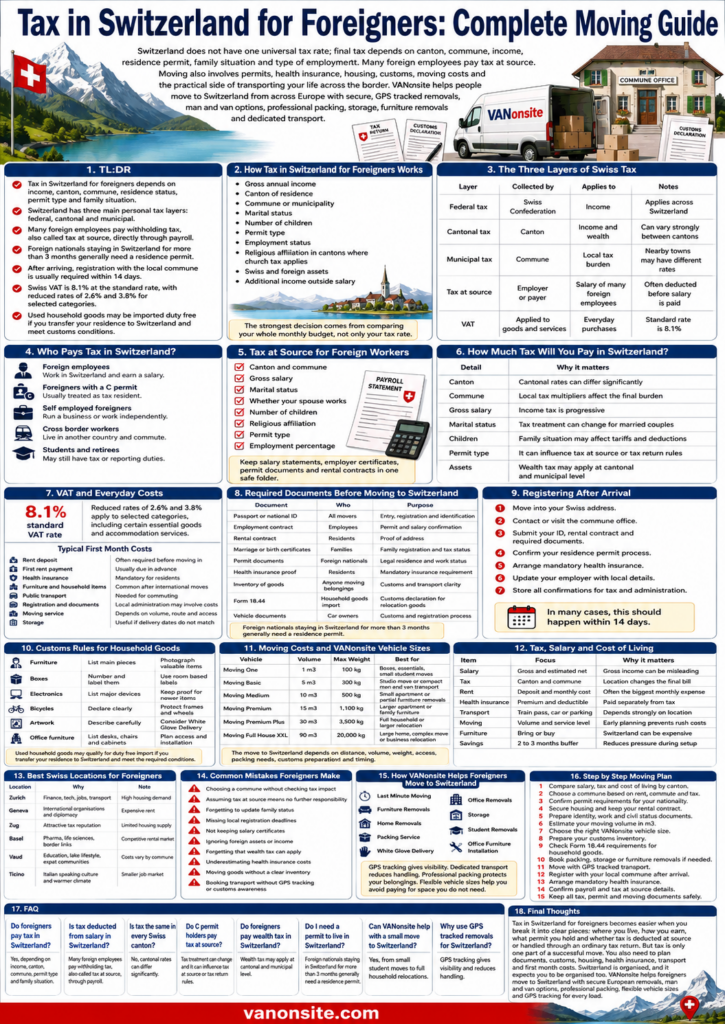
TL:DR
- Tax in Switzerland for foreigners depends on income, canton, commune, residence status, permit type and family situation.
- Switzerland has three main personal tax layers: federal, cantonal and municipal.
- Many foreign employees pay withholding tax, also called tax at source, directly through payroll.
- Foreign nationals staying in Switzerland for more than 3 months generally need a residence permit.
- After arriving, registration with the local commune is usually required within 14 days.
- Swiss VAT is 8.1% at the standard rate, with reduced rates of 2.6% and 3.8% for selected categories.
- Used household goods may be imported duty free if you transfer your residence to Switzerland and meet customs conditions.




How Tax in Switzerland for Foreigners Works
Tax in Switzerland for foreigners is based on where you live, how much you earn and how you are registered. Switzerland is a federal country, so taxes are not handled by one central office only. Instead, personal tax usually includes federal tax, cantonal tax and municipal tax.
This means two people with the same salary can pay different amounts. A foreign worker in Zurich, Geneva, Basel, Zug or Lausanne may have the same gross income, but a different final tax burden. That difference comes from cantonal and local rules.
The main factors that influence tax in Switzerland for foreigners include:
- Gross annual income
- Canton of residence
- Commune or municipality
- Marital status
- Number of children
- Permit type
- Employment status
- Religious affiliation in cantons where church tax applies
- Swiss and foreign assets
- Additional income outside salary
This is why tax should be checked before signing a long rental contract. A commune that looks attractive on a map may be expensive in practice. Another town, only 20 or 30 minutes away, may offer a better balance between rent, commute and tax.
However, the lowest tax location is not always the best choice. Housing supply, salary level, schools, transport links and quality of life matter too. The strongest decision comes from comparing your whole monthly budget, not only your tax rate.
The Three Layers of Swiss Tax
The Swiss tax system becomes easier once you understand its three main layers.
| Tax layer | Who charges it | What it affects | Why it matters |
|---|---|---|---|
| Federal tax | Swiss Confederation | Income | Applies across Switzerland |
| Cantonal tax | Canton | Income and wealth | Can vary strongly between cantons |
| Municipal tax | Commune | Local tax burden | Nearby towns may have different rates |
| Tax at source | Employer or payer | Salary of many foreign employees | Often deducted before salary is paid |
| VAT | Applied to goods and services | Everyday purchases | Standard rate is 8.1% |
Federal tax is the national part. Cantonal and municipal taxes are local parts. In practice, your canton and commune often make a major difference to your final tax bill.
For example, a person earning CHF 100,000 per year may not have the same net income in every Swiss location. Tax, rent, insurance and transport costs all shape the real financial result. This is why tax in Switzerland for foreigners should always be viewed together with the cost of living.
Who Pays Tax in Switzerland?
Foreigners may pay tax in Switzerland if they live there, work there, own taxable assets, receive Swiss income or become Swiss tax resident. The exact treatment depends on personal circumstances.
Foreign employees
Many foreign employees pay tax at source. This means the employer deducts tax from salary before paying the net amount. It is common for foreign workers who do not hold a C permit.
This system is convenient, but it still needs attention. Your employer and the authorities may need accurate information about your marital status, children, commune, permit type and religion. If your situation changes, your tax deduction may need to change too.
Foreigners with a C permit
Many C permit holders are taxed through the ordinary tax return system, similar to Swiss citizens. This means they usually report income, assets, debts and deductions through an annual return.
This can create more paperwork, but it can also give more control. You may be able to claim eligible deductions and report your full financial situation more accurately.
Self employed foreigners
Self employed foreigners need to be especially organised. They must track invoices, business expenses, social contributions and possible VAT obligations. Consultants, freelancers, contractors and small business owners should get tailored advice before launching activity in Switzerland.
Cross border workers
Some people live in France, Germany, Italy or Austria and work in Switzerland. These workers may fall under special rules depending on where they live, where they work, how often they work remotely and which tax treaty applies.
Cross border tax can be sensitive. Even a change in home office days may matter. For this reason, cross border workers should not rely on general advice only.
Students and retirees
Students, retirees and financially independent movers may still have tax obligations if they become resident, receive pension income, hold assets or stay long enough to trigger Swiss residence rules. Even without employment income, paperwork can still matter.
Tax at Source for Foreign Workers
Tax in Switzerland for foreigners often starts with tax at source. This is also known as withholding tax. For many foreign employees, the employer deducts tax directly from salary and pays it to the authorities.
This can make the first months in Switzerland feel easier. You do not need to calculate and pay your full tax bill independently from the beginning. But it does not mean tax disappears from your life.
Tax at source can depend on:
- Canton and commune
- Gross salary
- Marital status
- Whether your spouse works
- Number of children
- Religious affiliation
- Permit type
- Employment percentage
If you get married, have a child, change commune, increase your salary or change jobs, your tax situation may need to be updated. Some foreign employees who pay tax at source may also need an ordinary tax assessment, especially when income, deductions, assets or personal circumstances become more complex.
In short, tax at source is helpful, but it is not something to ignore. Keep salary statements, employer certificates, permit documents and rental contracts in one safe folder.
How Much Tax Will You Pay in Switzerland?
There is no honest single rate for tax in Switzerland for foreigners. The answer depends on too many personal and local factors. A reliable estimate needs your canton, commune, salary, family status, permit type and sometimes even religious affiliation.
| Detail | Why it matters |
|---|---|
| Canton | Cantonal rates can differ significantly |
| Commune | Local tax multipliers affect the final burden |
| Gross salary | Income tax is progressive |
| Marital status | Tax treatment can change for married couples |
| Children | Family situation may affect tariffs and deductions |
| Permit type | It can influence tax at source or tax return rules |
| Assets | Wealth tax may apply at cantonal and municipal level |
A foreign worker earning CHF 80,000, CHF 120,000 or CHF 180,000 may experience Switzerland very differently. At higher incomes, differences between cantons become more visible. At lower incomes, rent and health insurance may feel heavier than income tax itself.
Before accepting a job offer, compare the full picture: estimated net salary, rent, mandatory health insurance, commuting, food, pension deductions and moving costs. Gross salary alone can be seductive, but it is not the number you live on.
VAT and Everyday Costs
Swiss VAT is not the same as income tax, but it affects everyday life. The standard VAT rate is 8.1%. Reduced rates of 2.6% and 3.8% apply to selected categories, including certain essential goods and accommodation services.
For newcomers, VAT matters because the first months can be expensive. You may need furniture, kitchen equipment, insurance, public transport, phone contracts and home essentials. If you move without enough belongings, you may spend more than expected after arrival.
| First month cost | Why it appears quickly |
|---|---|
| Rent deposit | Often required before moving in |
| First rent payment | Usually due in advance |
| Health insurance | Mandatory for residents |
| Furniture and household items | Common after international moves |
| Public transport | Needed for commuting |
| Registration and documents | Local administration may involve costs |
| Moving service | Depends on volume, route and access |
| Storage | Useful if delivery dates do not match |
This is why bringing the right items can be financially smart. If your furniture, work equipment and household essentials are worth keeping, professional removals may cost less than replacing everything in Switzerland.
Required Documents Before Moving to Switzerland
Paperwork is not exciting, but in Switzerland it can save time, money and nerves. If your documents are clean and organised, your first weeks become smoother.
Useful official information is available through ch.ch guidance on moving to Switzerland, Swiss residence permit guidance, working in Switzerland as a foreign national and Swiss customs information for household effects.
| Document | Who may need it | Why it matters |
|---|---|---|
| Passport or national ID | All movers | Entry, registration and identification |
| Employment contract | Employees | Permit and salary confirmation |
| Rental contract | Residents | Proof of address |
| Marriage or birth certificates | Families | Family registration and tax status |
| Permit documents | Foreign nationals | Legal residence and work status |
| Health insurance proof | Residents | Mandatory insurance requirement |
| Inventory of goods | Anyone moving belongings | Customs and transport clarity |
| Form 18.44 | Household goods import | Customs declaration for relocation goods |
| Vehicle documents | Car owners | Customs and registration process |
Foreign nationals staying in Switzerland for more than 3 months generally need a residence permit. Requirements can differ depending on nationality, job status and reason for moving.
Keep digital and printed copies of your most important documents. Do not pack them deep inside a random box. During an international move, your passport, rental contract, work contract and inventory should stay easy to reach.
Registering After Arrival
After arriving in Switzerland, you normally need to register with your local commune. In many cases, this should happen within 14 days. This step connects to residence permits, taxation, health insurance, banking, employment records and school arrangements.
A simple arrival process looks like this:
- Move into your Swiss address.
- Contact or visit the commune office.
- Submit your ID, rental contract and required documents.
- Confirm your residence permit process.
- Arrange mandatory health insurance.
- Update your employer with local details.
- Store all confirmations for tax and administration.
This is where reliable delivery timing becomes valuable. If your belongings are late or your key documents are packed incorrectly, your first week can become chaotic.
VANonsite provides GPS tracking for every load, helping customers coordinate arrival, delivery, registration and handover more calmly.
Customs Rules for Household Goods
Switzerland is not an EU member, so customs planning matters when moving household goods. Used household goods may qualify for duty free import if you transfer your residence to Switzerland and meet the required conditions. In general, the goods should have been personally used before import and should continue to be used after arrival.
A clear inventory is essential. It should list furniture, boxes, electronics, bikes, tools, personal items and high value goods. Customs officers need clarity, not creative descriptions.
| Item type | What to prepare | Practical tip |
|---|---|---|
| Furniture | List main pieces | Photograph valuable items |
| Boxes | Number and label them | Use room based labels |
| Electronics | List major devices | Keep proof for newer items |
| Bicycles | Declare clearly | Protect frames and wheels |
| Artwork | Describe carefully | Consider White Glove Delivery |
| Office furniture | List desks, chairs and cabinets | Plan access and installation |
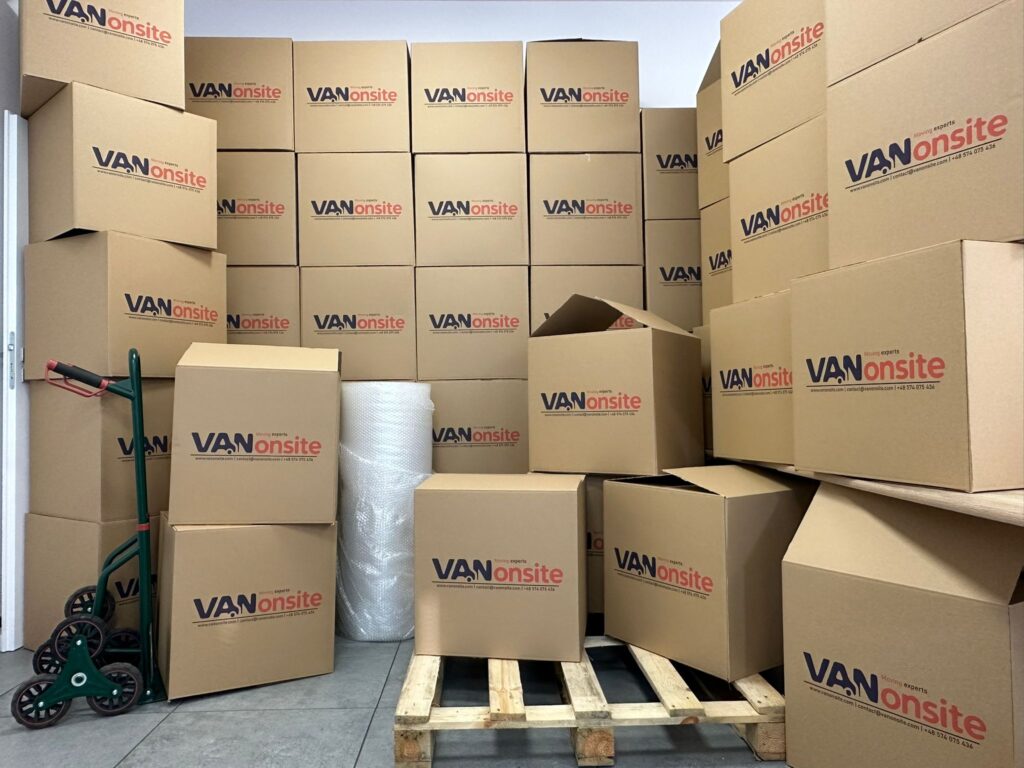
VANonsite can support Swiss moves with professional packing, furniture removals, storage and dedicated transport. This is especially useful when your shipment needs to stay organised for customs, delivery and fast home setup.

Moving Costs and VANonsite Vehicle Sizes
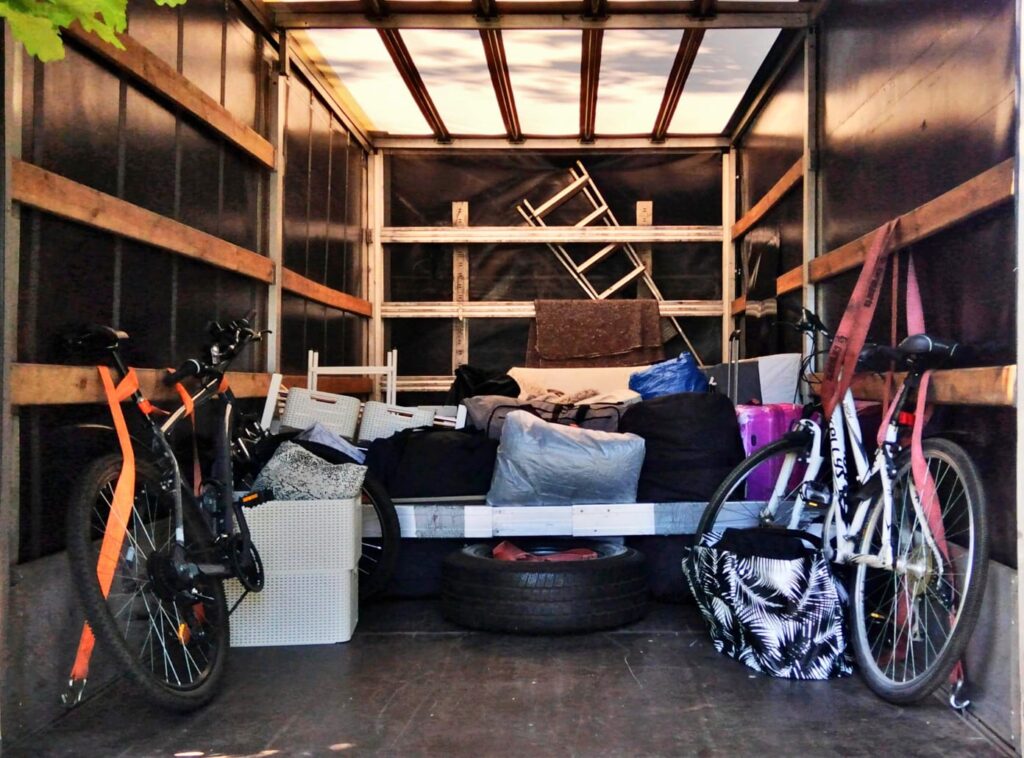
The cost of moving to Switzerland depends on distance, volume, weight, access, packing needs, customs preparation and timing. A student move with boxes is very different from a family relocation with furniture, bikes and office equipment.
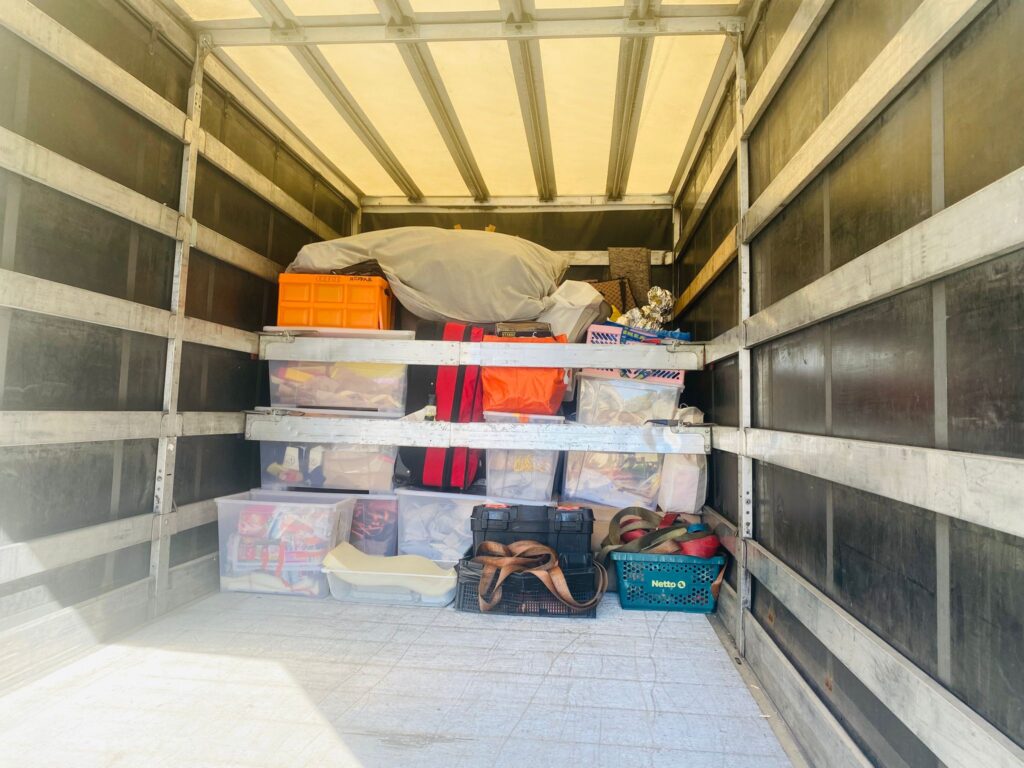
VANonsite offers flexible vehicle sizes for different relocation needs.
| Package | Capacity | Weight limit | Best for |
|---|---|---|---|
| Moving One | 1 m3 | 100 kg | Boxes, essentials, small student moves |
| Moving Basic | 5 m3 | 300 kg | Studio move or compact man and van transport |
| Moving Medium | 10 m3 | 500 kg | Small apartment or partial furniture removals |
| Moving Premium | 15 m3 | 1,100 kg | Larger apartment or family furniture |
| Moving Premium Plus | 30 m3 | 3,500 kg | Full household or larger relocation |
| Moving Full House XXL | 90 m3 | 20,000 kg | Large home, complex move or business relocation |
The best option is not always the cheapest one. It is the option that protects your schedule, belongings and peace of mind. A 5 m3 man and van move may be perfect for a light relocation. A 15 m3 or 30 m3 van may suit a larger apartment or family move. A 90 m3 option is built for full homes, large loads and complex relocations.
For service details, quotes and route planning, visit Removals to Switzerland.
Tax, Salary and Cost of Living
A Swiss salary can look impressive from abroad. But the number that matters is not gross salary. The real number is what remains after tax, social deductions, health insurance, rent, transport and daily living costs.
| Budget area | What to check | Why it matters |
|---|---|---|
| Salary | Gross and estimated net | Gross income can be misleading |
| Tax | Canton and commune | Location changes the final bill |
| Rent | Deposit and monthly cost | Often the biggest monthly expense |
| Health insurance | Premium and deductible | Paid separately from tax |
| Transport | Train pass, car or parking | Depends strongly on location |
| Moving | Volume and service level | Early planning prevents rush costs |
| Furniture | Bring or buy | Switzerland can be expensive |
| Savings | 2 to 3 months buffer | Reduces pressure during setup |
Foreigners often ask, “How much tax will I pay?” A better question is: “What will my life cost each month after I arrive?” That answer is more useful because it shows whether your relocation is genuinely comfortable.
Best Swiss Locations for Foreigners
Tax in Switzerland for foreigners should not be judged in isolation. Some cantons are known for attractive tax conditions, while others offer stronger job markets, better international schools or easier access to housing.
| Area | Common appeal | Possible challenge |
|---|---|---|
| Zurich | Finance, tech, jobs, transport | High housing demand |
| Geneva | International organisations and diplomacy | Expensive rent |
| Zug | Attractive tax reputation | Limited housing supply |
| Basel | Pharma, life sciences, border links | Competitive rental market |
| Vaud | Education, lake lifestyle, expat communities | Costs vary by commune |
| Ticino | Italian speaking culture and warmer climate | Smaller job market |
A lower tax canton may not help if rent is too high or commuting is exhausting. A higher cost city may still be worth it if it offers better career growth, schools or daily comfort. The right choice balances tax, salary, housing and lifestyle.
Common Mistakes Foreigners Make
Switzerland rewards preparation. It can be unforgiving when people rely on assumptions.
Common mistakes include:
- Choosing a commune without checking tax impact
- Assuming tax at source means no further responsibility
- Forgetting to update family status
- Missing local registration deadlines
- Not keeping salary certificates
- Ignoring foreign assets or income
- Forgetting that wealth tax can apply
- Underestimating health insurance costs
- Moving goods without a clear inventory
- Booking transport without GPS tracking or customs awareness
The last point matters more than it seems. A delayed or disorganised move can affect registration, job start dates, temporary accommodation and customs clarity. Saving a small amount on transport can become expensive if the move turns chaotic.
How VANonsite Helps Foreigners Move to Switzerland
A move to Switzerland is not only about loading boxes into a van. It is a border crossing, a paperwork process and a major life change. You may need to coordinate a job start, rental handover, customs declaration and commune registration in the same week.
VANonsite supports this process with secure European removals, GPS tracking and flexible services, including:
- Last Minute Moving for urgent relocations
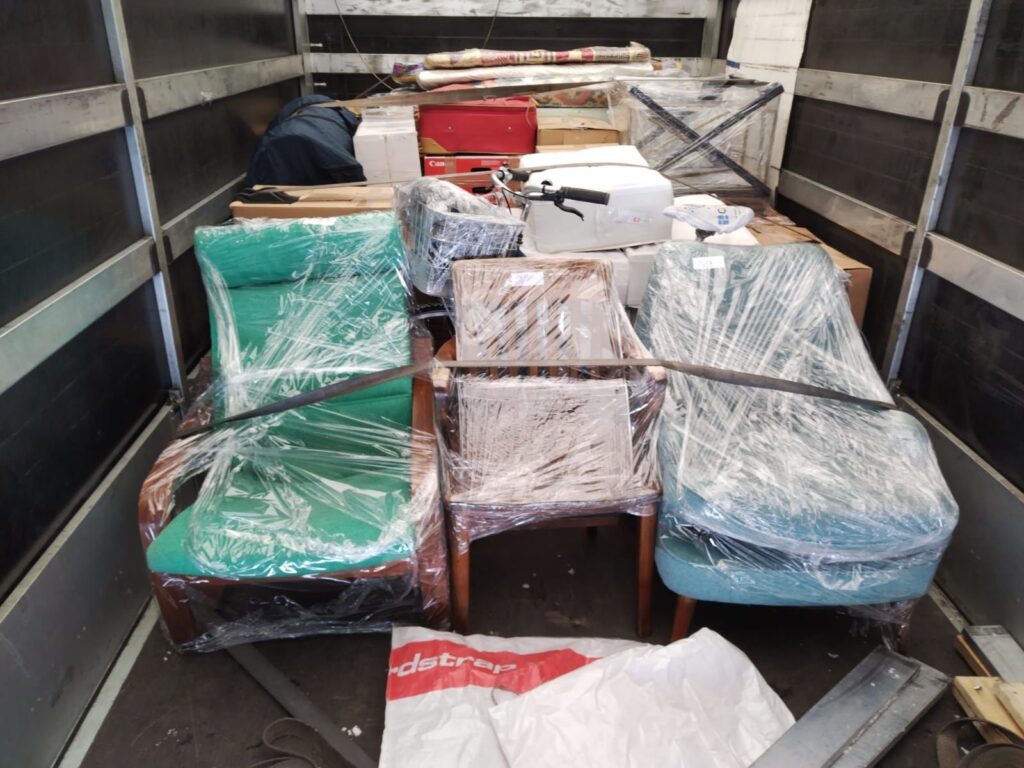
- Furniture Removals for sofas, beds, wardrobes and fragile pieces
- Home Removals for apartments and full households
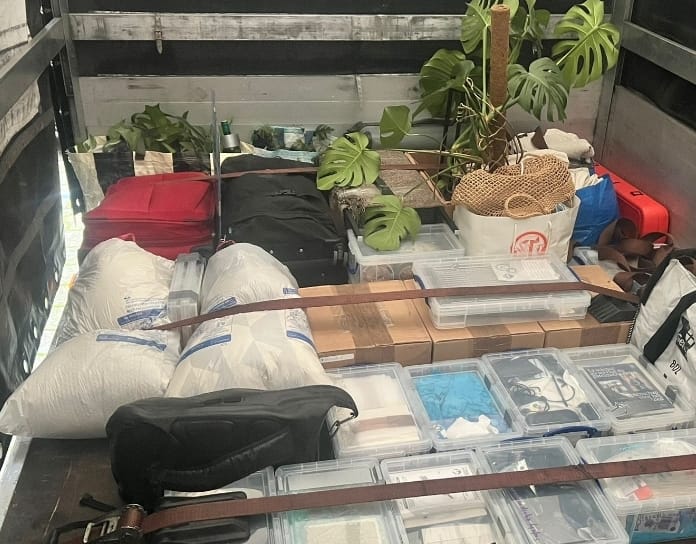
- Packing Service with proper materials and careful preparation
- White Glove Delivery for premium or delicate items
- Office Removals for business relocations
- Storage for flexible timing
- Student Removals for smaller moves
- Office Furniture Installation for workplace setup
The real value is control. GPS tracking gives visibility. Dedicated transport reduces handling. Professional packing protects your belongings. Flexible vehicle sizes help you avoid paying for space you do not need.
Step by Step Moving Plan
Use this checklist before moving to Switzerland.
- Compare salary, tax and cost of living by canton.
- Choose a commune based on rent, commute and tax.
- Confirm permit requirements for your nationality.
- Secure housing and keep your rental contract.
- Prepare identity, work and civil status documents.
- Estimate your moving volume in m3.
- Choose the right VANonsite vehicle size.
- Prepare your customs inventory.
- Check Form 18.44 requirements for household goods.
- Book packing, storage or furniture removals if needed.
- Move with GPS tracked transport.
- Register with your local commune after arrival.
- Arrange mandatory health insurance.
- Confirm payroll and tax at source details.
- Keep all tax, permit and moving documents safely.
This order keeps the move structured. It connects tax, documents, customs and transport into one practical plan. Instead of reacting to problems, you arrive prepared.
FAQ: Tax in Switzerland for Foreigners
Do foreigners pay tax in Switzerland?
Yes. Foreigners may pay tax in Switzerland if they live, work, earn income or own taxable assets there. The exact rules depend on residence, income, permit type and canton.
Is tax deducted from salary in Switzerland?
Often, yes. Many foreign employees pay tax at source, which means the employer deducts tax directly from salary.
Is tax the same in every Swiss canton?
No. Switzerland has federal, cantonal and municipal taxes. The canton and commune can make a major difference to the final amount.
Do C permit holders pay tax at source?
Many C permit holders are taxed through the ordinary tax return system, similar to Swiss citizens.
Do foreigners pay wealth tax in Switzerland?
They may. Wealth tax is generally charged at cantonal and municipal level and can apply to net assets.
Do I need a permit to live in Switzerland?
Foreign nationals staying in Switzerland for more than 3 months generally need a residence permit. Work rules depend on nationality and employment type.
Can VANonsite help with a small move to Switzerland?
Yes. VANonsite offers Moving One at 1 m3, Moving Basic at 5 m3 and larger options up to 90 m3, including man and van style moves.
Why use GPS tracked removals for Switzerland?
GPS tracking helps coordinate delivery, customs timing, registration and rental handover. It gives peace of mind when your belongings cross borders.
Final Thoughts
Tax in Switzerland for foreigners becomes easier when you break it into clear pieces: where you live, how you earn, what permit you hold and whether tax is deducted at source or handled through an ordinary tax return.
But tax is only one part of a successful move. You also need to plan documents, customs, housing, health insurance, transport and first month costs. Switzerland is organised, and it expects you to be organised too.
VANonsite helps foreigners move to Switzerland with secure European removals, man and van options, professional packing, flexible vehicle sizes and GPS tracking for every load. When tax, paperwork and transport are planned together, the move feels less like a risk and more like a confident new beginning.