
Immigrating to Switzerland can feel like stepping into a sharper, cleaner version of everyday life. The trains are punctual, the streets are polished, the mountains look unreal, and the paperwork expects your full attention. It is exciting, but it is not a move to leave until the final week.
The truth is simple: immigrating to Switzerland becomes much easier when you prepare three things early. First, your legal documents. Second, your customs inventory. Third, your transport plan. When these pieces work together, the move feels controlled instead of chaotic.
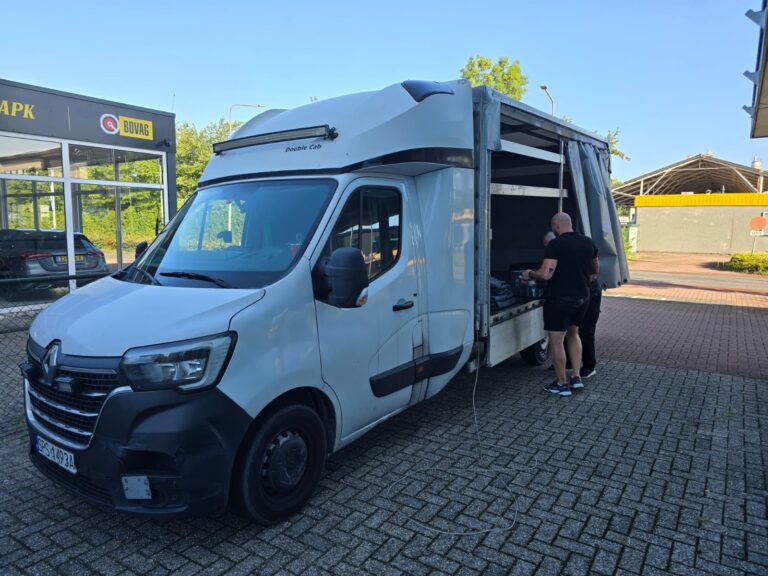
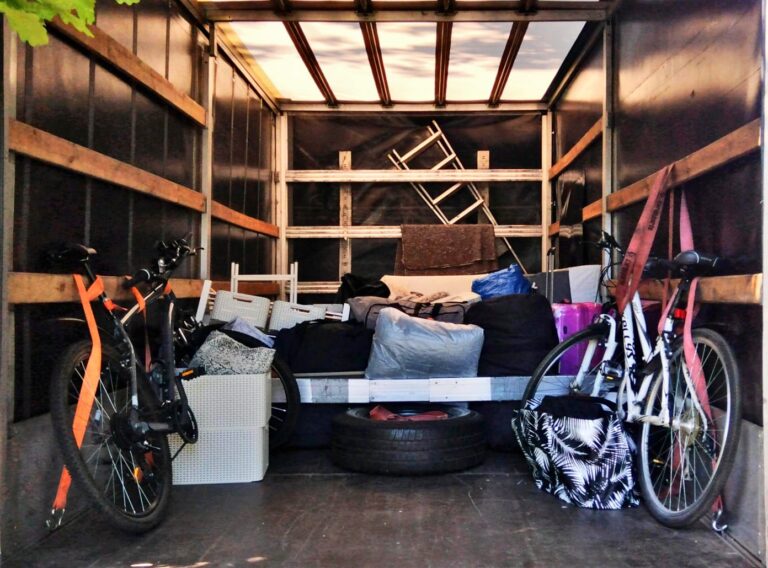
VANonsite helps people move across Europe with secure man and van transport, flexible vehicle sizes and GPS tracking for every load. Whether you are taking a few urgent boxes, a student room, office equipment or a full family home, your belongings should travel with care, speed and visibility.
If you are immigrating to Switzerland for work, study, family or a fresh start, this guide gives you the practical steps, official resources and moving advice you need before you cross the border.
TL:DR
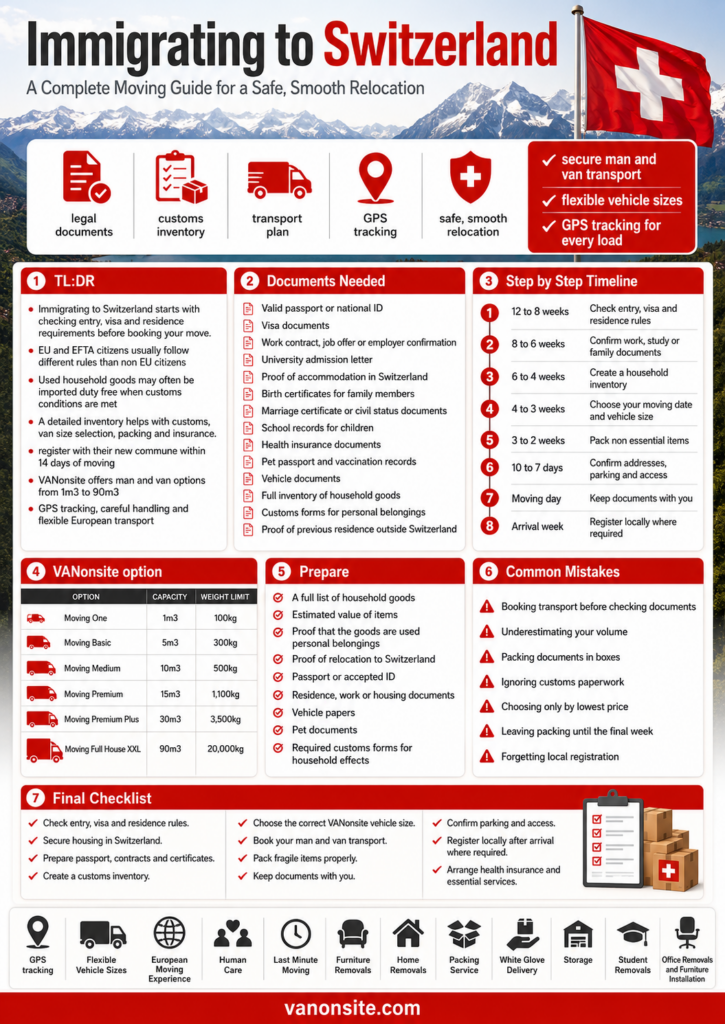
- Immigrating to Switzerland starts with checking entry, visa and residence requirements before booking your move.
- EU and EFTA citizens usually follow different rules than non EU citizens, so confirm your exact situation with official Swiss authorities.
- Used household goods may often be imported duty free when customs conditions are met and the correct documents are prepared.
- A detailed inventory helps with customs, van size selection, packing and insurance.
- Many people are expected to register with their new commune within 14 days of moving, depending on their situation.
- VANonsite offers man and van options from 1m3 to 90m3, covering small moves, student removals and full house relocations.
- GPS tracking, careful handling and flexible European transport make VANonsite a strong choice for removals to Switzerland.
Is Immigrating to Switzerland Difficult?
Immigrating to Switzerland is not impossible. It is simply detail heavy. Switzerland is organised, efficient and rule driven, which is excellent once you are settled, but demanding during relocation.
Your process depends on your nationality, your reason for moving, your planned length of stay and the canton where you will live. A student moving to Lausanne, a family relocating to Geneva and a professional starting a role in Zurich may all need different documents and timelines.
Still, the core process is similar. Before immigrating to Switzerland, you should know why you are moving, how long you intend to stay, what documents you need, what belongings you are taking and how they will enter the country.
| Moving situation | Main challenge | Best first step |
|---|---|---|
| EU or EFTA citizen moving for work | Residence and local registration rules | Check Swiss residence guidance |
| Non EU citizen moving for work | Visa, permit and employment approval | Verify SEM requirements |
| Student moving to Switzerland | Study confirmation, housing and funds | Prepare university documents |
| Family relocation | Certificates, schooling and housing | Build a shared document folder |
| Moving household goods | Customs forms and inventory | List belongings before packing |
| Last minute relocation | Speed without losing control | Book a reliable man and van service |
A successful move is not only about transporting boxes. It is about building a clear bridge between your current home and your new Swiss life.
Who Can Move to Switzerland?
Switzerland has different rules depending on nationality and purpose of stay. That is why official checks should come before emotional decisions, house deposits or transport bookings.
EU and EFTA Citizens
For EU and EFTA citizens, immigrating to Switzerland is usually more direct than for third country nationals. Many people move for employment, self employment, study or family reasons.
However, easier does not mean automatic. If you plan to stay longer than a short visit, you should check residence requirements and local registration rules. The conditions can depend on the reason for your stay.
You can verify the official rules here: EU and EFTA citizens living and working in Switzerland.
Non EU Citizens
For non EU and non EFTA citizens, immigrating to Switzerland can involve stricter conditions. Work based relocation may require employer involvement, cantonal approval and federal rules. In some cases, Switzerland prioritises highly qualified workers, managers and specialists.
Before you book your move, check whether you need a visa and what residence route applies to you. The official SEM entry guidance is available here: Entering Switzerland.
UK Citizens
UK citizens should not assume that EU style movement rules apply. Since Brexit, requirements for work, residence and long stays can differ. If you are immigrating to Switzerland from the UK, check current Swiss entry and visa guidance before planning transport.
Official visa information is available here: FDFA visa and entry requirements.
Documents Needed When Immigrating to Switzerland
Documents are the backbone of a smooth relocation. Packing protects your belongings, but paperwork protects your move.
Create both a printed and digital document folder. Keep the printed folder with you during the journey. Do not pack it inside the van. At the border, during registration or when dealing with housing, the most important document is the one you can reach in seconds.
Prepare the following where relevant:
- Valid passport or national ID, where accepted
- Visa documents, if required
- Work contract, job offer or employer confirmation
- University admission letter, if moving as a student
- Proof of accommodation in Switzerland
- Birth certificates for family members
- Marriage certificate or civil status documents
- School records for children
- Health insurance documents or plan to obtain cover
- Pet passport and vaccination records
- Vehicle documents, if importing a car
- Full inventory of household goods
- Customs forms for personal belongings
- Proof of previous residence outside Switzerland
Because requirements can vary by nationality, canton and purpose of stay, always check official sources before moving. Useful pages include Swiss residence permits, moving to Switzerland, working in Switzerland and notification of departure and registration.
Step by Step Timeline for Immigrating to Switzerland
A good timeline turns a frightening move into a sequence of manageable actions. Ideally, start planning 8 to 12 weeks before your relocation. Last minute moves are possible, but early planning gives you better control over documents, packing and transport.
| Time before move | What to do | Why it matters |
|---|---|---|
| 12 to 8 weeks | Check entry, visa and residence rules | Avoids legal surprises |
| 8 to 6 weeks | Confirm work, study or family documents | Supports permit steps |
| 6 to 4 weeks | Create a household inventory | Helps customs and van planning |
| 4 to 3 weeks | Choose your moving date and vehicle size | Protects availability |
| 3 to 2 weeks | Pack non essential items | Reduces final week stress |
| 10 to 7 days | Confirm addresses, parking and access | Prevents loading delays |
| Moving day | Keep documents with you | Helps with checks and arrival |
| Arrival week | Register locally where required | Keeps your Swiss admin on track |
For customers immigrating to Switzerland from another European country, VANonsite can match your shipment to the right vehicle. That matters because a 5m3 student move and a 30m3 apartment relocation need completely different planning.
Choosing the Right Man and Van Option
The right vehicle size is one of the smartest ways to control your moving budget. Too small can mean delays, extra trips or unsafe loading. Too large can mean paying for space you do not need.
A professional man and van service gives you flexibility without turning your move into a cold, anonymous shipment. VANonsite offers several options for different relocation sizes.
| VANonsite option | Capacity | Weight limit | Best for |
|---|---|---|---|
| Moving One | 1m3 | 100kg | Documents, suitcases, small urgent loads |
| Moving Basic | 5m3 | 300kg | Student moves, boxes, compact furniture |
| Moving Medium | 10m3 | 500kg | Studio flat or small apartment |
| Moving Premium | 15m3 | 1,100kg | 1 bedroom move or selected furniture |
| Moving Premium Plus | 30m3 | 3,500kg | Larger apartment or family relocation |
| Moving Full House XXL | 90m3 | 20,000kg | Full household or complex European move |
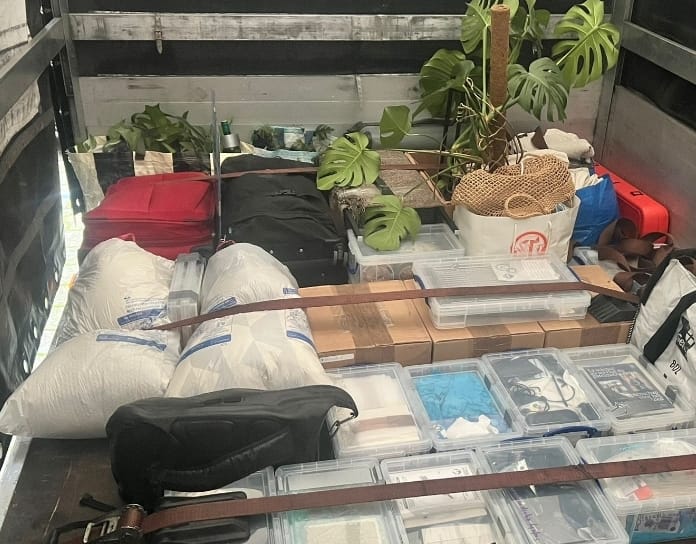
The right man and van choice should be based on volume, weight, access, stairs, lift size, delivery window and the fragility of your items. VANonsite helps customers choose the correct option before moving day, not in a panic while boxes are already waiting on the pavement.
Customs Rules for Household Goods
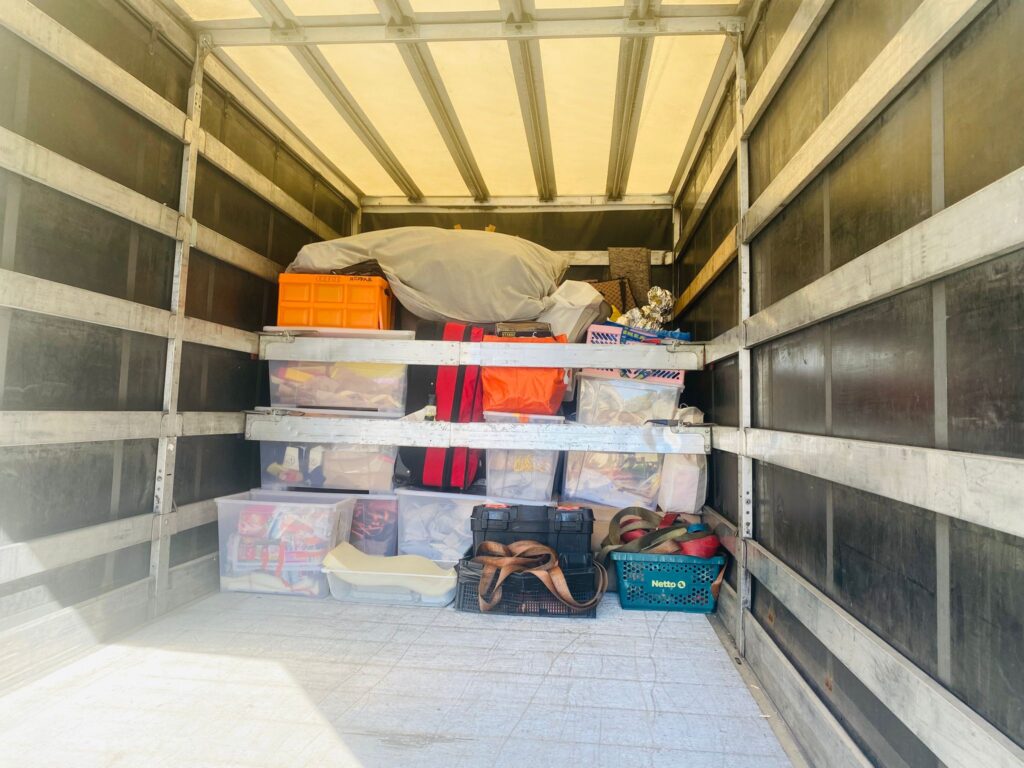
Customs is one of the most important parts of immigrating to Switzerland. Used personal belongings can often be imported duty free when the required conditions are met, but you need the right paperwork.
Swiss customs may ask what you are bringing, whether the items are personal effects and whether the move represents a transfer of residence. Your inventory should be clear enough to answer those questions without confusion.
Prepare:
- A full list of household goods
- Estimated value of items
- Proof that the goods are used personal belongings
- Proof of relocation to Switzerland
- Passport or accepted ID
- Residence, work or housing documents where relevant
- Vehicle papers, if importing a car
- Pet documents, if applicable
- Required customs forms for household effects
Do not leave your customs documents inside a sealed moving box. Keep them with you. The border is not the place to discover that your form is hidden beneath kitchenware, bedding and dismantled furniture.
More information is available from Swiss customs here: Moving household effects and importing goods into Switzerland.
How Much Does Immigrating to Switzerland Cost?
The cost of immigrating to Switzerland depends on your route, volume, access, timing and service level. A person moving 1m3 of essentials will not pay the same as a family moving 90m3 of furniture, appliances and personal belongings.
Main cost factors include:
| Cost category | What affects the price |
|---|---|
| Transport | Distance, route, van size, weight and urgency |
| Packing | Fragile goods, electronics, artwork and furniture protection |
| Loading | Stairs, lift access, parking distance and heavy items |
| Customs preparation | Inventory complexity and special items |
| Storage | Volume and storage duration |
| Housing | Deposit, first rent and local market conditions |
| Insurance | Health cover and transport protection |
| Timing | Last minute moves may require faster coordination |
The best way to control cost is not to choose the cheapest option blindly. It is to move the right amount in the right vehicle with the right level of care. A low price loses its charm quickly if your delivery is late, your sofa is damaged or your customs paperwork is incomplete.
VANonsite Services for Moving to Switzerland
Immigrating to Switzerland often involves more than basic transport. You may need packing, storage, furniture removals, office support or fast delivery because your job start date, tenancy date or university arrival window is already fixed.
For dedicated support, visit VANonsite Removals to Switzerland.
Last Minute Moving
Sometimes plans change quickly. A job offer arrives, a lease starts or a family situation demands speed. Last Minute Moving helps when the timeline is tight but the move still needs structure.
Furniture Removals
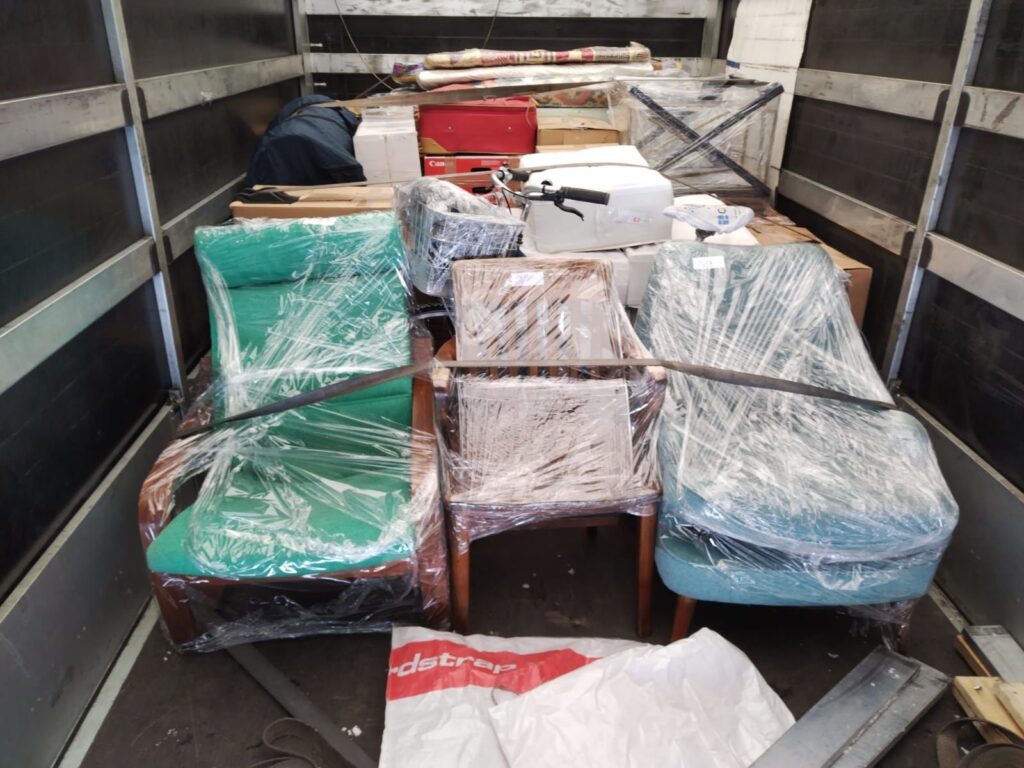
Furniture needs protection, not brute force. Sofas, wardrobes, beds, dining tables, cabinets and fragile pieces should be measured, wrapped and loaded with care.
Home Removals
For full apartments and family homes, Home Removals bring order to a complex process. Room by room planning and the correct vehicle size can make the whole move feel calmer.
Packing Service
Good packing reduces damage risk. VANonsite Packing Service is useful for fragile, valuable or awkward items, especially when time is short.
White Glove Delivery
Premium furniture, art, delicate equipment and high value pieces need extra attention. White Glove Delivery is designed for items where protection, precision and presentation matter.
Storage
Swiss housing dates do not always align perfectly with moving dates. Storage can give you breathing room if your belongings arrive before your apartment is ready.
Student Removals
Students moving to Zurich, Geneva, Lausanne, Basel, Bern or Lugano often need a compact, affordable man and van option for boxes, books, monitors, suitcases and small furniture.
Office Removals and Furniture Installation
For businesses, remote workers or teams moving equipment to Switzerland, Office Removals and Office Furniture Installation help workspaces become functional faster.
Moving to Switzerland with Furniture
Moving furniture into Switzerland requires more than muscle. Swiss apartments can have narrow staircases, strict building rules and limited parking. Older city buildings may be charming, but not always easy for a large wardrobe.
Before moving furniture, check:
- Door width at pickup and delivery.
- Staircase and lift dimensions.
- Parking distance from the entrance.
- Whether large items need dismantling.
- Whether glass, marble or polished wood needs special wrapping.
- Whether the building has moving hour restrictions.
Furniture also carries emotional weight. The desk where you built your business. The table where your family gathered. The chair that makes a new room feel familiar. A careful man and van service protects those pieces properly.
Moving to Switzerland as a Student
For students, immigrating to Switzerland is usually about speed, budget and simplicity. You may not need a large vehicle. You may need a clean, reliable way to move boxes, clothes, books, a monitor, a chair and the personal items that make a room feel like yours.
| Student load | Suggested VANonsite option |
|---|---|
| Suitcases and documents | Moving One |
| Boxes plus small items | Moving Basic |
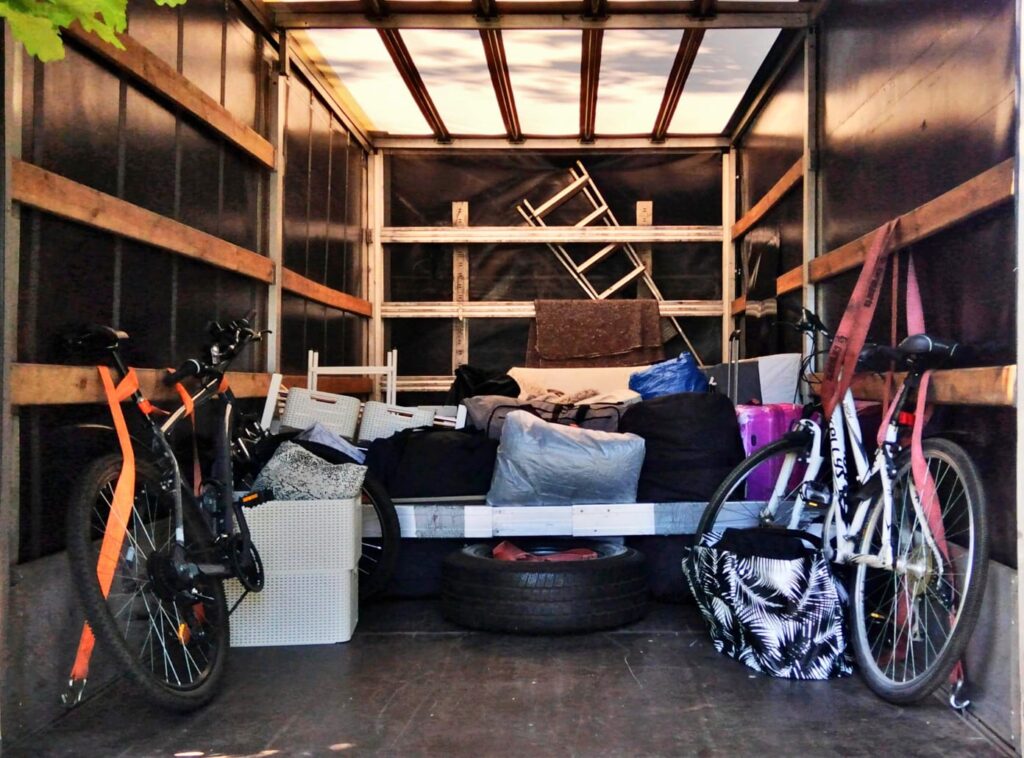
| Studio room with desk, chair and bike | Moving Medium |
| Larger student apartment | Moving Premium |
A student move should not swallow your first month of energy. The aim is to arrive, unpack, find your nearest shop, learn your route to class and start living.
Moving to Switzerland for Work
Work based relocation often comes with pressure. Your contract starts soon. Your apartment is confirmed late. Your schedule is full before you have even packed.
When immigrating to Switzerland for work, prioritise the items that make you functional immediately:
- Work laptop and chargers
- Office chair or ergonomic setup
- Smart clothing
- Important documents
- Bedding and basic kitchenware
- Monitors and work equipment
- Personal items that help you settle quickly
GPS tracked transport is powerful in this situation. VANonsite gives you better visibility over your belongings while you focus on your new role. A reliable man and van service is not just transport. It is peace of mind with wheels.
Family Relocation to Switzerland
Family relocation has more moving parts. More boxes. More emotions. More details that cannot be forgotten.
When a family is immigrating to Switzerland, the move is not only about crossing a border. It is about building a new rhythm. New school routes. New mornings. New rooms. New habits.
Prepare a family essentials plan:
- Passports and residence documents
- School records
- Medical records
- Children’s clothes packed by season
- Bedding for the first night
- Favourite toys and comfort items
- Basic kitchen items
- Toiletries
- Pet supplies
- Chargers and adapters
- Cleaning basics
- A labelled box for each bedroom
With family moves, volume matters. Underestimating the load can create a brutal final day. VANonsite offers capacity up to 90m3 for full household relocations, helping families move furniture, boxes and bulky items without forcing everything into an unsafe squeeze.
Registering After Arrival
After arrival, the physical move is only half complete. You also need to settle your local administration.
In general, people moving in Switzerland are expected to notify their commune of departure and register with the new commune. Many newcomers should also check local rules for residence permits, health insurance and address updates.
Your first week checklist should include:
- Registering with the local commune where required.
- Confirming residence permit steps.
- Arranging health insurance.
- Updating your address with your employer, bank and school.
- Checking waste collection and recycling rules.
- Confirming parking or building access rules.
- Saving local emergency and medical contacts.
Do not leave every admin task for later. Later becomes a pile, and piles become stress.
What Not to Bring
One of the smartest moving decisions is deciding what not to move. Every unnecessary item takes space, adds cost and steals energy.
Before immigrating to Switzerland, declutter with discipline. Ask whether each item deserves a place in your next chapter.
Consider leaving behind:
- Broken furniture
- Cheap bulky items that cost more to move than replace
- Duplicate kitchenware
- Old electronics
- Clothes not worn in 12 months
- Expired food
- Unused paperwork that can be scanned
- Low value flat pack furniture in poor condition
- Items restricted by Swiss customs
- Plants, animal products or special goods without checking rules
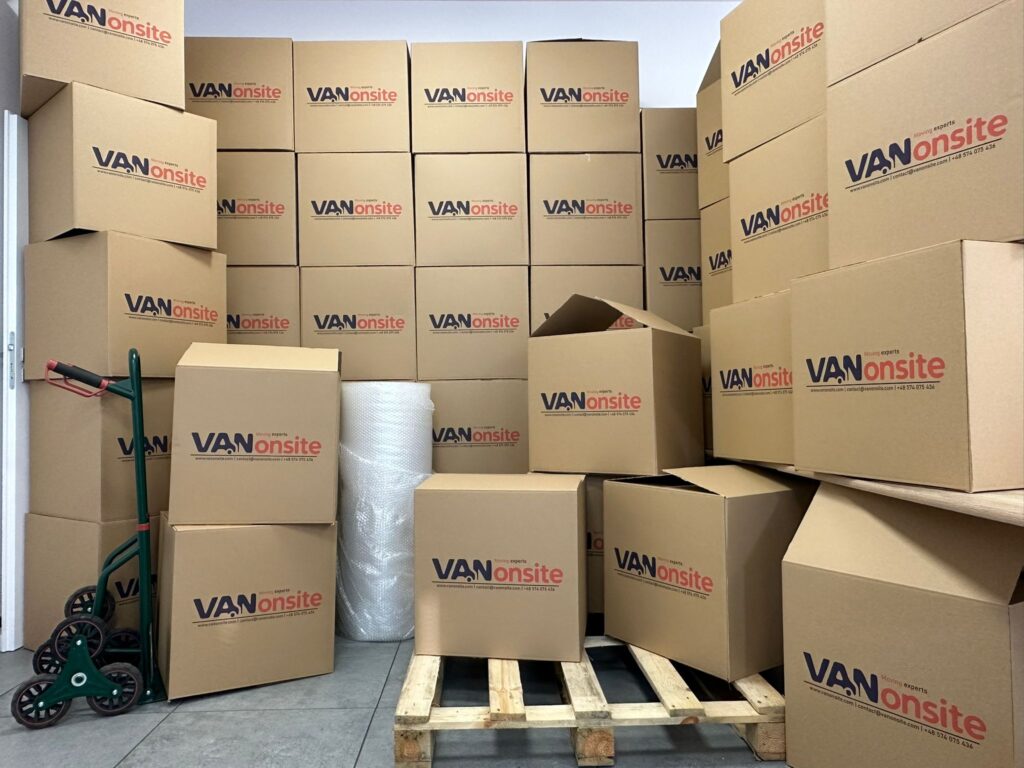
A cleaner inventory makes your move sharper. It also helps VANonsite recommend the right man and van option more accurately.

Packing Tips for a Switzerland Move
Packing is where calm is created. A rushed box can become a small disaster. Plates crack, screws disappear, cables knot together and the first night becomes a hunt for toothpaste, bedding and one clean shirt.
Start with non essential items:
- Books
- Decorations
- Off season clothing
- Spare bedding
- Extra kitchenware
- Photo frames
- Rarely used appliances
- Stored documents
Pack last:
- Passports and permits
- Medication
- Chargers
- Laptop
- Toiletries
- First night clothes
- Basic tools
- Snacks and water
- Keys
- Wallet and bank cards
Label boxes by room and priority. “Kitchen, urgent” is better than “stuff”. “Bedroom, bedding, first night” is better than “box 14”.
For fragile goods, premium furniture or stressful deadlines, VANonsite Packing Service can turn a chaotic room into a protected, labelled and transport ready shipment.
Why Choose VANonsite?
People do not choose a moving company only because it owns vans. They choose one because they want trust, visibility and careful handling.
VANonsite is built for European removals where timing, safety and communication matter.
GPS Tracked Transport
Every load can be GPS tracked. That means you do not have to wonder where your belongings are while they travel across Europe.
Flexible Vehicle Sizes
From 1m3 to 90m3, VANonsite supports urgent small moves, student removals, apartment relocations and full house moves.
European Moving Experience
Immigrating to Switzerland is a cross border move. It needs attention to timing, inventory, access and protection. VANonsite understands that removals are not only about distance. They are about coordination.
Human Care
Your belongings are not anonymous cargo. They are the pieces of your life crossing a border with you. VANonsite treats the move with the care that moment deserves.
Common Mistakes When Immigrating to Switzerland
Most moving problems start small. One missing document. One wrong van size. One vague inventory. One fragile item packed in a hurry.
| Mistake | Why it hurts | Better choice |
|---|---|---|
| Booking transport before checking documents | You may face timing or border problems | Verify official requirements first |
| Underestimating your volume | It can cause delays or extra trips | Use a proper van size guide |
| Packing documents in boxes | You may need them during travel | Keep documents with you |
| Ignoring customs paperwork | It can slow down import procedures | Prepare a clear inventory |
| Choosing only by lowest price | Cheap can become expensive | Choose professional tracked transport |
| Leaving packing until the final week | Breakage and panic become more likely | Pack in stages |
| Forgetting local registration | Admin issues can follow you | Check commune rules early |
Immigrating to Switzerland is easier when every step has a reason. Not perfect, just prepared.
Final Checklist for Immigrating to Switzerland
Before moving day, make sure you have covered the essentials:
- Check entry, visa and residence rules.
- Confirm your reason for stay.
- Secure housing in Switzerland.
- Prepare passport, contracts and certificates.
- Create a customs inventory.
- Decide what to sell, store or move.
- Choose the correct VANonsite vehicle size.
- Book your man and van transport.
- Pack fragile items properly.
- Keep documents with you.
- Confirm parking and access.
- Register locally after arrival where required.
- Arrange health insurance and essential services.
If you want the practical side of immigrating to Switzerland handled with more confidence, VANonsite can support your move from planning to delivery with GPS tracking, careful handling and flexible transport capacity across Europe.
FAQ About Immigrating to Switzerland
Do I need a visa for immigrating to Switzerland?
It depends on your nationality, length of stay and reason for moving. EU and EFTA citizens usually follow different entry rules than non EU citizens. Always check official Swiss guidance before making final plans.
Can I bring my furniture to Switzerland?
Yes. Many people bring furniture when immigrating to Switzerland. You should prepare a detailed inventory, check customs requirements and choose a vehicle size that fits your furniture safely.
What is the best man and van option for a Switzerland move?
It depends on volume and weight. A small student move may need 5m3. A larger apartment may need 15m3 or 30m3. A full household relocation may need up to 90m3.
Can I track my belongings during the move?
Yes. VANonsite offers GPS tracking for every load, giving you better visibility during your European relocation.
How early should I book removals to Switzerland?
Ideally, book 4 to 6 weeks before moving. If your move is urgent, Last Minute Moving can help with tighter deadlines.
Is Switzerland expensive to move to?
Switzerland can be expensive, especially for housing and insurance. Moving costs depend on distance, van size, weight, packing, access and urgency.
What should I do first after arriving in Switzerland?
Register with your local commune where required, confirm residence permit steps, arrange health insurance and update your address with your employer, bank, school and key services.
Ready to Move to Switzerland?
Immigrating to Switzerland should feel exciting, not overwhelming. With VANonsite, your move can be planned, protected and tracked from pickup to delivery.
Whether you are moving 1m3 of essentials or a full 90m3 household, our man and van team helps you cross Europe with speed, care and confidence.
Start your Switzerland move with a trusted European removals partner.