
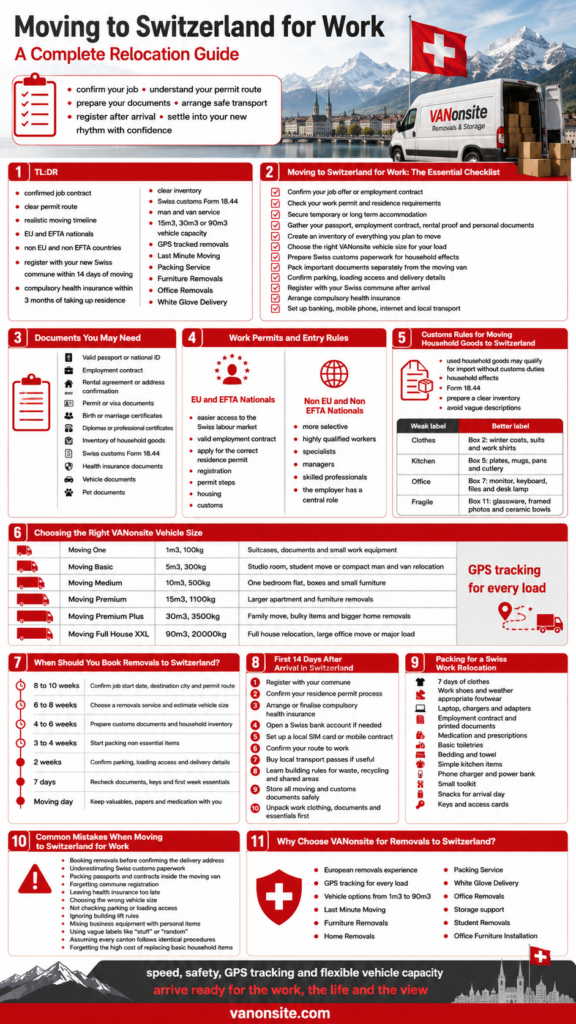
Moving to Switzerland for work is one of those life decisions that feels both thrilling and serious. One moment you are imagining clean streets, mountain air, sharper career prospects and a salary that can change your future. The next, you are looking at permits, customs forms, rental deposits and a moving calendar that suddenly feels far too small.
Switzerland is beautiful, but it is also precise. It works best for people who plan well. That does not mean your relocation needs to feel cold or complicated. It simply means every step should have a purpose: confirm your job, understand your permit route, prepare your documents, arrange safe transport, register after arrival and settle into your new rhythm with confidence.
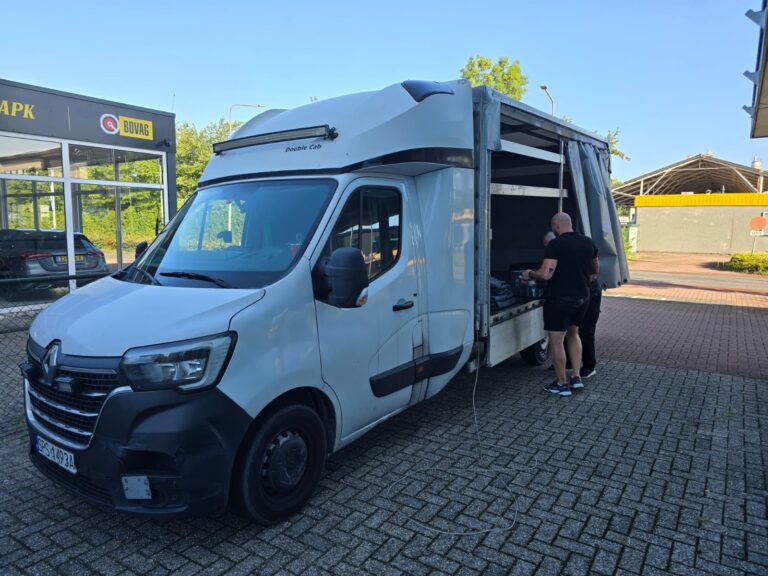
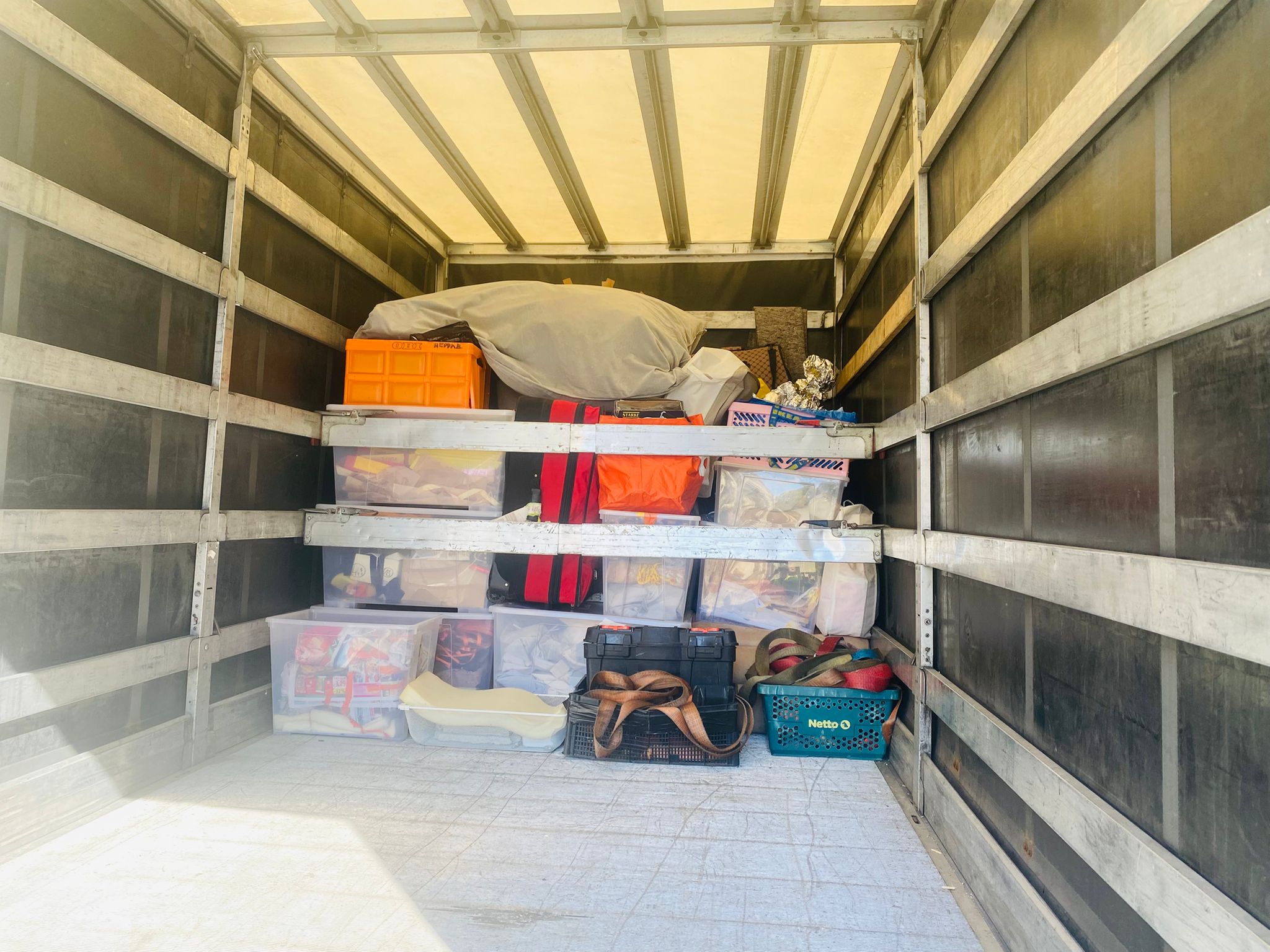
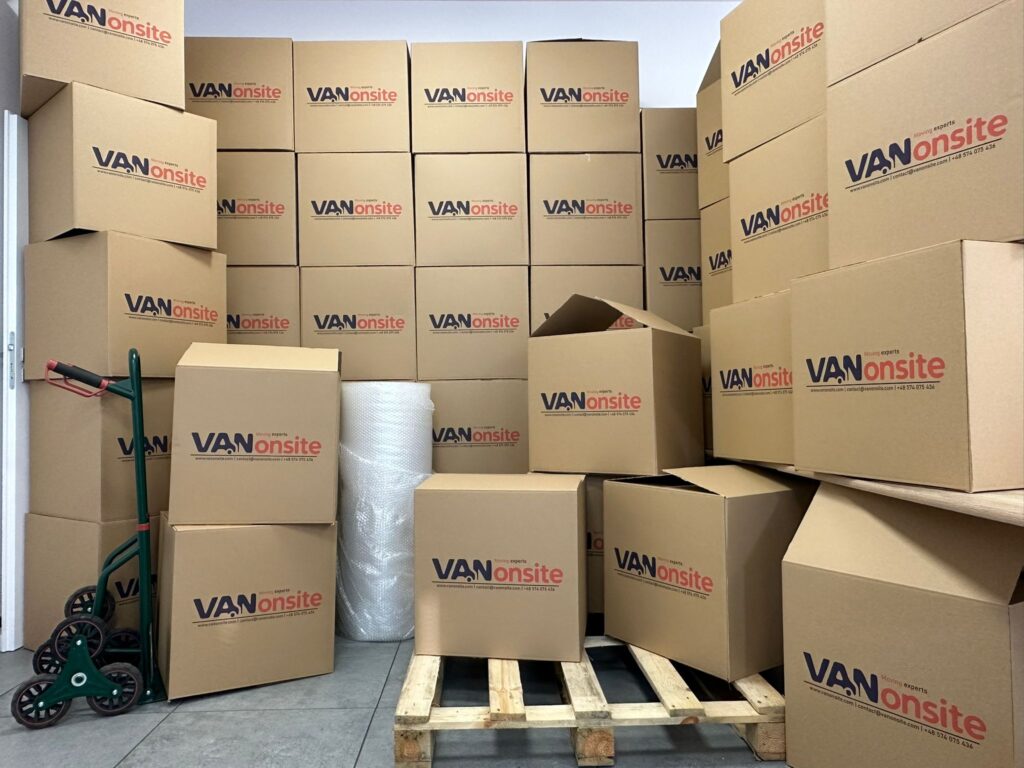
If you are moving to Switzerland for work, your belongings are part of that fresh start. Your desk chair, winter coat, laptop stand, family photos and kitchen basics all help turn an unfamiliar apartment into a working home. VANonsite supports European relocations with safe transport, GPS tracking for every load and flexible vehicle sizes from 1m3 to 90m3. Whether you need a compact man and van service or a full house relocation, the right moving plan can make your arrival feel calm, controlled and ready.
For a dedicated Swiss relocation service, explore VANonsite removals to Switzerland.
TL:DR
- Moving to Switzerland for work starts with a confirmed job contract, a clear permit route and a realistic moving timeline.
- EU and EFTA nationals usually follow different work and residence procedures than people from non EU and non EFTA countries.
- In general, you should register with your new Swiss commune within 14 days of moving.
- Anyone settling in Switzerland usually needs compulsory health insurance within 3 months of taking up residence.
- Used household goods may qualify for duty free import, but you should prepare a clear inventory and Swiss customs Form 18.44.
- A man and van service can be enough for smaller moves, while families and larger relocations may need 15m3, 30m3 or 90m3 vehicle capacity.
- VANonsite offers GPS tracked removals, Last Minute Moving, Packing Service, Furniture Removals, Office Removals and White Glove Delivery for moves to Switzerland.




Is Moving to Switzerland for Work Worth It?
For many professionals, moving to Switzerland for work is absolutely worth it. The country has a powerful reputation for high salaries, stable employment, clean cities, safe transport and exceptional quality of life. It is also home to major opportunities in finance, pharmaceuticals, engineering, technology, logistics, research, hospitality and international organisations.
Still, Switzerland is not a place to approach casually. The living costs are high, rental competition can be fierce and local administration can vary by canton. There are 26 cantons in Switzerland and 4 national languages: German, French, Italian and Romansh. That means a move to Zurich may feel different from a move to Geneva, Basel, Lausanne, Bern or Lugano.
The real value of moving to Switzerland for work depends on preparation. A strong job offer is only the beginning. You also need to think about housing, registration, health insurance, customs paperwork, transport, storage and your first week at work. When these pieces are planned in the right order, the move becomes much less intimidating.
A good relocation should not feel like dragging your life across Europe in a panic. It should feel like a sharp, deliberate transfer from one chapter to the next. That is where professional removals matter. VANonsite helps protect the practical side of your move, so you can focus on the career opportunity waiting for you.
Moving to Switzerland for Work: The Essential Checklist
The most efficient way to manage moving to Switzerland for work is to follow a clear checklist. Do not try to solve everything at once. Start with the decisions that unlock the next step.
- Confirm your job offer or employment contract.
- Check your work permit and residence requirements.
- Secure temporary or long term accommodation.
- Gather your passport, employment contract, rental proof and personal documents.
- Create an inventory of everything you plan to move.
- Choose the right VANonsite vehicle size for your load.
- Prepare Swiss customs paperwork for household effects.
- Pack important documents separately from the moving van.
- Confirm parking, loading access and delivery details.
- Register with your Swiss commune after arrival.
- Arrange compulsory health insurance.
- Set up banking, mobile phone, internet and local transport.
This order matters. For example, you should not book a large move before you know the delivery address. You should not pack documents into a box that may be inside a van during customs checks. You should not leave health insurance until the end of your third month and hope everything will fall into place.
Moving to Switzerland for work becomes smoother when each task supports the next. Your employment contract helps with your permit and housing. Your housing address helps with registration. Your inventory helps with customs. Your transport plan protects your first working week.
Work Permits and Entry Rules
Before you move, check the rules that apply to your nationality and employment situation. Switzerland has different procedures for EU and EFTA nationals and for people from non EU and non EFTA countries. Your employer may also need to be involved, especially if you are coming from a third country.
For official guidance, use the Swiss State Secretariat for Migration page on working in Switzerland.
EU and EFTA Nationals
EU and EFTA citizens generally have easier access to the Swiss labour market. However, you still need a valid employment contract and you must apply for the correct residence permit from the commune where you will live.
If you are moving to Switzerland for work from an EU or EFTA country, your employer contract is one of your most important documents. Keep it available in both digital and printed form. You may need it for registration, permit steps, housing and customs.
You can check the official Swiss guidance for EU and EFTA citizens living and working in Switzerland.
Non EU and Non EFTA Nationals
If you are from outside the EU and EFTA, the process is usually more selective. Switzerland often focuses on highly qualified workers, specialists, managers and skilled professionals. In many cases, the employer has a central role in the application process.
Do not assume that having a residence permit in another European country automatically gives you the right to work in Switzerland. Check the Swiss requirements directly before making irreversible moving decisions.
The official Swiss page for non EU and non EFTA nationals explains the general admission basis for third country workers.
Documents You May Need
Documents are not glamorous, but they can save your relocation. When moving to Switzerland for work, create one physical folder and one secure digital folder. Keep both updated.
| Document | Why it matters |
|---|---|
| Valid passport or national ID | Needed for entry, registration and contracts |
| Employment contract | Core proof for work based relocation |
| Rental agreement or address confirmation | Often needed for commune registration |
| Permit or visa documents | Required depending on nationality and employment route |
| Birth or marriage certificates | Useful for family relocation |
| Diplomas or professional certificates | May be needed for specialist roles |
| Inventory of household goods | Important for customs clearance |
| Swiss customs Form 18.44 | Used for relocation of household effects |
| Health insurance documents | Needed after taking up residence |
| Vehicle documents | Required if importing a car or motorcycle |
| Pet documents | Needed if relocating with animals |
If your documents are not in English or one of Switzerland’s official languages, ask the relevant authority whether certified translations are needed. This is especially important for family documents, professional qualifications and civil status papers.
For residence permit information, check the official Swiss page on permits for living in Switzerland.
Customs Rules for Moving Household Goods to Switzerland
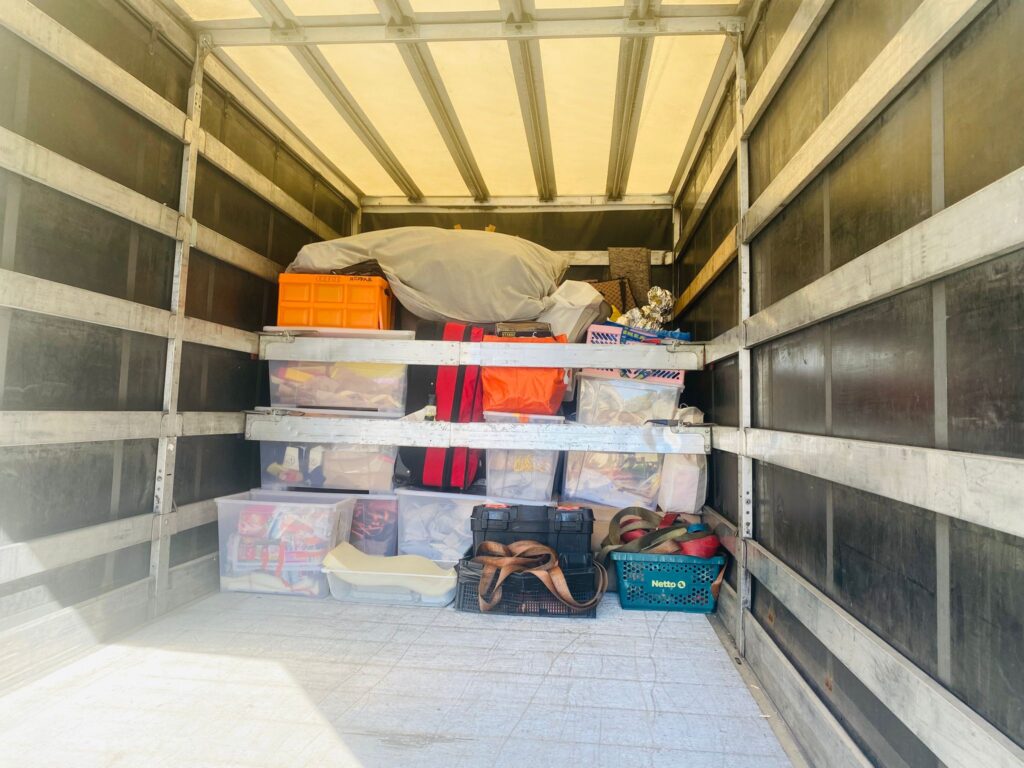
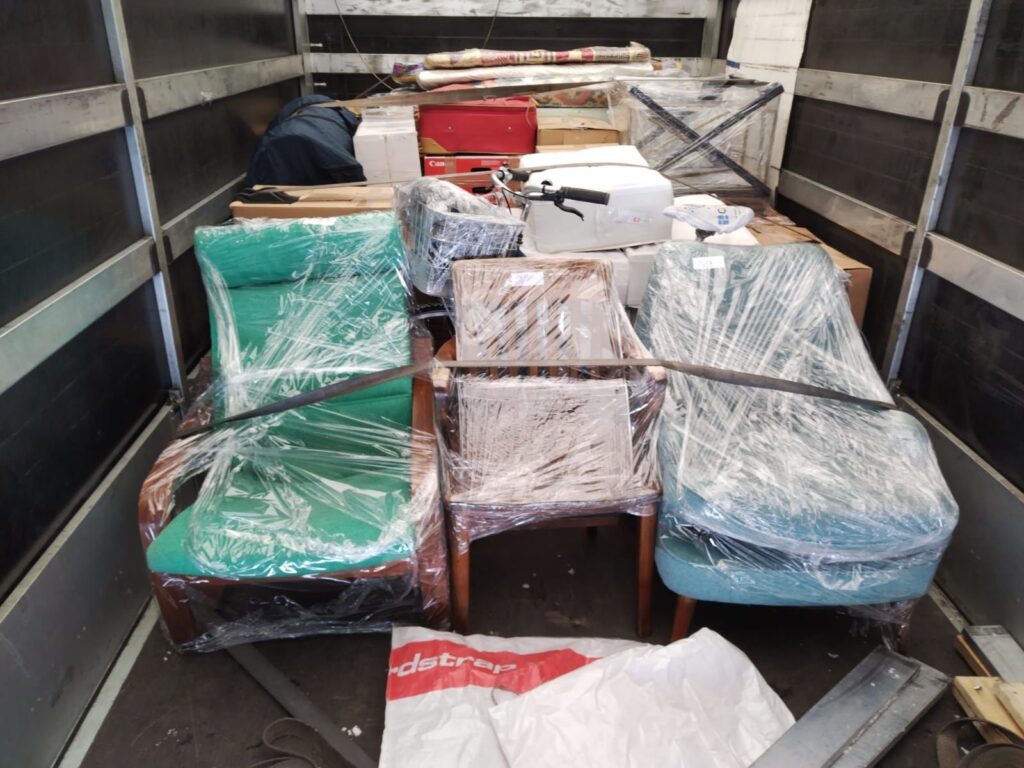
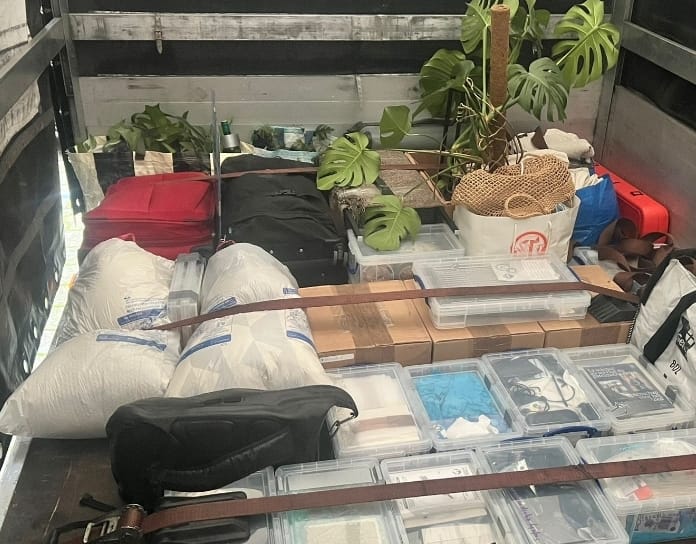
Customs is one of the biggest practical steps in moving to Switzerland for work. Used household goods may qualify for import without customs duties if they meet Swiss conditions. In simple terms, your belongings should normally be personal items that you used before the move and will continue using after arrival.
Swiss customs guidance refers to household effects and the use of Form 18.44. You should prepare a clear inventory, avoid vague descriptions and keep paperwork easy to access.
Use the official Swiss customs pages for current information:
A good inventory does not need to read like a museum catalogue, but it should be clear. “Kitchen things” is weak. “Box 4: plates, mugs, pans and cutlery” is far better. “Work stuff” is vague. “Box 8: monitor, keyboard, office lamp and paper files” is useful.
| Weak label | Better label |
|---|---|
| Clothes | Box 2: winter coats, suits and work shirts |
| Kitchen | Box 5: plates, mugs, pans and cutlery |
| Office | Box 7: monitor, keyboard, files and desk lamp |
| Fragile | Box 11: glassware, framed photos and ceramic bowls |
Keep passports, work documents, rental proof, customs forms, medication and valuables with you. Do not pack them inside the moving van. If something is essential for your first 48 hours, it belongs in your personal bag, not in a sealed box.
Choosing the Right VANonsite Vehicle Size
The right vehicle can protect your budget, your schedule and your belongings. Too small, and moving day becomes a stressful puzzle. Too large, and you may pay for space you do not need. VANonsite offers several vehicle options, which makes it easier to match the van to your actual inventory.
| VANonsite option | Capacity | Best for |
|---|---|---|
| Moving One | 1m3, 100kg | Suitcases, documents and small work equipment |
| Moving Basic | 5m3, 300kg | Studio room, student move or compact man and van relocation |
| Moving Medium | 10m3, 500kg | One bedroom flat, boxes and small furniture |
| Moving Premium | 15m3, 1100kg | Larger apartment and furniture removals |
| Moving Premium Plus | 30m3, 3500kg | Family move, bulky items and bigger home removals |
| Moving Full House XXL | 90m3, 20000kg | Full house relocation, large office move or major load |
A single professional moving to Switzerland for work may only need Moving Basic or Moving Medium. This can cover suitcases, boxes, a desk chair, a small desk, clothing and a few personal items. A couple moving with furniture may need Moving Premium. A family relocation can quickly require Moving Premium Plus or Moving Full House XXL.
The best method is simple: make a room by room inventory. Count boxes, measure larger furniture and be honest about what you want to bring. Switzerland can be expensive, so replacing household basics after arrival may cost more than expected.
VANonsite also provides GPS tracking for every load. That visibility matters during an international move. When your belongings are crossing borders, knowing where they are can turn anxiety into reassurance.
When Should You Book Removals to Switzerland?
Ideally, start planning your removals 6 to 8 weeks before the move. If you have a large home, children, pets, bulky furniture or office equipment, start even earlier. Switzerland’s rental markets can move quickly, and building rules may affect delivery times, lift access or parking.
| Time before moving | What to do |
|---|---|
| 8 to 10 weeks | Confirm job start date, destination city and permit route |
| 6 to 8 weeks | Choose a removals service and estimate vehicle size |
| 4 to 6 weeks | Prepare customs documents and household inventory |
| 3 to 4 weeks | Start packing non essential items |
| 2 weeks | Confirm parking, loading access and delivery details |
| 7 days | Recheck documents, keys and first week essentials |
| Moving day | Keep valuables, papers and medication with you |
Last Minute Moving can still be useful. Job start dates change. Rental contracts appear suddenly. Employers sometimes need people faster than expected. In those moments, VANonsite can support urgent relocations while still focusing on safe handling and efficient transport.
However, the best relocation is rarely the most rushed one. Moving to Switzerland for work involves enough pressure already. A clear removals plan removes one major source of uncertainty.
Packing for a Swiss Work Relocation
Packing for a work move is different from packing for a holiday. You are not preparing for a few nights away. You are preparing to function in a new country, often while starting a demanding job.
Start with the first week. What will you need before all boxes are unpacked? What would cause real stress if you could not find it?
Pack a first week essentials box with:
- 7 days of clothes.
- Work shoes and weather appropriate footwear.
- Laptop, chargers and adapters.
- Employment contract and printed documents.
- Medication and prescriptions.
- Basic toiletries.
- Bedding and towel.
- Simple kitchen items.
- Phone charger and power bank.
- Small toolkit.
- Snacks for arrival day.
- Keys and access cards.
Then separate your items by use: work, kitchen, bedroom, bathroom, documents, fragile items and seasonal clothing. Label each box on at least two sides. If you are moving during winter or to a mountain region, make warm clothing easy to reach.
VANonsite Packing Service can be valuable if you are short on time or moving delicate items. Furniture Removals, White Glove Delivery and Home Removals can also help protect items that need careful wrapping, lifting and loading.
First 14 Days After Arrival in Switzerland
The first two weeks after moving to Switzerland for work should be practical, not perfect. Your apartment does not need to look finished immediately. Your priority is legal, financial and work stability.
In general, you are expected to register with your new commune within 14 days of moving. Some cantons allow online registration, while others require an in person visit. Check the official Swiss guidance on notification of departure and registration.
Your first 14 days should include:
- Register with your commune.
- Confirm your residence permit process.
- Arrange or finalise compulsory health insurance.
- Open a Swiss bank account if needed.
- Set up a local SIM card or mobile contract.
- Confirm your route to work.
- Buy local transport passes if useful.
- Learn building rules for waste, recycling and shared areas.
- Store all moving and customs documents safely.
- Unpack work clothing, documents and essentials first.
This stage can feel intense. You may be learning a new commute, meeting colleagues and unpacking at night. Keep the process narrow. Do the important things first. Comfort can follow.
Health Insurance, Banking and Everyday Setup
Switzerland has compulsory health insurance for residents. Anyone settling in Switzerland generally needs to take out health insurance within 3 months of taking up residence. Each family member needs individual cover, including children.
Use the official Swiss health insurance page from the Federal Office of Public Health: health insurance for people resident in Switzerland.
Do not leave this until the final days of the deadline. Compare providers, check premiums by canton and ask your employer about accident insurance. Health insurance can be one of the biggest regular costs after rent, so include it in your first month budget.
You may also need to arrange:
- Swiss bank account for salary.
- Mobile phone plan.
- Internet connection.
- Household insurance.
- Personal liability insurance.
- Public transport pass.
- Local tax information.
- School or childcare registration if moving with children.
For many people, everyday setup takes longer than expected. A local phone number may help with banking and housing. A bank account may help with salary and rent. A transport pass may save money from week one. The faster you create a working routine, the faster Switzerland starts to feel like home.
Moving to Switzerland for Work With Family
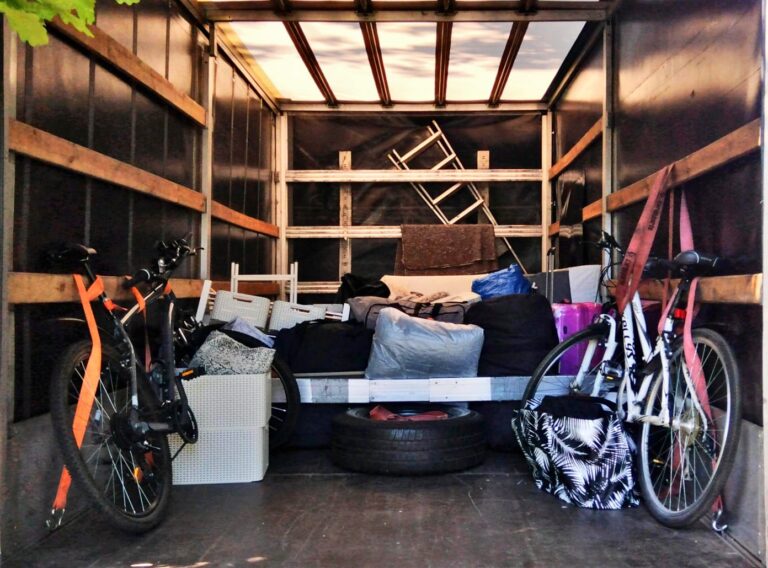
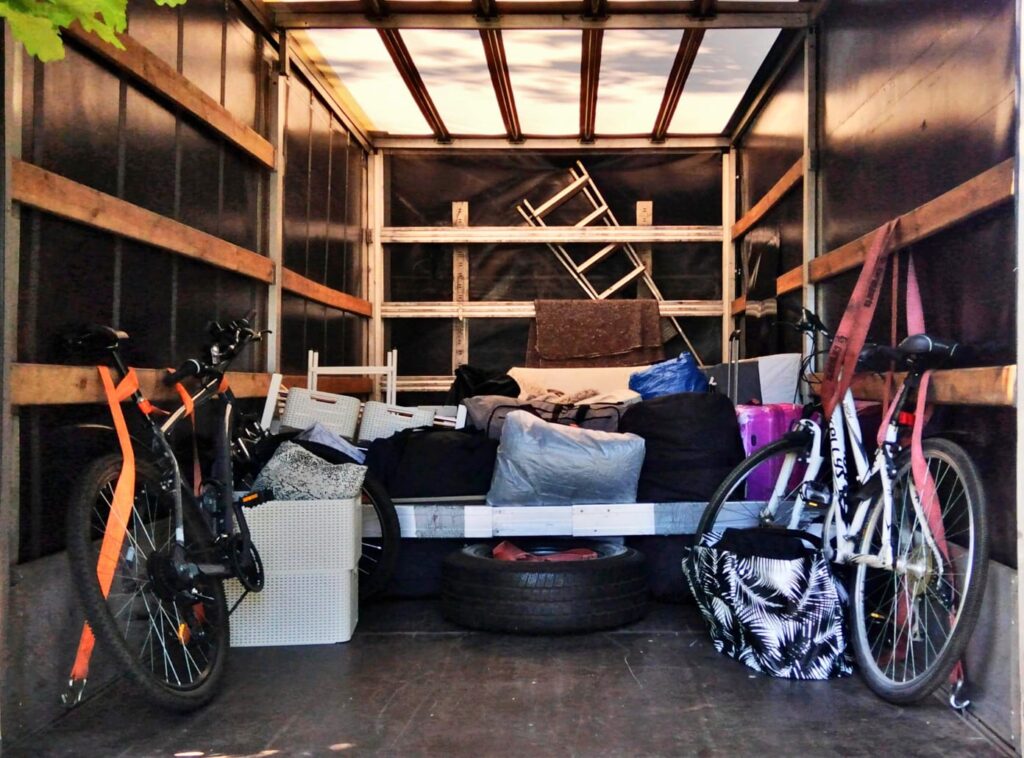
A family relocation is more complex than a solo move. You are not only moving boxes. You are moving routines, school papers, toys, medicines, kitchen habits, bikes, bedding and everyone’s sense of safety.
If you are moving to Switzerland for work with a partner or children, plan more time and more vehicle space. Housing may take longer. Schools may depend on canton, language region and local availability. Health insurance must be arranged for each person. Customs paperwork will also be more detailed because the shipment is usually larger.
Family relocation priorities include:
- Checking family permit requirements.
- Preparing birth and marriage certificates.
- Researching schools or childcare.
- Choosing housing near work, school or public transport.
- Packing children’s essentials separately.
- Bringing familiar items for the first nights.
- Booking enough vehicle capacity.
- Avoiding chaotic split deliveries where possible.
For larger family moves, VANonsite Moving Premium Plus or Moving Full House XXL may be more suitable than a compact man and van option. A bigger vehicle can reduce pressure on moving day and keep the relocation more organised.
A family move should feel steady. Children notice stress quickly. Clear packing, careful loading and predictable delivery can make the emotional side of the move much easier.

Moving Office Equipment or Working Remotely From Switzerland
Many people moving to Switzerland for work bring more than personal belongings. Hybrid and remote workers often move monitors, ergonomic chairs, desks, filing units, printers and specialist equipment. If your home office supports your income, treat it as essential infrastructure.
Pack work equipment separately and label it clearly. Keep cables with the correct devices. Protect monitors properly. Store files in waterproof folders. If you are carrying company equipment, ask your employer whether any inventory, insurance or customs notes are needed.
Useful office packing steps include:
- Photographing equipment before packing.
- Labelling cables by device.
- Packing monitors in protective materials.
- Separating business documents from personal papers.
- Keeping laptops and critical drives with you.
- Grouping desk parts, screws and brackets together.
VANonsite Office Removals and Office Furniture Installation can help when the move includes business assets or a serious home office setup. White Glove Delivery is useful for valuable furniture, delicate items and equipment that needs extra care.
Your first working day in Switzerland should not begin with missing cables and a damaged chair. A well packed office setup gives you a sharper start.
Common Mistakes When Moving to Switzerland for Work
Most relocation problems are not caused by one disaster. They come from small mistakes that stack up. A missing document. A vague box label. A van that is too small. A late insurance decision. A delivery address that was never fully confirmed.
Avoid these common mistakes:
- Booking removals before confirming the delivery address.
- Underestimating Swiss customs paperwork.
- Packing passports and contracts inside the moving van.
- Forgetting commune registration.
- Leaving health insurance too late.
- Choosing the wrong vehicle size.
- Not checking parking or loading access.
- Ignoring building lift rules.
- Mixing business equipment with personal items.
- Using vague labels like “stuff” or “random.”
- Assuming every canton follows identical procedures.
- Forgetting the high cost of replacing basic household items.
The solution is not complicated. Make the move visible. Write the inventory. Label the boxes. Confirm the building access. Keep your papers close. Choose a removals partner that understands European routes and cross border expectations.
Moving to Switzerland for work does not need to feel overwhelming. It needs to be precise.
Cost Factors to Consider Before You Move
Switzerland can be expensive, especially at the beginning. Your first month may include rent, deposit, removals, health insurance, furniture gaps, transport passes and admin costs. Even small purchases can add up quickly.
| Cost area | What to expect |
|---|---|
| Rent deposit | Often a major upfront cost |
| First month rent | Usually due before or at move in |
| Removals | Depends on volume, distance, access and urgency |
| Health insurance | Monthly premiums vary by canton and provider |
| Public transport | City and regional passes can be useful |
| Furniture gaps | Replacing basics can be expensive |
| Documents | Permits, photos or translations may add costs |
| Food and essentials | Higher than in many European countries |
A smart removals quote is based on real information: volume, weight, route, access and service level. That is why the VANonsite vehicle range is useful. You can choose a smaller man and van solution for a compact move or scale up to a larger vehicle for a full home relocation.
Do not only ask, “What is the cheapest option?” Ask, “Which option protects my first week in Switzerland?” Sometimes a slightly better planned move saves more than it costs.
Why Choose VANonsite for Removals to Switzerland?
When you are moving to Switzerland for work, you need more than transport. You need timing, care, communication and trust. Your belongings have to cross borders safely and arrive when your new life needs them.
VANonsite offers:
- European removals experience.
- GPS tracking for every load.
- Vehicle options from 1m3 to 90m3.
- Last Minute Moving.
- Furniture Removals.
- Home Removals.
- Packing Service.
- White Glove Delivery.
- Office Removals.
- Storage support.
- Student Removals.
- Office Furniture Installation.
This flexibility matters because every Swiss move is different. A graduate moving to Lausanne with 8 boxes does not need the same service as a family relocating to Zurich with furniture, bicycles and children’s belongings. A consultant moving to Geneva with high value office equipment may need careful handling and a more premium delivery plan.
VANonsite can adapt the service around the size and urgency of your move. The GPS tracking adds reassurance, while the range of vehicle sizes helps you avoid paying for too little or too much space.
For a safer, more organised relocation, plan your move with VANonsite removals to Switzerland.
FAQ: Moving to Switzerland for Work
What documents do I need when moving to Switzerland for work?
You usually need a valid passport or ID, employment contract, rental address, permit or visa documents if required, health insurance documents and an inventory for household goods. Family moves may require birth or marriage certificates.
Can I move furniture to Switzerland duty free?
Used household goods may qualify for duty free import if they meet Swiss customs conditions. You should prepare a clear inventory and Swiss customs Form 18.44 before the move.
How soon must I register after moving to Switzerland?
In general, you should register with your new commune within 14 days of moving. Some cantons allow online registration, while others may require an in person visit.
Is a man and van service enough for Switzerland?
Yes, a man and van service can be enough for smaller relocations. It is often suitable for suitcases, boxes, compact furniture, student moves and urgent work relocations. Larger homes usually need more vehicle capacity.
How much van space do I need?
A compact move may fit into 5m3. A one bedroom flat may need around 10m3. Larger apartments may need 15m3 or 30m3. A full house relocation may require up to 90m3, depending on furniture and total load.
Can VANonsite help with last minute moving to Switzerland?
Yes. VANonsite offers Last Minute Moving for urgent relocations, including fast work moves, sudden rental changes and time sensitive cross border transport.
What should I keep with me on moving day?
Keep passports, permits, contracts, rental papers, customs documents, medication, valuables, chargers and first week essentials with you. Do not pack critical documents inside the moving van.
Final Thoughts
Moving to Switzerland for work is a bold, valuable step. It can bring better career prospects, cleaner routines, stronger infrastructure and a fresh sense of direction. Yet the move itself should be handled with care. Switzerland is organised, and your relocation should be organised too.
Start with the essentials: job contract, permit route, housing, documents, customs, registration and health insurance. Then choose transport that protects your belongings and your schedule.
VANonsite brings speed, safety, GPS tracking and flexible vehicle capacity to European removals. Whether you need a compact man and van move, careful furniture relocation, office equipment transport or a full house move, the right support can make your Swiss relocation feel clear from the first box to final delivery.
Plan your move with VANonsite removals to Switzerland and arrive ready for the work, the life and the view.