Switzerland has a powerful pull on people who want more from everyday life. It promises clean cities, high salaries, calm neighbourhoods, reliable transport, strong schools, and landscapes that can turn an ordinary weekend into something unforgettable. For many professionals, families, students, and expats, the advantages of living in Switzerland become visible almost immediately.
Still, moving to Switzerland is not only about dreaming of lakes, mountains, and better pay. It is also about planning. Housing can be competitive, costs are high, paperwork matters, and customs rules should be checked before your belongings cross the border. A well organised move can make the difference between a confident start and a stressful first month.
That is why many people choose professional support when relocating. VANonsite helps customers move across Europe with secure transport, flexible vehicle sizes, GPS tracking for every load, packing options, storage, and man and van services for smaller moves. If you are planning removals to Switzerland, careful preparation will help you enjoy the benefits of Swiss life sooner.
TL:DR
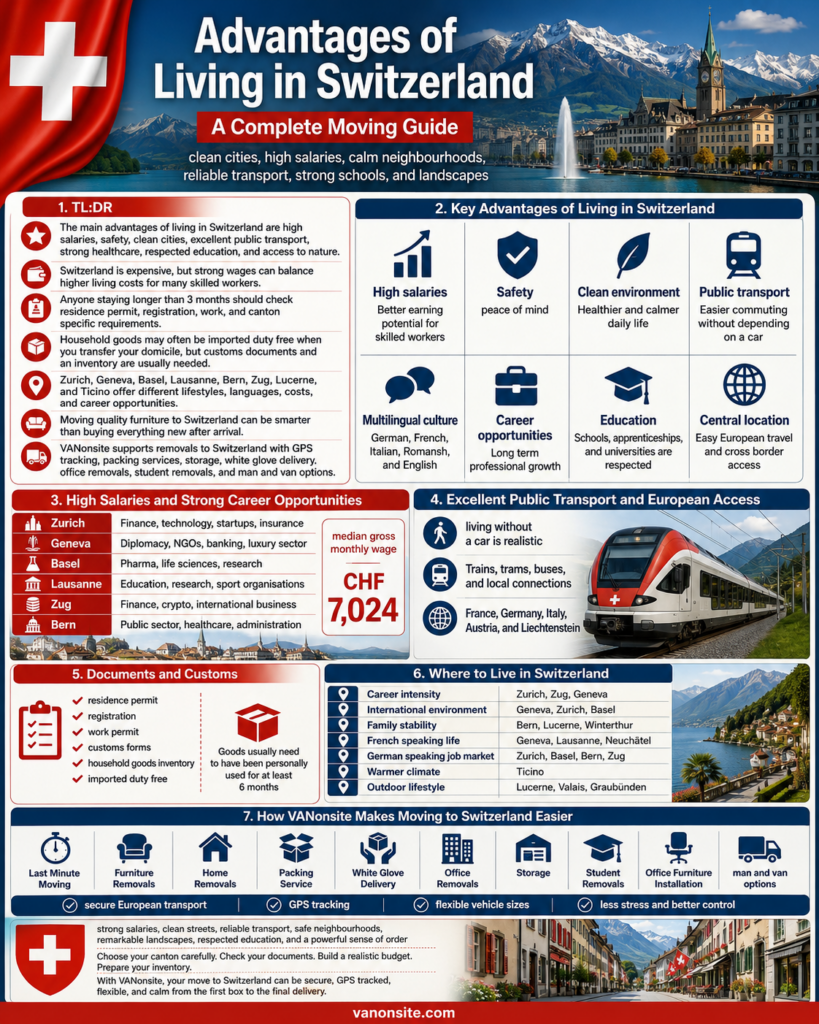
- The main advantages of living in Switzerland are high salaries, safety, clean cities, excellent public transport, strong healthcare, respected education, and access to nature.
- Switzerland is expensive, but strong wages can balance higher living costs for many skilled workers.
- Anyone staying longer than 3 months should check residence permit, registration, work, and canton specific requirements.
- Household goods may often be imported duty free when you transfer your domicile, but customs documents and an inventory are usually needed.
- Zurich, Geneva, Basel, Lausanne, Bern, Zug, Lucerne, and Ticino offer different lifestyles, languages, costs, and career opportunities.
- Moving quality furniture to Switzerland can be smarter than buying everything new after arrival.
- VANonsite supports removals to Switzerland with GPS tracking, packing services, storage, white glove delivery, office removals, student removals, and man and van options.




Key Advantages of Living in Switzerland
The advantages of living in Switzerland are not limited to one type of person. Professionals move for career growth. Families move for safety and education. Students move for respected universities. Entrepreneurs move for stability. Outdoor lovers move because Switzerland feels designed around lakes, trails, peaks, and clean air.
| Advantage | Why It Matters | Practical Impact |
|---|---|---|
| High salaries | Switzerland has one of Europe’s strongest wage levels | Better earning potential for skilled workers |
| Safety | Public order and low everyday risk support peace of mind | Attractive for families, students, and solo movers |
| Clean environment | Cities, lakes, villages, and mountain areas are well maintained | Healthier and calmer daily life |
| Public transport | Trains, trams, buses, and local routes are highly reliable | Easier commuting without depending on a car |
| Multilingual culture | German, French, Italian, Romansh, and English in business hubs | More choice when selecting a region |
| Career opportunities | Finance, pharma, IT, engineering, logistics, research, and NGOs are strong | Long term professional growth |
| Education | Schools, apprenticeships, and universities are respected | Strong appeal for families and students |
| Central location | Switzerland borders France, Germany, Italy, Austria, and Liechtenstein | Easy European travel and cross border access |
These advantages of living in Switzerland are powerful, but they come with responsibility. Switzerland rewards preparation. Permits, insurance, rental contracts, customs forms, delivery access, and moving dates should be arranged early. The country is efficient, and it expects newcomers to be organised too.
Why Switzerland Appeals to Expats, Families, and Professionals
Switzerland attracts people who want a life that feels stable. They want a strong career, but also cleaner streets, safer evenings, reliable systems, and weekends that do not disappear into noise and traffic. It is a country where order is part of the atmosphere.
The advantages of living in Switzerland are both practical and emotional. A higher salary helps, but so does a train that arrives on time. A clean park matters. A calm neighbourhood matters. A safe walk home matters. These small details add up and shape daily life.
Switzerland had just over 9 million residents at the end of 2024, yet it plays a major global role in finance, pharmaceuticals, research, diplomacy, design, precision manufacturing, and education. This gives new residents access to a small country with a strong international pulse.
For many movers, Switzerland feels like an upgrade in structure. Costs rise, but standards rise too. Rent may be competitive, but public spaces feel cared for. Groceries may cost more, but wages can be stronger. Bureaucracy can be strict, but rules are usually clear.
High Salaries and Strong Career Opportunities
One of the most obvious advantages of living in Switzerland is income potential. In 2024, the median gross monthly wage for a full time employee was CHF 7,024. Salaries can be especially attractive in finance, pharma, technology, engineering, healthcare, logistics, consulting, research, and legal services.
Of course, salary is only part of the story. Rent, health insurance, food, childcare, and taxes must be calculated carefully. Switzerland is not a low cost country. However, for many skilled workers, it offers something valuable: the chance to earn well in a stable and respected economy.
| City | Best For | Notes for Movers |
|---|---|---|
| Zurich | Finance, technology, startups, insurance | High salaries, high rents, strong international community |
| Geneva | Diplomacy, NGOs, banking, luxury sector | French speaking, global, polished, expensive |
| Basel | Pharma, life sciences, research | Close to France and Germany |
| Lausanne | Education, research, sport organisations | Scenic, student friendly, French speaking |
| Zug | Finance, crypto, international business | Attractive for business, very competitive housing |
| Bern | Public sector, healthcare, administration | Calm, central, and family friendly |
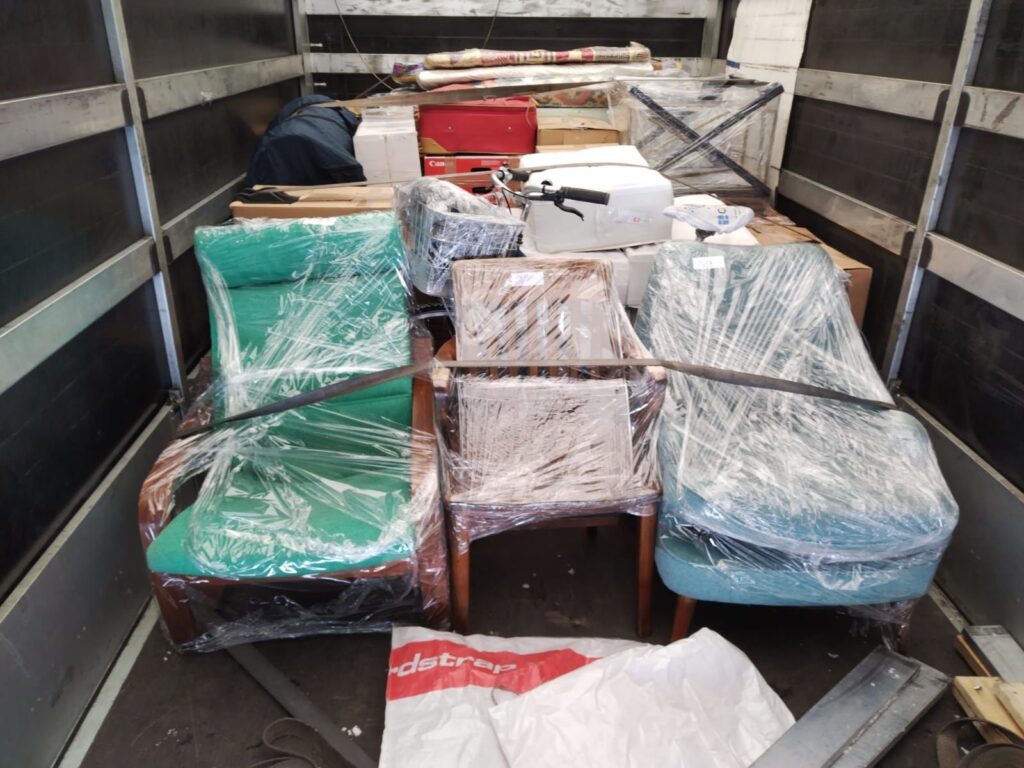
A strong salary also changes how people think about relocation. Instead of buying low quality furniture after arrival, many movers prefer to transport valuable items they already own. A good mattress, ergonomic office chair, dining table, wardrobe, bike, piano, or designer sofa may be worth moving, especially when Swiss retail prices are high.
VANonsite can support this with Furniture Removals, Home Removals, Packing Service, White Glove Delivery, Storage, and smaller man and van options. The goal is simple: protect what you own and help you start your Swiss life with less stress.
Safety, Clean Streets, and Peace of Mind
Safety is one of the quietest advantages of living in Switzerland, but it is also one of the most meaningful. You may notice it late at night on a tram, at a clean station, or when children travel to school with more independence. It is not dramatic. It is steady.
For families, this can change daily life. Parents worry less. Children gain confidence. Solo professionals feel more relaxed after dark. Students can focus on study rather than constant caution.
Cleanliness adds to that sense of order. Swiss towns and cities often feel carefully maintained. Parks are tidy. Streets are respected. Lakes are treated like shared treasures. This creates a powerful impression for newcomers who are used to more chaotic urban environments.
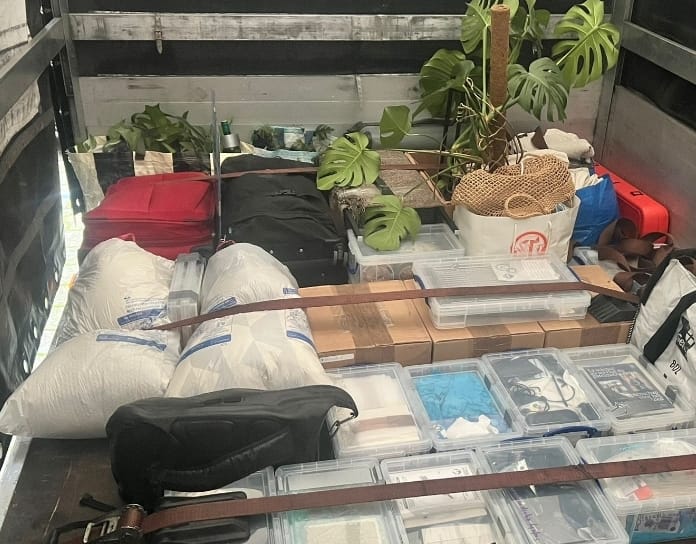
Safety also matters during the move itself. A relocation is not just boxes and tape. It is your furniture, work equipment, fragile glassware, children’s beds, monitors, instruments, documents, art, and personal memories. VANonsite offers secure transport, GPS tracking for every load, careful handling, and vehicle sizes matched to your shipment.
For urgent relocations, Last Minute Moving can help. For delicate or high value goods, White Glove Delivery adds extra care. For compact moves, a man and van solution can be fast, lean, and efficient.
Excellent Public Transport and European Access
Public transport is one of the most practical advantages of living in Switzerland. In many cities, living without a car is realistic. Trains, trams, buses, and local connections make commuting easier and help people move smoothly between work, school, shops, and leisure.
This can transform the rhythm of life. Less time in traffic means more time for family, sport, rest, or focused work. Zurich, Geneva, Basel, Bern, Lausanne, and Lucerne all offer strong public transport networks. Smaller towns are often connected better than many newcomers expect.
Switzerland is also perfectly positioned for European travel. France, Germany, Italy, Austria, and Liechtenstein are all close. This is a major benefit for international families, consultants, cross border workers, students, and people who want to keep close ties with their home country.
When planning removals to Switzerland, border requirements, delivery access, customs documents, parking rules, and building restrictions should be considered early. With VANonsite, customers can arrange European removals with GPS tracking, flexible vehicle sizes, and practical support for different types of moves.
Nature, Clean Air, and Outdoor Lifestyle
Some countries offer career opportunities. Others offer beautiful landscapes. Switzerland offers both.
The advantages of living in Switzerland are not hidden inside offices and salary reports. They spill into weekends and evenings. A Tuesday can end with a lake walk. A Saturday can become a mountain hike. Winter can bring skiing, and summer can bring cycling, swimming, climbing, or quiet hours beside the water.
You do not need to be an extreme athlete to enjoy Switzerland. You can be a slow walker, a parent with a pram, a cyclist, a lake swimmer, a skier, or someone who simply wants cleaner air and more space to breathe.
| Region | Lifestyle Appeal | Best For |
|---|---|---|
| Zurich | Career energy plus lake life | Professionals, families, entrepreneurs |
| Geneva | International culture plus lake and mountain access | Diplomats, NGO workers, finance professionals |
| Lausanne | Youthful, scenic, French speaking | Students, researchers, families |
| Lucerne | Central, beautiful, calmer | Families, commuters, nature lovers |
| Ticino | Italian speaking, warmer, relaxed | People wanting sun, lakes, and softer pace |
| Graubünden and Valais | Mountain life and outdoor sports | Hikers, skiers, tourism workers, remote workers |
This outdoor lifestyle is one of the emotional advantages of living in Switzerland. It makes health feel natural. It encourages movement. It gives people a reason to leave the screen, step outside, and reset.
Education, Healthcare, and Family Quality of Life
For families, the advantages of living in Switzerland become practical quickly. Parents care about safety, schools, healthcare, transport, parks, housing, and neighbourhood quality. Switzerland performs strongly in these areas, although planning is essential.
Education depends on canton, language region, and local rules. Public schools are usually connected to the place of residence, so choosing where to live can affect a child’s daily routine. International schools are available in major hubs such as Zurich, Geneva, Basel, Lausanne, and Zug, but fees can be high.
Healthcare is excellent, but health insurance is mandatory and private. New arrivals should compare premiums before arrival, because monthly costs can be significant. Families should also understand deductibles, basic cover, supplementary insurance, and local registration steps.
Before moving with children, prepare:
- School records and certificates.
- Birth certificates and family documents.
- Health insurance research.
- Childcare options and costs.
- Housing near school, work, or public transport.
- A plan for furniture delivery and storage.
- A list of essential items for the first week.
Family moves often involve complicated timing. One parent may arrive first. A rental contract may start later than expected. School may begin before furniture is delivered. VANonsite can help with storage, packing, GPS tracked transport, and flexible delivery planning, which reduces pressure during a demanding transition.
Multilingual Culture and International Connections
One of the underrated advantages of living in Switzerland is how much variety fits into a small country. Move from one canton to another and the mood can shift. Language, food, work culture, architecture, climate, and social habits all change.
Switzerland has four national languages: German, French, Italian, and Romansh. English is widely used in many international business environments, especially in finance, pharma, technology, academia, and NGOs. Still, learning the local language helps with integration, administration, friendships, and daily confidence.
| Language Region | Main Areas | Best For |
|---|---|---|
| German speaking | Zurich, Basel, Bern, Lucerne, Zug | Finance, tech, pharma, public sector, engineering |
| French speaking | Geneva, Lausanne, Neuchâtel | NGOs, diplomacy, education, luxury, research |
| Italian speaking | Lugano, Bellinzona, Locarno | Warmer lifestyle, Italian culture, cross border work |
| Romansh speaking areas | Parts of Graubünden | Mountain communities and rural life |
Zurich can feel fast and commercial. Geneva feels global and diplomatic. Lausanne feels elegant and youthful. Ticino feels warmer and more Mediterranean. Bern feels grounded and calm. Choosing the right region is not only about price. It is about language, work, school, culture, climate, and the life you want to build.
Documents Required When Moving to Switzerland
Paperwork is not the exciting part of relocation, but it protects your move from expensive mistakes. Anyone planning to stay in Switzerland for more than 3 months should check residence permit rules before arrival. Requirements depend on nationality, employment, study, family situation, and canton.
Useful official guidance includes:
Documents to prepare may include:
- Valid passport or national ID, depending on nationality.
- Employment contract, study confirmation, or self employment documents.
- Rental agreement or Swiss address confirmation.
- Birth certificates and marriage certificate, if moving with family.
- School documents for children.
- Health insurance documents or insurance registration plan.
- Inventory list of household goods.
- Customs documents for household effects.
- Pet documents, if moving animals.
- Vehicle documents, if importing a car.
Swiss customs may allow duty free import of household effects when you transfer your domicile to Switzerland and meet the conditions. Goods normally need to have been used personally for at least 6 months and continue to be used after import. Check the official Swiss customs guidance for moving household effects.
If you are moving with pets, check official rules before travel. Dogs, cats, and ferrets may need documents, microchip identification, and valid rabies vaccination depending on the country of origin and route. Official information is available from the Swiss Federal Food Safety and Veterinary Office.
A professional mover cannot replace legal advice, but a clear transport plan makes arrival easier. A correct inventory, realistic loading volume, and well timed delivery can reduce stress at the border and at your new address.
Cost of Living in Switzerland
Switzerland is expensive. Rent, deposits, health insurance, groceries, restaurants, childcare, and services can feel intense, especially in Zurich, Geneva, Zug, Basel, and Lausanne.
However, cost is only one side of the picture. One of the main advantages of living in Switzerland is that many residents also benefit from strong wages, reliable services, and excellent infrastructure. The key is budgeting honestly before arrival.
| Cost Category | What to Expect | Moving Tip |
|---|---|---|
| Rent | High in major cities and competitive cantons | Start searching early |
| Deposit | Often several months of rent | Keep cash available before arrival |
| Health insurance | Mandatory and paid privately | Compare premiums before choosing cover |
| Groceries | Higher than in many European countries | Budget for the first 3 months |
| Furniture | New items can be costly | Compare buying new with moving existing furniture |
| Public transport | Reliable, but passes add up | Check regional and commuter options |
| Storage | Useful when housing dates do not match | Book flexible storage if needed |
A 90-day landing budget is sensible. Include rent, deposit, insurance, food, moving costs, transport, furniture, registration, school needs, pet costs, and a reserve. Switzerland is not a country where financial improvisation feels comfortable.
Should You Move Furniture or Buy New?
Moving furniture to Switzerland can be a smart choice if your items are valuable, durable, personal, or expensive to replace. Buying everything new may sound simple, but costs rise quickly and delivery delays can make the first weeks uncomfortable.
Consider moving:
- Quality beds and mattresses.
- Wardrobes, tables, sofas, and solid wood furniture.
- Office desks, monitors, and ergonomic chairs.
- Children’s furniture and familiar bedroom items.
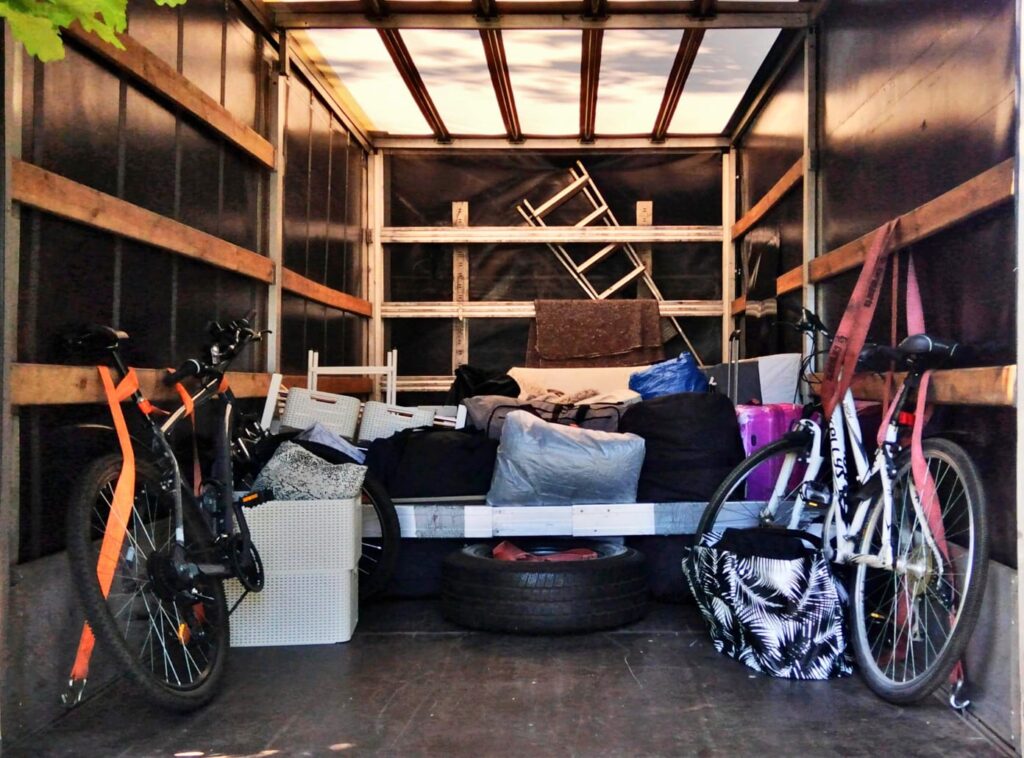
- Bikes, skis, sports equipment, instruments, and tools.
- Art, mirrors, decor, and fragile personal pieces.
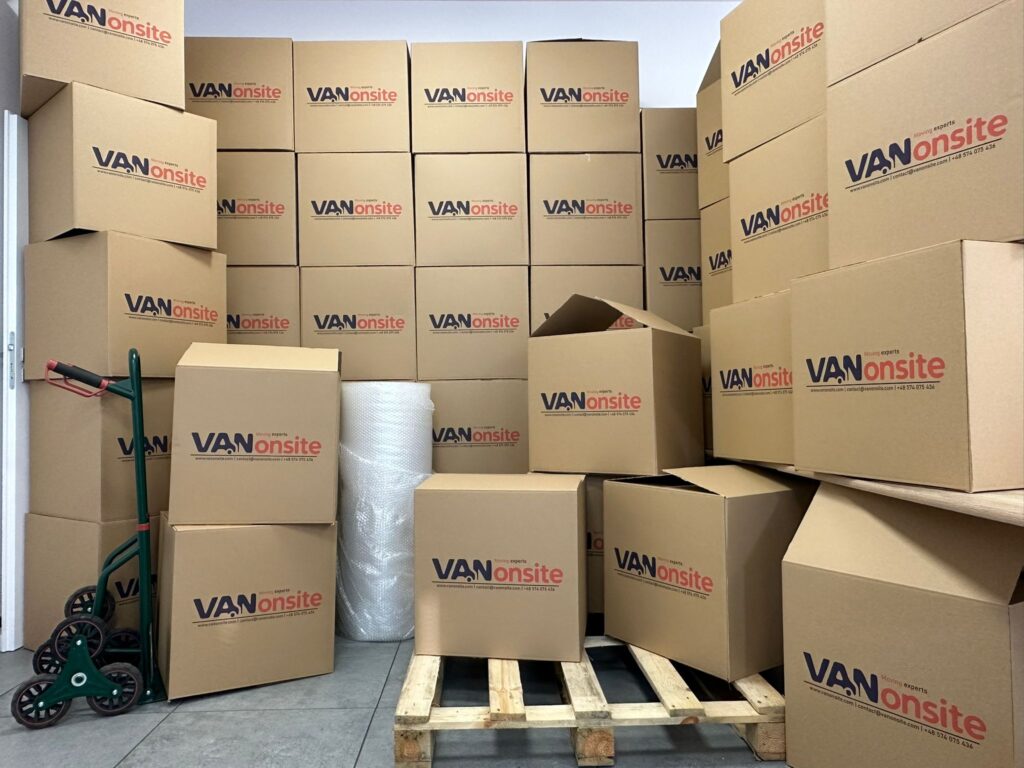
VANonsite offers different moving options depending on volume and weight. This helps customers avoid paying for too much space or struggling with a vehicle that is too small.
| VANonsite Vehicle Option | Capacity | Weight Limit | Best For |
|---|---|---|---|
| Moving One | 1 m3 | 100 kg | Suitcases, boxes, student essentials, very small moves |
| Moving Basic | 5 m3 | 300 kg | Studio items and compact furniture |
| Moving Medium | 10 m3 | 500 kg | One bedroom apartment and mixed furniture |
| Moving Premium | 15 m3 | 1,100 kg | Larger apartment and family essentials |
| Moving Premium Plus | 30 m3 | 3,500 kg | Full apartment or small house |
| Moving Full House XXL | 90 m3 | 20,000 kg | Large household, office relocation, full property move |
A man and van option can work well for students, solo professionals, small apartments, and urgent light moves. Larger family relocations usually need more structure, including packing, loading order, furniture protection, customs inventory, delivery access checks, and sometimes storage.

Where to Live in Switzerland
The best place to live in Switzerland depends on your job, budget, language, family needs, and lifestyle.
Zurich is strong for finance, technology, insurance, startups, and international business. It offers excellent public transport, high salaries, and lake life, but rents are competitive.
Geneva is ideal for diplomacy, NGOs, banking, luxury, international law, and global organisations. It is French speaking, cosmopolitan, and expensive.
Basel is powerful for pharma, life sciences, research, and cross border living. Its location near France and Germany gives movers extra flexibility.
Lausanne works well for students, researchers, sport organisations, and people who want French speaking culture with lake views.
Bern is calmer, central, practical, and family friendly. Ticino offers Italian language, warmer weather, lakes, and a softer southern mood.
| Priority | Best Fit | Why |
|---|---|---|
| Career intensity | Zurich, Zug, Geneva | Strong business hubs and high salary potential |
| International environment | Geneva, Zurich, Basel | Large expat and multinational communities |
| Family stability | Bern, Lucerne, Winterthur | Calm cities with strong services |
| French speaking life | Geneva, Lausanne, Neuchâtel | Education, culture, and international links |
| German speaking job market | Zurich, Basel, Bern, Zug | Broad employment opportunities |
| Warmer climate | Ticino | Italian atmosphere and lakeside lifestyle |
| Outdoor lifestyle | Lucerne, Valais, Graubünden | Mountains, hiking, skiing, and nature access |
One of the real advantages of living in Switzerland is choice. You can build a fast corporate life, a quieter family life, a lakeside routine, a mountain lifestyle, or an international career base.
Moving to Switzerland Step by Step
A successful Swiss move is built in layers. First choose the region. Then check documents. Then plan the budget. After that, organise your inventory, transport, packing, storage, and delivery access.
Follow this 8 step plan:
- Choose your canton and city based on work, language, school, budget, and lifestyle.
- Check visa, residence permit, work permit, and registration rules.
- Estimate rent, deposit, insurance, food, transport, and moving costs.
- Decide what to move, sell, donate, store, or replace.
- Prepare your household goods inventory for customs.
- Book a trusted European removals provider.
- Arrange packing, loading, GPS tracked transport, and delivery timing.
- Register locally, activate insurance, inspect delivery, and settle in.
Common mistakes include booking transport too late, underestimating deposits, forgetting health insurance, preparing no customs inventory, choosing the wrong van size, ignoring parking restrictions, or treating a full family relocation like a simple man and van job.
VANonsite helps customers avoid these problems with careful vehicle matching, GPS tracking, packing options, storage, white glove delivery, office removals, student removals, and flexible transport across Europe.
Is Switzerland Worth Moving To?
Yes, Switzerland is worth moving to if you value safety, high earning potential, clean surroundings, strong infrastructure, outdoor life, education, healthcare, and long term stability.
It may not suit everyone. If you want low rent, cheap restaurants, spontaneous housing decisions, or relaxed paperwork, Switzerland may feel demanding. But if you want a country that is organised, beautiful, prosperous, and deeply functional, the benefits can be exceptional.
| Switzerland Is Great If You Want | Switzerland May Be Challenging If You Need |
|---|---|
| High salary potential | Low rent |
| Safety and public order | Cheap everyday costs |
| Clean cities and nature | Easy last minute housing |
| Excellent public transport | A relaxed paperwork culture |
| Career growth | Low insurance costs |
| Strong family infrastructure | A very low cost student lifestyle |
| European access | Informal relocation planning |
The advantages of living in Switzerland are strongest when expectations are realistic. Switzerland is not cheap. It is not casual. It is not a place where paperwork can be ignored. But it can offer a remarkable quality of life to people who plan carefully.
How VANonsite Makes Moving to Switzerland Easier
Moving to Switzerland should feel exciting, not exhausting. VANonsite helps make the transport side calmer, safer, and more predictable with flexible European removals shaped around real needs.
Whether you are moving one room, a student flat, a full family home, valuable furniture, office equipment, or urgent essentials, VANonsite can match the service and vehicle size to the job.
Services include:
- Last Minute Moving for urgent relocation.
- Furniture Removals for beds, wardrobes, sofas, tables, and fragile pieces.
- Home Removals for full household moves.
- Packing Service for safer preparation.
- White Glove Delivery for delicate or high value items.
- Office Removals for business relocation.
- Storage for gaps between moving dates.
- Student Removals for compact relocation.
- Office Furniture Installation for workplace setup.
- man and van options for smaller, flexible moves.
Every load can be GPS tracked, which gives customers more reassurance during cross border transport. When your belongings are travelling across Europe, knowing where they are is not a luxury. It is peace of mind.
Planning your move? Explore secure removals to Switzerland with VANonsite and start your Swiss chapter with confidence.
FAQ About the Advantages of Living in Switzerland
What are the biggest advantages of living in Switzerland?
The biggest advantages of living in Switzerland are high salaries, safety, clean cities, excellent public transport, strong healthcare, respected education, outdoor lifestyle, and long term stability.
Is Switzerland expensive to live in?
Yes, Switzerland is expensive, especially for rent, health insurance, groceries, childcare, restaurants, and services. However, wages are also high in many sectors, so a careful budget can make the move realistic.
Is Switzerland good for families?
Yes, Switzerland is attractive for families because of safety, education, healthcare, clean public spaces, outdoor activities, and reliable transport. Families should plan school language, housing, insurance, childcare, and moving dates early.
Do I need a residence permit to live in Switzerland?
If you plan to stay in Switzerland for more than 3 months, you should check residence permit rules. Requirements depend on nationality, work status, study, family situation, and canton.
Can I move my furniture to Switzerland duty free?
In many cases, household goods can be imported duty free when you transfer your domicile to Switzerland and meet customs requirements. Goods usually need to have been personally used for at least 6 months and continue to be used after import.
Is a man and van service enough for moving to Switzerland?
A man and van service can be enough for students, solo professionals, boxes, suitcases, small furniture, or compact apartments. Larger family moves usually need more vehicle capacity, packing support, inventory planning, and structured delivery.
Why use VANonsite for removals to Switzerland?
VANonsite offers secure European transport, GPS tracking, flexible vehicle sizes, packing services, storage, white glove delivery, student removals, office removals, and man and van options. This helps customers move to Switzerland with less stress and better control.
Final Takeaway
The advantages of living in Switzerland are clear: strong salaries, clean streets, reliable transport, safe neighbourhoods, remarkable landscapes, respected education, and a powerful sense of order. But the best Swiss start belongs to people who plan properly.
Choose your canton carefully. Check your documents. Build a realistic budget. Prepare your inventory. Decide what furniture is worth moving. Then use a trusted removals partner that treats your belongings with care.
With VANonsite, your move to Switzerland can be secure, GPS tracked, flexible, and calm from the first box to the final delivery.