
The cost of living in Switzerland per year is one of the first questions people ask before they accept a job offer, choose a canton, sign a rental contract, or book a European move. And rightly so. Switzerland is safe, efficient, beautifully organised, and full of opportunity. It is also one of the most expensive countries in Europe.
For one person, the cost of living in Switzerland per year usually starts at around CHF 34,000 to CHF 45,000 with a careful lifestyle. A more comfortable single person budget can reach CHF 55,000 or more. For a couple, the yearly cost often sits between CHF 58,000 and CHF 88,000. For a family of four, a realistic range is usually CHF 80,000 to CHF 125,000, and it can climb much higher with childcare, international school, premium housing, or regular restaurant meals.
The good news is simple. Expensive does not mean impossible. The average cost of living in Switzerland per year becomes much easier to manage when you understand where the money goes, what to prepare before arrival, and how to avoid costly first month mistakes.
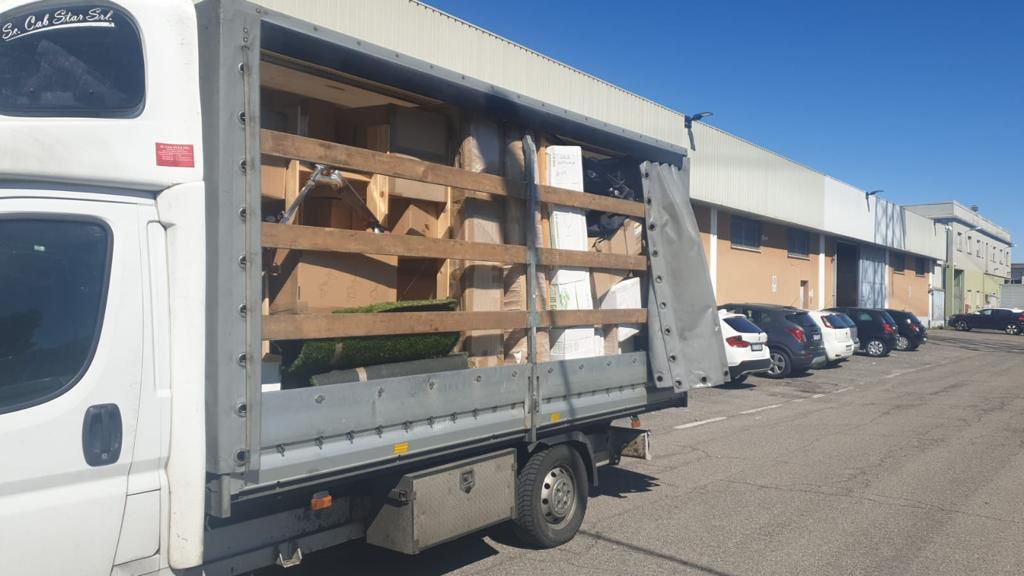
If you are planning a move, reliable transport matters as much as the budget itself. VANonsite offers trusted removals to Switzerland, flexible man and van options, secure handling, fast European transport, and GPS tracking for every load. When you are moving to a country where one delayed delivery can trigger hotel costs, temporary furniture, and avoidable stress, that visibility is a powerful advantage.
TL:DR
- The cost of living in Switzerland per year usually ranges from CHF 34,000 to CHF 55,000 for one person, depending mainly on rent, health insurance, canton, and lifestyle.
- A couple should expect the average cost of living in Switzerland per year to sit around CHF 58,000 to CHF 88,000.
- A family of four usually needs CHF 80,000 to CHF 125,000 per year, while childcare or international school can push the budget much higher.
- Rent is often the biggest monthly cost, with a one bedroom city centre apartment averaging around CHF 1,646 per month.
- Swiss basic health insurance is compulsory, with the 2026 average premium around CHF 393.30 per month per insured person.
- Daily costs add up quickly, especially groceries, cheese, meat, coffee, restaurant meals, utilities, and transport.
- Moving furniture and household goods with a reliable man and van service can reduce first year spending because replacing items in Switzerland is rarely cheap.




Quick Answer: How Much Does Switzerland Cost Per Year?
The cost of living in Switzerland per year depends on three powerful factors: where you live, how you rent, and how much of your life you need to rebuild after arrival. Someone moving into shared accommodation in a smaller city can live on far less than a family renting a large apartment near Zurich, Geneva, Lausanne, Basel, or Zug.
Here is a practical yearly overview:
| Household type | Monthly budget | Cost per year | Lifestyle profile |
|---|---|---|---|
| Single person, careful lifestyle | CHF 2,800 to CHF 3,700 | CHF 33,600 to CHF 44,400 | Shared flat, home cooking, public transport |
| Single person, comfortable lifestyle | CHF 3,800 to CHF 4,600 | CHF 45,600 to CHF 55,200 | Private flat, some eating out, stable routine |
| Couple | CHF 4,800 to CHF 7,300 | CHF 57,600 to CHF 87,600 | One bedroom home, two health policies |
| Family of four, no private childcare | CHF 6,700 to CHF 9,500 | CHF 80,400 to CHF 114,000 | Family apartment, public school route |
| Family of four with childcare | CHF 9,000 to CHF 14,500+ | CHF 108,000 to CHF 174,000+ | Nursery, larger home, higher service costs |
The first year often feels heavier than the years that follow. New residents face rent deposits, insurance setup, registration, permit costs, customs documents, moving costs, temporary accommodation, and sometimes furniture purchases. These are not small ripples. They are the waves that shape the first 90 days.
This is why planning the move carefully is not only convenient. It is financial self defence. A dependable man and van relocation with VANonsite can help you bring essential furniture, boxes, office items, student belongings, or full household goods without losing control of timing.
Average Cost of Living in Switzerland Per Year
The official Swiss household budget data shows that private households spend around CHF 5,049 per month on consumption. That equals roughly CHF 60,588 per year in consumer spending. Housing and energy, transport, food, restaurants, communication, healthcare, recreation, and household equipment all contribute to that total.
Still, the average cost of living in Switzerland per year for newcomers can differ from a settled household budget. A long term resident may already have furniture, a stable rental contract, local knowledge, insurance, and a tested grocery routine. A new arrival may have none of that.
The first year can include:
- A rental deposit of up to 3 months of rent
- Temporary accommodation before the long term apartment is ready
- Compulsory health insurance
- Registration and permit related costs
- International transport
- Customs paperwork for household goods
- New household purchases
- School and childcare setup
- Higher food spending while routines are still chaotic
That is why the cost of living in Switzerland per year should never be calculated from rent and groceries alone. The first year is a transition year. It needs a buffer.
A smart buffer is usually 10% to 20% above your normal yearly estimate. For a single person expecting to spend CHF 42,000, that means keeping an extra CHF 4,000 to CHF 8,000 available. For a family expecting CHF 95,000, a safer first year buffer may be CHF 10,000 to CHF 20,000.
Rent in Switzerland Per Year
Rent is the heavyweight category in the cost of living in Switzerland per year. It decides how much breathing room you have for food, travel, savings, and comfort. Swiss salaries can be high, but rent can absorb a serious share of monthly income if you choose the wrong location too quickly.
Typical rent estimates look like this:
| Rental type | Average monthly rent | Annual rent estimate |
|---|---|---|
| 1 bedroom apartment in city centre | CHF 1,646 | CHF 19,752 |
| 1 bedroom apartment outside city centre | CHF 1,324 | CHF 15,888 |
| 3 bedroom apartment in city centre | CHF 2,861 | CHF 34,332 |
| 3 bedroom apartment outside city centre | CHF 2,319 | CHF 27,828 |
A single person renting a one bedroom apartment in a city centre may spend nearly CHF 20,000 per year on rent before utilities. A family renting a three bedroom apartment in a central location can spend more than CHF 34,000 per year. That is before health insurance, food, transport, school costs, and moving expenses.
Location changes everything. Zurich, Geneva, Zug, Lausanne, Basel, and Bern can be dazzling, but they are also fierce rental markets. Smaller towns or commuter areas may offer better value, especially when the public transport connection is strong.
A deposit is another crucial point. In Switzerland, rental deposits often reach up to 3 months of rent. For a CHF 2,500 apartment, that can mean CHF 7,500 locked before you have even bought a kettle.
This is where timing matters. If your furniture arrives late, you may pay for temporary housing, extra storage, rental furniture, or rushed purchases. VANonsite helps reduce that pressure through careful European removals, GPS tracked transport, and flexible man and van solutions for different load sizes.
Food Prices in Switzerland
Food has a quiet power over the cost of living in Switzerland per year. You notice it in small moments: a coffee after a flat viewing, a quick sandwich near the station, a simple dinner shop after work. Nothing feels outrageous alone. Together, these moments build the monthly bill.
A single person should usually budget CHF 450 to CHF 700 per month for groceries. A couple may spend CHF 850 to CHF 1,300 per month. A family of four can easily spend CHF 1,300 to CHF 1,900 per month, especially if children need packed lunches, snacks, special diets, or quick meals during the first moving weeks.
Here are typical everyday prices:
| Product or service | Typical price in CHF |
|---|---|
| Milk, 1 litre | 1.81 |
| Fresh white bread, 500 g | 3.02 |
| Rice, 1 kg | 3.02 |
| Eggs, 12 | 6.18 |
| Local cheese, 1 kg | 21.57 |
| Chicken fillets, 1 kg | 23.04 |
| Beef, 1 kg | 35.93 |
| Apples, 1 kg | 3.02 |
| Bananas, 1 kg | 1.80 |
| Tomatoes, 1 kg | 4.22 |
| Potatoes, 1 kg | 1.67 |
| Bottled water, 1.5 litre | 1.15 |
| Cappuccino | 5.07 |
| Meal in an inexpensive restaurant | 25.00 |
| Fast food combo meal | 15.00 |
If you eat out often, the cost of living in Switzerland per year climbs fast. A modest restaurant meal for two can easily cost CHF 60 to CHF 100, while a family meal can feel like a small event. Cooking at home during the first 60 days is one of the simplest ways to protect your relocation budget.
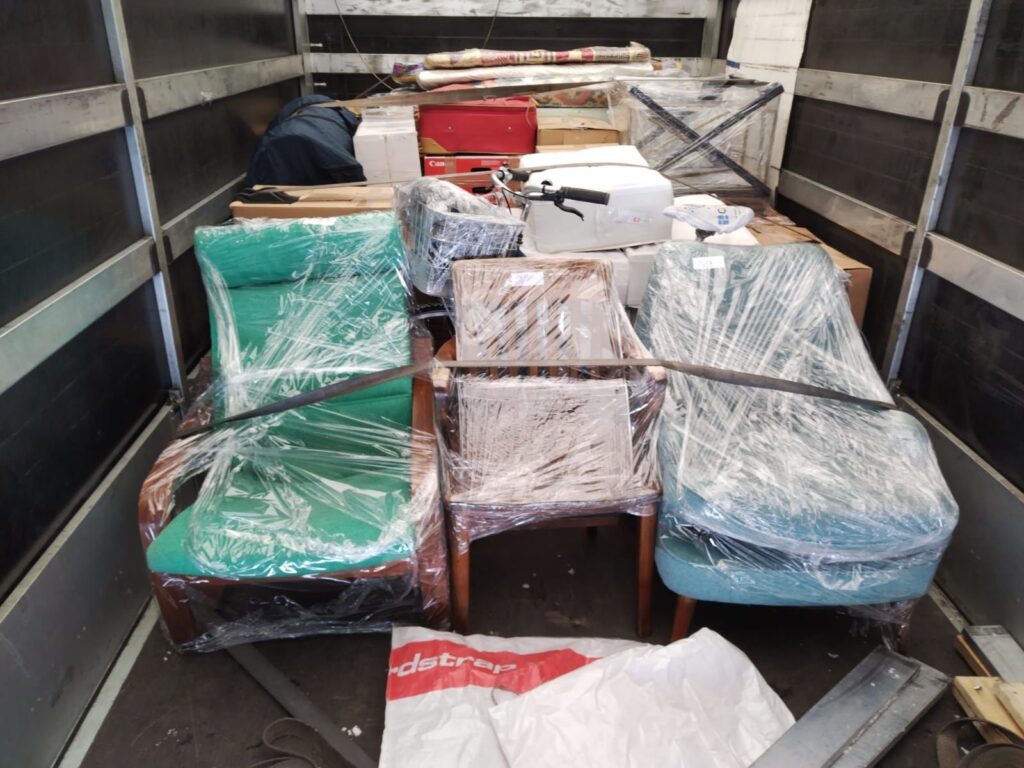
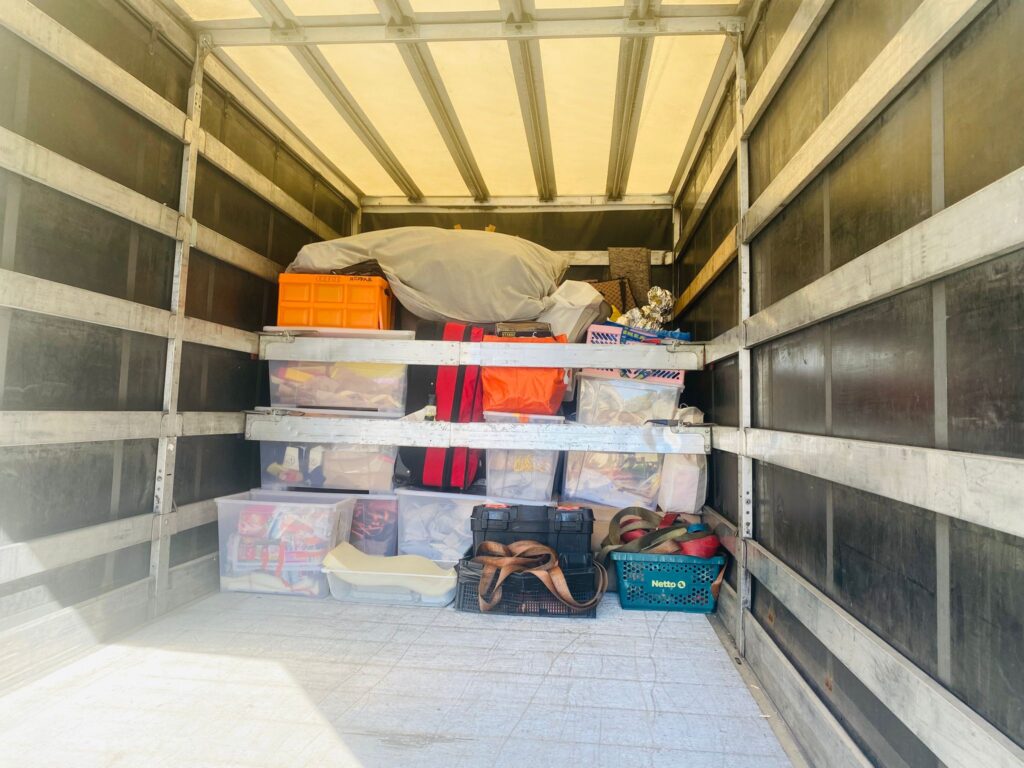
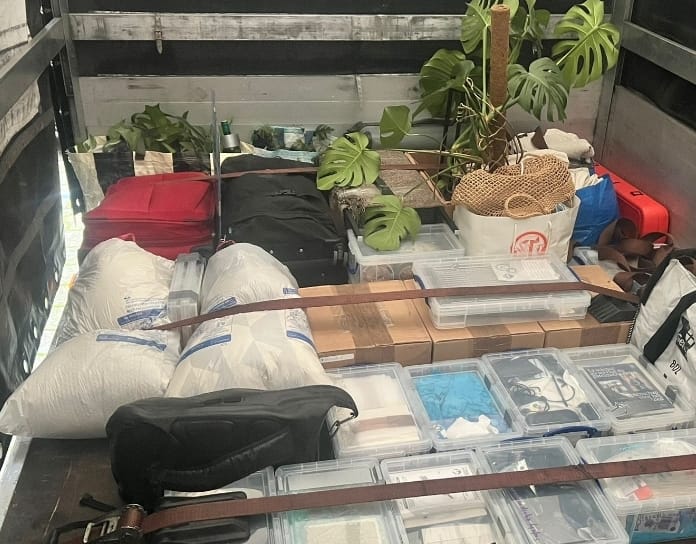
There is also a hidden moving lesson here. Bringing kitchen essentials, cookware, small appliances, children’s items, and useful household goods can save hundreds or even thousands of francs in the first year. A compact man and van move can be far cheaper than replacing practical items one by one in Switzerland.
Health Insurance in Switzerland Per Year
Health insurance is compulsory in Switzerland, and it is one of the most important parts of the cost of living in Switzerland per year. New residents usually need to arrange basic health insurance within 3 months of arrival. Premiums vary by canton, insurer, deductible, model, and age.
For 2026, the average monthly premium is around CHF 393.30 per insured person. Adults often pay more, while children usually pay less.
| Person type | Monthly estimate | Annual estimate |
|---|---|---|
| Average insured person, 2026 | CHF 393.30 | CHF 4,719.60 |
| Average adult | CHF 465.30 | CHF 5,583.60 |
| Young adult | CHF 326.30 | CHF 3,915.60 |
| Child | CHF 122.50 | CHF 1,470.00 |
For a couple, basic health insurance can easily approach CHF 10,000 to CHF 12,000 per year. For a family with two children, the yearly cost may sit around CHF 13,000 to CHF 16,000, depending on canton and policy choices.
This is why the average cost of living in Switzerland per year can feel high even when rent is under control. Healthcare is not a luxury item in the budget. It is a fixed pillar.
Before you move, compare premiums for your destination canton. Also decide whether a higher deductible makes sense for your situation. Healthy adults may choose a different structure than families with young children, regular medication, or planned treatment needs.
Transport, Utilities, Phone and Internet
Swiss public transport is clean, punctual, and beautifully connected. It can also save you serious money compared with owning a car. If you live near reliable train, tram, or bus connections, you may not need a vehicle at all in the first year.
Typical monthly and yearly costs:
| Cost category | Monthly estimate | Annual estimate |
|---|---|---|
| Local public transport pass | CHF 82 | CHF 984 |
| Basic utilities for 85 m2 apartment | CHF 222.53 | CHF 2,670 |
| Mobile plan with 10 GB+ data | CHF 32.68 | CHF 392 |
| Broadband internet | CHF 47.39 | CHF 569 |
| Fitness club membership | CHF 70.87 | CHF 850 |
| Cinema ticket | CHF 20 per ticket | Lifestyle dependent |
A car can change the cost of living in Switzerland per year dramatically. Fuel, parking, insurance, maintenance, motorway vignette, tyres, repairs, and import rules all add up. For many newcomers, the smartest route is simple: use public transport first, then decide later whether a car truly improves daily life.
Utilities are another category to watch. They may be included partly in rent, charged separately, or adjusted after annual consumption. Internet and phone contracts are not always cheap, so avoid signing the first plan you see during a tired moving week.
First Year Moving Budget: Costs People Often Forget
The cost of living in Switzerland per year is not only about normal monthly spending. The first year includes setup costs that do not repeat every year, but they can be painful if ignored.
Common first year costs include:
- Rental deposit, often up to 3 months of rent
- First month of rent before the first salary arrives
- Temporary accommodation during apartment search
- Health insurance, sometimes backdated from arrival
- Residence permit or registration related costs
- Customs documents for household effects
- International moving costs
- Furniture transport or furniture replacement
- Internet activation and mobile setup
- School supplies, childcare deposits, or nursery fees
- Storage if move in dates do not align
- Cleaning costs for the previous home
- Pet relocation documents, where relevant
- Emergency purchases during the first 30 days
These costs can add CHF 5,000 to CHF 25,000 to the first year depending on household size and housing situation. For a family, the impact can be even higher.
A good relocation plan should answer three questions before you leave:
- What must arrive with you immediately?
- What can arrive later?
- What would be expensive or annoying to replace in Switzerland?
VANonsite supports moves of different sizes, from small man and van transport to large household relocations. Every load can be GPS tracked, so you know where your belongings are instead of guessing while sitting in an empty apartment.
Documents Needed When Moving to Switzerland
Documents are not the most exciting part of relocation, but they can save you from expensive delays. Before moving, check the official Swiss guidance on moving to Switzerland, entry and residence rules, residence permits, and moving household effects.
You may need:
- Valid passport or national identity card
- Employment contract, assignment letter, or proof of income
- Rental contract or proof of accommodation
- Residence permit application or registration documents
- Health insurance confirmation after arrival
- Full inventory of imported household goods
- Customs form for personal household effects
- Proof that imported goods have been used personally for at least 6 months
- Vehicle documents if importing a car
- Pet passport, vaccination proof, or animal documents if relevant
- Marriage certificates, birth certificates, or school records for families
The customs part matters because personal household goods can often be imported duty free when you transfer residence, provided the requirements are met. The goods normally need to have been used by you personally for at least 6 months and continue to be used after import.
A clear inventory helps both customs and your mover. Label boxes well. Separate fragile goods. Keep essential documents with you, not packed deep inside the van. When your transport provider is organised, the paperwork feels less like a storm and more like a checklist.
Moving to Switzerland with VANonsite: Choosing the Right Vehicle Size
Choosing the right vehicle size can protect the cost of living in Switzerland per year because it reduces waste. Too small, and you may need extra trips. Too large, and you may pay for unused space. Too chaotic, and you risk broken items, delays, or expensive replacements.
VANonsite offers flexible moving options for different relocation sizes:
| VANonsite option | Volume | Weight | Best for |
|---|---|---|---|
| Moving One | 1 m3 | 100 kg | Suitcases, boxes, documents, small student move |
| Moving Basic | 5 m3 | 300 kg | Studio essentials, compact man and van move |
| Moving Medium | 10 m3 | 500 kg | Small apartment, selected furniture |
| Moving Premium | 15 m3 | 1,100 kg | One bedroom flat or larger furniture move |
| Moving Premium Plus | 30 m3 | 3,500 kg | Two bedroom home, family relocation |
| Moving Full House XXL | 90 m3 | 20,000 kg | Large house, full household, complex move |
A student may only need a compact man and van option. A couple moving from a furnished flat may choose Moving Medium. A family with beds, desks, toys, kitchenware, wardrobes, and home office equipment may need Moving Premium Plus or more.
VANonsite also offers GPS tracking for every load. That detail is powerful. During an international move, uncertainty is expensive. Knowing where your goods are helps you plan keys, lifts, parking, cleaning, childcare, and first night essentials.
Budget Example: Student Moving to Switzerland
Students often focus on tuition and rent, but the cost of living in Switzerland per year includes much more. Shared housing helps, but food, insurance, books, transport, and deposits still require planning.
| Category | Monthly estimate | Yearly estimate |
|---|---|---|
| Shared rent | CHF 800 to CHF 1,300 | CHF 9,600 to CHF 15,600 |
| Groceries | CHF 400 to CHF 550 | CHF 4,800 to CHF 6,600 |
| Health insurance | CHF 250 to CHF 400 | CHF 3,000 to CHF 4,800 |
| Public transport | CHF 70 to CHF 120 | CHF 840 to CHF 1,440 |
| Phone, internet, utilities share | CHF 100 to CHF 180 | CHF 1,200 to CHF 2,160 |
| Study and personal costs | CHF 350 to CHF 600 | CHF 4,200 to CHF 7,200 |
Estimated student total: CHF 23,640 to CHF 37,800 per year
A student move is often perfect for a smaller man and van service. Bringing clothes, study equipment, bedding, kitchen basics, a chair, a monitor, and a few personal items can make the first room feel warm without overspending in Swiss shops.
Budget Example: Single Professional Moving to Switzerland
For a single professional, the cost of living in Switzerland per year usually depends on rent and lifestyle. The danger is not always the big apartment. It is the slow leak: lunches near the office, after work drinks, weekend trips, gym contracts, subscriptions, and convenient shopping.
| Category | Monthly estimate | Yearly estimate |
|---|---|---|
| Rent | CHF 1,300 to CHF 2,000 | CHF 15,600 to CHF 24,000 |
| Groceries | CHF 450 to CHF 700 | CHF 5,400 to CHF 8,400 |
| Health insurance | CHF 350 to CHF 550 | CHF 4,200 to CHF 6,600 |
| Transport | CHF 80 to CHF 200 | CHF 960 to CHF 2,400 |
| Utilities, phone, internet | CHF 220 to CHF 350 | CHF 2,640 to CHF 4,200 |
| Eating out and lifestyle | CHF 500 to CHF 900 | CHF 6,000 to CHF 10,800 |
| Miscellaneous and savings buffer | CHF 400 to CHF 800 | CHF 4,800 to CHF 9,600 |
Estimated single professional total: CHF 39,600 to CHF 66,000 per year
With disciplined choices, this can be reduced. A flat outside the city centre, home cooking, public transport, and bringing existing furniture can make the first year much softer.
Budget Example: Couple Moving to Switzerland
For a couple, shared rent helps, but two adult health policies and lifestyle costs increase the average cost of living in Switzerland per year. The strongest savings usually come from choosing the right apartment, avoiding unnecessary car ownership, and not replacing household goods too quickly.
| Category | Monthly estimate | Yearly estimate |
|---|---|---|
| Rent | CHF 1,700 to CHF 2,700 | CHF 20,400 to CHF 32,400 |
| Groceries | CHF 850 to CHF 1,300 | CHF 10,200 to CHF 15,600 |
| Health insurance | CHF 800 to CHF 1,100 | CHF 9,600 to CHF 13,200 |
| Transport | CHF 160 to CHF 400 | CHF 1,920 to CHF 4,800 |
| Utilities, phone, internet | CHF 300 to CHF 500 | CHF 3,600 to CHF 6,000 |
| Eating out and lifestyle | CHF 700 to CHF 1,500 | CHF 8,400 to CHF 18,000 |
| Miscellaneous and buffer | CHF 500 to CHF 900 | CHF 6,000 to CHF 10,800 |
Estimated couple total: CHF 60,120 to CHF 100,800 per year
The range is wide because Switzerland rewards restraint and punishes impulse. A couple who brings furniture, cooks often, and chooses a sensible location can live very differently from a couple who rents centrally, eats out frequently, and buys everything new.



Budget Example: Family Moving to Switzerland
For families, the cost of living in Switzerland per year can become intense. Rent, food, insurance, childcare, school materials, transport, sports, clothing, and larger moving volume all matter.
| Category | Monthly estimate | Yearly estimate |
|---|---|---|
| Rent | CHF 2,300 to CHF 3,800 | CHF 27,600 to CHF 45,600 |
| Groceries | CHF 1,300 to CHF 1,900 | CHF 15,600 to CHF 22,800 |
| Health insurance | CHF 1,100 to CHF 1,400 | CHF 13,200 to CHF 16,800 |
| Transport | CHF 250 to CHF 700 | CHF 3,000 to CHF 8,400 |
| Utilities, phone, internet | CHF 400 to CHF 700 | CHF 4,800 to CHF 8,400 |
| Child related costs | CHF 500 to CHF 2,500+ | CHF 6,000 to CHF 30,000+ |
| Lifestyle, clothing, activities | CHF 700 to CHF 1,500 | CHF 8,400 to CHF 18,000 |
| Miscellaneous and buffer | CHF 600 to CHF 1,200 | CHF 7,200 to CHF 14,400 |
Estimated family total: CHF 85,800 to CHF 164,400+ per year
Childcare is the wild card. Public school can keep costs under control, but nursery, after school care, private childcare, or international school can change the budget dramatically.
Families also have more to lose from a chaotic move. Children need beds, routines, clothes, toys, desks, and familiar objects. VANonsite can support larger moves with secure transport, GPS tracking, and vehicle sizes suitable for full household relocations.
Should You Move Furniture to Switzerland or Buy New?
This question can change the cost of living in Switzerland per year more than people expect. Switzerland is not the cheapest place to rebuild a home from zero. Beds, desks, mattresses, chairs, wardrobes, cookware, lamps, office furniture, and children’s furniture can quickly become a four figure or five figure shopping list.
Moving furniture often makes sense when:
- The items are good quality
- You already own them
- They have been used for more than 6 months
- They fit your expected Swiss home
- Replacement would be expensive
- The emotional value is high
- You want to feel settled quickly
Buying new may make sense when:
- You are moving into a furnished apartment
- Your current furniture is low value
- The new apartment is much smaller
- Transport cost is higher than replacement cost
- You only need suitcases and a few boxes
For many people, the best answer is mixed. Move the valuable and useful items. Sell or donate what no longer fits. Use a man and van option for essentials if you do not need a full household move.
A careful pre move inventory can save real money. Walk through your home and mark each item as bring, sell, donate, store, or replace. Then compare the cost of transporting the bring list with the cost of buying those items again in Switzerland.
How to Reduce the Cost of Living in Switzerland Per Year
You cannot make Switzerland cheap, but you can make it much more manageable. The biggest wins come from structure, not sacrifice.
Try these steps:
- Choose a home outside the most expensive city centres if the commute works.
- Compare health insurance premiums before the deadline.
- Cook at home during the first 60 days.
- Use public transport before buying or importing a car.
- Bring essential furniture and kitchen items instead of replacing everything.
- Shop across Migros, Coop, Lidl, Aldi, and local markets.
- Avoid long temporary accommodation periods.
- Keep a moving buffer of at least 10% to 20% of your yearly budget.
- Prepare customs documents before loading the van.
- Choose the correct moving vehicle size.
- Use GPS tracked transport for better timing control.
- Book a reliable man and van service instead of making risky last minute arrangements.
The emotional side matters too. Moving is not only boxes and forms. It is the first breakfast in a new kitchen, the first night in a quiet bedroom, the first morning when your child finds their favourite toy, or the first workday when your desk is ready. Bringing familiar things can make Switzerland feel less like a cold landing and more like a bold new chapter.
How VANonsite Supports a Smarter Move to Switzerland
The cost of living in Switzerland per year is high enough without adding avoidable moving problems. Late delivery, damaged furniture, poor communication, unclear timing, and wrong vehicle size can turn a relocation into a financial bruise.
VANonsite is built for people who want their move handled with care, speed, and clarity. The service is especially useful for European relocations because it offers:
- Flexible vehicle sizes from 1 m3 to 90 m3
- Small man and van options for students and compact moves
- Larger removals for apartments, homes, and offices
- GPS tracking for every load
- Careful handling of furniture and household goods
- Last minute moving support when timing changes
- Furniture removals, home removals, office removals, packing, storage, and white glove delivery options
- A professional relocation experience without needless drama
This is not only about moving boxes from one country to another. It is about protecting the first week of your new life.
When you know your belongings are on the way, tracked, handled properly, and matched to the right vehicle size, you can focus on the bigger things: registration, insurance, school, work, and building your routine.
Cost of Living in Switzerland Per Year by Lifestyle
The cost of living in Switzerland per year can be lean, comfortable, or premium. The difference is not always salary. It is choices.
| Lifestyle | Single person yearly cost | Couple yearly cost | Family yearly cost |
|---|---|---|---|
| Lean | CHF 34,000 to CHF 42,000 | CHF 58,000 to CHF 68,000 | CHF 80,000 to CHF 95,000 |
| Comfortable | CHF 43,000 to CHF 55,000 | CHF 69,000 to CHF 88,000 | CHF 96,000 to CHF 125,000 |
| Premium | CHF 56,000+ | CHF 90,000+ | CHF 130,000+ |
A lean lifestyle may include shared housing, public transport, limited eating out, and careful grocery shopping. A comfortable lifestyle usually includes a private rental, occasional restaurants, hobbies, local trips, and stronger savings. A premium lifestyle may include central housing, car ownership, regular dining out, private services, childcare, international school, and high end furniture purchases.
The important thing is to choose deliberately. Switzerland can devour careless money, but it also rewards people who plan with precision.
Final Yearly Budget Checklist Before Moving to Switzerland
Before you book your move, check these numbers:
- Estimated annual rent
- Rental deposit
- First month cash requirement
- Health insurance for each person
- Food budget
- Transport budget
- Utilities and internet
- Childcare or school costs
- Permit and registration costs
- Customs paperwork needs
- Emergency fund
- International moving quote
- Storage needs
- Furniture replacement cost if you do not move your goods
Then ask the most important relocation question: what is cheaper and calmer, moving what you already own or buying again after arrival?
For many people, VANonsite offers the better route. A GPS tracked man and van move can help you arrive with the things that matter, reduce first year purchases, and turn a complex European relocation into a controlled plan.
FAQ: Cost of Living in Switzerland Per Year
What is the cost of living in Switzerland per year for one person?
The cost of living in Switzerland per year for one person usually ranges from CHF 34,000 to CHF 55,000. A careful lifestyle with shared housing can stay near the lower end. A private apartment in a major city, regular eating out, and higher insurance costs can push the total above CHF 55,000.
What is the average cost of living in Switzerland per year?
The average cost of living in Switzerland per year is often around CHF 60,000 to CHF 70,000 per household, depending on household size and location. Newcomers should budget extra for deposits, health insurance setup, moving costs, furniture, documents, and temporary accommodation.
How much does a family need to live in Switzerland for one year?
A family of four usually needs CHF 80,000 to CHF 125,000 per year without expensive childcare or international school. With childcare, private schooling, a large apartment, or premium lifestyle choices, the cost can rise above CHF 150,000 per year.
Is Switzerland expensive compared with the rest of Europe?
Yes. Switzerland is one of the most expensive countries in Europe for rent, groceries, restaurants, insurance, and services. However, salaries are also often higher, public services are strong, and careful planning can make the cost of living in Switzerland per year easier to control.
How much savings should I have before moving to Switzerland?
A single person should ideally have at least CHF 10,000 to CHF 20,000 available before moving, depending on rent and job situation. A family should consider a larger safety buffer, often CHF 25,000 to CHF 50,000, because deposits, insurance, childcare, and moving costs can arrive quickly.
Is it better to move furniture to Switzerland or buy new?
It is often better to move good quality furniture to Switzerland, especially if you already own beds, desks, chairs, kitchen items, children’s furniture, or office equipment. Buying everything again in Switzerland can be expensive. A reliable man and van service can make furniture transport more cost effective.
Can VANonsite help with removals to Switzerland?
Yes. VANonsite offers flexible removals to Switzerland, from compact man and van moves to full household relocations. The company provides secure transport, multiple vehicle sizes, fast European moving support, and GPS tracking for every load.
Move to Switzerland with More Control and Less Stress
The cost of living in Switzerland per year is high, but uncertainty is what makes it feel frightening. Once you understand the numbers, the move becomes easier to shape. Rent, food, insurance, transport, documents, and furniture all need a place in the plan.
VANonsite helps you protect that plan. With flexible vehicle sizes, secure handling, fast European routes, GPS tracking, and reliable man and van options, your move to Switzerland can feel organised from the first box to the final delivery.
Switzerland rewards people who prepare well. Bring the right belongings, protect your budget, sort your documents, and choose transport you can trust. Your new life deserves a confident start.