
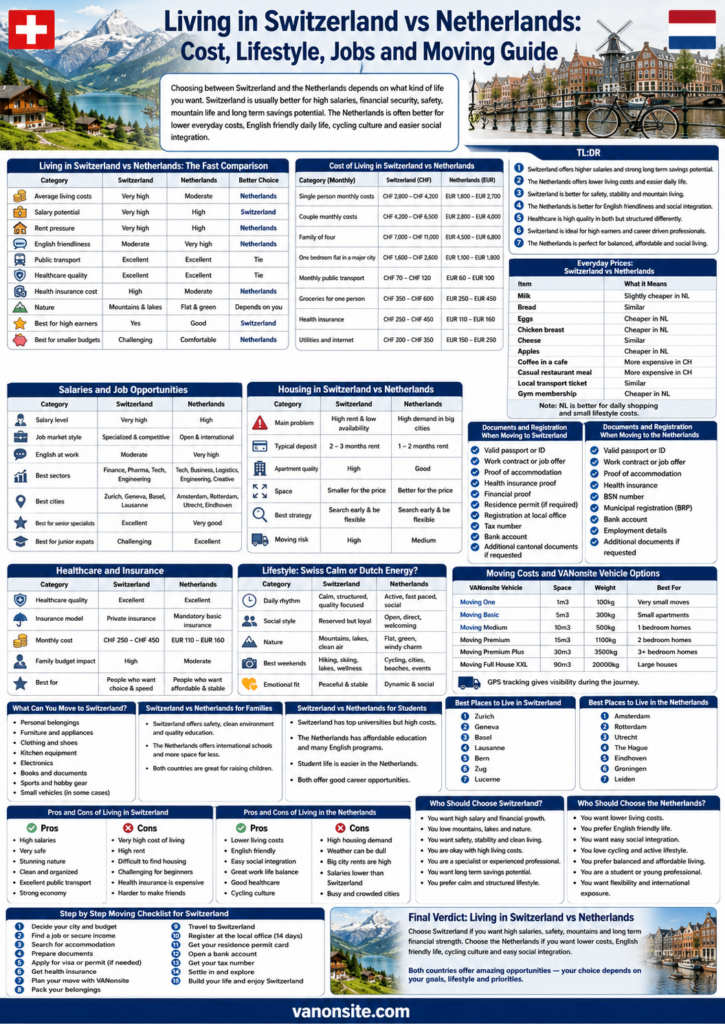
Choosing between Switzerland and the Netherlands is not just a practical decision. It is a decision about the shape of your daily life, your budget, your career and the kind of place you want to call home. If you are comparing living in Switzerland vs Netherlands, the quick answer is clear: Switzerland is usually better for high salaries, financial security, safety, mountain life and long term savings potential. The Netherlands is often better for lower everyday costs, English friendly daily life, cycling culture and easier social integration.
Switzerland feels polished, calm and precise. Streets are clean, trains are reliable and the mountains are never just decoration. They become part of your weekend rhythm. The Netherlands feels open, clever and energetic. It is compact, international and practical, with bikes, canals and lively cities shaping everyday life.
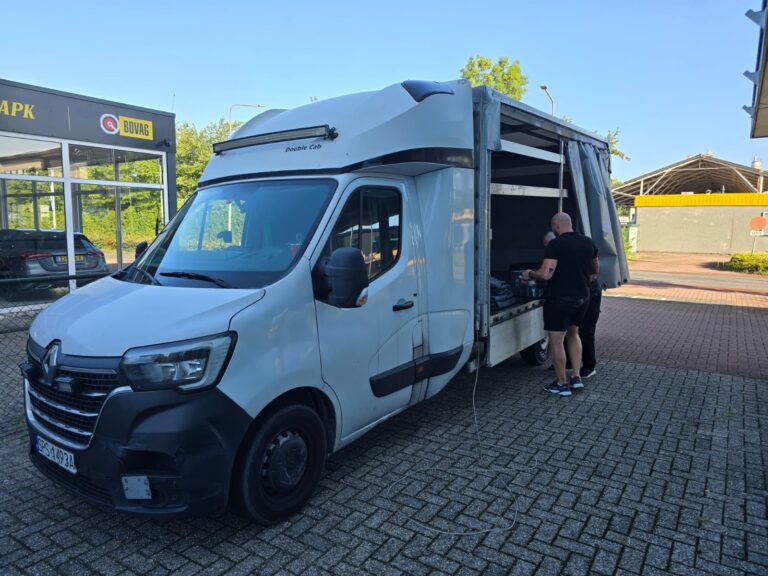
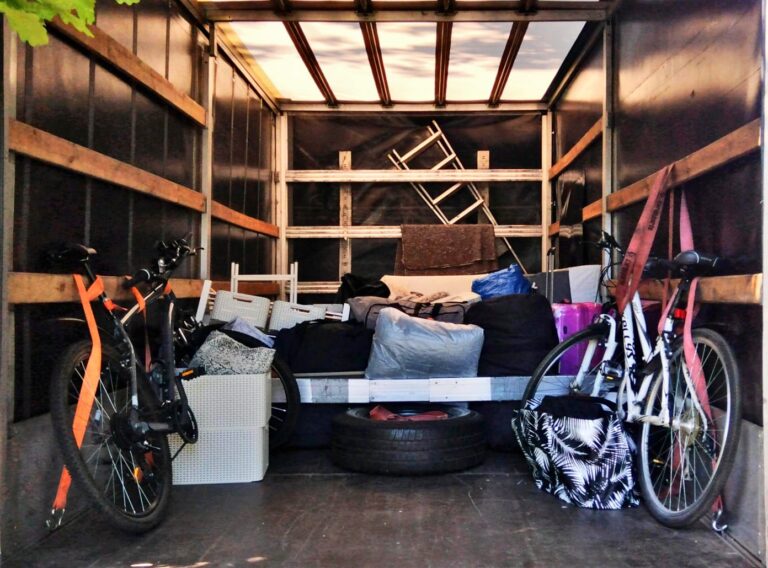
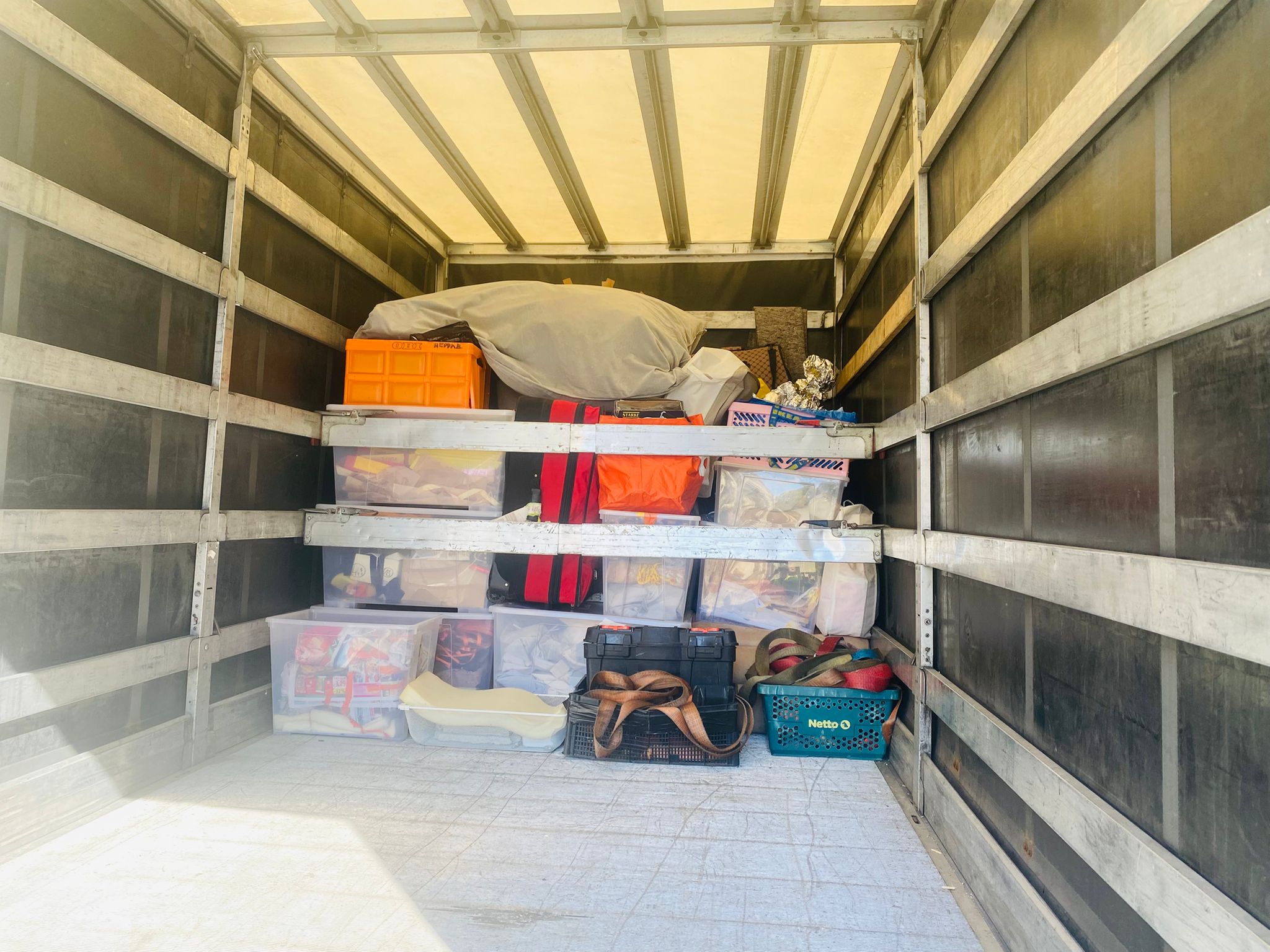
Both countries can offer a remarkable quality of life, but they demand different budgets and different expectations. Rent, health insurance, food, transport, salaries and documents all matter. So does the move itself. A relocation across Europe becomes easier when your belongings are handled with the same care as your paperwork. VANonsite supports European moves with GPS tracked transport, flexible vehicle sizes, careful loading, packing support and practical man and van options for small, medium and full house relocations.
TL:DR
- Switzerland is usually more expensive than the Netherlands, especially for rent, groceries, restaurants and health insurance.
- The Netherlands is often easier for newcomers because English is widely spoken and daily life feels more accessible.
- Switzerland usually offers stronger salary potential, especially in finance, pharma, engineering, healthcare, technology and international organisations.
- The Netherlands is often better for cycling culture, social life, international students and people who want a softer first year abroad.
- Switzerland is stronger for safety, clean infrastructure, Alpine nature and long term financial stability.
- Housing is competitive in both countries, with Zurich, Geneva, Amsterdam, Utrecht and Rotterdam among the hardest markets.
- If you are moving to Switzerland, VANonsite can help with GPS tracked removals, man and van transport, packing, furniture removals and flexible vehicle sizes from 1m3 to 90m3.




Living in Switzerland vs Netherlands: The Fast Comparison
When people compare living in Switzerland vs Netherlands, they often begin with money. That makes sense, because the price gap is real. Switzerland is one of Europe’s most expensive countries, while the Netherlands is still costly but usually more manageable.
Yet money is not the whole answer. Switzerland gives you exceptional order, safety, salaries and natural beauty. The Netherlands gives you openness, strong English use, practical city life and a more relaxed social rhythm.
| Category | Switzerland | Netherlands | Better Choice |
|---|---|---|---|
| Average living costs | Very high | High, but usually lower | Netherlands |
| Salary potential | Exceptional | Strong | Switzerland |
| Rent pressure | Very high in Zurich, Geneva and Zug | Very high in Amsterdam, Utrecht and Rotterdam | Depends on city |
| English friendliness | Good in major cities | Very strong | Netherlands |
| Public transport | Excellent | Excellent | Draw |
| Healthcare quality | Excellent | Very strong | Draw |
| Health insurance cost | High | Usually lower | Netherlands |
| Nature | Alps, lakes, forests and ski areas | Coast, canals, parks and cycling routes | Depends on lifestyle |
| Best for high earners | Excellent | Good | Switzerland |
| Best for smaller budgets | Challenging | More realistic | Netherlands |
In simple terms, Switzerland is the powerful choice. The Netherlands is the easier landing. Switzerland rewards strong income and careful planning. The Netherlands rewards flexibility, openness and a practical mindset.
Cost of Living in Switzerland vs Netherlands
Cost is the sharpest difference in the living in Switzerland vs Netherlands debate. Switzerland can feel expensive from the first supermarket visit. Groceries, restaurants, rent, healthcare and services are all noticeably higher than in most European countries.
The Netherlands is not cheap, especially in Amsterdam, Utrecht, Rotterdam and The Hague. However, everyday spending is usually easier to control. Food, cafe prices, gyms, rent outside the most competitive cities and monthly insurance costs are generally more forgiving than in Switzerland.
| Monthly Cost Category | Switzerland, Estimated | Netherlands, Estimated | Practical Takeaway |
|---|---|---|---|
| Single person monthly costs | CHF 3,000 to CHF 4,500 | EUR 2,000 to EUR 3,200 | Switzerland needs stronger income |
| Couple monthly costs | CHF 5,200 to CHF 7,500 | EUR 3,600 to EUR 5,200 | Housing changes the whole budget |
| Family of four | CHF 7,500 to CHF 11,000 | EUR 5,000 to EUR 7,500 | Childcare and rent are decisive |
| One bedroom flat in a major city | CHF 1,700 to CHF 2,800 | EUR 1,300 to EUR 2,200 | Both markets are competitive |
| Monthly public transport | CHF 75 to CHF 120 | EUR 80 to EUR 120 | Similar practical value |
| Groceries for one person | CHF 450 to CHF 750 | EUR 300 to EUR 500 | Netherlands is clearly cheaper |
| Health insurance | CHF 300 to CHF 550 | EUR 140 to EUR 200 | Switzerland feels heavier monthly |
| Utilities and internet | CHF 220 to CHF 400 | EUR 200 to EUR 350 | Similar, with Swiss prices often higher |
The real question is not only “Which country is cheaper?” It is “How much can I keep after rent, insurance, tax, transport and food?” A senior engineer in Zurich may save more than a similar worker in Amsterdam, even with higher costs. A student, junior employee or young family may feel the opposite.
Everyday Prices: Switzerland vs Netherlands
Small purchases reveal the truth of daily life. Rent hurts once a month, but groceries, coffee, lunch and transport tickets shape your routine every day. For anyone comparing living in Switzerland vs Netherlands, these everyday prices are often more useful than broad cost averages.
| Everyday Product or Service | Switzerland, Approx. | Netherlands, Approx. | What It Means |
|---|---|---|---|
| Milk, 1 litre | CHF 2.00 to CHF 2.40 | EUR 1.30 to EUR 1.60 | Switzerland higher |
| Bread, 500 g | CHF 3.00 to CHF 4.20 | EUR 2.00 to EUR 2.80 | Switzerland higher |
| Eggs, 12 | CHF 7.00 to CHF 9.00 | EUR 4.50 to EUR 6.00 | Switzerland higher |
| Chicken breast, 1 kg | CHF 22 to CHF 30 | EUR 11 to EUR 16 | Switzerland much higher |
| Cheese, 1 kg | CHF 20 to CHF 28 | EUR 12 to EUR 18 | Switzerland higher |
| Apples, 1 kg | CHF 3.50 to CHF 5.00 | EUR 2.50 to EUR 3.50 | Switzerland higher |
| Coffee in a cafe | CHF 4.50 to CHF 6.50 | EUR 3.20 to EUR 4.80 | Switzerland higher |
| Casual restaurant meal | CHF 25 to CHF 35 | EUR 17 to EUR 25 | Switzerland higher |
| Local transport ticket | CHF 3.50 to CHF 5.00 | EUR 3.00 to EUR 4.20 | Similar, but Switzerland higher |
| Gym membership | CHF 60 to CHF 100 | EUR 30 to EUR 60 | Netherlands cheaper |
The Netherlands wins the everyday price battle. Switzerland wins only when income rises enough to absorb the higher baseline. This is why many expats describe Switzerland as painful at first, then powerful later.
Salaries and Job Opportunities
Switzerland has one of the strongest salary profiles in Europe. It is especially attractive for experienced professionals in finance, pharmaceuticals, engineering, IT, healthcare, insurance, research and international organisations. If you already have a strong job offer, Switzerland can become financially impressive despite high prices.
The Netherlands also has a strong job market, especially in technology, logistics, renewable energy, food technology, finance, creative industries, startups and international trade. It is often easier for English speaking professionals, especially in Amsterdam, Rotterdam, Eindhoven, Utrecht and The Hague.
| Career Factor | Switzerland | Netherlands |
|---|---|---|
| Salary level | Among the highest in Europe | Strong, but usually lower |
| Job market style | Competitive, formal and highly skilled | International, open and practical |
| English at work | Common in global companies | Very common in major cities |
| Best sectors | Finance, pharma, IT, engineering, healthcare | Tech, logistics, startups, finance, creative sectors |
| Best cities | Zurich, Geneva, Basel, Zug, Lausanne | Amsterdam, Rotterdam, Utrecht, Eindhoven, The Hague |
| Best for senior specialists | Excellent | Good |
| Best for junior expats | More difficult | Often easier |
When comparing living in Switzerland vs Netherlands, do not compare gross salaries only. Compare net income after tax, rent, health insurance, childcare, commuting and groceries. The larger number on a contract is not always the better life.
Housing in Switzerland vs Netherlands
Housing is difficult in both countries, but the problem has a different flavour.
In Switzerland, the challenge is price and competition. Apartments are often clean, efficient and well maintained, but applications can feel formal. Landlords may ask for proof of income, references, residence status and deposit arrangements. Zurich, Geneva, Zug, Basel and Lausanne are especially competitive.
In the Netherlands, the main challenge is shortage. Amsterdam, Utrecht, Rotterdam and The Hague can be frustrating for newcomers because good apartments move fast. You may need to act quickly, prepare documents early and accept less space than expected.
| Housing Factor | Switzerland | Netherlands |
|---|---|---|
| Main problem | High rent and strict applications | Housing shortage and fast competition |
| Typical deposit | Often up to 3 months | Often 1 to 2 months |
| Apartment quality | Usually high | Mixed, depending on age and city |
| Space | Better outside major cities | Smaller in central areas |
| Best strategy | Prepare documents before applying | Reply fast and stay flexible |
| Moving risk | Tight handover timing | End of month congestion |
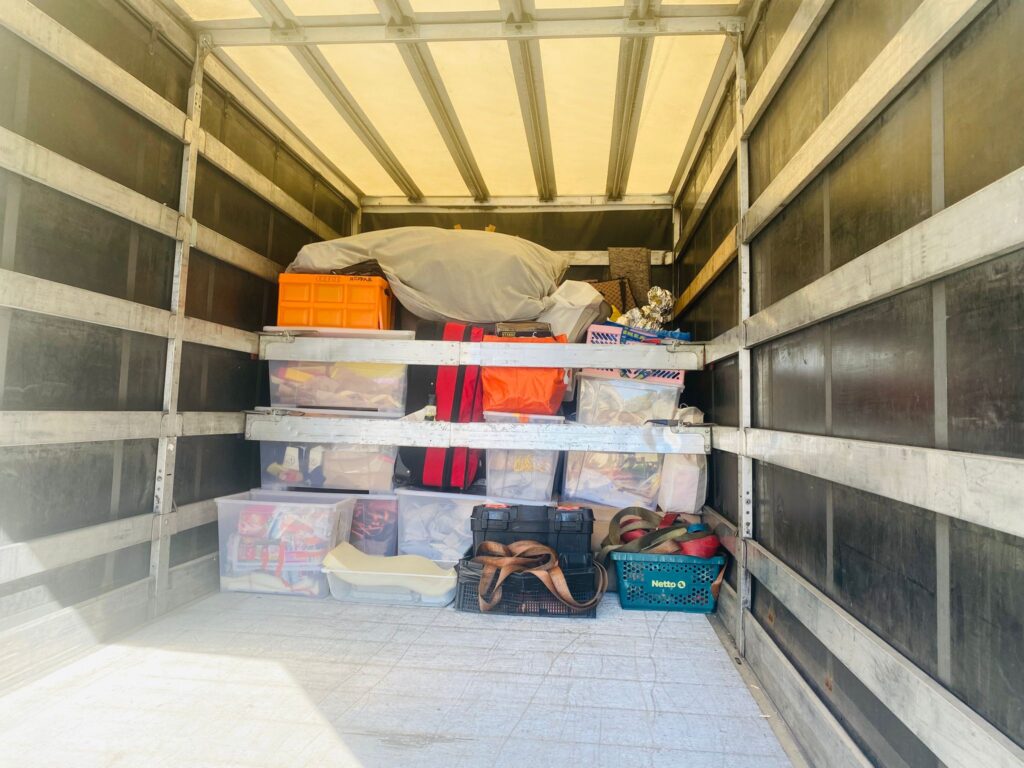
This is where moving planning becomes important. If your rental handover date is strict, late delivery can become expensive. VANonsite helps customers move with clear scheduling, GPS tracked transport and flexible vehicle sizes. A compact man and van move may be enough for a studio, while a full family relocation may need a larger dedicated vehicle.
For Switzerland specific relocations, see removals to Switzerland.

Documents and Registration When Moving to Switzerland
Switzerland is not a member of the European Union, so paperwork deserves careful attention. EU and EFTA citizens have a clearer route than many non EU citizens, but registration and permit rules still matter. Requirements can also vary by canton.
Before moving, check official Swiss guidance:
- Swiss residence permits
- Swiss entry and residence information
- Working in Switzerland as a foreign national
Prepare these documents before relocating to Switzerland:
- Valid passport or national ID
- Employment contract or proof of financial resources
- Rental contract or proof of Swiss address
- Health insurance arrangement
- Birth certificates for children, if relevant
- Marriage certificate, if relevant
- School or university documents
- Pet passport and vaccination documents, if moving with animals
- Vehicle documents, if importing a car
- Household goods inventory for your move
A clear inventory is more than a moving detail. It helps your removals team plan van size, loading order, access requirements and delivery timing. It can also help when household goods need to be described for customs or relocation purposes.
Documents and Registration When Moving to the Netherlands
The Netherlands is often simpler for EU, EEA and Swiss citizens, but it still has rules. If you plan to live there long term, you need to understand registration, residence status, health insurance and local municipality requirements.
Official Dutch information is available here:
Common documents for the Netherlands include:
- Valid passport or ID
- Proof of address
- Employment contract, study confirmation or financial proof
- Birth certificate, if required for local registration
- Marriage certificate, if relevant
- Health insurance documents
- Appointment documents for municipality registration
- Pet documents, if needed
- Inventory list for household items
The Dutch system is practical, but timing still matters. Housing, registration, banking and insurance are connected. If one part is delayed, the rest can slow down quickly.
Healthcare and Insurance
Healthcare is excellent in both countries, but the systems feel different in your monthly budget.
In Switzerland, compulsory health insurance is mandatory for residents. Premiums can be high, and each person usually needs their own policy. For families, this can become a serious monthly cost. However, healthcare quality is outstanding, and many residents value the level of access, choice and professionalism.
In the Netherlands, standard health insurance is also legally required for people who live or work there. Monthly premiums are usually lower than in Switzerland, although deductibles and optional add ons still matter.
| Healthcare Factor | Switzerland | Netherlands |
|---|---|---|
| Healthcare quality | Excellent | Very strong |
| Insurance model | Mandatory health insurance | Mandatory standard health insurance |
| Monthly cost | Often high | Usually lower |
| Family budget impact | Can be significant | Still important, but often lighter |
| Best for | Premium care and choice | Predictable everyday healthcare |
Healthcare should never be added at the end of the budget. When comparing living in Switzerland vs Netherlands, calculate insurance before deciding what rent you can afford.
Lifestyle: Swiss Calm or Dutch Energy?
Switzerland and the Netherlands both offer a high quality of life, but the atmosphere is completely different.
Switzerland is quiet, ordered and scenic. It suits people who enjoy privacy, punctuality, mountains, lakes and calm evenings. Weekends can mean hiking above turquoise water, skiing in winter or taking a spotless train to a postcard town.
The Netherlands is social, direct and alive with movement. It suits people who like bikes, canals, cafes, cultural events and easy conversations in English. Dutch cities feel dense but clever. Life is practical, not flashy.
| Lifestyle Factor | Switzerland | Netherlands |
|---|---|---|
| Daily rhythm | Calm, structured and polished | Busy, open and practical |
| Social style | Reserved at first | Direct and friendly |
| Nature | Alps, lakes, forests and skiing | Coast, canals, parks and cycling paths |
| Best weekends | Hiking, skiing and lake trips | Cafes, cycling, museums and city breaks |
| Emotional fit | People who love order and security | People who love openness and movement |
Switzerland feels like a precision watch. The Netherlands feels like a clever bicycle that can carry groceries, children and ambition at the same time.
Moving Costs and VANonsite Vehicle Options
Moving costs depend on distance, volume, access, packing and delivery timing. Switzerland can require extra care because access, customs awareness, inventory accuracy and timing are especially important.
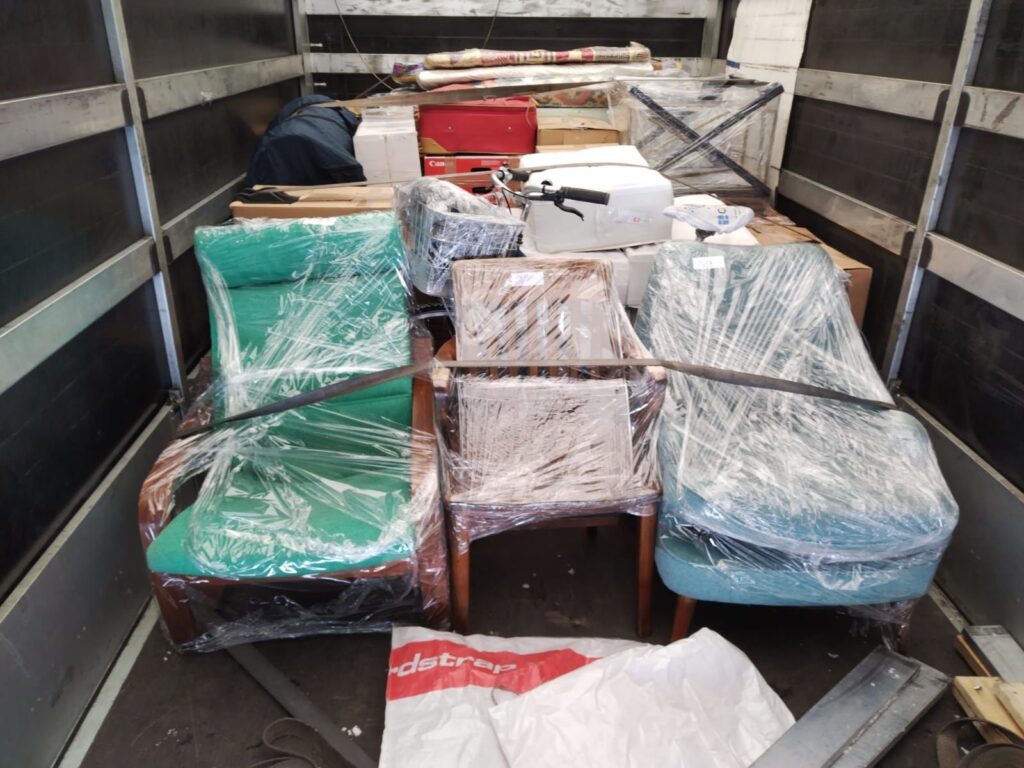
A small move may only need a compact man and van service. A larger home move may require a dedicated vehicle, professional packing and careful loading. For office furniture, fragile items or valuable pieces, preparation becomes even more important.
| VANonsite Option | Capacity | Weight Limit | Best For |
|---|---|---|---|
| Moving One | 1m3 | 100kg | Boxes, student items and small urgent loads |
| Moving Basic | 5m3 | 300kg | Studio moves and compact furniture |
| Moving Medium | 10m3 | 500kg | One bedroom flats and partial moves |
| Moving Premium | 15m3 | 1100kg | Larger apartments and furniture removals |
| Moving Premium Plus | 30m3 | 3500kg | Family homes and bulky furniture |
| Moving Full House XXL | 90m3 | 20000kg | Full house relocations and major moves |
VANonsite offers GPS tracking for every load, which gives customers extra confidence during cross border transport. That visibility matters when your belongings are travelling hundreds or even thousands of kilometres across Europe.
What Can You Move to Switzerland?
Most personal and household items can be moved to Switzerland with proper planning. The key is to prepare a detailed list and separate essential items from anything that needs special care.
Common items people move to Switzerland include:
- Sofas, beds, wardrobes and tables
- Boxes of clothing and personal belongings
- Kitchenware and small appliances
- Books, records and documents
- Desks, monitors and office equipment
- Bicycles and sports equipment
- Student room essentials
- Fragile items, mirrors and artwork
- High value furniture needing extra protection
Fragile items need more than space in a van. They need smart packing, correct loading and steady hands. VANonsite can support packing, furniture removals, home removals, student removals, office removals and White Glove Delivery for premium or delicate belongings.
Switzerland vs Netherlands for Families
For families, the best country is not always the cheapest country. It is the country where safety, school, commute, childcare and housing work together.
Switzerland is exceptional for safety, clean surroundings and outdoor life. Children grow up close to lakes, mountains and organised public services. The downside is cost. Childcare, rent and health insurance can stretch even a good salary.
The Netherlands is also family friendly, with excellent cycling infrastructure, international communities and practical urban living. It can feel easier socially, especially for families who want English friendly services and active city life.
| Family Factor | Switzerland | Netherlands |
|---|---|---|
| Safety | Exceptional | Very good |
| Education | Strong and multilingual | Strong and international |
| Childcare cost | Often high | Also high, but varies |
| Outdoor life | Outstanding | Very good |
| Daily transport | Excellent public transport | Excellent cycling and trains |
| Best for | Security, nature and high incomes | Practical family rhythm and social ease |
If your family income is strong, Switzerland can feel wonderfully secure. If you want an easier social start and a more flexible daily routine, the Netherlands may feel softer.

Switzerland vs Netherlands for Students
Students often experience the living in Switzerland vs Netherlands comparison differently from working professionals. Switzerland has outstanding universities, but living costs can be punishing. The Netherlands offers many English taught programmes, lively student cities and a larger international student scene.
Switzerland may be ideal for students in hospitality, science, finance, international relations and specialist research. The Netherlands may be better for students who want more English speaking options, a wider social scene and lower daily costs.
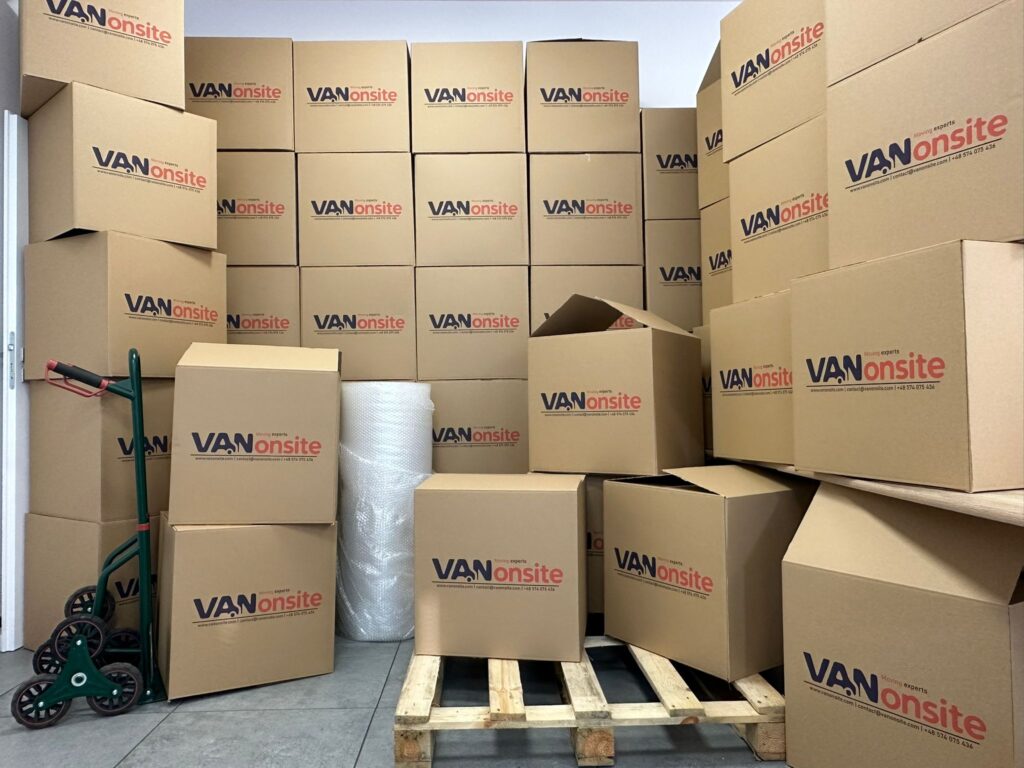
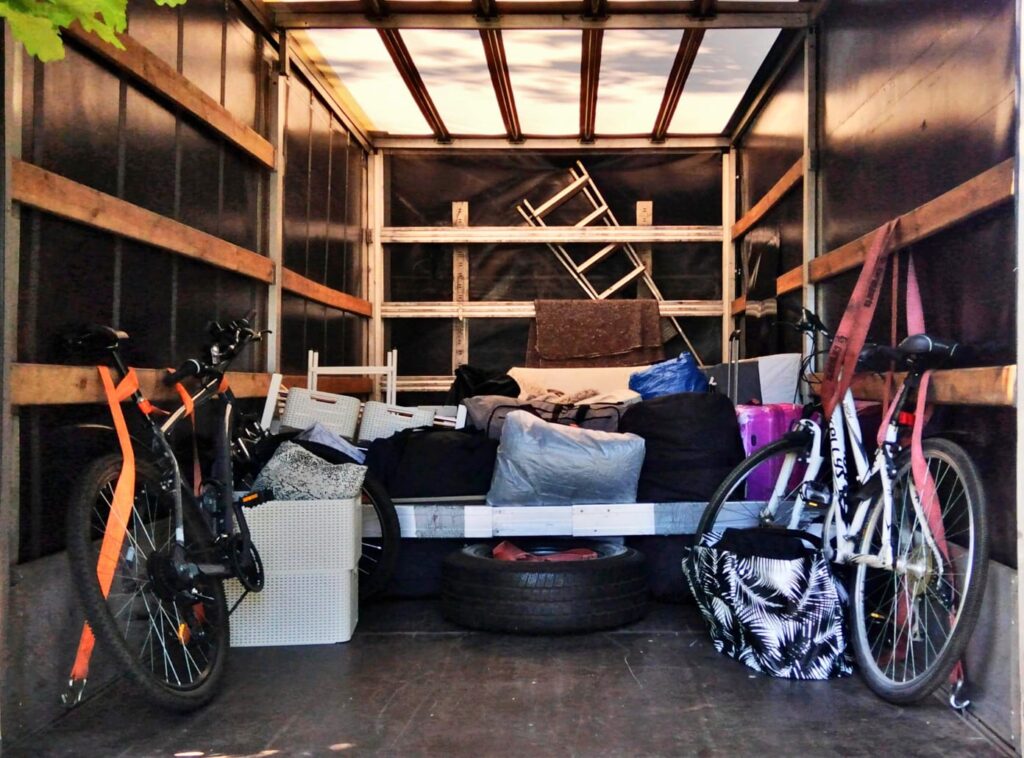
For student moves, a small man and van service can be enough. VANonsite Student Removals can help move boxes, bedding, desks, bicycles, books and personal items without turning a simple relocation into a complicated full scale move.
Best Places to Live in Switzerland
Switzerland is small, but city choice matters. Language, rent, salary and lifestyle can change quickly from canton to canton.
| City | Best For | Watch Out For |
|---|---|---|
| Zurich | Finance, tech, careers and transport | Very high rent |
| Geneva | International organisations and lake lifestyle | Expensive housing |
| Basel | Pharma, culture and cross border access | Competitive rentals |
| Lausanne | Students, French speaking lifestyle and lake views | Pricey central areas |
| Bern | Families, calm living and public sector | Smaller job market |
| Zug | Business, high earners and tax appeal | Extremely expensive |
| Lucerne | Beauty, tourism and lifestyle | Smaller career market |
Zurich feels powerful. Geneva feels global. Basel feels strategic. Bern feels calm. Lausanne feels elegant. Your best choice depends on language, work, rent and the kind of weekends you want.
Best Places to Live in the Netherlands
The Netherlands is compact, so your location strategy can be flexible. You can often live in one city and work in another, although commuting pressure and housing costs still matter.
| City | Best For | Watch Out For |
|---|---|---|
| Amsterdam | Careers, culture and international life | Expensive and competitive |
| Rotterdam | Modern city life, logistics and architecture | Busy rental market |
| Utrecht | Families, students and central location | High demand |
| The Hague | International organisations and coast access | Commuter pressure |
| Eindhoven | Tech jobs and innovation | Smaller city feel |
| Groningen | Students and lower costs | Far from Randstad |
| Leiden | Academic life and charm | Limited housing |
Amsterdam is magnetic, but it is not the only answer. Rotterdam, Utrecht, Eindhoven and The Hague can be smarter choices depending on work, rent and lifestyle.
Pros and Cons of Living in Switzerland
Switzerland can be breathtaking, but it is not casual. It rewards preparation, good income and respect for rules.
Pros
- Excellent salary potential
- High public safety
- Clean and reliable infrastructure
- Strong public transport
- Stunning lakes and mountains
- Premium healthcare
- Stable economy
- Strong savings potential for skilled workers
Cons
- Very high rent
- Expensive groceries and restaurants
- Costly health insurance
- Formal rental applications
- Canton based rules
- Social life can take time
- Difficult for weak budgets
Switzerland is not the easy option. It is the high reward option, especially when your salary and lifestyle match the country’s costs.
Pros and Cons of Living in the Netherlands
The Netherlands is easier for many newcomers, but it is not effortless. The biggest challenge is housing.
Pros
- Lower daily costs than Switzerland
- Very English friendly
- Strong cycling culture
- Open international atmosphere
- Good public transport
- Practical work culture
- Strong job market in key sectors
Cons
- Serious housing shortage
- High rents in major cities
- Wet and windy weather
- Direct communication can feel sharp
- Lower salary ceiling than Switzerland
- Dense cities may feel crowded
The Netherlands is often the better first step for newcomers who want a smoother landing. Switzerland is often better when income, documents and housing are already secure.
Who Should Choose Switzerland?
Choose Switzerland if you want high income potential, exceptional safety and a premium standard of living. It is especially suitable if you already have a strong job offer or work in a high value sector.
Switzerland may be the better choice if:
- You have a strong employment contract.
- You work in finance, pharma, technology, engineering or healthcare.
- You want mountain access and outdoor weekends.
- You value clean cities and public safety.
- You can handle high upfront costs.
- You prefer privacy, order and structure.
- You want long term savings potential.
For the right person, Switzerland can feel like a powerful life upgrade. It asks a lot at the beginning, but it can give back in stability, income and peace of mind.
Who Should Choose the Netherlands?
Choose the Netherlands if you want a more accessible international start. It is often better for people who value English friendly daily life, cycling cities, open culture and lower everyday costs.
The Netherlands may be the better choice if:
- You want an easier social landing.
- You prefer English friendly services.
- You like cycling and compact cities.
- You need lower daily costs than Switzerland.
- You work in tech, logistics, startups or creative industries.
- You prefer a direct and practical culture.
- You want strong city life without Alpine prices.
The Netherlands can feel more relaxed and more open at first. It is still expensive, but it usually feels less financially severe than Switzerland.
Moving to Switzerland With VANonsite
A move to Switzerland is not just transport. It is timing, access, documentation, packing, protection and confidence. When your belongings cross borders, you need more than a van. You need a plan.
VANonsite supports European relocations with dedicated transport, GPS tracking, careful loading and flexible vehicle sizes. Whether you are moving a few boxes, a studio flat, a family home or office furniture, the service can be adjusted to your real volume.
VANonsite can help with:
- Last Minute Moving for urgent relocation dates
- Furniture Removals for beds, wardrobes, sofas and tables
- Home Removals for apartments and houses
- Packing Service for fragile and valuable belongings
- White Glove Delivery for premium items
- Office Removals for business relocation
- Storage when pickup and delivery dates do not match
- Student Removals for compact moves
- Office Furniture Installation for workplace setups
GPS tracking gives you visibility during the journey. Professional packing reduces risk. Flexible van sizes help avoid paying for space you do not need. For many customers, that combination makes the move feel safer, sharper and far less overwhelming.
Step by Step Moving Checklist for Switzerland
If you decide that Switzerland is the right answer in the living in Switzerland vs Netherlands debate, start planning early. Switzerland rewards people who organise documents, housing and transport before the pressure begins.
- Compare salary, rent, insurance and transport costs.
- Choose the Swiss city or canton that fits your work and lifestyle.
- Check official residence and work rules.
- Secure your job, study place or proof of financial resources.
- Arrange housing before the moving date.
- Prepare passport, ID, contracts and certificates.
- Create a clear inventory of household goods.
- Decide what to move, sell, donate or store.
- Choose the right VANonsite vehicle size.
- Book packing support if you have fragile items.
- Confirm pickup access and delivery access.
- Track your shipment with GPS during transport.
- Register locally after arrival.
- Arrange health insurance, banking and utilities.
- Update your address with important institutions.
A calm relocation is built before moving day. Every document, box and delivery detail matters.
Final Verdict: Living in Switzerland vs Netherlands
So, which country wins?
Switzerland is better for high earners, senior professionals, families who value safety, mountain lovers and people who want a stable, polished, high quality lifestyle. The Netherlands is better for newcomers who want lower everyday costs, English friendly daily life, strong cycling culture and a more open social rhythm.
If your budget is tight or your job situation is uncertain, the Netherlands may be the wiser first step. If you have a strong offer and want security, nature and exceptional earning potential, Switzerland can be a remarkable move.
The best choice is not only where life looks better on paper. It is where your income, housing, documents and personal rhythm fit together.
And if Switzerland is your next chapter, make the move with the same precision the country is famous for. VANonsite helps make European relocation safer, faster and clearer, with GPS tracked transport, careful handling and flexible man and van options for different move sizes.
FAQ: Living in Switzerland vs Netherlands
Is Switzerland more expensive than the Netherlands?
Yes. Switzerland is usually more expensive than the Netherlands, especially for rent, groceries, restaurants, health insurance and everyday services. The Netherlands is still costly, but it is usually easier on daily spending.
Is Switzerland better than the Netherlands for salaries?
Often, yes. Switzerland usually offers higher salaries, especially in finance, pharmaceuticals, technology, engineering, healthcare and international organisations. However, higher income must be compared with higher costs.
Is the Netherlands easier for English speakers?
Yes, in many cases. English is widely used in Dutch cities, workplaces and services. Switzerland is also international, especially in Zurich, Geneva and Basel, but the Netherlands often feels easier for English speaking newcomers.
Which country is better for families?
Both can be excellent. Switzerland is outstanding for safety, nature and high quality infrastructure. The Netherlands is strong for cycling, education, international communities and practical family life.
Is it difficult to move to Switzerland?
It depends on your nationality, work situation and canton. EU and EFTA citizens usually have a clearer route, but registration, residence permits, housing and health insurance still require careful preparation.
Can VANonsite help with a move to Switzerland?
Yes. VANonsite offers European removals, man and van options, home removals, furniture removals, student moves, office removals, packing support, White Glove Delivery and GPS tracked transport.
What van size do I need for moving to Switzerland?
A small student move may fit into 1m3 or 5m3. A one bedroom flat may need 10m3 or 15m3. A family home may need 30m3. Large full house relocations can require up to 90m3.