
Switzerland has a reputation that feels almost mythical from the outside. Crystal lakes. Mountain trains. Clean streets. High salaries. Quiet neighbourhoods where everyday life seems to run with clockwork precision. But when the idea becomes a real relocation plan, one question matters more than the postcard image: is the quality of life in Switzerland truly worth the cost?
For many people, the answer is yes. Switzerland offers safety, strong wages, excellent healthcare, reliable public transport, clean cities and easy access to nature. It is one of the most attractive countries in Europe for professionals, families, students and companies planning a serious move.
Still, Switzerland is not a cheap dream. Rent can be fierce. Health insurance is compulsory. Groceries, restaurants and childcare can surprise even people coming from expensive Western European cities. To enjoy the quality of life in Switzerland without financial stress, you need clear budgeting, the right documents and a well-planned move.
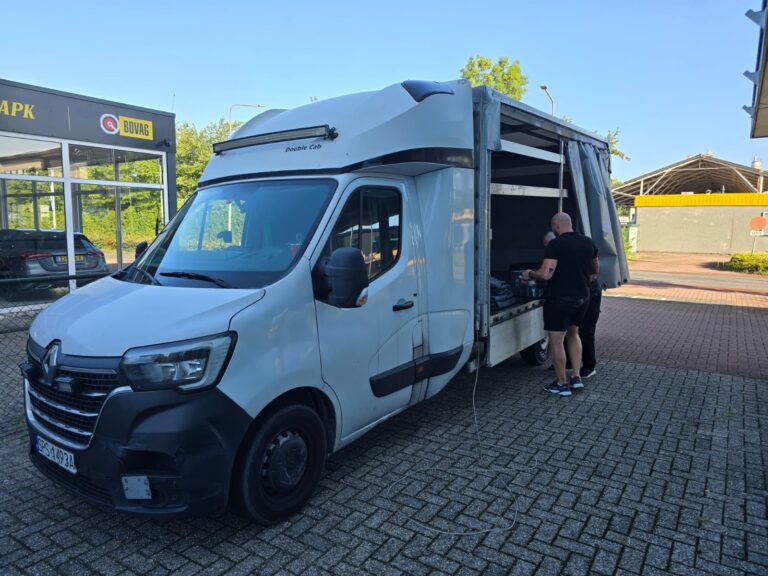
If you are relocating from another European country, VANonsite can help make the practical side easier. With GPS-tracked transport, flexible van sizes, careful handling and reliable man and van support, your move to Switzerland can feel controlled from the first box to the final delivery.
TL:DR
- The quality of life in Switzerland is among the strongest in Europe, especially for safety, salaries, healthcare, nature and public transport.
- Switzerland is expensive, so rent, groceries, insurance, childcare and deposits should be planned before arrival.
- Higher salaries can balance the high cost of living, but the real result depends on your city, canton, family size and lifestyle.
- Zurich, Geneva, Basel, Bern, Lausanne, Zug and Lucerne all offer strong living standards, but costs vary sharply.
- EU and EFTA citizens usually have a simpler relocation path, while non-EU nationals face stricter work and residence rules.
- Key documents include ID, employment proof, rental address, health insurance plan and a household goods inventory.
- VANonsite supports moves to Switzerland with secure transport, GPS tracking, packing help, home removals, furniture removals, office removals and man and van options.




Quality of Life in Switzerland at a Glance
The quality of life in Switzerland is built on a rare combination of money, order, safety and nature. Daily life often feels smoother than in many other European countries. Trains are clean and punctual. Public spaces are well maintained. Streets feel calm. Even smaller towns are often tidy, secure and well connected.
For professionals, Switzerland can mean stronger earning power and better long-term stability. For families, it offers safe neighbourhoods, strong schools and outdoor freedom. For students, it provides excellent education and a beautiful setting, although budgeting is essential. For business owners and executives, it offers a stable economy and a trusted infrastructure.
| Factor | What to expect in Switzerland | Relocation impact |
|---|---|---|
| Salaries | Very high by European standards | Strong earning potential |
| Rent | High in Zurich, Geneva, Zug and Lausanne | Housing must be planned early |
| Safety | Excellent in most cities and towns | Strong appeal for families |
| Healthcare | High quality, with mandatory insurance | Premiums must be budgeted |
| Public transport | Reliable, clean and frequent | Many people can live without a car |
| Nature | Lakes, mountains, forests and trails | Major lifestyle upgrade |
| Administration | Efficient, but canton-based | Rules differ by location |
The first thing to understand is simple. The quality of life in Switzerland is not only about income. It is also about how daily life feels. Less chaos. Less noise. Less friction. More predictability. More clean air. More time outside.
Is the Quality of Life in Switzerland Worth the Cost?
For many newcomers, the quality of life in Switzerland feels like paying for peace of mind. You pay more for rent, groceries and insurance, but you often receive something powerful in return: a life that works.
A normal weekday can feel surprisingly smooth. You leave a clean apartment building, walk to a tram that arrives on time, work in a well-organised office, buy fresh food on the way home and spend the evening near a lake, park or mountain trail. It sounds almost too polished, but for many residents, this is simply Tuesday.
However, Switzerland rewards preparation and can punish vague planning. If you arrive without a housing strategy, a realistic budget or the right documents, the first months can feel expensive and intense. Rent deposits can be high. Health insurance starts quickly. Restaurants can feel shockingly costly. Childcare can reshape an entire family budget.
The better question is not whether Switzerland is expensive. It is. The better question is whether your income, lifestyle and relocation plan turn those costs into value. If they do, the quality of life in Switzerland can be exceptional.
Cost of Living in Switzerland Compared with Western Europe
The quality of life in Switzerland is closely tied to purchasing power. The country is expensive, but salaries are also much higher than in most neighbouring markets. That is why simple price comparisons can be misleading. A loaf of bread may cost more, but a Swiss salary may absorb that cost better than a lower salary elsewhere.
The table below gives practical planning estimates for common expenses. Prices vary by city, neighbourhood, exchange rate and lifestyle, so treat these numbers as a relocation guide rather than fixed costs.
| Country | 1-bedroom city rent | Milk 1L | Bread | Eggs, 12 | Monthly transport pass | Average monthly net salary |
|---|---|---|---|---|---|---|
| Switzerland | €1,750 to €1,850 | €1.95 | €3.00 | €6.70 | €89 | €6,400 to €6,520 |
| Germany | €800 to €850 | €1.15 | €1.70 | €3.40 | €60 | €2,850 to €2,900 |
| France | €750 to €800 | €1.20 | €1.65 | €3.80 | €57 | €2,430 to €2,500 |
| Austria | €850 to €900 | €1.50 | €2.25 | €4.20 | City dependent | €2,600 to €2,700 |
| Netherlands | €1,400 to €1,500 | €1.20 | €2.05 | €4.30 | €90 | €3,300 to €3,400 |
Switzerland is clearly more expensive, especially for rent and groceries. Yet the salary gap changes the calculation. A single professional with a strong contract may find the quality of life in Switzerland outstanding after the first adjustment period. A family with children should calculate more carefully, because larger housing, insurance and childcare can rise quickly.
If you are moving with furniture, equipment or a full household, include relocation costs early. A well-planned move prevents expensive last-minute choices. VANonsite offers flexible vehicle sizes, helping you match the transport to the real volume of your belongings.
What Makes the Quality of Life in Switzerland So High?
The quality of life in Switzerland is not based on one advantage. It comes from several benefits working together.
High salaries and strong purchasing power
Switzerland is famous for high wages. This is one of the strongest reasons people accept higher living costs. Skilled professionals, managers, engineers, finance specialists, researchers, healthcare workers and international executives can often access salaries that are difficult to match elsewhere in Europe.
Still, always compare net income, not only gross salary. Taxes, pension contributions, insurance, rent and canton differences all matter. A Zurich salary can look impressive, but Zurich rent can be ruthless. A Basel, Bern or Lausanne offer may sometimes create a better monthly balance.
Safety and social stability
Safety is one of the most emotional parts of the quality of life in Switzerland. It changes small daily choices. Walking home late feels calmer. Older children can often use public transport more independently. Parks, stations and residential streets usually feel orderly and controlled.
No country is perfect, and common sense still matters. Yet the general sense of safety is one of Switzerland’s quiet luxuries.
Healthcare quality
Swiss healthcare is excellent, fast and highly developed. The system is based on compulsory basic health insurance, which residents must arrange after taking up residence. Premiums vary by canton, provider, age, deductible and insurance model.
This can surprise newcomers from countries with tax-funded public healthcare. The medical standard can be outstanding, but the monthly premium must be part of your budget from day one.
Reliable public transport
Public transport is one of the strongest everyday advantages behind the quality of life in Switzerland. Trains, trams, buses and boats connect cities, towns and villages with remarkable precision. In many locations, living without a car is realistic.
This matters more than people expect. When transport works, life becomes lighter. Fewer delays. Less stress. More time.
Nature within easy reach
Switzerland makes it easy to reset your mind. Lakes, mountains, hiking paths, ski areas and forests are not distant weekend fantasies. They are part of normal life.
In many cities, you can finish work and be by the water or on a trail within an hour. For people moving from crowded urban areas, this can feel almost healing. The quality of life in Switzerland is measured not only in salary, but also in clean air, quiet mornings and weekends that restore your energy.
Education and family life
Families often value Switzerland for its schools, safety and public order. Public education is strong, while international schools are available in many major cities. However, international schools and childcare can be expensive, so parents should plan carefully before choosing a city.
For children, the outdoor culture is a major benefit. Sport, skiing, cycling, swimming and hiking are part of daily life in many areas.
Order, cleanliness and trust
Switzerland has rules, and sometimes many of them. For some newcomers, this feels strict. For others, it feels wonderful. Waste separation, quiet hours, building regulations and local procedures all contribute to a country that functions with impressive discipline.
That order is a major part of the quality of life in Switzerland. It may not feel dramatic, but it makes life more predictable.
Best Places to Live in Switzerland for Quality of Life
The quality of life in Switzerland changes from canton to canton and city to city. Zurich is not Geneva. Basel is not Zug. Bern is not Lausanne. Before choosing where to live, compare career options, rent, language, commute, taxes and lifestyle.
| City | Best for | Lifestyle feel | Cost level |
|---|---|---|---|
| Zurich | Finance, tech, startups, senior careers | Polished, energetic, international | Very high |
| Geneva | Diplomacy, NGOs, luxury services, international work | Global, elegant, lakeside | Very high |
| Basel | Pharma, life sciences, culture, cross-border living | Smart, creative, practical | High |
| Bern | Families, government, slower rhythm | Calm, charming, stable | Medium-high |
| Lausanne | Students, sport, lake lifestyle | Young, scenic, lively | High |
| Zug | Executives, entrepreneurs, tax-focused residents | Wealthy, compact, pristine | Very high |
| Lucerne | Tourism, scenic living, smaller-city comfort | Beautiful, relaxed, premium | High |
Zurich attracts ambitious professionals who want career momentum. Geneva suits people working in international organisations, finance, diplomacy and luxury services. Basel is strong for life sciences and cross-border convenience. Bern offers a gentler rhythm and a family-friendly atmosphere. Lausanne brings student energy and Lake Geneva views. Zug is compact, wealthy and business-focused. Lucerne is stunning, calm and premium.
The best city is not always the most famous one. The best city is the one where your salary, rent, commute and daily rhythm create a sustainable life.
Documents Needed When Moving to Switzerland
Before you can fully enjoy the quality of life in Switzerland, you need to handle the paperwork. Requirements depend on nationality, employment status, canton and length of stay. EU and EFTA citizens usually have a simpler route than non-EU nationals, but everyone should prepare documents before the move.
For official information, check the Swiss State Secretariat for Migration, the Swiss government portal ch.ch, the Federal Office of Public Health and the Federal Office for Customs and Border Security.
In most cases, you should prepare:
- Valid passport or national ID
- Employment contract or proof of self-employment
- Rental contract or confirmed Swiss address
- Marriage certificate or family documents, if relevant
- Birth certificates for children, if moving as a family
- Health insurance plan or proof of insurance arrangement
- Household goods inventory for customs
- Vehicle documents, if importing a car
- Pet documents, if moving with animals
- University documents, if moving as a student
After arrival, registration with the local commune is usually required within 14 days. Health insurance is another key step, because residents must arrange compulsory basic health insurance within the required period after taking up residence.
A household goods inventory is especially important when transporting furniture, boxes, office equipment or valuable items across the Swiss border. A professional mover can help keep that list clear and organised. VANonsite becomes useful not only as transport, but as structure during a complicated international move.
Moving Your Belongings to Switzerland Without Chaos
A move to Switzerland can look elegant on a spreadsheet and feel wild in your living room. Suddenly, every drawer has a secret life. Fragile glasses need wrapping. A sofa refuses to fit through the doorway. Winter coats multiply. Important papers vanish into the one box you forgot to label.
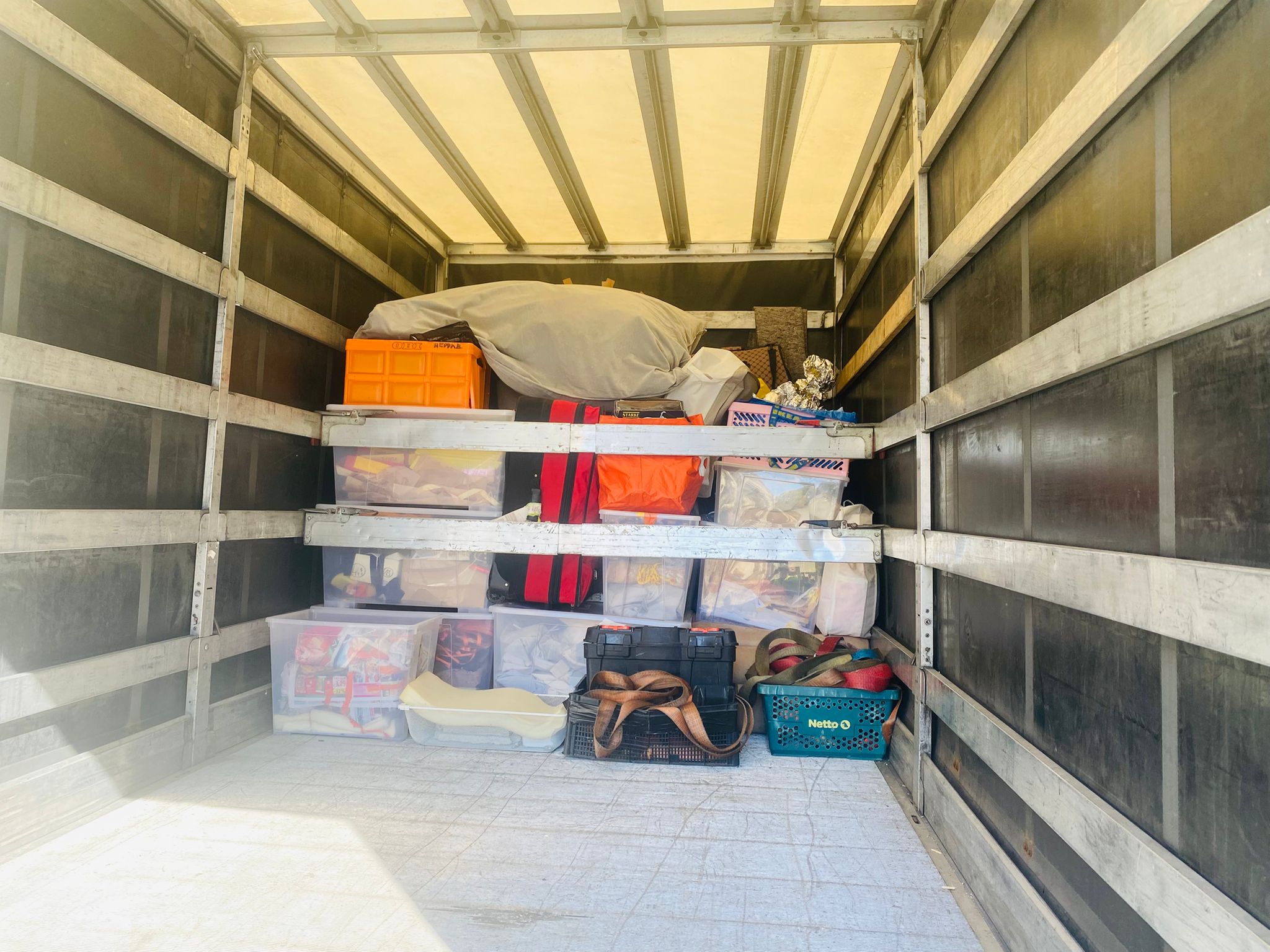
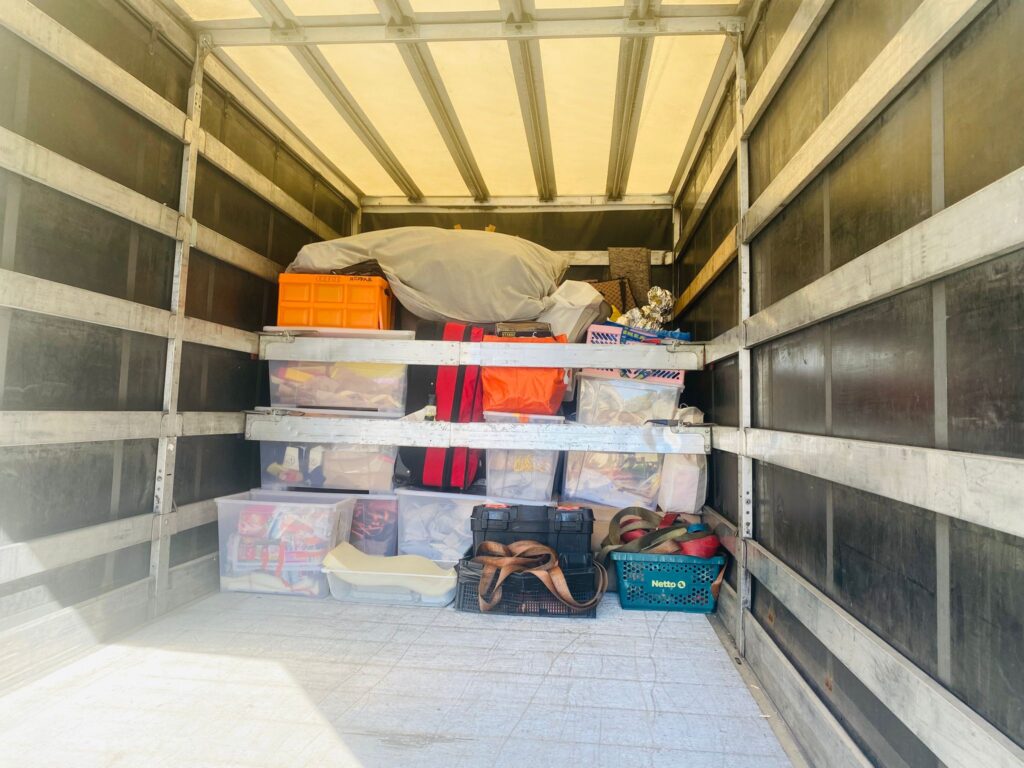
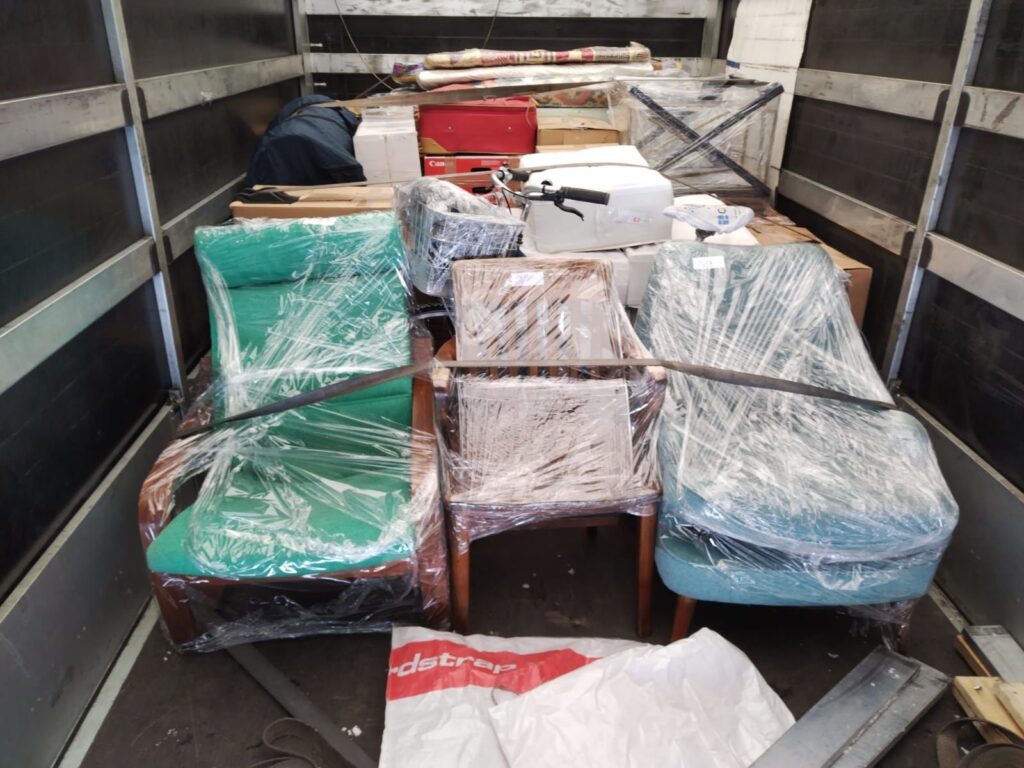
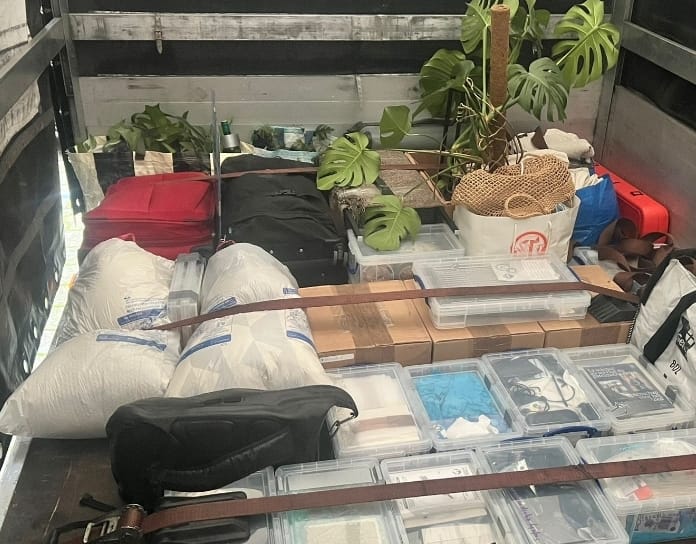
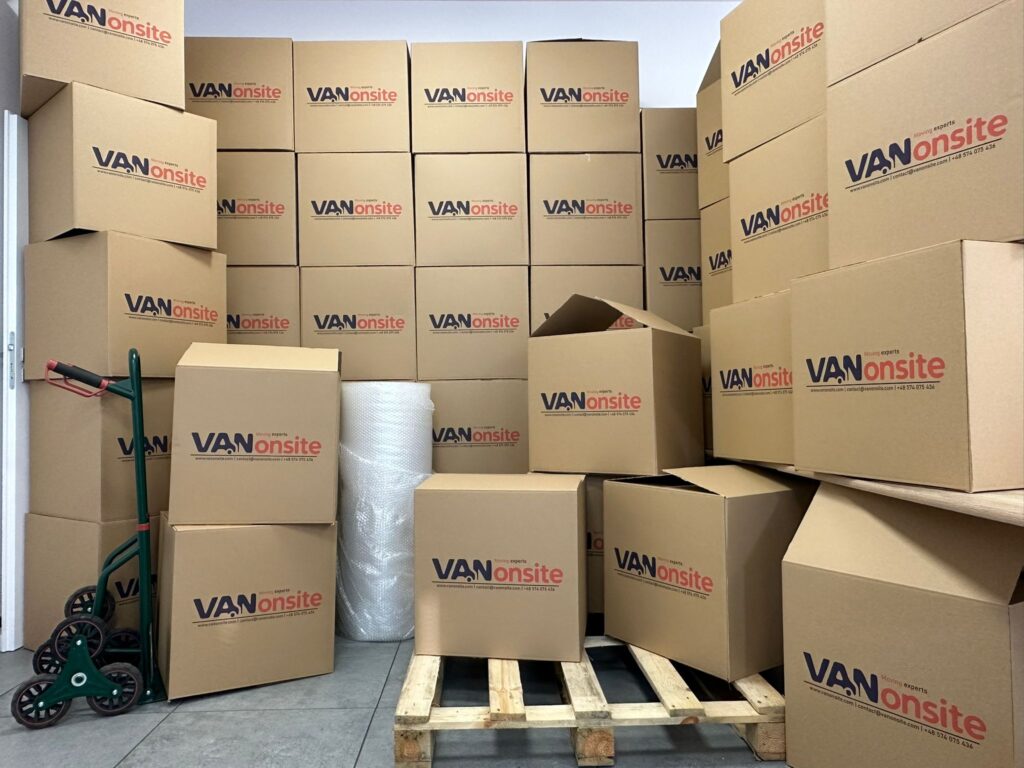
A reliable man and van service can save time, nerves and money. VANonsite supports removals across Europe with careful loading, secure transport, GPS tracking for every load and flexible vehicle sizes. Whether you are moving a student room, a studio, a family home or office furniture, the transport can be matched to the job.
For a dedicated relocation option, explore VANonsite removals to Switzerland.
| VANonsite option | Capacity | Weight limit | Best for |
|---|---|---|---|
| Moving One | 1m3 | 100kg | Documents, small boxes, personal items |
| Moving Basic | 5m3 | 300kg | Student moves, compact room moves |
| Moving Medium | 10m3 | 500kg | Studio moves or partial apartment moves |
| Moving Premium | 15m3 | 1,100kg | One-bedroom flat or furniture transport |
| Moving Premium Plus | 30m3 | 3,500kg | Larger apartment or compact family move |
| Moving Full House XXL | 90m3 | 20,000kg | Full house, office relocation, large transport |
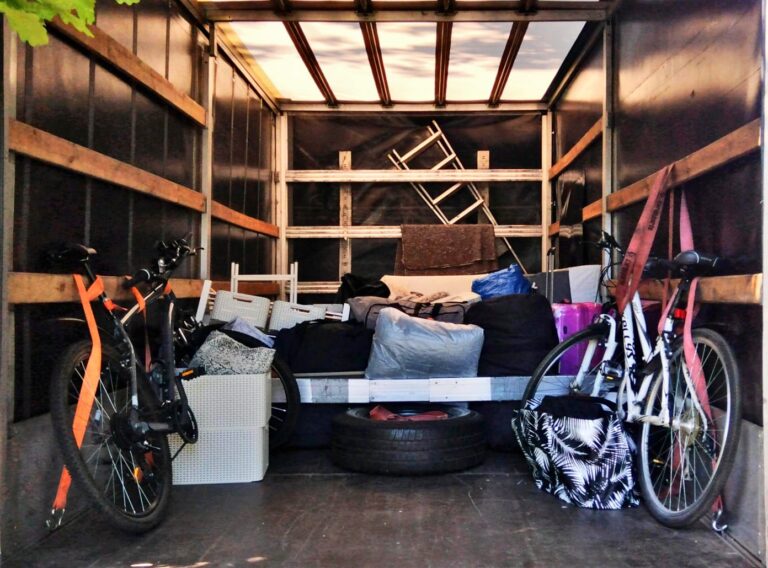
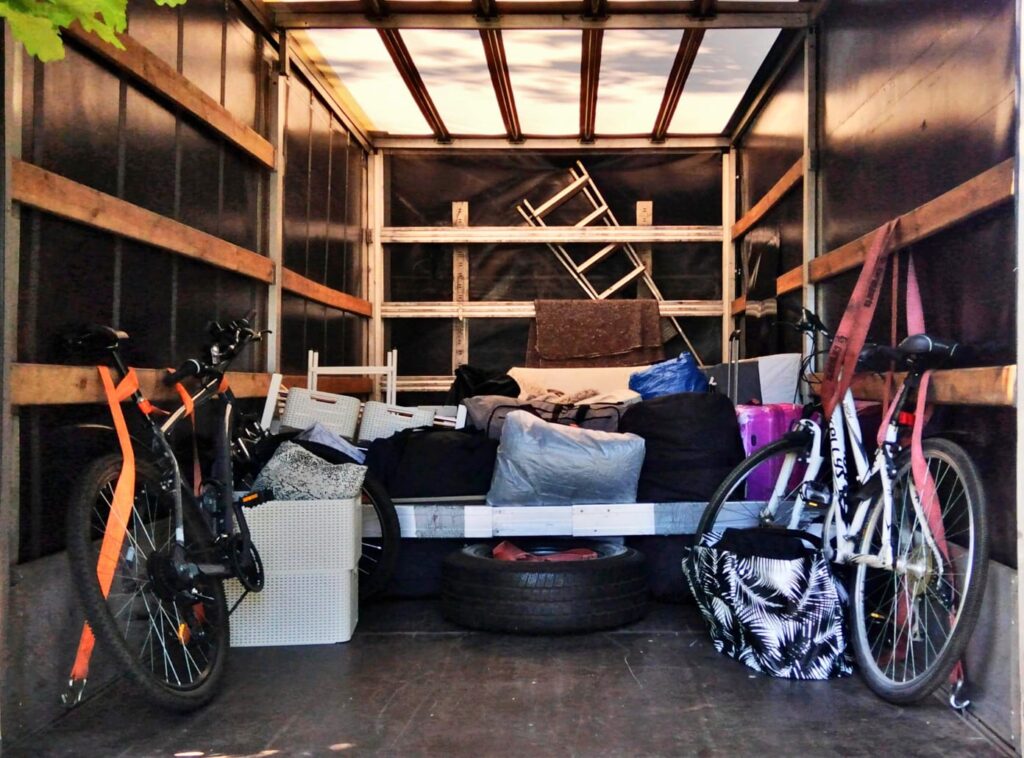
This range matters because not every relocation needs a huge truck. Some people move to Switzerland with only essentials. Others bring furniture, bikes, kitchenware, desks, monitors, wardrobes and a life packed into 60 boxes. Paying for the right size is smarter than guessing.
VANonsite Services for a Switzerland Move
The quality of life in Switzerland starts to feel real when your belongings arrive safely. VANonsite offers several services for different relocation needs.
Last Minute Moving is useful when your job start date changes, your tenancy begins sooner than expected or you need urgent transport after a sudden decision.
Furniture Removals help with beds, wardrobes, sofas, desks, dining tables and heavy household pieces. Furniture moving requires proper handling, especially when crossing borders and entering Swiss apartment buildings with strict access rules.
Home Removals are ideal for full household moves from Germany, France, the Netherlands, Belgium, Austria, Poland or another European country.
Packing Service helps protect fragile items, electronics, kitchenware and personal belongings. Good packing reduces breakage risk during international transport.
White Glove Delivery is designed for premium furniture, designer items, antiques, art, high-value equipment and delicate deliveries.
Office Removals support companies moving desks, IT equipment, documents, chairs, meeting room furniture and archive materials. A well-planned office move reduces downtime.
Storage is useful when your Swiss rental starts later than expected or you need a timing bridge between homes.
Student Removals are practical for smaller, budget-conscious moves to Swiss universities, shared flats or student accommodation.
Office Furniture Installation helps businesses transport, place and install furniture quickly when setting up a new Swiss office.

Monthly Budget Example for Switzerland
The quality of life in Switzerland depends heavily on how well your monthly budget matches your city and lifestyle. A single person in Basel may have a very different experience from a family in Zurich. A couple in Bern may enjoy more breathing room than a couple in Geneva with the same income.
| Monthly cost category | Single person estimate | Couple estimate | Family estimate |
|---|---|---|---|
| Rent | CHF 1,300 to CHF 2,200 | CHF 1,900 to CHF 3,200 | CHF 2,500 to CHF 4,800 |
| Health insurance | CHF 300 to CHF 550 | CHF 600 to CHF 1,100 | CHF 900 to CHF 1,800 |
| Groceries | CHF 450 to CHF 750 | CHF 800 to CHF 1,300 | CHF 1,200 to CHF 2,000 |
| Transport | CHF 80 to CHF 180 | CHF 160 to CHF 360 | CHF 250 to CHF 600 |
| Utilities and internet | CHF 250 to CHF 400 | CHF 300 to CHF 500 | CHF 400 to CHF 700 |
| Leisure | CHF 300 to CHF 800 | CHF 600 to CHF 1,400 | CHF 800 to CHF 2,000 |
These numbers are not a promise. They are a reality check. The true cost depends on canton, apartment size, commute, insurance model, eating habits and whether you own a car.
The most important rule is simple: solve housing first. Rent is usually the biggest monthly cost and the hardest to change quickly. After that, calculate health insurance. Then add food, transport, utilities and relocation costs. If those numbers still feel comfortable, the quality of life in Switzerland becomes much easier to enjoy.
Pros and Cons of Living in Switzerland
Switzerland is impressive, but it is not perfect. A balanced view helps you move with open eyes.
| Pros | Cons |
|---|---|
| Excellent salaries in many sectors | High rent and strong housing competition |
| Very clean cities and towns | Expensive groceries and restaurants |
| Strong safety and public order | Mandatory health insurance premiums |
| High-quality healthcare | Costly childcare |
| Beautiful lakes, mountains and green spaces | Strict administrative rules |
| Reliable public transport | Social integration can take time |
| Strong schools and family-friendly areas | Language expectations vary by canton |
| Stable economy and infrastructure | Moving costs can rise if planned too late |
The quality of life in Switzerland suits people who value safety, calm, efficiency and nature. It may feel less ideal for people looking for cheap living, constant nightlife or relaxed bureaucracy.
Moving to Switzerland: Practical Timeline
A good relocation timeline protects your budget and your peace of mind. Start early, especially if you are moving with family, pets, furniture or office equipment.
8 to 12 weeks before moving
- Compare Swiss cities and cantons
- Check visa, permit and registration requirements
- Start searching for housing
- Review employment contract and salary details
- Request moving quotes
- Decide what to sell, store or transport
- Create a household goods inventory
- Check school options if moving with children
4 to 6 weeks before moving
- Confirm your rental agreement
- Book VANonsite transport
- Choose the right van size
- Gather ID, work, family and rental documents
- Start packing non-essential items
- Arrange packing help if needed
- Check customs rules for household effects
- Confirm parking or access at pickup and delivery addresses
1 to 2 weeks before moving
- Label boxes by room
- Photograph valuable items
- Separate essentials for the first nights
- Confirm moving date, address and phone number
- Prepare fragile items carefully
- Keep important documents outside moving boxes
- Share any access restrictions with your mover
First 14 days after arrival
- Register with the local commune
- Continue residence permit steps if required
- Finalise health insurance
- Open a bank account
- Set up utilities, internet and mobile services
- Learn local waste and recycling rules
- Explore public transport passes
- Update your address where needed
This timeline gives your move structure. It also gives you space to enjoy the emotional side of relocation: the first walk by the lake, the first mountain view from a train window and the first evening when Switzerland starts to feel like home.
Who Will Enjoy the Quality of Life in Switzerland Most?
The quality of life in Switzerland is especially attractive for people who like stability and can afford the entry cost. It often works well for:
- Skilled professionals with strong income
- Families who value safety, education and outdoor life
- Students with a realistic budget and housing plan
- Entrepreneurs who want stability and access to European markets
- Remote workers with clear legal residence status
- Retirees with sufficient savings and healthcare planning
- Companies relocating staff or opening Swiss offices
Switzerland is not loud about its charm. It does not need to shout. Its beauty is quieter. A clean tram at 7:42. A lake that looks painted. A school route that feels safe. A train window filled with mountains. A weekend that restores you instead of draining you.
That is why the quality of life in Switzerland has such emotional power. It makes normal life feel carefully made.
FAQ: Quality of Life in Switzerland
Is the quality of life in Switzerland better than in Germany?
For many people, yes. Switzerland often offers higher salaries, cleaner public spaces, strong safety and exceptional nature access. Germany is usually cheaper, especially for rent and groceries, so the better choice depends on income, household size and lifestyle.
Is Switzerland expensive to live in?
Yes. Switzerland is one of the most expensive countries in Europe. Rent, restaurants, groceries, childcare and health insurance can be costly. Higher salaries can soften the pressure, but only with careful planning.
How much salary do you need to live comfortably in Switzerland?
It depends on the city and household size. A single professional may live comfortably with a strong salary, especially outside the most expensive neighbourhoods. Families need a larger budget because rent, insurance and childcare can rise quickly.
Is Switzerland good for families?
Yes, Switzerland can be excellent for families. Safety, schools, clean streets and outdoor activities are major advantages. The main challenge is cost, especially childcare and larger homes.
Can I move to Switzerland with a man and van service?
Yes. A professional man and van service is a practical option for small and medium moves, student removals, furniture transport and urgent relocations. VANonsite also offers larger vehicle options for full household moves.
Does VANonsite track loads during a move?
Yes. VANonsite offers GPS tracking for every load, helping customers feel informed and secure during an international relocation.
What is the biggest mistake when moving to Switzerland?
The biggest mistake is underestimating costs. Many newcomers focus on salary and forget rent deposits, health insurance, customs paperwork, moving costs and first-month setup expenses.
Ready to Start Your Move to Switzerland?
The quality of life in Switzerland can be extraordinary, but the move itself should not feel like climbing the Matterhorn with a sofa on your back. With VANonsite, your belongings can travel securely, your load can be GPS-tracked and your vehicle size can match your real needs.
Whether you need a compact man and van move, full home removals, furniture removals, packing support, office removals, storage or white glove delivery, VANonsite helps you move with confidence.
Plan your move with VANonsite and start your Swiss chapter with less stress, more control and a safer journey for everything you care about.