
Switzerland has a rare kind of pull: clear lakes, clean streets, safe neighbourhoods, mountain air and trains that seem to run with quiet confidence. For many people, moving there feels like stepping into a better organised version of life.
Still, the cons of living in Switzerland are real. Rent is high. Health insurance is mandatory. Housing can be fiercely competitive. Paperwork has strict deadlines. Local rules matter. Social life may take time to warm up. Even moving your belongings into Switzerland can require more planning than expected, because customs rules apply.
That does not mean Switzerland is a bad choice. It means the country rewards people who prepare. If you understand the cons of living in Switzerland before you arrive, you can protect your budget, avoid stressful surprises and make your first months feel much smoother.
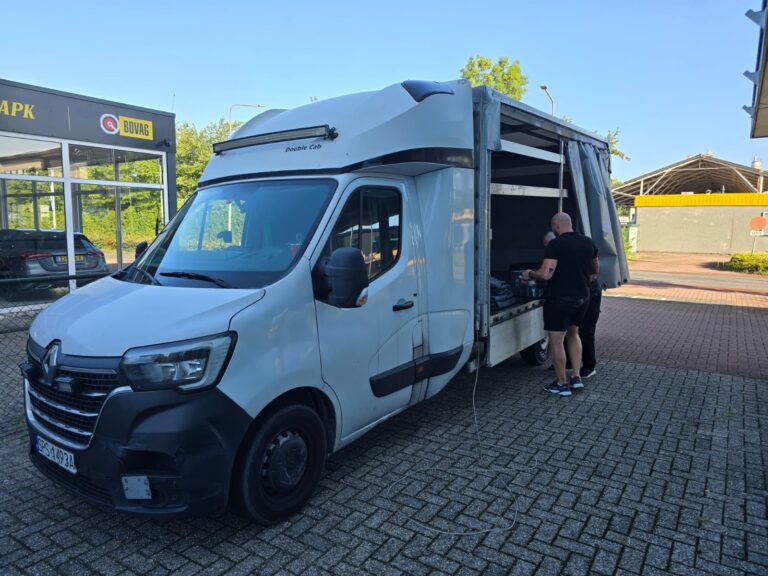
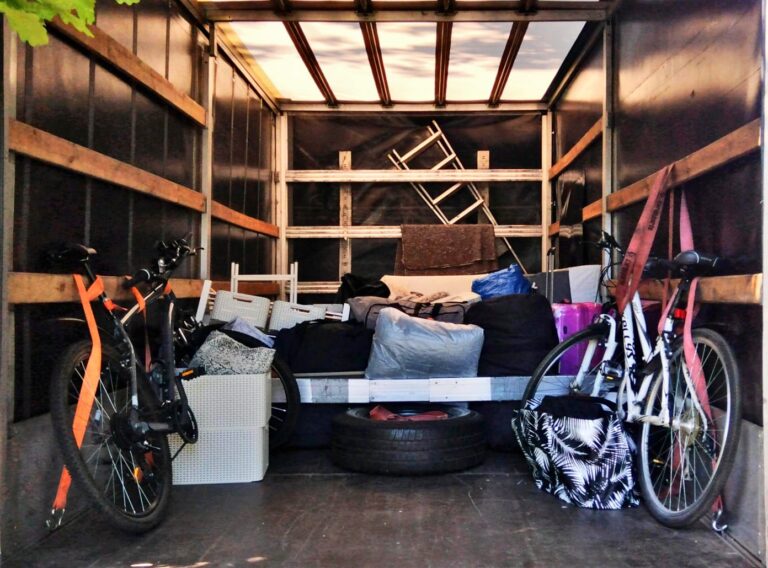
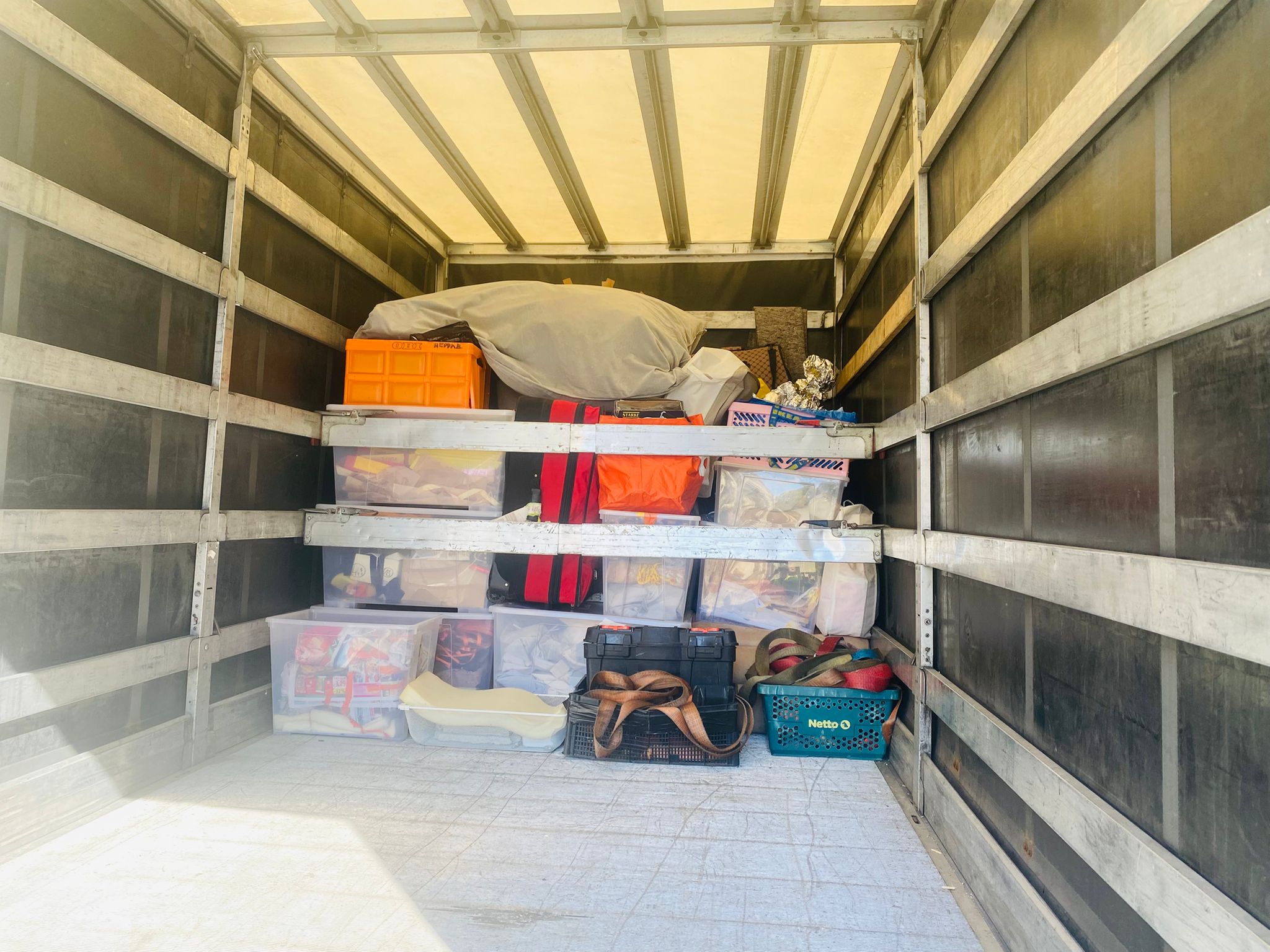
If you are planning the move now, VANonsite offers safe, fast and GPS tracked removals to Switzerland, including flexible man and van options for students, professionals, families and businesses.
TL:DR
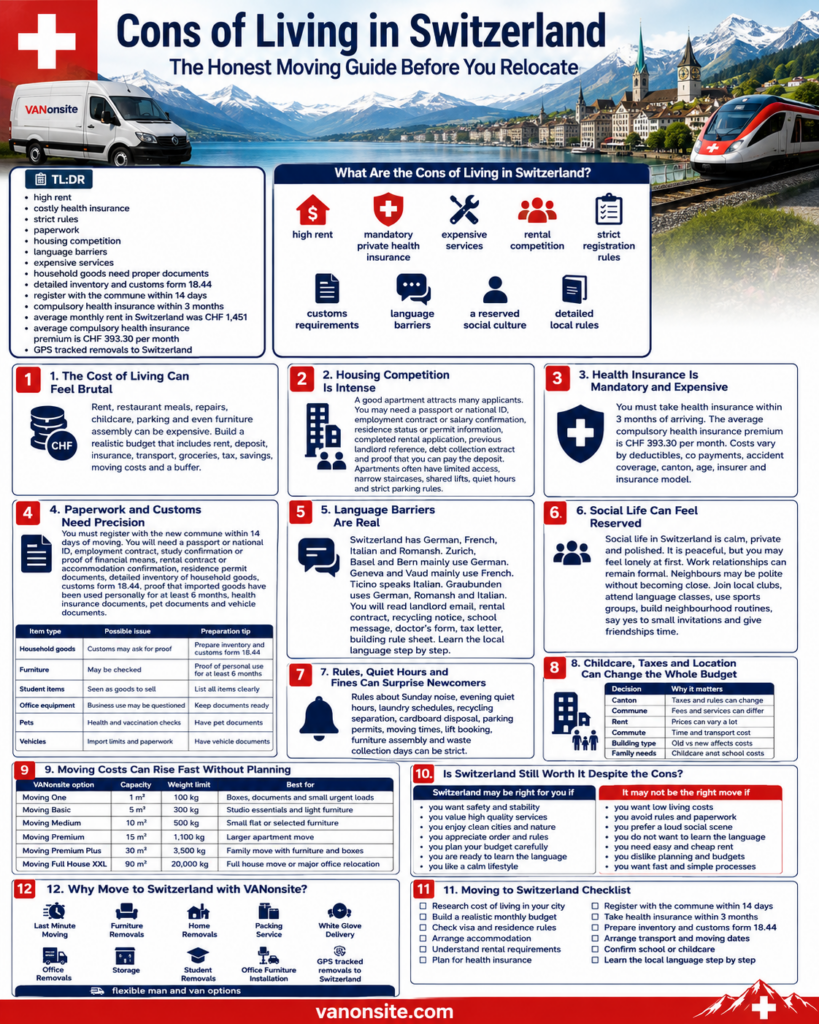
- The biggest cons of living in Switzerland are high rent, costly health insurance, strict rules, paperwork, housing competition, language barriers and expensive services.
- Switzerland is not part of the EU customs union, so household goods need proper documents, including a detailed inventory and customs form 18.44.
- New residents usually need to register with their commune within 14 days of moving.
- Anyone settling in Switzerland must take out compulsory health insurance within 3 months.
- In 2023, the average monthly rent in Switzerland was CHF 1,451, while popular cantons and cities can cost much more.
- In 2026, the average compulsory health insurance premium is CHF 393.30 per month, before deductibles and co payments.
- A professional man and van service like VANonsite can make the move safer and calmer, especially with GPS tracking and vehicle sizes from 1 m3 to 90 m3.




What Are the Cons of Living in Switzerland?
So, what are the cons of living in Switzerland in real daily life?
The short answer is simple: Switzerland offers exceptional quality of life, but it expects precision in return. You pay more, plan more, document more and adapt faster. The country is efficient, but it is not casual.
The most common cons to living in Switzerland include high rent, mandatory private health insurance, expensive services, rental competition, strict registration rules, customs requirements, language barriers, a reserved social culture and detailed local rules.
For movers, the lesson is clear: do not leave logistics until the last moment. A missed delivery slot, unclear inventory or wrong van size can create costly pressure. VANonsite helps reduce that risk with professional planning, flexible vehicle sizes and GPS tracked transport across Europe.
The Cost of Living Can Feel Brutal
The first of the major cons of living in Switzerland is cost. Even people arriving from London, Dublin, Paris, Amsterdam or Munich can feel the shock. Switzerland has high salaries, but the price of everyday life rises with them.
Rent is the first big pressure point. In 2023, the average monthly rent for dwellings in Switzerland was CHF 1,451. That national average does not fully show the reality in Zurich, Geneva, Zug, Basel or Lausanne, where desirable homes can cost far more and disappear quickly.
Then come the smaller bills. Restaurant meals, repairs, childcare, parking and furniture assembly can feel unusually heavy. During the first few months, even confident professionals can start calculating every coffee, tram ticket and grocery basket.
The best defence is a realistic budget before arrival: rent, deposit, insurance, transport, groceries, tax, savings, moving costs and a buffer.
Housing Competition Is Intense
Housing is one of the most frustrating cons of living in Switzerland for newcomers. A good apartment can attract many applicants. In popular areas, finding a home may feel like applying for a job.
A strong rental application may include:
- Passport or national ID
- Employment contract or salary confirmation
- Residence status or permit information
- Completed rental application
- Previous landlord reference
- Debt collection extract, where applicable
- Proof that you can pay the deposit
In Switzerland, landlords and agencies often expect neat documentation and quick decisions.
Housing also affects the move itself. Many apartment buildings have limited access, narrow staircases, shared lifts, quiet hours and strict parking rules. Before your belongings arrive, check where the van can park, whether a permit is required, whether the lift must be reserved, which entrance movers should use and whether storage is needed if the flat is not ready.
VANonsite can support this practical side with Home Removals, Furniture Removals, Last Minute Moving and Storage. If your apartment handover changes or your delivery window is tight, flexible planning can save money, time and nerves.
Health Insurance Is Mandatory and Expensive
Healthcare quality is one of Switzerland’s strengths, but the system is not cheap. One of the most important cons of living in Switzerland is compulsory health insurance.
Anyone settling in Switzerland must usually take out health insurance within 3 months of taking up residence. In 2026, the average compulsory health insurance premium is CHF 393.30 per month. Premiums vary by canton, age, insurer and insurance model, so your own cost may be higher or lower.
Premiums are only part of the picture. You also need to understand deductibles, co payments, accident coverage and how your chosen model affects access to doctors. For families, the total monthly cost can rise quickly.
Useful official guidance is available from the Federal Office of Public Health. Before moving, compare premiums by canton, deductible options, insurance models, medical needs and employer relocation support.
Paperwork and Customs Need Precision
Many cons of living in Switzerland become visible through paperwork. Switzerland likes clear forms, clean deadlines and correct documents. Missing details can slow down permits, registration, customs and delivery.
Official information is available from ch.ch moving to Switzerland, SEM residence and work information, ch.ch residence permits, ch.ch commune registration and the BAZG household effects import procedure.
New residents generally need to register with the new commune within 14 days of moving. That deadline can arrive quickly when you are unpacking, starting work, arranging insurance and trying to understand local systems.
Documents to prepare before moving to Switzerland include:
- Passport or national ID
- Employment contract, study confirmation or proof of financial means
- Rental contract or accommodation confirmation
- Residence permit documents, where relevant
- Detailed inventory of household goods
- Customs form 18.44 for household effects
- Proof that imported goods have been used personally for at least 6 months
- Health insurance documents
- Pet documents, if moving with animals
- Vehicle documents, if importing a car
Switzerland is in Europe, but it is not part of the EU customs union. Household goods need attention before they arrive. Personal household effects may be imported duty free if conditions are met, but you still need to follow the correct process. The practical lesson is simple: almost ready is not ready.
| Item type | Possible issue | Preparation tip |
|---|---|---|
| Household goods | Customs declaration required | Prepare inventory and form 18.44 |
| Furniture | Access and handling problems | Measure doors, stairs and lifts |
| Student items | Proof may be needed | Keep study documents and inventory |
| Office equipment | Delivery and installation timing | Plan access with the building manager |
| Pets | Health and ID documents may apply | Check official rules before travel |
| Vehicles | Additional import rules may apply | Review customs guidance early |
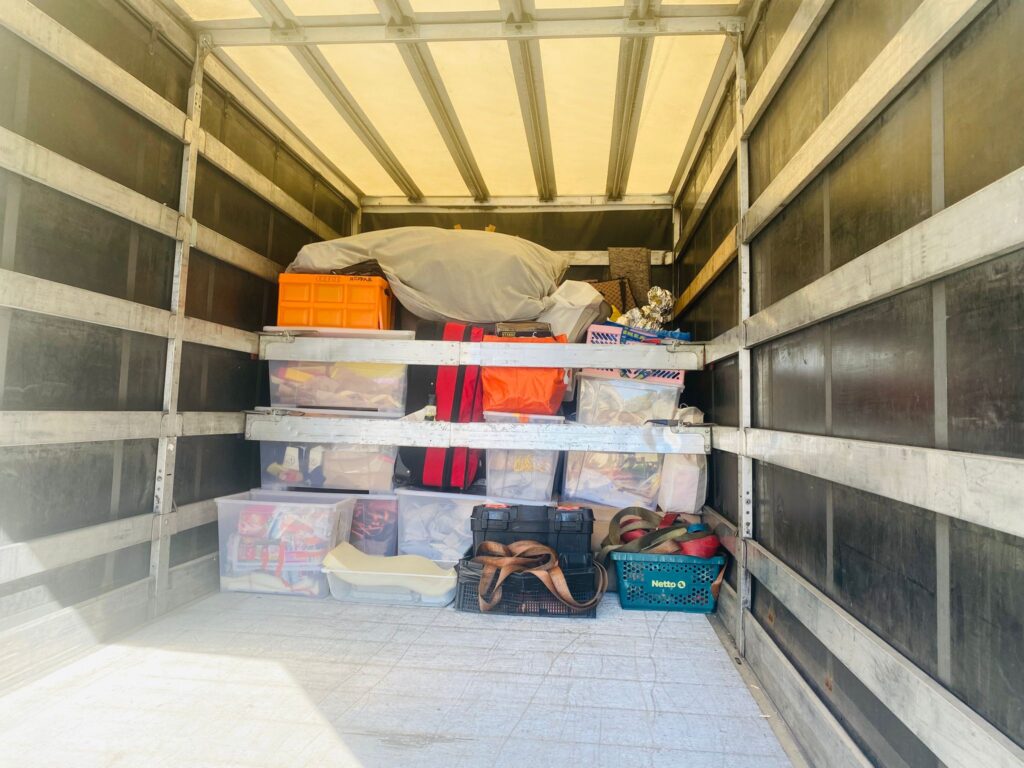
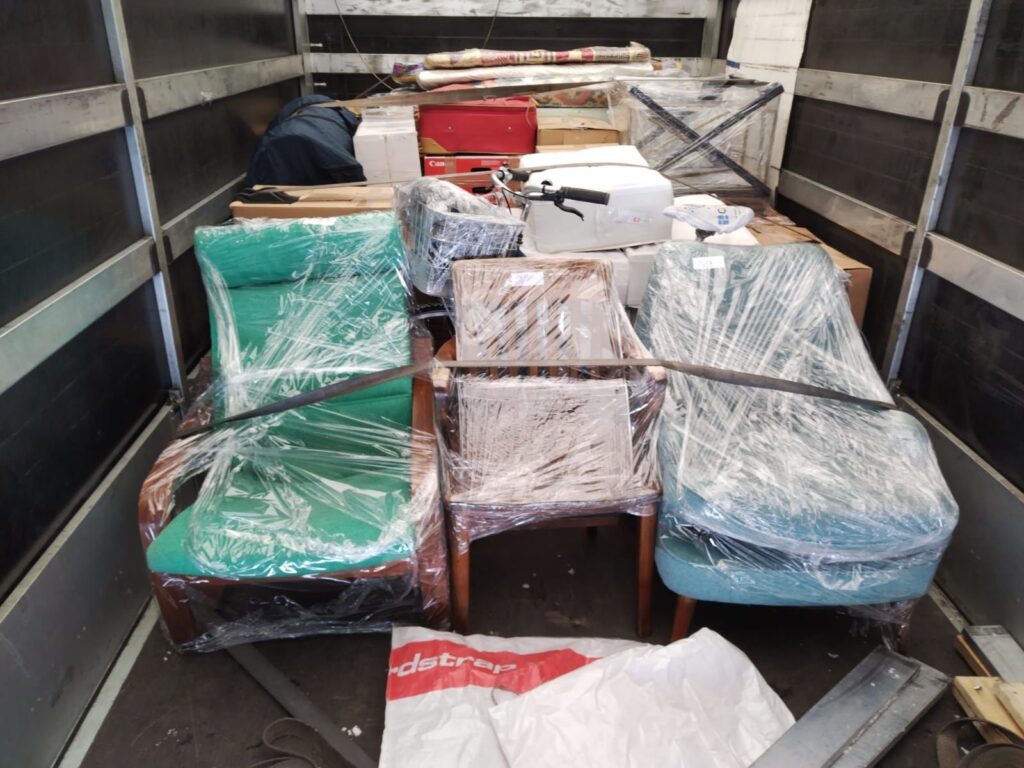
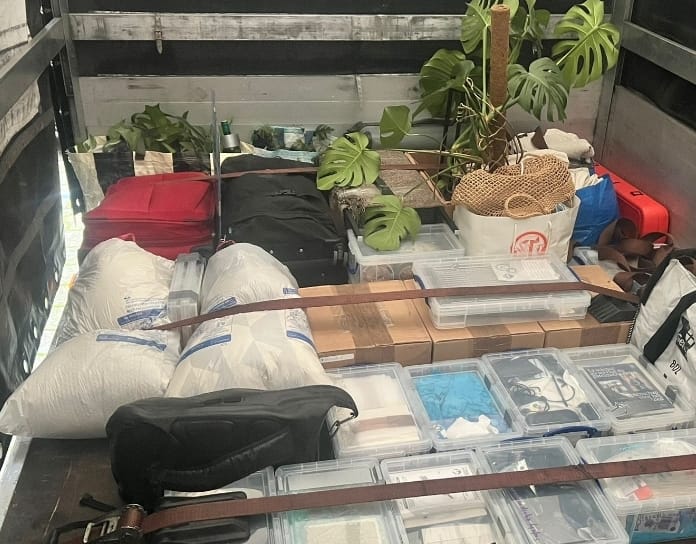
This is where a reliable man and van service becomes more than transport. VANonsite offers Packing Service, Furniture Removals, Home Removals, Student Removals, Office Removals, Storage, White Glove Delivery and Office Furniture Installation.
Language Barriers Are Real
Language is another of the quieter cons of living in Switzerland. Many people assume English will be enough. In business hubs, it often helps. In daily administration, housing and healthcare, it may not.
Switzerland has four national languages: German, French, Italian and Romansh. The local language depends on the canton. Zurich, Basel, Bern and many central or eastern areas are German speaking. Geneva and Vaud are French speaking. Ticino is Italian speaking. Romansh appears mainly in parts of Graubunden.
The problem can appear in a landlord email, rental contract, recycling notice, school message, doctor’s form, tax letter or building rule sheet. Even simple tasks can feel heavier when you need to translate every sentence.
The solution is momentum, not perfection. Learn the local language step by step, save useful phrases and ask for help early.
Social Life Can Feel Reserved
Not all cons of living in Switzerland are financial or administrative. Some are emotional. Switzerland can feel calm, private and polished. For some people, that is peaceful. For others, it can feel lonely at first. Social circles may already be established. Work relationships can remain formal. Neighbours may be polite without becoming close.
Join local clubs, attend language classes, use sports groups, build neighbourhood routines, say yes to small invitations and give friendships time. A good move cannot build your social life, but it can protect your energy.
Rules, Quiet Hours and Fines Can Surprise Newcomers
Switzerland runs smoothly because people respect systems. Yet that same order can feel strict when you are new. This is one of the classic cons of living in Switzerland.
You may encounter rules around Sunday noise, evening quiet hours, laundry schedules, recycling separation, cardboard disposal, parking permits, moving times, lift booking, furniture assembly and waste collection days. These rules protect comfort, cleanliness and neighbourly peace. But during a move, they can become stressful fast.
That is why building access should be confirmed before moving day. A professional mover can help with parking, delivery sequence, furniture handling and timing. VANonsite’s man and van options are especially useful for apartment moves, office removals and furniture installation where precision matters.
Childcare, Taxes and Location Can Change the Whole Budget
For families, one of the serious cons of living in Switzerland is the cost and organisation of childcare. Switzerland can be wonderful for children, but the practical system can surprise parents.
Childcare availability and cost vary by canton and municipality. School systems, lunch arrangements, after school care and holiday coverage may work differently from what families expect.
Taxes also vary by canton and commune, which means Switzerland is not one single cost environment. A lower tax canton may have higher rent. A cheaper rental area may create a longer commute. A beautiful village may require a car. A city apartment may cost more but save hours every week.
| Decision | Why it matters |
|---|---|
| Canton | Affects tax, insurance premiums and school systems |
| Commune | Can affect local taxes and registration |
| Rent | Shapes monthly pressure immediately |
| Commute | Changes transport costs and free time |
| Building type | Affects delivery, stairs, lifts and storage |
| Family needs | Childcare and school can transform the budget |
The smart question is not only, “Is Switzerland expensive?” The better question is, “What will my real monthly life cost in this exact place?”

Moving Costs Can Rise Fast Without Planning
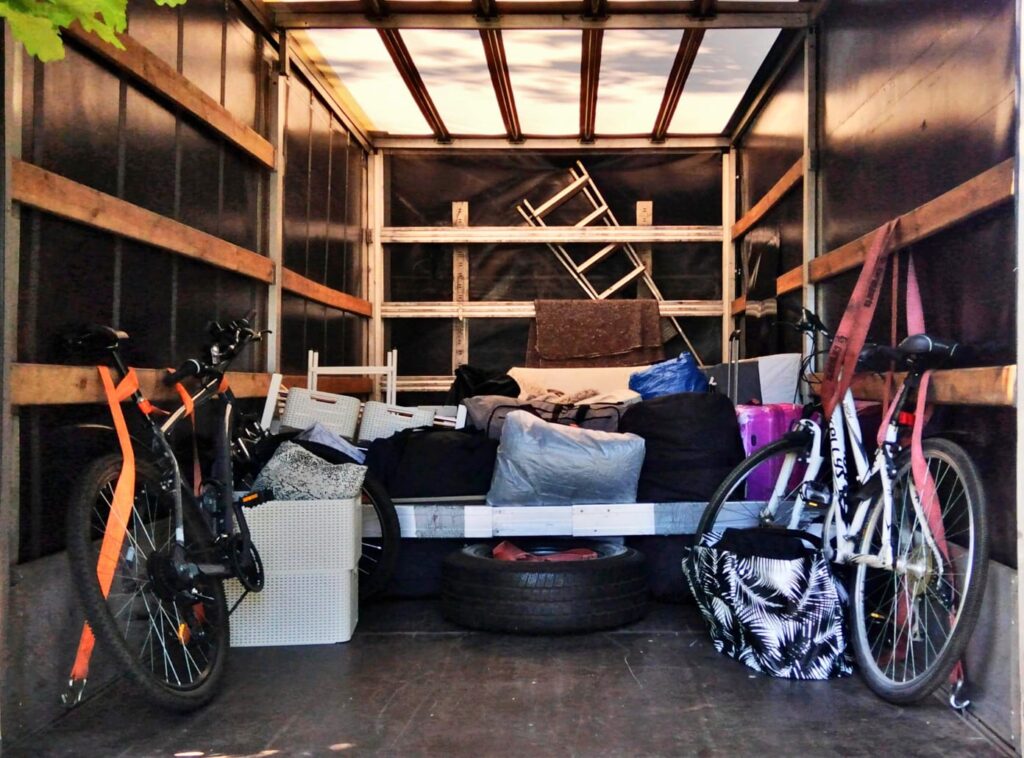
Moving is one of the most practical cons of living in Switzerland because the country’s precision can magnify small mistakes. If you choose the wrong vehicle, forget customs documents, miss a delivery slot or underestimate access issues, costs can rise quickly.
A Switzerland move may involve packing materials, furniture disassembly, long distance transport, border paperwork, inventory preparation, storage, timed delivery, parking and fragile item handling.
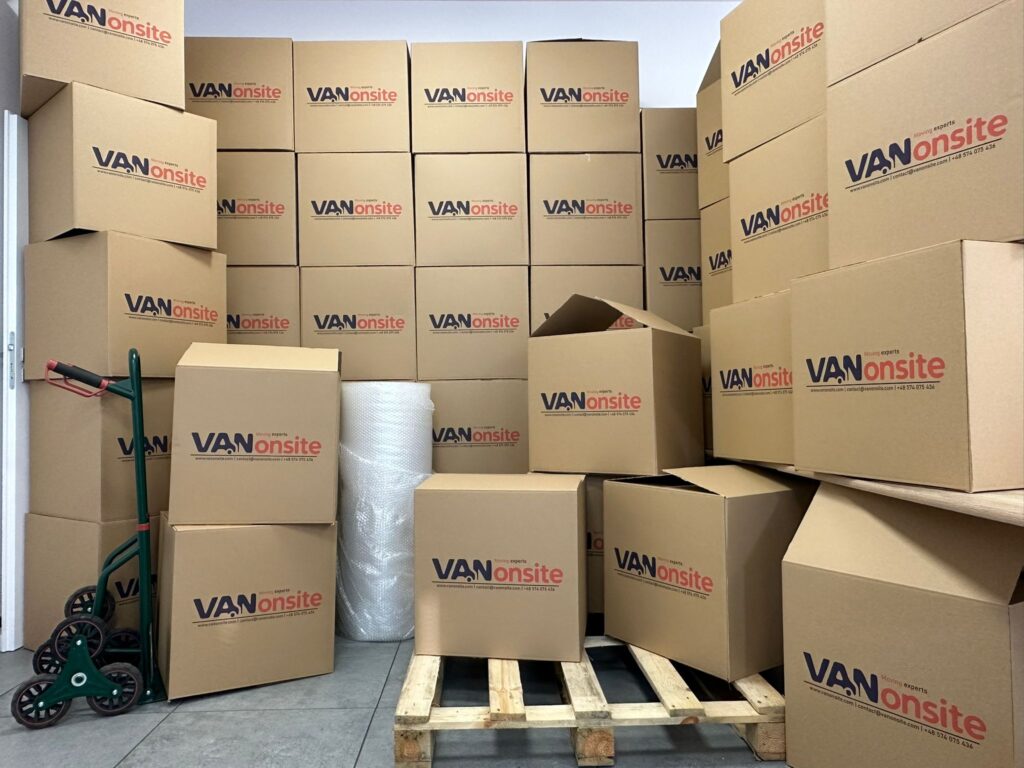
VANonsite offers several vehicle sizes, so the move can match the real load.
| VANonsite option | Capacity | Weight limit | Best for |
|---|---|---|---|
| Moving One | 1 m3 | 100 kg | Boxes, documents and small urgent loads |
| Moving Basic | 5 m3 | 300 kg | Studio essentials and light furniture |
| Moving Medium | 10 m3 | 500 kg | Small flat or selected furniture |
| Moving Premium | 15 m3 | 1,100 kg | Larger apartment move |
| Moving Premium Plus | 30 m3 | 3,500 kg | Family move with furniture and boxes |
| Moving Full House XXL | 90 m3 | 20,000 kg | Full house move or major office relocation |
Instead of guessing, customers can choose a practical man and van setup with professional support. GPS tracking on every load also gives reassurance. You do not have to wonder where your belongings are while they cross Europe.
Is Switzerland Still Worth It Despite the Cons?
Yes, Switzerland can absolutely be worth it. The cons of living in Switzerland are serious, but they do not erase the country’s strengths.
Switzerland may be right for you if your salary supports the real cost of living, you value safety and nature, you can handle rules and paperwork, you prepare documents early, you choose canton and housing carefully and you can tolerate a slower social start.
It may not be the right move if you want spontaneous low cost living, your budget is already tight, you dislike strict rules, you need instant social warmth, you are moving without savings or you expect English to solve every admin task.
The cons of living in Switzerland do not make the country impossible. They make it demanding. Switzerland is not a cheap adventure. It is a premium life system, and premium systems punish sloppy planning.
Moving to Switzerland Checklist
Use this checklist before booking your move:
- Compare canton, rent, tax and commute before choosing where to live.
- Calculate rent, deposit, health insurance, groceries, transport and moving costs.
- Check official residence and work rules on SEM and ch.ch.
- Prepare passport, work contract, rental documents and permit information.
- Create a detailed inventory of household goods.
- Prepare customs form 18.44 for household effects where applicable.
- Choose the right moving vehicle for your real load.
- Confirm building access, parking, lift size and delivery restrictions.
- Arrange packing, storage or White Glove Delivery for valuable items.
- Register with your commune after arrival, usually within 14 days.
- Arrange compulsory health insurance within 3 months.
- Keep printed and digital copies of all important documents.
This checklist turns the cons of living in Switzerland into manageable tasks. The goal is not to remove every challenge. The goal is to stop those challenges from ambushing you.
Why Move to Switzerland with VANonsite?
A move to Switzerland deserves more than a random van and crossed fingers. It needs timing, care and calm execution.
VANonsite offers high quality transport services across Europe with a strong focus on safety, speed and transparency. Every load can be GPS tracked, which gives customers peace of mind during an international move.
Services include Last Minute Moving, Furniture Removals, Home Removals, Packing Service, White Glove Delivery, Office Removals, Storage, Student Removals and Office Furniture Installation.
This matters because many cons of living in Switzerland appear during the first few weeks. You are dealing with registration, insurance, housing, documents and maybe a new job. You do not need a chaotic move on top of that.
FAQ
What are the cons of living in Switzerland?
The biggest cons of living in Switzerland are high rent, mandatory health insurance, expensive services, strict paperwork, competitive housing, language barriers and a reserved social culture. For movers, customs rules and delivery planning can also create stress.
What are the cons to living in Switzerland for expats?
The main cons to living in Switzerland for expats are the cost of living, administrative precision, rental competition, local language demands and the slow process of building a social circle. Many expats love Switzerland, but the first months can feel intense.
Is Switzerland too expensive to live in?
Switzerland is expensive, but not automatically unaffordable. The real question is your net income after rent, tax, health insurance, transport, food and savings. A strong salary can work well, but only if the budget is realistic.
Do I need health insurance after moving to Switzerland?
Yes. Anyone settling in Switzerland must usually take out compulsory health insurance within 3 months. Premiums vary by canton, age, insurer and insurance model, so it is wise to compare options before arrival.
Can I use a man and van service for moving to Switzerland?
Yes. A man and van service can be a smart option for small moves, student removals, urgent loads, selected furniture and flexible European relocation. VANonsite offers vehicle sizes from 1 m3 to 90 m3, so the move can be matched to your belongings.
Final Thoughts: Plan the Move Before Switzerland Tests Your Patience
The cons of living in Switzerland are not myths. The country is expensive, precise and sometimes emotionally cool at first. It asks for patience. It asks for documents. It asks for a budget that can breathe.
But Switzerland also offers rare rewards: safety, structure, clean streets, powerful scenery, excellent infrastructure and a sense that life can run with remarkable dignity. The difference between stress and confidence is preparation.
If you are planning a move, do not leave the road, timing and load to chance. VANonsite offers safe, fast, GPS tracked removals to Switzerland, with flexible man and van options for homes, students, furniture, offices and premium deliveries.
Switzerland may be demanding, but your move does not have to be. With the right plan and the right transport partner, your new chapter can begin with steadier hands, fewer surprises and a door that opens exactly when it should.